
Mahmoud Shouri – Expert on Eurasian Affairs
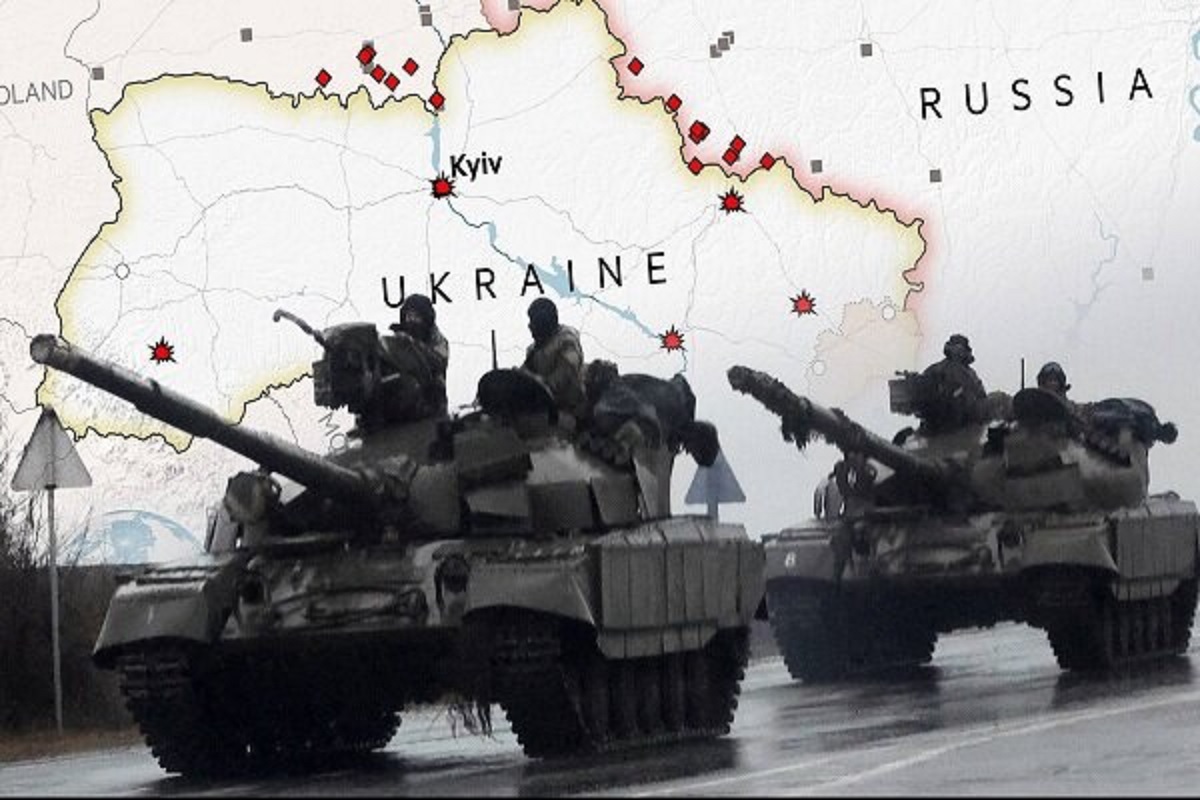
Under Putin’s leadership, Russia has previously made repeated attempts to demonstrate its pursuit of defining an endpoint for the Ukraine war, or at least to show that it possesses ideas and plans for this matter. In reality, Moscow seeks to demonstrate that it has proposals and ideas for ending the war against Ukraine and that this conflict has not reached a deadlock. Put differently, Russia does not believe—in discursive terms—in a stalemate regarding the war against Ukraine and strives to portray that a political solution exists for concluding the crisis. Of course, this solution aligns with what Russia itself defines.
Under current circumstances, and particularly following Donald Trump’s assumption of power in the United States, Russians became hopeful that they could leverage Trump’s presence in the White House to manage the war issue through American pressure and cooperation, thereby finding an endpoint for this matter. Given European opposition and the fact that Europe has never aligned with Russia’s proposals and ideas, this has not materialized to date. However, following recent developments in West Asia and the Ramadan War, conditions have shifted somewhat in Russia’s favor; this is because much attention has been directed toward the Iran-US-Zionist regime war and the crisis in the Persian Gulf and Strait of Hormuz. In this context, Russia has been able to find an opportunity to pursue its path and objectives in the energy market with fewer constraints.
Moreover, a portion of the capacities and capabilities that could have been directed by Europe and the United States toward aiding Ukraine has been diverted—under the influence of the Iran-US crisis—to the war in the Persian Gulf region. For this reason, Russians consider current conditions favorable for advancing certain policies and objectives under the influence of tensions between Tehran and Washington and the relative diversion of attention away from the Ukraine crisis, thereby bringing the Ukraine issue to a conclusion aligned with their intended goals. Consequently, it appears that such statements are primarily framed within the context of exploiting opportunities arising from tensions in the Persian Gulf region. This is because the West currently faces an energy crisis, with energy prices continually rising. Therefore, Russia seeks to utilize this opportunity and persuade Western powers that by altering their policies regarding Ukraine, they might— with Russia’s assistance—find a solution to the global energy crisis.
On the other hand, the West has consistently articulated its own perspective and ideas. Europeans in particular have always emphasized that Russia must relinquish Ukrainian territories and cease its occupation of this country before negotiations regarding Ukraine’s future can proceed with Russia. Today, no change has occurred in the positions of Europeans and Ukrainians, and it does not appear that any significant shift has taken place, at least at the declaratory level. While certain disagreements may exist among Europeans themselves, what we observe externally is that they have pursued relatively stable positions regarding the Ukraine crisis over the past four years, essentially seeking Russia’s withdrawal from all gains it has achieved in Ukraine during this period. Although this demand from the West and Kyiv is not practically achievable.
Regarding the US position, following Donald Trump’s assumption of power, we have witnessed numerous differences in Washington’s stances. Trump has sought to declare, in a sense, that he has resolved the Ukraine issue, and consequently, we observe certain concessions being granted to Russia in the war against Ukraine. However, it is somewhat inconceivable—and unlikely—that Europeans would wish to grant concessions to Russia as America has, regarding how Russia might exploit this opportunity to resolve the divergence in perspectives between Europe and the United States and persuade Europeans to follow America’s path.









0 Comments