جدیدترین مطالب

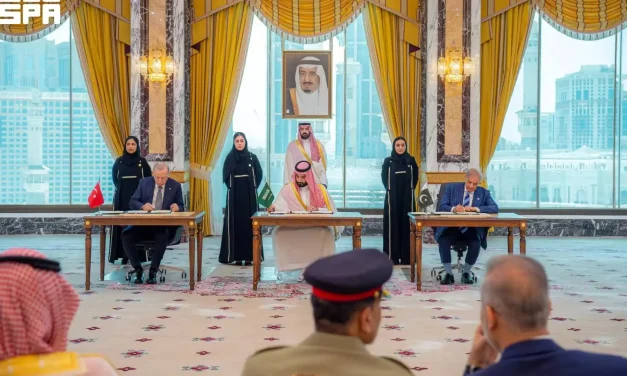
The Makkah Pact; Reasons for its Formation and Challenges Ahead

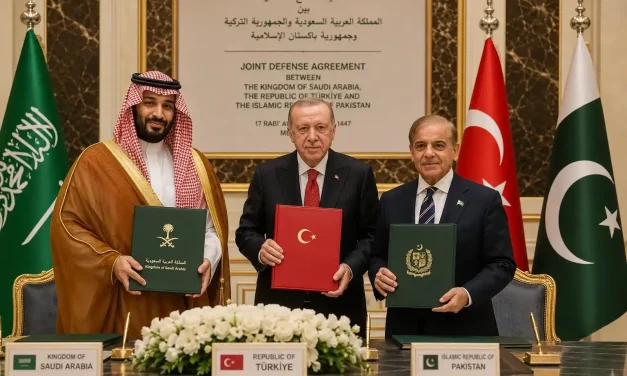
SCFR Online – Opinion: The Makkah Pact, signed between Saudi Arabia, Pakistan, and Turkey under the motto “an attack on one is an attack on all,” is viewed by some analysts less as a full-fledged military coalition and more as an attempt to reduce security dependence on an external power and to establish a regional security mechanism.

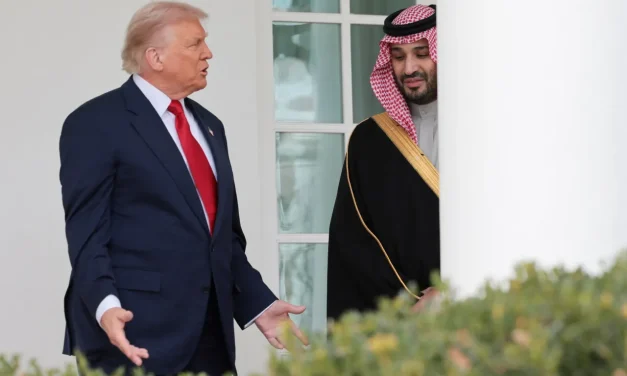
Implications of the US-Saudi Nuclear Agreement

SCFR Online – Opinion: The new US-Saudi nuclear agreement, despite legal and political ambiguities, could alter previous non-proliferation standards in West Asia and intensify nuclear competition, ushering it into a new phase.

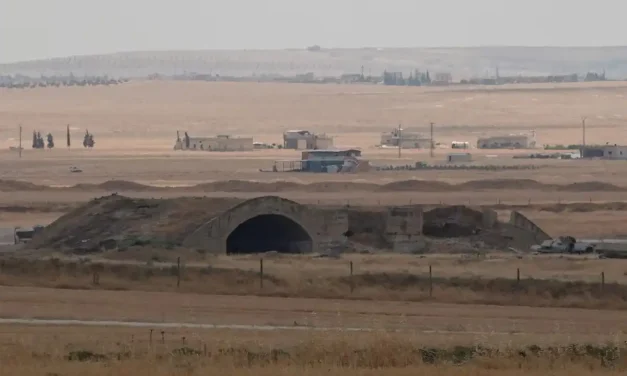
An Analysis of Recent Turkey-Israeli Regime Tensions

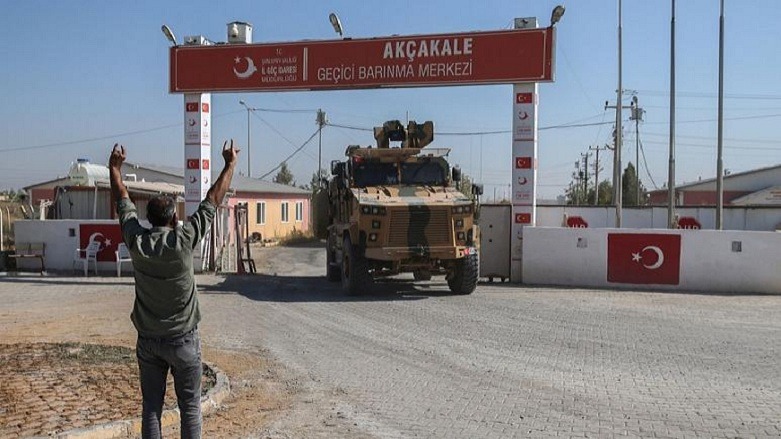
SCFR Online – Opinion: Recent developments in Syria indicate an intensification of strategic rivalry between Turkey and the Israeli regime, but mutual considerations and the role of the United States have limited the likelihood of direct war.

Increasing criticism of the extensive Zionist lobby network

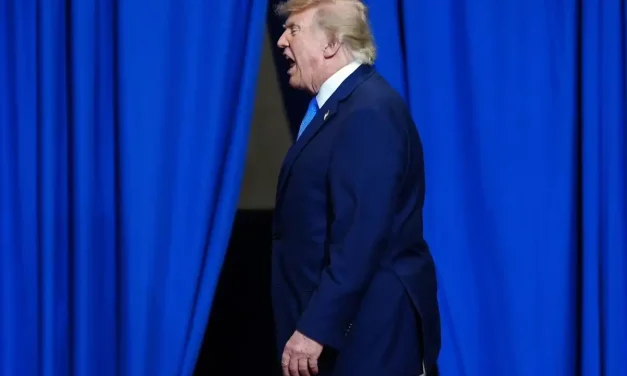
SCFR Online – Opinion: An examination of the mechanisms of the Israeli regime’s influence in the United States depicts a complex picture of shared interests, strategic dependencies, and the limitations of this relationship.

Realities of the Tripartite Makkah Pact

SCFR Online – Interview: The signing of the Makkah agreement between Saudi Arabia, Pakistan, and Turkey has raised questions about the future of the region’s security structure and the position of these countries in West Asian equations. Can this agreement become a genuine collective defense mechanism, or does it have more of a political and deterrent function than creating new military capacity?

Strategic Implications of the Reduction of US Weapons Stockpiles

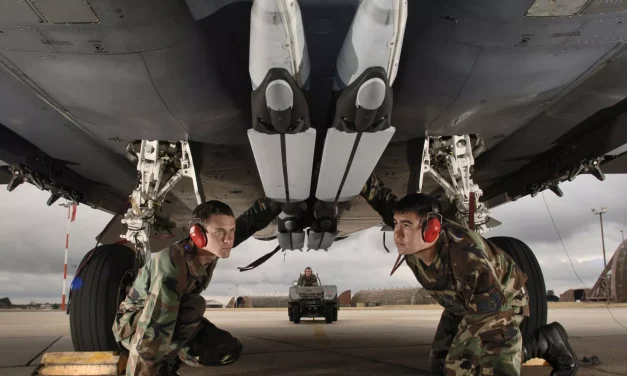
SCFR Online – Opinion: The continuation of the US war against Iran, in addition to increasing operational costs, has called into question the actual capacity of the American arsenal to simultaneously fulfill security commitments on multiple fronts; an issue that affects deterrence, defense production capacity, and Washington’s resource prioritization.

Loading

Top News

International implications of the reduction in the US shale oil production

International implications of the reduction in the US shale oil production

Strategic Council Online—Editorial: Bloomberg recently published a report on the end of remarkable growth in the production of shale oil by the United States; of course, the reduction of shale oil production is not a new phenomenon. It actually began several months ago. However, the recent report indicates a rapid reduction at a level some analysts cannot envisage a growth in the shale oil production even for the year 2023.
Reza Majidzadeh-Economics researcher

Inefficiency of Minsk Group and Unclear Prospects of Karabakh Peace Deal

Inefficiency of Minsk Group and Unclear Prospects of Karabakh Peace Deal

Strategic Council Online – An expert on international affairs said: The most important challenge of the Karabakh crisis is that, despite the recent peace agreement, its future status is still ambiguous and unclear, and this could be the source and the beginning of a renewed conflict between Azerbaijan and Armenia.

Widespread Human Rights Violation with US Sanctions against Iran

Widespread Human Rights Violation with US Sanctions against Iran

Strategic Council Online – An international law professor said that the dimensions of the US anti-human rights actions in imposing illegal sanctions should be further explained to the people of the world, adding: The Americans have ignored international law of development and international humanitarian law by imposing successive illegal sanctions.

Zionist Regime’s Political Crisis & Netanyahu’s Future

Zionist Regime’s Political Crisis & Netanyahu’s Future

Strategic Council Online – An expert on the Middle East affairs said: The main reasons for the six-month protest demonstrations against Israeli Prime Minister Benjamin Netanyahu are economic problems, issues caused by the outbreak of the coronavirus and the inefficiency of his government in resolving public problems.

Russia-EU Relations; Overshadowed by Reciprocal Sanctions

Russia-EU Relations; Overshadowed by Reciprocal Sanctions

Strategic Council Online –An expert on international affairs referred to the reciprocal sanctions between Russia and the European Union and said: In addition to the Crimea issue, espionage and anti-espionage activities have prevented Europe from approaching Russia, although Russia was trying to improve its relations with Europe but was not successful and still the relations are faced with serious challenges.

Turkey on the verge of involvement in the Yemen case

Turkey on the verge of involvement in the Yemen case

Strategic Council Online—Editorial: Turkey is one of the main regional players which has been pursuing an aggressive foreign policy during the past several years—a country which once prioritized in its foreign policy the zero-tension approach with its neighbors but has now turned down that policy by entering into various levels of political, security, military and field operational engagements in the West Asia, the Caucasus and North Africa regions. In fact, you can find very few hot spots in the region in which Turkey has not been actively involved.
Hamid Khoshayand-International issues analyst

Prospect of US-Saudi Relations under Biden

Prospect of US-Saudi Relations under Biden

Strategic Council Online – An expert on the Middle East affairs said that Saudi officials are concerned about the implementation of policies that would change the course of developments in the region to their detriment during the Biden era and expose the current precarious position of Riyadh in the region to further losses and shortcomings.

Attempts of Foreign Players to Form Lebanese Gov’twithout Hezbollah

Attempts of Foreign Players to Form Lebanese Gov’twithout Hezbollah

Strategic Council Online – Foreign players are making attempts for the formation of Saad Hariri’s government before US President Donald Trump leaves the White House so that the new Lebanese cabinet would be in their favor, said a university professor, adding: But it seems that if the interests of Hezbollah and its allies are ignored in the formation of the government, the Lebanese cabinet will not be formed within the next two to three months.

Implications of US Withdrawal from Iraq and Afghanistan

Implications of US Withdrawal from Iraq and Afghanistan

Strategic Council Online – Despite warnings, Ronald Trump intends to reduce the number of American troops from Afghanistan and Iraq ahead of the deadline. He wants to be still influential in foreign and security policy, and intends to constrain his successor, Joe Biden. Withdrawal of US troops from Iraq and Afghanistan, without coordination and acceptance of the responsibility, could have dangerous consequences for the region as well as for the European allies of the US.
Mahmoud Fazeli – Expert on International Affairs

أحدث الوظائف

The Makkah Pact; Reasons for its Formation and Challenges Ahead

SCFR Online – Opinion: The Makkah Pact, signed between Saudi Arabia, Pakistan, and Turkey under the motto “an attack on one is an attack on all,” is viewed by some analysts less as a full-fledged military coalition and more as an attempt to reduce security dependence on an external power and to establish a regional security mechanism.

Implications of the US-Saudi Nuclear Agreement

SCFR Online – Opinion: The new US-Saudi nuclear agreement, despite legal and political ambiguities, could alter previous non-proliferation standards in West Asia and intensify nuclear competition, ushering it into a new phase.

An Analysis of Recent Turkey-Israeli Regime Tensions

SCFR Online – Opinion: Recent developments in Syria indicate an intensification of strategic rivalry between Turkey and the Israeli regime, but mutual considerations and the role of the United States have limited the likelihood of direct war.

Increasing criticism of the extensive Zionist lobby network

SCFR Online – Opinion: An examination of the mechanisms of the Israeli regime’s influence in the United States depicts a complex picture of shared interests, strategic dependencies, and the limitations of this relationship.

Realities of the Tripartite Makkah Pact

SCFR Online – Interview: The signing of the Makkah agreement between Saudi Arabia, Pakistan, and Turkey has raised questions about the future of the region’s security structure and the position of these countries in West Asian equations. Can this agreement become a genuine collective defense mechanism, or does it have more of a political and deterrent function than creating new military capacity?

Strategic Implications of the Reduction of US Weapons Stockpiles

SCFR Online – Opinion: The continuation of the US war against Iran, in addition to increasing operational costs, has called into question the actual capacity of the American arsenal to simultaneously fulfill security commitments on multiple fronts; an issue that affects deterrence, defense production capacity, and Washington’s resource prioritization.

Loading

Top News

International implications of the reduction in the US shale oil production

International implications of the reduction in the US shale oil production

Strategic Council Online—Editorial: Bloomberg recently published a report on the end of remarkable growth in the production of shale oil by the United States; of course, the reduction of shale oil production is not a new phenomenon. It actually began several months ago. However, the recent report indicates a rapid reduction at a level some analysts cannot envisage a growth in the shale oil production even for the year 2023.
Reza Majidzadeh-Economics researcher

Inefficiency of Minsk Group and Unclear Prospects of Karabakh Peace Deal

Inefficiency of Minsk Group and Unclear Prospects of Karabakh Peace Deal

Strategic Council Online – An expert on international affairs said: The most important challenge of the Karabakh crisis is that, despite the recent peace agreement, its future status is still ambiguous and unclear, and this could be the source and the beginning of a renewed conflict between Azerbaijan and Armenia.

Widespread Human Rights Violation with US Sanctions against Iran

Widespread Human Rights Violation with US Sanctions against Iran

Strategic Council Online – An international law professor said that the dimensions of the US anti-human rights actions in imposing illegal sanctions should be further explained to the people of the world, adding: The Americans have ignored international law of development and international humanitarian law by imposing successive illegal sanctions.

Zionist Regime’s Political Crisis & Netanyahu’s Future

Zionist Regime’s Political Crisis & Netanyahu’s Future

Strategic Council Online – An expert on the Middle East affairs said: The main reasons for the six-month protest demonstrations against Israeli Prime Minister Benjamin Netanyahu are economic problems, issues caused by the outbreak of the coronavirus and the inefficiency of his government in resolving public problems.

Russia-EU Relations; Overshadowed by Reciprocal Sanctions

Russia-EU Relations; Overshadowed by Reciprocal Sanctions

Strategic Council Online –An expert on international affairs referred to the reciprocal sanctions between Russia and the European Union and said: In addition to the Crimea issue, espionage and anti-espionage activities have prevented Europe from approaching Russia, although Russia was trying to improve its relations with Europe but was not successful and still the relations are faced with serious challenges.

Turkey on the verge of involvement in the Yemen case

Turkey on the verge of involvement in the Yemen case

Strategic Council Online—Editorial: Turkey is one of the main regional players which has been pursuing an aggressive foreign policy during the past several years—a country which once prioritized in its foreign policy the zero-tension approach with its neighbors but has now turned down that policy by entering into various levels of political, security, military and field operational engagements in the West Asia, the Caucasus and North Africa regions. In fact, you can find very few hot spots in the region in which Turkey has not been actively involved.
Hamid Khoshayand-International issues analyst

Prospect of US-Saudi Relations under Biden

Prospect of US-Saudi Relations under Biden

Strategic Council Online – An expert on the Middle East affairs said that Saudi officials are concerned about the implementation of policies that would change the course of developments in the region to their detriment during the Biden era and expose the current precarious position of Riyadh in the region to further losses and shortcomings.

Attempts of Foreign Players to Form Lebanese Gov’twithout Hezbollah

Attempts of Foreign Players to Form Lebanese Gov’twithout Hezbollah

Strategic Council Online – Foreign players are making attempts for the formation of Saad Hariri’s government before US President Donald Trump leaves the White House so that the new Lebanese cabinet would be in their favor, said a university professor, adding: But it seems that if the interests of Hezbollah and its allies are ignored in the formation of the government, the Lebanese cabinet will not be formed within the next two to three months.

Implications of US Withdrawal from Iraq and Afghanistan

Implications of US Withdrawal from Iraq and Afghanistan

Strategic Council Online – Despite warnings, Ronald Trump intends to reduce the number of American troops from Afghanistan and Iraq ahead of the deadline. He wants to be still influential in foreign and security policy, and intends to constrain his successor, Joe Biden. Withdrawal of US troops from Iraq and Afghanistan, without coordination and acceptance of the responsibility, could have dangerous consequences for the region as well as for the European allies of the US.
Mahmoud Fazeli – Expert on International Affairs

Top News

International implications of the reduction in the US shale oil production

International implications of the reduction in the US shale oil production

Strategic Council Online—Editorial: Bloomberg recently published a report on the end of remarkable growth in the production of shale oil by the United States; of course, the reduction of shale oil production is not a new phenomenon. It actually began several months ago. However, the recent report indicates a rapid reduction at a level some analysts cannot envisage a growth in the shale oil production even for the year 2023.
Reza Majidzadeh-Economics researcher

Inefficiency of Minsk Group and Unclear Prospects of Karabakh Peace Deal

Inefficiency of Minsk Group and Unclear Prospects of Karabakh Peace Deal

Strategic Council Online – An expert on international affairs said: The most important challenge of the Karabakh crisis is that, despite the recent peace agreement, its future status is still ambiguous and unclear, and this could be the source and the beginning of a renewed conflict between Azerbaijan and Armenia.

Widespread Human Rights Violation with US Sanctions against Iran

Widespread Human Rights Violation with US Sanctions against Iran

Strategic Council Online – An international law professor said that the dimensions of the US anti-human rights actions in imposing illegal sanctions should be further explained to the people of the world, adding: The Americans have ignored international law of development and international humanitarian law by imposing successive illegal sanctions.

Zionist Regime’s Political Crisis & Netanyahu’s Future

Zionist Regime’s Political Crisis & Netanyahu’s Future

Strategic Council Online – An expert on the Middle East affairs said: The main reasons for the six-month protest demonstrations against Israeli Prime Minister Benjamin Netanyahu are economic problems, issues caused by the outbreak of the coronavirus and the inefficiency of his government in resolving public problems.

Russia-EU Relations; Overshadowed by Reciprocal Sanctions

Russia-EU Relations; Overshadowed by Reciprocal Sanctions

Strategic Council Online –An expert on international affairs referred to the reciprocal sanctions between Russia and the European Union and said: In addition to the Crimea issue, espionage and anti-espionage activities have prevented Europe from approaching Russia, although Russia was trying to improve its relations with Europe but was not successful and still the relations are faced with serious challenges.

Turkey on the verge of involvement in the Yemen case

Turkey on the verge of involvement in the Yemen case

Strategic Council Online—Editorial: Turkey is one of the main regional players which has been pursuing an aggressive foreign policy during the past several years—a country which once prioritized in its foreign policy the zero-tension approach with its neighbors but has now turned down that policy by entering into various levels of political, security, military and field operational engagements in the West Asia, the Caucasus and North Africa regions. In fact, you can find very few hot spots in the region in which Turkey has not been actively involved.
Hamid Khoshayand-International issues analyst

Prospect of US-Saudi Relations under Biden

Prospect of US-Saudi Relations under Biden

Strategic Council Online – An expert on the Middle East affairs said that Saudi officials are concerned about the implementation of policies that would change the course of developments in the region to their detriment during the Biden era and expose the current precarious position of Riyadh in the region to further losses and shortcomings.

Attempts of Foreign Players to Form Lebanese Gov’twithout Hezbollah

Attempts of Foreign Players to Form Lebanese Gov’twithout Hezbollah

Strategic Council Online – Foreign players are making attempts for the formation of Saad Hariri’s government before US President Donald Trump leaves the White House so that the new Lebanese cabinet would be in their favor, said a university professor, adding: But it seems that if the interests of Hezbollah and its allies are ignored in the formation of the government, the Lebanese cabinet will not be formed within the next two to three months.

Implications of US Withdrawal from Iraq and Afghanistan

Implications of US Withdrawal from Iraq and Afghanistan

Strategic Council Online – Despite warnings, Ronald Trump intends to reduce the number of American troops from Afghanistan and Iraq ahead of the deadline. He wants to be still influential in foreign and security policy, and intends to constrain his successor, Joe Biden. Withdrawal of US troops from Iraq and Afghanistan, without coordination and acceptance of the responsibility, could have dangerous consequences for the region as well as for the European allies of the US.
Mahmoud Fazeli – Expert on International Affairs

LATEST CONTENT

The Makkah Pact; Reasons for its Formation and Challenges Ahead

SCFR Online – Opinion: The Makkah Pact, signed between Saudi Arabia, Pakistan, and Turkey under the motto “an attack on one is an attack on all,” is viewed by some analysts less as a full-fledged military coalition and more as an attempt to reduce security dependence on an external power and to establish a regional security mechanism.

Implications of the US-Saudi Nuclear Agreement

SCFR Online – Opinion: The new US-Saudi nuclear agreement, despite legal and political ambiguities, could alter previous non-proliferation standards in West Asia and intensify nuclear competition, ushering it into a new phase.

An Analysis of Recent Turkey-Israeli Regime Tensions

SCFR Online – Opinion: Recent developments in Syria indicate an intensification of strategic rivalry between Turkey and the Israeli regime, but mutual considerations and the role of the United States have limited the likelihood of direct war.

Increasing criticism of the extensive Zionist lobby network

SCFR Online – Opinion: An examination of the mechanisms of the Israeli regime’s influence in the United States depicts a complex picture of shared interests, strategic dependencies, and the limitations of this relationship.

Realities of the Tripartite Makkah Pact

SCFR Online – Interview: The signing of the Makkah agreement between Saudi Arabia, Pakistan, and Turkey has raised questions about the future of the region’s security structure and the position of these countries in West Asian equations. Can this agreement become a genuine collective defense mechanism, or does it have more of a political and deterrent function than creating new military capacity?

Strategic Implications of the Reduction of US Weapons Stockpiles

SCFR Online – Opinion: The continuation of the US war against Iran, in addition to increasing operational costs, has called into question the actual capacity of the American arsenal to simultaneously fulfill security commitments on multiple fronts; an issue that affects deterrence, defense production capacity, and Washington’s resource prioritization.

Loading

Top News

International implications of the reduction in the US shale oil production

International implications of the reduction in the US shale oil production

Strategic Council Online—Editorial: Bloomberg recently published a report on the end of remarkable growth in the production of shale oil by the United States; of course, the reduction of shale oil production is not a new phenomenon. It actually began several months ago. However, the recent report indicates a rapid reduction at a level some analysts cannot envisage a growth in the shale oil production even for the year 2023.
Reza Majidzadeh-Economics researcher

Inefficiency of Minsk Group and Unclear Prospects of Karabakh Peace Deal

Inefficiency of Minsk Group and Unclear Prospects of Karabakh Peace Deal

Strategic Council Online – An expert on international affairs said: The most important challenge of the Karabakh crisis is that, despite the recent peace agreement, its future status is still ambiguous and unclear, and this could be the source and the beginning of a renewed conflict between Azerbaijan and Armenia.

Widespread Human Rights Violation with US Sanctions against Iran

Widespread Human Rights Violation with US Sanctions against Iran

Strategic Council Online – An international law professor said that the dimensions of the US anti-human rights actions in imposing illegal sanctions should be further explained to the people of the world, adding: The Americans have ignored international law of development and international humanitarian law by imposing successive illegal sanctions.

Zionist Regime’s Political Crisis & Netanyahu’s Future

Zionist Regime’s Political Crisis & Netanyahu’s Future

Strategic Council Online – An expert on the Middle East affairs said: The main reasons for the six-month protest demonstrations against Israeli Prime Minister Benjamin Netanyahu are economic problems, issues caused by the outbreak of the coronavirus and the inefficiency of his government in resolving public problems.

Russia-EU Relations; Overshadowed by Reciprocal Sanctions

Russia-EU Relations; Overshadowed by Reciprocal Sanctions

Strategic Council Online –An expert on international affairs referred to the reciprocal sanctions between Russia and the European Union and said: In addition to the Crimea issue, espionage and anti-espionage activities have prevented Europe from approaching Russia, although Russia was trying to improve its relations with Europe but was not successful and still the relations are faced with serious challenges.

Turkey on the verge of involvement in the Yemen case

Turkey on the verge of involvement in the Yemen case

Strategic Council Online—Editorial: Turkey is one of the main regional players which has been pursuing an aggressive foreign policy during the past several years—a country which once prioritized in its foreign policy the zero-tension approach with its neighbors but has now turned down that policy by entering into various levels of political, security, military and field operational engagements in the West Asia, the Caucasus and North Africa regions. In fact, you can find very few hot spots in the region in which Turkey has not been actively involved.
Hamid Khoshayand-International issues analyst

Prospect of US-Saudi Relations under Biden

Prospect of US-Saudi Relations under Biden

Strategic Council Online – An expert on the Middle East affairs said that Saudi officials are concerned about the implementation of policies that would change the course of developments in the region to their detriment during the Biden era and expose the current precarious position of Riyadh in the region to further losses and shortcomings.

Attempts of Foreign Players to Form Lebanese Gov’twithout Hezbollah

Attempts of Foreign Players to Form Lebanese Gov’twithout Hezbollah

Strategic Council Online – Foreign players are making attempts for the formation of Saad Hariri’s government before US President Donald Trump leaves the White House so that the new Lebanese cabinet would be in their favor, said a university professor, adding: But it seems that if the interests of Hezbollah and its allies are ignored in the formation of the government, the Lebanese cabinet will not be formed within the next two to three months.

Implications of US Withdrawal from Iraq and Afghanistan

Implications of US Withdrawal from Iraq and Afghanistan

Strategic Council Online – Despite warnings, Ronald Trump intends to reduce the number of American troops from Afghanistan and Iraq ahead of the deadline. He wants to be still influential in foreign and security policy, and intends to constrain his successor, Joe Biden. Withdrawal of US troops from Iraq and Afghanistan, without coordination and acceptance of the responsibility, could have dangerous consequences for the region as well as for the European allies of the US.
Mahmoud Fazeli – Expert on International Affairs

ÚLTIMAS PUBLICACIONES

The Makkah Pact; Reasons for its Formation and Challenges Ahead

SCFR Online – Opinion: The Makkah Pact, signed between Saudi Arabia, Pakistan, and Turkey under the motto “an attack on one is an attack on all,” is viewed by some analysts less as a full-fledged military coalition and more as an attempt to reduce security dependence on an external power and to establish a regional security mechanism.

Implications of the US-Saudi Nuclear Agreement

SCFR Online – Opinion: The new US-Saudi nuclear agreement, despite legal and political ambiguities, could alter previous non-proliferation standards in West Asia and intensify nuclear competition, ushering it into a new phase.

An Analysis of Recent Turkey-Israeli Regime Tensions

SCFR Online – Opinion: Recent developments in Syria indicate an intensification of strategic rivalry between Turkey and the Israeli regime, but mutual considerations and the role of the United States have limited the likelihood of direct war.

Increasing criticism of the extensive Zionist lobby network

SCFR Online – Opinion: An examination of the mechanisms of the Israeli regime’s influence in the United States depicts a complex picture of shared interests, strategic dependencies, and the limitations of this relationship.

Realities of the Tripartite Makkah Pact

SCFR Online – Interview: The signing of the Makkah agreement between Saudi Arabia, Pakistan, and Turkey has raised questions about the future of the region’s security structure and the position of these countries in West Asian equations. Can this agreement become a genuine collective defense mechanism, or does it have more of a political and deterrent function than creating new military capacity?

Strategic Implications of the Reduction of US Weapons Stockpiles

SCFR Online – Opinion: The continuation of the US war against Iran, in addition to increasing operational costs, has called into question the actual capacity of the American arsenal to simultaneously fulfill security commitments on multiple fronts; an issue that affects deterrence, defense production capacity, and Washington’s resource prioritization.

Loading

Top News

International implications of the reduction in the US shale oil production

International implications of the reduction in the US shale oil production

Strategic Council Online—Editorial: Bloomberg recently published a report on the end of remarkable growth in the production of shale oil by the United States; of course, the reduction of shale oil production is not a new phenomenon. It actually began several months ago. However, the recent report indicates a rapid reduction at a level some analysts cannot envisage a growth in the shale oil production even for the year 2023.
Reza Majidzadeh-Economics researcher

Inefficiency of Minsk Group and Unclear Prospects of Karabakh Peace Deal

Inefficiency of Minsk Group and Unclear Prospects of Karabakh Peace Deal

Strategic Council Online – An expert on international affairs said: The most important challenge of the Karabakh crisis is that, despite the recent peace agreement, its future status is still ambiguous and unclear, and this could be the source and the beginning of a renewed conflict between Azerbaijan and Armenia.

Widespread Human Rights Violation with US Sanctions against Iran

Widespread Human Rights Violation with US Sanctions against Iran

Strategic Council Online – An international law professor said that the dimensions of the US anti-human rights actions in imposing illegal sanctions should be further explained to the people of the world, adding: The Americans have ignored international law of development and international humanitarian law by imposing successive illegal sanctions.

Zionist Regime’s Political Crisis & Netanyahu’s Future

Zionist Regime’s Political Crisis & Netanyahu’s Future

Strategic Council Online – An expert on the Middle East affairs said: The main reasons for the six-month protest demonstrations against Israeli Prime Minister Benjamin Netanyahu are economic problems, issues caused by the outbreak of the coronavirus and the inefficiency of his government in resolving public problems.

Russia-EU Relations; Overshadowed by Reciprocal Sanctions

Russia-EU Relations; Overshadowed by Reciprocal Sanctions

Strategic Council Online –An expert on international affairs referred to the reciprocal sanctions between Russia and the European Union and said: In addition to the Crimea issue, espionage and anti-espionage activities have prevented Europe from approaching Russia, although Russia was trying to improve its relations with Europe but was not successful and still the relations are faced with serious challenges.

Turkey on the verge of involvement in the Yemen case

Turkey on the verge of involvement in the Yemen case

Strategic Council Online—Editorial: Turkey is one of the main regional players which has been pursuing an aggressive foreign policy during the past several years—a country which once prioritized in its foreign policy the zero-tension approach with its neighbors but has now turned down that policy by entering into various levels of political, security, military and field operational engagements in the West Asia, the Caucasus and North Africa regions. In fact, you can find very few hot spots in the region in which Turkey has not been actively involved.
Hamid Khoshayand-International issues analyst

Prospect of US-Saudi Relations under Biden

Prospect of US-Saudi Relations under Biden

Strategic Council Online – An expert on the Middle East affairs said that Saudi officials are concerned about the implementation of policies that would change the course of developments in the region to their detriment during the Biden era and expose the current precarious position of Riyadh in the region to further losses and shortcomings.

Attempts of Foreign Players to Form Lebanese Gov’twithout Hezbollah

Attempts of Foreign Players to Form Lebanese Gov’twithout Hezbollah

Strategic Council Online – Foreign players are making attempts for the formation of Saad Hariri’s government before US President Donald Trump leaves the White House so that the new Lebanese cabinet would be in their favor, said a university professor, adding: But it seems that if the interests of Hezbollah and its allies are ignored in the formation of the government, the Lebanese cabinet will not be formed within the next two to three months.

Implications of US Withdrawal from Iraq and Afghanistan

Implications of US Withdrawal from Iraq and Afghanistan

Strategic Council Online – Despite warnings, Ronald Trump intends to reduce the number of American troops from Afghanistan and Iraq ahead of the deadline. He wants to be still influential in foreign and security policy, and intends to constrain his successor, Joe Biden. Withdrawal of US troops from Iraq and Afghanistan, without coordination and acceptance of the responsibility, could have dangerous consequences for the region as well as for the European allies of the US.
Mahmoud Fazeli – Expert on International Affairs

ÚLTIMAS PUBLICACIONES

The Makkah Pact; Reasons for its Formation and Challenges Ahead

SCFR Online – Opinion: The Makkah Pact, signed between Saudi Arabia, Pakistan, and Turkey under the motto “an attack on one is an attack on all,” is viewed by some analysts less as a full-fledged military coalition and more as an attempt to reduce security dependence on an external power and to establish a regional security mechanism.

Implications of the US-Saudi Nuclear Agreement

SCFR Online – Opinion: The new US-Saudi nuclear agreement, despite legal and political ambiguities, could alter previous non-proliferation standards in West Asia and intensify nuclear competition, ushering it into a new phase.

An Analysis of Recent Turkey-Israeli Regime Tensions

SCFR Online – Opinion: Recent developments in Syria indicate an intensification of strategic rivalry between Turkey and the Israeli regime, but mutual considerations and the role of the United States have limited the likelihood of direct war.

Increasing criticism of the extensive Zionist lobby network

SCFR Online – Opinion: An examination of the mechanisms of the Israeli regime’s influence in the United States depicts a complex picture of shared interests, strategic dependencies, and the limitations of this relationship.

Realities of the Tripartite Makkah Pact

SCFR Online – Interview: The signing of the Makkah agreement between Saudi Arabia, Pakistan, and Turkey has raised questions about the future of the region’s security structure and the position of these countries in West Asian equations. Can this agreement become a genuine collective defense mechanism, or does it have more of a political and deterrent function than creating new military capacity?

Strategic Implications of the Reduction of US Weapons Stockpiles

SCFR Online – Opinion: The continuation of the US war against Iran, in addition to increasing operational costs, has called into question the actual capacity of the American arsenal to simultaneously fulfill security commitments on multiple fronts; an issue that affects deterrence, defense production capacity, and Washington’s resource prioritization.

Loading

Top News

International implications of the reduction in the US shale oil production

International implications of the reduction in the US shale oil production

Strategic Council Online—Editorial: Bloomberg recently published a report on the end of remarkable growth in the production of shale oil by the United States; of course, the reduction of shale oil production is not a new phenomenon. It actually began several months ago. However, the recent report indicates a rapid reduction at a level some analysts cannot envisage a growth in the shale oil production even for the year 2023.
Reza Majidzadeh-Economics researcher

Inefficiency of Minsk Group and Unclear Prospects of Karabakh Peace Deal

Inefficiency of Minsk Group and Unclear Prospects of Karabakh Peace Deal

Strategic Council Online – An expert on international affairs said: The most important challenge of the Karabakh crisis is that, despite the recent peace agreement, its future status is still ambiguous and unclear, and this could be the source and the beginning of a renewed conflict between Azerbaijan and Armenia.

Widespread Human Rights Violation with US Sanctions against Iran

Widespread Human Rights Violation with US Sanctions against Iran

Strategic Council Online – An international law professor said that the dimensions of the US anti-human rights actions in imposing illegal sanctions should be further explained to the people of the world, adding: The Americans have ignored international law of development and international humanitarian law by imposing successive illegal sanctions.

Zionist Regime’s Political Crisis & Netanyahu’s Future

Zionist Regime’s Political Crisis & Netanyahu’s Future

Strategic Council Online – An expert on the Middle East affairs said: The main reasons for the six-month protest demonstrations against Israeli Prime Minister Benjamin Netanyahu are economic problems, issues caused by the outbreak of the coronavirus and the inefficiency of his government in resolving public problems.

Russia-EU Relations; Overshadowed by Reciprocal Sanctions

Russia-EU Relations; Overshadowed by Reciprocal Sanctions

Strategic Council Online –An expert on international affairs referred to the reciprocal sanctions between Russia and the European Union and said: In addition to the Crimea issue, espionage and anti-espionage activities have prevented Europe from approaching Russia, although Russia was trying to improve its relations with Europe but was not successful and still the relations are faced with serious challenges.

Turkey on the verge of involvement in the Yemen case

Turkey on the verge of involvement in the Yemen case

Strategic Council Online—Editorial: Turkey is one of the main regional players which has been pursuing an aggressive foreign policy during the past several years—a country which once prioritized in its foreign policy the zero-tension approach with its neighbors but has now turned down that policy by entering into various levels of political, security, military and field operational engagements in the West Asia, the Caucasus and North Africa regions. In fact, you can find very few hot spots in the region in which Turkey has not been actively involved.
Hamid Khoshayand-International issues analyst

Prospect of US-Saudi Relations under Biden

Prospect of US-Saudi Relations under Biden

Strategic Council Online – An expert on the Middle East affairs said that Saudi officials are concerned about the implementation of policies that would change the course of developments in the region to their detriment during the Biden era and expose the current precarious position of Riyadh in the region to further losses and shortcomings.

Attempts of Foreign Players to Form Lebanese Gov’twithout Hezbollah

Attempts of Foreign Players to Form Lebanese Gov’twithout Hezbollah

Strategic Council Online – Foreign players are making attempts for the formation of Saad Hariri’s government before US President Donald Trump leaves the White House so that the new Lebanese cabinet would be in their favor, said a university professor, adding: But it seems that if the interests of Hezbollah and its allies are ignored in the formation of the government, the Lebanese cabinet will not be formed within the next two to three months.

Implications of US Withdrawal from Iraq and Afghanistan

Implications of US Withdrawal from Iraq and Afghanistan

Strategic Council Online – Despite warnings, Ronald Trump intends to reduce the number of American troops from Afghanistan and Iraq ahead of the deadline. He wants to be still influential in foreign and security policy, and intends to constrain his successor, Joe Biden. Withdrawal of US troops from Iraq and Afghanistan, without coordination and acceptance of the responsibility, could have dangerous consequences for the region as well as for the European allies of the US.
Mahmoud Fazeli – Expert on International Affairs

ÚLTIMAS PUBLICACIONES

The Makkah Pact; Reasons for its Formation and Challenges Ahead

SCFR Online – Opinion: The Makkah Pact, signed between Saudi Arabia, Pakistan, and Turkey under the motto “an attack on one is an attack on all,” is viewed by some analysts less as a full-fledged military coalition and more as an attempt to reduce security dependence on an external power and to establish a regional security mechanism.

Implications of the US-Saudi Nuclear Agreement

SCFR Online – Opinion: The new US-Saudi nuclear agreement, despite legal and political ambiguities, could alter previous non-proliferation standards in West Asia and intensify nuclear competition, ushering it into a new phase.

An Analysis of Recent Turkey-Israeli Regime Tensions

SCFR Online – Opinion: Recent developments in Syria indicate an intensification of strategic rivalry between Turkey and the Israeli regime, but mutual considerations and the role of the United States have limited the likelihood of direct war.

Increasing criticism of the extensive Zionist lobby network

SCFR Online – Opinion: An examination of the mechanisms of the Israeli regime’s influence in the United States depicts a complex picture of shared interests, strategic dependencies, and the limitations of this relationship.

Realities of the Tripartite Makkah Pact

SCFR Online – Interview: The signing of the Makkah agreement between Saudi Arabia, Pakistan, and Turkey has raised questions about the future of the region’s security structure and the position of these countries in West Asian equations. Can this agreement become a genuine collective defense mechanism, or does it have more of a political and deterrent function than creating new military capacity?

Strategic Implications of the Reduction of US Weapons Stockpiles

SCFR Online – Opinion: The continuation of the US war against Iran, in addition to increasing operational costs, has called into question the actual capacity of the American arsenal to simultaneously fulfill security commitments on multiple fronts; an issue that affects deterrence, defense production capacity, and Washington’s resource prioritization.

Loading

Top News

International implications of the reduction in the US shale oil production

International implications of the reduction in the US shale oil production

Strategic Council Online—Editorial: Bloomberg recently published a report on the end of remarkable growth in the production of shale oil by the United States; of course, the reduction of shale oil production is not a new phenomenon. It actually began several months ago. However, the recent report indicates a rapid reduction at a level some analysts cannot envisage a growth in the shale oil production even for the year 2023.
Reza Majidzadeh-Economics researcher

Inefficiency of Minsk Group and Unclear Prospects of Karabakh Peace Deal

Inefficiency of Minsk Group and Unclear Prospects of Karabakh Peace Deal

Strategic Council Online – An expert on international affairs said: The most important challenge of the Karabakh crisis is that, despite the recent peace agreement, its future status is still ambiguous and unclear, and this could be the source and the beginning of a renewed conflict between Azerbaijan and Armenia.

Widespread Human Rights Violation with US Sanctions against Iran

Widespread Human Rights Violation with US Sanctions against Iran

Strategic Council Online – An international law professor said that the dimensions of the US anti-human rights actions in imposing illegal sanctions should be further explained to the people of the world, adding: The Americans have ignored international law of development and international humanitarian law by imposing successive illegal sanctions.

Zionist Regime’s Political Crisis & Netanyahu’s Future

Zionist Regime’s Political Crisis & Netanyahu’s Future

Strategic Council Online – An expert on the Middle East affairs said: The main reasons for the six-month protest demonstrations against Israeli Prime Minister Benjamin Netanyahu are economic problems, issues caused by the outbreak of the coronavirus and the inefficiency of his government in resolving public problems.

Russia-EU Relations; Overshadowed by Reciprocal Sanctions

Russia-EU Relations; Overshadowed by Reciprocal Sanctions

Strategic Council Online –An expert on international affairs referred to the reciprocal sanctions between Russia and the European Union and said: In addition to the Crimea issue, espionage and anti-espionage activities have prevented Europe from approaching Russia, although Russia was trying to improve its relations with Europe but was not successful and still the relations are faced with serious challenges.

Turkey on the verge of involvement in the Yemen case

Turkey on the verge of involvement in the Yemen case

Strategic Council Online—Editorial: Turkey is one of the main regional players which has been pursuing an aggressive foreign policy during the past several years—a country which once prioritized in its foreign policy the zero-tension approach with its neighbors but has now turned down that policy by entering into various levels of political, security, military and field operational engagements in the West Asia, the Caucasus and North Africa regions. In fact, you can find very few hot spots in the region in which Turkey has not been actively involved.
Hamid Khoshayand-International issues analyst

Prospect of US-Saudi Relations under Biden

Prospect of US-Saudi Relations under Biden

Strategic Council Online – An expert on the Middle East affairs said that Saudi officials are concerned about the implementation of policies that would change the course of developments in the region to their detriment during the Biden era and expose the current precarious position of Riyadh in the region to further losses and shortcomings.

Attempts of Foreign Players to Form Lebanese Gov’twithout Hezbollah

Attempts of Foreign Players to Form Lebanese Gov’twithout Hezbollah

Strategic Council Online – Foreign players are making attempts for the formation of Saad Hariri’s government before US President Donald Trump leaves the White House so that the new Lebanese cabinet would be in their favor, said a university professor, adding: But it seems that if the interests of Hezbollah and its allies are ignored in the formation of the government, the Lebanese cabinet will not be formed within the next two to three months.

Implications of US Withdrawal from Iraq and Afghanistan

Implications of US Withdrawal from Iraq and Afghanistan

Strategic Council Online – Despite warnings, Ronald Trump intends to reduce the number of American troops from Afghanistan and Iraq ahead of the deadline. He wants to be still influential in foreign and security policy, and intends to constrain his successor, Joe Biden. Withdrawal of US troops from Iraq and Afghanistan, without coordination and acceptance of the responsibility, could have dangerous consequences for the region as well as for the European allies of the US.
Mahmoud Fazeli – Expert on International Affairs

ÚLTIMAS PUBLICACIONES

The Makkah Pact; Reasons for its Formation and Challenges Ahead

SCFR Online – Opinion: The Makkah Pact, signed between Saudi Arabia, Pakistan, and Turkey under the motto “an attack on one is an attack on all,” is viewed by some analysts less as a full-fledged military coalition and more as an attempt to reduce security dependence on an external power and to establish a regional security mechanism.

Implications of the US-Saudi Nuclear Agreement

SCFR Online – Opinion: The new US-Saudi nuclear agreement, despite legal and political ambiguities, could alter previous non-proliferation standards in West Asia and intensify nuclear competition, ushering it into a new phase.

An Analysis of Recent Turkey-Israeli Regime Tensions

SCFR Online – Opinion: Recent developments in Syria indicate an intensification of strategic rivalry between Turkey and the Israeli regime, but mutual considerations and the role of the United States have limited the likelihood of direct war.

Increasing criticism of the extensive Zionist lobby network

SCFR Online – Opinion: An examination of the mechanisms of the Israeli regime’s influence in the United States depicts a complex picture of shared interests, strategic dependencies, and the limitations of this relationship.

Realities of the Tripartite Makkah Pact

SCFR Online – Interview: The signing of the Makkah agreement between Saudi Arabia, Pakistan, and Turkey has raised questions about the future of the region’s security structure and the position of these countries in West Asian equations. Can this agreement become a genuine collective defense mechanism, or does it have more of a political and deterrent function than creating new military capacity?

Strategic Implications of the Reduction of US Weapons Stockpiles

SCFR Online – Opinion: The continuation of the US war against Iran, in addition to increasing operational costs, has called into question the actual capacity of the American arsenal to simultaneously fulfill security commitments on multiple fronts; an issue that affects deterrence, defense production capacity, and Washington’s resource prioritization.

Loading