جدیدترین مطالب

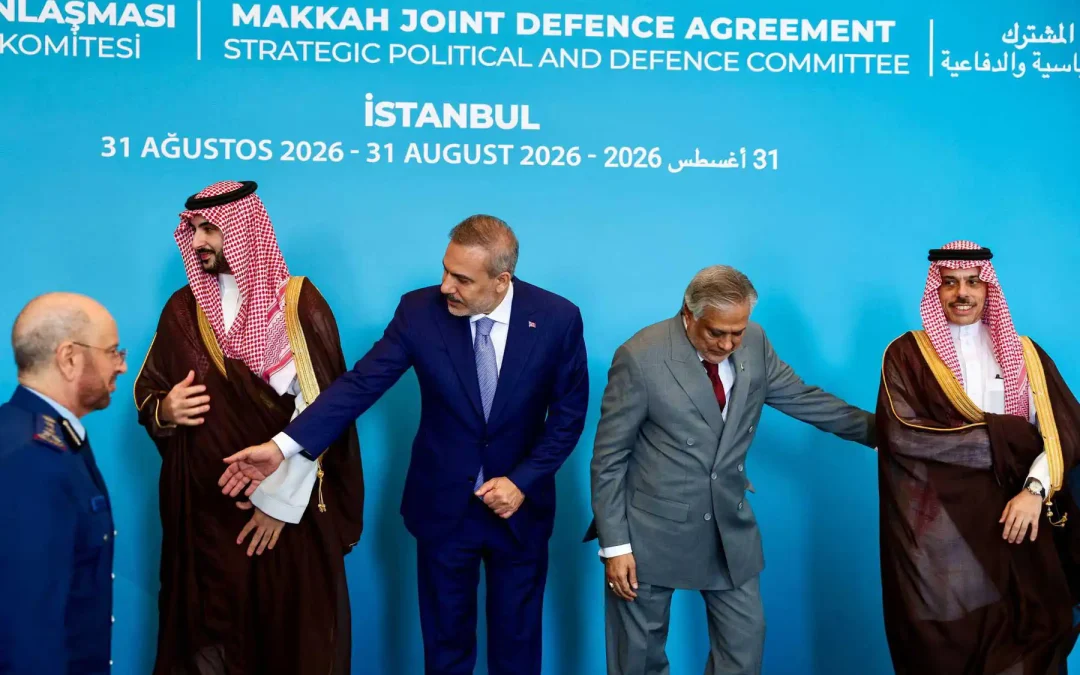
Al-Zaydi’s Selection as Prime Minister, The Beginning of a New Chapter in Iraq

SCFR Online – Note: After approximately five months of political deadlock and institutional confusion, Ali al-Zaydi has finally been selected as Iraq’s Prime Minister. Al-Zaydi’s selection as Prime Minister represents a positive sign of the completion of the government formation process and the beginning of a new phase in Iraqi politics and governance. The emergence of a young, technocratic figure from the third generation of politicians—in a context where the country has been administered by traditional figures for decades—revives hope that Iraq may perhaps distance itself from the repetitive cycle of crises and experience a new path of stability, efficiency, and regional convergence.

Intensifying Intra-Party Divisions in the United States Regarding the Zionist Regime

SCFR Online – Note: Over recent decades, support for the Zionist regime has been one of the few issues commanding bipartisan consensus in US foreign policy. Since the Cold War era, Republicans and Democrats have generally agreed on the necessity of preserving the security and survival of the Zionist regime as Washington’s most strategic ally in West Asia—and indeed, globally. However, developments in recent years—particularly the Gaza war, escalating regional conflicts, the expansion of tensions into Lebanon, and this regime’s recent warmongering against Iran—have caused this traditional consensus, especially within the Democratic Party, to face significant fractures.

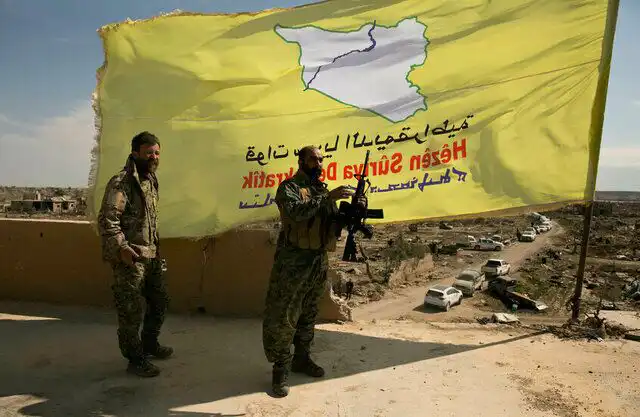
Public Opinion Disappointment of the Zionist Regime Regarding Success in War with Iran

SCFR Online – Opinion: The internal situation of the Israeli regime during the 40-day war can be analyzed from several perspectives. The popularity levels of Benjamin Netanyahu, the Likud Party, and the ruling coalition led by Netanyahu until February 28, 2026, remained approximately the same as during the preceding year. The most recent factor that had somewhat increased Netanyahu’s popularity was the advancement of the 2024 war with Hezbollah Lebanon. Subsequently, his popularity temporarily increased during the 12-day war with Iran, but after the war, it returned to its previous state.

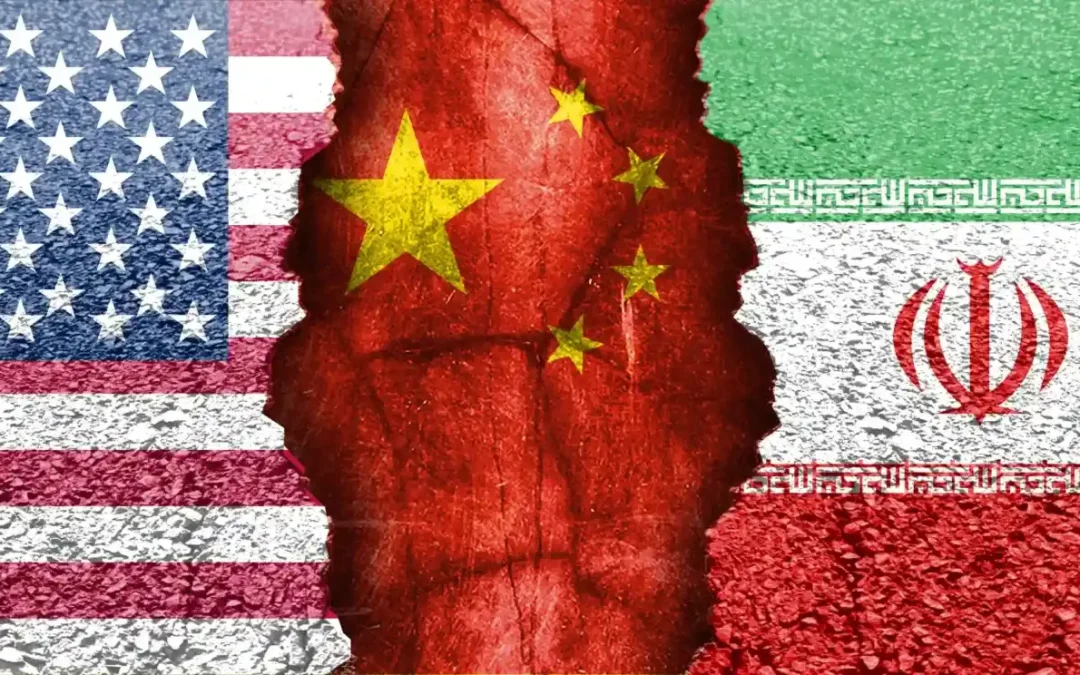
The United States Strategy toward the Strait of Hormuz in Confrontation with China’s Interests

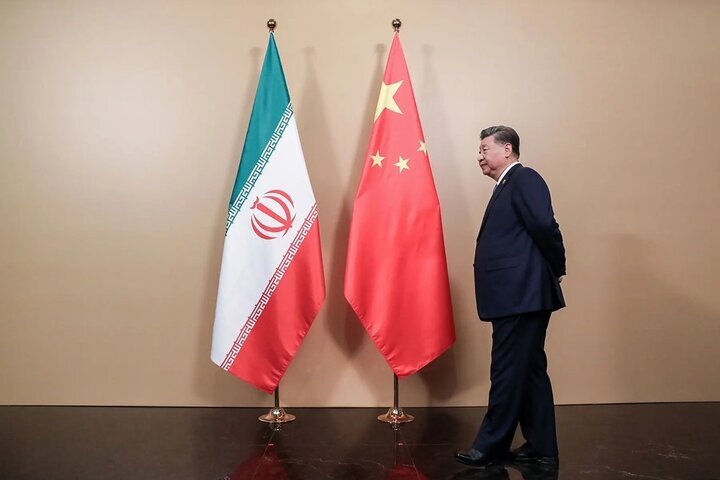
Strategic Council Online – Opinion: In the strategic geography of the global economy, certain regions attain such significance that they effectively become determining factors of the international order. The Strait of Hormuz is among these points; a narrow yet vital passage through which a considerable portion of the world’s energy transits, and whose stability is directly intertwined with the interests and economic security of many countries. However, the importance of the Strait of Hormuz is not limited solely to the volume of energy passing through it. This strait is also a stage upon which the limitations and challenges of great power politics are revealed. From China’s perspective, the policy of the United States regarding the security of this strategic chokepoint, rather than reflecting a stable order, demonstrates a set of contradictions and strategic difficulties that Washington faces in managing the regional order.

Loading

Politics

Al-Zaydi’s Selection as Prime Minister, The Beginning of a New Chapter in Iraq

Al-Zaydi’s Selection as Prime Minister, The Beginning of a New Chapter in Iraq

SCFR Online – Note: After approximately five months of political deadlock and institutional confusion, Ali al-Zaydi has finally been selected as Iraq’s Prime Minister. Al-Zaydi’s selection as Prime Minister represents a positive sign of the completion of the government formation process and the beginning of a new phase in Iraqi politics and governance. The emergence of a young, technocratic figure from the third generation of politicians—in a context where the country has been administered by traditional figures for decades—revives hope that Iraq may perhaps distance itself from the repetitive cycle of crises and experience a new path of stability, efficiency, and regional convergence.

Intensifying Intra-Party Divisions in the United States Regarding the Zionist Regime

Intensifying Intra-Party Divisions in the United States Regarding the Zionist Regime

SCFR Online – Note: Over recent decades, support for the Zionist regime has been one of the few issues commanding bipartisan consensus in US foreign policy. Since the Cold War era, Republicans and Democrats have generally agreed on the necessity of preserving the security and survival of the Zionist regime as Washington’s most strategic ally in West Asia—and indeed, globally. However, developments in recent years—particularly the Gaza war, escalating regional conflicts, the expansion of tensions into Lebanon, and this regime’s recent warmongering against Iran—have caused this traditional consensus, especially within the Democratic Party, to face significant fractures.

Spain as a “Pioneer” of Opposition to War: An Inspiration for Europe

Spain as a “Pioneer” of Opposition to War: An Inspiration for Europe

SCFR Online – Interview: “No to War” is a slogan that has recently transformed into a practical strategy in Spain’s foreign policy—an approach that, according to Iran’s Ambassador to Madrid, has made this country one of the most explicit opponents of military intervention in West Asia.

Venezuela After the Abduction of Maduro; Is the International Order on the Verge of Collapse?

Venezuela After the Abduction of Maduro; Is the International Order on the Verge of Collapse?

SCFR Online – Interview: Three months have passed since the operation by US special forces in Caracas – an operation in which Nicolás Maduro, the President of Venezuela, was abducted and transferred to New York. To examine the legal, political, and economic dimensions of this unprecedented event and its consequences, we have interviewed Soroosh Salami, an expert on Latin American affairs.

An Analysis of Hezbollah Lebanon’s Significant Role in the Ramadan War

An Analysis of Hezbollah Lebanon’s Significant Role in the Ramadan War

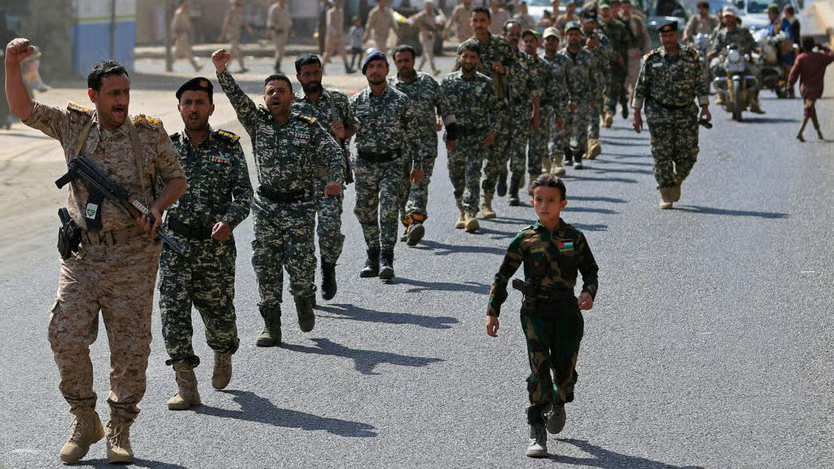
SCFR Online – Interview: An analyst of West Asian affairs and former Iranian diplomat in Beirut, stating that Hezbollah Lebanon has played a pivotal role in recent regional developments, remarked: “Hezbollah Lebanon has strengthened the Axis of Resistance in the Ramadan War.”

Attempts to Intensify the Judaization of Occupied Territories Through the Enactment of a Law Mandating the Execution of Palestinians

Attempts to Intensify the Judaization of Occupied Territories Through the Enactment of a Law Mandating the Execution of Palestinians

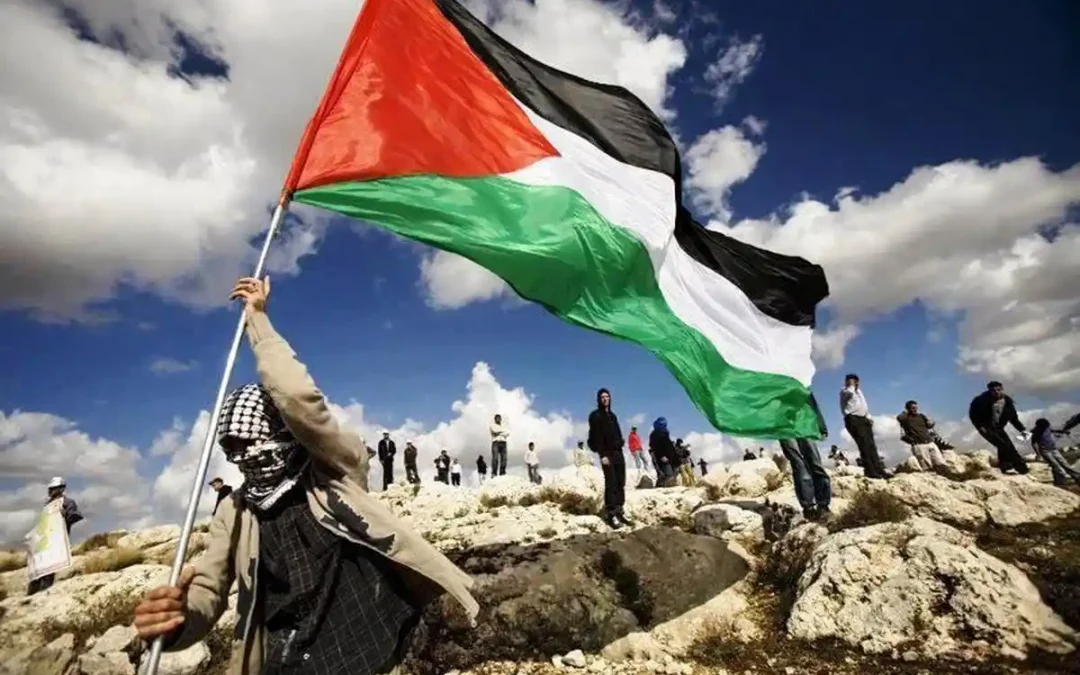
SCFR Online – Interview: An expert on Palestinian affairs, commenting on the recent Knesset resolution regarding the imposition of the death penalty for Palestinian prisoners, stated: “This measure must be analyzed within the framework of broader macro-trends aimed at altering demographic balances and systematically increasing pressure on Palestinians to depart from the occupied territories.”

Challenging US Capabilities in Ensuring Security in the Persian Gulf

Challenging US Capabilities in Ensuring Security in the Persian Gulf

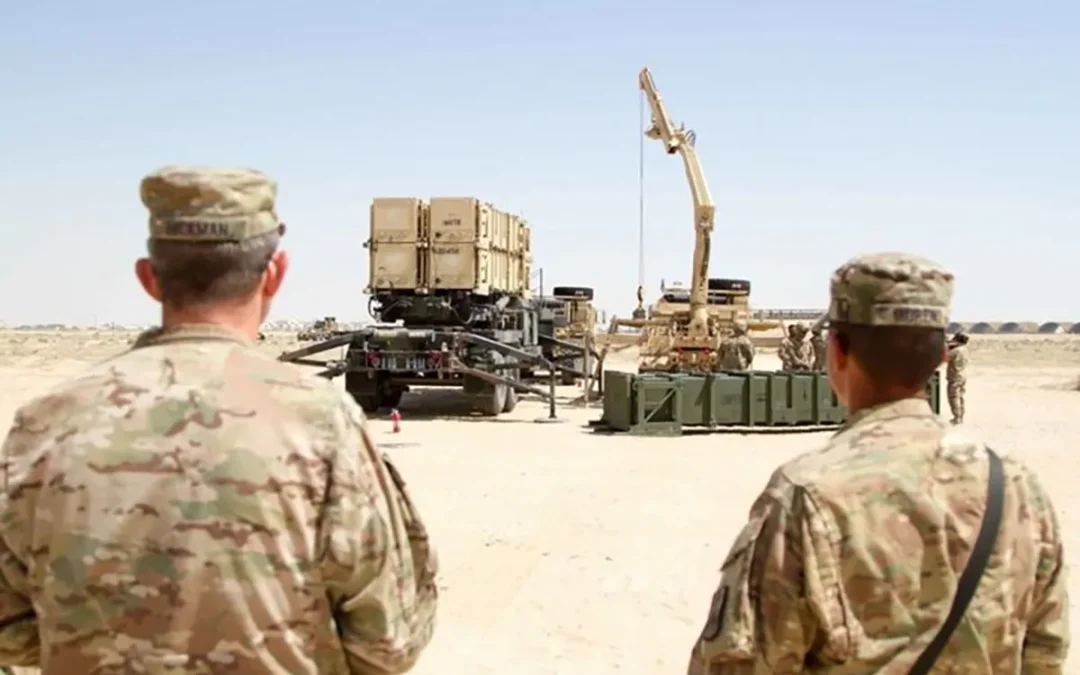
SCFR Online – Interview: The Ramadan War has become one of the most significant military developments in recent years in the region and even globally. The Islamic Republic of Iran, through the deployment of a complex and intelligent strategy, has severely called into question the US military presence in the region.

أحدث الوظائف

Al-Zaydi’s Selection as Prime Minister, The Beginning of a New Chapter in Iraq

SCFR Online – Note: After approximately five months of political deadlock and institutional confusion, Ali al-Zaydi has finally been selected as Iraq’s Prime Minister. Al-Zaydi’s selection as Prime Minister represents a positive sign of the completion of the government formation process and the beginning of a new phase in Iraqi politics and governance. The emergence of a young, technocratic figure from the third generation of politicians—in a context where the country has been administered by traditional figures for decades—revives hope that Iraq may perhaps distance itself from the repetitive cycle of crises and experience a new path of stability, efficiency, and regional convergence.

Intensifying Intra-Party Divisions in the United States Regarding the Zionist Regime

SCFR Online – Note: Over recent decades, support for the Zionist regime has been one of the few issues commanding bipartisan consensus in US foreign policy. Since the Cold War era, Republicans and Democrats have generally agreed on the necessity of preserving the security and survival of the Zionist regime as Washington’s most strategic ally in West Asia—and indeed, globally. However, developments in recent years—particularly the Gaza war, escalating regional conflicts, the expansion of tensions into Lebanon, and this regime’s recent warmongering against Iran—have caused this traditional consensus, especially within the Democratic Party, to face significant fractures.

Public Opinion Disappointment of the Zionist Regime Regarding Success in War with Iran

SCFR Online – Opinion: The internal situation of the Israeli regime during the 40-day war can be analyzed from several perspectives. The popularity levels of Benjamin Netanyahu, the Likud Party, and the ruling coalition led by Netanyahu until February 28, 2026, remained approximately the same as during the preceding year. The most recent factor that had somewhat increased Netanyahu’s popularity was the advancement of the 2024 war with Hezbollah Lebanon. Subsequently, his popularity temporarily increased during the 12-day war with Iran, but after the war, it returned to its previous state.

The United States Strategy toward the Strait of Hormuz in Confrontation with China’s Interests

Strategic Council Online – Opinion: In the strategic geography of the global economy, certain regions attain such significance that they effectively become determining factors of the international order. The Strait of Hormuz is among these points; a narrow yet vital passage through which a considerable portion of the world’s energy transits, and whose stability is directly intertwined with the interests and economic security of many countries. However, the importance of the Strait of Hormuz is not limited solely to the volume of energy passing through it. This strait is also a stage upon which the limitations and challenges of great power politics are revealed. From China’s perspective, the policy of the United States regarding the security of this strategic chokepoint, rather than reflecting a stable order, demonstrates a set of contradictions and strategic difficulties that Washington faces in managing the regional order.

Loading

Politics

Al-Zaydi’s Selection as Prime Minister, The Beginning of a New Chapter in Iraq

Al-Zaydi’s Selection as Prime Minister, The Beginning of a New Chapter in Iraq

SCFR Online – Note: After approximately five months of political deadlock and institutional confusion, Ali al-Zaydi has finally been selected as Iraq’s Prime Minister. Al-Zaydi’s selection as Prime Minister represents a positive sign of the completion of the government formation process and the beginning of a new phase in Iraqi politics and governance. The emergence of a young, technocratic figure from the third generation of politicians—in a context where the country has been administered by traditional figures for decades—revives hope that Iraq may perhaps distance itself from the repetitive cycle of crises and experience a new path of stability, efficiency, and regional convergence.

Intensifying Intra-Party Divisions in the United States Regarding the Zionist Regime

Intensifying Intra-Party Divisions in the United States Regarding the Zionist Regime

SCFR Online – Note: Over recent decades, support for the Zionist regime has been one of the few issues commanding bipartisan consensus in US foreign policy. Since the Cold War era, Republicans and Democrats have generally agreed on the necessity of preserving the security and survival of the Zionist regime as Washington’s most strategic ally in West Asia—and indeed, globally. However, developments in recent years—particularly the Gaza war, escalating regional conflicts, the expansion of tensions into Lebanon, and this regime’s recent warmongering against Iran—have caused this traditional consensus, especially within the Democratic Party, to face significant fractures.

Spain as a “Pioneer” of Opposition to War: An Inspiration for Europe

Spain as a “Pioneer” of Opposition to War: An Inspiration for Europe

SCFR Online – Interview: “No to War” is a slogan that has recently transformed into a practical strategy in Spain’s foreign policy—an approach that, according to Iran’s Ambassador to Madrid, has made this country one of the most explicit opponents of military intervention in West Asia.

Venezuela After the Abduction of Maduro; Is the International Order on the Verge of Collapse?

Venezuela After the Abduction of Maduro; Is the International Order on the Verge of Collapse?

SCFR Online – Interview: Three months have passed since the operation by US special forces in Caracas – an operation in which Nicolás Maduro, the President of Venezuela, was abducted and transferred to New York. To examine the legal, political, and economic dimensions of this unprecedented event and its consequences, we have interviewed Soroosh Salami, an expert on Latin American affairs.

An Analysis of Hezbollah Lebanon’s Significant Role in the Ramadan War

An Analysis of Hezbollah Lebanon’s Significant Role in the Ramadan War

SCFR Online – Interview: An analyst of West Asian affairs and former Iranian diplomat in Beirut, stating that Hezbollah Lebanon has played a pivotal role in recent regional developments, remarked: “Hezbollah Lebanon has strengthened the Axis of Resistance in the Ramadan War.”

Attempts to Intensify the Judaization of Occupied Territories Through the Enactment of a Law Mandating the Execution of Palestinians

Attempts to Intensify the Judaization of Occupied Territories Through the Enactment of a Law Mandating the Execution of Palestinians

SCFR Online – Interview: An expert on Palestinian affairs, commenting on the recent Knesset resolution regarding the imposition of the death penalty for Palestinian prisoners, stated: “This measure must be analyzed within the framework of broader macro-trends aimed at altering demographic balances and systematically increasing pressure on Palestinians to depart from the occupied territories.”

Challenging US Capabilities in Ensuring Security in the Persian Gulf

Challenging US Capabilities in Ensuring Security in the Persian Gulf

SCFR Online – Interview: The Ramadan War has become one of the most significant military developments in recent years in the region and even globally. The Islamic Republic of Iran, through the deployment of a complex and intelligent strategy, has severely called into question the US military presence in the region.

Politics

Al-Zaydi’s Selection as Prime Minister, The Beginning of a New Chapter in Iraq

Al-Zaydi’s Selection as Prime Minister, The Beginning of a New Chapter in Iraq

SCFR Online – Note: After approximately five months of political deadlock and institutional confusion, Ali al-Zaydi has finally been selected as Iraq’s Prime Minister. Al-Zaydi’s selection as Prime Minister represents a positive sign of the completion of the government formation process and the beginning of a new phase in Iraqi politics and governance. The emergence of a young, technocratic figure from the third generation of politicians—in a context where the country has been administered by traditional figures for decades—revives hope that Iraq may perhaps distance itself from the repetitive cycle of crises and experience a new path of stability, efficiency, and regional convergence.

Intensifying Intra-Party Divisions in the United States Regarding the Zionist Regime

Intensifying Intra-Party Divisions in the United States Regarding the Zionist Regime

SCFR Online – Note: Over recent decades, support for the Zionist regime has been one of the few issues commanding bipartisan consensus in US foreign policy. Since the Cold War era, Republicans and Democrats have generally agreed on the necessity of preserving the security and survival of the Zionist regime as Washington’s most strategic ally in West Asia—and indeed, globally. However, developments in recent years—particularly the Gaza war, escalating regional conflicts, the expansion of tensions into Lebanon, and this regime’s recent warmongering against Iran—have caused this traditional consensus, especially within the Democratic Party, to face significant fractures.

Spain as a “Pioneer” of Opposition to War: An Inspiration for Europe

Spain as a “Pioneer” of Opposition to War: An Inspiration for Europe

SCFR Online – Interview: “No to War” is a slogan that has recently transformed into a practical strategy in Spain’s foreign policy—an approach that, according to Iran’s Ambassador to Madrid, has made this country one of the most explicit opponents of military intervention in West Asia.

Venezuela After the Abduction of Maduro; Is the International Order on the Verge of Collapse?

Venezuela After the Abduction of Maduro; Is the International Order on the Verge of Collapse?

SCFR Online – Interview: Three months have passed since the operation by US special forces in Caracas – an operation in which Nicolás Maduro, the President of Venezuela, was abducted and transferred to New York. To examine the legal, political, and economic dimensions of this unprecedented event and its consequences, we have interviewed Soroosh Salami, an expert on Latin American affairs.

An Analysis of Hezbollah Lebanon’s Significant Role in the Ramadan War

An Analysis of Hezbollah Lebanon’s Significant Role in the Ramadan War

SCFR Online – Interview: An analyst of West Asian affairs and former Iranian diplomat in Beirut, stating that Hezbollah Lebanon has played a pivotal role in recent regional developments, remarked: “Hezbollah Lebanon has strengthened the Axis of Resistance in the Ramadan War.”

Attempts to Intensify the Judaization of Occupied Territories Through the Enactment of a Law Mandating the Execution of Palestinians

Attempts to Intensify the Judaization of Occupied Territories Through the Enactment of a Law Mandating the Execution of Palestinians

SCFR Online – Interview: An expert on Palestinian affairs, commenting on the recent Knesset resolution regarding the imposition of the death penalty for Palestinian prisoners, stated: “This measure must be analyzed within the framework of broader macro-trends aimed at altering demographic balances and systematically increasing pressure on Palestinians to depart from the occupied territories.”

Challenging US Capabilities in Ensuring Security in the Persian Gulf

Challenging US Capabilities in Ensuring Security in the Persian Gulf

SCFR Online – Interview: The Ramadan War has become one of the most significant military developments in recent years in the region and even globally. The Islamic Republic of Iran, through the deployment of a complex and intelligent strategy, has severely called into question the US military presence in the region.

LATEST CONTENT

Al-Zaydi’s Selection as Prime Minister, The Beginning of a New Chapter in Iraq

SCFR Online – Note: After approximately five months of political deadlock and institutional confusion, Ali al-Zaydi has finally been selected as Iraq’s Prime Minister. Al-Zaydi’s selection as Prime Minister represents a positive sign of the completion of the government formation process and the beginning of a new phase in Iraqi politics and governance. The emergence of a young, technocratic figure from the third generation of politicians—in a context where the country has been administered by traditional figures for decades—revives hope that Iraq may perhaps distance itself from the repetitive cycle of crises and experience a new path of stability, efficiency, and regional convergence.

Intensifying Intra-Party Divisions in the United States Regarding the Zionist Regime

SCFR Online – Note: Over recent decades, support for the Zionist regime has been one of the few issues commanding bipartisan consensus in US foreign policy. Since the Cold War era, Republicans and Democrats have generally agreed on the necessity of preserving the security and survival of the Zionist regime as Washington’s most strategic ally in West Asia—and indeed, globally. However, developments in recent years—particularly the Gaza war, escalating regional conflicts, the expansion of tensions into Lebanon, and this regime’s recent warmongering against Iran—have caused this traditional consensus, especially within the Democratic Party, to face significant fractures.

Public Opinion Disappointment of the Zionist Regime Regarding Success in War with Iran

SCFR Online – Opinion: The internal situation of the Israeli regime during the 40-day war can be analyzed from several perspectives. The popularity levels of Benjamin Netanyahu, the Likud Party, and the ruling coalition led by Netanyahu until February 28, 2026, remained approximately the same as during the preceding year. The most recent factor that had somewhat increased Netanyahu’s popularity was the advancement of the 2024 war with Hezbollah Lebanon. Subsequently, his popularity temporarily increased during the 12-day war with Iran, but after the war, it returned to its previous state.

The United States Strategy toward the Strait of Hormuz in Confrontation with China’s Interests

Strategic Council Online – Opinion: In the strategic geography of the global economy, certain regions attain such significance that they effectively become determining factors of the international order. The Strait of Hormuz is among these points; a narrow yet vital passage through which a considerable portion of the world’s energy transits, and whose stability is directly intertwined with the interests and economic security of many countries. However, the importance of the Strait of Hormuz is not limited solely to the volume of energy passing through it. This strait is also a stage upon which the limitations and challenges of great power politics are revealed. From China’s perspective, the policy of the United States regarding the security of this strategic chokepoint, rather than reflecting a stable order, demonstrates a set of contradictions and strategic difficulties that Washington faces in managing the regional order.

Loading

Politics

Al-Zaydi’s Selection as Prime Minister, The Beginning of a New Chapter in Iraq

Al-Zaydi’s Selection as Prime Minister, The Beginning of a New Chapter in Iraq

SCFR Online – Note: After approximately five months of political deadlock and institutional confusion, Ali al-Zaydi has finally been selected as Iraq’s Prime Minister. Al-Zaydi’s selection as Prime Minister represents a positive sign of the completion of the government formation process and the beginning of a new phase in Iraqi politics and governance. The emergence of a young, technocratic figure from the third generation of politicians—in a context where the country has been administered by traditional figures for decades—revives hope that Iraq may perhaps distance itself from the repetitive cycle of crises and experience a new path of stability, efficiency, and regional convergence.

Intensifying Intra-Party Divisions in the United States Regarding the Zionist Regime

Intensifying Intra-Party Divisions in the United States Regarding the Zionist Regime

SCFR Online – Note: Over recent decades, support for the Zionist regime has been one of the few issues commanding bipartisan consensus in US foreign policy. Since the Cold War era, Republicans and Democrats have generally agreed on the necessity of preserving the security and survival of the Zionist regime as Washington’s most strategic ally in West Asia—and indeed, globally. However, developments in recent years—particularly the Gaza war, escalating regional conflicts, the expansion of tensions into Lebanon, and this regime’s recent warmongering against Iran—have caused this traditional consensus, especially within the Democratic Party, to face significant fractures.

Spain as a “Pioneer” of Opposition to War: An Inspiration for Europe

Spain as a “Pioneer” of Opposition to War: An Inspiration for Europe

SCFR Online – Interview: “No to War” is a slogan that has recently transformed into a practical strategy in Spain’s foreign policy—an approach that, according to Iran’s Ambassador to Madrid, has made this country one of the most explicit opponents of military intervention in West Asia.

Venezuela After the Abduction of Maduro; Is the International Order on the Verge of Collapse?

Venezuela After the Abduction of Maduro; Is the International Order on the Verge of Collapse?

SCFR Online – Interview: Three months have passed since the operation by US special forces in Caracas – an operation in which Nicolás Maduro, the President of Venezuela, was abducted and transferred to New York. To examine the legal, political, and economic dimensions of this unprecedented event and its consequences, we have interviewed Soroosh Salami, an expert on Latin American affairs.

An Analysis of Hezbollah Lebanon’s Significant Role in the Ramadan War

An Analysis of Hezbollah Lebanon’s Significant Role in the Ramadan War

SCFR Online – Interview: An analyst of West Asian affairs and former Iranian diplomat in Beirut, stating that Hezbollah Lebanon has played a pivotal role in recent regional developments, remarked: “Hezbollah Lebanon has strengthened the Axis of Resistance in the Ramadan War.”

Attempts to Intensify the Judaization of Occupied Territories Through the Enactment of a Law Mandating the Execution of Palestinians

Attempts to Intensify the Judaization of Occupied Territories Through the Enactment of a Law Mandating the Execution of Palestinians

SCFR Online – Interview: An expert on Palestinian affairs, commenting on the recent Knesset resolution regarding the imposition of the death penalty for Palestinian prisoners, stated: “This measure must be analyzed within the framework of broader macro-trends aimed at altering demographic balances and systematically increasing pressure on Palestinians to depart from the occupied territories.”

Challenging US Capabilities in Ensuring Security in the Persian Gulf

Challenging US Capabilities in Ensuring Security in the Persian Gulf

SCFR Online – Interview: The Ramadan War has become one of the most significant military developments in recent years in the region and even globally. The Islamic Republic of Iran, through the deployment of a complex and intelligent strategy, has severely called into question the US military presence in the region.

ÚLTIMAS PUBLICACIONES

Al-Zaydi’s Selection as Prime Minister, The Beginning of a New Chapter in Iraq

SCFR Online – Note: After approximately five months of political deadlock and institutional confusion, Ali al-Zaydi has finally been selected as Iraq’s Prime Minister. Al-Zaydi’s selection as Prime Minister represents a positive sign of the completion of the government formation process and the beginning of a new phase in Iraqi politics and governance. The emergence of a young, technocratic figure from the third generation of politicians—in a context where the country has been administered by traditional figures for decades—revives hope that Iraq may perhaps distance itself from the repetitive cycle of crises and experience a new path of stability, efficiency, and regional convergence.

Intensifying Intra-Party Divisions in the United States Regarding the Zionist Regime

SCFR Online – Note: Over recent decades, support for the Zionist regime has been one of the few issues commanding bipartisan consensus in US foreign policy. Since the Cold War era, Republicans and Democrats have generally agreed on the necessity of preserving the security and survival of the Zionist regime as Washington’s most strategic ally in West Asia—and indeed, globally. However, developments in recent years—particularly the Gaza war, escalating regional conflicts, the expansion of tensions into Lebanon, and this regime’s recent warmongering against Iran—have caused this traditional consensus, especially within the Democratic Party, to face significant fractures.

Public Opinion Disappointment of the Zionist Regime Regarding Success in War with Iran

SCFR Online – Opinion: The internal situation of the Israeli regime during the 40-day war can be analyzed from several perspectives. The popularity levels of Benjamin Netanyahu, the Likud Party, and the ruling coalition led by Netanyahu until February 28, 2026, remained approximately the same as during the preceding year. The most recent factor that had somewhat increased Netanyahu’s popularity was the advancement of the 2024 war with Hezbollah Lebanon. Subsequently, his popularity temporarily increased during the 12-day war with Iran, but after the war, it returned to its previous state.

The United States Strategy toward the Strait of Hormuz in Confrontation with China’s Interests

Strategic Council Online – Opinion: In the strategic geography of the global economy, certain regions attain such significance that they effectively become determining factors of the international order. The Strait of Hormuz is among these points; a narrow yet vital passage through which a considerable portion of the world’s energy transits, and whose stability is directly intertwined with the interests and economic security of many countries. However, the importance of the Strait of Hormuz is not limited solely to the volume of energy passing through it. This strait is also a stage upon which the limitations and challenges of great power politics are revealed. From China’s perspective, the policy of the United States regarding the security of this strategic chokepoint, rather than reflecting a stable order, demonstrates a set of contradictions and strategic difficulties that Washington faces in managing the regional order.

Loading

Politics

Al-Zaydi’s Selection as Prime Minister, The Beginning of a New Chapter in Iraq

Al-Zaydi’s Selection as Prime Minister, The Beginning of a New Chapter in Iraq

SCFR Online – Note: After approximately five months of political deadlock and institutional confusion, Ali al-Zaydi has finally been selected as Iraq’s Prime Minister. Al-Zaydi’s selection as Prime Minister represents a positive sign of the completion of the government formation process and the beginning of a new phase in Iraqi politics and governance. The emergence of a young, technocratic figure from the third generation of politicians—in a context where the country has been administered by traditional figures for decades—revives hope that Iraq may perhaps distance itself from the repetitive cycle of crises and experience a new path of stability, efficiency, and regional convergence.

Intensifying Intra-Party Divisions in the United States Regarding the Zionist Regime

Intensifying Intra-Party Divisions in the United States Regarding the Zionist Regime

SCFR Online – Note: Over recent decades, support for the Zionist regime has been one of the few issues commanding bipartisan consensus in US foreign policy. Since the Cold War era, Republicans and Democrats have generally agreed on the necessity of preserving the security and survival of the Zionist regime as Washington’s most strategic ally in West Asia—and indeed, globally. However, developments in recent years—particularly the Gaza war, escalating regional conflicts, the expansion of tensions into Lebanon, and this regime’s recent warmongering against Iran—have caused this traditional consensus, especially within the Democratic Party, to face significant fractures.

Spain as a “Pioneer” of Opposition to War: An Inspiration for Europe

Spain as a “Pioneer” of Opposition to War: An Inspiration for Europe

SCFR Online – Interview: “No to War” is a slogan that has recently transformed into a practical strategy in Spain’s foreign policy—an approach that, according to Iran’s Ambassador to Madrid, has made this country one of the most explicit opponents of military intervention in West Asia.

Venezuela After the Abduction of Maduro; Is the International Order on the Verge of Collapse?

Venezuela After the Abduction of Maduro; Is the International Order on the Verge of Collapse?

SCFR Online – Interview: Three months have passed since the operation by US special forces in Caracas – an operation in which Nicolás Maduro, the President of Venezuela, was abducted and transferred to New York. To examine the legal, political, and economic dimensions of this unprecedented event and its consequences, we have interviewed Soroosh Salami, an expert on Latin American affairs.

An Analysis of Hezbollah Lebanon’s Significant Role in the Ramadan War

An Analysis of Hezbollah Lebanon’s Significant Role in the Ramadan War

SCFR Online – Interview: An analyst of West Asian affairs and former Iranian diplomat in Beirut, stating that Hezbollah Lebanon has played a pivotal role in recent regional developments, remarked: “Hezbollah Lebanon has strengthened the Axis of Resistance in the Ramadan War.”

Attempts to Intensify the Judaization of Occupied Territories Through the Enactment of a Law Mandating the Execution of Palestinians

Attempts to Intensify the Judaization of Occupied Territories Through the Enactment of a Law Mandating the Execution of Palestinians

SCFR Online – Interview: An expert on Palestinian affairs, commenting on the recent Knesset resolution regarding the imposition of the death penalty for Palestinian prisoners, stated: “This measure must be analyzed within the framework of broader macro-trends aimed at altering demographic balances and systematically increasing pressure on Palestinians to depart from the occupied territories.”

Challenging US Capabilities in Ensuring Security in the Persian Gulf

Challenging US Capabilities in Ensuring Security in the Persian Gulf

SCFR Online – Interview: The Ramadan War has become one of the most significant military developments in recent years in the region and even globally. The Islamic Republic of Iran, through the deployment of a complex and intelligent strategy, has severely called into question the US military presence in the region.

ÚLTIMAS PUBLICACIONES

Al-Zaydi’s Selection as Prime Minister, The Beginning of a New Chapter in Iraq

SCFR Online – Note: After approximately five months of political deadlock and institutional confusion, Ali al-Zaydi has finally been selected as Iraq’s Prime Minister. Al-Zaydi’s selection as Prime Minister represents a positive sign of the completion of the government formation process and the beginning of a new phase in Iraqi politics and governance. The emergence of a young, technocratic figure from the third generation of politicians—in a context where the country has been administered by traditional figures for decades—revives hope that Iraq may perhaps distance itself from the repetitive cycle of crises and experience a new path of stability, efficiency, and regional convergence.

Intensifying Intra-Party Divisions in the United States Regarding the Zionist Regime

SCFR Online – Note: Over recent decades, support for the Zionist regime has been one of the few issues commanding bipartisan consensus in US foreign policy. Since the Cold War era, Republicans and Democrats have generally agreed on the necessity of preserving the security and survival of the Zionist regime as Washington’s most strategic ally in West Asia—and indeed, globally. However, developments in recent years—particularly the Gaza war, escalating regional conflicts, the expansion of tensions into Lebanon, and this regime’s recent warmongering against Iran—have caused this traditional consensus, especially within the Democratic Party, to face significant fractures.

Public Opinion Disappointment of the Zionist Regime Regarding Success in War with Iran

SCFR Online – Opinion: The internal situation of the Israeli regime during the 40-day war can be analyzed from several perspectives. The popularity levels of Benjamin Netanyahu, the Likud Party, and the ruling coalition led by Netanyahu until February 28, 2026, remained approximately the same as during the preceding year. The most recent factor that had somewhat increased Netanyahu’s popularity was the advancement of the 2024 war with Hezbollah Lebanon. Subsequently, his popularity temporarily increased during the 12-day war with Iran, but after the war, it returned to its previous state.

The United States Strategy toward the Strait of Hormuz in Confrontation with China’s Interests

Strategic Council Online – Opinion: In the strategic geography of the global economy, certain regions attain such significance that they effectively become determining factors of the international order. The Strait of Hormuz is among these points; a narrow yet vital passage through which a considerable portion of the world’s energy transits, and whose stability is directly intertwined with the interests and economic security of many countries. However, the importance of the Strait of Hormuz is not limited solely to the volume of energy passing through it. This strait is also a stage upon which the limitations and challenges of great power politics are revealed. From China’s perspective, the policy of the United States regarding the security of this strategic chokepoint, rather than reflecting a stable order, demonstrates a set of contradictions and strategic difficulties that Washington faces in managing the regional order.

Loading

Politics

Al-Zaydi’s Selection as Prime Minister, The Beginning of a New Chapter in Iraq

Al-Zaydi’s Selection as Prime Minister, The Beginning of a New Chapter in Iraq

SCFR Online – Note: After approximately five months of political deadlock and institutional confusion, Ali al-Zaydi has finally been selected as Iraq’s Prime Minister. Al-Zaydi’s selection as Prime Minister represents a positive sign of the completion of the government formation process and the beginning of a new phase in Iraqi politics and governance. The emergence of a young, technocratic figure from the third generation of politicians—in a context where the country has been administered by traditional figures for decades—revives hope that Iraq may perhaps distance itself from the repetitive cycle of crises and experience a new path of stability, efficiency, and regional convergence.

Intensifying Intra-Party Divisions in the United States Regarding the Zionist Regime

Intensifying Intra-Party Divisions in the United States Regarding the Zionist Regime

SCFR Online – Note: Over recent decades, support for the Zionist regime has been one of the few issues commanding bipartisan consensus in US foreign policy. Since the Cold War era, Republicans and Democrats have generally agreed on the necessity of preserving the security and survival of the Zionist regime as Washington’s most strategic ally in West Asia—and indeed, globally. However, developments in recent years—particularly the Gaza war, escalating regional conflicts, the expansion of tensions into Lebanon, and this regime’s recent warmongering against Iran—have caused this traditional consensus, especially within the Democratic Party, to face significant fractures.

Spain as a “Pioneer” of Opposition to War: An Inspiration for Europe

Spain as a “Pioneer” of Opposition to War: An Inspiration for Europe

SCFR Online – Interview: “No to War” is a slogan that has recently transformed into a practical strategy in Spain’s foreign policy—an approach that, according to Iran’s Ambassador to Madrid, has made this country one of the most explicit opponents of military intervention in West Asia.

Venezuela After the Abduction of Maduro; Is the International Order on the Verge of Collapse?

Venezuela After the Abduction of Maduro; Is the International Order on the Verge of Collapse?

SCFR Online – Interview: Three months have passed since the operation by US special forces in Caracas – an operation in which Nicolás Maduro, the President of Venezuela, was abducted and transferred to New York. To examine the legal, political, and economic dimensions of this unprecedented event and its consequences, we have interviewed Soroosh Salami, an expert on Latin American affairs.

An Analysis of Hezbollah Lebanon’s Significant Role in the Ramadan War

An Analysis of Hezbollah Lebanon’s Significant Role in the Ramadan War

SCFR Online – Interview: An analyst of West Asian affairs and former Iranian diplomat in Beirut, stating that Hezbollah Lebanon has played a pivotal role in recent regional developments, remarked: “Hezbollah Lebanon has strengthened the Axis of Resistance in the Ramadan War.”

Attempts to Intensify the Judaization of Occupied Territories Through the Enactment of a Law Mandating the Execution of Palestinians

Attempts to Intensify the Judaization of Occupied Territories Through the Enactment of a Law Mandating the Execution of Palestinians

SCFR Online – Interview: An expert on Palestinian affairs, commenting on the recent Knesset resolution regarding the imposition of the death penalty for Palestinian prisoners, stated: “This measure must be analyzed within the framework of broader macro-trends aimed at altering demographic balances and systematically increasing pressure on Palestinians to depart from the occupied territories.”

Challenging US Capabilities in Ensuring Security in the Persian Gulf

Challenging US Capabilities in Ensuring Security in the Persian Gulf

SCFR Online – Interview: The Ramadan War has become one of the most significant military developments in recent years in the region and even globally. The Islamic Republic of Iran, through the deployment of a complex and intelligent strategy, has severely called into question the US military presence in the region.

ÚLTIMAS PUBLICACIONES

Al-Zaydi’s Selection as Prime Minister, The Beginning of a New Chapter in Iraq

SCFR Online – Note: After approximately five months of political deadlock and institutional confusion, Ali al-Zaydi has finally been selected as Iraq’s Prime Minister. Al-Zaydi’s selection as Prime Minister represents a positive sign of the completion of the government formation process and the beginning of a new phase in Iraqi politics and governance. The emergence of a young, technocratic figure from the third generation of politicians—in a context where the country has been administered by traditional figures for decades—revives hope that Iraq may perhaps distance itself from the repetitive cycle of crises and experience a new path of stability, efficiency, and regional convergence.

Intensifying Intra-Party Divisions in the United States Regarding the Zionist Regime

SCFR Online – Note: Over recent decades, support for the Zionist regime has been one of the few issues commanding bipartisan consensus in US foreign policy. Since the Cold War era, Republicans and Democrats have generally agreed on the necessity of preserving the security and survival of the Zionist regime as Washington’s most strategic ally in West Asia—and indeed, globally. However, developments in recent years—particularly the Gaza war, escalating regional conflicts, the expansion of tensions into Lebanon, and this regime’s recent warmongering against Iran—have caused this traditional consensus, especially within the Democratic Party, to face significant fractures.

Public Opinion Disappointment of the Zionist Regime Regarding Success in War with Iran

SCFR Online – Opinion: The internal situation of the Israeli regime during the 40-day war can be analyzed from several perspectives. The popularity levels of Benjamin Netanyahu, the Likud Party, and the ruling coalition led by Netanyahu until February 28, 2026, remained approximately the same as during the preceding year. The most recent factor that had somewhat increased Netanyahu’s popularity was the advancement of the 2024 war with Hezbollah Lebanon. Subsequently, his popularity temporarily increased during the 12-day war with Iran, but after the war, it returned to its previous state.

The United States Strategy toward the Strait of Hormuz in Confrontation with China’s Interests

Strategic Council Online – Opinion: In the strategic geography of the global economy, certain regions attain such significance that they effectively become determining factors of the international order. The Strait of Hormuz is among these points; a narrow yet vital passage through which a considerable portion of the world’s energy transits, and whose stability is directly intertwined with the interests and economic security of many countries. However, the importance of the Strait of Hormuz is not limited solely to the volume of energy passing through it. This strait is also a stage upon which the limitations and challenges of great power politics are revealed. From China’s perspective, the policy of the United States regarding the security of this strategic chokepoint, rather than reflecting a stable order, demonstrates a set of contradictions and strategic difficulties that Washington faces in managing the regional order.

Loading

Politics

Al-Zaydi’s Selection as Prime Minister, The Beginning of a New Chapter in Iraq

Al-Zaydi’s Selection as Prime Minister, The Beginning of a New Chapter in Iraq

SCFR Online – Note: After approximately five months of political deadlock and institutional confusion, Ali al-Zaydi has finally been selected as Iraq’s Prime Minister. Al-Zaydi’s selection as Prime Minister represents a positive sign of the completion of the government formation process and the beginning of a new phase in Iraqi politics and governance. The emergence of a young, technocratic figure from the third generation of politicians—in a context where the country has been administered by traditional figures for decades—revives hope that Iraq may perhaps distance itself from the repetitive cycle of crises and experience a new path of stability, efficiency, and regional convergence.

Intensifying Intra-Party Divisions in the United States Regarding the Zionist Regime

Intensifying Intra-Party Divisions in the United States Regarding the Zionist Regime

SCFR Online – Note: Over recent decades, support for the Zionist regime has been one of the few issues commanding bipartisan consensus in US foreign policy. Since the Cold War era, Republicans and Democrats have generally agreed on the necessity of preserving the security and survival of the Zionist regime as Washington’s most strategic ally in West Asia—and indeed, globally. However, developments in recent years—particularly the Gaza war, escalating regional conflicts, the expansion of tensions into Lebanon, and this regime’s recent warmongering against Iran—have caused this traditional consensus, especially within the Democratic Party, to face significant fractures.

Spain as a “Pioneer” of Opposition to War: An Inspiration for Europe

Spain as a “Pioneer” of Opposition to War: An Inspiration for Europe

SCFR Online – Interview: “No to War” is a slogan that has recently transformed into a practical strategy in Spain’s foreign policy—an approach that, according to Iran’s Ambassador to Madrid, has made this country one of the most explicit opponents of military intervention in West Asia.

Venezuela After the Abduction of Maduro; Is the International Order on the Verge of Collapse?

Venezuela After the Abduction of Maduro; Is the International Order on the Verge of Collapse?

SCFR Online – Interview: Three months have passed since the operation by US special forces in Caracas – an operation in which Nicolás Maduro, the President of Venezuela, was abducted and transferred to New York. To examine the legal, political, and economic dimensions of this unprecedented event and its consequences, we have interviewed Soroosh Salami, an expert on Latin American affairs.

An Analysis of Hezbollah Lebanon’s Significant Role in the Ramadan War

An Analysis of Hezbollah Lebanon’s Significant Role in the Ramadan War

SCFR Online – Interview: An analyst of West Asian affairs and former Iranian diplomat in Beirut, stating that Hezbollah Lebanon has played a pivotal role in recent regional developments, remarked: “Hezbollah Lebanon has strengthened the Axis of Resistance in the Ramadan War.”

Attempts to Intensify the Judaization of Occupied Territories Through the Enactment of a Law Mandating the Execution of Palestinians

Attempts to Intensify the Judaization of Occupied Territories Through the Enactment of a Law Mandating the Execution of Palestinians

SCFR Online – Interview: An expert on Palestinian affairs, commenting on the recent Knesset resolution regarding the imposition of the death penalty for Palestinian prisoners, stated: “This measure must be analyzed within the framework of broader macro-trends aimed at altering demographic balances and systematically increasing pressure on Palestinians to depart from the occupied territories.”

Challenging US Capabilities in Ensuring Security in the Persian Gulf

Challenging US Capabilities in Ensuring Security in the Persian Gulf

SCFR Online – Interview: The Ramadan War has become one of the most significant military developments in recent years in the region and even globally. The Islamic Republic of Iran, through the deployment of a complex and intelligent strategy, has severely called into question the US military presence in the region.

ÚLTIMAS PUBLICACIONES

Al-Zaydi’s Selection as Prime Minister, The Beginning of a New Chapter in Iraq

SCFR Online – Note: After approximately five months of political deadlock and institutional confusion, Ali al-Zaydi has finally been selected as Iraq’s Prime Minister. Al-Zaydi’s selection as Prime Minister represents a positive sign of the completion of the government formation process and the beginning of a new phase in Iraqi politics and governance. The emergence of a young, technocratic figure from the third generation of politicians—in a context where the country has been administered by traditional figures for decades—revives hope that Iraq may perhaps distance itself from the repetitive cycle of crises and experience a new path of stability, efficiency, and regional convergence.

Intensifying Intra-Party Divisions in the United States Regarding the Zionist Regime

SCFR Online – Note: Over recent decades, support for the Zionist regime has been one of the few issues commanding bipartisan consensus in US foreign policy. Since the Cold War era, Republicans and Democrats have generally agreed on the necessity of preserving the security and survival of the Zionist regime as Washington’s most strategic ally in West Asia—and indeed, globally. However, developments in recent years—particularly the Gaza war, escalating regional conflicts, the expansion of tensions into Lebanon, and this regime’s recent warmongering against Iran—have caused this traditional consensus, especially within the Democratic Party, to face significant fractures.

Public Opinion Disappointment of the Zionist Regime Regarding Success in War with Iran

SCFR Online – Opinion: The internal situation of the Israeli regime during the 40-day war can be analyzed from several perspectives. The popularity levels of Benjamin Netanyahu, the Likud Party, and the ruling coalition led by Netanyahu until February 28, 2026, remained approximately the same as during the preceding year. The most recent factor that had somewhat increased Netanyahu’s popularity was the advancement of the 2024 war with Hezbollah Lebanon. Subsequently, his popularity temporarily increased during the 12-day war with Iran, but after the war, it returned to its previous state.

The United States Strategy toward the Strait of Hormuz in Confrontation with China’s Interests

Strategic Council Online – Opinion: In the strategic geography of the global economy, certain regions attain such significance that they effectively become determining factors of the international order. The Strait of Hormuz is among these points; a narrow yet vital passage through which a considerable portion of the world’s energy transits, and whose stability is directly intertwined with the interests and economic security of many countries. However, the importance of the Strait of Hormuz is not limited solely to the volume of energy passing through it. This strait is also a stage upon which the limitations and challenges of great power politics are revealed. From China’s perspective, the policy of the United States regarding the security of this strategic chokepoint, rather than reflecting a stable order, demonstrates a set of contradictions and strategic difficulties that Washington faces in managing the regional order.

Loading