جدیدترین مطالب

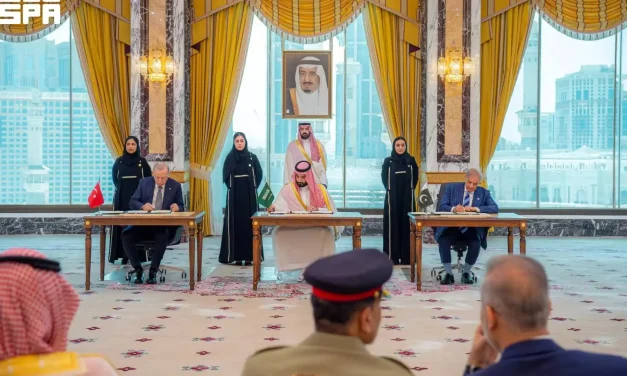
The Makkah Pact; Reasons for its Formation and Challenges Ahead

SCFR Online – Opinion: The Makkah Pact, signed between Saudi Arabia, Pakistan, and Turkey under the motto “an attack on one is an attack on all,” is viewed by some analysts less as a full-fledged military coalition and more as an attempt to reduce security dependence on an external power and to establish a regional security mechanism.
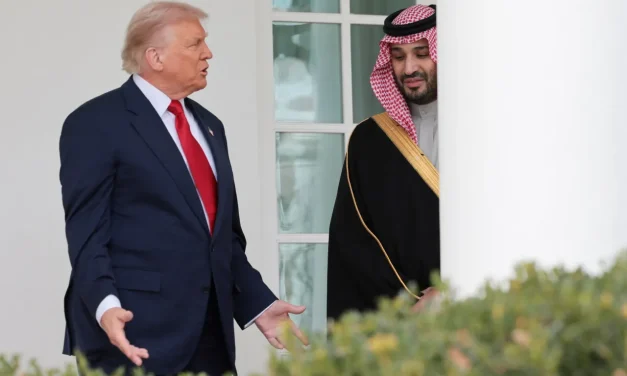
Implications of the US-Saudi Nuclear Agreement

SCFR Online – Opinion: The new US-Saudi nuclear agreement, despite legal and political ambiguities, could alter previous non-proliferation standards in West Asia and intensify nuclear competition, ushering it into a new phase.

An Analysis of Recent Turkey-Israeli Regime Tensions

SCFR Online – Opinion: Recent developments in Syria indicate an intensification of strategic rivalry between Turkey and the Israeli regime, but mutual considerations and the role of the United States have limited the likelihood of direct war.

Increasing criticism of the extensive Zionist lobby network

SCFR Online – Opinion: An examination of the mechanisms of the Israeli regime’s influence in the United States depicts a complex picture of shared interests, strategic dependencies, and the limitations of this relationship.

Realities of the Tripartite Makkah Pact

SCFR Online – Interview: The signing of the Makkah agreement between Saudi Arabia, Pakistan, and Turkey has raised questions about the future of the region’s security structure and the position of these countries in West Asian equations. Can this agreement become a genuine collective defense mechanism, or does it have more of a political and deterrent function than creating new military capacity?

Strategic Implications of the Reduction of US Weapons Stockpiles

SCFR Online – Opinion: The continuation of the US war against Iran, in addition to increasing operational costs, has called into question the actual capacity of the American arsenal to simultaneously fulfill security commitments on multiple fronts; an issue that affects deterrence, defense production capacity, and Washington’s resource prioritization.

The Formation of a New Order in Relations Between Powers

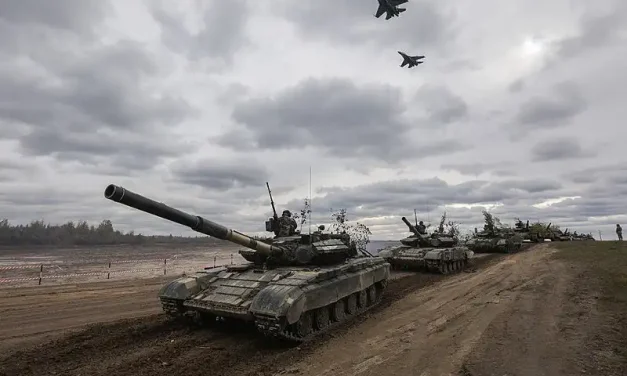
SCFR Online – Opinion: The Russia-Ukraine war and the war of the United States and the Israeli regime against Iran have been formed with different objectives and actors, but field and political developments indicate that they are not entirely separate from one another.

Loading

Top News

Prospect of Geopolitical Tensions & Complexities in Eastern Mediterranean

Prospect of Geopolitical Tensions & Complexities in Eastern Mediterranean

Strategic Council Online – Explaining the geopolitical complexities in the Eastern Mediterranean, a faculty member said: “One of the concerns about this region, especially in Europe, is the addition of this crisis to the Middle East security crisis which due to Europe’s geographical proximity to the region, it will have negative consequences for Europe.

US prevention from Europe’s role playing in Afghanistan peace process

US prevention from Europe’s role playing in Afghanistan peace process

Khalil Zad didn’t allow Europe to play the main role in the negotiations and faded Europe role in political process. Well, The European’s concerns about Afghanistan are not included in the US-Taliban agreement. European countries and the E.U use Iran and Afghanistan’s issues to answer the U.S unilateral actions.
Mostafa Hashemi – Afghanistan expert

Prospects of Field Developments after Israel-UAE Agreement

Prospects of Field Developments after Israel-UAE Agreement

Strategic Council Online – An expert on West Asian affairs said that what the Americans are saying in terms of achieving their goals or changing the course of peace in the Middle East is more propaganda and media feed, adding “The Arab states of the Persian Gulf have considerations and they know that this action will have serious consequences for them.”

Iranophobia;  Zionist Regime’s Leverage to Deceive, Attract Arab Governments

Iranophobia; Zionist Regime’s Leverage to Deceive, Attract Arab Governments

Strategic Council Online – If the Zionist regime’s relations with the Arab world improve, Iran’s relations with the Arab states will be destroyed, and if Iran’s relations with the Arabs improve, Tel Aviv’s relations with the Arab capitals will be strained; In this case, the Arab states will return to their traditional policy that the Israeli regime is the enemy of the Arabs and the Palestinians.
Qasem Mohabeli – Middle East Affairs Expert

Importance of JCPOA Joint Commission and Opposition to US Anti-JCPOA Efforts

Importance of JCPOA Joint Commission and Opposition to US Anti-JCPOA Efforts

Strategic Council Online – An international affairs analyst, referring to the features of the final statement of the meeting of the JCPOA Joint Commission, said: Holding this meeting in these circumstances, as well as issuing a statement expressing the alignment of the members, was a positive step towards maintaining the Joint Comprehensive Plan of Action order and the international community’s opposition to US actions.

Developments in Pakistan’s Relations with Saudi Arabia

Developments in Pakistan’s Relations with Saudi Arabia

Strategic Council Online – The recent failed visit of Pakistani army generals to Riyadh, followed by the visit of Imran Khan, seems to be more the result of the frown of the Riyadh rulers than a sign of Pakistani initiative.
Mashallah Shakeri – Former Iranian ambassador to Pakistan and expert on international affairs

Behind the Scenes of Iraq-Jordan-Egypt Trilateral Meeting

Behind the Scenes of Iraq-Jordan-Egypt Trilateral Meeting

Strategic Council Online – Arab states, especially Saudi Arabia, Jordan and Egypt, are trying to pull Iraq from the ideological sphere to the atmosphere of Arab reaction in order to deepen the distance between Tehran and Baghdad politically and ideologically.
Hassan Hanizadeh – Middle East Affairs Expert

Implications of Lifting Iran Arms Embargo

Implications of Lifting Iran Arms Embargo

Strategic Council Online – The opposition of Beijing and Moscow to Washington’s request to extend the arms embargo on Iran, i.e. giving a negative vote to the US draft resolution of the Security Council, indicates that these countries want to sell arms to Iran.
Amir Ali Abolfath – American Affairs Expert

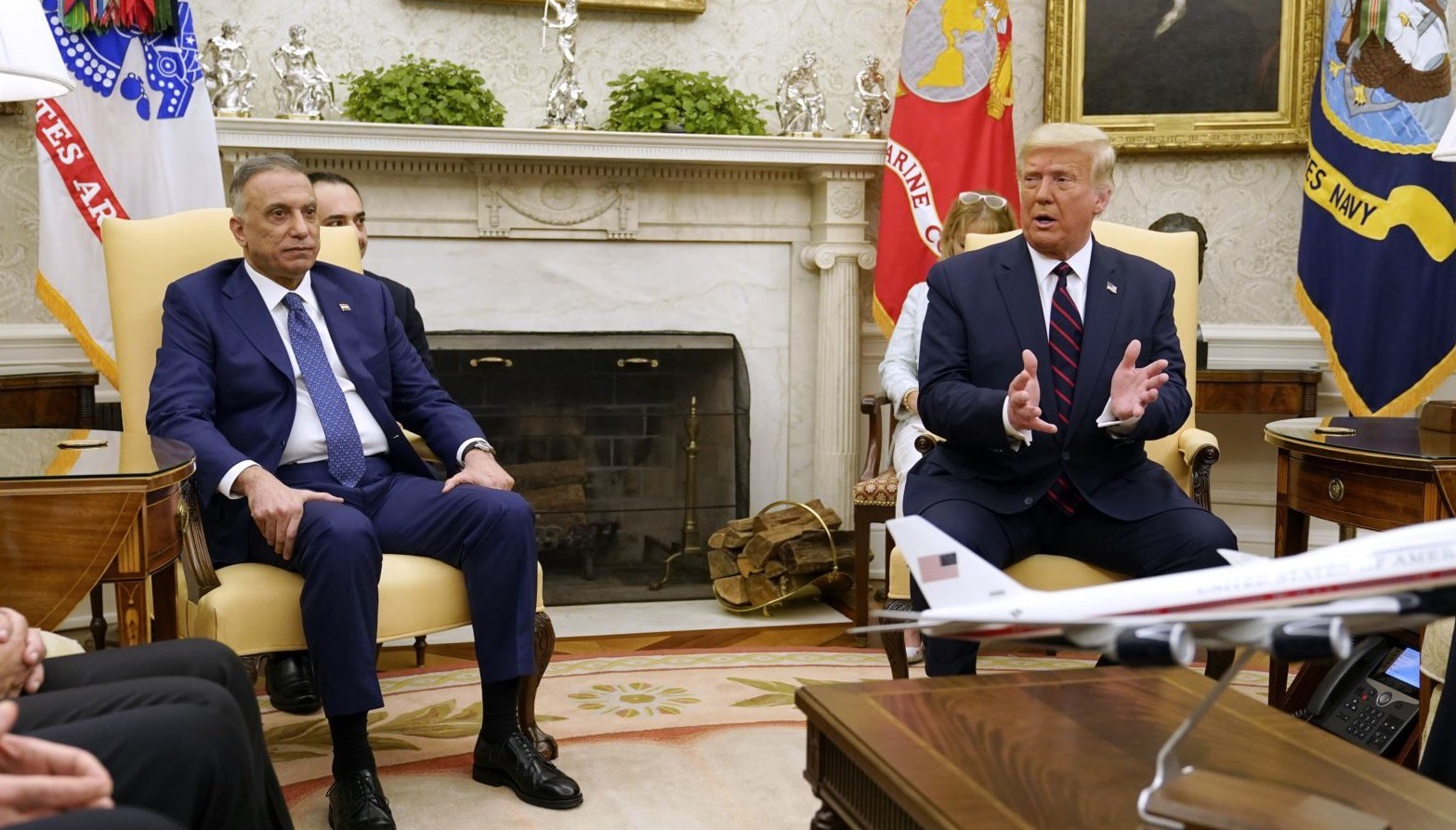
Al-Kazemi’s Washington Trip & US Strategy in Iraq

Al-Kazemi’s Washington Trip & US Strategy in Iraq

Strategic Council Online – Al-Kazemi’s stances reflect his outlooks and political vision about the United States. Some believe that the Americans hope that with Al-Kazemi as Iraq’s prime minister, relations with the US are set to expand and the scope of criticism of the United States inside Iraq will decrease; But we should not overlook the subsequent developments in Iraq; because next year elections will be held and Al-Kazemi himself, as a statesman, has plans for his political future, and is probably thinking of creating a political faction or party.
Siamak Kakai – Iraqi Affairs Expert

Russia the Main Target in Transfer of American Troops from Germany to Poland

Russia the Main Target in Transfer of American Troops from Germany to Poland

Strategic Council Online – Perhaps one of the goals of the United States in transferring troops from Germany to Poland is to divert Moscow’s attention to Russia’s western borders, forcing the Russians to spend a significant portion of their troops and equipment, as well as their military budgets on the western borders.
Seyed Reza Mirtaher – Expert in Military and Strategic Issues

أحدث الوظائف

The Makkah Pact; Reasons for its Formation and Challenges Ahead

SCFR Online – Opinion: The Makkah Pact, signed between Saudi Arabia, Pakistan, and Turkey under the motto “an attack on one is an attack on all,” is viewed by some analysts less as a full-fledged military coalition and more as an attempt to reduce security dependence on an external power and to establish a regional security mechanism.
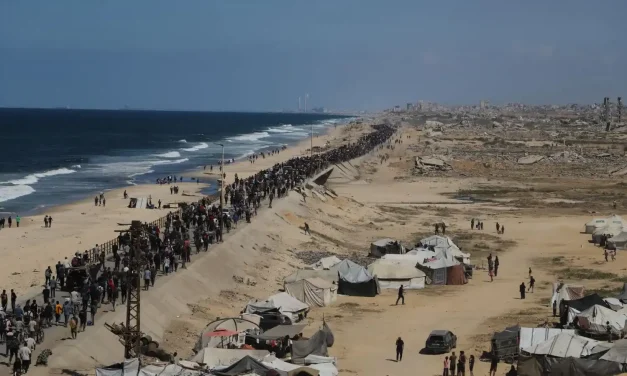
Implications of the US-Saudi Nuclear Agreement

SCFR Online – Opinion: The new US-Saudi nuclear agreement, despite legal and political ambiguities, could alter previous non-proliferation standards in West Asia and intensify nuclear competition, ushering it into a new phase.

An Analysis of Recent Turkey-Israeli Regime Tensions

SCFR Online – Opinion: Recent developments in Syria indicate an intensification of strategic rivalry between Turkey and the Israeli regime, but mutual considerations and the role of the United States have limited the likelihood of direct war.

Increasing criticism of the extensive Zionist lobby network

SCFR Online – Opinion: An examination of the mechanisms of the Israeli regime’s influence in the United States depicts a complex picture of shared interests, strategic dependencies, and the limitations of this relationship.

Realities of the Tripartite Makkah Pact

SCFR Online – Interview: The signing of the Makkah agreement between Saudi Arabia, Pakistan, and Turkey has raised questions about the future of the region’s security structure and the position of these countries in West Asian equations. Can this agreement become a genuine collective defense mechanism, or does it have more of a political and deterrent function than creating new military capacity?

Strategic Implications of the Reduction of US Weapons Stockpiles

SCFR Online – Opinion: The continuation of the US war against Iran, in addition to increasing operational costs, has called into question the actual capacity of the American arsenal to simultaneously fulfill security commitments on multiple fronts; an issue that affects deterrence, defense production capacity, and Washington’s resource prioritization.

The Formation of a New Order in Relations Between Powers

SCFR Online – Opinion: The Russia-Ukraine war and the war of the United States and the Israeli regime against Iran have been formed with different objectives and actors, but field and political developments indicate that they are not entirely separate from one another.

Loading

Top News

Prospect of Geopolitical Tensions & Complexities in Eastern Mediterranean

Prospect of Geopolitical Tensions & Complexities in Eastern Mediterranean

Strategic Council Online – Explaining the geopolitical complexities in the Eastern Mediterranean, a faculty member said: “One of the concerns about this region, especially in Europe, is the addition of this crisis to the Middle East security crisis which due to Europe’s geographical proximity to the region, it will have negative consequences for Europe.

US prevention from Europe’s role playing in Afghanistan peace process

US prevention from Europe’s role playing in Afghanistan peace process

Khalil Zad didn’t allow Europe to play the main role in the negotiations and faded Europe role in political process. Well, The European’s concerns about Afghanistan are not included in the US-Taliban agreement. European countries and the E.U use Iran and Afghanistan’s issues to answer the U.S unilateral actions.
Mostafa Hashemi – Afghanistan expert

Prospects of Field Developments after Israel-UAE Agreement

Prospects of Field Developments after Israel-UAE Agreement

Strategic Council Online – An expert on West Asian affairs said that what the Americans are saying in terms of achieving their goals or changing the course of peace in the Middle East is more propaganda and media feed, adding “The Arab states of the Persian Gulf have considerations and they know that this action will have serious consequences for them.”

Iranophobia;  Zionist Regime’s Leverage to Deceive, Attract Arab Governments

Iranophobia; Zionist Regime’s Leverage to Deceive, Attract Arab Governments

Strategic Council Online – If the Zionist regime’s relations with the Arab world improve, Iran’s relations with the Arab states will be destroyed, and if Iran’s relations with the Arabs improve, Tel Aviv’s relations with the Arab capitals will be strained; In this case, the Arab states will return to their traditional policy that the Israeli regime is the enemy of the Arabs and the Palestinians.
Qasem Mohabeli – Middle East Affairs Expert

Importance of JCPOA Joint Commission and Opposition to US Anti-JCPOA Efforts

Importance of JCPOA Joint Commission and Opposition to US Anti-JCPOA Efforts

Strategic Council Online – An international affairs analyst, referring to the features of the final statement of the meeting of the JCPOA Joint Commission, said: Holding this meeting in these circumstances, as well as issuing a statement expressing the alignment of the members, was a positive step towards maintaining the Joint Comprehensive Plan of Action order and the international community’s opposition to US actions.

Developments in Pakistan’s Relations with Saudi Arabia

Developments in Pakistan’s Relations with Saudi Arabia

Strategic Council Online – The recent failed visit of Pakistani army generals to Riyadh, followed by the visit of Imran Khan, seems to be more the result of the frown of the Riyadh rulers than a sign of Pakistani initiative.
Mashallah Shakeri – Former Iranian ambassador to Pakistan and expert on international affairs

Behind the Scenes of Iraq-Jordan-Egypt Trilateral Meeting

Behind the Scenes of Iraq-Jordan-Egypt Trilateral Meeting

Strategic Council Online – Arab states, especially Saudi Arabia, Jordan and Egypt, are trying to pull Iraq from the ideological sphere to the atmosphere of Arab reaction in order to deepen the distance between Tehran and Baghdad politically and ideologically.
Hassan Hanizadeh – Middle East Affairs Expert

Implications of Lifting Iran Arms Embargo

Implications of Lifting Iran Arms Embargo

Strategic Council Online – The opposition of Beijing and Moscow to Washington’s request to extend the arms embargo on Iran, i.e. giving a negative vote to the US draft resolution of the Security Council, indicates that these countries want to sell arms to Iran.
Amir Ali Abolfath – American Affairs Expert

Al-Kazemi’s Washington Trip & US Strategy in Iraq

Al-Kazemi’s Washington Trip & US Strategy in Iraq

Strategic Council Online – Al-Kazemi’s stances reflect his outlooks and political vision about the United States. Some believe that the Americans hope that with Al-Kazemi as Iraq’s prime minister, relations with the US are set to expand and the scope of criticism of the United States inside Iraq will decrease; But we should not overlook the subsequent developments in Iraq; because next year elections will be held and Al-Kazemi himself, as a statesman, has plans for his political future, and is probably thinking of creating a political faction or party.
Siamak Kakai – Iraqi Affairs Expert

Russia the Main Target in Transfer of American Troops from Germany to Poland

Russia the Main Target in Transfer of American Troops from Germany to Poland

Strategic Council Online – Perhaps one of the goals of the United States in transferring troops from Germany to Poland is to divert Moscow’s attention to Russia’s western borders, forcing the Russians to spend a significant portion of their troops and equipment, as well as their military budgets on the western borders.
Seyed Reza Mirtaher – Expert in Military and Strategic Issues

Top News

Prospect of Geopolitical Tensions & Complexities in Eastern Mediterranean

Prospect of Geopolitical Tensions & Complexities in Eastern Mediterranean

Strategic Council Online – Explaining the geopolitical complexities in the Eastern Mediterranean, a faculty member said: “One of the concerns about this region, especially in Europe, is the addition of this crisis to the Middle East security crisis which due to Europe’s geographical proximity to the region, it will have negative consequences for Europe.

US prevention from Europe’s role playing in Afghanistan peace process

US prevention from Europe’s role playing in Afghanistan peace process

Khalil Zad didn’t allow Europe to play the main role in the negotiations and faded Europe role in political process. Well, The European’s concerns about Afghanistan are not included in the US-Taliban agreement. European countries and the E.U use Iran and Afghanistan’s issues to answer the U.S unilateral actions.
Mostafa Hashemi – Afghanistan expert

Prospects of Field Developments after Israel-UAE Agreement

Prospects of Field Developments after Israel-UAE Agreement

Strategic Council Online – An expert on West Asian affairs said that what the Americans are saying in terms of achieving their goals or changing the course of peace in the Middle East is more propaganda and media feed, adding “The Arab states of the Persian Gulf have considerations and they know that this action will have serious consequences for them.”

Iranophobia;  Zionist Regime’s Leverage to Deceive, Attract Arab Governments

Iranophobia; Zionist Regime’s Leverage to Deceive, Attract Arab Governments

Strategic Council Online – If the Zionist regime’s relations with the Arab world improve, Iran’s relations with the Arab states will be destroyed, and if Iran’s relations with the Arabs improve, Tel Aviv’s relations with the Arab capitals will be strained; In this case, the Arab states will return to their traditional policy that the Israeli regime is the enemy of the Arabs and the Palestinians.
Qasem Mohabeli – Middle East Affairs Expert

Importance of JCPOA Joint Commission and Opposition to US Anti-JCPOA Efforts

Importance of JCPOA Joint Commission and Opposition to US Anti-JCPOA Efforts

Strategic Council Online – An international affairs analyst, referring to the features of the final statement of the meeting of the JCPOA Joint Commission, said: Holding this meeting in these circumstances, as well as issuing a statement expressing the alignment of the members, was a positive step towards maintaining the Joint Comprehensive Plan of Action order and the international community’s opposition to US actions.

Developments in Pakistan’s Relations with Saudi Arabia

Developments in Pakistan’s Relations with Saudi Arabia

Strategic Council Online – The recent failed visit of Pakistani army generals to Riyadh, followed by the visit of Imran Khan, seems to be more the result of the frown of the Riyadh rulers than a sign of Pakistani initiative.
Mashallah Shakeri – Former Iranian ambassador to Pakistan and expert on international affairs

Behind the Scenes of Iraq-Jordan-Egypt Trilateral Meeting

Behind the Scenes of Iraq-Jordan-Egypt Trilateral Meeting

Strategic Council Online – Arab states, especially Saudi Arabia, Jordan and Egypt, are trying to pull Iraq from the ideological sphere to the atmosphere of Arab reaction in order to deepen the distance between Tehran and Baghdad politically and ideologically.
Hassan Hanizadeh – Middle East Affairs Expert

Implications of Lifting Iran Arms Embargo

Implications of Lifting Iran Arms Embargo

Strategic Council Online – The opposition of Beijing and Moscow to Washington’s request to extend the arms embargo on Iran, i.e. giving a negative vote to the US draft resolution of the Security Council, indicates that these countries want to sell arms to Iran.
Amir Ali Abolfath – American Affairs Expert

Al-Kazemi’s Washington Trip & US Strategy in Iraq

Al-Kazemi’s Washington Trip & US Strategy in Iraq

Strategic Council Online – Al-Kazemi’s stances reflect his outlooks and political vision about the United States. Some believe that the Americans hope that with Al-Kazemi as Iraq’s prime minister, relations with the US are set to expand and the scope of criticism of the United States inside Iraq will decrease; But we should not overlook the subsequent developments in Iraq; because next year elections will be held and Al-Kazemi himself, as a statesman, has plans for his political future, and is probably thinking of creating a political faction or party.
Siamak Kakai – Iraqi Affairs Expert

Russia the Main Target in Transfer of American Troops from Germany to Poland

Russia the Main Target in Transfer of American Troops from Germany to Poland

Strategic Council Online – Perhaps one of the goals of the United States in transferring troops from Germany to Poland is to divert Moscow’s attention to Russia’s western borders, forcing the Russians to spend a significant portion of their troops and equipment, as well as their military budgets on the western borders.
Seyed Reza Mirtaher – Expert in Military and Strategic Issues

LATEST CONTENT

The Makkah Pact; Reasons for its Formation and Challenges Ahead

SCFR Online – Opinion: The Makkah Pact, signed between Saudi Arabia, Pakistan, and Turkey under the motto “an attack on one is an attack on all,” is viewed by some analysts less as a full-fledged military coalition and more as an attempt to reduce security dependence on an external power and to establish a regional security mechanism.
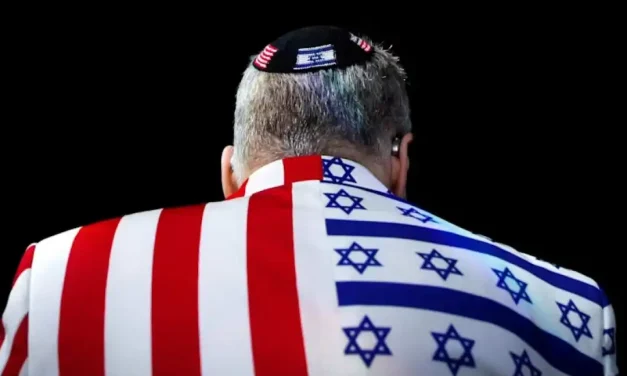
Implications of the US-Saudi Nuclear Agreement

SCFR Online – Opinion: The new US-Saudi nuclear agreement, despite legal and political ambiguities, could alter previous non-proliferation standards in West Asia and intensify nuclear competition, ushering it into a new phase.

An Analysis of Recent Turkey-Israeli Regime Tensions

SCFR Online – Opinion: Recent developments in Syria indicate an intensification of strategic rivalry between Turkey and the Israeli regime, but mutual considerations and the role of the United States have limited the likelihood of direct war.

Increasing criticism of the extensive Zionist lobby network

SCFR Online – Opinion: An examination of the mechanisms of the Israeli regime’s influence in the United States depicts a complex picture of shared interests, strategic dependencies, and the limitations of this relationship.

Realities of the Tripartite Makkah Pact

SCFR Online – Interview: The signing of the Makkah agreement between Saudi Arabia, Pakistan, and Turkey has raised questions about the future of the region’s security structure and the position of these countries in West Asian equations. Can this agreement become a genuine collective defense mechanism, or does it have more of a political and deterrent function than creating new military capacity?

Strategic Implications of the Reduction of US Weapons Stockpiles

SCFR Online – Opinion: The continuation of the US war against Iran, in addition to increasing operational costs, has called into question the actual capacity of the American arsenal to simultaneously fulfill security commitments on multiple fronts; an issue that affects deterrence, defense production capacity, and Washington’s resource prioritization.

The Formation of a New Order in Relations Between Powers

SCFR Online – Opinion: The Russia-Ukraine war and the war of the United States and the Israeli regime against Iran have been formed with different objectives and actors, but field and political developments indicate that they are not entirely separate from one another.

Loading

Top News

Prospect of Geopolitical Tensions & Complexities in Eastern Mediterranean

Prospect of Geopolitical Tensions & Complexities in Eastern Mediterranean

Strategic Council Online – Explaining the geopolitical complexities in the Eastern Mediterranean, a faculty member said: “One of the concerns about this region, especially in Europe, is the addition of this crisis to the Middle East security crisis which due to Europe’s geographical proximity to the region, it will have negative consequences for Europe.

US prevention from Europe’s role playing in Afghanistan peace process

US prevention from Europe’s role playing in Afghanistan peace process

Khalil Zad didn’t allow Europe to play the main role in the negotiations and faded Europe role in political process. Well, The European’s concerns about Afghanistan are not included in the US-Taliban agreement. European countries and the E.U use Iran and Afghanistan’s issues to answer the U.S unilateral actions.
Mostafa Hashemi – Afghanistan expert

Prospects of Field Developments after Israel-UAE Agreement

Prospects of Field Developments after Israel-UAE Agreement

Strategic Council Online – An expert on West Asian affairs said that what the Americans are saying in terms of achieving their goals or changing the course of peace in the Middle East is more propaganda and media feed, adding “The Arab states of the Persian Gulf have considerations and they know that this action will have serious consequences for them.”

Iranophobia;  Zionist Regime’s Leverage to Deceive, Attract Arab Governments

Iranophobia; Zionist Regime’s Leverage to Deceive, Attract Arab Governments

Strategic Council Online – If the Zionist regime’s relations with the Arab world improve, Iran’s relations with the Arab states will be destroyed, and if Iran’s relations with the Arabs improve, Tel Aviv’s relations with the Arab capitals will be strained; In this case, the Arab states will return to their traditional policy that the Israeli regime is the enemy of the Arabs and the Palestinians.
Qasem Mohabeli – Middle East Affairs Expert

Importance of JCPOA Joint Commission and Opposition to US Anti-JCPOA Efforts

Importance of JCPOA Joint Commission and Opposition to US Anti-JCPOA Efforts

Strategic Council Online – An international affairs analyst, referring to the features of the final statement of the meeting of the JCPOA Joint Commission, said: Holding this meeting in these circumstances, as well as issuing a statement expressing the alignment of the members, was a positive step towards maintaining the Joint Comprehensive Plan of Action order and the international community’s opposition to US actions.

Developments in Pakistan’s Relations with Saudi Arabia

Developments in Pakistan’s Relations with Saudi Arabia

Strategic Council Online – The recent failed visit of Pakistani army generals to Riyadh, followed by the visit of Imran Khan, seems to be more the result of the frown of the Riyadh rulers than a sign of Pakistani initiative.
Mashallah Shakeri – Former Iranian ambassador to Pakistan and expert on international affairs

Behind the Scenes of Iraq-Jordan-Egypt Trilateral Meeting

Behind the Scenes of Iraq-Jordan-Egypt Trilateral Meeting

Strategic Council Online – Arab states, especially Saudi Arabia, Jordan and Egypt, are trying to pull Iraq from the ideological sphere to the atmosphere of Arab reaction in order to deepen the distance between Tehran and Baghdad politically and ideologically.
Hassan Hanizadeh – Middle East Affairs Expert

Implications of Lifting Iran Arms Embargo

Implications of Lifting Iran Arms Embargo

Strategic Council Online – The opposition of Beijing and Moscow to Washington’s request to extend the arms embargo on Iran, i.e. giving a negative vote to the US draft resolution of the Security Council, indicates that these countries want to sell arms to Iran.
Amir Ali Abolfath – American Affairs Expert

Al-Kazemi’s Washington Trip & US Strategy in Iraq

Al-Kazemi’s Washington Trip & US Strategy in Iraq

Strategic Council Online – Al-Kazemi’s stances reflect his outlooks and political vision about the United States. Some believe that the Americans hope that with Al-Kazemi as Iraq’s prime minister, relations with the US are set to expand and the scope of criticism of the United States inside Iraq will decrease; But we should not overlook the subsequent developments in Iraq; because next year elections will be held and Al-Kazemi himself, as a statesman, has plans for his political future, and is probably thinking of creating a political faction or party.
Siamak Kakai – Iraqi Affairs Expert

Russia the Main Target in Transfer of American Troops from Germany to Poland

Russia the Main Target in Transfer of American Troops from Germany to Poland

Strategic Council Online – Perhaps one of the goals of the United States in transferring troops from Germany to Poland is to divert Moscow’s attention to Russia’s western borders, forcing the Russians to spend a significant portion of their troops and equipment, as well as their military budgets on the western borders.
Seyed Reza Mirtaher – Expert in Military and Strategic Issues

ÚLTIMAS PUBLICACIONES

The Makkah Pact; Reasons for its Formation and Challenges Ahead

SCFR Online – Opinion: The Makkah Pact, signed between Saudi Arabia, Pakistan, and Turkey under the motto “an attack on one is an attack on all,” is viewed by some analysts less as a full-fledged military coalition and more as an attempt to reduce security dependence on an external power and to establish a regional security mechanism.
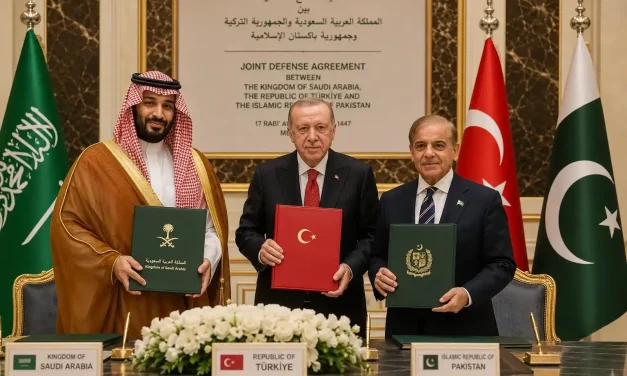
Implications of the US-Saudi Nuclear Agreement

SCFR Online – Opinion: The new US-Saudi nuclear agreement, despite legal and political ambiguities, could alter previous non-proliferation standards in West Asia and intensify nuclear competition, ushering it into a new phase.

An Analysis of Recent Turkey-Israeli Regime Tensions

SCFR Online – Opinion: Recent developments in Syria indicate an intensification of strategic rivalry between Turkey and the Israeli regime, but mutual considerations and the role of the United States have limited the likelihood of direct war.

Increasing criticism of the extensive Zionist lobby network

SCFR Online – Opinion: An examination of the mechanisms of the Israeli regime’s influence in the United States depicts a complex picture of shared interests, strategic dependencies, and the limitations of this relationship.

Realities of the Tripartite Makkah Pact

SCFR Online – Interview: The signing of the Makkah agreement between Saudi Arabia, Pakistan, and Turkey has raised questions about the future of the region’s security structure and the position of these countries in West Asian equations. Can this agreement become a genuine collective defense mechanism, or does it have more of a political and deterrent function than creating new military capacity?

Strategic Implications of the Reduction of US Weapons Stockpiles

SCFR Online – Opinion: The continuation of the US war against Iran, in addition to increasing operational costs, has called into question the actual capacity of the American arsenal to simultaneously fulfill security commitments on multiple fronts; an issue that affects deterrence, defense production capacity, and Washington’s resource prioritization.

The Formation of a New Order in Relations Between Powers

SCFR Online – Opinion: The Russia-Ukraine war and the war of the United States and the Israeli regime against Iran have been formed with different objectives and actors, but field and political developments indicate that they are not entirely separate from one another.

Loading

Top News

Prospect of Geopolitical Tensions & Complexities in Eastern Mediterranean

Prospect of Geopolitical Tensions & Complexities in Eastern Mediterranean

Strategic Council Online – Explaining the geopolitical complexities in the Eastern Mediterranean, a faculty member said: “One of the concerns about this region, especially in Europe, is the addition of this crisis to the Middle East security crisis which due to Europe’s geographical proximity to the region, it will have negative consequences for Europe.

US prevention from Europe’s role playing in Afghanistan peace process

US prevention from Europe’s role playing in Afghanistan peace process

Khalil Zad didn’t allow Europe to play the main role in the negotiations and faded Europe role in political process. Well, The European’s concerns about Afghanistan are not included in the US-Taliban agreement. European countries and the E.U use Iran and Afghanistan’s issues to answer the U.S unilateral actions.
Mostafa Hashemi – Afghanistan expert

Prospects of Field Developments after Israel-UAE Agreement

Prospects of Field Developments after Israel-UAE Agreement

Strategic Council Online – An expert on West Asian affairs said that what the Americans are saying in terms of achieving their goals or changing the course of peace in the Middle East is more propaganda and media feed, adding “The Arab states of the Persian Gulf have considerations and they know that this action will have serious consequences for them.”

Iranophobia;  Zionist Regime’s Leverage to Deceive, Attract Arab Governments

Iranophobia; Zionist Regime’s Leverage to Deceive, Attract Arab Governments

Strategic Council Online – If the Zionist regime’s relations with the Arab world improve, Iran’s relations with the Arab states will be destroyed, and if Iran’s relations with the Arabs improve, Tel Aviv’s relations with the Arab capitals will be strained; In this case, the Arab states will return to their traditional policy that the Israeli regime is the enemy of the Arabs and the Palestinians.
Qasem Mohabeli – Middle East Affairs Expert

Importance of JCPOA Joint Commission and Opposition to US Anti-JCPOA Efforts

Importance of JCPOA Joint Commission and Opposition to US Anti-JCPOA Efforts

Strategic Council Online – An international affairs analyst, referring to the features of the final statement of the meeting of the JCPOA Joint Commission, said: Holding this meeting in these circumstances, as well as issuing a statement expressing the alignment of the members, was a positive step towards maintaining the Joint Comprehensive Plan of Action order and the international community’s opposition to US actions.

Developments in Pakistan’s Relations with Saudi Arabia

Developments in Pakistan’s Relations with Saudi Arabia

Strategic Council Online – The recent failed visit of Pakistani army generals to Riyadh, followed by the visit of Imran Khan, seems to be more the result of the frown of the Riyadh rulers than a sign of Pakistani initiative.
Mashallah Shakeri – Former Iranian ambassador to Pakistan and expert on international affairs

Behind the Scenes of Iraq-Jordan-Egypt Trilateral Meeting

Behind the Scenes of Iraq-Jordan-Egypt Trilateral Meeting

Strategic Council Online – Arab states, especially Saudi Arabia, Jordan and Egypt, are trying to pull Iraq from the ideological sphere to the atmosphere of Arab reaction in order to deepen the distance between Tehran and Baghdad politically and ideologically.
Hassan Hanizadeh – Middle East Affairs Expert

Implications of Lifting Iran Arms Embargo

Implications of Lifting Iran Arms Embargo

Strategic Council Online – The opposition of Beijing and Moscow to Washington’s request to extend the arms embargo on Iran, i.e. giving a negative vote to the US draft resolution of the Security Council, indicates that these countries want to sell arms to Iran.
Amir Ali Abolfath – American Affairs Expert

Al-Kazemi’s Washington Trip & US Strategy in Iraq

Al-Kazemi’s Washington Trip & US Strategy in Iraq

Strategic Council Online – Al-Kazemi’s stances reflect his outlooks and political vision about the United States. Some believe that the Americans hope that with Al-Kazemi as Iraq’s prime minister, relations with the US are set to expand and the scope of criticism of the United States inside Iraq will decrease; But we should not overlook the subsequent developments in Iraq; because next year elections will be held and Al-Kazemi himself, as a statesman, has plans for his political future, and is probably thinking of creating a political faction or party.
Siamak Kakai – Iraqi Affairs Expert

Russia the Main Target in Transfer of American Troops from Germany to Poland

Russia the Main Target in Transfer of American Troops from Germany to Poland

Strategic Council Online – Perhaps one of the goals of the United States in transferring troops from Germany to Poland is to divert Moscow’s attention to Russia’s western borders, forcing the Russians to spend a significant portion of their troops and equipment, as well as their military budgets on the western borders.
Seyed Reza Mirtaher – Expert in Military and Strategic Issues

ÚLTIMAS PUBLICACIONES

The Makkah Pact; Reasons for its Formation and Challenges Ahead

SCFR Online – Opinion: The Makkah Pact, signed between Saudi Arabia, Pakistan, and Turkey under the motto “an attack on one is an attack on all,” is viewed by some analysts less as a full-fledged military coalition and more as an attempt to reduce security dependence on an external power and to establish a regional security mechanism.
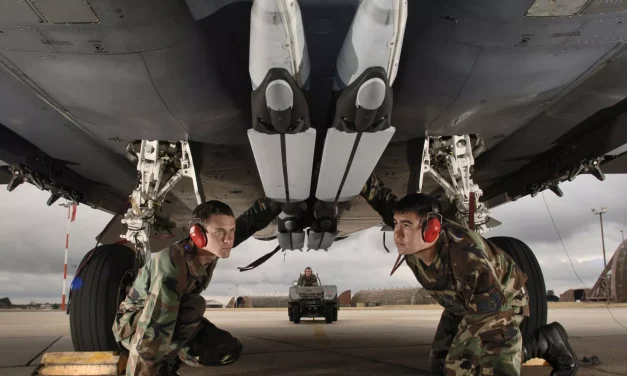
Implications of the US-Saudi Nuclear Agreement

SCFR Online – Opinion: The new US-Saudi nuclear agreement, despite legal and political ambiguities, could alter previous non-proliferation standards in West Asia and intensify nuclear competition, ushering it into a new phase.

An Analysis of Recent Turkey-Israeli Regime Tensions

SCFR Online – Opinion: Recent developments in Syria indicate an intensification of strategic rivalry between Turkey and the Israeli regime, but mutual considerations and the role of the United States have limited the likelihood of direct war.

Increasing criticism of the extensive Zionist lobby network

SCFR Online – Opinion: An examination of the mechanisms of the Israeli regime’s influence in the United States depicts a complex picture of shared interests, strategic dependencies, and the limitations of this relationship.

Realities of the Tripartite Makkah Pact

SCFR Online – Interview: The signing of the Makkah agreement between Saudi Arabia, Pakistan, and Turkey has raised questions about the future of the region’s security structure and the position of these countries in West Asian equations. Can this agreement become a genuine collective defense mechanism, or does it have more of a political and deterrent function than creating new military capacity?

Strategic Implications of the Reduction of US Weapons Stockpiles

SCFR Online – Opinion: The continuation of the US war against Iran, in addition to increasing operational costs, has called into question the actual capacity of the American arsenal to simultaneously fulfill security commitments on multiple fronts; an issue that affects deterrence, defense production capacity, and Washington’s resource prioritization.

The Formation of a New Order in Relations Between Powers

SCFR Online – Opinion: The Russia-Ukraine war and the war of the United States and the Israeli regime against Iran have been formed with different objectives and actors, but field and political developments indicate that they are not entirely separate from one another.

Loading

Top News

Prospect of Geopolitical Tensions & Complexities in Eastern Mediterranean

Prospect of Geopolitical Tensions & Complexities in Eastern Mediterranean

Strategic Council Online – Explaining the geopolitical complexities in the Eastern Mediterranean, a faculty member said: “One of the concerns about this region, especially in Europe, is the addition of this crisis to the Middle East security crisis which due to Europe’s geographical proximity to the region, it will have negative consequences for Europe.

US prevention from Europe’s role playing in Afghanistan peace process

US prevention from Europe’s role playing in Afghanistan peace process

Khalil Zad didn’t allow Europe to play the main role in the negotiations and faded Europe role in political process. Well, The European’s concerns about Afghanistan are not included in the US-Taliban agreement. European countries and the E.U use Iran and Afghanistan’s issues to answer the U.S unilateral actions.
Mostafa Hashemi – Afghanistan expert

Prospects of Field Developments after Israel-UAE Agreement

Prospects of Field Developments after Israel-UAE Agreement

Strategic Council Online – An expert on West Asian affairs said that what the Americans are saying in terms of achieving their goals or changing the course of peace in the Middle East is more propaganda and media feed, adding “The Arab states of the Persian Gulf have considerations and they know that this action will have serious consequences for them.”

Iranophobia;  Zionist Regime’s Leverage to Deceive, Attract Arab Governments

Iranophobia; Zionist Regime’s Leverage to Deceive, Attract Arab Governments

Strategic Council Online – If the Zionist regime’s relations with the Arab world improve, Iran’s relations with the Arab states will be destroyed, and if Iran’s relations with the Arabs improve, Tel Aviv’s relations with the Arab capitals will be strained; In this case, the Arab states will return to their traditional policy that the Israeli regime is the enemy of the Arabs and the Palestinians.
Qasem Mohabeli – Middle East Affairs Expert

Importance of JCPOA Joint Commission and Opposition to US Anti-JCPOA Efforts

Importance of JCPOA Joint Commission and Opposition to US Anti-JCPOA Efforts

Strategic Council Online – An international affairs analyst, referring to the features of the final statement of the meeting of the JCPOA Joint Commission, said: Holding this meeting in these circumstances, as well as issuing a statement expressing the alignment of the members, was a positive step towards maintaining the Joint Comprehensive Plan of Action order and the international community’s opposition to US actions.

Developments in Pakistan’s Relations with Saudi Arabia

Developments in Pakistan’s Relations with Saudi Arabia

Strategic Council Online – The recent failed visit of Pakistani army generals to Riyadh, followed by the visit of Imran Khan, seems to be more the result of the frown of the Riyadh rulers than a sign of Pakistani initiative.
Mashallah Shakeri – Former Iranian ambassador to Pakistan and expert on international affairs

Behind the Scenes of Iraq-Jordan-Egypt Trilateral Meeting

Behind the Scenes of Iraq-Jordan-Egypt Trilateral Meeting

Strategic Council Online – Arab states, especially Saudi Arabia, Jordan and Egypt, are trying to pull Iraq from the ideological sphere to the atmosphere of Arab reaction in order to deepen the distance between Tehran and Baghdad politically and ideologically.
Hassan Hanizadeh – Middle East Affairs Expert

Implications of Lifting Iran Arms Embargo

Implications of Lifting Iran Arms Embargo

Strategic Council Online – The opposition of Beijing and Moscow to Washington’s request to extend the arms embargo on Iran, i.e. giving a negative vote to the US draft resolution of the Security Council, indicates that these countries want to sell arms to Iran.
Amir Ali Abolfath – American Affairs Expert

Al-Kazemi’s Washington Trip & US Strategy in Iraq

Al-Kazemi’s Washington Trip & US Strategy in Iraq

Strategic Council Online – Al-Kazemi’s stances reflect his outlooks and political vision about the United States. Some believe that the Americans hope that with Al-Kazemi as Iraq’s prime minister, relations with the US are set to expand and the scope of criticism of the United States inside Iraq will decrease; But we should not overlook the subsequent developments in Iraq; because next year elections will be held and Al-Kazemi himself, as a statesman, has plans for his political future, and is probably thinking of creating a political faction or party.
Siamak Kakai – Iraqi Affairs Expert

Russia the Main Target in Transfer of American Troops from Germany to Poland

Russia the Main Target in Transfer of American Troops from Germany to Poland

Strategic Council Online – Perhaps one of the goals of the United States in transferring troops from Germany to Poland is to divert Moscow’s attention to Russia’s western borders, forcing the Russians to spend a significant portion of their troops and equipment, as well as their military budgets on the western borders.
Seyed Reza Mirtaher – Expert in Military and Strategic Issues

ÚLTIMAS PUBLICACIONES

The Makkah Pact; Reasons for its Formation and Challenges Ahead

SCFR Online – Opinion: The Makkah Pact, signed between Saudi Arabia, Pakistan, and Turkey under the motto “an attack on one is an attack on all,” is viewed by some analysts less as a full-fledged military coalition and more as an attempt to reduce security dependence on an external power and to establish a regional security mechanism.
Implications of the US-Saudi Nuclear Agreement

SCFR Online – Opinion: The new US-Saudi nuclear agreement, despite legal and political ambiguities, could alter previous non-proliferation standards in West Asia and intensify nuclear competition, ushering it into a new phase.

An Analysis of Recent Turkey-Israeli Regime Tensions

SCFR Online – Opinion: Recent developments in Syria indicate an intensification of strategic rivalry between Turkey and the Israeli regime, but mutual considerations and the role of the United States have limited the likelihood of direct war.

Increasing criticism of the extensive Zionist lobby network

SCFR Online – Opinion: An examination of the mechanisms of the Israeli regime’s influence in the United States depicts a complex picture of shared interests, strategic dependencies, and the limitations of this relationship.

Realities of the Tripartite Makkah Pact

SCFR Online – Interview: The signing of the Makkah agreement between Saudi Arabia, Pakistan, and Turkey has raised questions about the future of the region’s security structure and the position of these countries in West Asian equations. Can this agreement become a genuine collective defense mechanism, or does it have more of a political and deterrent function than creating new military capacity?

Strategic Implications of the Reduction of US Weapons Stockpiles

SCFR Online – Opinion: The continuation of the US war against Iran, in addition to increasing operational costs, has called into question the actual capacity of the American arsenal to simultaneously fulfill security commitments on multiple fronts; an issue that affects deterrence, defense production capacity, and Washington’s resource prioritization.

The Formation of a New Order in Relations Between Powers

SCFR Online – Opinion: The Russia-Ukraine war and the war of the United States and the Israeli regime against Iran have been formed with different objectives and actors, but field and political developments indicate that they are not entirely separate from one another.

Loading

Top News

Prospect of Geopolitical Tensions & Complexities in Eastern Mediterranean

Prospect of Geopolitical Tensions & Complexities in Eastern Mediterranean

Strategic Council Online – Explaining the geopolitical complexities in the Eastern Mediterranean, a faculty member said: “One of the concerns about this region, especially in Europe, is the addition of this crisis to the Middle East security crisis which due to Europe’s geographical proximity to the region, it will have negative consequences for Europe.

US prevention from Europe’s role playing in Afghanistan peace process

US prevention from Europe’s role playing in Afghanistan peace process

Khalil Zad didn’t allow Europe to play the main role in the negotiations and faded Europe role in political process. Well, The European’s concerns about Afghanistan are not included in the US-Taliban agreement. European countries and the E.U use Iran and Afghanistan’s issues to answer the U.S unilateral actions.
Mostafa Hashemi – Afghanistan expert

Prospects of Field Developments after Israel-UAE Agreement

Prospects of Field Developments after Israel-UAE Agreement

Strategic Council Online – An expert on West Asian affairs said that what the Americans are saying in terms of achieving their goals or changing the course of peace in the Middle East is more propaganda and media feed, adding “The Arab states of the Persian Gulf have considerations and they know that this action will have serious consequences for them.”

Iranophobia;  Zionist Regime’s Leverage to Deceive, Attract Arab Governments

Iranophobia; Zionist Regime’s Leverage to Deceive, Attract Arab Governments

Strategic Council Online – If the Zionist regime’s relations with the Arab world improve, Iran’s relations with the Arab states will be destroyed, and if Iran’s relations with the Arabs improve, Tel Aviv’s relations with the Arab capitals will be strained; In this case, the Arab states will return to their traditional policy that the Israeli regime is the enemy of the Arabs and the Palestinians.
Qasem Mohabeli – Middle East Affairs Expert

Importance of JCPOA Joint Commission and Opposition to US Anti-JCPOA Efforts

Importance of JCPOA Joint Commission and Opposition to US Anti-JCPOA Efforts

Strategic Council Online – An international affairs analyst, referring to the features of the final statement of the meeting of the JCPOA Joint Commission, said: Holding this meeting in these circumstances, as well as issuing a statement expressing the alignment of the members, was a positive step towards maintaining the Joint Comprehensive Plan of Action order and the international community’s opposition to US actions.

Developments in Pakistan’s Relations with Saudi Arabia

Developments in Pakistan’s Relations with Saudi Arabia

Strategic Council Online – The recent failed visit of Pakistani army generals to Riyadh, followed by the visit of Imran Khan, seems to be more the result of the frown of the Riyadh rulers than a sign of Pakistani initiative.
Mashallah Shakeri – Former Iranian ambassador to Pakistan and expert on international affairs

Behind the Scenes of Iraq-Jordan-Egypt Trilateral Meeting

Behind the Scenes of Iraq-Jordan-Egypt Trilateral Meeting

Strategic Council Online – Arab states, especially Saudi Arabia, Jordan and Egypt, are trying to pull Iraq from the ideological sphere to the atmosphere of Arab reaction in order to deepen the distance between Tehran and Baghdad politically and ideologically.
Hassan Hanizadeh – Middle East Affairs Expert

Implications of Lifting Iran Arms Embargo

Implications of Lifting Iran Arms Embargo

Strategic Council Online – The opposition of Beijing and Moscow to Washington’s request to extend the arms embargo on Iran, i.e. giving a negative vote to the US draft resolution of the Security Council, indicates that these countries want to sell arms to Iran.
Amir Ali Abolfath – American Affairs Expert

Al-Kazemi’s Washington Trip & US Strategy in Iraq

Al-Kazemi’s Washington Trip & US Strategy in Iraq

Strategic Council Online – Al-Kazemi’s stances reflect his outlooks and political vision about the United States. Some believe that the Americans hope that with Al-Kazemi as Iraq’s prime minister, relations with the US are set to expand and the scope of criticism of the United States inside Iraq will decrease; But we should not overlook the subsequent developments in Iraq; because next year elections will be held and Al-Kazemi himself, as a statesman, has plans for his political future, and is probably thinking of creating a political faction or party.
Siamak Kakai – Iraqi Affairs Expert

Russia the Main Target in Transfer of American Troops from Germany to Poland

Russia the Main Target in Transfer of American Troops from Germany to Poland

Strategic Council Online – Perhaps one of the goals of the United States in transferring troops from Germany to Poland is to divert Moscow’s attention to Russia’s western borders, forcing the Russians to spend a significant portion of their troops and equipment, as well as their military budgets on the western borders.
Seyed Reza Mirtaher – Expert in Military and Strategic Issues

ÚLTIMAS PUBLICACIONES

The Makkah Pact; Reasons for its Formation and Challenges Ahead

SCFR Online – Opinion: The Makkah Pact, signed between Saudi Arabia, Pakistan, and Turkey under the motto “an attack on one is an attack on all,” is viewed by some analysts less as a full-fledged military coalition and more as an attempt to reduce security dependence on an external power and to establish a regional security mechanism.

Implications of the US-Saudi Nuclear Agreement

SCFR Online – Opinion: The new US-Saudi nuclear agreement, despite legal and political ambiguities, could alter previous non-proliferation standards in West Asia and intensify nuclear competition, ushering it into a new phase.

An Analysis of Recent Turkey-Israeli Regime Tensions

SCFR Online – Opinion: Recent developments in Syria indicate an intensification of strategic rivalry between Turkey and the Israeli regime, but mutual considerations and the role of the United States have limited the likelihood of direct war.

Increasing criticism of the extensive Zionist lobby network

SCFR Online – Opinion: An examination of the mechanisms of the Israeli regime’s influence in the United States depicts a complex picture of shared interests, strategic dependencies, and the limitations of this relationship.

Realities of the Tripartite Makkah Pact

SCFR Online – Interview: The signing of the Makkah agreement between Saudi Arabia, Pakistan, and Turkey has raised questions about the future of the region’s security structure and the position of these countries in West Asian equations. Can this agreement become a genuine collective defense mechanism, or does it have more of a political and deterrent function than creating new military capacity?

Strategic Implications of the Reduction of US Weapons Stockpiles

SCFR Online – Opinion: The continuation of the US war against Iran, in addition to increasing operational costs, has called into question the actual capacity of the American arsenal to simultaneously fulfill security commitments on multiple fronts; an issue that affects deterrence, defense production capacity, and Washington’s resource prioritization.

The Formation of a New Order in Relations Between Powers

SCFR Online – Opinion: The Russia-Ukraine war and the war of the United States and the Israeli regime against Iran have been formed with different objectives and actors, but field and political developments indicate that they are not entirely separate from one another.

Loading