جدیدترین مطالب

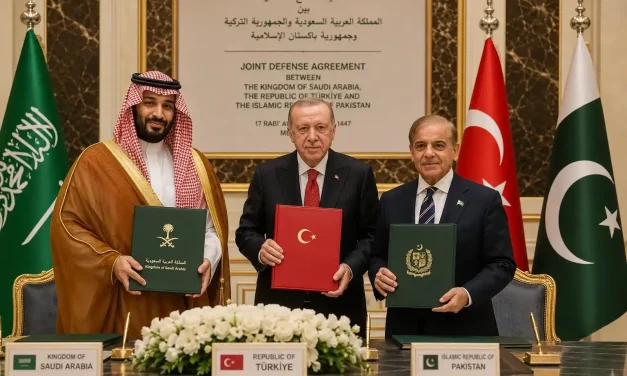
The Makkah Pact; Reasons for its Formation and Challenges Ahead

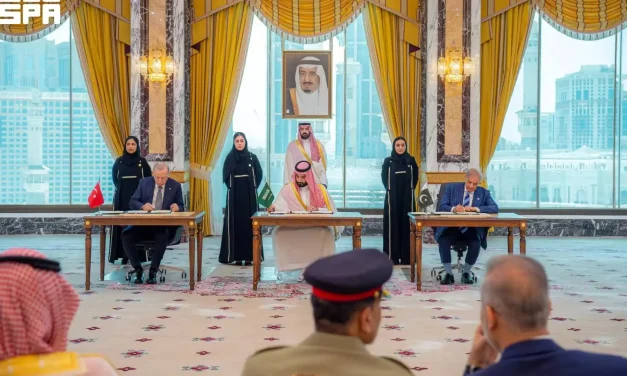
SCFR Online – Opinion: The Makkah Pact, signed between Saudi Arabia, Pakistan, and Turkey under the motto “an attack on one is an attack on all,” is viewed by some analysts less as a full-fledged military coalition and more as an attempt to reduce security dependence on an external power and to establish a regional security mechanism.

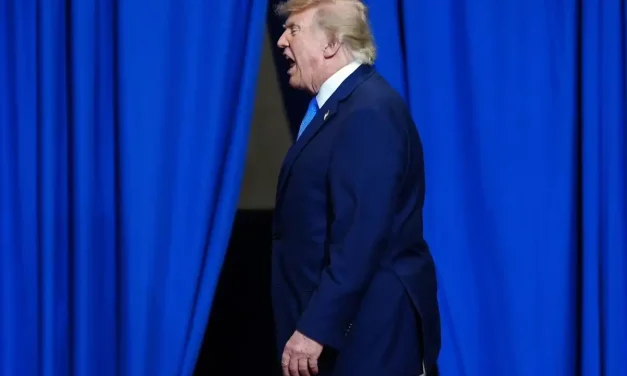
Implications of the US-Saudi Nuclear Agreement

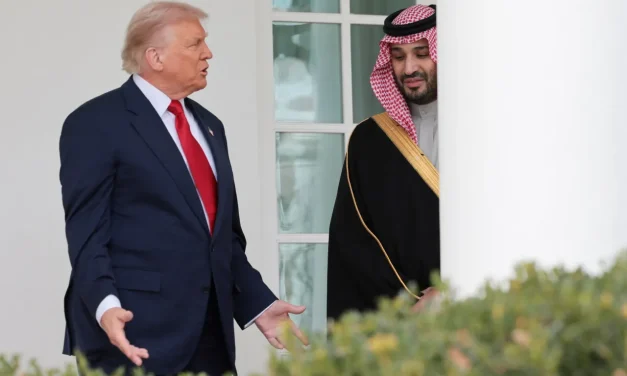
SCFR Online – Opinion: The new US-Saudi nuclear agreement, despite legal and political ambiguities, could alter previous non-proliferation standards in West Asia and intensify nuclear competition, ushering it into a new phase.

An Analysis of Recent Turkey-Israeli Regime Tensions

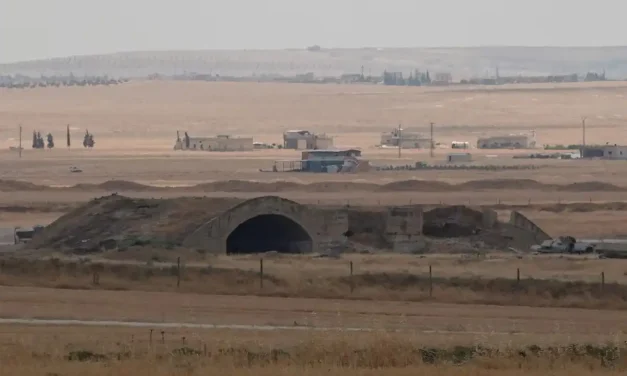
SCFR Online – Opinion: Recent developments in Syria indicate an intensification of strategic rivalry between Turkey and the Israeli regime, but mutual considerations and the role of the United States have limited the likelihood of direct war.

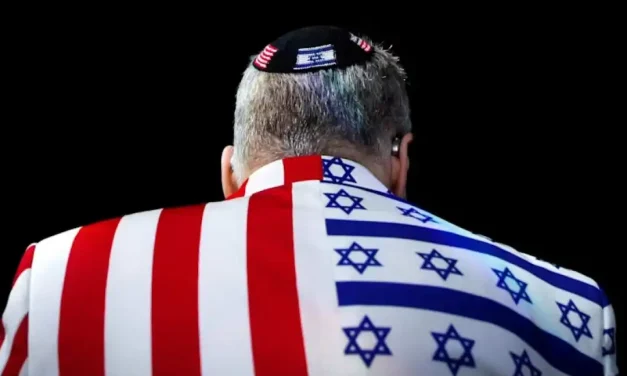
Increasing criticism of the extensive Zionist lobby network

SCFR Online – Opinion: An examination of the mechanisms of the Israeli regime’s influence in the United States depicts a complex picture of shared interests, strategic dependencies, and the limitations of this relationship.

Realities of the Tripartite Makkah Pact

SCFR Online – Interview: The signing of the Makkah agreement between Saudi Arabia, Pakistan, and Turkey has raised questions about the future of the region’s security structure and the position of these countries in West Asian equations. Can this agreement become a genuine collective defense mechanism, or does it have more of a political and deterrent function than creating new military capacity?

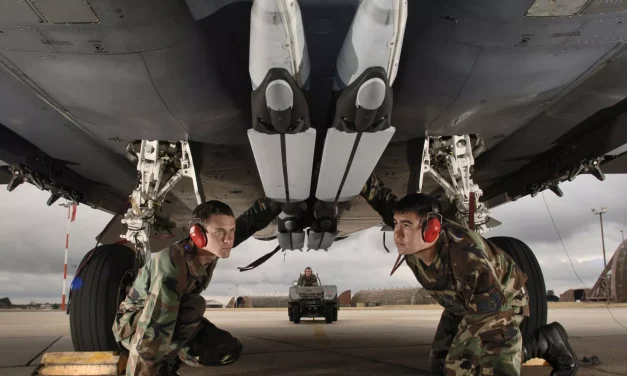
Strategic Implications of the Reduction of US Weapons Stockpiles

SCFR Online – Opinion: The continuation of the US war against Iran, in addition to increasing operational costs, has called into question the actual capacity of the American arsenal to simultaneously fulfill security commitments on multiple fronts; an issue that affects deterrence, defense production capacity, and Washington’s resource prioritization.

Loading

Top News

Suspension of Peace Talks; Deception of US and Taliban

Suspension of Peace Talks; Deception of US and Taliban

Strategic Council Online: Former Director of Afghanistan Department at the IRI Ministry of Foreign Affairs said: “We should not consider the negotiations over because of differences of opinion between the United States and the Taliban. We must pay attention to America’s hidden goals to bring the Taliban back to power: A group that could be linked to the ISIS with the help of the United States.”

Zionist Regime’s Election Crisis and Options Ahead

Zionist Regime’s Election Crisis and Options Ahead

Strategic Council Online: Former Director General for Middle East Affairs at the IRI Ministry of Foreign Affairs, outlining the Zionist regime’s options to exit the current impasse, said: “Given the situation, the Tel Aviv government has suffered a meltdown and is unlikely to resolve it easily.” Qasem Mohebali said Netanyahu’s fall from power is still uncertain, noting that neither Netanyahu nor his rival Benny Gantz, the leader of the Blue and White center-right party, have won enough seats in parliament to form a government. Even if they form a coalition they cannot win more than half of the Knesset with 120 seats, he noted.

America’s Forced Compromise with China on Trade War

America’s Forced Compromise with China on Trade War

Strategic Council Online: If China reduces its investments and deposits in the United States it will inflict great losses on Washington; therefore, before this happens, Trump will be forced to make a compromise with China.
Ismail Bashari – China Affairs Expert

Roots of Qatar Crisis

Roots of Qatar Crisis

“The Qatar crisis should not be considered in the context of conflict of interests of the countries involved in the crisis, because the main cause of the crisis is the historical background of the tribes in the region,” said the Director of Al Jazeera Center for Studies Mohammed Mukhtar al Khalil.

Indian’s readiness for Negotiations with Pakistan?!

Indian’s readiness for Negotiations with Pakistan?!

Strategic Council Online: Former Iranian ambassador to Pakistan says relations between India and Pakistan will be tense at least in the short term, adding: “Tensions between the two countries over Kashmir are likely to continue, and normalization of relations between the two countries does not seem to be easy.”

Consequences of Possible US Negotiations with Ansarollah

Consequences of Possible US Negotiations with Ansarollah

Strategic Council Online: The Americans have now come to the conclusion that the continuation of the Yemen war is to the detriment of the West and their position in the region, and are therefore trying to prevent Ansarollah’s increasing power by planning the negotiations.
Jafar Ghanadbashi – Middle East Affairs Expert

Humiliation and Guardianship of Afghan Gov’t & Nation

Humiliation and Guardianship of Afghan Gov’t & Nation

Strategic Council Online: US President Donald Trump is in dire need of an agreement with the Taliban, so the talks may not have been completely cancelled, and this may be just a tactical move by Washington to pressure the Taliban.
Pir Mohammad Molazehi – Expert on Afghanistan Affairs

China-Germany Cooperation: Defense Strategy in Trade War with America

China-Germany Cooperation: Defense Strategy in Trade War with America

Strategic Council Online: A university lecturer on international relations says although German Chancellor Angela Merkel’s visit to China apparently portrays a picture of limited economic and political cooperation between the two countries, nonetheless, the event reveals that behind the scene, the world’s two big economic powers with their economic potential have declared an unannounced war against US President Donald Trump’s trade war. The negotiations held and the agreements reached between Berlin and Beijing too point to this very point.

Responding to Israeli Aggressions; Promising New Equations in the Region!

Responding to Israeli Aggressions; Promising New Equations in the Region!

Strategic Council Online: Former Iranian ambassador to Iraq pointing to Lebanese Hezbollah’s military response to the recent Zionist regime aggressions, noted: “Expectations were that the Resistance would certainly respond to Israel’s audacity and as put by the Supreme Leader the time for their “hit and run” game is over. It is no longer the case for them to take some action and the nations of the region sit idle and just watch them.”

US Withdraws from Comprehensive Nuclear Test Ban Treaty

US Withdraws from Comprehensive Nuclear Test Ban Treaty

Strategic Council Online: The United States needs to conduct atomic tests to assess its capabilities and weaknesses to develop its nuclear capabilities. The Comprehensive Test Ban Treaty (CTBT) makes the job difficult.
Dr. Tahmoures Gholami – American Affairs Expert

أحدث الوظائف

The Makkah Pact; Reasons for its Formation and Challenges Ahead

SCFR Online – Opinion: The Makkah Pact, signed between Saudi Arabia, Pakistan, and Turkey under the motto “an attack on one is an attack on all,” is viewed by some analysts less as a full-fledged military coalition and more as an attempt to reduce security dependence on an external power and to establish a regional security mechanism.

Implications of the US-Saudi Nuclear Agreement

SCFR Online – Opinion: The new US-Saudi nuclear agreement, despite legal and political ambiguities, could alter previous non-proliferation standards in West Asia and intensify nuclear competition, ushering it into a new phase.

An Analysis of Recent Turkey-Israeli Regime Tensions

SCFR Online – Opinion: Recent developments in Syria indicate an intensification of strategic rivalry between Turkey and the Israeli regime, but mutual considerations and the role of the United States have limited the likelihood of direct war.

Increasing criticism of the extensive Zionist lobby network

SCFR Online – Opinion: An examination of the mechanisms of the Israeli regime’s influence in the United States depicts a complex picture of shared interests, strategic dependencies, and the limitations of this relationship.

Realities of the Tripartite Makkah Pact

SCFR Online – Interview: The signing of the Makkah agreement between Saudi Arabia, Pakistan, and Turkey has raised questions about the future of the region’s security structure and the position of these countries in West Asian equations. Can this agreement become a genuine collective defense mechanism, or does it have more of a political and deterrent function than creating new military capacity?

Strategic Implications of the Reduction of US Weapons Stockpiles

SCFR Online – Opinion: The continuation of the US war against Iran, in addition to increasing operational costs, has called into question the actual capacity of the American arsenal to simultaneously fulfill security commitments on multiple fronts; an issue that affects deterrence, defense production capacity, and Washington’s resource prioritization.

Loading

Top News

Suspension of Peace Talks; Deception of US and Taliban

Suspension of Peace Talks; Deception of US and Taliban

Strategic Council Online: Former Director of Afghanistan Department at the IRI Ministry of Foreign Affairs said: “We should not consider the negotiations over because of differences of opinion between the United States and the Taliban. We must pay attention to America’s hidden goals to bring the Taliban back to power: A group that could be linked to the ISIS with the help of the United States.”

Zionist Regime’s Election Crisis and Options Ahead

Zionist Regime’s Election Crisis and Options Ahead

Strategic Council Online: Former Director General for Middle East Affairs at the IRI Ministry of Foreign Affairs, outlining the Zionist regime’s options to exit the current impasse, said: “Given the situation, the Tel Aviv government has suffered a meltdown and is unlikely to resolve it easily.” Qasem Mohebali said Netanyahu’s fall from power is still uncertain, noting that neither Netanyahu nor his rival Benny Gantz, the leader of the Blue and White center-right party, have won enough seats in parliament to form a government. Even if they form a coalition they cannot win more than half of the Knesset with 120 seats, he noted.

America’s Forced Compromise with China on Trade War

America’s Forced Compromise with China on Trade War

Strategic Council Online: If China reduces its investments and deposits in the United States it will inflict great losses on Washington; therefore, before this happens, Trump will be forced to make a compromise with China.
Ismail Bashari – China Affairs Expert

Roots of Qatar Crisis

Roots of Qatar Crisis

“The Qatar crisis should not be considered in the context of conflict of interests of the countries involved in the crisis, because the main cause of the crisis is the historical background of the tribes in the region,” said the Director of Al Jazeera Center for Studies Mohammed Mukhtar al Khalil.

Indian’s readiness for Negotiations with Pakistan?!

Indian’s readiness for Negotiations with Pakistan?!

Strategic Council Online: Former Iranian ambassador to Pakistan says relations between India and Pakistan will be tense at least in the short term, adding: “Tensions between the two countries over Kashmir are likely to continue, and normalization of relations between the two countries does not seem to be easy.”

Consequences of Possible US Negotiations with Ansarollah

Consequences of Possible US Negotiations with Ansarollah

Strategic Council Online: The Americans have now come to the conclusion that the continuation of the Yemen war is to the detriment of the West and their position in the region, and are therefore trying to prevent Ansarollah’s increasing power by planning the negotiations.
Jafar Ghanadbashi – Middle East Affairs Expert

Humiliation and Guardianship of Afghan Gov’t & Nation

Humiliation and Guardianship of Afghan Gov’t & Nation

Strategic Council Online: US President Donald Trump is in dire need of an agreement with the Taliban, so the talks may not have been completely cancelled, and this may be just a tactical move by Washington to pressure the Taliban.
Pir Mohammad Molazehi – Expert on Afghanistan Affairs

China-Germany Cooperation: Defense Strategy in Trade War with America

China-Germany Cooperation: Defense Strategy in Trade War with America

Strategic Council Online: A university lecturer on international relations says although German Chancellor Angela Merkel’s visit to China apparently portrays a picture of limited economic and political cooperation between the two countries, nonetheless, the event reveals that behind the scene, the world’s two big economic powers with their economic potential have declared an unannounced war against US President Donald Trump’s trade war. The negotiations held and the agreements reached between Berlin and Beijing too point to this very point.

Responding to Israeli Aggressions; Promising New Equations in the Region!

Responding to Israeli Aggressions; Promising New Equations in the Region!

Strategic Council Online: Former Iranian ambassador to Iraq pointing to Lebanese Hezbollah’s military response to the recent Zionist regime aggressions, noted: “Expectations were that the Resistance would certainly respond to Israel’s audacity and as put by the Supreme Leader the time for their “hit and run” game is over. It is no longer the case for them to take some action and the nations of the region sit idle and just watch them.”

US Withdraws from Comprehensive Nuclear Test Ban Treaty

US Withdraws from Comprehensive Nuclear Test Ban Treaty

Strategic Council Online: The United States needs to conduct atomic tests to assess its capabilities and weaknesses to develop its nuclear capabilities. The Comprehensive Test Ban Treaty (CTBT) makes the job difficult.
Dr. Tahmoures Gholami – American Affairs Expert

Top News

Suspension of Peace Talks; Deception of US and Taliban

Suspension of Peace Talks; Deception of US and Taliban

Strategic Council Online: Former Director of Afghanistan Department at the IRI Ministry of Foreign Affairs said: “We should not consider the negotiations over because of differences of opinion between the United States and the Taliban. We must pay attention to America’s hidden goals to bring the Taliban back to power: A group that could be linked to the ISIS with the help of the United States.”

Zionist Regime’s Election Crisis and Options Ahead

Zionist Regime’s Election Crisis and Options Ahead

Strategic Council Online: Former Director General for Middle East Affairs at the IRI Ministry of Foreign Affairs, outlining the Zionist regime’s options to exit the current impasse, said: “Given the situation, the Tel Aviv government has suffered a meltdown and is unlikely to resolve it easily.” Qasem Mohebali said Netanyahu’s fall from power is still uncertain, noting that neither Netanyahu nor his rival Benny Gantz, the leader of the Blue and White center-right party, have won enough seats in parliament to form a government. Even if they form a coalition they cannot win more than half of the Knesset with 120 seats, he noted.

America’s Forced Compromise with China on Trade War

America’s Forced Compromise with China on Trade War

Strategic Council Online: If China reduces its investments and deposits in the United States it will inflict great losses on Washington; therefore, before this happens, Trump will be forced to make a compromise with China.
Ismail Bashari – China Affairs Expert

Roots of Qatar Crisis

Roots of Qatar Crisis

“The Qatar crisis should not be considered in the context of conflict of interests of the countries involved in the crisis, because the main cause of the crisis is the historical background of the tribes in the region,” said the Director of Al Jazeera Center for Studies Mohammed Mukhtar al Khalil.

Indian’s readiness for Negotiations with Pakistan?!

Indian’s readiness for Negotiations with Pakistan?!

Strategic Council Online: Former Iranian ambassador to Pakistan says relations between India and Pakistan will be tense at least in the short term, adding: “Tensions between the two countries over Kashmir are likely to continue, and normalization of relations between the two countries does not seem to be easy.”

Consequences of Possible US Negotiations with Ansarollah

Consequences of Possible US Negotiations with Ansarollah

Strategic Council Online: The Americans have now come to the conclusion that the continuation of the Yemen war is to the detriment of the West and their position in the region, and are therefore trying to prevent Ansarollah’s increasing power by planning the negotiations.
Jafar Ghanadbashi – Middle East Affairs Expert

Humiliation and Guardianship of Afghan Gov’t & Nation

Humiliation and Guardianship of Afghan Gov’t & Nation

Strategic Council Online: US President Donald Trump is in dire need of an agreement with the Taliban, so the talks may not have been completely cancelled, and this may be just a tactical move by Washington to pressure the Taliban.
Pir Mohammad Molazehi – Expert on Afghanistan Affairs

China-Germany Cooperation: Defense Strategy in Trade War with America

China-Germany Cooperation: Defense Strategy in Trade War with America

Strategic Council Online: A university lecturer on international relations says although German Chancellor Angela Merkel’s visit to China apparently portrays a picture of limited economic and political cooperation between the two countries, nonetheless, the event reveals that behind the scene, the world’s two big economic powers with their economic potential have declared an unannounced war against US President Donald Trump’s trade war. The negotiations held and the agreements reached between Berlin and Beijing too point to this very point.

Responding to Israeli Aggressions; Promising New Equations in the Region!

Responding to Israeli Aggressions; Promising New Equations in the Region!

Strategic Council Online: Former Iranian ambassador to Iraq pointing to Lebanese Hezbollah’s military response to the recent Zionist regime aggressions, noted: “Expectations were that the Resistance would certainly respond to Israel’s audacity and as put by the Supreme Leader the time for their “hit and run” game is over. It is no longer the case for them to take some action and the nations of the region sit idle and just watch them.”

US Withdraws from Comprehensive Nuclear Test Ban Treaty

US Withdraws from Comprehensive Nuclear Test Ban Treaty

Strategic Council Online: The United States needs to conduct atomic tests to assess its capabilities and weaknesses to develop its nuclear capabilities. The Comprehensive Test Ban Treaty (CTBT) makes the job difficult.
Dr. Tahmoures Gholami – American Affairs Expert

LATEST CONTENT

The Makkah Pact; Reasons for its Formation and Challenges Ahead

SCFR Online – Opinion: The Makkah Pact, signed between Saudi Arabia, Pakistan, and Turkey under the motto “an attack on one is an attack on all,” is viewed by some analysts less as a full-fledged military coalition and more as an attempt to reduce security dependence on an external power and to establish a regional security mechanism.

Implications of the US-Saudi Nuclear Agreement

SCFR Online – Opinion: The new US-Saudi nuclear agreement, despite legal and political ambiguities, could alter previous non-proliferation standards in West Asia and intensify nuclear competition, ushering it into a new phase.

An Analysis of Recent Turkey-Israeli Regime Tensions

SCFR Online – Opinion: Recent developments in Syria indicate an intensification of strategic rivalry between Turkey and the Israeli regime, but mutual considerations and the role of the United States have limited the likelihood of direct war.

Increasing criticism of the extensive Zionist lobby network

SCFR Online – Opinion: An examination of the mechanisms of the Israeli regime’s influence in the United States depicts a complex picture of shared interests, strategic dependencies, and the limitations of this relationship.

Realities of the Tripartite Makkah Pact

SCFR Online – Interview: The signing of the Makkah agreement between Saudi Arabia, Pakistan, and Turkey has raised questions about the future of the region’s security structure and the position of these countries in West Asian equations. Can this agreement become a genuine collective defense mechanism, or does it have more of a political and deterrent function than creating new military capacity?

Strategic Implications of the Reduction of US Weapons Stockpiles

SCFR Online – Opinion: The continuation of the US war against Iran, in addition to increasing operational costs, has called into question the actual capacity of the American arsenal to simultaneously fulfill security commitments on multiple fronts; an issue that affects deterrence, defense production capacity, and Washington’s resource prioritization.

Loading

Top News

Suspension of Peace Talks; Deception of US and Taliban

Suspension of Peace Talks; Deception of US and Taliban

Strategic Council Online: Former Director of Afghanistan Department at the IRI Ministry of Foreign Affairs said: “We should not consider the negotiations over because of differences of opinion between the United States and the Taliban. We must pay attention to America’s hidden goals to bring the Taliban back to power: A group that could be linked to the ISIS with the help of the United States.”

Zionist Regime’s Election Crisis and Options Ahead

Zionist Regime’s Election Crisis and Options Ahead

Strategic Council Online: Former Director General for Middle East Affairs at the IRI Ministry of Foreign Affairs, outlining the Zionist regime’s options to exit the current impasse, said: “Given the situation, the Tel Aviv government has suffered a meltdown and is unlikely to resolve it easily.” Qasem Mohebali said Netanyahu’s fall from power is still uncertain, noting that neither Netanyahu nor his rival Benny Gantz, the leader of the Blue and White center-right party, have won enough seats in parliament to form a government. Even if they form a coalition they cannot win more than half of the Knesset with 120 seats, he noted.

America’s Forced Compromise with China on Trade War

America’s Forced Compromise with China on Trade War

Strategic Council Online: If China reduces its investments and deposits in the United States it will inflict great losses on Washington; therefore, before this happens, Trump will be forced to make a compromise with China.
Ismail Bashari – China Affairs Expert

Roots of Qatar Crisis

Roots of Qatar Crisis

“The Qatar crisis should not be considered in the context of conflict of interests of the countries involved in the crisis, because the main cause of the crisis is the historical background of the tribes in the region,” said the Director of Al Jazeera Center for Studies Mohammed Mukhtar al Khalil.

Indian’s readiness for Negotiations with Pakistan?!

Indian’s readiness for Negotiations with Pakistan?!

Strategic Council Online: Former Iranian ambassador to Pakistan says relations between India and Pakistan will be tense at least in the short term, adding: “Tensions between the two countries over Kashmir are likely to continue, and normalization of relations between the two countries does not seem to be easy.”

Consequences of Possible US Negotiations with Ansarollah

Consequences of Possible US Negotiations with Ansarollah

Strategic Council Online: The Americans have now come to the conclusion that the continuation of the Yemen war is to the detriment of the West and their position in the region, and are therefore trying to prevent Ansarollah’s increasing power by planning the negotiations.
Jafar Ghanadbashi – Middle East Affairs Expert

Humiliation and Guardianship of Afghan Gov’t & Nation

Humiliation and Guardianship of Afghan Gov’t & Nation

Strategic Council Online: US President Donald Trump is in dire need of an agreement with the Taliban, so the talks may not have been completely cancelled, and this may be just a tactical move by Washington to pressure the Taliban.
Pir Mohammad Molazehi – Expert on Afghanistan Affairs

China-Germany Cooperation: Defense Strategy in Trade War with America

China-Germany Cooperation: Defense Strategy in Trade War with America

Strategic Council Online: A university lecturer on international relations says although German Chancellor Angela Merkel’s visit to China apparently portrays a picture of limited economic and political cooperation between the two countries, nonetheless, the event reveals that behind the scene, the world’s two big economic powers with their economic potential have declared an unannounced war against US President Donald Trump’s trade war. The negotiations held and the agreements reached between Berlin and Beijing too point to this very point.

Responding to Israeli Aggressions; Promising New Equations in the Region!

Responding to Israeli Aggressions; Promising New Equations in the Region!

Strategic Council Online: Former Iranian ambassador to Iraq pointing to Lebanese Hezbollah’s military response to the recent Zionist regime aggressions, noted: “Expectations were that the Resistance would certainly respond to Israel’s audacity and as put by the Supreme Leader the time for their “hit and run” game is over. It is no longer the case for them to take some action and the nations of the region sit idle and just watch them.”

US Withdraws from Comprehensive Nuclear Test Ban Treaty

US Withdraws from Comprehensive Nuclear Test Ban Treaty

Strategic Council Online: The United States needs to conduct atomic tests to assess its capabilities and weaknesses to develop its nuclear capabilities. The Comprehensive Test Ban Treaty (CTBT) makes the job difficult.
Dr. Tahmoures Gholami – American Affairs Expert

ÚLTIMAS PUBLICACIONES

The Makkah Pact; Reasons for its Formation and Challenges Ahead

SCFR Online – Opinion: The Makkah Pact, signed between Saudi Arabia, Pakistan, and Turkey under the motto “an attack on one is an attack on all,” is viewed by some analysts less as a full-fledged military coalition and more as an attempt to reduce security dependence on an external power and to establish a regional security mechanism.

Implications of the US-Saudi Nuclear Agreement

SCFR Online – Opinion: The new US-Saudi nuclear agreement, despite legal and political ambiguities, could alter previous non-proliferation standards in West Asia and intensify nuclear competition, ushering it into a new phase.

An Analysis of Recent Turkey-Israeli Regime Tensions

SCFR Online – Opinion: Recent developments in Syria indicate an intensification of strategic rivalry between Turkey and the Israeli regime, but mutual considerations and the role of the United States have limited the likelihood of direct war.

Increasing criticism of the extensive Zionist lobby network

SCFR Online – Opinion: An examination of the mechanisms of the Israeli regime’s influence in the United States depicts a complex picture of shared interests, strategic dependencies, and the limitations of this relationship.

Realities of the Tripartite Makkah Pact

SCFR Online – Interview: The signing of the Makkah agreement between Saudi Arabia, Pakistan, and Turkey has raised questions about the future of the region’s security structure and the position of these countries in West Asian equations. Can this agreement become a genuine collective defense mechanism, or does it have more of a political and deterrent function than creating new military capacity?

Strategic Implications of the Reduction of US Weapons Stockpiles

SCFR Online – Opinion: The continuation of the US war against Iran, in addition to increasing operational costs, has called into question the actual capacity of the American arsenal to simultaneously fulfill security commitments on multiple fronts; an issue that affects deterrence, defense production capacity, and Washington’s resource prioritization.

Loading

Top News

Suspension of Peace Talks; Deception of US and Taliban

Suspension of Peace Talks; Deception of US and Taliban

Strategic Council Online: Former Director of Afghanistan Department at the IRI Ministry of Foreign Affairs said: “We should not consider the negotiations over because of differences of opinion between the United States and the Taliban. We must pay attention to America’s hidden goals to bring the Taliban back to power: A group that could be linked to the ISIS with the help of the United States.”

Zionist Regime’s Election Crisis and Options Ahead

Zionist Regime’s Election Crisis and Options Ahead

Strategic Council Online: Former Director General for Middle East Affairs at the IRI Ministry of Foreign Affairs, outlining the Zionist regime’s options to exit the current impasse, said: “Given the situation, the Tel Aviv government has suffered a meltdown and is unlikely to resolve it easily.” Qasem Mohebali said Netanyahu’s fall from power is still uncertain, noting that neither Netanyahu nor his rival Benny Gantz, the leader of the Blue and White center-right party, have won enough seats in parliament to form a government. Even if they form a coalition they cannot win more than half of the Knesset with 120 seats, he noted.

America’s Forced Compromise with China on Trade War

America’s Forced Compromise with China on Trade War

Strategic Council Online: If China reduces its investments and deposits in the United States it will inflict great losses on Washington; therefore, before this happens, Trump will be forced to make a compromise with China.
Ismail Bashari – China Affairs Expert

Roots of Qatar Crisis

Roots of Qatar Crisis

“The Qatar crisis should not be considered in the context of conflict of interests of the countries involved in the crisis, because the main cause of the crisis is the historical background of the tribes in the region,” said the Director of Al Jazeera Center for Studies Mohammed Mukhtar al Khalil.

Indian’s readiness for Negotiations with Pakistan?!

Indian’s readiness for Negotiations with Pakistan?!

Strategic Council Online: Former Iranian ambassador to Pakistan says relations between India and Pakistan will be tense at least in the short term, adding: “Tensions between the two countries over Kashmir are likely to continue, and normalization of relations between the two countries does not seem to be easy.”

Consequences of Possible US Negotiations with Ansarollah

Consequences of Possible US Negotiations with Ansarollah

Strategic Council Online: The Americans have now come to the conclusion that the continuation of the Yemen war is to the detriment of the West and their position in the region, and are therefore trying to prevent Ansarollah’s increasing power by planning the negotiations.
Jafar Ghanadbashi – Middle East Affairs Expert

Humiliation and Guardianship of Afghan Gov’t & Nation

Humiliation and Guardianship of Afghan Gov’t & Nation

Strategic Council Online: US President Donald Trump is in dire need of an agreement with the Taliban, so the talks may not have been completely cancelled, and this may be just a tactical move by Washington to pressure the Taliban.
Pir Mohammad Molazehi – Expert on Afghanistan Affairs

China-Germany Cooperation: Defense Strategy in Trade War with America

China-Germany Cooperation: Defense Strategy in Trade War with America

Strategic Council Online: A university lecturer on international relations says although German Chancellor Angela Merkel’s visit to China apparently portrays a picture of limited economic and political cooperation between the two countries, nonetheless, the event reveals that behind the scene, the world’s two big economic powers with their economic potential have declared an unannounced war against US President Donald Trump’s trade war. The negotiations held and the agreements reached between Berlin and Beijing too point to this very point.

Responding to Israeli Aggressions; Promising New Equations in the Region!

Responding to Israeli Aggressions; Promising New Equations in the Region!

Strategic Council Online: Former Iranian ambassador to Iraq pointing to Lebanese Hezbollah’s military response to the recent Zionist regime aggressions, noted: “Expectations were that the Resistance would certainly respond to Israel’s audacity and as put by the Supreme Leader the time for their “hit and run” game is over. It is no longer the case for them to take some action and the nations of the region sit idle and just watch them.”

US Withdraws from Comprehensive Nuclear Test Ban Treaty

US Withdraws from Comprehensive Nuclear Test Ban Treaty

Strategic Council Online: The United States needs to conduct atomic tests to assess its capabilities and weaknesses to develop its nuclear capabilities. The Comprehensive Test Ban Treaty (CTBT) makes the job difficult.
Dr. Tahmoures Gholami – American Affairs Expert

ÚLTIMAS PUBLICACIONES

The Makkah Pact; Reasons for its Formation and Challenges Ahead

SCFR Online – Opinion: The Makkah Pact, signed between Saudi Arabia, Pakistan, and Turkey under the motto “an attack on one is an attack on all,” is viewed by some analysts less as a full-fledged military coalition and more as an attempt to reduce security dependence on an external power and to establish a regional security mechanism.

Implications of the US-Saudi Nuclear Agreement

SCFR Online – Opinion: The new US-Saudi nuclear agreement, despite legal and political ambiguities, could alter previous non-proliferation standards in West Asia and intensify nuclear competition, ushering it into a new phase.

An Analysis of Recent Turkey-Israeli Regime Tensions

SCFR Online – Opinion: Recent developments in Syria indicate an intensification of strategic rivalry between Turkey and the Israeli regime, but mutual considerations and the role of the United States have limited the likelihood of direct war.

Increasing criticism of the extensive Zionist lobby network

SCFR Online – Opinion: An examination of the mechanisms of the Israeli regime’s influence in the United States depicts a complex picture of shared interests, strategic dependencies, and the limitations of this relationship.

Realities of the Tripartite Makkah Pact

SCFR Online – Interview: The signing of the Makkah agreement between Saudi Arabia, Pakistan, and Turkey has raised questions about the future of the region’s security structure and the position of these countries in West Asian equations. Can this agreement become a genuine collective defense mechanism, or does it have more of a political and deterrent function than creating new military capacity?

Strategic Implications of the Reduction of US Weapons Stockpiles

SCFR Online – Opinion: The continuation of the US war against Iran, in addition to increasing operational costs, has called into question the actual capacity of the American arsenal to simultaneously fulfill security commitments on multiple fronts; an issue that affects deterrence, defense production capacity, and Washington’s resource prioritization.

Loading

Top News

Suspension of Peace Talks; Deception of US and Taliban

Suspension of Peace Talks; Deception of US and Taliban

Strategic Council Online: Former Director of Afghanistan Department at the IRI Ministry of Foreign Affairs said: “We should not consider the negotiations over because of differences of opinion between the United States and the Taliban. We must pay attention to America’s hidden goals to bring the Taliban back to power: A group that could be linked to the ISIS with the help of the United States.”

Zionist Regime’s Election Crisis and Options Ahead

Zionist Regime’s Election Crisis and Options Ahead

Strategic Council Online: Former Director General for Middle East Affairs at the IRI Ministry of Foreign Affairs, outlining the Zionist regime’s options to exit the current impasse, said: “Given the situation, the Tel Aviv government has suffered a meltdown and is unlikely to resolve it easily.” Qasem Mohebali said Netanyahu’s fall from power is still uncertain, noting that neither Netanyahu nor his rival Benny Gantz, the leader of the Blue and White center-right party, have won enough seats in parliament to form a government. Even if they form a coalition they cannot win more than half of the Knesset with 120 seats, he noted.

America’s Forced Compromise with China on Trade War

America’s Forced Compromise with China on Trade War

Strategic Council Online: If China reduces its investments and deposits in the United States it will inflict great losses on Washington; therefore, before this happens, Trump will be forced to make a compromise with China.
Ismail Bashari – China Affairs Expert

Roots of Qatar Crisis

Roots of Qatar Crisis

“The Qatar crisis should not be considered in the context of conflict of interests of the countries involved in the crisis, because the main cause of the crisis is the historical background of the tribes in the region,” said the Director of Al Jazeera Center for Studies Mohammed Mukhtar al Khalil.

Indian’s readiness for Negotiations with Pakistan?!

Indian’s readiness for Negotiations with Pakistan?!

Strategic Council Online: Former Iranian ambassador to Pakistan says relations between India and Pakistan will be tense at least in the short term, adding: “Tensions between the two countries over Kashmir are likely to continue, and normalization of relations between the two countries does not seem to be easy.”

Consequences of Possible US Negotiations with Ansarollah

Consequences of Possible US Negotiations with Ansarollah

Strategic Council Online: The Americans have now come to the conclusion that the continuation of the Yemen war is to the detriment of the West and their position in the region, and are therefore trying to prevent Ansarollah’s increasing power by planning the negotiations.
Jafar Ghanadbashi – Middle East Affairs Expert

Humiliation and Guardianship of Afghan Gov’t & Nation

Humiliation and Guardianship of Afghan Gov’t & Nation

Strategic Council Online: US President Donald Trump is in dire need of an agreement with the Taliban, so the talks may not have been completely cancelled, and this may be just a tactical move by Washington to pressure the Taliban.
Pir Mohammad Molazehi – Expert on Afghanistan Affairs

China-Germany Cooperation: Defense Strategy in Trade War with America

China-Germany Cooperation: Defense Strategy in Trade War with America

Strategic Council Online: A university lecturer on international relations says although German Chancellor Angela Merkel’s visit to China apparently portrays a picture of limited economic and political cooperation between the two countries, nonetheless, the event reveals that behind the scene, the world’s two big economic powers with their economic potential have declared an unannounced war against US President Donald Trump’s trade war. The negotiations held and the agreements reached between Berlin and Beijing too point to this very point.

Responding to Israeli Aggressions; Promising New Equations in the Region!

Responding to Israeli Aggressions; Promising New Equations in the Region!

Strategic Council Online: Former Iranian ambassador to Iraq pointing to Lebanese Hezbollah’s military response to the recent Zionist regime aggressions, noted: “Expectations were that the Resistance would certainly respond to Israel’s audacity and as put by the Supreme Leader the time for their “hit and run” game is over. It is no longer the case for them to take some action and the nations of the region sit idle and just watch them.”

US Withdraws from Comprehensive Nuclear Test Ban Treaty

US Withdraws from Comprehensive Nuclear Test Ban Treaty

Strategic Council Online: The United States needs to conduct atomic tests to assess its capabilities and weaknesses to develop its nuclear capabilities. The Comprehensive Test Ban Treaty (CTBT) makes the job difficult.
Dr. Tahmoures Gholami – American Affairs Expert

ÚLTIMAS PUBLICACIONES

The Makkah Pact; Reasons for its Formation and Challenges Ahead

SCFR Online – Opinion: The Makkah Pact, signed between Saudi Arabia, Pakistan, and Turkey under the motto “an attack on one is an attack on all,” is viewed by some analysts less as a full-fledged military coalition and more as an attempt to reduce security dependence on an external power and to establish a regional security mechanism.

Implications of the US-Saudi Nuclear Agreement

SCFR Online – Opinion: The new US-Saudi nuclear agreement, despite legal and political ambiguities, could alter previous non-proliferation standards in West Asia and intensify nuclear competition, ushering it into a new phase.

An Analysis of Recent Turkey-Israeli Regime Tensions

SCFR Online – Opinion: Recent developments in Syria indicate an intensification of strategic rivalry between Turkey and the Israeli regime, but mutual considerations and the role of the United States have limited the likelihood of direct war.

Increasing criticism of the extensive Zionist lobby network

SCFR Online – Opinion: An examination of the mechanisms of the Israeli regime’s influence in the United States depicts a complex picture of shared interests, strategic dependencies, and the limitations of this relationship.

Realities of the Tripartite Makkah Pact

SCFR Online – Interview: The signing of the Makkah agreement between Saudi Arabia, Pakistan, and Turkey has raised questions about the future of the region’s security structure and the position of these countries in West Asian equations. Can this agreement become a genuine collective defense mechanism, or does it have more of a political and deterrent function than creating new military capacity?

Strategic Implications of the Reduction of US Weapons Stockpiles

SCFR Online – Opinion: The continuation of the US war against Iran, in addition to increasing operational costs, has called into question the actual capacity of the American arsenal to simultaneously fulfill security commitments on multiple fronts; an issue that affects deterrence, defense production capacity, and Washington’s resource prioritization.

Loading

Top News

Suspension of Peace Talks; Deception of US and Taliban

Suspension of Peace Talks; Deception of US and Taliban

Strategic Council Online: Former Director of Afghanistan Department at the IRI Ministry of Foreign Affairs said: “We should not consider the negotiations over because of differences of opinion between the United States and the Taliban. We must pay attention to America’s hidden goals to bring the Taliban back to power: A group that could be linked to the ISIS with the help of the United States.”

Zionist Regime’s Election Crisis and Options Ahead

Zionist Regime’s Election Crisis and Options Ahead

Strategic Council Online: Former Director General for Middle East Affairs at the IRI Ministry of Foreign Affairs, outlining the Zionist regime’s options to exit the current impasse, said: “Given the situation, the Tel Aviv government has suffered a meltdown and is unlikely to resolve it easily.” Qasem Mohebali said Netanyahu’s fall from power is still uncertain, noting that neither Netanyahu nor his rival Benny Gantz, the leader of the Blue and White center-right party, have won enough seats in parliament to form a government. Even if they form a coalition they cannot win more than half of the Knesset with 120 seats, he noted.

America’s Forced Compromise with China on Trade War

America’s Forced Compromise with China on Trade War

Strategic Council Online: If China reduces its investments and deposits in the United States it will inflict great losses on Washington; therefore, before this happens, Trump will be forced to make a compromise with China.
Ismail Bashari – China Affairs Expert

Roots of Qatar Crisis

Roots of Qatar Crisis

“The Qatar crisis should not be considered in the context of conflict of interests of the countries involved in the crisis, because the main cause of the crisis is the historical background of the tribes in the region,” said the Director of Al Jazeera Center for Studies Mohammed Mukhtar al Khalil.

Indian’s readiness for Negotiations with Pakistan?!

Indian’s readiness for Negotiations with Pakistan?!

Strategic Council Online: Former Iranian ambassador to Pakistan says relations between India and Pakistan will be tense at least in the short term, adding: “Tensions between the two countries over Kashmir are likely to continue, and normalization of relations between the two countries does not seem to be easy.”

Consequences of Possible US Negotiations with Ansarollah

Consequences of Possible US Negotiations with Ansarollah

Strategic Council Online: The Americans have now come to the conclusion that the continuation of the Yemen war is to the detriment of the West and their position in the region, and are therefore trying to prevent Ansarollah’s increasing power by planning the negotiations.
Jafar Ghanadbashi – Middle East Affairs Expert

Humiliation and Guardianship of Afghan Gov’t & Nation

Humiliation and Guardianship of Afghan Gov’t & Nation

Strategic Council Online: US President Donald Trump is in dire need of an agreement with the Taliban, so the talks may not have been completely cancelled, and this may be just a tactical move by Washington to pressure the Taliban.
Pir Mohammad Molazehi – Expert on Afghanistan Affairs

China-Germany Cooperation: Defense Strategy in Trade War with America

China-Germany Cooperation: Defense Strategy in Trade War with America

Strategic Council Online: A university lecturer on international relations says although German Chancellor Angela Merkel’s visit to China apparently portrays a picture of limited economic and political cooperation between the two countries, nonetheless, the event reveals that behind the scene, the world’s two big economic powers with their economic potential have declared an unannounced war against US President Donald Trump’s trade war. The negotiations held and the agreements reached between Berlin and Beijing too point to this very point.

Responding to Israeli Aggressions; Promising New Equations in the Region!

Responding to Israeli Aggressions; Promising New Equations in the Region!

Strategic Council Online: Former Iranian ambassador to Iraq pointing to Lebanese Hezbollah’s military response to the recent Zionist regime aggressions, noted: “Expectations were that the Resistance would certainly respond to Israel’s audacity and as put by the Supreme Leader the time for their “hit and run” game is over. It is no longer the case for them to take some action and the nations of the region sit idle and just watch them.”

US Withdraws from Comprehensive Nuclear Test Ban Treaty

US Withdraws from Comprehensive Nuclear Test Ban Treaty

Strategic Council Online: The United States needs to conduct atomic tests to assess its capabilities and weaknesses to develop its nuclear capabilities. The Comprehensive Test Ban Treaty (CTBT) makes the job difficult.
Dr. Tahmoures Gholami – American Affairs Expert

ÚLTIMAS PUBLICACIONES

The Makkah Pact; Reasons for its Formation and Challenges Ahead

SCFR Online – Opinion: The Makkah Pact, signed between Saudi Arabia, Pakistan, and Turkey under the motto “an attack on one is an attack on all,” is viewed by some analysts less as a full-fledged military coalition and more as an attempt to reduce security dependence on an external power and to establish a regional security mechanism.

Implications of the US-Saudi Nuclear Agreement

SCFR Online – Opinion: The new US-Saudi nuclear agreement, despite legal and political ambiguities, could alter previous non-proliferation standards in West Asia and intensify nuclear competition, ushering it into a new phase.

An Analysis of Recent Turkey-Israeli Regime Tensions

SCFR Online – Opinion: Recent developments in Syria indicate an intensification of strategic rivalry between Turkey and the Israeli regime, but mutual considerations and the role of the United States have limited the likelihood of direct war.

Increasing criticism of the extensive Zionist lobby network

SCFR Online – Opinion: An examination of the mechanisms of the Israeli regime’s influence in the United States depicts a complex picture of shared interests, strategic dependencies, and the limitations of this relationship.

Realities of the Tripartite Makkah Pact

SCFR Online – Interview: The signing of the Makkah agreement between Saudi Arabia, Pakistan, and Turkey has raised questions about the future of the region’s security structure and the position of these countries in West Asian equations. Can this agreement become a genuine collective defense mechanism, or does it have more of a political and deterrent function than creating new military capacity?

Strategic Implications of the Reduction of US Weapons Stockpiles

SCFR Online – Opinion: The continuation of the US war against Iran, in addition to increasing operational costs, has called into question the actual capacity of the American arsenal to simultaneously fulfill security commitments on multiple fronts; an issue that affects deterrence, defense production capacity, and Washington’s resource prioritization.

Loading