جدیدترین مطالب

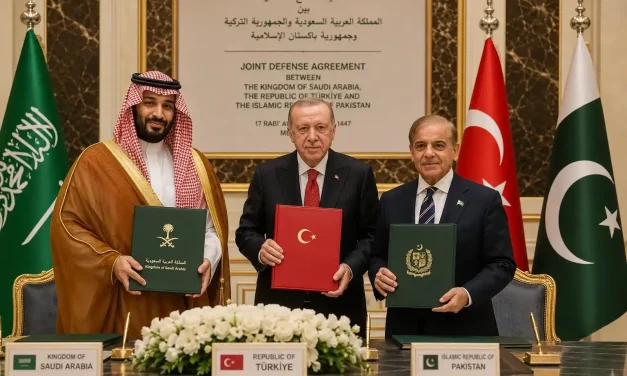
The Makkah Pact; Reasons for its Formation and Challenges Ahead

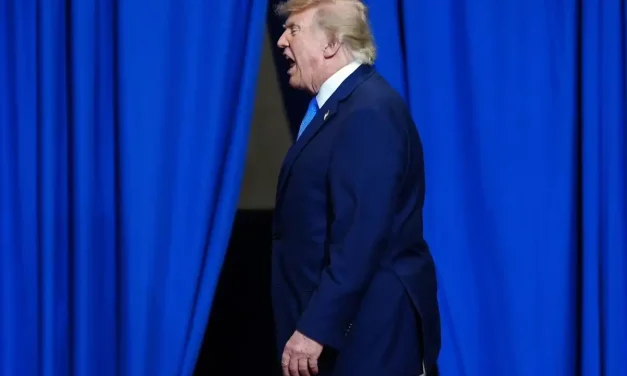
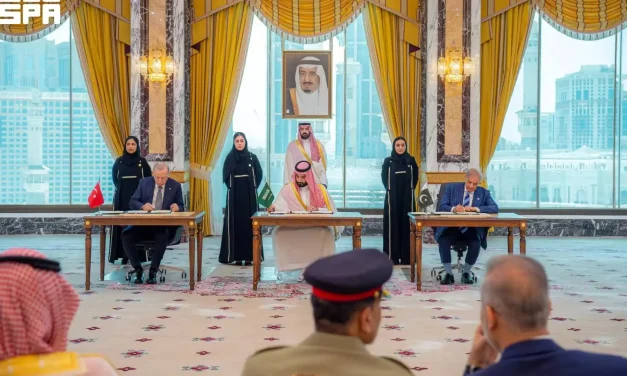
SCFR Online – Opinion: The Makkah Pact, signed between Saudi Arabia, Pakistan, and Turkey under the motto “an attack on one is an attack on all,” is viewed by some analysts less as a full-fledged military coalition and more as an attempt to reduce security dependence on an external power and to establish a regional security mechanism.

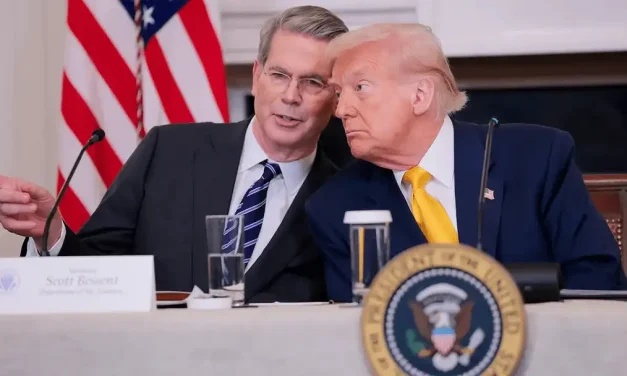
Implications of the US-Saudi Nuclear Agreement

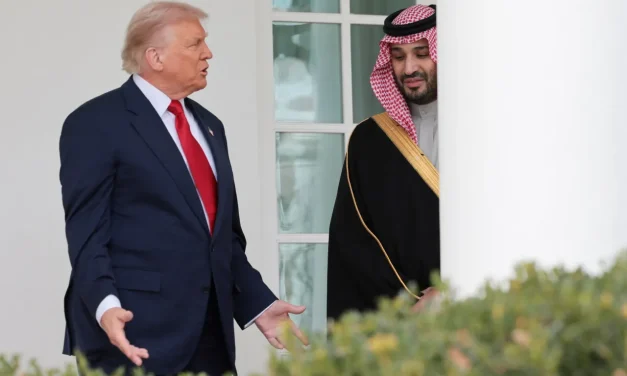
SCFR Online – Opinion: The new US-Saudi nuclear agreement, despite legal and political ambiguities, could alter previous non-proliferation standards in West Asia and intensify nuclear competition, ushering it into a new phase.

An Analysis of Recent Turkey-Israeli Regime Tensions

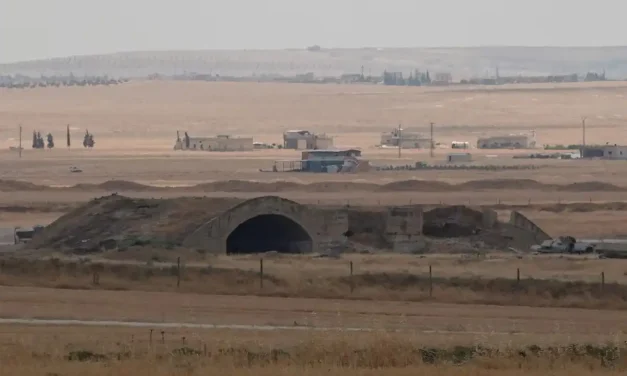
SCFR Online – Opinion: Recent developments in Syria indicate an intensification of strategic rivalry between Turkey and the Israeli regime, but mutual considerations and the role of the United States have limited the likelihood of direct war.

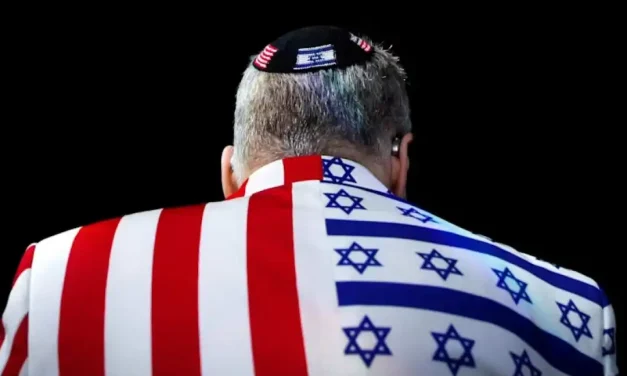
Increasing criticism of the extensive Zionist lobby network

SCFR Online – Opinion: An examination of the mechanisms of the Israeli regime’s influence in the United States depicts a complex picture of shared interests, strategic dependencies, and the limitations of this relationship.

Realities of the Tripartite Makkah Pact

SCFR Online – Interview: The signing of the Makkah agreement between Saudi Arabia, Pakistan, and Turkey has raised questions about the future of the region’s security structure and the position of these countries in West Asian equations. Can this agreement become a genuine collective defense mechanism, or does it have more of a political and deterrent function than creating new military capacity?

Loading

interview

Targets of Recent US Military Movements in Syria

Targets of Recent US Military Movements in Syria

Strategic Council Online – An expert on the Middle East affairs, commenting over the US attempts to increase its military presence in Syria, and in particular Washington’s moves in the northern part of the country, said: Joe Biden apparently intends to continue the same policies of Donald Trump regarding Syria.

Survey of Strategic Dimensions of Continuation of Iran’s Cooperation with IAEA

Survey of Strategic Dimensions of Continuation of Iran’s Cooperation with IAEA

Strategic Council Online – An analyst of international affairs criticized the IAEA for leaking Iran’s confidential information and pointed to the negative consequences it has had so far for Iran. He said: The strategy to continue Iran’s cooperation with the IAEA is because of its positive approach to the preservation of the Joint Comprehensive Plan of Action (JCPOA), and with the three-month deadline set by Iran for the United States and Europe; it has in fact shown its maximum goodwill towards the JCPOA to the other parties.

Result of Iran’s Strategic Resistance to US Maximum Pressure

Result of Iran’s Strategic Resistance to US Maximum Pressure

Strategic Council Online – An expert on the Middle East affairs, referring to the effects of the Islamic Republic of Iran’s strategic resistance to US maximum pressure, cited the weakening of the position of Mohammed bin Salman and Benjamin Netanyahu and the improvement of Axis of Resistance in the region as examples of the effects of this resistance.

Hariri’s Trip to Qatar; Sign of Decline of Saudi Role in Lebanon

Hariri’s Trip to Qatar; Sign of Decline of Saudi Role in Lebanon

Strategic Council Online – An expert on the Middle East affairs referred to the recent visit of Lebanese Prime Minister Saad Hariri to Qatar and said: Hariri’s visit to Doha and earlier to Abu Dhabi was aimed at gaining economic and political support from those countries and strengthening his position for the post of prime minister.

Objectives of NATO in increasing military forces in Iraq

Objectives of NATO in increasing military forces in Iraq

Strategic Council Online—Interview: A university professor says re-stationing of American military personnel in Iraq, giving legitimacy to their presence and weakening the status of Hashd al-Shabi in Iraq are the main objectives of NATO’s decision to increase the number of its military forces in Iraq by eight times, adding that if there is no serious determination by foreign players to make Iraq insecure, Iraqi forces can guarantee security in the fight against terrorism.

Russia-Europe Relations: Partner or Competitor?

Russia-Europe Relations: Partner or Competitor?

Strategic Council Online – An expert on Europe affairs believes that a series of developments occurred in the Russian-European relations over the past three decades since the collapse of the Soviet Union show that European and American governments see Russia not as a partner but as a rival.

Aftershocks of US Elections on Relations with Saudi Arabia

Aftershocks of US Elections on Relations with Saudi Arabia

Strategic Council Online – An analyst of Saudi affairs said that Saudi Arabia and the United States are currently evaluating each other, adding: If Bin Salman cooperates with the United States in resolving the Yemen crisis, as such that Biden represents himself as the “savior of several nations,” Biden will also reduce his pressure in the field of Saudi domestic issues.

Hidden Targets of Biden’s Yemen War Policy

Hidden Targets of Biden’s Yemen War Policy

Strategic Council Online – An expert on the Middle East affairs, commenting on the differences between US foreign policy towards Yemen during Donald Trump’s presidency and under Joe Biden, said: Biden’s policy on putting an end to the war in Yemen is not about human rights issues; rather what he follows in ending the war is to help its ally, Saudi Arabia, which is entrapped in that crisis.

أحدث الوظائف

The Makkah Pact; Reasons for its Formation and Challenges Ahead

SCFR Online – Opinion: The Makkah Pact, signed between Saudi Arabia, Pakistan, and Turkey under the motto “an attack on one is an attack on all,” is viewed by some analysts less as a full-fledged military coalition and more as an attempt to reduce security dependence on an external power and to establish a regional security mechanism.

Implications of the US-Saudi Nuclear Agreement

SCFR Online – Opinion: The new US-Saudi nuclear agreement, despite legal and political ambiguities, could alter previous non-proliferation standards in West Asia and intensify nuclear competition, ushering it into a new phase.

An Analysis of Recent Turkey-Israeli Regime Tensions

SCFR Online – Opinion: Recent developments in Syria indicate an intensification of strategic rivalry between Turkey and the Israeli regime, but mutual considerations and the role of the United States have limited the likelihood of direct war.

Increasing criticism of the extensive Zionist lobby network

SCFR Online – Opinion: An examination of the mechanisms of the Israeli regime’s influence in the United States depicts a complex picture of shared interests, strategic dependencies, and the limitations of this relationship.

Realities of the Tripartite Makkah Pact

SCFR Online – Interview: The signing of the Makkah agreement between Saudi Arabia, Pakistan, and Turkey has raised questions about the future of the region’s security structure and the position of these countries in West Asian equations. Can this agreement become a genuine collective defense mechanism, or does it have more of a political and deterrent function than creating new military capacity?

Loading

interview

Targets of Recent US Military Movements in Syria

Targets of Recent US Military Movements in Syria

Strategic Council Online – An expert on the Middle East affairs, commenting over the US attempts to increase its military presence in Syria, and in particular Washington’s moves in the northern part of the country, said: Joe Biden apparently intends to continue the same policies of Donald Trump regarding Syria.

Survey of Strategic Dimensions of Continuation of Iran’s Cooperation with IAEA

Survey of Strategic Dimensions of Continuation of Iran’s Cooperation with IAEA

Strategic Council Online – An analyst of international affairs criticized the IAEA for leaking Iran’s confidential information and pointed to the negative consequences it has had so far for Iran. He said: The strategy to continue Iran’s cooperation with the IAEA is because of its positive approach to the preservation of the Joint Comprehensive Plan of Action (JCPOA), and with the three-month deadline set by Iran for the United States and Europe; it has in fact shown its maximum goodwill towards the JCPOA to the other parties.

Result of Iran’s Strategic Resistance to US Maximum Pressure

Result of Iran’s Strategic Resistance to US Maximum Pressure

Strategic Council Online – An expert on the Middle East affairs, referring to the effects of the Islamic Republic of Iran’s strategic resistance to US maximum pressure, cited the weakening of the position of Mohammed bin Salman and Benjamin Netanyahu and the improvement of Axis of Resistance in the region as examples of the effects of this resistance.

Hariri’s Trip to Qatar; Sign of Decline of Saudi Role in Lebanon

Hariri’s Trip to Qatar; Sign of Decline of Saudi Role in Lebanon

Strategic Council Online – An expert on the Middle East affairs referred to the recent visit of Lebanese Prime Minister Saad Hariri to Qatar and said: Hariri’s visit to Doha and earlier to Abu Dhabi was aimed at gaining economic and political support from those countries and strengthening his position for the post of prime minister.

Objectives of NATO in increasing military forces in Iraq

Objectives of NATO in increasing military forces in Iraq

Strategic Council Online—Interview: A university professor says re-stationing of American military personnel in Iraq, giving legitimacy to their presence and weakening the status of Hashd al-Shabi in Iraq are the main objectives of NATO’s decision to increase the number of its military forces in Iraq by eight times, adding that if there is no serious determination by foreign players to make Iraq insecure, Iraqi forces can guarantee security in the fight against terrorism.

Russia-Europe Relations: Partner or Competitor?

Russia-Europe Relations: Partner or Competitor?

Strategic Council Online – An expert on Europe affairs believes that a series of developments occurred in the Russian-European relations over the past three decades since the collapse of the Soviet Union show that European and American governments see Russia not as a partner but as a rival.

Aftershocks of US Elections on Relations with Saudi Arabia

Aftershocks of US Elections on Relations with Saudi Arabia

Strategic Council Online – An analyst of Saudi affairs said that Saudi Arabia and the United States are currently evaluating each other, adding: If Bin Salman cooperates with the United States in resolving the Yemen crisis, as such that Biden represents himself as the “savior of several nations,” Biden will also reduce his pressure in the field of Saudi domestic issues.

Hidden Targets of Biden’s Yemen War Policy

Hidden Targets of Biden’s Yemen War Policy

Strategic Council Online – An expert on the Middle East affairs, commenting on the differences between US foreign policy towards Yemen during Donald Trump’s presidency and under Joe Biden, said: Biden’s policy on putting an end to the war in Yemen is not about human rights issues; rather what he follows in ending the war is to help its ally, Saudi Arabia, which is entrapped in that crisis.

interview

Targets of Recent US Military Movements in Syria

Targets of Recent US Military Movements in Syria

Strategic Council Online – An expert on the Middle East affairs, commenting over the US attempts to increase its military presence in Syria, and in particular Washington’s moves in the northern part of the country, said: Joe Biden apparently intends to continue the same policies of Donald Trump regarding Syria.

Survey of Strategic Dimensions of Continuation of Iran’s Cooperation with IAEA

Survey of Strategic Dimensions of Continuation of Iran’s Cooperation with IAEA

Strategic Council Online – An analyst of international affairs criticized the IAEA for leaking Iran’s confidential information and pointed to the negative consequences it has had so far for Iran. He said: The strategy to continue Iran’s cooperation with the IAEA is because of its positive approach to the preservation of the Joint Comprehensive Plan of Action (JCPOA), and with the three-month deadline set by Iran for the United States and Europe; it has in fact shown its maximum goodwill towards the JCPOA to the other parties.

Result of Iran’s Strategic Resistance to US Maximum Pressure

Result of Iran’s Strategic Resistance to US Maximum Pressure

Strategic Council Online – An expert on the Middle East affairs, referring to the effects of the Islamic Republic of Iran’s strategic resistance to US maximum pressure, cited the weakening of the position of Mohammed bin Salman and Benjamin Netanyahu and the improvement of Axis of Resistance in the region as examples of the effects of this resistance.

Hariri’s Trip to Qatar; Sign of Decline of Saudi Role in Lebanon

Hariri’s Trip to Qatar; Sign of Decline of Saudi Role in Lebanon

Strategic Council Online – An expert on the Middle East affairs referred to the recent visit of Lebanese Prime Minister Saad Hariri to Qatar and said: Hariri’s visit to Doha and earlier to Abu Dhabi was aimed at gaining economic and political support from those countries and strengthening his position for the post of prime minister.

Objectives of NATO in increasing military forces in Iraq

Objectives of NATO in increasing military forces in Iraq

Strategic Council Online—Interview: A university professor says re-stationing of American military personnel in Iraq, giving legitimacy to their presence and weakening the status of Hashd al-Shabi in Iraq are the main objectives of NATO’s decision to increase the number of its military forces in Iraq by eight times, adding that if there is no serious determination by foreign players to make Iraq insecure, Iraqi forces can guarantee security in the fight against terrorism.

Russia-Europe Relations: Partner or Competitor?

Russia-Europe Relations: Partner or Competitor?

Strategic Council Online – An expert on Europe affairs believes that a series of developments occurred in the Russian-European relations over the past three decades since the collapse of the Soviet Union show that European and American governments see Russia not as a partner but as a rival.

Aftershocks of US Elections on Relations with Saudi Arabia

Aftershocks of US Elections on Relations with Saudi Arabia

Strategic Council Online – An analyst of Saudi affairs said that Saudi Arabia and the United States are currently evaluating each other, adding: If Bin Salman cooperates with the United States in resolving the Yemen crisis, as such that Biden represents himself as the “savior of several nations,” Biden will also reduce his pressure in the field of Saudi domestic issues.

Hidden Targets of Biden’s Yemen War Policy

Hidden Targets of Biden’s Yemen War Policy

Strategic Council Online – An expert on the Middle East affairs, commenting on the differences between US foreign policy towards Yemen during Donald Trump’s presidency and under Joe Biden, said: Biden’s policy on putting an end to the war in Yemen is not about human rights issues; rather what he follows in ending the war is to help its ally, Saudi Arabia, which is entrapped in that crisis.

LATEST CONTENT

The Makkah Pact; Reasons for its Formation and Challenges Ahead

SCFR Online – Opinion: The Makkah Pact, signed between Saudi Arabia, Pakistan, and Turkey under the motto “an attack on one is an attack on all,” is viewed by some analysts less as a full-fledged military coalition and more as an attempt to reduce security dependence on an external power and to establish a regional security mechanism.

Implications of the US-Saudi Nuclear Agreement

SCFR Online – Opinion: The new US-Saudi nuclear agreement, despite legal and political ambiguities, could alter previous non-proliferation standards in West Asia and intensify nuclear competition, ushering it into a new phase.

An Analysis of Recent Turkey-Israeli Regime Tensions

SCFR Online – Opinion: Recent developments in Syria indicate an intensification of strategic rivalry between Turkey and the Israeli regime, but mutual considerations and the role of the United States have limited the likelihood of direct war.

Increasing criticism of the extensive Zionist lobby network

SCFR Online – Opinion: An examination of the mechanisms of the Israeli regime’s influence in the United States depicts a complex picture of shared interests, strategic dependencies, and the limitations of this relationship.

Realities of the Tripartite Makkah Pact

SCFR Online – Interview: The signing of the Makkah agreement between Saudi Arabia, Pakistan, and Turkey has raised questions about the future of the region’s security structure and the position of these countries in West Asian equations. Can this agreement become a genuine collective defense mechanism, or does it have more of a political and deterrent function than creating new military capacity?

Loading

interview

Targets of Recent US Military Movements in Syria

Targets of Recent US Military Movements in Syria

Strategic Council Online – An expert on the Middle East affairs, commenting over the US attempts to increase its military presence in Syria, and in particular Washington’s moves in the northern part of the country, said: Joe Biden apparently intends to continue the same policies of Donald Trump regarding Syria.

Survey of Strategic Dimensions of Continuation of Iran’s Cooperation with IAEA

Survey of Strategic Dimensions of Continuation of Iran’s Cooperation with IAEA

Strategic Council Online – An analyst of international affairs criticized the IAEA for leaking Iran’s confidential information and pointed to the negative consequences it has had so far for Iran. He said: The strategy to continue Iran’s cooperation with the IAEA is because of its positive approach to the preservation of the Joint Comprehensive Plan of Action (JCPOA), and with the three-month deadline set by Iran for the United States and Europe; it has in fact shown its maximum goodwill towards the JCPOA to the other parties.

Result of Iran’s Strategic Resistance to US Maximum Pressure

Result of Iran’s Strategic Resistance to US Maximum Pressure

Strategic Council Online – An expert on the Middle East affairs, referring to the effects of the Islamic Republic of Iran’s strategic resistance to US maximum pressure, cited the weakening of the position of Mohammed bin Salman and Benjamin Netanyahu and the improvement of Axis of Resistance in the region as examples of the effects of this resistance.

Hariri’s Trip to Qatar; Sign of Decline of Saudi Role in Lebanon

Hariri’s Trip to Qatar; Sign of Decline of Saudi Role in Lebanon

Strategic Council Online – An expert on the Middle East affairs referred to the recent visit of Lebanese Prime Minister Saad Hariri to Qatar and said: Hariri’s visit to Doha and earlier to Abu Dhabi was aimed at gaining economic and political support from those countries and strengthening his position for the post of prime minister.

Objectives of NATO in increasing military forces in Iraq

Objectives of NATO in increasing military forces in Iraq

Strategic Council Online—Interview: A university professor says re-stationing of American military personnel in Iraq, giving legitimacy to their presence and weakening the status of Hashd al-Shabi in Iraq are the main objectives of NATO’s decision to increase the number of its military forces in Iraq by eight times, adding that if there is no serious determination by foreign players to make Iraq insecure, Iraqi forces can guarantee security in the fight against terrorism.

Russia-Europe Relations: Partner or Competitor?

Russia-Europe Relations: Partner or Competitor?

Strategic Council Online – An expert on Europe affairs believes that a series of developments occurred in the Russian-European relations over the past three decades since the collapse of the Soviet Union show that European and American governments see Russia not as a partner but as a rival.

Aftershocks of US Elections on Relations with Saudi Arabia

Aftershocks of US Elections on Relations with Saudi Arabia

Strategic Council Online – An analyst of Saudi affairs said that Saudi Arabia and the United States are currently evaluating each other, adding: If Bin Salman cooperates with the United States in resolving the Yemen crisis, as such that Biden represents himself as the “savior of several nations,” Biden will also reduce his pressure in the field of Saudi domestic issues.

Hidden Targets of Biden’s Yemen War Policy

Hidden Targets of Biden’s Yemen War Policy

Strategic Council Online – An expert on the Middle East affairs, commenting on the differences between US foreign policy towards Yemen during Donald Trump’s presidency and under Joe Biden, said: Biden’s policy on putting an end to the war in Yemen is not about human rights issues; rather what he follows in ending the war is to help its ally, Saudi Arabia, which is entrapped in that crisis.

ÚLTIMAS PUBLICACIONES

The Makkah Pact; Reasons for its Formation and Challenges Ahead

SCFR Online – Opinion: The Makkah Pact, signed between Saudi Arabia, Pakistan, and Turkey under the motto “an attack on one is an attack on all,” is viewed by some analysts less as a full-fledged military coalition and more as an attempt to reduce security dependence on an external power and to establish a regional security mechanism.

Implications of the US-Saudi Nuclear Agreement

SCFR Online – Opinion: The new US-Saudi nuclear agreement, despite legal and political ambiguities, could alter previous non-proliferation standards in West Asia and intensify nuclear competition, ushering it into a new phase.

An Analysis of Recent Turkey-Israeli Regime Tensions

SCFR Online – Opinion: Recent developments in Syria indicate an intensification of strategic rivalry between Turkey and the Israeli regime, but mutual considerations and the role of the United States have limited the likelihood of direct war.

Increasing criticism of the extensive Zionist lobby network

SCFR Online – Opinion: An examination of the mechanisms of the Israeli regime’s influence in the United States depicts a complex picture of shared interests, strategic dependencies, and the limitations of this relationship.

Realities of the Tripartite Makkah Pact

SCFR Online – Interview: The signing of the Makkah agreement between Saudi Arabia, Pakistan, and Turkey has raised questions about the future of the region’s security structure and the position of these countries in West Asian equations. Can this agreement become a genuine collective defense mechanism, or does it have more of a political and deterrent function than creating new military capacity?

Loading

interview

Targets of Recent US Military Movements in Syria

Targets of Recent US Military Movements in Syria

Strategic Council Online – An expert on the Middle East affairs, commenting over the US attempts to increase its military presence in Syria, and in particular Washington’s moves in the northern part of the country, said: Joe Biden apparently intends to continue the same policies of Donald Trump regarding Syria.

Survey of Strategic Dimensions of Continuation of Iran’s Cooperation with IAEA

Survey of Strategic Dimensions of Continuation of Iran’s Cooperation with IAEA

Strategic Council Online – An analyst of international affairs criticized the IAEA for leaking Iran’s confidential information and pointed to the negative consequences it has had so far for Iran. He said: The strategy to continue Iran’s cooperation with the IAEA is because of its positive approach to the preservation of the Joint Comprehensive Plan of Action (JCPOA), and with the three-month deadline set by Iran for the United States and Europe; it has in fact shown its maximum goodwill towards the JCPOA to the other parties.

Result of Iran’s Strategic Resistance to US Maximum Pressure

Result of Iran’s Strategic Resistance to US Maximum Pressure

Strategic Council Online – An expert on the Middle East affairs, referring to the effects of the Islamic Republic of Iran’s strategic resistance to US maximum pressure, cited the weakening of the position of Mohammed bin Salman and Benjamin Netanyahu and the improvement of Axis of Resistance in the region as examples of the effects of this resistance.

Hariri’s Trip to Qatar; Sign of Decline of Saudi Role in Lebanon

Hariri’s Trip to Qatar; Sign of Decline of Saudi Role in Lebanon

Strategic Council Online – An expert on the Middle East affairs referred to the recent visit of Lebanese Prime Minister Saad Hariri to Qatar and said: Hariri’s visit to Doha and earlier to Abu Dhabi was aimed at gaining economic and political support from those countries and strengthening his position for the post of prime minister.

Objectives of NATO in increasing military forces in Iraq

Objectives of NATO in increasing military forces in Iraq

Strategic Council Online—Interview: A university professor says re-stationing of American military personnel in Iraq, giving legitimacy to their presence and weakening the status of Hashd al-Shabi in Iraq are the main objectives of NATO’s decision to increase the number of its military forces in Iraq by eight times, adding that if there is no serious determination by foreign players to make Iraq insecure, Iraqi forces can guarantee security in the fight against terrorism.

Russia-Europe Relations: Partner or Competitor?

Russia-Europe Relations: Partner or Competitor?

Strategic Council Online – An expert on Europe affairs believes that a series of developments occurred in the Russian-European relations over the past three decades since the collapse of the Soviet Union show that European and American governments see Russia not as a partner but as a rival.

Aftershocks of US Elections on Relations with Saudi Arabia

Aftershocks of US Elections on Relations with Saudi Arabia

Strategic Council Online – An analyst of Saudi affairs said that Saudi Arabia and the United States are currently evaluating each other, adding: If Bin Salman cooperates with the United States in resolving the Yemen crisis, as such that Biden represents himself as the “savior of several nations,” Biden will also reduce his pressure in the field of Saudi domestic issues.

Hidden Targets of Biden’s Yemen War Policy

Hidden Targets of Biden’s Yemen War Policy

Strategic Council Online – An expert on the Middle East affairs, commenting on the differences between US foreign policy towards Yemen during Donald Trump’s presidency and under Joe Biden, said: Biden’s policy on putting an end to the war in Yemen is not about human rights issues; rather what he follows in ending the war is to help its ally, Saudi Arabia, which is entrapped in that crisis.

ÚLTIMAS PUBLICACIONES

The Makkah Pact; Reasons for its Formation and Challenges Ahead

SCFR Online – Opinion: The Makkah Pact, signed between Saudi Arabia, Pakistan, and Turkey under the motto “an attack on one is an attack on all,” is viewed by some analysts less as a full-fledged military coalition and more as an attempt to reduce security dependence on an external power and to establish a regional security mechanism.

Implications of the US-Saudi Nuclear Agreement

SCFR Online – Opinion: The new US-Saudi nuclear agreement, despite legal and political ambiguities, could alter previous non-proliferation standards in West Asia and intensify nuclear competition, ushering it into a new phase.

An Analysis of Recent Turkey-Israeli Regime Tensions

SCFR Online – Opinion: Recent developments in Syria indicate an intensification of strategic rivalry between Turkey and the Israeli regime, but mutual considerations and the role of the United States have limited the likelihood of direct war.

Increasing criticism of the extensive Zionist lobby network

SCFR Online – Opinion: An examination of the mechanisms of the Israeli regime’s influence in the United States depicts a complex picture of shared interests, strategic dependencies, and the limitations of this relationship.

Realities of the Tripartite Makkah Pact

SCFR Online – Interview: The signing of the Makkah agreement between Saudi Arabia, Pakistan, and Turkey has raised questions about the future of the region’s security structure and the position of these countries in West Asian equations. Can this agreement become a genuine collective defense mechanism, or does it have more of a political and deterrent function than creating new military capacity?

Loading

interview

Targets of Recent US Military Movements in Syria

Targets of Recent US Military Movements in Syria

Strategic Council Online – An expert on the Middle East affairs, commenting over the US attempts to increase its military presence in Syria, and in particular Washington’s moves in the northern part of the country, said: Joe Biden apparently intends to continue the same policies of Donald Trump regarding Syria.

Survey of Strategic Dimensions of Continuation of Iran’s Cooperation with IAEA

Survey of Strategic Dimensions of Continuation of Iran’s Cooperation with IAEA

Strategic Council Online – An analyst of international affairs criticized the IAEA for leaking Iran’s confidential information and pointed to the negative consequences it has had so far for Iran. He said: The strategy to continue Iran’s cooperation with the IAEA is because of its positive approach to the preservation of the Joint Comprehensive Plan of Action (JCPOA), and with the three-month deadline set by Iran for the United States and Europe; it has in fact shown its maximum goodwill towards the JCPOA to the other parties.

Result of Iran’s Strategic Resistance to US Maximum Pressure

Result of Iran’s Strategic Resistance to US Maximum Pressure

Strategic Council Online – An expert on the Middle East affairs, referring to the effects of the Islamic Republic of Iran’s strategic resistance to US maximum pressure, cited the weakening of the position of Mohammed bin Salman and Benjamin Netanyahu and the improvement of Axis of Resistance in the region as examples of the effects of this resistance.

Hariri’s Trip to Qatar; Sign of Decline of Saudi Role in Lebanon

Hariri’s Trip to Qatar; Sign of Decline of Saudi Role in Lebanon

Strategic Council Online – An expert on the Middle East affairs referred to the recent visit of Lebanese Prime Minister Saad Hariri to Qatar and said: Hariri’s visit to Doha and earlier to Abu Dhabi was aimed at gaining economic and political support from those countries and strengthening his position for the post of prime minister.

Objectives of NATO in increasing military forces in Iraq

Objectives of NATO in increasing military forces in Iraq

Strategic Council Online—Interview: A university professor says re-stationing of American military personnel in Iraq, giving legitimacy to their presence and weakening the status of Hashd al-Shabi in Iraq are the main objectives of NATO’s decision to increase the number of its military forces in Iraq by eight times, adding that if there is no serious determination by foreign players to make Iraq insecure, Iraqi forces can guarantee security in the fight against terrorism.

Russia-Europe Relations: Partner or Competitor?

Russia-Europe Relations: Partner or Competitor?

Strategic Council Online – An expert on Europe affairs believes that a series of developments occurred in the Russian-European relations over the past three decades since the collapse of the Soviet Union show that European and American governments see Russia not as a partner but as a rival.

Aftershocks of US Elections on Relations with Saudi Arabia

Aftershocks of US Elections on Relations with Saudi Arabia

Strategic Council Online – An analyst of Saudi affairs said that Saudi Arabia and the United States are currently evaluating each other, adding: If Bin Salman cooperates with the United States in resolving the Yemen crisis, as such that Biden represents himself as the “savior of several nations,” Biden will also reduce his pressure in the field of Saudi domestic issues.

Hidden Targets of Biden’s Yemen War Policy

Hidden Targets of Biden’s Yemen War Policy

Strategic Council Online – An expert on the Middle East affairs, commenting on the differences between US foreign policy towards Yemen during Donald Trump’s presidency and under Joe Biden, said: Biden’s policy on putting an end to the war in Yemen is not about human rights issues; rather what he follows in ending the war is to help its ally, Saudi Arabia, which is entrapped in that crisis.

ÚLTIMAS PUBLICACIONES

The Makkah Pact; Reasons for its Formation and Challenges Ahead

SCFR Online – Opinion: The Makkah Pact, signed between Saudi Arabia, Pakistan, and Turkey under the motto “an attack on one is an attack on all,” is viewed by some analysts less as a full-fledged military coalition and more as an attempt to reduce security dependence on an external power and to establish a regional security mechanism.

Implications of the US-Saudi Nuclear Agreement

SCFR Online – Opinion: The new US-Saudi nuclear agreement, despite legal and political ambiguities, could alter previous non-proliferation standards in West Asia and intensify nuclear competition, ushering it into a new phase.

An Analysis of Recent Turkey-Israeli Regime Tensions

SCFR Online – Opinion: Recent developments in Syria indicate an intensification of strategic rivalry between Turkey and the Israeli regime, but mutual considerations and the role of the United States have limited the likelihood of direct war.

Increasing criticism of the extensive Zionist lobby network

SCFR Online – Opinion: An examination of the mechanisms of the Israeli regime’s influence in the United States depicts a complex picture of shared interests, strategic dependencies, and the limitations of this relationship.

Realities of the Tripartite Makkah Pact

SCFR Online – Interview: The signing of the Makkah agreement between Saudi Arabia, Pakistan, and Turkey has raised questions about the future of the region’s security structure and the position of these countries in West Asian equations. Can this agreement become a genuine collective defense mechanism, or does it have more of a political and deterrent function than creating new military capacity?

Loading

interview

Targets of Recent US Military Movements in Syria

Targets of Recent US Military Movements in Syria

Strategic Council Online – An expert on the Middle East affairs, commenting over the US attempts to increase its military presence in Syria, and in particular Washington’s moves in the northern part of the country, said: Joe Biden apparently intends to continue the same policies of Donald Trump regarding Syria.

Survey of Strategic Dimensions of Continuation of Iran’s Cooperation with IAEA

Survey of Strategic Dimensions of Continuation of Iran’s Cooperation with IAEA

Strategic Council Online – An analyst of international affairs criticized the IAEA for leaking Iran’s confidential information and pointed to the negative consequences it has had so far for Iran. He said: The strategy to continue Iran’s cooperation with the IAEA is because of its positive approach to the preservation of the Joint Comprehensive Plan of Action (JCPOA), and with the three-month deadline set by Iran for the United States and Europe; it has in fact shown its maximum goodwill towards the JCPOA to the other parties.

Result of Iran’s Strategic Resistance to US Maximum Pressure

Result of Iran’s Strategic Resistance to US Maximum Pressure

Strategic Council Online – An expert on the Middle East affairs, referring to the effects of the Islamic Republic of Iran’s strategic resistance to US maximum pressure, cited the weakening of the position of Mohammed bin Salman and Benjamin Netanyahu and the improvement of Axis of Resistance in the region as examples of the effects of this resistance.

Hariri’s Trip to Qatar; Sign of Decline of Saudi Role in Lebanon

Hariri’s Trip to Qatar; Sign of Decline of Saudi Role in Lebanon

Strategic Council Online – An expert on the Middle East affairs referred to the recent visit of Lebanese Prime Minister Saad Hariri to Qatar and said: Hariri’s visit to Doha and earlier to Abu Dhabi was aimed at gaining economic and political support from those countries and strengthening his position for the post of prime minister.

Objectives of NATO in increasing military forces in Iraq

Objectives of NATO in increasing military forces in Iraq

Strategic Council Online—Interview: A university professor says re-stationing of American military personnel in Iraq, giving legitimacy to their presence and weakening the status of Hashd al-Shabi in Iraq are the main objectives of NATO’s decision to increase the number of its military forces in Iraq by eight times, adding that if there is no serious determination by foreign players to make Iraq insecure, Iraqi forces can guarantee security in the fight against terrorism.

Russia-Europe Relations: Partner or Competitor?

Russia-Europe Relations: Partner or Competitor?

Strategic Council Online – An expert on Europe affairs believes that a series of developments occurred in the Russian-European relations over the past three decades since the collapse of the Soviet Union show that European and American governments see Russia not as a partner but as a rival.

Aftershocks of US Elections on Relations with Saudi Arabia

Aftershocks of US Elections on Relations with Saudi Arabia

Strategic Council Online – An analyst of Saudi affairs said that Saudi Arabia and the United States are currently evaluating each other, adding: If Bin Salman cooperates with the United States in resolving the Yemen crisis, as such that Biden represents himself as the “savior of several nations,” Biden will also reduce his pressure in the field of Saudi domestic issues.

Hidden Targets of Biden’s Yemen War Policy

Hidden Targets of Biden’s Yemen War Policy

Strategic Council Online – An expert on the Middle East affairs, commenting on the differences between US foreign policy towards Yemen during Donald Trump’s presidency and under Joe Biden, said: Biden’s policy on putting an end to the war in Yemen is not about human rights issues; rather what he follows in ending the war is to help its ally, Saudi Arabia, which is entrapped in that crisis.

ÚLTIMAS PUBLICACIONES

The Makkah Pact; Reasons for its Formation and Challenges Ahead

SCFR Online – Opinion: The Makkah Pact, signed between Saudi Arabia, Pakistan, and Turkey under the motto “an attack on one is an attack on all,” is viewed by some analysts less as a full-fledged military coalition and more as an attempt to reduce security dependence on an external power and to establish a regional security mechanism.

Implications of the US-Saudi Nuclear Agreement

SCFR Online – Opinion: The new US-Saudi nuclear agreement, despite legal and political ambiguities, could alter previous non-proliferation standards in West Asia and intensify nuclear competition, ushering it into a new phase.

An Analysis of Recent Turkey-Israeli Regime Tensions

SCFR Online – Opinion: Recent developments in Syria indicate an intensification of strategic rivalry between Turkey and the Israeli regime, but mutual considerations and the role of the United States have limited the likelihood of direct war.

Increasing criticism of the extensive Zionist lobby network

SCFR Online – Opinion: An examination of the mechanisms of the Israeli regime’s influence in the United States depicts a complex picture of shared interests, strategic dependencies, and the limitations of this relationship.

Realities of the Tripartite Makkah Pact

SCFR Online – Interview: The signing of the Makkah agreement between Saudi Arabia, Pakistan, and Turkey has raised questions about the future of the region’s security structure and the position of these countries in West Asian equations. Can this agreement become a genuine collective defense mechanism, or does it have more of a political and deterrent function than creating new military capacity?

Loading