جدیدترین مطالب

Analysis of the Recognition of the Armenian Genocide by the Zionist Regime

SCFR Online – Opinion: At a time when the West Asia region, particularly in recent months, has been undergoing the most complex political and security developments of the past half-century, the sudden decision by the cabinet of the Zionist regime to recognize the Armenian genocide committed by Turkey, which has faced strong condemnation and opposition from Ankara and Baku, raises questions.

Lebanon Peace Agreement; Consolidation of Occupation

SCFR Online – Opinion: The Washington trilateral agreement, by linking the end of occupation to political and security conditions, does not establish a sustainable peace; rather, it consolidates the occupation.

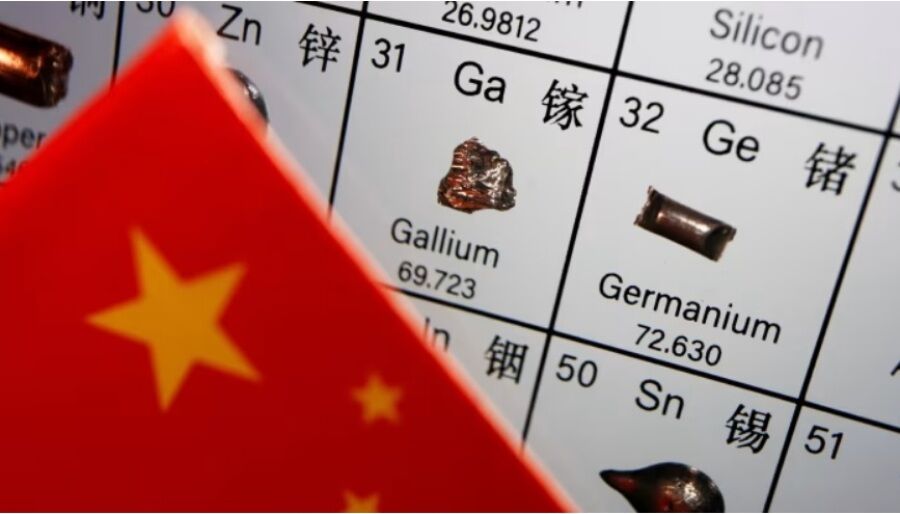
China’s Effort to Recreate a New Global Order

SCFRonline – Opinion: Unlike classical powers, Beijing pursues its preferred order not through territorial occupation, but through technology, capital, standard-setting, and digital governance.

Loading

Strategic Perspective

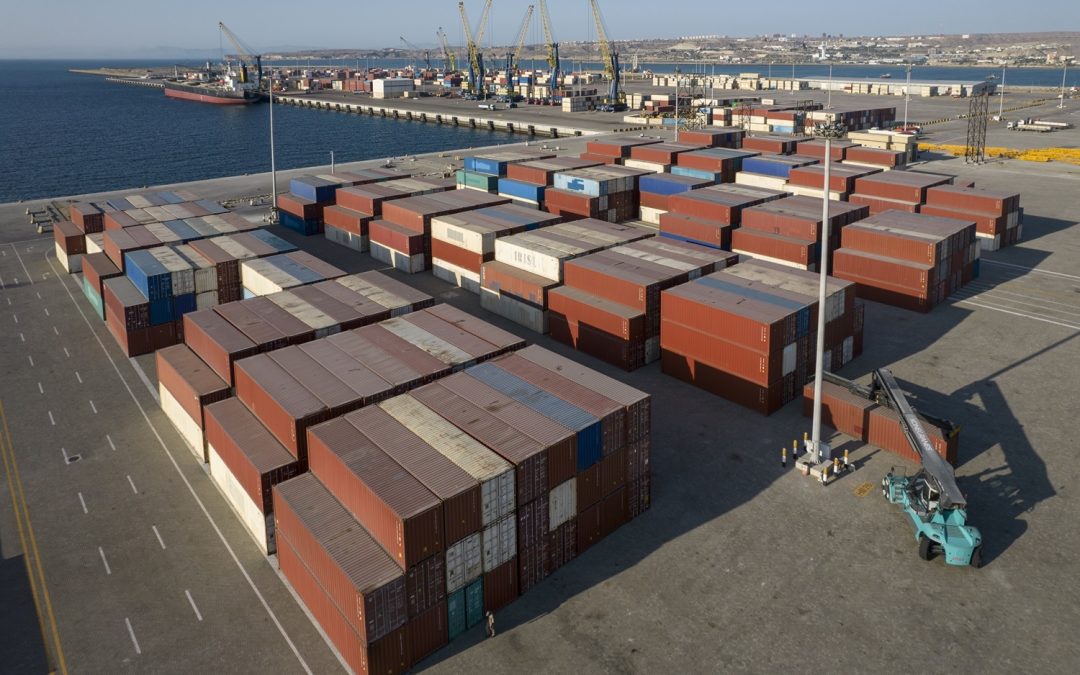
Inefficiency of the West’s Economic Lever for Ending the Ukraine War

Inefficiency of the West’s Economic Lever for Ending the Ukraine War

Strategic Council Online – Interview: An international economics expert stated that sanctions, as discussed in political and economic literature, are tools used to force countries to change their behavior in foreign or domestic policies. However, the fundamental question is whether these tools consistently achieve the expected results. The European Union, which has intensified its sanctions policy against Russia since 2014, especially after the Ukraine war in 2022, now faces the question of to what extent these sanctions have been able to halt Moscow’s economic machine. Although more than 50 sanction packages have been imposed against Russia since 2014, statistics and analyses show that Russia has been able to overcome the pressures in many cases and even gain more profit in some areas. Experts believe that the lack of unity in European decision-making, the conflict of economic interests among member states, and the historical dependence of some on Russian energy have all combined to cause Europe’s sanctions policy not only to fail to achieve its ultimate goal but, in some cases, to yield opposite results. Meanwhile, the debate over “secondary sanctions” and the change in the European Union’s strategies after the Ukraine war marks a turning point in the future path of Moscow-Brussels relations.

France at a Crossroads Between Meeting Domestic Public Demands and Playing an International Role

France at a Crossroads Between Meeting Domestic Public Demands and Playing an International Role

Strategic Council Online – Interview: An international affairs expert stated that the French government’s inability to meet public demands has led to a resurgence of domestic protests. The budget deficit has compelled Emmanuel Macron’s government to implement measures such as reducing public service expenditures, eliminating national holidays, cutting wages, and increasing taxes to offset the shortfall, which has further fueled the protests.

Consequences of Four Iraqi Shiite Groups Being Placed on the US Terrorist List

Consequences of Four Iraqi Shiite Groups Being Placed on the US Terrorist List

Strategic Council Online– Interview: A senior Iraqi affairs analyst stated that the recent action by the US Department of State in placing four Iraqi Shiite groups on the list of foreign terrorist organizations has not only seriously challenged Iraq’s security dimension but has also broadly overshadowed Baghdad’s political and diplomatic equations. This decision, interpreted as a continuation of Washington’s policy of maximum pressure in the region, could have multi-layered consequences for Iraq’s internal security, foreign relations, and even the balance of power. The groups affected by this decision are part of the official structure of the Popular Mobilization Forces (PMF) and were key players in the defeat of ISIS; therefore, their placement on the terrorist list is not only considered a threat against US interests but also calls into question the legitimacy and cohesion of Iraq’s security forces. This move could cast a shadow over the process of withdrawing US forces from Iraq and provide a pretext for the continuation of Washington’s military presence. Similarly, at the regional level, it further frees the hands of the Israeli regime for aggressive actions.

An Analysis of Elon Musk’s Right-Wing Political Interventions in Britain and Europe

An Analysis of Elon Musk’s Right-Wing Political Interventions in Britain and Europe

Strategic Council Online – A senior US affairs analyst stated that the overt intervention of billionaire and media mogul Elon Musk in the UK’s internal developments has once again brought the discussion about the role of non-state actors in international politics to the forefront of attention. With his provocative speech at the extreme right-wing rally in London, Musk not only called for the dissolution of parliament and early elections but also effectively sowed the seeds of political violence in the country’s fragile social fabric by promoting a rhetoric of “resistance or destruction.” UK Prime Minister Keir Starmer condemned these remarks, but the matter goes beyond a war of words. The emergence of figures like Musk, who simultaneously possess capital, media influence, and social popularity, has blurred the line between official politics and protest movements. This trend could become a serious challenge to the principle of non-interference in the internal affairs of countries, one of the fundamental principles of the UN Charter. International institutions have been designed primarily to control the actions of states, rather than billionaires who own global platforms. Today, however, developments show that technology and media giants can influence the political developments of countries as independent actors; a reality that could pose new questions to the international order regarding national sovereignty and political security.

Europe’s Threat to Deploy Military Forces in Ukraine: From Words to Actions

Europe’s Threat to Deploy Military Forces in Ukraine: From Words to Actions

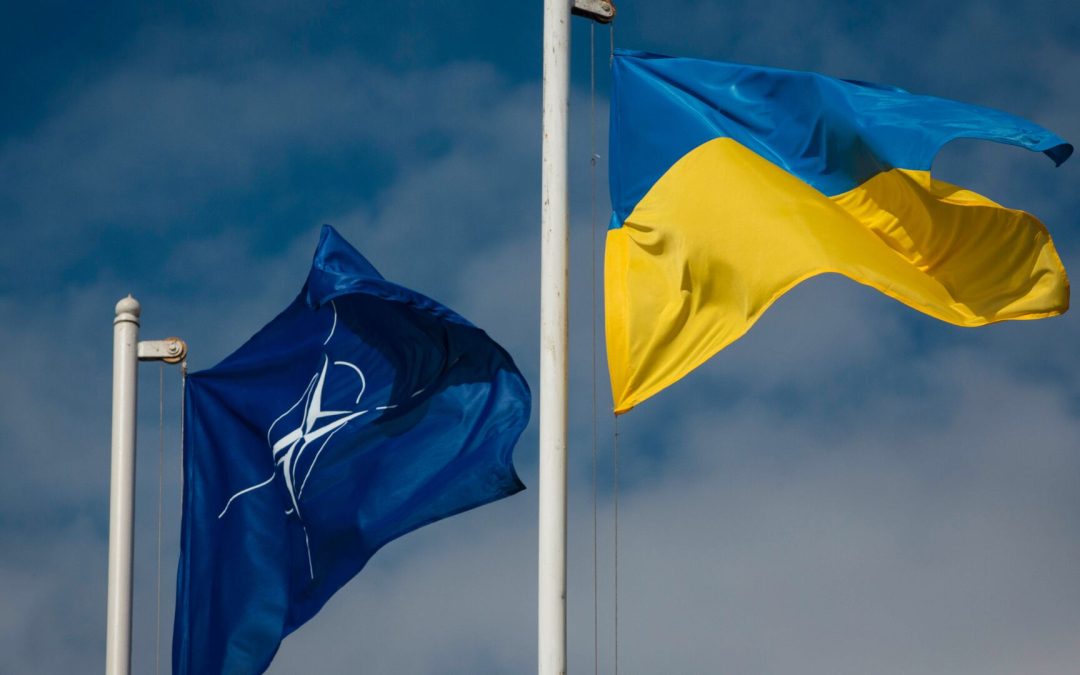
Strategic Council Online – Interview: An expert on Eurasian and Russian affairs stated that the West’s reaction to Russia’s threats regarding any deployment of foreign forces in Ukraine, whether under NATO or as an independent force, will be a combination of caution and deterrence. He said: Despite the desire of Europe and America to deploy military forces in Ukraine, they emphasize indirect support for Ukraine, including economic sanctions and increased diplomatic pressure on Moscow, and at best propose deploying neutral observers in Ukraine.

Efforts to Retake Bagram Airbase Complete America’s Unfinished Scenario in the Region

Efforts to Retake Bagram Airbase Complete America’s Unfinished Scenario in the Region

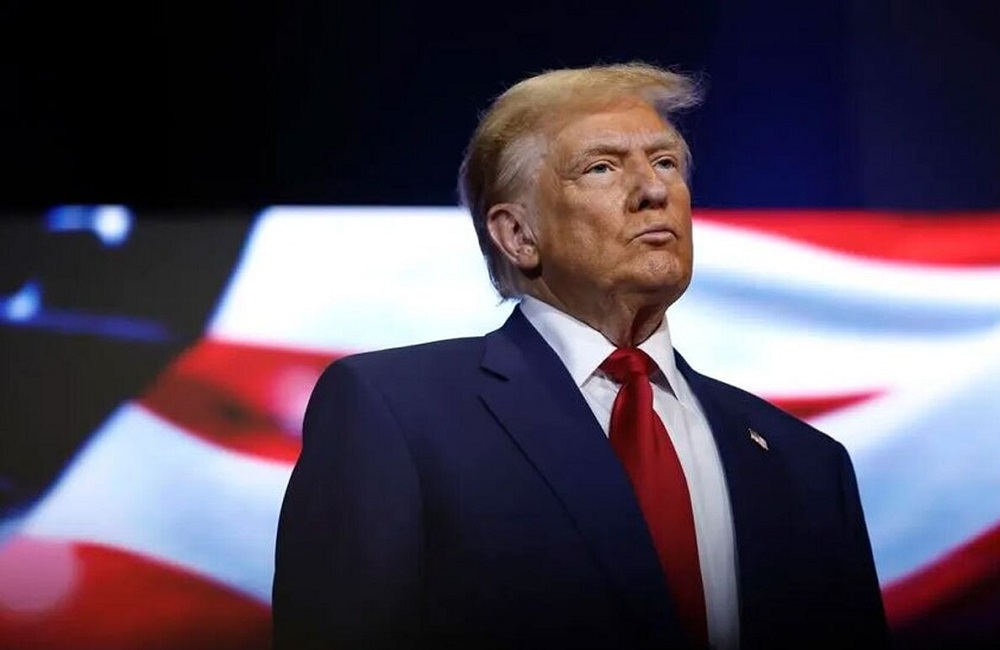
Strategic Council Online – Interview: A senior analyst on Afghan and Pakistani affairs stated that China’s explicit reaction to the new US efforts to retake Bagram Air Base in Afghanistan has once again highlighted the geopolitical competition among major powers in this sensitive region. Beijing has emphasized that any escalation of tensions or creation of confrontation in Afghanistan runs counter to the wishes and interests of the Afghan people and the entire region, and the Afghans themselves must shape the future of Afghanistan. This stance comes as US President Donald Trump has revealed Washington’s plan to return to Bagram, citing the base’s proximity to sensitive Chinese nuclear areas as one of the primary motivations. Analysts believe that a potential US return to Bagram signifies not only the revival of a military presence in Afghanistan but also an effort to curb China’s growing influence and control vital regional trade and security routes; a move that could have broad geopolitical consequences for all of Central and South Asia.

The Reality of Escalating European Pressures Against the Israeli Regime?

The Reality of Escalating European Pressures Against the Israeli Regime?

Strategic Council Online – Interview: A regional affairs expert stated that Europe has taken no action to increase political, economic, and security pressure on the Israeli regime to counter its genocide in Gaza, and it is unlikely to take any action in this regard in the future, although even at this level, support for Palestine and opposition to the crimes and genocide of the Israeli regime in Gaza are unprecedented in Europe.

Growing U.S.-China Competition in Space

Growing U.S.-China Competition in Space

Strategic Council Online – Opinion: Recently, the U.S. National Aeronautics and Space Administration (NASA) has barred Chinese citizens from accessing its systems and facilities, a prohibition that even includes Chinese citizens possessing U.S. visas. This move can be interpreted as a sign of space competition between the United States and China.

Differences in the Perspectives of Europe and America Regarding the Tariff War against China and India

Differences in the Perspectives of Europe and America Regarding the Tariff War against China and India

Strategic Council Online – Interview: A strategic affairs expert stated that recently, the United States has asked its allies in the G7 and its partners in the European Union to impose a new round of “significant tariffs” on China and India for purchasing Russian oil. Trump’s tariff demands reveal a clear gap in strategy between Washington and Brussels. While the Trump administration prefers to weaken the Kremlin’s economy by imposing tariffs on third countries, Europe seeks official sanctions against Moscow’s trade and financial partners.

Outlook of European Governments’ Plan to Recognize the State of Palestine

Outlook of European Governments’ Plan to Recognize the State of Palestine

Strategic Council Online – Interview: A senior analyst on West Asia and North Africa affairs stated, “The recognition of the State of Palestine at the United Nations General Assembly, particularly by European countries, initially appears to be a symbolic and positive action in support of Palestinian rights.” However, this move is more of a political and diplomatic response to the pressure from European and global public opinion than a real pressure on the Israeli regime.

أحدث الوظائف

Analysis of the Recognition of the Armenian Genocide by the Zionist Regime

SCFR Online – Opinion: At a time when the West Asia region, particularly in recent months, has been undergoing the most complex political and security developments of the past half-century, the sudden decision by the cabinet of the Zionist regime to recognize the Armenian genocide committed by Turkey, which has faced strong condemnation and opposition from Ankara and Baku, raises questions.

Lebanon Peace Agreement; Consolidation of Occupation

SCFR Online – Opinion: The Washington trilateral agreement, by linking the end of occupation to political and security conditions, does not establish a sustainable peace; rather, it consolidates the occupation.

China’s Effort to Recreate a New Global Order

SCFRonline – Opinion: Unlike classical powers, Beijing pursues its preferred order not through territorial occupation, but through technology, capital, standard-setting, and digital governance.

Loading

Strategic Perspective

Inefficiency of the West’s Economic Lever for Ending the Ukraine War

Inefficiency of the West’s Economic Lever for Ending the Ukraine War

Strategic Council Online – Interview: An international economics expert stated that sanctions, as discussed in political and economic literature, are tools used to force countries to change their behavior in foreign or domestic policies. However, the fundamental question is whether these tools consistently achieve the expected results. The European Union, which has intensified its sanctions policy against Russia since 2014, especially after the Ukraine war in 2022, now faces the question of to what extent these sanctions have been able to halt Moscow’s economic machine. Although more than 50 sanction packages have been imposed against Russia since 2014, statistics and analyses show that Russia has been able to overcome the pressures in many cases and even gain more profit in some areas. Experts believe that the lack of unity in European decision-making, the conflict of economic interests among member states, and the historical dependence of some on Russian energy have all combined to cause Europe’s sanctions policy not only to fail to achieve its ultimate goal but, in some cases, to yield opposite results. Meanwhile, the debate over “secondary sanctions” and the change in the European Union’s strategies after the Ukraine war marks a turning point in the future path of Moscow-Brussels relations.

France at a Crossroads Between Meeting Domestic Public Demands and Playing an International Role

France at a Crossroads Between Meeting Domestic Public Demands and Playing an International Role

Strategic Council Online – Interview: An international affairs expert stated that the French government’s inability to meet public demands has led to a resurgence of domestic protests. The budget deficit has compelled Emmanuel Macron’s government to implement measures such as reducing public service expenditures, eliminating national holidays, cutting wages, and increasing taxes to offset the shortfall, which has further fueled the protests.

Consequences of Four Iraqi Shiite Groups Being Placed on the US Terrorist List

Consequences of Four Iraqi Shiite Groups Being Placed on the US Terrorist List

Strategic Council Online– Interview: A senior Iraqi affairs analyst stated that the recent action by the US Department of State in placing four Iraqi Shiite groups on the list of foreign terrorist organizations has not only seriously challenged Iraq’s security dimension but has also broadly overshadowed Baghdad’s political and diplomatic equations. This decision, interpreted as a continuation of Washington’s policy of maximum pressure in the region, could have multi-layered consequences for Iraq’s internal security, foreign relations, and even the balance of power. The groups affected by this decision are part of the official structure of the Popular Mobilization Forces (PMF) and were key players in the defeat of ISIS; therefore, their placement on the terrorist list is not only considered a threat against US interests but also calls into question the legitimacy and cohesion of Iraq’s security forces. This move could cast a shadow over the process of withdrawing US forces from Iraq and provide a pretext for the continuation of Washington’s military presence. Similarly, at the regional level, it further frees the hands of the Israeli regime for aggressive actions.

An Analysis of Elon Musk’s Right-Wing Political Interventions in Britain and Europe

An Analysis of Elon Musk’s Right-Wing Political Interventions in Britain and Europe

Strategic Council Online – A senior US affairs analyst stated that the overt intervention of billionaire and media mogul Elon Musk in the UK’s internal developments has once again brought the discussion about the role of non-state actors in international politics to the forefront of attention. With his provocative speech at the extreme right-wing rally in London, Musk not only called for the dissolution of parliament and early elections but also effectively sowed the seeds of political violence in the country’s fragile social fabric by promoting a rhetoric of “resistance or destruction.” UK Prime Minister Keir Starmer condemned these remarks, but the matter goes beyond a war of words. The emergence of figures like Musk, who simultaneously possess capital, media influence, and social popularity, has blurred the line between official politics and protest movements. This trend could become a serious challenge to the principle of non-interference in the internal affairs of countries, one of the fundamental principles of the UN Charter. International institutions have been designed primarily to control the actions of states, rather than billionaires who own global platforms. Today, however, developments show that technology and media giants can influence the political developments of countries as independent actors; a reality that could pose new questions to the international order regarding national sovereignty and political security.

Europe’s Threat to Deploy Military Forces in Ukraine: From Words to Actions

Europe’s Threat to Deploy Military Forces in Ukraine: From Words to Actions

Strategic Council Online – Interview: An expert on Eurasian and Russian affairs stated that the West’s reaction to Russia’s threats regarding any deployment of foreign forces in Ukraine, whether under NATO or as an independent force, will be a combination of caution and deterrence. He said: Despite the desire of Europe and America to deploy military forces in Ukraine, they emphasize indirect support for Ukraine, including economic sanctions and increased diplomatic pressure on Moscow, and at best propose deploying neutral observers in Ukraine.

Efforts to Retake Bagram Airbase Complete America’s Unfinished Scenario in the Region

Efforts to Retake Bagram Airbase Complete America’s Unfinished Scenario in the Region

Strategic Council Online – Interview: A senior analyst on Afghan and Pakistani affairs stated that China’s explicit reaction to the new US efforts to retake Bagram Air Base in Afghanistan has once again highlighted the geopolitical competition among major powers in this sensitive region. Beijing has emphasized that any escalation of tensions or creation of confrontation in Afghanistan runs counter to the wishes and interests of the Afghan people and the entire region, and the Afghans themselves must shape the future of Afghanistan. This stance comes as US President Donald Trump has revealed Washington’s plan to return to Bagram, citing the base’s proximity to sensitive Chinese nuclear areas as one of the primary motivations. Analysts believe that a potential US return to Bagram signifies not only the revival of a military presence in Afghanistan but also an effort to curb China’s growing influence and control vital regional trade and security routes; a move that could have broad geopolitical consequences for all of Central and South Asia.

The Reality of Escalating European Pressures Against the Israeli Regime?

The Reality of Escalating European Pressures Against the Israeli Regime?

Strategic Council Online – Interview: A regional affairs expert stated that Europe has taken no action to increase political, economic, and security pressure on the Israeli regime to counter its genocide in Gaza, and it is unlikely to take any action in this regard in the future, although even at this level, support for Palestine and opposition to the crimes and genocide of the Israeli regime in Gaza are unprecedented in Europe.

Growing U.S.-China Competition in Space

Growing U.S.-China Competition in Space

Strategic Council Online – Opinion: Recently, the U.S. National Aeronautics and Space Administration (NASA) has barred Chinese citizens from accessing its systems and facilities, a prohibition that even includes Chinese citizens possessing U.S. visas. This move can be interpreted as a sign of space competition between the United States and China.

Differences in the Perspectives of Europe and America Regarding the Tariff War against China and India

Differences in the Perspectives of Europe and America Regarding the Tariff War against China and India

Strategic Council Online – Interview: A strategic affairs expert stated that recently, the United States has asked its allies in the G7 and its partners in the European Union to impose a new round of “significant tariffs” on China and India for purchasing Russian oil. Trump’s tariff demands reveal a clear gap in strategy between Washington and Brussels. While the Trump administration prefers to weaken the Kremlin’s economy by imposing tariffs on third countries, Europe seeks official sanctions against Moscow’s trade and financial partners.

Outlook of European Governments’ Plan to Recognize the State of Palestine

Outlook of European Governments’ Plan to Recognize the State of Palestine

Strategic Council Online – Interview: A senior analyst on West Asia and North Africa affairs stated, “The recognition of the State of Palestine at the United Nations General Assembly, particularly by European countries, initially appears to be a symbolic and positive action in support of Palestinian rights.” However, this move is more of a political and diplomatic response to the pressure from European and global public opinion than a real pressure on the Israeli regime.

Strategic Perspective

Inefficiency of the West’s Economic Lever for Ending the Ukraine War

Inefficiency of the West’s Economic Lever for Ending the Ukraine War

Strategic Council Online – Interview: An international economics expert stated that sanctions, as discussed in political and economic literature, are tools used to force countries to change their behavior in foreign or domestic policies. However, the fundamental question is whether these tools consistently achieve the expected results. The European Union, which has intensified its sanctions policy against Russia since 2014, especially after the Ukraine war in 2022, now faces the question of to what extent these sanctions have been able to halt Moscow’s economic machine. Although more than 50 sanction packages have been imposed against Russia since 2014, statistics and analyses show that Russia has been able to overcome the pressures in many cases and even gain more profit in some areas. Experts believe that the lack of unity in European decision-making, the conflict of economic interests among member states, and the historical dependence of some on Russian energy have all combined to cause Europe’s sanctions policy not only to fail to achieve its ultimate goal but, in some cases, to yield opposite results. Meanwhile, the debate over “secondary sanctions” and the change in the European Union’s strategies after the Ukraine war marks a turning point in the future path of Moscow-Brussels relations.

France at a Crossroads Between Meeting Domestic Public Demands and Playing an International Role

France at a Crossroads Between Meeting Domestic Public Demands and Playing an International Role

Strategic Council Online – Interview: An international affairs expert stated that the French government’s inability to meet public demands has led to a resurgence of domestic protests. The budget deficit has compelled Emmanuel Macron’s government to implement measures such as reducing public service expenditures, eliminating national holidays, cutting wages, and increasing taxes to offset the shortfall, which has further fueled the protests.

Consequences of Four Iraqi Shiite Groups Being Placed on the US Terrorist List

Consequences of Four Iraqi Shiite Groups Being Placed on the US Terrorist List

Strategic Council Online– Interview: A senior Iraqi affairs analyst stated that the recent action by the US Department of State in placing four Iraqi Shiite groups on the list of foreign terrorist organizations has not only seriously challenged Iraq’s security dimension but has also broadly overshadowed Baghdad’s political and diplomatic equations. This decision, interpreted as a continuation of Washington’s policy of maximum pressure in the region, could have multi-layered consequences for Iraq’s internal security, foreign relations, and even the balance of power. The groups affected by this decision are part of the official structure of the Popular Mobilization Forces (PMF) and were key players in the defeat of ISIS; therefore, their placement on the terrorist list is not only considered a threat against US interests but also calls into question the legitimacy and cohesion of Iraq’s security forces. This move could cast a shadow over the process of withdrawing US forces from Iraq and provide a pretext for the continuation of Washington’s military presence. Similarly, at the regional level, it further frees the hands of the Israeli regime for aggressive actions.

An Analysis of Elon Musk’s Right-Wing Political Interventions in Britain and Europe

An Analysis of Elon Musk’s Right-Wing Political Interventions in Britain and Europe

Strategic Council Online – A senior US affairs analyst stated that the overt intervention of billionaire and media mogul Elon Musk in the UK’s internal developments has once again brought the discussion about the role of non-state actors in international politics to the forefront of attention. With his provocative speech at the extreme right-wing rally in London, Musk not only called for the dissolution of parliament and early elections but also effectively sowed the seeds of political violence in the country’s fragile social fabric by promoting a rhetoric of “resistance or destruction.” UK Prime Minister Keir Starmer condemned these remarks, but the matter goes beyond a war of words. The emergence of figures like Musk, who simultaneously possess capital, media influence, and social popularity, has blurred the line between official politics and protest movements. This trend could become a serious challenge to the principle of non-interference in the internal affairs of countries, one of the fundamental principles of the UN Charter. International institutions have been designed primarily to control the actions of states, rather than billionaires who own global platforms. Today, however, developments show that technology and media giants can influence the political developments of countries as independent actors; a reality that could pose new questions to the international order regarding national sovereignty and political security.

Europe’s Threat to Deploy Military Forces in Ukraine: From Words to Actions

Europe’s Threat to Deploy Military Forces in Ukraine: From Words to Actions

Strategic Council Online – Interview: An expert on Eurasian and Russian affairs stated that the West’s reaction to Russia’s threats regarding any deployment of foreign forces in Ukraine, whether under NATO or as an independent force, will be a combination of caution and deterrence. He said: Despite the desire of Europe and America to deploy military forces in Ukraine, they emphasize indirect support for Ukraine, including economic sanctions and increased diplomatic pressure on Moscow, and at best propose deploying neutral observers in Ukraine.

Efforts to Retake Bagram Airbase Complete America’s Unfinished Scenario in the Region

Efforts to Retake Bagram Airbase Complete America’s Unfinished Scenario in the Region

Strategic Council Online – Interview: A senior analyst on Afghan and Pakistani affairs stated that China’s explicit reaction to the new US efforts to retake Bagram Air Base in Afghanistan has once again highlighted the geopolitical competition among major powers in this sensitive region. Beijing has emphasized that any escalation of tensions or creation of confrontation in Afghanistan runs counter to the wishes and interests of the Afghan people and the entire region, and the Afghans themselves must shape the future of Afghanistan. This stance comes as US President Donald Trump has revealed Washington’s plan to return to Bagram, citing the base’s proximity to sensitive Chinese nuclear areas as one of the primary motivations. Analysts believe that a potential US return to Bagram signifies not only the revival of a military presence in Afghanistan but also an effort to curb China’s growing influence and control vital regional trade and security routes; a move that could have broad geopolitical consequences for all of Central and South Asia.

The Reality of Escalating European Pressures Against the Israeli Regime?

The Reality of Escalating European Pressures Against the Israeli Regime?

Strategic Council Online – Interview: A regional affairs expert stated that Europe has taken no action to increase political, economic, and security pressure on the Israeli regime to counter its genocide in Gaza, and it is unlikely to take any action in this regard in the future, although even at this level, support for Palestine and opposition to the crimes and genocide of the Israeli regime in Gaza are unprecedented in Europe.

Growing U.S.-China Competition in Space

Growing U.S.-China Competition in Space

Strategic Council Online – Opinion: Recently, the U.S. National Aeronautics and Space Administration (NASA) has barred Chinese citizens from accessing its systems and facilities, a prohibition that even includes Chinese citizens possessing U.S. visas. This move can be interpreted as a sign of space competition between the United States and China.

Differences in the Perspectives of Europe and America Regarding the Tariff War against China and India

Differences in the Perspectives of Europe and America Regarding the Tariff War against China and India

Strategic Council Online – Interview: A strategic affairs expert stated that recently, the United States has asked its allies in the G7 and its partners in the European Union to impose a new round of “significant tariffs” on China and India for purchasing Russian oil. Trump’s tariff demands reveal a clear gap in strategy between Washington and Brussels. While the Trump administration prefers to weaken the Kremlin’s economy by imposing tariffs on third countries, Europe seeks official sanctions against Moscow’s trade and financial partners.

Outlook of European Governments’ Plan to Recognize the State of Palestine

Outlook of European Governments’ Plan to Recognize the State of Palestine

Strategic Council Online – Interview: A senior analyst on West Asia and North Africa affairs stated, “The recognition of the State of Palestine at the United Nations General Assembly, particularly by European countries, initially appears to be a symbolic and positive action in support of Palestinian rights.” However, this move is more of a political and diplomatic response to the pressure from European and global public opinion than a real pressure on the Israeli regime.

LATEST CONTENT

Analysis of the Recognition of the Armenian Genocide by the Zionist Regime

SCFR Online – Opinion: At a time when the West Asia region, particularly in recent months, has been undergoing the most complex political and security developments of the past half-century, the sudden decision by the cabinet of the Zionist regime to recognize the Armenian genocide committed by Turkey, which has faced strong condemnation and opposition from Ankara and Baku, raises questions.

Lebanon Peace Agreement; Consolidation of Occupation

SCFR Online – Opinion: The Washington trilateral agreement, by linking the end of occupation to political and security conditions, does not establish a sustainable peace; rather, it consolidates the occupation.

China’s Effort to Recreate a New Global Order

SCFRonline – Opinion: Unlike classical powers, Beijing pursues its preferred order not through territorial occupation, but through technology, capital, standard-setting, and digital governance.

Loading

Strategic Perspective

Inefficiency of the West’s Economic Lever for Ending the Ukraine War

Inefficiency of the West’s Economic Lever for Ending the Ukraine War

Strategic Council Online – Interview: An international economics expert stated that sanctions, as discussed in political and economic literature, are tools used to force countries to change their behavior in foreign or domestic policies. However, the fundamental question is whether these tools consistently achieve the expected results. The European Union, which has intensified its sanctions policy against Russia since 2014, especially after the Ukraine war in 2022, now faces the question of to what extent these sanctions have been able to halt Moscow’s economic machine. Although more than 50 sanction packages have been imposed against Russia since 2014, statistics and analyses show that Russia has been able to overcome the pressures in many cases and even gain more profit in some areas. Experts believe that the lack of unity in European decision-making, the conflict of economic interests among member states, and the historical dependence of some on Russian energy have all combined to cause Europe’s sanctions policy not only to fail to achieve its ultimate goal but, in some cases, to yield opposite results. Meanwhile, the debate over “secondary sanctions” and the change in the European Union’s strategies after the Ukraine war marks a turning point in the future path of Moscow-Brussels relations.

France at a Crossroads Between Meeting Domestic Public Demands and Playing an International Role

France at a Crossroads Between Meeting Domestic Public Demands and Playing an International Role

Strategic Council Online – Interview: An international affairs expert stated that the French government’s inability to meet public demands has led to a resurgence of domestic protests. The budget deficit has compelled Emmanuel Macron’s government to implement measures such as reducing public service expenditures, eliminating national holidays, cutting wages, and increasing taxes to offset the shortfall, which has further fueled the protests.

Consequences of Four Iraqi Shiite Groups Being Placed on the US Terrorist List

Consequences of Four Iraqi Shiite Groups Being Placed on the US Terrorist List

Strategic Council Online– Interview: A senior Iraqi affairs analyst stated that the recent action by the US Department of State in placing four Iraqi Shiite groups on the list of foreign terrorist organizations has not only seriously challenged Iraq’s security dimension but has also broadly overshadowed Baghdad’s political and diplomatic equations. This decision, interpreted as a continuation of Washington’s policy of maximum pressure in the region, could have multi-layered consequences for Iraq’s internal security, foreign relations, and even the balance of power. The groups affected by this decision are part of the official structure of the Popular Mobilization Forces (PMF) and were key players in the defeat of ISIS; therefore, their placement on the terrorist list is not only considered a threat against US interests but also calls into question the legitimacy and cohesion of Iraq’s security forces. This move could cast a shadow over the process of withdrawing US forces from Iraq and provide a pretext for the continuation of Washington’s military presence. Similarly, at the regional level, it further frees the hands of the Israeli regime for aggressive actions.

An Analysis of Elon Musk’s Right-Wing Political Interventions in Britain and Europe

An Analysis of Elon Musk’s Right-Wing Political Interventions in Britain and Europe

Strategic Council Online – A senior US affairs analyst stated that the overt intervention of billionaire and media mogul Elon Musk in the UK’s internal developments has once again brought the discussion about the role of non-state actors in international politics to the forefront of attention. With his provocative speech at the extreme right-wing rally in London, Musk not only called for the dissolution of parliament and early elections but also effectively sowed the seeds of political violence in the country’s fragile social fabric by promoting a rhetoric of “resistance or destruction.” UK Prime Minister Keir Starmer condemned these remarks, but the matter goes beyond a war of words. The emergence of figures like Musk, who simultaneously possess capital, media influence, and social popularity, has blurred the line between official politics and protest movements. This trend could become a serious challenge to the principle of non-interference in the internal affairs of countries, one of the fundamental principles of the UN Charter. International institutions have been designed primarily to control the actions of states, rather than billionaires who own global platforms. Today, however, developments show that technology and media giants can influence the political developments of countries as independent actors; a reality that could pose new questions to the international order regarding national sovereignty and political security.

Europe’s Threat to Deploy Military Forces in Ukraine: From Words to Actions

Europe’s Threat to Deploy Military Forces in Ukraine: From Words to Actions

Strategic Council Online – Interview: An expert on Eurasian and Russian affairs stated that the West’s reaction to Russia’s threats regarding any deployment of foreign forces in Ukraine, whether under NATO or as an independent force, will be a combination of caution and deterrence. He said: Despite the desire of Europe and America to deploy military forces in Ukraine, they emphasize indirect support for Ukraine, including economic sanctions and increased diplomatic pressure on Moscow, and at best propose deploying neutral observers in Ukraine.

Efforts to Retake Bagram Airbase Complete America’s Unfinished Scenario in the Region

Efforts to Retake Bagram Airbase Complete America’s Unfinished Scenario in the Region

Strategic Council Online – Interview: A senior analyst on Afghan and Pakistani affairs stated that China’s explicit reaction to the new US efforts to retake Bagram Air Base in Afghanistan has once again highlighted the geopolitical competition among major powers in this sensitive region. Beijing has emphasized that any escalation of tensions or creation of confrontation in Afghanistan runs counter to the wishes and interests of the Afghan people and the entire region, and the Afghans themselves must shape the future of Afghanistan. This stance comes as US President Donald Trump has revealed Washington’s plan to return to Bagram, citing the base’s proximity to sensitive Chinese nuclear areas as one of the primary motivations. Analysts believe that a potential US return to Bagram signifies not only the revival of a military presence in Afghanistan but also an effort to curb China’s growing influence and control vital regional trade and security routes; a move that could have broad geopolitical consequences for all of Central and South Asia.

The Reality of Escalating European Pressures Against the Israeli Regime?

The Reality of Escalating European Pressures Against the Israeli Regime?

Strategic Council Online – Interview: A regional affairs expert stated that Europe has taken no action to increase political, economic, and security pressure on the Israeli regime to counter its genocide in Gaza, and it is unlikely to take any action in this regard in the future, although even at this level, support for Palestine and opposition to the crimes and genocide of the Israeli regime in Gaza are unprecedented in Europe.

Growing U.S.-China Competition in Space

Growing U.S.-China Competition in Space

Strategic Council Online – Opinion: Recently, the U.S. National Aeronautics and Space Administration (NASA) has barred Chinese citizens from accessing its systems and facilities, a prohibition that even includes Chinese citizens possessing U.S. visas. This move can be interpreted as a sign of space competition between the United States and China.

Differences in the Perspectives of Europe and America Regarding the Tariff War against China and India

Differences in the Perspectives of Europe and America Regarding the Tariff War against China and India

Strategic Council Online – Interview: A strategic affairs expert stated that recently, the United States has asked its allies in the G7 and its partners in the European Union to impose a new round of “significant tariffs” on China and India for purchasing Russian oil. Trump’s tariff demands reveal a clear gap in strategy between Washington and Brussels. While the Trump administration prefers to weaken the Kremlin’s economy by imposing tariffs on third countries, Europe seeks official sanctions against Moscow’s trade and financial partners.

Outlook of European Governments’ Plan to Recognize the State of Palestine

Outlook of European Governments’ Plan to Recognize the State of Palestine

Strategic Council Online – Interview: A senior analyst on West Asia and North Africa affairs stated, “The recognition of the State of Palestine at the United Nations General Assembly, particularly by European countries, initially appears to be a symbolic and positive action in support of Palestinian rights.” However, this move is more of a political and diplomatic response to the pressure from European and global public opinion than a real pressure on the Israeli regime.

ÚLTIMAS PUBLICACIONES

Analysis of the Recognition of the Armenian Genocide by the Zionist Regime

SCFR Online – Opinion: At a time when the West Asia region, particularly in recent months, has been undergoing the most complex political and security developments of the past half-century, the sudden decision by the cabinet of the Zionist regime to recognize the Armenian genocide committed by Turkey, which has faced strong condemnation and opposition from Ankara and Baku, raises questions.

Lebanon Peace Agreement; Consolidation of Occupation

SCFR Online – Opinion: The Washington trilateral agreement, by linking the end of occupation to political and security conditions, does not establish a sustainable peace; rather, it consolidates the occupation.

China’s Effort to Recreate a New Global Order

SCFRonline – Opinion: Unlike classical powers, Beijing pursues its preferred order not through territorial occupation, but through technology, capital, standard-setting, and digital governance.

Loading

Strategic Perspective

Inefficiency of the West’s Economic Lever for Ending the Ukraine War

Inefficiency of the West’s Economic Lever for Ending the Ukraine War

Strategic Council Online – Interview: An international economics expert stated that sanctions, as discussed in political and economic literature, are tools used to force countries to change their behavior in foreign or domestic policies. However, the fundamental question is whether these tools consistently achieve the expected results. The European Union, which has intensified its sanctions policy against Russia since 2014, especially after the Ukraine war in 2022, now faces the question of to what extent these sanctions have been able to halt Moscow’s economic machine. Although more than 50 sanction packages have been imposed against Russia since 2014, statistics and analyses show that Russia has been able to overcome the pressures in many cases and even gain more profit in some areas. Experts believe that the lack of unity in European decision-making, the conflict of economic interests among member states, and the historical dependence of some on Russian energy have all combined to cause Europe’s sanctions policy not only to fail to achieve its ultimate goal but, in some cases, to yield opposite results. Meanwhile, the debate over “secondary sanctions” and the change in the European Union’s strategies after the Ukraine war marks a turning point in the future path of Moscow-Brussels relations.

France at a Crossroads Between Meeting Domestic Public Demands and Playing an International Role

France at a Crossroads Between Meeting Domestic Public Demands and Playing an International Role

Strategic Council Online – Interview: An international affairs expert stated that the French government’s inability to meet public demands has led to a resurgence of domestic protests. The budget deficit has compelled Emmanuel Macron’s government to implement measures such as reducing public service expenditures, eliminating national holidays, cutting wages, and increasing taxes to offset the shortfall, which has further fueled the protests.

Consequences of Four Iraqi Shiite Groups Being Placed on the US Terrorist List

Consequences of Four Iraqi Shiite Groups Being Placed on the US Terrorist List

Strategic Council Online– Interview: A senior Iraqi affairs analyst stated that the recent action by the US Department of State in placing four Iraqi Shiite groups on the list of foreign terrorist organizations has not only seriously challenged Iraq’s security dimension but has also broadly overshadowed Baghdad’s political and diplomatic equations. This decision, interpreted as a continuation of Washington’s policy of maximum pressure in the region, could have multi-layered consequences for Iraq’s internal security, foreign relations, and even the balance of power. The groups affected by this decision are part of the official structure of the Popular Mobilization Forces (PMF) and were key players in the defeat of ISIS; therefore, their placement on the terrorist list is not only considered a threat against US interests but also calls into question the legitimacy and cohesion of Iraq’s security forces. This move could cast a shadow over the process of withdrawing US forces from Iraq and provide a pretext for the continuation of Washington’s military presence. Similarly, at the regional level, it further frees the hands of the Israeli regime for aggressive actions.

An Analysis of Elon Musk’s Right-Wing Political Interventions in Britain and Europe

An Analysis of Elon Musk’s Right-Wing Political Interventions in Britain and Europe

Strategic Council Online – A senior US affairs analyst stated that the overt intervention of billionaire and media mogul Elon Musk in the UK’s internal developments has once again brought the discussion about the role of non-state actors in international politics to the forefront of attention. With his provocative speech at the extreme right-wing rally in London, Musk not only called for the dissolution of parliament and early elections but also effectively sowed the seeds of political violence in the country’s fragile social fabric by promoting a rhetoric of “resistance or destruction.” UK Prime Minister Keir Starmer condemned these remarks, but the matter goes beyond a war of words. The emergence of figures like Musk, who simultaneously possess capital, media influence, and social popularity, has blurred the line between official politics and protest movements. This trend could become a serious challenge to the principle of non-interference in the internal affairs of countries, one of the fundamental principles of the UN Charter. International institutions have been designed primarily to control the actions of states, rather than billionaires who own global platforms. Today, however, developments show that technology and media giants can influence the political developments of countries as independent actors; a reality that could pose new questions to the international order regarding national sovereignty and political security.

Europe’s Threat to Deploy Military Forces in Ukraine: From Words to Actions

Europe’s Threat to Deploy Military Forces in Ukraine: From Words to Actions

Strategic Council Online – Interview: An expert on Eurasian and Russian affairs stated that the West’s reaction to Russia’s threats regarding any deployment of foreign forces in Ukraine, whether under NATO or as an independent force, will be a combination of caution and deterrence. He said: Despite the desire of Europe and America to deploy military forces in Ukraine, they emphasize indirect support for Ukraine, including economic sanctions and increased diplomatic pressure on Moscow, and at best propose deploying neutral observers in Ukraine.

Efforts to Retake Bagram Airbase Complete America’s Unfinished Scenario in the Region

Efforts to Retake Bagram Airbase Complete America’s Unfinished Scenario in the Region

Strategic Council Online – Interview: A senior analyst on Afghan and Pakistani affairs stated that China’s explicit reaction to the new US efforts to retake Bagram Air Base in Afghanistan has once again highlighted the geopolitical competition among major powers in this sensitive region. Beijing has emphasized that any escalation of tensions or creation of confrontation in Afghanistan runs counter to the wishes and interests of the Afghan people and the entire region, and the Afghans themselves must shape the future of Afghanistan. This stance comes as US President Donald Trump has revealed Washington’s plan to return to Bagram, citing the base’s proximity to sensitive Chinese nuclear areas as one of the primary motivations. Analysts believe that a potential US return to Bagram signifies not only the revival of a military presence in Afghanistan but also an effort to curb China’s growing influence and control vital regional trade and security routes; a move that could have broad geopolitical consequences for all of Central and South Asia.

The Reality of Escalating European Pressures Against the Israeli Regime?

The Reality of Escalating European Pressures Against the Israeli Regime?

Strategic Council Online – Interview: A regional affairs expert stated that Europe has taken no action to increase political, economic, and security pressure on the Israeli regime to counter its genocide in Gaza, and it is unlikely to take any action in this regard in the future, although even at this level, support for Palestine and opposition to the crimes and genocide of the Israeli regime in Gaza are unprecedented in Europe.

Growing U.S.-China Competition in Space

Growing U.S.-China Competition in Space

Strategic Council Online – Opinion: Recently, the U.S. National Aeronautics and Space Administration (NASA) has barred Chinese citizens from accessing its systems and facilities, a prohibition that even includes Chinese citizens possessing U.S. visas. This move can be interpreted as a sign of space competition between the United States and China.

Differences in the Perspectives of Europe and America Regarding the Tariff War against China and India

Differences in the Perspectives of Europe and America Regarding the Tariff War against China and India

Strategic Council Online – Interview: A strategic affairs expert stated that recently, the United States has asked its allies in the G7 and its partners in the European Union to impose a new round of “significant tariffs” on China and India for purchasing Russian oil. Trump’s tariff demands reveal a clear gap in strategy between Washington and Brussels. While the Trump administration prefers to weaken the Kremlin’s economy by imposing tariffs on third countries, Europe seeks official sanctions against Moscow’s trade and financial partners.

Outlook of European Governments’ Plan to Recognize the State of Palestine

Outlook of European Governments’ Plan to Recognize the State of Palestine

Strategic Council Online – Interview: A senior analyst on West Asia and North Africa affairs stated, “The recognition of the State of Palestine at the United Nations General Assembly, particularly by European countries, initially appears to be a symbolic and positive action in support of Palestinian rights.” However, this move is more of a political and diplomatic response to the pressure from European and global public opinion than a real pressure on the Israeli regime.

ÚLTIMAS PUBLICACIONES

Analysis of the Recognition of the Armenian Genocide by the Zionist Regime

SCFR Online – Opinion: At a time when the West Asia region, particularly in recent months, has been undergoing the most complex political and security developments of the past half-century, the sudden decision by the cabinet of the Zionist regime to recognize the Armenian genocide committed by Turkey, which has faced strong condemnation and opposition from Ankara and Baku, raises questions.

Lebanon Peace Agreement; Consolidation of Occupation

SCFR Online – Opinion: The Washington trilateral agreement, by linking the end of occupation to political and security conditions, does not establish a sustainable peace; rather, it consolidates the occupation.

China’s Effort to Recreate a New Global Order

SCFRonline – Opinion: Unlike classical powers, Beijing pursues its preferred order not through territorial occupation, but through technology, capital, standard-setting, and digital governance.

Loading

Strategic Perspective

Inefficiency of the West’s Economic Lever for Ending the Ukraine War

Inefficiency of the West’s Economic Lever for Ending the Ukraine War

Strategic Council Online – Interview: An international economics expert stated that sanctions, as discussed in political and economic literature, are tools used to force countries to change their behavior in foreign or domestic policies. However, the fundamental question is whether these tools consistently achieve the expected results. The European Union, which has intensified its sanctions policy against Russia since 2014, especially after the Ukraine war in 2022, now faces the question of to what extent these sanctions have been able to halt Moscow’s economic machine. Although more than 50 sanction packages have been imposed against Russia since 2014, statistics and analyses show that Russia has been able to overcome the pressures in many cases and even gain more profit in some areas. Experts believe that the lack of unity in European decision-making, the conflict of economic interests among member states, and the historical dependence of some on Russian energy have all combined to cause Europe’s sanctions policy not only to fail to achieve its ultimate goal but, in some cases, to yield opposite results. Meanwhile, the debate over “secondary sanctions” and the change in the European Union’s strategies after the Ukraine war marks a turning point in the future path of Moscow-Brussels relations.

France at a Crossroads Between Meeting Domestic Public Demands and Playing an International Role

France at a Crossroads Between Meeting Domestic Public Demands and Playing an International Role

Strategic Council Online – Interview: An international affairs expert stated that the French government’s inability to meet public demands has led to a resurgence of domestic protests. The budget deficit has compelled Emmanuel Macron’s government to implement measures such as reducing public service expenditures, eliminating national holidays, cutting wages, and increasing taxes to offset the shortfall, which has further fueled the protests.

Consequences of Four Iraqi Shiite Groups Being Placed on the US Terrorist List

Consequences of Four Iraqi Shiite Groups Being Placed on the US Terrorist List

Strategic Council Online– Interview: A senior Iraqi affairs analyst stated that the recent action by the US Department of State in placing four Iraqi Shiite groups on the list of foreign terrorist organizations has not only seriously challenged Iraq’s security dimension but has also broadly overshadowed Baghdad’s political and diplomatic equations. This decision, interpreted as a continuation of Washington’s policy of maximum pressure in the region, could have multi-layered consequences for Iraq’s internal security, foreign relations, and even the balance of power. The groups affected by this decision are part of the official structure of the Popular Mobilization Forces (PMF) and were key players in the defeat of ISIS; therefore, their placement on the terrorist list is not only considered a threat against US interests but also calls into question the legitimacy and cohesion of Iraq’s security forces. This move could cast a shadow over the process of withdrawing US forces from Iraq and provide a pretext for the continuation of Washington’s military presence. Similarly, at the regional level, it further frees the hands of the Israeli regime for aggressive actions.

An Analysis of Elon Musk’s Right-Wing Political Interventions in Britain and Europe

An Analysis of Elon Musk’s Right-Wing Political Interventions in Britain and Europe

Strategic Council Online – A senior US affairs analyst stated that the overt intervention of billionaire and media mogul Elon Musk in the UK’s internal developments has once again brought the discussion about the role of non-state actors in international politics to the forefront of attention. With his provocative speech at the extreme right-wing rally in London, Musk not only called for the dissolution of parliament and early elections but also effectively sowed the seeds of political violence in the country’s fragile social fabric by promoting a rhetoric of “resistance or destruction.” UK Prime Minister Keir Starmer condemned these remarks, but the matter goes beyond a war of words. The emergence of figures like Musk, who simultaneously possess capital, media influence, and social popularity, has blurred the line between official politics and protest movements. This trend could become a serious challenge to the principle of non-interference in the internal affairs of countries, one of the fundamental principles of the UN Charter. International institutions have been designed primarily to control the actions of states, rather than billionaires who own global platforms. Today, however, developments show that technology and media giants can influence the political developments of countries as independent actors; a reality that could pose new questions to the international order regarding national sovereignty and political security.

Europe’s Threat to Deploy Military Forces in Ukraine: From Words to Actions

Europe’s Threat to Deploy Military Forces in Ukraine: From Words to Actions

Strategic Council Online – Interview: An expert on Eurasian and Russian affairs stated that the West’s reaction to Russia’s threats regarding any deployment of foreign forces in Ukraine, whether under NATO or as an independent force, will be a combination of caution and deterrence. He said: Despite the desire of Europe and America to deploy military forces in Ukraine, they emphasize indirect support for Ukraine, including economic sanctions and increased diplomatic pressure on Moscow, and at best propose deploying neutral observers in Ukraine.

Efforts to Retake Bagram Airbase Complete America’s Unfinished Scenario in the Region

Efforts to Retake Bagram Airbase Complete America’s Unfinished Scenario in the Region

Strategic Council Online – Interview: A senior analyst on Afghan and Pakistani affairs stated that China’s explicit reaction to the new US efforts to retake Bagram Air Base in Afghanistan has once again highlighted the geopolitical competition among major powers in this sensitive region. Beijing has emphasized that any escalation of tensions or creation of confrontation in Afghanistan runs counter to the wishes and interests of the Afghan people and the entire region, and the Afghans themselves must shape the future of Afghanistan. This stance comes as US President Donald Trump has revealed Washington’s plan to return to Bagram, citing the base’s proximity to sensitive Chinese nuclear areas as one of the primary motivations. Analysts believe that a potential US return to Bagram signifies not only the revival of a military presence in Afghanistan but also an effort to curb China’s growing influence and control vital regional trade and security routes; a move that could have broad geopolitical consequences for all of Central and South Asia.

The Reality of Escalating European Pressures Against the Israeli Regime?

The Reality of Escalating European Pressures Against the Israeli Regime?

Strategic Council Online – Interview: A regional affairs expert stated that Europe has taken no action to increase political, economic, and security pressure on the Israeli regime to counter its genocide in Gaza, and it is unlikely to take any action in this regard in the future, although even at this level, support for Palestine and opposition to the crimes and genocide of the Israeli regime in Gaza are unprecedented in Europe.

Growing U.S.-China Competition in Space

Growing U.S.-China Competition in Space

Strategic Council Online – Opinion: Recently, the U.S. National Aeronautics and Space Administration (NASA) has barred Chinese citizens from accessing its systems and facilities, a prohibition that even includes Chinese citizens possessing U.S. visas. This move can be interpreted as a sign of space competition between the United States and China.

Differences in the Perspectives of Europe and America Regarding the Tariff War against China and India

Differences in the Perspectives of Europe and America Regarding the Tariff War against China and India

Strategic Council Online – Interview: A strategic affairs expert stated that recently, the United States has asked its allies in the G7 and its partners in the European Union to impose a new round of “significant tariffs” on China and India for purchasing Russian oil. Trump’s tariff demands reveal a clear gap in strategy between Washington and Brussels. While the Trump administration prefers to weaken the Kremlin’s economy by imposing tariffs on third countries, Europe seeks official sanctions against Moscow’s trade and financial partners.

Outlook of European Governments’ Plan to Recognize the State of Palestine

Outlook of European Governments’ Plan to Recognize the State of Palestine

Strategic Council Online – Interview: A senior analyst on West Asia and North Africa affairs stated, “The recognition of the State of Palestine at the United Nations General Assembly, particularly by European countries, initially appears to be a symbolic and positive action in support of Palestinian rights.” However, this move is more of a political and diplomatic response to the pressure from European and global public opinion than a real pressure on the Israeli regime.

ÚLTIMAS PUBLICACIONES

Analysis of the Recognition of the Armenian Genocide by the Zionist Regime

SCFR Online – Opinion: At a time when the West Asia region, particularly in recent months, has been undergoing the most complex political and security developments of the past half-century, the sudden decision by the cabinet of the Zionist regime to recognize the Armenian genocide committed by Turkey, which has faced strong condemnation and opposition from Ankara and Baku, raises questions.

Lebanon Peace Agreement; Consolidation of Occupation

SCFR Online – Opinion: The Washington trilateral agreement, by linking the end of occupation to political and security conditions, does not establish a sustainable peace; rather, it consolidates the occupation.

China’s Effort to Recreate a New Global Order

SCFRonline – Opinion: Unlike classical powers, Beijing pursues its preferred order not through territorial occupation, but through technology, capital, standard-setting, and digital governance.

Loading

Strategic Perspective

Inefficiency of the West’s Economic Lever for Ending the Ukraine War

Inefficiency of the West’s Economic Lever for Ending the Ukraine War

Strategic Council Online – Interview: An international economics expert stated that sanctions, as discussed in political and economic literature, are tools used to force countries to change their behavior in foreign or domestic policies. However, the fundamental question is whether these tools consistently achieve the expected results. The European Union, which has intensified its sanctions policy against Russia since 2014, especially after the Ukraine war in 2022, now faces the question of to what extent these sanctions have been able to halt Moscow’s economic machine. Although more than 50 sanction packages have been imposed against Russia since 2014, statistics and analyses show that Russia has been able to overcome the pressures in many cases and even gain more profit in some areas. Experts believe that the lack of unity in European decision-making, the conflict of economic interests among member states, and the historical dependence of some on Russian energy have all combined to cause Europe’s sanctions policy not only to fail to achieve its ultimate goal but, in some cases, to yield opposite results. Meanwhile, the debate over “secondary sanctions” and the change in the European Union’s strategies after the Ukraine war marks a turning point in the future path of Moscow-Brussels relations.

France at a Crossroads Between Meeting Domestic Public Demands and Playing an International Role

France at a Crossroads Between Meeting Domestic Public Demands and Playing an International Role

Strategic Council Online – Interview: An international affairs expert stated that the French government’s inability to meet public demands has led to a resurgence of domestic protests. The budget deficit has compelled Emmanuel Macron’s government to implement measures such as reducing public service expenditures, eliminating national holidays, cutting wages, and increasing taxes to offset the shortfall, which has further fueled the protests.

Consequences of Four Iraqi Shiite Groups Being Placed on the US Terrorist List

Consequences of Four Iraqi Shiite Groups Being Placed on the US Terrorist List

Strategic Council Online– Interview: A senior Iraqi affairs analyst stated that the recent action by the US Department of State in placing four Iraqi Shiite groups on the list of foreign terrorist organizations has not only seriously challenged Iraq’s security dimension but has also broadly overshadowed Baghdad’s political and diplomatic equations. This decision, interpreted as a continuation of Washington’s policy of maximum pressure in the region, could have multi-layered consequences for Iraq’s internal security, foreign relations, and even the balance of power. The groups affected by this decision are part of the official structure of the Popular Mobilization Forces (PMF) and were key players in the defeat of ISIS; therefore, their placement on the terrorist list is not only considered a threat against US interests but also calls into question the legitimacy and cohesion of Iraq’s security forces. This move could cast a shadow over the process of withdrawing US forces from Iraq and provide a pretext for the continuation of Washington’s military presence. Similarly, at the regional level, it further frees the hands of the Israeli regime for aggressive actions.

An Analysis of Elon Musk’s Right-Wing Political Interventions in Britain and Europe

An Analysis of Elon Musk’s Right-Wing Political Interventions in Britain and Europe

Strategic Council Online – A senior US affairs analyst stated that the overt intervention of billionaire and media mogul Elon Musk in the UK’s internal developments has once again brought the discussion about the role of non-state actors in international politics to the forefront of attention. With his provocative speech at the extreme right-wing rally in London, Musk not only called for the dissolution of parliament and early elections but also effectively sowed the seeds of political violence in the country’s fragile social fabric by promoting a rhetoric of “resistance or destruction.” UK Prime Minister Keir Starmer condemned these remarks, but the matter goes beyond a war of words. The emergence of figures like Musk, who simultaneously possess capital, media influence, and social popularity, has blurred the line between official politics and protest movements. This trend could become a serious challenge to the principle of non-interference in the internal affairs of countries, one of the fundamental principles of the UN Charter. International institutions have been designed primarily to control the actions of states, rather than billionaires who own global platforms. Today, however, developments show that technology and media giants can influence the political developments of countries as independent actors; a reality that could pose new questions to the international order regarding national sovereignty and political security.

Europe’s Threat to Deploy Military Forces in Ukraine: From Words to Actions

Europe’s Threat to Deploy Military Forces in Ukraine: From Words to Actions

Strategic Council Online – Interview: An expert on Eurasian and Russian affairs stated that the West’s reaction to Russia’s threats regarding any deployment of foreign forces in Ukraine, whether under NATO or as an independent force, will be a combination of caution and deterrence. He said: Despite the desire of Europe and America to deploy military forces in Ukraine, they emphasize indirect support for Ukraine, including economic sanctions and increased diplomatic pressure on Moscow, and at best propose deploying neutral observers in Ukraine.

Efforts to Retake Bagram Airbase Complete America’s Unfinished Scenario in the Region

Efforts to Retake Bagram Airbase Complete America’s Unfinished Scenario in the Region

Strategic Council Online – Interview: A senior analyst on Afghan and Pakistani affairs stated that China’s explicit reaction to the new US efforts to retake Bagram Air Base in Afghanistan has once again highlighted the geopolitical competition among major powers in this sensitive region. Beijing has emphasized that any escalation of tensions or creation of confrontation in Afghanistan runs counter to the wishes and interests of the Afghan people and the entire region, and the Afghans themselves must shape the future of Afghanistan. This stance comes as US President Donald Trump has revealed Washington’s plan to return to Bagram, citing the base’s proximity to sensitive Chinese nuclear areas as one of the primary motivations. Analysts believe that a potential US return to Bagram signifies not only the revival of a military presence in Afghanistan but also an effort to curb China’s growing influence and control vital regional trade and security routes; a move that could have broad geopolitical consequences for all of Central and South Asia.

The Reality of Escalating European Pressures Against the Israeli Regime?

The Reality of Escalating European Pressures Against the Israeli Regime?

Strategic Council Online – Interview: A regional affairs expert stated that Europe has taken no action to increase political, economic, and security pressure on the Israeli regime to counter its genocide in Gaza, and it is unlikely to take any action in this regard in the future, although even at this level, support for Palestine and opposition to the crimes and genocide of the Israeli regime in Gaza are unprecedented in Europe.

Growing U.S.-China Competition in Space

Growing U.S.-China Competition in Space

Strategic Council Online – Opinion: Recently, the U.S. National Aeronautics and Space Administration (NASA) has barred Chinese citizens from accessing its systems and facilities, a prohibition that even includes Chinese citizens possessing U.S. visas. This move can be interpreted as a sign of space competition between the United States and China.

Differences in the Perspectives of Europe and America Regarding the Tariff War against China and India

Differences in the Perspectives of Europe and America Regarding the Tariff War against China and India

Strategic Council Online – Interview: A strategic affairs expert stated that recently, the United States has asked its allies in the G7 and its partners in the European Union to impose a new round of “significant tariffs” on China and India for purchasing Russian oil. Trump’s tariff demands reveal a clear gap in strategy between Washington and Brussels. While the Trump administration prefers to weaken the Kremlin’s economy by imposing tariffs on third countries, Europe seeks official sanctions against Moscow’s trade and financial partners.

Outlook of European Governments’ Plan to Recognize the State of Palestine

Outlook of European Governments’ Plan to Recognize the State of Palestine

Strategic Council Online – Interview: A senior analyst on West Asia and North Africa affairs stated, “The recognition of the State of Palestine at the United Nations General Assembly, particularly by European countries, initially appears to be a symbolic and positive action in support of Palestinian rights.” However, this move is more of a political and diplomatic response to the pressure from European and global public opinion than a real pressure on the Israeli regime.

ÚLTIMAS PUBLICACIONES

Analysis of the Recognition of the Armenian Genocide by the Zionist Regime

SCFR Online – Opinion: At a time when the West Asia region, particularly in recent months, has been undergoing the most complex political and security developments of the past half-century, the sudden decision by the cabinet of the Zionist regime to recognize the Armenian genocide committed by Turkey, which has faced strong condemnation and opposition from Ankara and Baku, raises questions.

Lebanon Peace Agreement; Consolidation of Occupation

SCFR Online – Opinion: The Washington trilateral agreement, by linking the end of occupation to political and security conditions, does not establish a sustainable peace; rather, it consolidates the occupation.

China’s Effort to Recreate a New Global Order

SCFRonline – Opinion: Unlike classical powers, Beijing pursues its preferred order not through territorial occupation, but through technology, capital, standard-setting, and digital governance.

Loading