جدیدترین مطالب

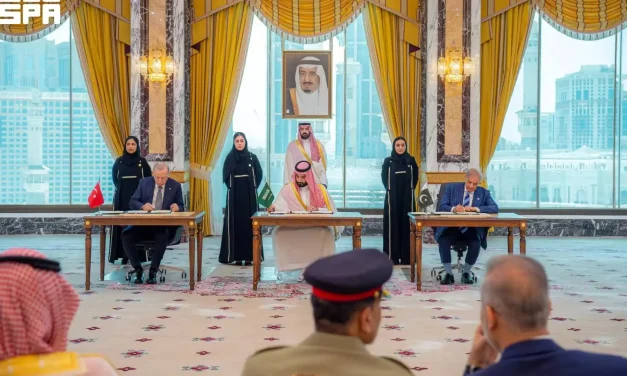
The Makkah Pact; Reasons for its Formation and Challenges Ahead

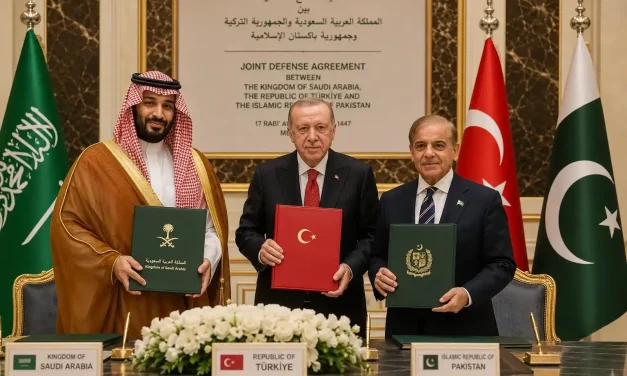
SCFR Online – Opinion: The Makkah Pact, signed between Saudi Arabia, Pakistan, and Turkey under the motto “an attack on one is an attack on all,” is viewed by some analysts less as a full-fledged military coalition and more as an attempt to reduce security dependence on an external power and to establish a regional security mechanism.

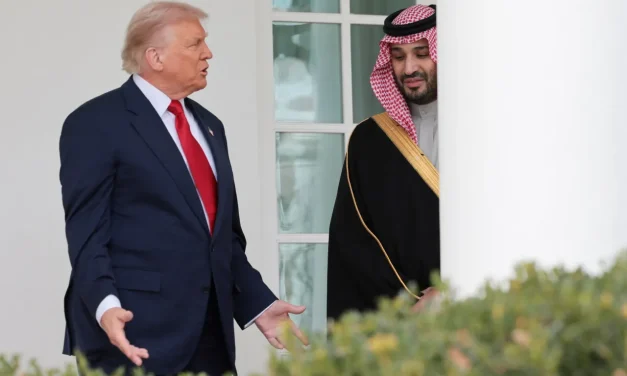
Implications of the US-Saudi Nuclear Agreement

SCFR Online – Opinion: The new US-Saudi nuclear agreement, despite legal and political ambiguities, could alter previous non-proliferation standards in West Asia and intensify nuclear competition, ushering it into a new phase.

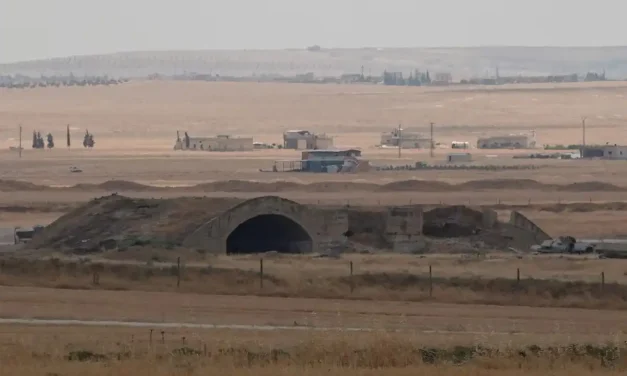
An Analysis of Recent Turkey-Israeli Regime Tensions

SCFR Online – Opinion: Recent developments in Syria indicate an intensification of strategic rivalry between Turkey and the Israeli regime, but mutual considerations and the role of the United States have limited the likelihood of direct war.

Increasing criticism of the extensive Zionist lobby network

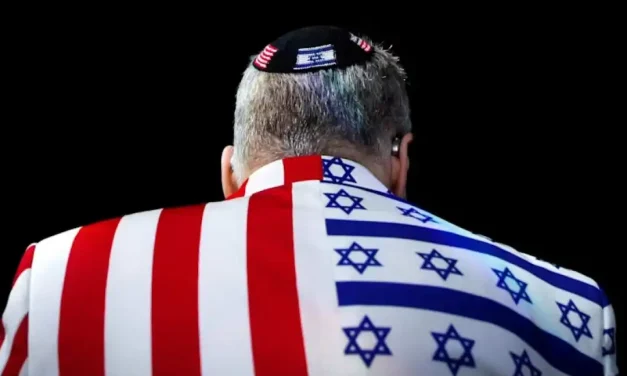
SCFR Online – Opinion: An examination of the mechanisms of the Israeli regime’s influence in the United States depicts a complex picture of shared interests, strategic dependencies, and the limitations of this relationship.

Realities of the Tripartite Makkah Pact

SCFR Online – Interview: The signing of the Makkah agreement between Saudi Arabia, Pakistan, and Turkey has raised questions about the future of the region’s security structure and the position of these countries in West Asian equations. Can this agreement become a genuine collective defense mechanism, or does it have more of a political and deterrent function than creating new military capacity?

Strategic Implications of the Reduction of US Weapons Stockpiles

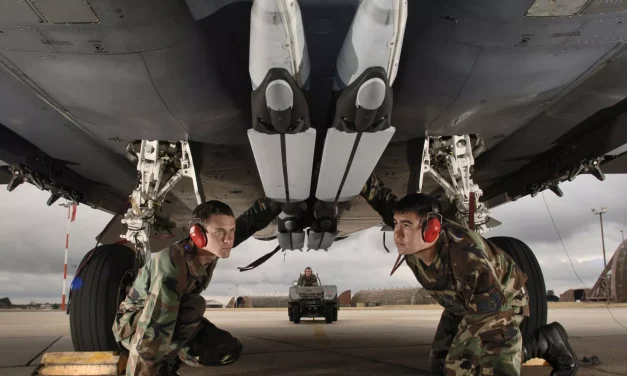
SCFR Online – Opinion: The continuation of the US war against Iran, in addition to increasing operational costs, has called into question the actual capacity of the American arsenal to simultaneously fulfill security commitments on multiple fronts; an issue that affects deterrence, defense production capacity, and Washington’s resource prioritization.

Loading

Strategic Perspective

Feasibility Study of Iran-Pakistan Cooperation in Combating Terrorism

Strategic Council Online: There is little optimism about the possibility of Iran-Pakistan cooperation in the fight against terrorism or what is known as Islamic radicals with Wahhabi orientation in Pakistan. The reason is that the Pakistanis claim to be willing to cooperate but in practice they have adopted a dual policy on this issue. Particularly, the Pakistani Military Intelligence Agency (ISI) looks at radical Islamic groups as a strategic tool.
Pir Mohammad Mollazehi, Expert on the Subcontinent Affairs

INSTEX: Manifestation of Europe’s Attitude toward Iran

INSTEX: Manifestation of Europe’s Attitude toward Iran

Strategic Council Online: A review of what Europe has done to keep the Iran Nuclear Deal (also known as the Joint Comprehensive Plan of Action – JCPOA), with INSTEX (Instrument in Support of Trade Exchanges) being the latest example, shows that Europe wants to, but cannot afford or is not ready to pay the relevant costs.
Dr Behzad Ahmadi Laforki – Expert on European Affairs

Failed US-North Korea Summit & Korean Peninsula Developments

Strategic Council Online: The second US-North Korean summit ended in Vietnam without a clear conclusion and agreement. The main question occupying the minds of analysts is whether this summit meeting is the end of the first step of the two countries in trying diplomacy. Or is the end of diplomacy between the United States and North Korea due to the continuation of negotiations because of differences in approaches?
Assadollah Kaveh – East Asia Affairs Expert

Prospects of US Peace Talks with the Taliban

Strategic Council Online: For the real progress of the peace talks, the Taliban must accept to enter into negotiations with the central government and Khalilzad and the Americans must accept to pull out their troops from Afghanistan.
Pir Mohammad Mollazehi – Expert on the Indian Affairs in the Subcontinent

Advancement of Adana Agreement at Sochi Conference

Strategic Council Online: At Sochi Conference, not only arrangements were made to deal seriously with the remnants of the terrorist groups in Adlib, but also thanks to the efforts of Iran and Russia points were included in the final statement which will prevent any misuse of the vacuum resulting from the withdrawal of American forces.
Jafar Ghanadbashi – Middle East expert

Trump’s Behind-the-Scene Threats against Europe

Strategic Council Online: Ever since he came to power, Donald Trump has sought to cause rift and division between European countries and his ultimate goal is based on the approach to disintegrate the European Union.
Abdolreza Faraji Rad – Geopolitics Professor

Engaging, not Isolating, Iran is Essential to Middle East Stability

“It is fundamental and crucial for our security”. With these words, EU High Representative Federica Mogherini pushed back against renewed calls by the US to end Europe’s support for the Iran Nuclear Deal, or Joint Comprehensive Plan of Action (JCPOA) as it is formally called.
Andrea Dessì – Senior Fellow of IAI’s Mediterranean and Middle East programme

What are the alternative Ideas for the EU Dealing with Illegal Extraterritorial Sanctions ?

Strategic Council Online: If the German-French-UK agreement about INSTEX has shown the willingness of EU member states to act against illegal extraterritorial sanctions of third states, the conflict over the US extraterritorial sanctions against Iran has also shown the need for a strategy of the European Union vis-à-vis that challenge. The member states and the European Commission share the widely accepted opinion that these sanctions contravene treaty law and international law and are illegal and should therefore not be observed. Moreover, the EU can plead the protection of its external security, which is more threatened by the US Iran sanctions than is the security of the US itself. EU member states have the same right as that invoked by U.S. State Secretary Mike Pompeo before the International Court of Justice on behalf of his country, namely “the sovereign right …. to take a lawful action necessary to protect (their) security”.
Professor Christian Deubner – Member of the FEPS Scientific Council

أحدث الوظائف

The Makkah Pact; Reasons for its Formation and Challenges Ahead

SCFR Online – Opinion: The Makkah Pact, signed between Saudi Arabia, Pakistan, and Turkey under the motto “an attack on one is an attack on all,” is viewed by some analysts less as a full-fledged military coalition and more as an attempt to reduce security dependence on an external power and to establish a regional security mechanism.

Implications of the US-Saudi Nuclear Agreement

SCFR Online – Opinion: The new US-Saudi nuclear agreement, despite legal and political ambiguities, could alter previous non-proliferation standards in West Asia and intensify nuclear competition, ushering it into a new phase.

An Analysis of Recent Turkey-Israeli Regime Tensions

SCFR Online – Opinion: Recent developments in Syria indicate an intensification of strategic rivalry between Turkey and the Israeli regime, but mutual considerations and the role of the United States have limited the likelihood of direct war.

Increasing criticism of the extensive Zionist lobby network

SCFR Online – Opinion: An examination of the mechanisms of the Israeli regime’s influence in the United States depicts a complex picture of shared interests, strategic dependencies, and the limitations of this relationship.

Realities of the Tripartite Makkah Pact

SCFR Online – Interview: The signing of the Makkah agreement between Saudi Arabia, Pakistan, and Turkey has raised questions about the future of the region’s security structure and the position of these countries in West Asian equations. Can this agreement become a genuine collective defense mechanism, or does it have more of a political and deterrent function than creating new military capacity?

Strategic Implications of the Reduction of US Weapons Stockpiles

SCFR Online – Opinion: The continuation of the US war against Iran, in addition to increasing operational costs, has called into question the actual capacity of the American arsenal to simultaneously fulfill security commitments on multiple fronts; an issue that affects deterrence, defense production capacity, and Washington’s resource prioritization.

Loading

Strategic Perspective

Feasibility Study of Iran-Pakistan Cooperation in Combating Terrorism

Strategic Council Online: There is little optimism about the possibility of Iran-Pakistan cooperation in the fight against terrorism or what is known as Islamic radicals with Wahhabi orientation in Pakistan. The reason is that the Pakistanis claim to be willing to cooperate but in practice they have adopted a dual policy on this issue. Particularly, the Pakistani Military Intelligence Agency (ISI) looks at radical Islamic groups as a strategic tool.
Pir Mohammad Mollazehi, Expert on the Subcontinent Affairs

INSTEX: Manifestation of Europe’s Attitude toward Iran

INSTEX: Manifestation of Europe’s Attitude toward Iran

Strategic Council Online: A review of what Europe has done to keep the Iran Nuclear Deal (also known as the Joint Comprehensive Plan of Action – JCPOA), with INSTEX (Instrument in Support of Trade Exchanges) being the latest example, shows that Europe wants to, but cannot afford or is not ready to pay the relevant costs.
Dr Behzad Ahmadi Laforki – Expert on European Affairs

Failed US-North Korea Summit & Korean Peninsula Developments

Strategic Council Online: The second US-North Korean summit ended in Vietnam without a clear conclusion and agreement. The main question occupying the minds of analysts is whether this summit meeting is the end of the first step of the two countries in trying diplomacy. Or is the end of diplomacy between the United States and North Korea due to the continuation of negotiations because of differences in approaches?
Assadollah Kaveh – East Asia Affairs Expert

Prospects of US Peace Talks with the Taliban

Strategic Council Online: For the real progress of the peace talks, the Taliban must accept to enter into negotiations with the central government and Khalilzad and the Americans must accept to pull out their troops from Afghanistan.
Pir Mohammad Mollazehi – Expert on the Indian Affairs in the Subcontinent

Advancement of Adana Agreement at Sochi Conference

Strategic Council Online: At Sochi Conference, not only arrangements were made to deal seriously with the remnants of the terrorist groups in Adlib, but also thanks to the efforts of Iran and Russia points were included in the final statement which will prevent any misuse of the vacuum resulting from the withdrawal of American forces.
Jafar Ghanadbashi – Middle East expert

Trump’s Behind-the-Scene Threats against Europe

Strategic Council Online: Ever since he came to power, Donald Trump has sought to cause rift and division between European countries and his ultimate goal is based on the approach to disintegrate the European Union.
Abdolreza Faraji Rad – Geopolitics Professor

Engaging, not Isolating, Iran is Essential to Middle East Stability

“It is fundamental and crucial for our security”. With these words, EU High Representative Federica Mogherini pushed back against renewed calls by the US to end Europe’s support for the Iran Nuclear Deal, or Joint Comprehensive Plan of Action (JCPOA) as it is formally called.
Andrea Dessì – Senior Fellow of IAI’s Mediterranean and Middle East programme

What are the alternative Ideas for the EU Dealing with Illegal Extraterritorial Sanctions ?

Strategic Council Online: If the German-French-UK agreement about INSTEX has shown the willingness of EU member states to act against illegal extraterritorial sanctions of third states, the conflict over the US extraterritorial sanctions against Iran has also shown the need for a strategy of the European Union vis-à-vis that challenge. The member states and the European Commission share the widely accepted opinion that these sanctions contravene treaty law and international law and are illegal and should therefore not be observed. Moreover, the EU can plead the protection of its external security, which is more threatened by the US Iran sanctions than is the security of the US itself. EU member states have the same right as that invoked by U.S. State Secretary Mike Pompeo before the International Court of Justice on behalf of his country, namely “the sovereign right …. to take a lawful action necessary to protect (their) security”.
Professor Christian Deubner – Member of the FEPS Scientific Council

Strategic Perspective

Feasibility Study of Iran-Pakistan Cooperation in Combating Terrorism

Strategic Council Online: There is little optimism about the possibility of Iran-Pakistan cooperation in the fight against terrorism or what is known as Islamic radicals with Wahhabi orientation in Pakistan. The reason is that the Pakistanis claim to be willing to cooperate but in practice they have adopted a dual policy on this issue. Particularly, the Pakistani Military Intelligence Agency (ISI) looks at radical Islamic groups as a strategic tool.
Pir Mohammad Mollazehi, Expert on the Subcontinent Affairs

INSTEX: Manifestation of Europe’s Attitude toward Iran

INSTEX: Manifestation of Europe’s Attitude toward Iran

Strategic Council Online: A review of what Europe has done to keep the Iran Nuclear Deal (also known as the Joint Comprehensive Plan of Action – JCPOA), with INSTEX (Instrument in Support of Trade Exchanges) being the latest example, shows that Europe wants to, but cannot afford or is not ready to pay the relevant costs.
Dr Behzad Ahmadi Laforki – Expert on European Affairs

Failed US-North Korea Summit & Korean Peninsula Developments

Strategic Council Online: The second US-North Korean summit ended in Vietnam without a clear conclusion and agreement. The main question occupying the minds of analysts is whether this summit meeting is the end of the first step of the two countries in trying diplomacy. Or is the end of diplomacy between the United States and North Korea due to the continuation of negotiations because of differences in approaches?
Assadollah Kaveh – East Asia Affairs Expert

Prospects of US Peace Talks with the Taliban

Strategic Council Online: For the real progress of the peace talks, the Taliban must accept to enter into negotiations with the central government and Khalilzad and the Americans must accept to pull out their troops from Afghanistan.
Pir Mohammad Mollazehi – Expert on the Indian Affairs in the Subcontinent

Advancement of Adana Agreement at Sochi Conference

Strategic Council Online: At Sochi Conference, not only arrangements were made to deal seriously with the remnants of the terrorist groups in Adlib, but also thanks to the efforts of Iran and Russia points were included in the final statement which will prevent any misuse of the vacuum resulting from the withdrawal of American forces.
Jafar Ghanadbashi – Middle East expert

Trump’s Behind-the-Scene Threats against Europe

Strategic Council Online: Ever since he came to power, Donald Trump has sought to cause rift and division between European countries and his ultimate goal is based on the approach to disintegrate the European Union.
Abdolreza Faraji Rad – Geopolitics Professor

Engaging, not Isolating, Iran is Essential to Middle East Stability

“It is fundamental and crucial for our security”. With these words, EU High Representative Federica Mogherini pushed back against renewed calls by the US to end Europe’s support for the Iran Nuclear Deal, or Joint Comprehensive Plan of Action (JCPOA) as it is formally called.
Andrea Dessì – Senior Fellow of IAI’s Mediterranean and Middle East programme

What are the alternative Ideas for the EU Dealing with Illegal Extraterritorial Sanctions ?

Strategic Council Online: If the German-French-UK agreement about INSTEX has shown the willingness of EU member states to act against illegal extraterritorial sanctions of third states, the conflict over the US extraterritorial sanctions against Iran has also shown the need for a strategy of the European Union vis-à-vis that challenge. The member states and the European Commission share the widely accepted opinion that these sanctions contravene treaty law and international law and are illegal and should therefore not be observed. Moreover, the EU can plead the protection of its external security, which is more threatened by the US Iran sanctions than is the security of the US itself. EU member states have the same right as that invoked by U.S. State Secretary Mike Pompeo before the International Court of Justice on behalf of his country, namely “the sovereign right …. to take a lawful action necessary to protect (their) security”.
Professor Christian Deubner – Member of the FEPS Scientific Council

LATEST CONTENT

The Makkah Pact; Reasons for its Formation and Challenges Ahead

SCFR Online – Opinion: The Makkah Pact, signed between Saudi Arabia, Pakistan, and Turkey under the motto “an attack on one is an attack on all,” is viewed by some analysts less as a full-fledged military coalition and more as an attempt to reduce security dependence on an external power and to establish a regional security mechanism.

Implications of the US-Saudi Nuclear Agreement

SCFR Online – Opinion: The new US-Saudi nuclear agreement, despite legal and political ambiguities, could alter previous non-proliferation standards in West Asia and intensify nuclear competition, ushering it into a new phase.

An Analysis of Recent Turkey-Israeli Regime Tensions

SCFR Online – Opinion: Recent developments in Syria indicate an intensification of strategic rivalry between Turkey and the Israeli regime, but mutual considerations and the role of the United States have limited the likelihood of direct war.

Increasing criticism of the extensive Zionist lobby network

SCFR Online – Opinion: An examination of the mechanisms of the Israeli regime’s influence in the United States depicts a complex picture of shared interests, strategic dependencies, and the limitations of this relationship.

Realities of the Tripartite Makkah Pact

SCFR Online – Interview: The signing of the Makkah agreement between Saudi Arabia, Pakistan, and Turkey has raised questions about the future of the region’s security structure and the position of these countries in West Asian equations. Can this agreement become a genuine collective defense mechanism, or does it have more of a political and deterrent function than creating new military capacity?

Strategic Implications of the Reduction of US Weapons Stockpiles

SCFR Online – Opinion: The continuation of the US war against Iran, in addition to increasing operational costs, has called into question the actual capacity of the American arsenal to simultaneously fulfill security commitments on multiple fronts; an issue that affects deterrence, defense production capacity, and Washington’s resource prioritization.

Loading

Strategic Perspective

Feasibility Study of Iran-Pakistan Cooperation in Combating Terrorism

Strategic Council Online: There is little optimism about the possibility of Iran-Pakistan cooperation in the fight against terrorism or what is known as Islamic radicals with Wahhabi orientation in Pakistan. The reason is that the Pakistanis claim to be willing to cooperate but in practice they have adopted a dual policy on this issue. Particularly, the Pakistani Military Intelligence Agency (ISI) looks at radical Islamic groups as a strategic tool.
Pir Mohammad Mollazehi, Expert on the Subcontinent Affairs

INSTEX: Manifestation of Europe’s Attitude toward Iran

INSTEX: Manifestation of Europe’s Attitude toward Iran

Strategic Council Online: A review of what Europe has done to keep the Iran Nuclear Deal (also known as the Joint Comprehensive Plan of Action – JCPOA), with INSTEX (Instrument in Support of Trade Exchanges) being the latest example, shows that Europe wants to, but cannot afford or is not ready to pay the relevant costs.
Dr Behzad Ahmadi Laforki – Expert on European Affairs

Failed US-North Korea Summit & Korean Peninsula Developments

Strategic Council Online: The second US-North Korean summit ended in Vietnam without a clear conclusion and agreement. The main question occupying the minds of analysts is whether this summit meeting is the end of the first step of the two countries in trying diplomacy. Or is the end of diplomacy between the United States and North Korea due to the continuation of negotiations because of differences in approaches?
Assadollah Kaveh – East Asia Affairs Expert

Prospects of US Peace Talks with the Taliban

Strategic Council Online: For the real progress of the peace talks, the Taliban must accept to enter into negotiations with the central government and Khalilzad and the Americans must accept to pull out their troops from Afghanistan.
Pir Mohammad Mollazehi – Expert on the Indian Affairs in the Subcontinent

Advancement of Adana Agreement at Sochi Conference

Strategic Council Online: At Sochi Conference, not only arrangements were made to deal seriously with the remnants of the terrorist groups in Adlib, but also thanks to the efforts of Iran and Russia points were included in the final statement which will prevent any misuse of the vacuum resulting from the withdrawal of American forces.
Jafar Ghanadbashi – Middle East expert

Trump’s Behind-the-Scene Threats against Europe

Strategic Council Online: Ever since he came to power, Donald Trump has sought to cause rift and division between European countries and his ultimate goal is based on the approach to disintegrate the European Union.
Abdolreza Faraji Rad – Geopolitics Professor

Engaging, not Isolating, Iran is Essential to Middle East Stability

“It is fundamental and crucial for our security”. With these words, EU High Representative Federica Mogherini pushed back against renewed calls by the US to end Europe’s support for the Iran Nuclear Deal, or Joint Comprehensive Plan of Action (JCPOA) as it is formally called.
Andrea Dessì – Senior Fellow of IAI’s Mediterranean and Middle East programme

What are the alternative Ideas for the EU Dealing with Illegal Extraterritorial Sanctions ?

Strategic Council Online: If the German-French-UK agreement about INSTEX has shown the willingness of EU member states to act against illegal extraterritorial sanctions of third states, the conflict over the US extraterritorial sanctions against Iran has also shown the need for a strategy of the European Union vis-à-vis that challenge. The member states and the European Commission share the widely accepted opinion that these sanctions contravene treaty law and international law and are illegal and should therefore not be observed. Moreover, the EU can plead the protection of its external security, which is more threatened by the US Iran sanctions than is the security of the US itself. EU member states have the same right as that invoked by U.S. State Secretary Mike Pompeo before the International Court of Justice on behalf of his country, namely “the sovereign right …. to take a lawful action necessary to protect (their) security”.
Professor Christian Deubner – Member of the FEPS Scientific Council

ÚLTIMAS PUBLICACIONES

The Makkah Pact; Reasons for its Formation and Challenges Ahead

SCFR Online – Opinion: The Makkah Pact, signed between Saudi Arabia, Pakistan, and Turkey under the motto “an attack on one is an attack on all,” is viewed by some analysts less as a full-fledged military coalition and more as an attempt to reduce security dependence on an external power and to establish a regional security mechanism.

Implications of the US-Saudi Nuclear Agreement

SCFR Online – Opinion: The new US-Saudi nuclear agreement, despite legal and political ambiguities, could alter previous non-proliferation standards in West Asia and intensify nuclear competition, ushering it into a new phase.

An Analysis of Recent Turkey-Israeli Regime Tensions

SCFR Online – Opinion: Recent developments in Syria indicate an intensification of strategic rivalry between Turkey and the Israeli regime, but mutual considerations and the role of the United States have limited the likelihood of direct war.

Increasing criticism of the extensive Zionist lobby network

SCFR Online – Opinion: An examination of the mechanisms of the Israeli regime’s influence in the United States depicts a complex picture of shared interests, strategic dependencies, and the limitations of this relationship.

Realities of the Tripartite Makkah Pact

SCFR Online – Interview: The signing of the Makkah agreement between Saudi Arabia, Pakistan, and Turkey has raised questions about the future of the region’s security structure and the position of these countries in West Asian equations. Can this agreement become a genuine collective defense mechanism, or does it have more of a political and deterrent function than creating new military capacity?

Strategic Implications of the Reduction of US Weapons Stockpiles

SCFR Online – Opinion: The continuation of the US war against Iran, in addition to increasing operational costs, has called into question the actual capacity of the American arsenal to simultaneously fulfill security commitments on multiple fronts; an issue that affects deterrence, defense production capacity, and Washington’s resource prioritization.

Loading

Strategic Perspective

Feasibility Study of Iran-Pakistan Cooperation in Combating Terrorism

Strategic Council Online: There is little optimism about the possibility of Iran-Pakistan cooperation in the fight against terrorism or what is known as Islamic radicals with Wahhabi orientation in Pakistan. The reason is that the Pakistanis claim to be willing to cooperate but in practice they have adopted a dual policy on this issue. Particularly, the Pakistani Military Intelligence Agency (ISI) looks at radical Islamic groups as a strategic tool.
Pir Mohammad Mollazehi, Expert on the Subcontinent Affairs

INSTEX: Manifestation of Europe’s Attitude toward Iran

INSTEX: Manifestation of Europe’s Attitude toward Iran

Strategic Council Online: A review of what Europe has done to keep the Iran Nuclear Deal (also known as the Joint Comprehensive Plan of Action – JCPOA), with INSTEX (Instrument in Support of Trade Exchanges) being the latest example, shows that Europe wants to, but cannot afford or is not ready to pay the relevant costs.
Dr Behzad Ahmadi Laforki – Expert on European Affairs

Failed US-North Korea Summit & Korean Peninsula Developments

Strategic Council Online: The second US-North Korean summit ended in Vietnam without a clear conclusion and agreement. The main question occupying the minds of analysts is whether this summit meeting is the end of the first step of the two countries in trying diplomacy. Or is the end of diplomacy between the United States and North Korea due to the continuation of negotiations because of differences in approaches?
Assadollah Kaveh – East Asia Affairs Expert

Prospects of US Peace Talks with the Taliban

Strategic Council Online: For the real progress of the peace talks, the Taliban must accept to enter into negotiations with the central government and Khalilzad and the Americans must accept to pull out their troops from Afghanistan.
Pir Mohammad Mollazehi – Expert on the Indian Affairs in the Subcontinent

Advancement of Adana Agreement at Sochi Conference

Strategic Council Online: At Sochi Conference, not only arrangements were made to deal seriously with the remnants of the terrorist groups in Adlib, but also thanks to the efforts of Iran and Russia points were included in the final statement which will prevent any misuse of the vacuum resulting from the withdrawal of American forces.
Jafar Ghanadbashi – Middle East expert

Trump’s Behind-the-Scene Threats against Europe

Strategic Council Online: Ever since he came to power, Donald Trump has sought to cause rift and division between European countries and his ultimate goal is based on the approach to disintegrate the European Union.
Abdolreza Faraji Rad – Geopolitics Professor

Engaging, not Isolating, Iran is Essential to Middle East Stability

“It is fundamental and crucial for our security”. With these words, EU High Representative Federica Mogherini pushed back against renewed calls by the US to end Europe’s support for the Iran Nuclear Deal, or Joint Comprehensive Plan of Action (JCPOA) as it is formally called.
Andrea Dessì – Senior Fellow of IAI’s Mediterranean and Middle East programme

What are the alternative Ideas for the EU Dealing with Illegal Extraterritorial Sanctions ?

Strategic Council Online: If the German-French-UK agreement about INSTEX has shown the willingness of EU member states to act against illegal extraterritorial sanctions of third states, the conflict over the US extraterritorial sanctions against Iran has also shown the need for a strategy of the European Union vis-à-vis that challenge. The member states and the European Commission share the widely accepted opinion that these sanctions contravene treaty law and international law and are illegal and should therefore not be observed. Moreover, the EU can plead the protection of its external security, which is more threatened by the US Iran sanctions than is the security of the US itself. EU member states have the same right as that invoked by U.S. State Secretary Mike Pompeo before the International Court of Justice on behalf of his country, namely “the sovereign right …. to take a lawful action necessary to protect (their) security”.
Professor Christian Deubner – Member of the FEPS Scientific Council

ÚLTIMAS PUBLICACIONES

The Makkah Pact; Reasons for its Formation and Challenges Ahead

SCFR Online – Opinion: The Makkah Pact, signed between Saudi Arabia, Pakistan, and Turkey under the motto “an attack on one is an attack on all,” is viewed by some analysts less as a full-fledged military coalition and more as an attempt to reduce security dependence on an external power and to establish a regional security mechanism.

Implications of the US-Saudi Nuclear Agreement

SCFR Online – Opinion: The new US-Saudi nuclear agreement, despite legal and political ambiguities, could alter previous non-proliferation standards in West Asia and intensify nuclear competition, ushering it into a new phase.

An Analysis of Recent Turkey-Israeli Regime Tensions

SCFR Online – Opinion: Recent developments in Syria indicate an intensification of strategic rivalry between Turkey and the Israeli regime, but mutual considerations and the role of the United States have limited the likelihood of direct war.

Increasing criticism of the extensive Zionist lobby network

SCFR Online – Opinion: An examination of the mechanisms of the Israeli regime’s influence in the United States depicts a complex picture of shared interests, strategic dependencies, and the limitations of this relationship.

Realities of the Tripartite Makkah Pact

SCFR Online – Interview: The signing of the Makkah agreement between Saudi Arabia, Pakistan, and Turkey has raised questions about the future of the region’s security structure and the position of these countries in West Asian equations. Can this agreement become a genuine collective defense mechanism, or does it have more of a political and deterrent function than creating new military capacity?

Strategic Implications of the Reduction of US Weapons Stockpiles

SCFR Online – Opinion: The continuation of the US war against Iran, in addition to increasing operational costs, has called into question the actual capacity of the American arsenal to simultaneously fulfill security commitments on multiple fronts; an issue that affects deterrence, defense production capacity, and Washington’s resource prioritization.

Loading

Strategic Perspective

Feasibility Study of Iran-Pakistan Cooperation in Combating Terrorism

Strategic Council Online: There is little optimism about the possibility of Iran-Pakistan cooperation in the fight against terrorism or what is known as Islamic radicals with Wahhabi orientation in Pakistan. The reason is that the Pakistanis claim to be willing to cooperate but in practice they have adopted a dual policy on this issue. Particularly, the Pakistani Military Intelligence Agency (ISI) looks at radical Islamic groups as a strategic tool.
Pir Mohammad Mollazehi, Expert on the Subcontinent Affairs

INSTEX: Manifestation of Europe’s Attitude toward Iran

INSTEX: Manifestation of Europe’s Attitude toward Iran

Strategic Council Online: A review of what Europe has done to keep the Iran Nuclear Deal (also known as the Joint Comprehensive Plan of Action – JCPOA), with INSTEX (Instrument in Support of Trade Exchanges) being the latest example, shows that Europe wants to, but cannot afford or is not ready to pay the relevant costs.
Dr Behzad Ahmadi Laforki – Expert on European Affairs

Failed US-North Korea Summit & Korean Peninsula Developments

Strategic Council Online: The second US-North Korean summit ended in Vietnam without a clear conclusion and agreement. The main question occupying the minds of analysts is whether this summit meeting is the end of the first step of the two countries in trying diplomacy. Or is the end of diplomacy between the United States and North Korea due to the continuation of negotiations because of differences in approaches?
Assadollah Kaveh – East Asia Affairs Expert

Prospects of US Peace Talks with the Taliban

Strategic Council Online: For the real progress of the peace talks, the Taliban must accept to enter into negotiations with the central government and Khalilzad and the Americans must accept to pull out their troops from Afghanistan.
Pir Mohammad Mollazehi – Expert on the Indian Affairs in the Subcontinent

Advancement of Adana Agreement at Sochi Conference

Strategic Council Online: At Sochi Conference, not only arrangements were made to deal seriously with the remnants of the terrorist groups in Adlib, but also thanks to the efforts of Iran and Russia points were included in the final statement which will prevent any misuse of the vacuum resulting from the withdrawal of American forces.
Jafar Ghanadbashi – Middle East expert

Trump’s Behind-the-Scene Threats against Europe

Strategic Council Online: Ever since he came to power, Donald Trump has sought to cause rift and division between European countries and his ultimate goal is based on the approach to disintegrate the European Union.
Abdolreza Faraji Rad – Geopolitics Professor

Engaging, not Isolating, Iran is Essential to Middle East Stability

“It is fundamental and crucial for our security”. With these words, EU High Representative Federica Mogherini pushed back against renewed calls by the US to end Europe’s support for the Iran Nuclear Deal, or Joint Comprehensive Plan of Action (JCPOA) as it is formally called.
Andrea Dessì – Senior Fellow of IAI’s Mediterranean and Middle East programme

What are the alternative Ideas for the EU Dealing with Illegal Extraterritorial Sanctions ?

Strategic Council Online: If the German-French-UK agreement about INSTEX has shown the willingness of EU member states to act against illegal extraterritorial sanctions of third states, the conflict over the US extraterritorial sanctions against Iran has also shown the need for a strategy of the European Union vis-à-vis that challenge. The member states and the European Commission share the widely accepted opinion that these sanctions contravene treaty law and international law and are illegal and should therefore not be observed. Moreover, the EU can plead the protection of its external security, which is more threatened by the US Iran sanctions than is the security of the US itself. EU member states have the same right as that invoked by U.S. State Secretary Mike Pompeo before the International Court of Justice on behalf of his country, namely “the sovereign right …. to take a lawful action necessary to protect (their) security”.
Professor Christian Deubner – Member of the FEPS Scientific Council

ÚLTIMAS PUBLICACIONES

The Makkah Pact; Reasons for its Formation and Challenges Ahead

SCFR Online – Opinion: The Makkah Pact, signed between Saudi Arabia, Pakistan, and Turkey under the motto “an attack on one is an attack on all,” is viewed by some analysts less as a full-fledged military coalition and more as an attempt to reduce security dependence on an external power and to establish a regional security mechanism.

Implications of the US-Saudi Nuclear Agreement

SCFR Online – Opinion: The new US-Saudi nuclear agreement, despite legal and political ambiguities, could alter previous non-proliferation standards in West Asia and intensify nuclear competition, ushering it into a new phase.

An Analysis of Recent Turkey-Israeli Regime Tensions

SCFR Online – Opinion: Recent developments in Syria indicate an intensification of strategic rivalry between Turkey and the Israeli regime, but mutual considerations and the role of the United States have limited the likelihood of direct war.

Increasing criticism of the extensive Zionist lobby network

SCFR Online – Opinion: An examination of the mechanisms of the Israeli regime’s influence in the United States depicts a complex picture of shared interests, strategic dependencies, and the limitations of this relationship.

Realities of the Tripartite Makkah Pact

SCFR Online – Interview: The signing of the Makkah agreement between Saudi Arabia, Pakistan, and Turkey has raised questions about the future of the region’s security structure and the position of these countries in West Asian equations. Can this agreement become a genuine collective defense mechanism, or does it have more of a political and deterrent function than creating new military capacity?

Strategic Implications of the Reduction of US Weapons Stockpiles

SCFR Online – Opinion: The continuation of the US war against Iran, in addition to increasing operational costs, has called into question the actual capacity of the American arsenal to simultaneously fulfill security commitments on multiple fronts; an issue that affects deterrence, defense production capacity, and Washington’s resource prioritization.

Loading

Strategic Perspective

Feasibility Study of Iran-Pakistan Cooperation in Combating Terrorism

Strategic Council Online: There is little optimism about the possibility of Iran-Pakistan cooperation in the fight against terrorism or what is known as Islamic radicals with Wahhabi orientation in Pakistan. The reason is that the Pakistanis claim to be willing to cooperate but in practice they have adopted a dual policy on this issue. Particularly, the Pakistani Military Intelligence Agency (ISI) looks at radical Islamic groups as a strategic tool.
Pir Mohammad Mollazehi, Expert on the Subcontinent Affairs

INSTEX: Manifestation of Europe’s Attitude toward Iran

INSTEX: Manifestation of Europe’s Attitude toward Iran

Strategic Council Online: A review of what Europe has done to keep the Iran Nuclear Deal (also known as the Joint Comprehensive Plan of Action – JCPOA), with INSTEX (Instrument in Support of Trade Exchanges) being the latest example, shows that Europe wants to, but cannot afford or is not ready to pay the relevant costs.
Dr Behzad Ahmadi Laforki – Expert on European Affairs

Failed US-North Korea Summit & Korean Peninsula Developments

Strategic Council Online: The second US-North Korean summit ended in Vietnam without a clear conclusion and agreement. The main question occupying the minds of analysts is whether this summit meeting is the end of the first step of the two countries in trying diplomacy. Or is the end of diplomacy between the United States and North Korea due to the continuation of negotiations because of differences in approaches?
Assadollah Kaveh – East Asia Affairs Expert

Prospects of US Peace Talks with the Taliban

Strategic Council Online: For the real progress of the peace talks, the Taliban must accept to enter into negotiations with the central government and Khalilzad and the Americans must accept to pull out their troops from Afghanistan.
Pir Mohammad Mollazehi – Expert on the Indian Affairs in the Subcontinent

Advancement of Adana Agreement at Sochi Conference

Strategic Council Online: At Sochi Conference, not only arrangements were made to deal seriously with the remnants of the terrorist groups in Adlib, but also thanks to the efforts of Iran and Russia points were included in the final statement which will prevent any misuse of the vacuum resulting from the withdrawal of American forces.
Jafar Ghanadbashi – Middle East expert

Trump’s Behind-the-Scene Threats against Europe

Strategic Council Online: Ever since he came to power, Donald Trump has sought to cause rift and division between European countries and his ultimate goal is based on the approach to disintegrate the European Union.
Abdolreza Faraji Rad – Geopolitics Professor

Engaging, not Isolating, Iran is Essential to Middle East Stability

“It is fundamental and crucial for our security”. With these words, EU High Representative Federica Mogherini pushed back against renewed calls by the US to end Europe’s support for the Iran Nuclear Deal, or Joint Comprehensive Plan of Action (JCPOA) as it is formally called.
Andrea Dessì – Senior Fellow of IAI’s Mediterranean and Middle East programme

What are the alternative Ideas for the EU Dealing with Illegal Extraterritorial Sanctions ?

Strategic Council Online: If the German-French-UK agreement about INSTEX has shown the willingness of EU member states to act against illegal extraterritorial sanctions of third states, the conflict over the US extraterritorial sanctions against Iran has also shown the need for a strategy of the European Union vis-à-vis that challenge. The member states and the European Commission share the widely accepted opinion that these sanctions contravene treaty law and international law and are illegal and should therefore not be observed. Moreover, the EU can plead the protection of its external security, which is more threatened by the US Iran sanctions than is the security of the US itself. EU member states have the same right as that invoked by U.S. State Secretary Mike Pompeo before the International Court of Justice on behalf of his country, namely “the sovereign right …. to take a lawful action necessary to protect (their) security”.
Professor Christian Deubner – Member of the FEPS Scientific Council

ÚLTIMAS PUBLICACIONES

The Makkah Pact; Reasons for its Formation and Challenges Ahead

SCFR Online – Opinion: The Makkah Pact, signed between Saudi Arabia, Pakistan, and Turkey under the motto “an attack on one is an attack on all,” is viewed by some analysts less as a full-fledged military coalition and more as an attempt to reduce security dependence on an external power and to establish a regional security mechanism.

Implications of the US-Saudi Nuclear Agreement

SCFR Online – Opinion: The new US-Saudi nuclear agreement, despite legal and political ambiguities, could alter previous non-proliferation standards in West Asia and intensify nuclear competition, ushering it into a new phase.

An Analysis of Recent Turkey-Israeli Regime Tensions

SCFR Online – Opinion: Recent developments in Syria indicate an intensification of strategic rivalry between Turkey and the Israeli regime, but mutual considerations and the role of the United States have limited the likelihood of direct war.

Increasing criticism of the extensive Zionist lobby network

SCFR Online – Opinion: An examination of the mechanisms of the Israeli regime’s influence in the United States depicts a complex picture of shared interests, strategic dependencies, and the limitations of this relationship.

Realities of the Tripartite Makkah Pact

SCFR Online – Interview: The signing of the Makkah agreement between Saudi Arabia, Pakistan, and Turkey has raised questions about the future of the region’s security structure and the position of these countries in West Asian equations. Can this agreement become a genuine collective defense mechanism, or does it have more of a political and deterrent function than creating new military capacity?

Strategic Implications of the Reduction of US Weapons Stockpiles

SCFR Online – Opinion: The continuation of the US war against Iran, in addition to increasing operational costs, has called into question the actual capacity of the American arsenal to simultaneously fulfill security commitments on multiple fronts; an issue that affects deterrence, defense production capacity, and Washington’s resource prioritization.

Loading