جدیدترین مطالب

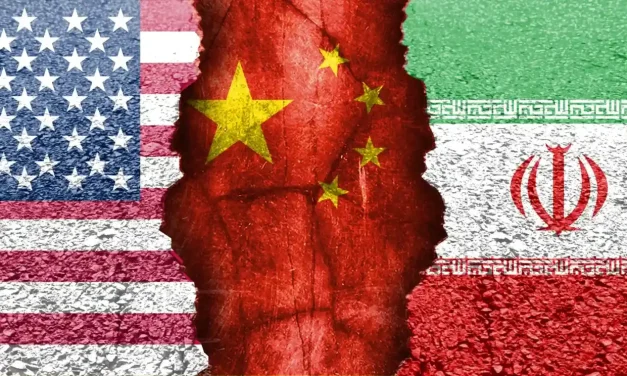
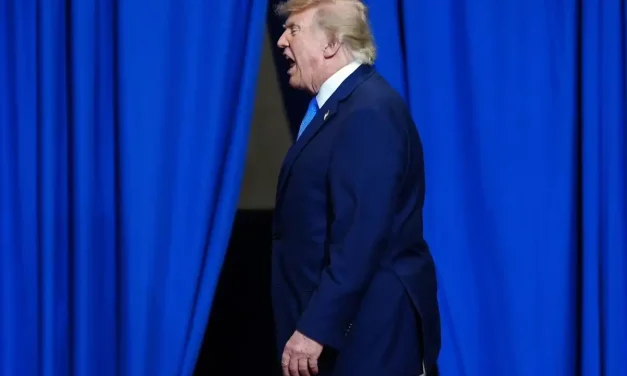
China’s Rejection of US Sanctions; Strengthening Iran’s Geopolitical Leverage

SCFR Online – Opinion: Concurrent with the official commencement of the United States’ economic war against our country, focusing on sanctions instruments, isolation, and economic pressure, what has now become increasingly important is the lack of alignment of other major global powers, especially China, with this policy.

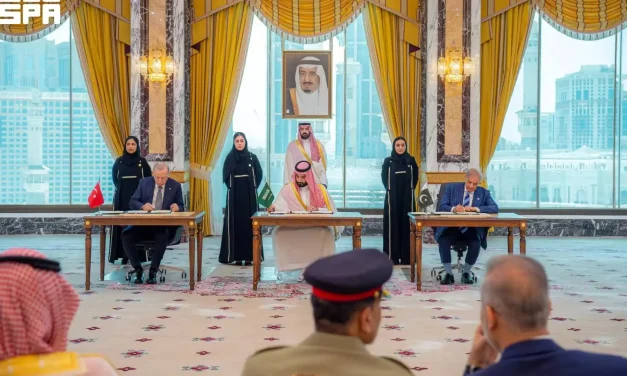
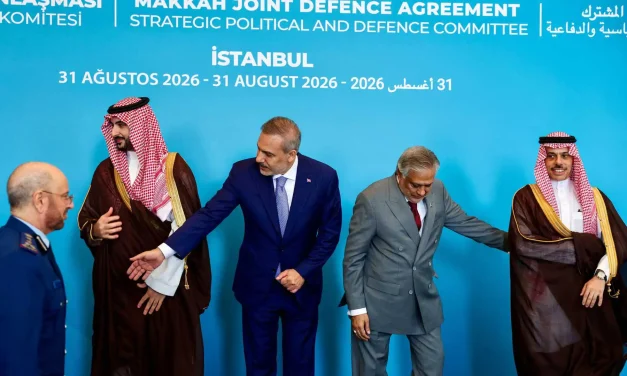
The Makkah Pact; Reasons for its Formation and Challenges Ahead

SCFR Online – Opinion: The Makkah Pact, signed between Saudi Arabia, Pakistan, and Turkey under the motto “an attack on one is an attack on all,” is viewed by some analysts less as a full-fledged military coalition and more as an attempt to reduce security dependence on an external power and to establish a regional security mechanism.

Loading

Strategic Perspective

Fields of Cooperation between Iran and Saudi

Fields of Cooperation between Iran and Saudi

Strategic Council Online – Guest Opinion: The normalization of relations between Tehran and Riyadh, despite several decades of tension in Iran-Saudi Arabia relations, has created new speculations about the prospects of ties between the two countries. Despite many controversial cases between Iran and Saudi Arabia, there are many fears and hopes about the results of the resumption of relations between Tehran and Riyadh and its effects and regional consequences. Still, with the current conditions, it seems that the drivers are effective in improving the atmosphere of cooperation between Iran and Saudi Arabia, and solving regional issues is stronger than the challenges and doubts in this regard.
Abbas Aslani – International affairs expert

A Glance at China-US Approach, Rivalry in Africa

A Glance at China-US Approach, Rivalry in Africa

Strategic Council Online – Interview: An analyst of international affairs emphasized: Under the current situation, the US is not able to compete with China in Africa, but if it can advance its long-term plan in the form of sanctions or a war of chips, it can shock and deal a blow on China’s position in Africa and also affect the economy of that country.

Strategic Consequences of Improved Ties with the Saudis

Strategic Consequences of Improved Ties with the Saudis

Strategic Council Online – Opinion: The agreement between the Islamic Republic of Iran and the Kingdom of Saudi Arabia to resume bilateral relations is West Asia’s most important political and diplomatic event.
Barsam Mohammadi – International affairs analyst

An analysis of the countermeasures of the Zionist regime against Moscow in approving the transfer of anti-drone systems to Ukraine

An analysis of the countermeasures of the Zionist regime against Moscow in approving the transfer of anti-drone systems to Ukraine

Strategic Council Online—Opinion: Relations between Russia and the Zionist regime have always accompanied many ups and downs. In some cases, cooperation and coordination and some cases, conflict and disagreement have defined the relations of the parties. This situation became more evident after the Ukrainian War. Although Tel Aviv tried to show some neutrality towards the war in Ukraine from the beginning, the talks of its military aid to Ukraine led to a wave of differences between Tel Aviv and Moscow.
Mohammad Javad Ghahremani—Expert in international issues

A Glance at the UN Commission of Inquiry’s Vote on the War in Ukraine

A Glance at the UN Commission of Inquiry’s Vote on the War in Ukraine

Strategic Council Online – Interview: An international law professor assessed the formation of the Commission of Inquiry on “Russian war crimes” by the Human Rights Council as a political action aimed at putting pressure on Moscow and said: The crimes committed in the Ukraine war by both sides should not be ignored, but the international legal organizations should investigate the real causes behind the beginning of the war in Ukraine and the main factors that led to the outbreak of the war.

Future of the presence of US forces in Iraq

Future of the presence of US forces in Iraq

Strategic Council Online – Interview: An expert on West Asia affairs called the central message of the US defense secretary’s visit to Baghdad as the declaration of their desire to maintain the presence of their troops in Iraq and stressed: The United States still wants and insists that its forces remain in Iraq. Even though it declared policy, Iraq’s prime minister stated that Baghdad needed no presence of foreign troops, and this policy would only stay at the announcement level.

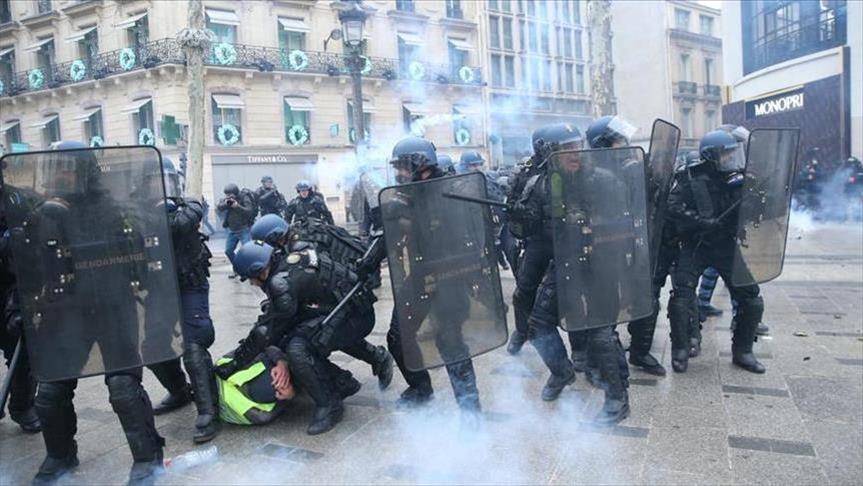
Analysis of Police Violence Against Protesters in France as So-called Pro-Freedom of Speech

Analysis of Police Violence Against Protesters in France as So-called Pro-Freedom of Speech

Strategic Council Online – Interview: An international affairs analyst says the role and image of France as a country claiming to adhere to freedom of expression and democracy has been overshadowed during police violence against protesters. He added that tarnishing France’s image is not crucial for Macron under the status quo. What is essential for him is to save himself from this situation so that he would have the support of the French people to continue his policies in the next presidential and parliamentary elections.

The continuation of the US military presence in Iraq and its consequences

The continuation of the US military presence in Iraq and its consequences

Strategic Council Online-Interview: An Iraqi affairs expert emphasized that the US wants to maintain a military presence in Iraq and the region, adding that the US presence has no consequences other than insecurity in the region and an impact on the independence of decision-making in the governments that host them.

Zionist Regime’s Failed Conspiracy to Eliminate Resistance in West Bank

Zionist Regime’s Failed Conspiracy to Eliminate Resistance in West Bank

Strategic Council Online – Opinion: Netanyahu’s fascist government has proposed a plan to “remove the Islamic Resistance groups” from the West Bank, including Nablus and Jenin. This conspiracy plan is presented at a time when the measures of the Zionist regime to deal with the Islamic Resistance in the West Bank have failed, and the Palestinian Resistance groups have started large-scale operations in the mentioned areas in response to the crimes of the usurpers.
Hamid Khoshayand – Expert on regional affairs

The approach of Riyadh and Abu Dhabi in OPEC and its consequences

The approach of Riyadh and Abu Dhabi in OPEC and its consequences

Strategic Council Online—Interview: An energy economics expert stated that the statements made regarding considering the UAE’s withdrawal from OPEC seem to be just a negotiating tactic, adding that disagreements have always existed in OPEC, and it is not a new issue. It is not the case that a country announces that it will leave OPEC to increase its production. Both UAE and Saudi Arabia have already produced much more than their quotas and have added to it, and they have not left OPEC either.

أحدث الوظائف

China’s Rejection of US Sanctions; Strengthening Iran’s Geopolitical Leverage

SCFR Online – Opinion: Concurrent with the official commencement of the United States’ economic war against our country, focusing on sanctions instruments, isolation, and economic pressure, what has now become increasingly important is the lack of alignment of other major global powers, especially China, with this policy.

The Makkah Pact; Reasons for its Formation and Challenges Ahead

SCFR Online – Opinion: The Makkah Pact, signed between Saudi Arabia, Pakistan, and Turkey under the motto “an attack on one is an attack on all,” is viewed by some analysts less as a full-fledged military coalition and more as an attempt to reduce security dependence on an external power and to establish a regional security mechanism.

Loading

Strategic Perspective

Fields of Cooperation between Iran and Saudi

Fields of Cooperation between Iran and Saudi

Strategic Council Online – Guest Opinion: The normalization of relations between Tehran and Riyadh, despite several decades of tension in Iran-Saudi Arabia relations, has created new speculations about the prospects of ties between the two countries. Despite many controversial cases between Iran and Saudi Arabia, there are many fears and hopes about the results of the resumption of relations between Tehran and Riyadh and its effects and regional consequences. Still, with the current conditions, it seems that the drivers are effective in improving the atmosphere of cooperation between Iran and Saudi Arabia, and solving regional issues is stronger than the challenges and doubts in this regard.
Abbas Aslani – International affairs expert

A Glance at China-US Approach, Rivalry in Africa

A Glance at China-US Approach, Rivalry in Africa

Strategic Council Online – Interview: An analyst of international affairs emphasized: Under the current situation, the US is not able to compete with China in Africa, but if it can advance its long-term plan in the form of sanctions or a war of chips, it can shock and deal a blow on China’s position in Africa and also affect the economy of that country.

Strategic Consequences of Improved Ties with the Saudis

Strategic Consequences of Improved Ties with the Saudis

Strategic Council Online – Opinion: The agreement between the Islamic Republic of Iran and the Kingdom of Saudi Arabia to resume bilateral relations is West Asia’s most important political and diplomatic event.
Barsam Mohammadi – International affairs analyst

An analysis of the countermeasures of the Zionist regime against Moscow in approving the transfer of anti-drone systems to Ukraine

An analysis of the countermeasures of the Zionist regime against Moscow in approving the transfer of anti-drone systems to Ukraine

Strategic Council Online—Opinion: Relations between Russia and the Zionist regime have always accompanied many ups and downs. In some cases, cooperation and coordination and some cases, conflict and disagreement have defined the relations of the parties. This situation became more evident after the Ukrainian War. Although Tel Aviv tried to show some neutrality towards the war in Ukraine from the beginning, the talks of its military aid to Ukraine led to a wave of differences between Tel Aviv and Moscow.
Mohammad Javad Ghahremani—Expert in international issues

A Glance at the UN Commission of Inquiry’s Vote on the War in Ukraine

A Glance at the UN Commission of Inquiry’s Vote on the War in Ukraine

Strategic Council Online – Interview: An international law professor assessed the formation of the Commission of Inquiry on “Russian war crimes” by the Human Rights Council as a political action aimed at putting pressure on Moscow and said: The crimes committed in the Ukraine war by both sides should not be ignored, but the international legal organizations should investigate the real causes behind the beginning of the war in Ukraine and the main factors that led to the outbreak of the war.

Future of the presence of US forces in Iraq

Future of the presence of US forces in Iraq

Strategic Council Online – Interview: An expert on West Asia affairs called the central message of the US defense secretary’s visit to Baghdad as the declaration of their desire to maintain the presence of their troops in Iraq and stressed: The United States still wants and insists that its forces remain in Iraq. Even though it declared policy, Iraq’s prime minister stated that Baghdad needed no presence of foreign troops, and this policy would only stay at the announcement level.

Analysis of Police Violence Against Protesters in France as So-called Pro-Freedom of Speech

Analysis of Police Violence Against Protesters in France as So-called Pro-Freedom of Speech

Strategic Council Online – Interview: An international affairs analyst says the role and image of France as a country claiming to adhere to freedom of expression and democracy has been overshadowed during police violence against protesters. He added that tarnishing France’s image is not crucial for Macron under the status quo. What is essential for him is to save himself from this situation so that he would have the support of the French people to continue his policies in the next presidential and parliamentary elections.

The continuation of the US military presence in Iraq and its consequences

The continuation of the US military presence in Iraq and its consequences

Strategic Council Online-Interview: An Iraqi affairs expert emphasized that the US wants to maintain a military presence in Iraq and the region, adding that the US presence has no consequences other than insecurity in the region and an impact on the independence of decision-making in the governments that host them.

Zionist Regime’s Failed Conspiracy to Eliminate Resistance in West Bank

Zionist Regime’s Failed Conspiracy to Eliminate Resistance in West Bank

Strategic Council Online – Opinion: Netanyahu’s fascist government has proposed a plan to “remove the Islamic Resistance groups” from the West Bank, including Nablus and Jenin. This conspiracy plan is presented at a time when the measures of the Zionist regime to deal with the Islamic Resistance in the West Bank have failed, and the Palestinian Resistance groups have started large-scale operations in the mentioned areas in response to the crimes of the usurpers.
Hamid Khoshayand – Expert on regional affairs

The approach of Riyadh and Abu Dhabi in OPEC and its consequences

The approach of Riyadh and Abu Dhabi in OPEC and its consequences

Strategic Council Online—Interview: An energy economics expert stated that the statements made regarding considering the UAE’s withdrawal from OPEC seem to be just a negotiating tactic, adding that disagreements have always existed in OPEC, and it is not a new issue. It is not the case that a country announces that it will leave OPEC to increase its production. Both UAE and Saudi Arabia have already produced much more than their quotas and have added to it, and they have not left OPEC either.

Strategic Perspective

Fields of Cooperation between Iran and Saudi

Fields of Cooperation between Iran and Saudi

Strategic Council Online – Guest Opinion: The normalization of relations between Tehran and Riyadh, despite several decades of tension in Iran-Saudi Arabia relations, has created new speculations about the prospects of ties between the two countries. Despite many controversial cases between Iran and Saudi Arabia, there are many fears and hopes about the results of the resumption of relations between Tehran and Riyadh and its effects and regional consequences. Still, with the current conditions, it seems that the drivers are effective in improving the atmosphere of cooperation between Iran and Saudi Arabia, and solving regional issues is stronger than the challenges and doubts in this regard.
Abbas Aslani – International affairs expert

A Glance at China-US Approach, Rivalry in Africa

A Glance at China-US Approach, Rivalry in Africa

Strategic Council Online – Interview: An analyst of international affairs emphasized: Under the current situation, the US is not able to compete with China in Africa, but if it can advance its long-term plan in the form of sanctions or a war of chips, it can shock and deal a blow on China’s position in Africa and also affect the economy of that country.

Strategic Consequences of Improved Ties with the Saudis

Strategic Consequences of Improved Ties with the Saudis

Strategic Council Online – Opinion: The agreement between the Islamic Republic of Iran and the Kingdom of Saudi Arabia to resume bilateral relations is West Asia’s most important political and diplomatic event.
Barsam Mohammadi – International affairs analyst

An analysis of the countermeasures of the Zionist regime against Moscow in approving the transfer of anti-drone systems to Ukraine

An analysis of the countermeasures of the Zionist regime against Moscow in approving the transfer of anti-drone systems to Ukraine

Strategic Council Online—Opinion: Relations between Russia and the Zionist regime have always accompanied many ups and downs. In some cases, cooperation and coordination and some cases, conflict and disagreement have defined the relations of the parties. This situation became more evident after the Ukrainian War. Although Tel Aviv tried to show some neutrality towards the war in Ukraine from the beginning, the talks of its military aid to Ukraine led to a wave of differences between Tel Aviv and Moscow.
Mohammad Javad Ghahremani—Expert in international issues

A Glance at the UN Commission of Inquiry’s Vote on the War in Ukraine

A Glance at the UN Commission of Inquiry’s Vote on the War in Ukraine

Strategic Council Online – Interview: An international law professor assessed the formation of the Commission of Inquiry on “Russian war crimes” by the Human Rights Council as a political action aimed at putting pressure on Moscow and said: The crimes committed in the Ukraine war by both sides should not be ignored, but the international legal organizations should investigate the real causes behind the beginning of the war in Ukraine and the main factors that led to the outbreak of the war.

Future of the presence of US forces in Iraq

Future of the presence of US forces in Iraq

Strategic Council Online – Interview: An expert on West Asia affairs called the central message of the US defense secretary’s visit to Baghdad as the declaration of their desire to maintain the presence of their troops in Iraq and stressed: The United States still wants and insists that its forces remain in Iraq. Even though it declared policy, Iraq’s prime minister stated that Baghdad needed no presence of foreign troops, and this policy would only stay at the announcement level.

Analysis of Police Violence Against Protesters in France as So-called Pro-Freedom of Speech

Analysis of Police Violence Against Protesters in France as So-called Pro-Freedom of Speech

Strategic Council Online – Interview: An international affairs analyst says the role and image of France as a country claiming to adhere to freedom of expression and democracy has been overshadowed during police violence against protesters. He added that tarnishing France’s image is not crucial for Macron under the status quo. What is essential for him is to save himself from this situation so that he would have the support of the French people to continue his policies in the next presidential and parliamentary elections.

The continuation of the US military presence in Iraq and its consequences

The continuation of the US military presence in Iraq and its consequences

Strategic Council Online-Interview: An Iraqi affairs expert emphasized that the US wants to maintain a military presence in Iraq and the region, adding that the US presence has no consequences other than insecurity in the region and an impact on the independence of decision-making in the governments that host them.

Zionist Regime’s Failed Conspiracy to Eliminate Resistance in West Bank

Zionist Regime’s Failed Conspiracy to Eliminate Resistance in West Bank

Strategic Council Online – Opinion: Netanyahu’s fascist government has proposed a plan to “remove the Islamic Resistance groups” from the West Bank, including Nablus and Jenin. This conspiracy plan is presented at a time when the measures of the Zionist regime to deal with the Islamic Resistance in the West Bank have failed, and the Palestinian Resistance groups have started large-scale operations in the mentioned areas in response to the crimes of the usurpers.
Hamid Khoshayand – Expert on regional affairs

The approach of Riyadh and Abu Dhabi in OPEC and its consequences

The approach of Riyadh and Abu Dhabi in OPEC and its consequences

Strategic Council Online—Interview: An energy economics expert stated that the statements made regarding considering the UAE’s withdrawal from OPEC seem to be just a negotiating tactic, adding that disagreements have always existed in OPEC, and it is not a new issue. It is not the case that a country announces that it will leave OPEC to increase its production. Both UAE and Saudi Arabia have already produced much more than their quotas and have added to it, and they have not left OPEC either.

LATEST CONTENT

China’s Rejection of US Sanctions; Strengthening Iran’s Geopolitical Leverage

SCFR Online – Opinion: Concurrent with the official commencement of the United States’ economic war against our country, focusing on sanctions instruments, isolation, and economic pressure, what has now become increasingly important is the lack of alignment of other major global powers, especially China, with this policy.

The Makkah Pact; Reasons for its Formation and Challenges Ahead

SCFR Online – Opinion: The Makkah Pact, signed between Saudi Arabia, Pakistan, and Turkey under the motto “an attack on one is an attack on all,” is viewed by some analysts less as a full-fledged military coalition and more as an attempt to reduce security dependence on an external power and to establish a regional security mechanism.

Loading

Strategic Perspective

Fields of Cooperation between Iran and Saudi

Fields of Cooperation between Iran and Saudi

Strategic Council Online – Guest Opinion: The normalization of relations between Tehran and Riyadh, despite several decades of tension in Iran-Saudi Arabia relations, has created new speculations about the prospects of ties between the two countries. Despite many controversial cases between Iran and Saudi Arabia, there are many fears and hopes about the results of the resumption of relations between Tehran and Riyadh and its effects and regional consequences. Still, with the current conditions, it seems that the drivers are effective in improving the atmosphere of cooperation between Iran and Saudi Arabia, and solving regional issues is stronger than the challenges and doubts in this regard.
Abbas Aslani – International affairs expert

A Glance at China-US Approach, Rivalry in Africa

A Glance at China-US Approach, Rivalry in Africa

Strategic Council Online – Interview: An analyst of international affairs emphasized: Under the current situation, the US is not able to compete with China in Africa, but if it can advance its long-term plan in the form of sanctions or a war of chips, it can shock and deal a blow on China’s position in Africa and also affect the economy of that country.

Strategic Consequences of Improved Ties with the Saudis

Strategic Consequences of Improved Ties with the Saudis

Strategic Council Online – Opinion: The agreement between the Islamic Republic of Iran and the Kingdom of Saudi Arabia to resume bilateral relations is West Asia’s most important political and diplomatic event.
Barsam Mohammadi – International affairs analyst

An analysis of the countermeasures of the Zionist regime against Moscow in approving the transfer of anti-drone systems to Ukraine

An analysis of the countermeasures of the Zionist regime against Moscow in approving the transfer of anti-drone systems to Ukraine

Strategic Council Online—Opinion: Relations between Russia and the Zionist regime have always accompanied many ups and downs. In some cases, cooperation and coordination and some cases, conflict and disagreement have defined the relations of the parties. This situation became more evident after the Ukrainian War. Although Tel Aviv tried to show some neutrality towards the war in Ukraine from the beginning, the talks of its military aid to Ukraine led to a wave of differences between Tel Aviv and Moscow.
Mohammad Javad Ghahremani—Expert in international issues

A Glance at the UN Commission of Inquiry’s Vote on the War in Ukraine

A Glance at the UN Commission of Inquiry’s Vote on the War in Ukraine

Strategic Council Online – Interview: An international law professor assessed the formation of the Commission of Inquiry on “Russian war crimes” by the Human Rights Council as a political action aimed at putting pressure on Moscow and said: The crimes committed in the Ukraine war by both sides should not be ignored, but the international legal organizations should investigate the real causes behind the beginning of the war in Ukraine and the main factors that led to the outbreak of the war.

Future of the presence of US forces in Iraq

Future of the presence of US forces in Iraq

Strategic Council Online – Interview: An expert on West Asia affairs called the central message of the US defense secretary’s visit to Baghdad as the declaration of their desire to maintain the presence of their troops in Iraq and stressed: The United States still wants and insists that its forces remain in Iraq. Even though it declared policy, Iraq’s prime minister stated that Baghdad needed no presence of foreign troops, and this policy would only stay at the announcement level.

Analysis of Police Violence Against Protesters in France as So-called Pro-Freedom of Speech

Analysis of Police Violence Against Protesters in France as So-called Pro-Freedom of Speech

Strategic Council Online – Interview: An international affairs analyst says the role and image of France as a country claiming to adhere to freedom of expression and democracy has been overshadowed during police violence against protesters. He added that tarnishing France’s image is not crucial for Macron under the status quo. What is essential for him is to save himself from this situation so that he would have the support of the French people to continue his policies in the next presidential and parliamentary elections.

The continuation of the US military presence in Iraq and its consequences

The continuation of the US military presence in Iraq and its consequences

Strategic Council Online-Interview: An Iraqi affairs expert emphasized that the US wants to maintain a military presence in Iraq and the region, adding that the US presence has no consequences other than insecurity in the region and an impact on the independence of decision-making in the governments that host them.

Zionist Regime’s Failed Conspiracy to Eliminate Resistance in West Bank

Zionist Regime’s Failed Conspiracy to Eliminate Resistance in West Bank

Strategic Council Online – Opinion: Netanyahu’s fascist government has proposed a plan to “remove the Islamic Resistance groups” from the West Bank, including Nablus and Jenin. This conspiracy plan is presented at a time when the measures of the Zionist regime to deal with the Islamic Resistance in the West Bank have failed, and the Palestinian Resistance groups have started large-scale operations in the mentioned areas in response to the crimes of the usurpers.
Hamid Khoshayand – Expert on regional affairs

The approach of Riyadh and Abu Dhabi in OPEC and its consequences

The approach of Riyadh and Abu Dhabi in OPEC and its consequences

Strategic Council Online—Interview: An energy economics expert stated that the statements made regarding considering the UAE’s withdrawal from OPEC seem to be just a negotiating tactic, adding that disagreements have always existed in OPEC, and it is not a new issue. It is not the case that a country announces that it will leave OPEC to increase its production. Both UAE and Saudi Arabia have already produced much more than their quotas and have added to it, and they have not left OPEC either.

ÚLTIMAS PUBLICACIONES

China’s Rejection of US Sanctions; Strengthening Iran’s Geopolitical Leverage

SCFR Online – Opinion: Concurrent with the official commencement of the United States’ economic war against our country, focusing on sanctions instruments, isolation, and economic pressure, what has now become increasingly important is the lack of alignment of other major global powers, especially China, with this policy.

The Makkah Pact; Reasons for its Formation and Challenges Ahead

SCFR Online – Opinion: The Makkah Pact, signed between Saudi Arabia, Pakistan, and Turkey under the motto “an attack on one is an attack on all,” is viewed by some analysts less as a full-fledged military coalition and more as an attempt to reduce security dependence on an external power and to establish a regional security mechanism.

Loading

Strategic Perspective

Fields of Cooperation between Iran and Saudi

Fields of Cooperation between Iran and Saudi

Strategic Council Online – Guest Opinion: The normalization of relations between Tehran and Riyadh, despite several decades of tension in Iran-Saudi Arabia relations, has created new speculations about the prospects of ties between the two countries. Despite many controversial cases between Iran and Saudi Arabia, there are many fears and hopes about the results of the resumption of relations between Tehran and Riyadh and its effects and regional consequences. Still, with the current conditions, it seems that the drivers are effective in improving the atmosphere of cooperation between Iran and Saudi Arabia, and solving regional issues is stronger than the challenges and doubts in this regard.
Abbas Aslani – International affairs expert

A Glance at China-US Approach, Rivalry in Africa

A Glance at China-US Approach, Rivalry in Africa

Strategic Council Online – Interview: An analyst of international affairs emphasized: Under the current situation, the US is not able to compete with China in Africa, but if it can advance its long-term plan in the form of sanctions or a war of chips, it can shock and deal a blow on China’s position in Africa and also affect the economy of that country.

Strategic Consequences of Improved Ties with the Saudis

Strategic Consequences of Improved Ties with the Saudis

Strategic Council Online – Opinion: The agreement between the Islamic Republic of Iran and the Kingdom of Saudi Arabia to resume bilateral relations is West Asia’s most important political and diplomatic event.
Barsam Mohammadi – International affairs analyst

An analysis of the countermeasures of the Zionist regime against Moscow in approving the transfer of anti-drone systems to Ukraine

An analysis of the countermeasures of the Zionist regime against Moscow in approving the transfer of anti-drone systems to Ukraine

Strategic Council Online—Opinion: Relations between Russia and the Zionist regime have always accompanied many ups and downs. In some cases, cooperation and coordination and some cases, conflict and disagreement have defined the relations of the parties. This situation became more evident after the Ukrainian War. Although Tel Aviv tried to show some neutrality towards the war in Ukraine from the beginning, the talks of its military aid to Ukraine led to a wave of differences between Tel Aviv and Moscow.
Mohammad Javad Ghahremani—Expert in international issues

A Glance at the UN Commission of Inquiry’s Vote on the War in Ukraine

A Glance at the UN Commission of Inquiry’s Vote on the War in Ukraine

Strategic Council Online – Interview: An international law professor assessed the formation of the Commission of Inquiry on “Russian war crimes” by the Human Rights Council as a political action aimed at putting pressure on Moscow and said: The crimes committed in the Ukraine war by both sides should not be ignored, but the international legal organizations should investigate the real causes behind the beginning of the war in Ukraine and the main factors that led to the outbreak of the war.

Future of the presence of US forces in Iraq

Future of the presence of US forces in Iraq

Strategic Council Online – Interview: An expert on West Asia affairs called the central message of the US defense secretary’s visit to Baghdad as the declaration of their desire to maintain the presence of their troops in Iraq and stressed: The United States still wants and insists that its forces remain in Iraq. Even though it declared policy, Iraq’s prime minister stated that Baghdad needed no presence of foreign troops, and this policy would only stay at the announcement level.

Analysis of Police Violence Against Protesters in France as So-called Pro-Freedom of Speech

Analysis of Police Violence Against Protesters in France as So-called Pro-Freedom of Speech

Strategic Council Online – Interview: An international affairs analyst says the role and image of France as a country claiming to adhere to freedom of expression and democracy has been overshadowed during police violence against protesters. He added that tarnishing France’s image is not crucial for Macron under the status quo. What is essential for him is to save himself from this situation so that he would have the support of the French people to continue his policies in the next presidential and parliamentary elections.

The continuation of the US military presence in Iraq and its consequences

The continuation of the US military presence in Iraq and its consequences

Strategic Council Online-Interview: An Iraqi affairs expert emphasized that the US wants to maintain a military presence in Iraq and the region, adding that the US presence has no consequences other than insecurity in the region and an impact on the independence of decision-making in the governments that host them.

Zionist Regime’s Failed Conspiracy to Eliminate Resistance in West Bank

Zionist Regime’s Failed Conspiracy to Eliminate Resistance in West Bank

Strategic Council Online – Opinion: Netanyahu’s fascist government has proposed a plan to “remove the Islamic Resistance groups” from the West Bank, including Nablus and Jenin. This conspiracy plan is presented at a time when the measures of the Zionist regime to deal with the Islamic Resistance in the West Bank have failed, and the Palestinian Resistance groups have started large-scale operations in the mentioned areas in response to the crimes of the usurpers.
Hamid Khoshayand – Expert on regional affairs

The approach of Riyadh and Abu Dhabi in OPEC and its consequences

The approach of Riyadh and Abu Dhabi in OPEC and its consequences

Strategic Council Online—Interview: An energy economics expert stated that the statements made regarding considering the UAE’s withdrawal from OPEC seem to be just a negotiating tactic, adding that disagreements have always existed in OPEC, and it is not a new issue. It is not the case that a country announces that it will leave OPEC to increase its production. Both UAE and Saudi Arabia have already produced much more than their quotas and have added to it, and they have not left OPEC either.

ÚLTIMAS PUBLICACIONES

China’s Rejection of US Sanctions; Strengthening Iran’s Geopolitical Leverage

SCFR Online – Opinion: Concurrent with the official commencement of the United States’ economic war against our country, focusing on sanctions instruments, isolation, and economic pressure, what has now become increasingly important is the lack of alignment of other major global powers, especially China, with this policy.

The Makkah Pact; Reasons for its Formation and Challenges Ahead

SCFR Online – Opinion: The Makkah Pact, signed between Saudi Arabia, Pakistan, and Turkey under the motto “an attack on one is an attack on all,” is viewed by some analysts less as a full-fledged military coalition and more as an attempt to reduce security dependence on an external power and to establish a regional security mechanism.

Loading

Strategic Perspective

Fields of Cooperation between Iran and Saudi

Fields of Cooperation between Iran and Saudi

Strategic Council Online – Guest Opinion: The normalization of relations between Tehran and Riyadh, despite several decades of tension in Iran-Saudi Arabia relations, has created new speculations about the prospects of ties between the two countries. Despite many controversial cases between Iran and Saudi Arabia, there are many fears and hopes about the results of the resumption of relations between Tehran and Riyadh and its effects and regional consequences. Still, with the current conditions, it seems that the drivers are effective in improving the atmosphere of cooperation between Iran and Saudi Arabia, and solving regional issues is stronger than the challenges and doubts in this regard.
Abbas Aslani – International affairs expert

A Glance at China-US Approach, Rivalry in Africa

A Glance at China-US Approach, Rivalry in Africa

Strategic Council Online – Interview: An analyst of international affairs emphasized: Under the current situation, the US is not able to compete with China in Africa, but if it can advance its long-term plan in the form of sanctions or a war of chips, it can shock and deal a blow on China’s position in Africa and also affect the economy of that country.

Strategic Consequences of Improved Ties with the Saudis

Strategic Consequences of Improved Ties with the Saudis

Strategic Council Online – Opinion: The agreement between the Islamic Republic of Iran and the Kingdom of Saudi Arabia to resume bilateral relations is West Asia’s most important political and diplomatic event.
Barsam Mohammadi – International affairs analyst

An analysis of the countermeasures of the Zionist regime against Moscow in approving the transfer of anti-drone systems to Ukraine

An analysis of the countermeasures of the Zionist regime against Moscow in approving the transfer of anti-drone systems to Ukraine

Strategic Council Online—Opinion: Relations between Russia and the Zionist regime have always accompanied many ups and downs. In some cases, cooperation and coordination and some cases, conflict and disagreement have defined the relations of the parties. This situation became more evident after the Ukrainian War. Although Tel Aviv tried to show some neutrality towards the war in Ukraine from the beginning, the talks of its military aid to Ukraine led to a wave of differences between Tel Aviv and Moscow.
Mohammad Javad Ghahremani—Expert in international issues

A Glance at the UN Commission of Inquiry’s Vote on the War in Ukraine

A Glance at the UN Commission of Inquiry’s Vote on the War in Ukraine

Strategic Council Online – Interview: An international law professor assessed the formation of the Commission of Inquiry on “Russian war crimes” by the Human Rights Council as a political action aimed at putting pressure on Moscow and said: The crimes committed in the Ukraine war by both sides should not be ignored, but the international legal organizations should investigate the real causes behind the beginning of the war in Ukraine and the main factors that led to the outbreak of the war.

Future of the presence of US forces in Iraq

Future of the presence of US forces in Iraq

Strategic Council Online – Interview: An expert on West Asia affairs called the central message of the US defense secretary’s visit to Baghdad as the declaration of their desire to maintain the presence of their troops in Iraq and stressed: The United States still wants and insists that its forces remain in Iraq. Even though it declared policy, Iraq’s prime minister stated that Baghdad needed no presence of foreign troops, and this policy would only stay at the announcement level.

Analysis of Police Violence Against Protesters in France as So-called Pro-Freedom of Speech

Analysis of Police Violence Against Protesters in France as So-called Pro-Freedom of Speech

Strategic Council Online – Interview: An international affairs analyst says the role and image of France as a country claiming to adhere to freedom of expression and democracy has been overshadowed during police violence against protesters. He added that tarnishing France’s image is not crucial for Macron under the status quo. What is essential for him is to save himself from this situation so that he would have the support of the French people to continue his policies in the next presidential and parliamentary elections.

The continuation of the US military presence in Iraq and its consequences

The continuation of the US military presence in Iraq and its consequences

Strategic Council Online-Interview: An Iraqi affairs expert emphasized that the US wants to maintain a military presence in Iraq and the region, adding that the US presence has no consequences other than insecurity in the region and an impact on the independence of decision-making in the governments that host them.

Zionist Regime’s Failed Conspiracy to Eliminate Resistance in West Bank

Zionist Regime’s Failed Conspiracy to Eliminate Resistance in West Bank

Strategic Council Online – Opinion: Netanyahu’s fascist government has proposed a plan to “remove the Islamic Resistance groups” from the West Bank, including Nablus and Jenin. This conspiracy plan is presented at a time when the measures of the Zionist regime to deal with the Islamic Resistance in the West Bank have failed, and the Palestinian Resistance groups have started large-scale operations in the mentioned areas in response to the crimes of the usurpers.
Hamid Khoshayand – Expert on regional affairs

The approach of Riyadh and Abu Dhabi in OPEC and its consequences

The approach of Riyadh and Abu Dhabi in OPEC and its consequences

Strategic Council Online—Interview: An energy economics expert stated that the statements made regarding considering the UAE’s withdrawal from OPEC seem to be just a negotiating tactic, adding that disagreements have always existed in OPEC, and it is not a new issue. It is not the case that a country announces that it will leave OPEC to increase its production. Both UAE and Saudi Arabia have already produced much more than their quotas and have added to it, and they have not left OPEC either.

ÚLTIMAS PUBLICACIONES

China’s Rejection of US Sanctions; Strengthening Iran’s Geopolitical Leverage

SCFR Online – Opinion: Concurrent with the official commencement of the United States’ economic war against our country, focusing on sanctions instruments, isolation, and economic pressure, what has now become increasingly important is the lack of alignment of other major global powers, especially China, with this policy.

The Makkah Pact; Reasons for its Formation and Challenges Ahead

SCFR Online – Opinion: The Makkah Pact, signed between Saudi Arabia, Pakistan, and Turkey under the motto “an attack on one is an attack on all,” is viewed by some analysts less as a full-fledged military coalition and more as an attempt to reduce security dependence on an external power and to establish a regional security mechanism.

Loading

Strategic Perspective

Fields of Cooperation between Iran and Saudi

Fields of Cooperation between Iran and Saudi

Strategic Council Online – Guest Opinion: The normalization of relations between Tehran and Riyadh, despite several decades of tension in Iran-Saudi Arabia relations, has created new speculations about the prospects of ties between the two countries. Despite many controversial cases between Iran and Saudi Arabia, there are many fears and hopes about the results of the resumption of relations between Tehran and Riyadh and its effects and regional consequences. Still, with the current conditions, it seems that the drivers are effective in improving the atmosphere of cooperation between Iran and Saudi Arabia, and solving regional issues is stronger than the challenges and doubts in this regard.
Abbas Aslani – International affairs expert

A Glance at China-US Approach, Rivalry in Africa

A Glance at China-US Approach, Rivalry in Africa

Strategic Council Online – Interview: An analyst of international affairs emphasized: Under the current situation, the US is not able to compete with China in Africa, but if it can advance its long-term plan in the form of sanctions or a war of chips, it can shock and deal a blow on China’s position in Africa and also affect the economy of that country.

Strategic Consequences of Improved Ties with the Saudis

Strategic Consequences of Improved Ties with the Saudis

Strategic Council Online – Opinion: The agreement between the Islamic Republic of Iran and the Kingdom of Saudi Arabia to resume bilateral relations is West Asia’s most important political and diplomatic event.
Barsam Mohammadi – International affairs analyst

An analysis of the countermeasures of the Zionist regime against Moscow in approving the transfer of anti-drone systems to Ukraine

An analysis of the countermeasures of the Zionist regime against Moscow in approving the transfer of anti-drone systems to Ukraine

Strategic Council Online—Opinion: Relations between Russia and the Zionist regime have always accompanied many ups and downs. In some cases, cooperation and coordination and some cases, conflict and disagreement have defined the relations of the parties. This situation became more evident after the Ukrainian War. Although Tel Aviv tried to show some neutrality towards the war in Ukraine from the beginning, the talks of its military aid to Ukraine led to a wave of differences between Tel Aviv and Moscow.
Mohammad Javad Ghahremani—Expert in international issues

A Glance at the UN Commission of Inquiry’s Vote on the War in Ukraine

A Glance at the UN Commission of Inquiry’s Vote on the War in Ukraine

Strategic Council Online – Interview: An international law professor assessed the formation of the Commission of Inquiry on “Russian war crimes” by the Human Rights Council as a political action aimed at putting pressure on Moscow and said: The crimes committed in the Ukraine war by both sides should not be ignored, but the international legal organizations should investigate the real causes behind the beginning of the war in Ukraine and the main factors that led to the outbreak of the war.

Future of the presence of US forces in Iraq

Future of the presence of US forces in Iraq

Strategic Council Online – Interview: An expert on West Asia affairs called the central message of the US defense secretary’s visit to Baghdad as the declaration of their desire to maintain the presence of their troops in Iraq and stressed: The United States still wants and insists that its forces remain in Iraq. Even though it declared policy, Iraq’s prime minister stated that Baghdad needed no presence of foreign troops, and this policy would only stay at the announcement level.

Analysis of Police Violence Against Protesters in France as So-called Pro-Freedom of Speech

Analysis of Police Violence Against Protesters in France as So-called Pro-Freedom of Speech

Strategic Council Online – Interview: An international affairs analyst says the role and image of France as a country claiming to adhere to freedom of expression and democracy has been overshadowed during police violence against protesters. He added that tarnishing France’s image is not crucial for Macron under the status quo. What is essential for him is to save himself from this situation so that he would have the support of the French people to continue his policies in the next presidential and parliamentary elections.

The continuation of the US military presence in Iraq and its consequences

The continuation of the US military presence in Iraq and its consequences

Strategic Council Online-Interview: An Iraqi affairs expert emphasized that the US wants to maintain a military presence in Iraq and the region, adding that the US presence has no consequences other than insecurity in the region and an impact on the independence of decision-making in the governments that host them.

Zionist Regime’s Failed Conspiracy to Eliminate Resistance in West Bank

Zionist Regime’s Failed Conspiracy to Eliminate Resistance in West Bank

Strategic Council Online – Opinion: Netanyahu’s fascist government has proposed a plan to “remove the Islamic Resistance groups” from the West Bank, including Nablus and Jenin. This conspiracy plan is presented at a time when the measures of the Zionist regime to deal with the Islamic Resistance in the West Bank have failed, and the Palestinian Resistance groups have started large-scale operations in the mentioned areas in response to the crimes of the usurpers.
Hamid Khoshayand – Expert on regional affairs

The approach of Riyadh and Abu Dhabi in OPEC and its consequences

The approach of Riyadh and Abu Dhabi in OPEC and its consequences

Strategic Council Online—Interview: An energy economics expert stated that the statements made regarding considering the UAE’s withdrawal from OPEC seem to be just a negotiating tactic, adding that disagreements have always existed in OPEC, and it is not a new issue. It is not the case that a country announces that it will leave OPEC to increase its production. Both UAE and Saudi Arabia have already produced much more than their quotas and have added to it, and they have not left OPEC either.

ÚLTIMAS PUBLICACIONES

China’s Rejection of US Sanctions; Strengthening Iran’s Geopolitical Leverage

SCFR Online – Opinion: Concurrent with the official commencement of the United States’ economic war against our country, focusing on sanctions instruments, isolation, and economic pressure, what has now become increasingly important is the lack of alignment of other major global powers, especially China, with this policy.

The Makkah Pact; Reasons for its Formation and Challenges Ahead

SCFR Online – Opinion: The Makkah Pact, signed between Saudi Arabia, Pakistan, and Turkey under the motto “an attack on one is an attack on all,” is viewed by some analysts less as a full-fledged military coalition and more as an attempt to reduce security dependence on an external power and to establish a regional security mechanism.

Loading