An Analysis of the Makkah Defense Pact
SCFR Online – Opinion: On Friday, August 7, the heads of state of three countries – Saudi Arabia, Turkey, and Pakistan – signed a text under the title “Makkah Joint Defense Agreement.”


SCFR Online – Opinion: On Friday, August 7, the heads of state of three countries – Saudi Arabia, Turkey, and Pakistan – signed a text under the title “Makkah Joint Defense Agreement.”
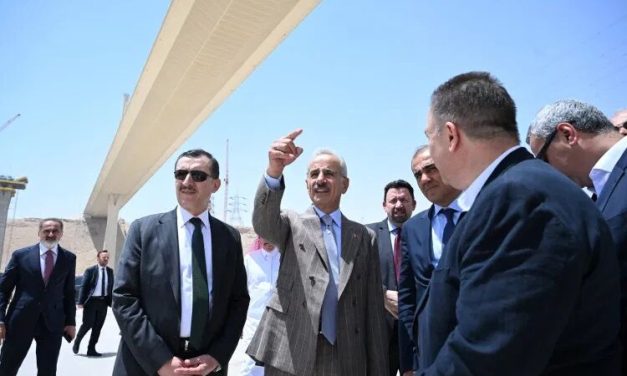
Strategic Council Online – Note: The initiative to revive the Hejaz Railway, beyond being a transportation project, constitutes an attempt to redefine geopolitics, the economy, and Turkey’s regional position; however, its realization appears to face significant financial, security, and institutional challenges.

SCFR Online – Opinion: The Strait of Hormuz crisis is no longer merely the consequence of a military confrontation, but rather a sign of the transition from the US-centered maritime order to a new energy security structure involving the participation of emerging and influential powers.

SCFR Online – Opinion: Iran’s active deterrence strategy, while increasing the costs of US intervention, has increasingly exposed the hidden rifts between Washington’s interests and those of the Israeli regime.
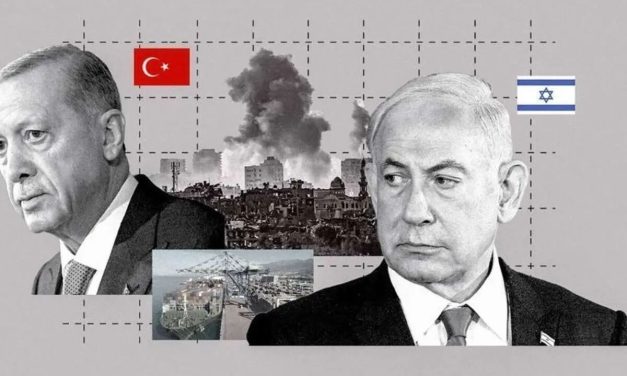
SCFR Online – Opinion: The escalation of verbal and strategic tensions between Turkey and the Israeli regime, although not increasing the likelihood of direct war, indicates the formation of a new order in West Asian geopolitical rivalries.
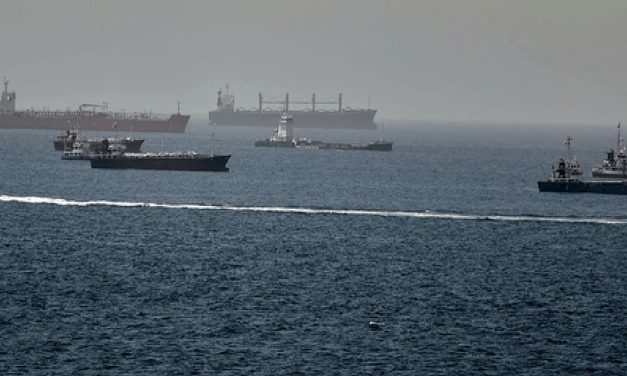
Strategic Council Online – Note: Recent developments in the political geography of West Asia, from rising tensions in the Persian Gulf to missile and drone activities in the Red Sea and the recent warning by Kaja Kallas, the European Union’s foreign policy chief, regarding the threat to freedom of navigation, indicate a key pattern shift; the US-Iran war has moved beyond the scope of a regional and local confrontation and has linked two vital passageways for the global economy: the Strait of Hormuz and the Bab el-Mandeb Strait.

SCFR Online – Opinion: The Ukraine war was not merely a European crisis, but rather the starting point for the rearrangement of the global balance of power and a shift in the strategic behavior of great powers.

SCFR Online – Opinion: Great power competition is now pursued more in trade, currency, technology, and global supply chains than on the battlefields of military confrontation.


Strategic Council Online – Opinion: The placement of nuclear weapons of NATO and Russia near each other’s borders will increase the risk of tensions and entry of the US and Russia into a hot war and face the non-proliferation and progress in the field of nuclear disarmament with serious risks. Meantime, Non-nuclear countries are forced to take countermeasures to ensure their security.
Pouria Nabipour – Ph.D. in political science and international relations

Strategic Council Online – Opinion: At the end of his recent trip to China, French President Emmanuel Macron made critical comments about the “strategic independence” of the European Union, which is noteworthy.
Hamid Khoshayand – Expert on regional affairs

Strategic Council Online-Interview: A European affairs expert stated that the European Union could not ignore China but at the same time tries not to be utterly dependent on it, saying that we are witnessing a new era of relations between Paris and Beijing, in which China is trying to make France an influencer of itself in the European Union.

Strategic Council Online – Interview: An expert on Europe affairs saying that the European Union should redefine the terms of its interaction with China noted: The main question is whether the governments of the European Union are ready to unite against China’s new strategy.

Strategic Council Online—Opinion: Relations between Russia and the Zionist regime have always accompanied many ups and downs. In some cases, cooperation and coordination and some cases, conflict and disagreement have defined the relations of the parties. This situation became more evident after the Ukrainian War. Although Tel Aviv tried to show some neutrality towards the war in Ukraine from the beginning, the talks of its military aid to Ukraine led to a wave of differences between Tel Aviv and Moscow.
Mohammad Javad Ghahremani—Expert in international issues

Strategic Council Online – Interview: An international law professor assessed the formation of the Commission of Inquiry on “Russian war crimes” by the Human Rights Council as a political action aimed at putting pressure on Moscow and said: The crimes committed in the Ukraine war by both sides should not be ignored, but the international legal organizations should investigate the real causes behind the beginning of the war in Ukraine and the main factors that led to the outbreak of the war.
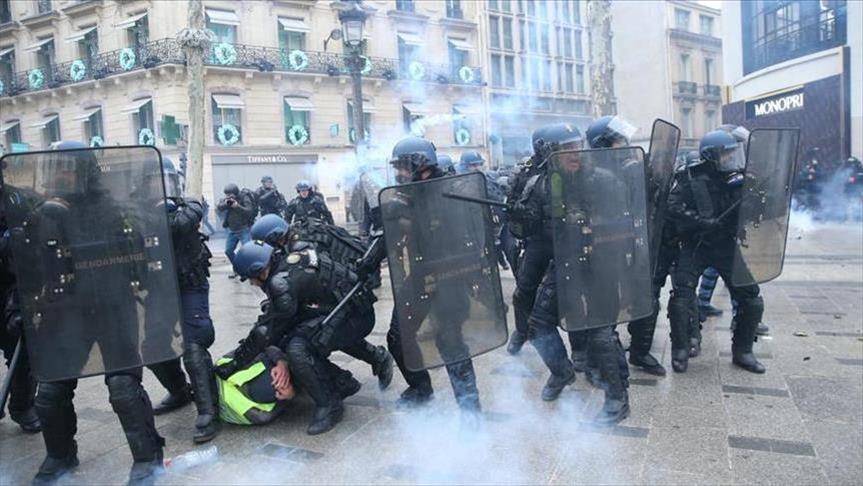
Strategic Council Online – Interview: An international affairs analyst says the role and image of France as a country claiming to adhere to freedom of expression and democracy has been overshadowed during police violence against protesters. He added that tarnishing France’s image is not crucial for Macron under the status quo. What is essential for him is to save himself from this situation so that he would have the support of the French people to continue his policies in the next presidential and parliamentary elections.

Strategic Council Online-Interview: An expert on European issues stated that the recent G20 summit was a demonstration of the alignment of the great and emerging powers of the world after Russia attacked Ukraine, adding that what happened in this summit demonstrated the transparency of the policies announced and applied by the members and during the summit some countries had to choose either to stand by Russia and against the West or this country.

Strategic Council Online—Opinion: On March 17, 2023, the International Criminal Court issued an arrest warrant for Vladimir Putin, the President of Russia, and for the first time in the history of the United Nations after the Second World War, the president of a country that has a permanent membership in the Security Council and the right to veto it, is facing a sentence and criminal detention in the international criminal system; This indicates a structural change in the international law system.
Seyyed Nasrollah Ebrahimi—Associate Professor, College of Law and Political Sciences, University of Tehran

Strategic Council Online – Opinion: The Ukraine war put China in a complicated situation. This means it was difficult for Beijing to adopt a position that would not alienate Russia and, at the same time, lead to the management of relations with the West. Accordingly, over the past year, Beijing has not criticized Russia seriously. Still, at the same time, it has refused to provide support to Russia that would be a game-changer, including the transfer of weapons. In return, it has criticized the West, including on the issue of NATO expansion.
Mohammad Javad Ghahremani – Researcher of China affairs
SCFR Online – Opinion: On Friday, August 7, the heads of state of three countries – Saudi Arabia, Turkey, and Pakistan – signed a text under the title “Makkah Joint Defense Agreement.”
Strategic Council Online – Note: The initiative to revive the Hejaz Railway, beyond being a transportation project, constitutes an attempt to redefine geopolitics, the economy, and Turkey’s regional position; however, its realization appears to face significant financial, security, and institutional challenges.
SCFR Online – Opinion: The Strait of Hormuz crisis is no longer merely the consequence of a military confrontation, but rather a sign of the transition from the US-centered maritime order to a new energy security structure involving the participation of emerging and influential powers.
SCFR Online – Opinion: Iran’s active deterrence strategy, while increasing the costs of US intervention, has increasingly exposed the hidden rifts between Washington’s interests and those of the Israeli regime.
SCFR Online – Opinion: The escalation of verbal and strategic tensions between Turkey and the Israeli regime, although not increasing the likelihood of direct war, indicates the formation of a new order in West Asian geopolitical rivalries.
Strategic Council Online – Note: Recent developments in the political geography of West Asia, from rising tensions in the Persian Gulf to missile and drone activities in the Red Sea and the recent warning by Kaja Kallas, the European Union’s foreign policy chief, regarding the threat to freedom of navigation, indicate a key pattern shift; the US-Iran war has moved beyond the scope of a regional and local confrontation and has linked two vital passageways for the global economy: the Strait of Hormuz and the Bab el-Mandeb Strait.
SCFR Online – Opinion: The Ukraine war was not merely a European crisis, but rather the starting point for the rearrangement of the global balance of power and a shift in the strategic behavior of great powers.
SCFR Online – Opinion: Great power competition is now pursued more in trade, currency, technology, and global supply chains than on the battlefields of military confrontation.
Strategic Council Online – Opinion: The placement of nuclear weapons of NATO and Russia near each other’s borders will increase the risk of tensions and entry of the US and Russia into a hot war and face the non-proliferation and progress in the field of nuclear disarmament with serious risks. Meantime, Non-nuclear countries are forced to take countermeasures to ensure their security.
Pouria Nabipour – Ph.D. in political science and international relations
Strategic Council Online – Opinion: At the end of his recent trip to China, French President Emmanuel Macron made critical comments about the “strategic independence” of the European Union, which is noteworthy.
Hamid Khoshayand – Expert on regional affairs
Strategic Council Online-Interview: A European affairs expert stated that the European Union could not ignore China but at the same time tries not to be utterly dependent on it, saying that we are witnessing a new era of relations between Paris and Beijing, in which China is trying to make France an influencer of itself in the European Union.
Strategic Council Online – Interview: An expert on Europe affairs saying that the European Union should redefine the terms of its interaction with China noted: The main question is whether the governments of the European Union are ready to unite against China’s new strategy.
Strategic Council Online—Opinion: Relations between Russia and the Zionist regime have always accompanied many ups and downs. In some cases, cooperation and coordination and some cases, conflict and disagreement have defined the relations of the parties. This situation became more evident after the Ukrainian War. Although Tel Aviv tried to show some neutrality towards the war in Ukraine from the beginning, the talks of its military aid to Ukraine led to a wave of differences between Tel Aviv and Moscow.
Mohammad Javad Ghahremani—Expert in international issues
Strategic Council Online – Interview: An international law professor assessed the formation of the Commission of Inquiry on “Russian war crimes” by the Human Rights Council as a political action aimed at putting pressure on Moscow and said: The crimes committed in the Ukraine war by both sides should not be ignored, but the international legal organizations should investigate the real causes behind the beginning of the war in Ukraine and the main factors that led to the outbreak of the war.
Strategic Council Online – Interview: An international affairs analyst says the role and image of France as a country claiming to adhere to freedom of expression and democracy has been overshadowed during police violence against protesters. He added that tarnishing France’s image is not crucial for Macron under the status quo. What is essential for him is to save himself from this situation so that he would have the support of the French people to continue his policies in the next presidential and parliamentary elections.
Strategic Council Online-Interview: An expert on European issues stated that the recent G20 summit was a demonstration of the alignment of the great and emerging powers of the world after Russia attacked Ukraine, adding that what happened in this summit demonstrated the transparency of the policies announced and applied by the members and during the summit some countries had to choose either to stand by Russia and against the West or this country.
Strategic Council Online—Opinion: On March 17, 2023, the International Criminal Court issued an arrest warrant for Vladimir Putin, the President of Russia, and for the first time in the history of the United Nations after the Second World War, the president of a country that has a permanent membership in the Security Council and the right to veto it, is facing a sentence and criminal detention in the international criminal system; This indicates a structural change in the international law system.
Seyyed Nasrollah Ebrahimi—Associate Professor, College of Law and Political Sciences, University of Tehran
Strategic Council Online – Opinion: The Ukraine war put China in a complicated situation. This means it was difficult for Beijing to adopt a position that would not alienate Russia and, at the same time, lead to the management of relations with the West. Accordingly, over the past year, Beijing has not criticized Russia seriously. Still, at the same time, it has refused to provide support to Russia that would be a game-changer, including the transfer of weapons. In return, it has criticized the West, including on the issue of NATO expansion.
Mohammad Javad Ghahremani – Researcher of China affairs
Strategic Council Online – Opinion: The placement of nuclear weapons of NATO and Russia near each other’s borders will increase the risk of tensions and entry of the US and Russia into a hot war and face the non-proliferation and progress in the field of nuclear disarmament with serious risks. Meantime, Non-nuclear countries are forced to take countermeasures to ensure their security.
Pouria Nabipour – Ph.D. in political science and international relations
Strategic Council Online – Opinion: At the end of his recent trip to China, French President Emmanuel Macron made critical comments about the “strategic independence” of the European Union, which is noteworthy.
Hamid Khoshayand – Expert on regional affairs
Strategic Council Online-Interview: A European affairs expert stated that the European Union could not ignore China but at the same time tries not to be utterly dependent on it, saying that we are witnessing a new era of relations between Paris and Beijing, in which China is trying to make France an influencer of itself in the European Union.
Strategic Council Online – Interview: An expert on Europe affairs saying that the European Union should redefine the terms of its interaction with China noted: The main question is whether the governments of the European Union are ready to unite against China’s new strategy.
Strategic Council Online—Opinion: Relations between Russia and the Zionist regime have always accompanied many ups and downs. In some cases, cooperation and coordination and some cases, conflict and disagreement have defined the relations of the parties. This situation became more evident after the Ukrainian War. Although Tel Aviv tried to show some neutrality towards the war in Ukraine from the beginning, the talks of its military aid to Ukraine led to a wave of differences between Tel Aviv and Moscow.
Mohammad Javad Ghahremani—Expert in international issues
Strategic Council Online – Interview: An international law professor assessed the formation of the Commission of Inquiry on “Russian war crimes” by the Human Rights Council as a political action aimed at putting pressure on Moscow and said: The crimes committed in the Ukraine war by both sides should not be ignored, but the international legal organizations should investigate the real causes behind the beginning of the war in Ukraine and the main factors that led to the outbreak of the war.
Strategic Council Online – Interview: An international affairs analyst says the role and image of France as a country claiming to adhere to freedom of expression and democracy has been overshadowed during police violence against protesters. He added that tarnishing France’s image is not crucial for Macron under the status quo. What is essential for him is to save himself from this situation so that he would have the support of the French people to continue his policies in the next presidential and parliamentary elections.
Strategic Council Online-Interview: An expert on European issues stated that the recent G20 summit was a demonstration of the alignment of the great and emerging powers of the world after Russia attacked Ukraine, adding that what happened in this summit demonstrated the transparency of the policies announced and applied by the members and during the summit some countries had to choose either to stand by Russia and against the West or this country.
Strategic Council Online—Opinion: On March 17, 2023, the International Criminal Court issued an arrest warrant for Vladimir Putin, the President of Russia, and for the first time in the history of the United Nations after the Second World War, the president of a country that has a permanent membership in the Security Council and the right to veto it, is facing a sentence and criminal detention in the international criminal system; This indicates a structural change in the international law system.
Seyyed Nasrollah Ebrahimi—Associate Professor, College of Law and Political Sciences, University of Tehran
Strategic Council Online – Opinion: The Ukraine war put China in a complicated situation. This means it was difficult for Beijing to adopt a position that would not alienate Russia and, at the same time, lead to the management of relations with the West. Accordingly, over the past year, Beijing has not criticized Russia seriously. Still, at the same time, it has refused to provide support to Russia that would be a game-changer, including the transfer of weapons. In return, it has criticized the West, including on the issue of NATO expansion.
Mohammad Javad Ghahremani – Researcher of China affairs
SCFR Online – Opinion: On Friday, August 7, the heads of state of three countries – Saudi Arabia, Turkey, and Pakistan – signed a text under the title “Makkah Joint Defense Agreement.”
Strategic Council Online – Note: The initiative to revive the Hejaz Railway, beyond being a transportation project, constitutes an attempt to redefine geopolitics, the economy, and Turkey’s regional position; however, its realization appears to face significant financial, security, and institutional challenges.
SCFR Online – Opinion: The Strait of Hormuz crisis is no longer merely the consequence of a military confrontation, but rather a sign of the transition from the US-centered maritime order to a new energy security structure involving the participation of emerging and influential powers.
SCFR Online – Opinion: Iran’s active deterrence strategy, while increasing the costs of US intervention, has increasingly exposed the hidden rifts between Washington’s interests and those of the Israeli regime.
SCFR Online – Opinion: The escalation of verbal and strategic tensions between Turkey and the Israeli regime, although not increasing the likelihood of direct war, indicates the formation of a new order in West Asian geopolitical rivalries.
Strategic Council Online – Note: Recent developments in the political geography of West Asia, from rising tensions in the Persian Gulf to missile and drone activities in the Red Sea and the recent warning by Kaja Kallas, the European Union’s foreign policy chief, regarding the threat to freedom of navigation, indicate a key pattern shift; the US-Iran war has moved beyond the scope of a regional and local confrontation and has linked two vital passageways for the global economy: the Strait of Hormuz and the Bab el-Mandeb Strait.
SCFR Online – Opinion: The Ukraine war was not merely a European crisis, but rather the starting point for the rearrangement of the global balance of power and a shift in the strategic behavior of great powers.
SCFR Online – Opinion: Great power competition is now pursued more in trade, currency, technology, and global supply chains than on the battlefields of military confrontation.
Strategic Council Online – Opinion: The placement of nuclear weapons of NATO and Russia near each other’s borders will increase the risk of tensions and entry of the US and Russia into a hot war and face the non-proliferation and progress in the field of nuclear disarmament with serious risks. Meantime, Non-nuclear countries are forced to take countermeasures to ensure their security.
Pouria Nabipour – Ph.D. in political science and international relations
Strategic Council Online – Opinion: At the end of his recent trip to China, French President Emmanuel Macron made critical comments about the “strategic independence” of the European Union, which is noteworthy.
Hamid Khoshayand – Expert on regional affairs
Strategic Council Online-Interview: A European affairs expert stated that the European Union could not ignore China but at the same time tries not to be utterly dependent on it, saying that we are witnessing a new era of relations between Paris and Beijing, in which China is trying to make France an influencer of itself in the European Union.
Strategic Council Online – Interview: An expert on Europe affairs saying that the European Union should redefine the terms of its interaction with China noted: The main question is whether the governments of the European Union are ready to unite against China’s new strategy.
Strategic Council Online—Opinion: Relations between Russia and the Zionist regime have always accompanied many ups and downs. In some cases, cooperation and coordination and some cases, conflict and disagreement have defined the relations of the parties. This situation became more evident after the Ukrainian War. Although Tel Aviv tried to show some neutrality towards the war in Ukraine from the beginning, the talks of its military aid to Ukraine led to a wave of differences between Tel Aviv and Moscow.
Mohammad Javad Ghahremani—Expert in international issues
Strategic Council Online – Interview: An international law professor assessed the formation of the Commission of Inquiry on “Russian war crimes” by the Human Rights Council as a political action aimed at putting pressure on Moscow and said: The crimes committed in the Ukraine war by both sides should not be ignored, but the international legal organizations should investigate the real causes behind the beginning of the war in Ukraine and the main factors that led to the outbreak of the war.
Strategic Council Online – Interview: An international affairs analyst says the role and image of France as a country claiming to adhere to freedom of expression and democracy has been overshadowed during police violence against protesters. He added that tarnishing France’s image is not crucial for Macron under the status quo. What is essential for him is to save himself from this situation so that he would have the support of the French people to continue his policies in the next presidential and parliamentary elections.
Strategic Council Online-Interview: An expert on European issues stated that the recent G20 summit was a demonstration of the alignment of the great and emerging powers of the world after Russia attacked Ukraine, adding that what happened in this summit demonstrated the transparency of the policies announced and applied by the members and during the summit some countries had to choose either to stand by Russia and against the West or this country.
Strategic Council Online—Opinion: On March 17, 2023, the International Criminal Court issued an arrest warrant for Vladimir Putin, the President of Russia, and for the first time in the history of the United Nations after the Second World War, the president of a country that has a permanent membership in the Security Council and the right to veto it, is facing a sentence and criminal detention in the international criminal system; This indicates a structural change in the international law system.
Seyyed Nasrollah Ebrahimi—Associate Professor, College of Law and Political Sciences, University of Tehran
Strategic Council Online – Opinion: The Ukraine war put China in a complicated situation. This means it was difficult for Beijing to adopt a position that would not alienate Russia and, at the same time, lead to the management of relations with the West. Accordingly, over the past year, Beijing has not criticized Russia seriously. Still, at the same time, it has refused to provide support to Russia that would be a game-changer, including the transfer of weapons. In return, it has criticized the West, including on the issue of NATO expansion.
Mohammad Javad Ghahremani – Researcher of China affairs
SCFR Online – Opinion: On Friday, August 7, the heads of state of three countries – Saudi Arabia, Turkey, and Pakistan – signed a text under the title “Makkah Joint Defense Agreement.”
Strategic Council Online – Note: The initiative to revive the Hejaz Railway, beyond being a transportation project, constitutes an attempt to redefine geopolitics, the economy, and Turkey’s regional position; however, its realization appears to face significant financial, security, and institutional challenges.
SCFR Online – Opinion: The Strait of Hormuz crisis is no longer merely the consequence of a military confrontation, but rather a sign of the transition from the US-centered maritime order to a new energy security structure involving the participation of emerging and influential powers.
SCFR Online – Opinion: Iran’s active deterrence strategy, while increasing the costs of US intervention, has increasingly exposed the hidden rifts between Washington’s interests and those of the Israeli regime.
SCFR Online – Opinion: The escalation of verbal and strategic tensions between Turkey and the Israeli regime, although not increasing the likelihood of direct war, indicates the formation of a new order in West Asian geopolitical rivalries.
Strategic Council Online – Note: Recent developments in the political geography of West Asia, from rising tensions in the Persian Gulf to missile and drone activities in the Red Sea and the recent warning by Kaja Kallas, the European Union’s foreign policy chief, regarding the threat to freedom of navigation, indicate a key pattern shift; the US-Iran war has moved beyond the scope of a regional and local confrontation and has linked two vital passageways for the global economy: the Strait of Hormuz and the Bab el-Mandeb Strait.
SCFR Online – Opinion: The Ukraine war was not merely a European crisis, but rather the starting point for the rearrangement of the global balance of power and a shift in the strategic behavior of great powers.
SCFR Online – Opinion: Great power competition is now pursued more in trade, currency, technology, and global supply chains than on the battlefields of military confrontation.
Strategic Council Online – Opinion: The placement of nuclear weapons of NATO and Russia near each other’s borders will increase the risk of tensions and entry of the US and Russia into a hot war and face the non-proliferation and progress in the field of nuclear disarmament with serious risks. Meantime, Non-nuclear countries are forced to take countermeasures to ensure their security.
Pouria Nabipour – Ph.D. in political science and international relations
Strategic Council Online – Opinion: At the end of his recent trip to China, French President Emmanuel Macron made critical comments about the “strategic independence” of the European Union, which is noteworthy.
Hamid Khoshayand – Expert on regional affairs
Strategic Council Online-Interview: A European affairs expert stated that the European Union could not ignore China but at the same time tries not to be utterly dependent on it, saying that we are witnessing a new era of relations between Paris and Beijing, in which China is trying to make France an influencer of itself in the European Union.
Strategic Council Online – Interview: An expert on Europe affairs saying that the European Union should redefine the terms of its interaction with China noted: The main question is whether the governments of the European Union are ready to unite against China’s new strategy.
Strategic Council Online—Opinion: Relations between Russia and the Zionist regime have always accompanied many ups and downs. In some cases, cooperation and coordination and some cases, conflict and disagreement have defined the relations of the parties. This situation became more evident after the Ukrainian War. Although Tel Aviv tried to show some neutrality towards the war in Ukraine from the beginning, the talks of its military aid to Ukraine led to a wave of differences between Tel Aviv and Moscow.
Mohammad Javad Ghahremani—Expert in international issues
Strategic Council Online – Interview: An international law professor assessed the formation of the Commission of Inquiry on “Russian war crimes” by the Human Rights Council as a political action aimed at putting pressure on Moscow and said: The crimes committed in the Ukraine war by both sides should not be ignored, but the international legal organizations should investigate the real causes behind the beginning of the war in Ukraine and the main factors that led to the outbreak of the war.
Strategic Council Online – Interview: An international affairs analyst says the role and image of France as a country claiming to adhere to freedom of expression and democracy has been overshadowed during police violence against protesters. He added that tarnishing France’s image is not crucial for Macron under the status quo. What is essential for him is to save himself from this situation so that he would have the support of the French people to continue his policies in the next presidential and parliamentary elections.
Strategic Council Online-Interview: An expert on European issues stated that the recent G20 summit was a demonstration of the alignment of the great and emerging powers of the world after Russia attacked Ukraine, adding that what happened in this summit demonstrated the transparency of the policies announced and applied by the members and during the summit some countries had to choose either to stand by Russia and against the West or this country.
Strategic Council Online—Opinion: On March 17, 2023, the International Criminal Court issued an arrest warrant for Vladimir Putin, the President of Russia, and for the first time in the history of the United Nations after the Second World War, the president of a country that has a permanent membership in the Security Council and the right to veto it, is facing a sentence and criminal detention in the international criminal system; This indicates a structural change in the international law system.
Seyyed Nasrollah Ebrahimi—Associate Professor, College of Law and Political Sciences, University of Tehran
Strategic Council Online – Opinion: The Ukraine war put China in a complicated situation. This means it was difficult for Beijing to adopt a position that would not alienate Russia and, at the same time, lead to the management of relations with the West. Accordingly, over the past year, Beijing has not criticized Russia seriously. Still, at the same time, it has refused to provide support to Russia that would be a game-changer, including the transfer of weapons. In return, it has criticized the West, including on the issue of NATO expansion.
Mohammad Javad Ghahremani – Researcher of China affairs
SCFR Online – Opinion: On Friday, August 7, the heads of state of three countries – Saudi Arabia, Turkey, and Pakistan – signed a text under the title “Makkah Joint Defense Agreement.”
Strategic Council Online – Note: The initiative to revive the Hejaz Railway, beyond being a transportation project, constitutes an attempt to redefine geopolitics, the economy, and Turkey’s regional position; however, its realization appears to face significant financial, security, and institutional challenges.
SCFR Online – Opinion: The Strait of Hormuz crisis is no longer merely the consequence of a military confrontation, but rather a sign of the transition from the US-centered maritime order to a new energy security structure involving the participation of emerging and influential powers.
SCFR Online – Opinion: Iran’s active deterrence strategy, while increasing the costs of US intervention, has increasingly exposed the hidden rifts between Washington’s interests and those of the Israeli regime.
SCFR Online – Opinion: The escalation of verbal and strategic tensions between Turkey and the Israeli regime, although not increasing the likelihood of direct war, indicates the formation of a new order in West Asian geopolitical rivalries.
Strategic Council Online – Note: Recent developments in the political geography of West Asia, from rising tensions in the Persian Gulf to missile and drone activities in the Red Sea and the recent warning by Kaja Kallas, the European Union’s foreign policy chief, regarding the threat to freedom of navigation, indicate a key pattern shift; the US-Iran war has moved beyond the scope of a regional and local confrontation and has linked two vital passageways for the global economy: the Strait of Hormuz and the Bab el-Mandeb Strait.
SCFR Online – Opinion: The Ukraine war was not merely a European crisis, but rather the starting point for the rearrangement of the global balance of power and a shift in the strategic behavior of great powers.
SCFR Online – Opinion: Great power competition is now pursued more in trade, currency, technology, and global supply chains than on the battlefields of military confrontation.
Strategic Council Online – Opinion: The placement of nuclear weapons of NATO and Russia near each other’s borders will increase the risk of tensions and entry of the US and Russia into a hot war and face the non-proliferation and progress in the field of nuclear disarmament with serious risks. Meantime, Non-nuclear countries are forced to take countermeasures to ensure their security.
Pouria Nabipour – Ph.D. in political science and international relations
Strategic Council Online – Opinion: At the end of his recent trip to China, French President Emmanuel Macron made critical comments about the “strategic independence” of the European Union, which is noteworthy.
Hamid Khoshayand – Expert on regional affairs
Strategic Council Online-Interview: A European affairs expert stated that the European Union could not ignore China but at the same time tries not to be utterly dependent on it, saying that we are witnessing a new era of relations between Paris and Beijing, in which China is trying to make France an influencer of itself in the European Union.
Strategic Council Online – Interview: An expert on Europe affairs saying that the European Union should redefine the terms of its interaction with China noted: The main question is whether the governments of the European Union are ready to unite against China’s new strategy.
Strategic Council Online—Opinion: Relations between Russia and the Zionist regime have always accompanied many ups and downs. In some cases, cooperation and coordination and some cases, conflict and disagreement have defined the relations of the parties. This situation became more evident after the Ukrainian War. Although Tel Aviv tried to show some neutrality towards the war in Ukraine from the beginning, the talks of its military aid to Ukraine led to a wave of differences between Tel Aviv and Moscow.
Mohammad Javad Ghahremani—Expert in international issues
Strategic Council Online – Interview: An international law professor assessed the formation of the Commission of Inquiry on “Russian war crimes” by the Human Rights Council as a political action aimed at putting pressure on Moscow and said: The crimes committed in the Ukraine war by both sides should not be ignored, but the international legal organizations should investigate the real causes behind the beginning of the war in Ukraine and the main factors that led to the outbreak of the war.
Strategic Council Online – Interview: An international affairs analyst says the role and image of France as a country claiming to adhere to freedom of expression and democracy has been overshadowed during police violence against protesters. He added that tarnishing France’s image is not crucial for Macron under the status quo. What is essential for him is to save himself from this situation so that he would have the support of the French people to continue his policies in the next presidential and parliamentary elections.
Strategic Council Online-Interview: An expert on European issues stated that the recent G20 summit was a demonstration of the alignment of the great and emerging powers of the world after Russia attacked Ukraine, adding that what happened in this summit demonstrated the transparency of the policies announced and applied by the members and during the summit some countries had to choose either to stand by Russia and against the West or this country.
Strategic Council Online—Opinion: On March 17, 2023, the International Criminal Court issued an arrest warrant for Vladimir Putin, the President of Russia, and for the first time in the history of the United Nations after the Second World War, the president of a country that has a permanent membership in the Security Council and the right to veto it, is facing a sentence and criminal detention in the international criminal system; This indicates a structural change in the international law system.
Seyyed Nasrollah Ebrahimi—Associate Professor, College of Law and Political Sciences, University of Tehran
Strategic Council Online – Opinion: The Ukraine war put China in a complicated situation. This means it was difficult for Beijing to adopt a position that would not alienate Russia and, at the same time, lead to the management of relations with the West. Accordingly, over the past year, Beijing has not criticized Russia seriously. Still, at the same time, it has refused to provide support to Russia that would be a game-changer, including the transfer of weapons. In return, it has criticized the West, including on the issue of NATO expansion.
Mohammad Javad Ghahremani – Researcher of China affairs
SCFR Online – Opinion: On Friday, August 7, the heads of state of three countries – Saudi Arabia, Turkey, and Pakistan – signed a text under the title “Makkah Joint Defense Agreement.”
Strategic Council Online – Note: The initiative to revive the Hejaz Railway, beyond being a transportation project, constitutes an attempt to redefine geopolitics, the economy, and Turkey’s regional position; however, its realization appears to face significant financial, security, and institutional challenges.
SCFR Online – Opinion: The Strait of Hormuz crisis is no longer merely the consequence of a military confrontation, but rather a sign of the transition from the US-centered maritime order to a new energy security structure involving the participation of emerging and influential powers.
SCFR Online – Opinion: Iran’s active deterrence strategy, while increasing the costs of US intervention, has increasingly exposed the hidden rifts between Washington’s interests and those of the Israeli regime.
SCFR Online – Opinion: The escalation of verbal and strategic tensions between Turkey and the Israeli regime, although not increasing the likelihood of direct war, indicates the formation of a new order in West Asian geopolitical rivalries.
Strategic Council Online – Note: Recent developments in the political geography of West Asia, from rising tensions in the Persian Gulf to missile and drone activities in the Red Sea and the recent warning by Kaja Kallas, the European Union’s foreign policy chief, regarding the threat to freedom of navigation, indicate a key pattern shift; the US-Iran war has moved beyond the scope of a regional and local confrontation and has linked two vital passageways for the global economy: the Strait of Hormuz and the Bab el-Mandeb Strait.
SCFR Online – Opinion: The Ukraine war was not merely a European crisis, but rather the starting point for the rearrangement of the global balance of power and a shift in the strategic behavior of great powers.
SCFR Online – Opinion: Great power competition is now pursued more in trade, currency, technology, and global supply chains than on the battlefields of military confrontation.
Strategic Council Online – Opinion: The placement of nuclear weapons of NATO and Russia near each other’s borders will increase the risk of tensions and entry of the US and Russia into a hot war and face the non-proliferation and progress in the field of nuclear disarmament with serious risks. Meantime, Non-nuclear countries are forced to take countermeasures to ensure their security.
Pouria Nabipour – Ph.D. in political science and international relations
Strategic Council Online – Opinion: At the end of his recent trip to China, French President Emmanuel Macron made critical comments about the “strategic independence” of the European Union, which is noteworthy.
Hamid Khoshayand – Expert on regional affairs
Strategic Council Online-Interview: A European affairs expert stated that the European Union could not ignore China but at the same time tries not to be utterly dependent on it, saying that we are witnessing a new era of relations between Paris and Beijing, in which China is trying to make France an influencer of itself in the European Union.
Strategic Council Online – Interview: An expert on Europe affairs saying that the European Union should redefine the terms of its interaction with China noted: The main question is whether the governments of the European Union are ready to unite against China’s new strategy.
Strategic Council Online—Opinion: Relations between Russia and the Zionist regime have always accompanied many ups and downs. In some cases, cooperation and coordination and some cases, conflict and disagreement have defined the relations of the parties. This situation became more evident after the Ukrainian War. Although Tel Aviv tried to show some neutrality towards the war in Ukraine from the beginning, the talks of its military aid to Ukraine led to a wave of differences between Tel Aviv and Moscow.
Mohammad Javad Ghahremani—Expert in international issues
Strategic Council Online – Interview: An international law professor assessed the formation of the Commission of Inquiry on “Russian war crimes” by the Human Rights Council as a political action aimed at putting pressure on Moscow and said: The crimes committed in the Ukraine war by both sides should not be ignored, but the international legal organizations should investigate the real causes behind the beginning of the war in Ukraine and the main factors that led to the outbreak of the war.
Strategic Council Online – Interview: An international affairs analyst says the role and image of France as a country claiming to adhere to freedom of expression and democracy has been overshadowed during police violence against protesters. He added that tarnishing France’s image is not crucial for Macron under the status quo. What is essential for him is to save himself from this situation so that he would have the support of the French people to continue his policies in the next presidential and parliamentary elections.
Strategic Council Online-Interview: An expert on European issues stated that the recent G20 summit was a demonstration of the alignment of the great and emerging powers of the world after Russia attacked Ukraine, adding that what happened in this summit demonstrated the transparency of the policies announced and applied by the members and during the summit some countries had to choose either to stand by Russia and against the West or this country.
Strategic Council Online—Opinion: On March 17, 2023, the International Criminal Court issued an arrest warrant for Vladimir Putin, the President of Russia, and for the first time in the history of the United Nations after the Second World War, the president of a country that has a permanent membership in the Security Council and the right to veto it, is facing a sentence and criminal detention in the international criminal system; This indicates a structural change in the international law system.
Seyyed Nasrollah Ebrahimi—Associate Professor, College of Law and Political Sciences, University of Tehran
Strategic Council Online – Opinion: The Ukraine war put China in a complicated situation. This means it was difficult for Beijing to adopt a position that would not alienate Russia and, at the same time, lead to the management of relations with the West. Accordingly, over the past year, Beijing has not criticized Russia seriously. Still, at the same time, it has refused to provide support to Russia that would be a game-changer, including the transfer of weapons. In return, it has criticized the West, including on the issue of NATO expansion.
Mohammad Javad Ghahremani – Researcher of China affairs
SCFR Online – Opinion: On Friday, August 7, the heads of state of three countries – Saudi Arabia, Turkey, and Pakistan – signed a text under the title “Makkah Joint Defense Agreement.”
Strategic Council Online – Note: The initiative to revive the Hejaz Railway, beyond being a transportation project, constitutes an attempt to redefine geopolitics, the economy, and Turkey’s regional position; however, its realization appears to face significant financial, security, and institutional challenges.
SCFR Online – Opinion: The Strait of Hormuz crisis is no longer merely the consequence of a military confrontation, but rather a sign of the transition from the US-centered maritime order to a new energy security structure involving the participation of emerging and influential powers.
SCFR Online – Opinion: Iran’s active deterrence strategy, while increasing the costs of US intervention, has increasingly exposed the hidden rifts between Washington’s interests and those of the Israeli regime.
SCFR Online – Opinion: The escalation of verbal and strategic tensions between Turkey and the Israeli regime, although not increasing the likelihood of direct war, indicates the formation of a new order in West Asian geopolitical rivalries.
Strategic Council Online – Note: Recent developments in the political geography of West Asia, from rising tensions in the Persian Gulf to missile and drone activities in the Red Sea and the recent warning by Kaja Kallas, the European Union’s foreign policy chief, regarding the threat to freedom of navigation, indicate a key pattern shift; the US-Iran war has moved beyond the scope of a regional and local confrontation and has linked two vital passageways for the global economy: the Strait of Hormuz and the Bab el-Mandeb Strait.
SCFR Online – Opinion: The Ukraine war was not merely a European crisis, but rather the starting point for the rearrangement of the global balance of power and a shift in the strategic behavior of great powers.
SCFR Online – Opinion: Great power competition is now pursued more in trade, currency, technology, and global supply chains than on the battlefields of military confrontation.