An Analysis of the Makkah Defense Pact
SCFR Online – Opinion: On Friday, August 7, the heads of state of three countries – Saudi Arabia, Turkey, and Pakistan – signed a text under the title “Makkah Joint Defense Agreement.”
Strategic Council Online – Note: The initiative to revive the Hejaz Railway, beyond being a transportation project, constitutes an attempt to redefine geopolitics, the economy, and Turkey’s regional position; however, its realization appears to face significant financial, security, and institutional challenges.
SCFR Online – Opinion: The Strait of Hormuz crisis is no longer merely the consequence of a military confrontation, but rather a sign of the transition from the US-centered maritime order to a new energy security structure involving the participation of emerging and influential powers.
SCFR Online – Opinion: Iran’s active deterrence strategy, while increasing the costs of US intervention, has increasingly exposed the hidden rifts between Washington’s interests and those of the Israeli regime.
SCFR Online – Opinion: The escalation of verbal and strategic tensions between Turkey and the Israeli regime, although not increasing the likelihood of direct war, indicates the formation of a new order in West Asian geopolitical rivalries.
Strategic Council Online – Note: Recent developments in the political geography of West Asia, from rising tensions in the Persian Gulf to missile and drone activities in the Red Sea and the recent warning by Kaja Kallas, the European Union’s foreign policy chief, regarding the threat to freedom of navigation, indicate a key pattern shift; the US-Iran war has moved beyond the scope of a regional and local confrontation and has linked two vital passageways for the global economy: the Strait of Hormuz and the Bab el-Mandeb Strait.
SCFR Online – Opinion: The Ukraine war was not merely a European crisis, but rather the starting point for the rearrangement of the global balance of power and a shift in the strategic behavior of great powers.
SCFR Online – Opinion: Great power competition is now pursued more in trade, currency, technology, and global supply chains than on the battlefields of military confrontation.
Strategic Council Online: An expert on European issues said: The war of attrition in Ukraine has caused Russia and the supporters of Ukraine to sharpen their tone towards each other in the political arena. to show that they are still determined to advance their goals in the war.
Strategic Council Online—Interview: A European affairs expert said that the European Union is trying to get Hungary’s consent in every possible way to provide financial aid to Ukraine from the European Union, so the release of 10 billion euros of the blocked budget of Hungary last year is justified.
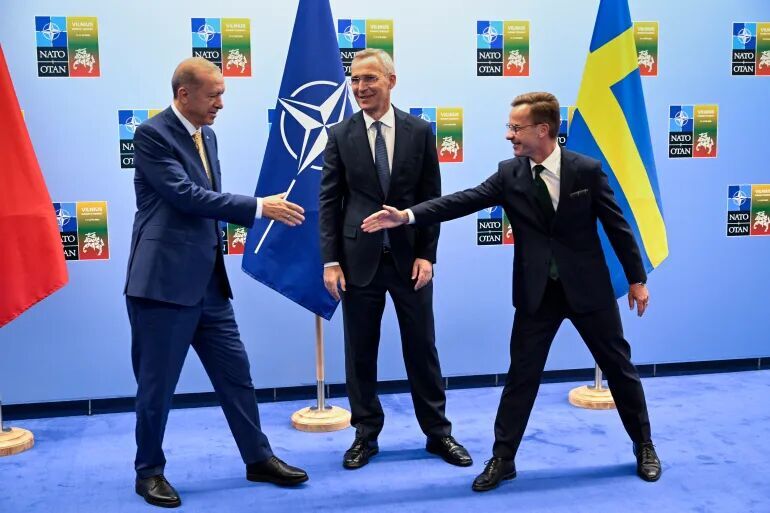
Strategic Council Online – Interview: A former Iranian Deputy Foreign Minister says it is unlikely for the Turkish government to put all its eggs in the basket of the West and NATO and jeopardize its relations with Russia at a time when Russia is involved in the Ukraine war and has close relations with Ankara. It should be seen what kind of a deal Turkey has made to persuade it to vote for Sweden’s membership in NATO.
Strategic Council Online: An expert on international affairs says, however, Moscow has managed a significant portion of the sanctions imposed by the United States and the European Union under the influence of the Ukraine war; the costs incurred so far to curb the economic problems in this war will have long-term effects on the Russian economy; in other words, Russia has a tough choice ahead in the future.
Strategic Council Online – Interview: An expert on US affairs believes Biden has gambled the most on the war in Gaza and Ukraine and will pay a huge price in this regard in the upcoming presidential elections.
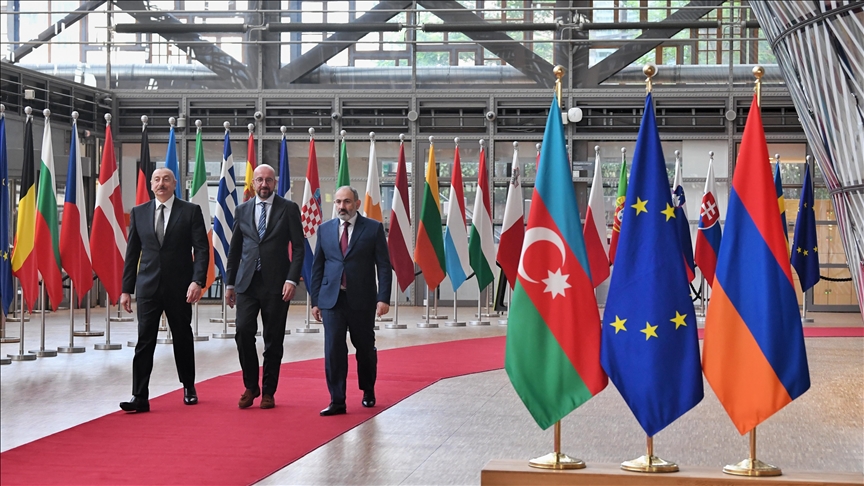
Strategic Council Online – The former head of the Caucasus Studies Foundation described signing the defense cooperation document between Yerevan and London for 2023 and 2024 as part of the Armenian government’s strategies to solve its foreign crises.
Strategic Council Online—Interview: An analyst of international issues said even though Russia’s victory in the Ukraine war will mean the defeat of NATO and its credibility in Europe, the course of the war has now reached such a stage that the Westerners have no choice but to put pressure on Ukraine for a ceasefire and implement a peace agreement.
Strategic Council Online – Interview: An international relations university professor stated that Paris is trying not to allow the situation in the Caucasus to progress as desired by the Republic of Azerbaijan and Turkey and hopes the situation can be shaped as much as possible in line with French interests through military assistance, adding: France, after Russia, is the second largest foreign investor in Armenia since 2016. This country is trying to create a rift between Armenia and Russia by strengthening ties with Armenia. France’s military support to Armenia is an important and new development that we are witnessing after the weakening of Russia’s position in Armenia.
Strategic Council Online – Interview: A university professor saying that the differences between China and the United States cannot be resolved through negotiations, added: The United States will do everything in order not to lose its position, and there is this possibility that if a third world war breaks out between the West and China it will be on taking the lead and winning the first place in GDP, and this will happen sooner or later.
Strategic Council Online – Opinion: Europe is entering into its second winter since the valves of Russian gas pipelines were closed while it has managed to register a new record in the volume of its gas reserves. After the Russian attack on Ukraine in February 2022, Europe set a crisis plan to reduce its reliance on Russian fuel. Accordingly, the gas storage level should be completed by 65% by August, 80% by October, and 90% by November 2023. But after the end of this summer, two months ahead of schedule, the gas storage level was completed by 90%.
Hamideh Safamanesh – International relations researcher
SCFR Online – Opinion: On Friday, August 7, the heads of state of three countries – Saudi Arabia, Turkey, and Pakistan – signed a text under the title “Makkah Joint Defense Agreement.”
Strategic Council Online – Note: The initiative to revive the Hejaz Railway, beyond being a transportation project, constitutes an attempt to redefine geopolitics, the economy, and Turkey’s regional position; however, its realization appears to face significant financial, security, and institutional challenges.
SCFR Online – Opinion: The Strait of Hormuz crisis is no longer merely the consequence of a military confrontation, but rather a sign of the transition from the US-centered maritime order to a new energy security structure involving the participation of emerging and influential powers.
SCFR Online – Opinion: Iran’s active deterrence strategy, while increasing the costs of US intervention, has increasingly exposed the hidden rifts between Washington’s interests and those of the Israeli regime.
SCFR Online – Opinion: The escalation of verbal and strategic tensions between Turkey and the Israeli regime, although not increasing the likelihood of direct war, indicates the formation of a new order in West Asian geopolitical rivalries.
Strategic Council Online – Note: Recent developments in the political geography of West Asia, from rising tensions in the Persian Gulf to missile and drone activities in the Red Sea and the recent warning by Kaja Kallas, the European Union’s foreign policy chief, regarding the threat to freedom of navigation, indicate a key pattern shift; the US-Iran war has moved beyond the scope of a regional and local confrontation and has linked two vital passageways for the global economy: the Strait of Hormuz and the Bab el-Mandeb Strait.
SCFR Online – Opinion: The Ukraine war was not merely a European crisis, but rather the starting point for the rearrangement of the global balance of power and a shift in the strategic behavior of great powers.
SCFR Online – Opinion: Great power competition is now pursued more in trade, currency, technology, and global supply chains than on the battlefields of military confrontation.
Strategic Council Online: An expert on European issues said: The war of attrition in Ukraine has caused Russia and the supporters of Ukraine to sharpen their tone towards each other in the political arena. to show that they are still determined to advance their goals in the war.
Strategic Council Online—Interview: A European affairs expert said that the European Union is trying to get Hungary’s consent in every possible way to provide financial aid to Ukraine from the European Union, so the release of 10 billion euros of the blocked budget of Hungary last year is justified.
Strategic Council Online – Interview: A former Iranian Deputy Foreign Minister says it is unlikely for the Turkish government to put all its eggs in the basket of the West and NATO and jeopardize its relations with Russia at a time when Russia is involved in the Ukraine war and has close relations with Ankara. It should be seen what kind of a deal Turkey has made to persuade it to vote for Sweden’s membership in NATO.
Strategic Council Online: An expert on international affairs says, however, Moscow has managed a significant portion of the sanctions imposed by the United States and the European Union under the influence of the Ukraine war; the costs incurred so far to curb the economic problems in this war will have long-term effects on the Russian economy; in other words, Russia has a tough choice ahead in the future.
Strategic Council Online – Interview: An expert on US affairs believes Biden has gambled the most on the war in Gaza and Ukraine and will pay a huge price in this regard in the upcoming presidential elections.
Strategic Council Online – The former head of the Caucasus Studies Foundation described signing the defense cooperation document between Yerevan and London for 2023 and 2024 as part of the Armenian government’s strategies to solve its foreign crises.
Strategic Council Online—Interview: An analyst of international issues said even though Russia’s victory in the Ukraine war will mean the defeat of NATO and its credibility in Europe, the course of the war has now reached such a stage that the Westerners have no choice but to put pressure on Ukraine for a ceasefire and implement a peace agreement.
Strategic Council Online – Interview: An international relations university professor stated that Paris is trying not to allow the situation in the Caucasus to progress as desired by the Republic of Azerbaijan and Turkey and hopes the situation can be shaped as much as possible in line with French interests through military assistance, adding: France, after Russia, is the second largest foreign investor in Armenia since 2016. This country is trying to create a rift between Armenia and Russia by strengthening ties with Armenia. France’s military support to Armenia is an important and new development that we are witnessing after the weakening of Russia’s position in Armenia.
Strategic Council Online – Interview: A university professor saying that the differences between China and the United States cannot be resolved through negotiations, added: The United States will do everything in order not to lose its position, and there is this possibility that if a third world war breaks out between the West and China it will be on taking the lead and winning the first place in GDP, and this will happen sooner or later.
Strategic Council Online – Opinion: Europe is entering into its second winter since the valves of Russian gas pipelines were closed while it has managed to register a new record in the volume of its gas reserves. After the Russian attack on Ukraine in February 2022, Europe set a crisis plan to reduce its reliance on Russian fuel. Accordingly, the gas storage level should be completed by 65% by August, 80% by October, and 90% by November 2023. But after the end of this summer, two months ahead of schedule, the gas storage level was completed by 90%.
Hamideh Safamanesh – International relations researcher
Strategic Council Online: An expert on European issues said: The war of attrition in Ukraine has caused Russia and the supporters of Ukraine to sharpen their tone towards each other in the political arena. to show that they are still determined to advance their goals in the war.
Strategic Council Online—Interview: A European affairs expert said that the European Union is trying to get Hungary’s consent in every possible way to provide financial aid to Ukraine from the European Union, so the release of 10 billion euros of the blocked budget of Hungary last year is justified.
Strategic Council Online – Interview: A former Iranian Deputy Foreign Minister says it is unlikely for the Turkish government to put all its eggs in the basket of the West and NATO and jeopardize its relations with Russia at a time when Russia is involved in the Ukraine war and has close relations with Ankara. It should be seen what kind of a deal Turkey has made to persuade it to vote for Sweden’s membership in NATO.
Strategic Council Online: An expert on international affairs says, however, Moscow has managed a significant portion of the sanctions imposed by the United States and the European Union under the influence of the Ukraine war; the costs incurred so far to curb the economic problems in this war will have long-term effects on the Russian economy; in other words, Russia has a tough choice ahead in the future.
Strategic Council Online – Interview: An expert on US affairs believes Biden has gambled the most on the war in Gaza and Ukraine and will pay a huge price in this regard in the upcoming presidential elections.
Strategic Council Online – The former head of the Caucasus Studies Foundation described signing the defense cooperation document between Yerevan and London for 2023 and 2024 as part of the Armenian government’s strategies to solve its foreign crises.
Strategic Council Online—Interview: An analyst of international issues said even though Russia’s victory in the Ukraine war will mean the defeat of NATO and its credibility in Europe, the course of the war has now reached such a stage that the Westerners have no choice but to put pressure on Ukraine for a ceasefire and implement a peace agreement.
Strategic Council Online – Interview: An international relations university professor stated that Paris is trying not to allow the situation in the Caucasus to progress as desired by the Republic of Azerbaijan and Turkey and hopes the situation can be shaped as much as possible in line with French interests through military assistance, adding: France, after Russia, is the second largest foreign investor in Armenia since 2016. This country is trying to create a rift between Armenia and Russia by strengthening ties with Armenia. France’s military support to Armenia is an important and new development that we are witnessing after the weakening of Russia’s position in Armenia.
Strategic Council Online – Interview: A university professor saying that the differences between China and the United States cannot be resolved through negotiations, added: The United States will do everything in order not to lose its position, and there is this possibility that if a third world war breaks out between the West and China it will be on taking the lead and winning the first place in GDP, and this will happen sooner or later.
Strategic Council Online – Opinion: Europe is entering into its second winter since the valves of Russian gas pipelines were closed while it has managed to register a new record in the volume of its gas reserves. After the Russian attack on Ukraine in February 2022, Europe set a crisis plan to reduce its reliance on Russian fuel. Accordingly, the gas storage level should be completed by 65% by August, 80% by October, and 90% by November 2023. But after the end of this summer, two months ahead of schedule, the gas storage level was completed by 90%.
Hamideh Safamanesh – International relations researcher
SCFR Online – Opinion: On Friday, August 7, the heads of state of three countries – Saudi Arabia, Turkey, and Pakistan – signed a text under the title “Makkah Joint Defense Agreement.”
Strategic Council Online – Note: The initiative to revive the Hejaz Railway, beyond being a transportation project, constitutes an attempt to redefine geopolitics, the economy, and Turkey’s regional position; however, its realization appears to face significant financial, security, and institutional challenges.
SCFR Online – Opinion: The Strait of Hormuz crisis is no longer merely the consequence of a military confrontation, but rather a sign of the transition from the US-centered maritime order to a new energy security structure involving the participation of emerging and influential powers.
SCFR Online – Opinion: Iran’s active deterrence strategy, while increasing the costs of US intervention, has increasingly exposed the hidden rifts between Washington’s interests and those of the Israeli regime.
SCFR Online – Opinion: The escalation of verbal and strategic tensions between Turkey and the Israeli regime, although not increasing the likelihood of direct war, indicates the formation of a new order in West Asian geopolitical rivalries.
Strategic Council Online – Note: Recent developments in the political geography of West Asia, from rising tensions in the Persian Gulf to missile and drone activities in the Red Sea and the recent warning by Kaja Kallas, the European Union’s foreign policy chief, regarding the threat to freedom of navigation, indicate a key pattern shift; the US-Iran war has moved beyond the scope of a regional and local confrontation and has linked two vital passageways for the global economy: the Strait of Hormuz and the Bab el-Mandeb Strait.
SCFR Online – Opinion: The Ukraine war was not merely a European crisis, but rather the starting point for the rearrangement of the global balance of power and a shift in the strategic behavior of great powers.
SCFR Online – Opinion: Great power competition is now pursued more in trade, currency, technology, and global supply chains than on the battlefields of military confrontation.
Strategic Council Online: An expert on European issues said: The war of attrition in Ukraine has caused Russia and the supporters of Ukraine to sharpen their tone towards each other in the political arena. to show that they are still determined to advance their goals in the war.
Strategic Council Online—Interview: A European affairs expert said that the European Union is trying to get Hungary’s consent in every possible way to provide financial aid to Ukraine from the European Union, so the release of 10 billion euros of the blocked budget of Hungary last year is justified.
Strategic Council Online – Interview: A former Iranian Deputy Foreign Minister says it is unlikely for the Turkish government to put all its eggs in the basket of the West and NATO and jeopardize its relations with Russia at a time when Russia is involved in the Ukraine war and has close relations with Ankara. It should be seen what kind of a deal Turkey has made to persuade it to vote for Sweden’s membership in NATO.
Strategic Council Online: An expert on international affairs says, however, Moscow has managed a significant portion of the sanctions imposed by the United States and the European Union under the influence of the Ukraine war; the costs incurred so far to curb the economic problems in this war will have long-term effects on the Russian economy; in other words, Russia has a tough choice ahead in the future.
Strategic Council Online – Interview: An expert on US affairs believes Biden has gambled the most on the war in Gaza and Ukraine and will pay a huge price in this regard in the upcoming presidential elections.
Strategic Council Online – The former head of the Caucasus Studies Foundation described signing the defense cooperation document between Yerevan and London for 2023 and 2024 as part of the Armenian government’s strategies to solve its foreign crises.
Strategic Council Online—Interview: An analyst of international issues said even though Russia’s victory in the Ukraine war will mean the defeat of NATO and its credibility in Europe, the course of the war has now reached such a stage that the Westerners have no choice but to put pressure on Ukraine for a ceasefire and implement a peace agreement.
Strategic Council Online – Interview: An international relations university professor stated that Paris is trying not to allow the situation in the Caucasus to progress as desired by the Republic of Azerbaijan and Turkey and hopes the situation can be shaped as much as possible in line with French interests through military assistance, adding: France, after Russia, is the second largest foreign investor in Armenia since 2016. This country is trying to create a rift between Armenia and Russia by strengthening ties with Armenia. France’s military support to Armenia is an important and new development that we are witnessing after the weakening of Russia’s position in Armenia.
Strategic Council Online – Interview: A university professor saying that the differences between China and the United States cannot be resolved through negotiations, added: The United States will do everything in order not to lose its position, and there is this possibility that if a third world war breaks out between the West and China it will be on taking the lead and winning the first place in GDP, and this will happen sooner or later.
Strategic Council Online – Opinion: Europe is entering into its second winter since the valves of Russian gas pipelines were closed while it has managed to register a new record in the volume of its gas reserves. After the Russian attack on Ukraine in February 2022, Europe set a crisis plan to reduce its reliance on Russian fuel. Accordingly, the gas storage level should be completed by 65% by August, 80% by October, and 90% by November 2023. But after the end of this summer, two months ahead of schedule, the gas storage level was completed by 90%.
Hamideh Safamanesh – International relations researcher
SCFR Online – Opinion: On Friday, August 7, the heads of state of three countries – Saudi Arabia, Turkey, and Pakistan – signed a text under the title “Makkah Joint Defense Agreement.”
Strategic Council Online – Note: The initiative to revive the Hejaz Railway, beyond being a transportation project, constitutes an attempt to redefine geopolitics, the economy, and Turkey’s regional position; however, its realization appears to face significant financial, security, and institutional challenges.
SCFR Online – Opinion: The Strait of Hormuz crisis is no longer merely the consequence of a military confrontation, but rather a sign of the transition from the US-centered maritime order to a new energy security structure involving the participation of emerging and influential powers.
SCFR Online – Opinion: Iran’s active deterrence strategy, while increasing the costs of US intervention, has increasingly exposed the hidden rifts between Washington’s interests and those of the Israeli regime.
SCFR Online – Opinion: The escalation of verbal and strategic tensions between Turkey and the Israeli regime, although not increasing the likelihood of direct war, indicates the formation of a new order in West Asian geopolitical rivalries.
Strategic Council Online – Note: Recent developments in the political geography of West Asia, from rising tensions in the Persian Gulf to missile and drone activities in the Red Sea and the recent warning by Kaja Kallas, the European Union’s foreign policy chief, regarding the threat to freedom of navigation, indicate a key pattern shift; the US-Iran war has moved beyond the scope of a regional and local confrontation and has linked two vital passageways for the global economy: the Strait of Hormuz and the Bab el-Mandeb Strait.
SCFR Online – Opinion: The Ukraine war was not merely a European crisis, but rather the starting point for the rearrangement of the global balance of power and a shift in the strategic behavior of great powers.
SCFR Online – Opinion: Great power competition is now pursued more in trade, currency, technology, and global supply chains than on the battlefields of military confrontation.
Strategic Council Online: An expert on European issues said: The war of attrition in Ukraine has caused Russia and the supporters of Ukraine to sharpen their tone towards each other in the political arena. to show that they are still determined to advance their goals in the war.
Strategic Council Online—Interview: A European affairs expert said that the European Union is trying to get Hungary’s consent in every possible way to provide financial aid to Ukraine from the European Union, so the release of 10 billion euros of the blocked budget of Hungary last year is justified.
Strategic Council Online – Interview: A former Iranian Deputy Foreign Minister says it is unlikely for the Turkish government to put all its eggs in the basket of the West and NATO and jeopardize its relations with Russia at a time when Russia is involved in the Ukraine war and has close relations with Ankara. It should be seen what kind of a deal Turkey has made to persuade it to vote for Sweden’s membership in NATO.
Strategic Council Online: An expert on international affairs says, however, Moscow has managed a significant portion of the sanctions imposed by the United States and the European Union under the influence of the Ukraine war; the costs incurred so far to curb the economic problems in this war will have long-term effects on the Russian economy; in other words, Russia has a tough choice ahead in the future.
Strategic Council Online – Interview: An expert on US affairs believes Biden has gambled the most on the war in Gaza and Ukraine and will pay a huge price in this regard in the upcoming presidential elections.
Strategic Council Online – The former head of the Caucasus Studies Foundation described signing the defense cooperation document between Yerevan and London for 2023 and 2024 as part of the Armenian government’s strategies to solve its foreign crises.
Strategic Council Online—Interview: An analyst of international issues said even though Russia’s victory in the Ukraine war will mean the defeat of NATO and its credibility in Europe, the course of the war has now reached such a stage that the Westerners have no choice but to put pressure on Ukraine for a ceasefire and implement a peace agreement.
Strategic Council Online – Interview: An international relations university professor stated that Paris is trying not to allow the situation in the Caucasus to progress as desired by the Republic of Azerbaijan and Turkey and hopes the situation can be shaped as much as possible in line with French interests through military assistance, adding: France, after Russia, is the second largest foreign investor in Armenia since 2016. This country is trying to create a rift between Armenia and Russia by strengthening ties with Armenia. France’s military support to Armenia is an important and new development that we are witnessing after the weakening of Russia’s position in Armenia.
Strategic Council Online – Interview: A university professor saying that the differences between China and the United States cannot be resolved through negotiations, added: The United States will do everything in order not to lose its position, and there is this possibility that if a third world war breaks out between the West and China it will be on taking the lead and winning the first place in GDP, and this will happen sooner or later.
Strategic Council Online – Opinion: Europe is entering into its second winter since the valves of Russian gas pipelines were closed while it has managed to register a new record in the volume of its gas reserves. After the Russian attack on Ukraine in February 2022, Europe set a crisis plan to reduce its reliance on Russian fuel. Accordingly, the gas storage level should be completed by 65% by August, 80% by October, and 90% by November 2023. But after the end of this summer, two months ahead of schedule, the gas storage level was completed by 90%.
Hamideh Safamanesh – International relations researcher
SCFR Online – Opinion: On Friday, August 7, the heads of state of three countries – Saudi Arabia, Turkey, and Pakistan – signed a text under the title “Makkah Joint Defense Agreement.”
Strategic Council Online – Note: The initiative to revive the Hejaz Railway, beyond being a transportation project, constitutes an attempt to redefine geopolitics, the economy, and Turkey’s regional position; however, its realization appears to face significant financial, security, and institutional challenges.
SCFR Online – Opinion: The Strait of Hormuz crisis is no longer merely the consequence of a military confrontation, but rather a sign of the transition from the US-centered maritime order to a new energy security structure involving the participation of emerging and influential powers.
SCFR Online – Opinion: Iran’s active deterrence strategy, while increasing the costs of US intervention, has increasingly exposed the hidden rifts between Washington’s interests and those of the Israeli regime.
SCFR Online – Opinion: The escalation of verbal and strategic tensions between Turkey and the Israeli regime, although not increasing the likelihood of direct war, indicates the formation of a new order in West Asian geopolitical rivalries.
Strategic Council Online – Note: Recent developments in the political geography of West Asia, from rising tensions in the Persian Gulf to missile and drone activities in the Red Sea and the recent warning by Kaja Kallas, the European Union’s foreign policy chief, regarding the threat to freedom of navigation, indicate a key pattern shift; the US-Iran war has moved beyond the scope of a regional and local confrontation and has linked two vital passageways for the global economy: the Strait of Hormuz and the Bab el-Mandeb Strait.
SCFR Online – Opinion: The Ukraine war was not merely a European crisis, but rather the starting point for the rearrangement of the global balance of power and a shift in the strategic behavior of great powers.
SCFR Online – Opinion: Great power competition is now pursued more in trade, currency, technology, and global supply chains than on the battlefields of military confrontation.
Strategic Council Online: An expert on European issues said: The war of attrition in Ukraine has caused Russia and the supporters of Ukraine to sharpen their tone towards each other in the political arena. to show that they are still determined to advance their goals in the war.
Strategic Council Online—Interview: A European affairs expert said that the European Union is trying to get Hungary’s consent in every possible way to provide financial aid to Ukraine from the European Union, so the release of 10 billion euros of the blocked budget of Hungary last year is justified.
Strategic Council Online – Interview: A former Iranian Deputy Foreign Minister says it is unlikely for the Turkish government to put all its eggs in the basket of the West and NATO and jeopardize its relations with Russia at a time when Russia is involved in the Ukraine war and has close relations with Ankara. It should be seen what kind of a deal Turkey has made to persuade it to vote for Sweden’s membership in NATO.
Strategic Council Online: An expert on international affairs says, however, Moscow has managed a significant portion of the sanctions imposed by the United States and the European Union under the influence of the Ukraine war; the costs incurred so far to curb the economic problems in this war will have long-term effects on the Russian economy; in other words, Russia has a tough choice ahead in the future.
Strategic Council Online – Interview: An expert on US affairs believes Biden has gambled the most on the war in Gaza and Ukraine and will pay a huge price in this regard in the upcoming presidential elections.
Strategic Council Online – The former head of the Caucasus Studies Foundation described signing the defense cooperation document between Yerevan and London for 2023 and 2024 as part of the Armenian government’s strategies to solve its foreign crises.
Strategic Council Online—Interview: An analyst of international issues said even though Russia’s victory in the Ukraine war will mean the defeat of NATO and its credibility in Europe, the course of the war has now reached such a stage that the Westerners have no choice but to put pressure on Ukraine for a ceasefire and implement a peace agreement.
Strategic Council Online – Interview: An international relations university professor stated that Paris is trying not to allow the situation in the Caucasus to progress as desired by the Republic of Azerbaijan and Turkey and hopes the situation can be shaped as much as possible in line with French interests through military assistance, adding: France, after Russia, is the second largest foreign investor in Armenia since 2016. This country is trying to create a rift between Armenia and Russia by strengthening ties with Armenia. France’s military support to Armenia is an important and new development that we are witnessing after the weakening of Russia’s position in Armenia.
Strategic Council Online – Interview: A university professor saying that the differences between China and the United States cannot be resolved through negotiations, added: The United States will do everything in order not to lose its position, and there is this possibility that if a third world war breaks out between the West and China it will be on taking the lead and winning the first place in GDP, and this will happen sooner or later.
Strategic Council Online – Opinion: Europe is entering into its second winter since the valves of Russian gas pipelines were closed while it has managed to register a new record in the volume of its gas reserves. After the Russian attack on Ukraine in February 2022, Europe set a crisis plan to reduce its reliance on Russian fuel. Accordingly, the gas storage level should be completed by 65% by August, 80% by October, and 90% by November 2023. But after the end of this summer, two months ahead of schedule, the gas storage level was completed by 90%.
Hamideh Safamanesh – International relations researcher
SCFR Online – Opinion: On Friday, August 7, the heads of state of three countries – Saudi Arabia, Turkey, and Pakistan – signed a text under the title “Makkah Joint Defense Agreement.”
Strategic Council Online – Note: The initiative to revive the Hejaz Railway, beyond being a transportation project, constitutes an attempt to redefine geopolitics, the economy, and Turkey’s regional position; however, its realization appears to face significant financial, security, and institutional challenges.
SCFR Online – Opinion: The Strait of Hormuz crisis is no longer merely the consequence of a military confrontation, but rather a sign of the transition from the US-centered maritime order to a new energy security structure involving the participation of emerging and influential powers.
SCFR Online – Opinion: Iran’s active deterrence strategy, while increasing the costs of US intervention, has increasingly exposed the hidden rifts between Washington’s interests and those of the Israeli regime.
SCFR Online – Opinion: The escalation of verbal and strategic tensions between Turkey and the Israeli regime, although not increasing the likelihood of direct war, indicates the formation of a new order in West Asian geopolitical rivalries.
Strategic Council Online – Note: Recent developments in the political geography of West Asia, from rising tensions in the Persian Gulf to missile and drone activities in the Red Sea and the recent warning by Kaja Kallas, the European Union’s foreign policy chief, regarding the threat to freedom of navigation, indicate a key pattern shift; the US-Iran war has moved beyond the scope of a regional and local confrontation and has linked two vital passageways for the global economy: the Strait of Hormuz and the Bab el-Mandeb Strait.
SCFR Online – Opinion: The Ukraine war was not merely a European crisis, but rather the starting point for the rearrangement of the global balance of power and a shift in the strategic behavior of great powers.
SCFR Online – Opinion: Great power competition is now pursued more in trade, currency, technology, and global supply chains than on the battlefields of military confrontation.
Strategic Council Online: An expert on European issues said: The war of attrition in Ukraine has caused Russia and the supporters of Ukraine to sharpen their tone towards each other in the political arena. to show that they are still determined to advance their goals in the war.
Strategic Council Online—Interview: A European affairs expert said that the European Union is trying to get Hungary’s consent in every possible way to provide financial aid to Ukraine from the European Union, so the release of 10 billion euros of the blocked budget of Hungary last year is justified.
Strategic Council Online – Interview: A former Iranian Deputy Foreign Minister says it is unlikely for the Turkish government to put all its eggs in the basket of the West and NATO and jeopardize its relations with Russia at a time when Russia is involved in the Ukraine war and has close relations with Ankara. It should be seen what kind of a deal Turkey has made to persuade it to vote for Sweden’s membership in NATO.
Strategic Council Online: An expert on international affairs says, however, Moscow has managed a significant portion of the sanctions imposed by the United States and the European Union under the influence of the Ukraine war; the costs incurred so far to curb the economic problems in this war will have long-term effects on the Russian economy; in other words, Russia has a tough choice ahead in the future.
Strategic Council Online – Interview: An expert on US affairs believes Biden has gambled the most on the war in Gaza and Ukraine and will pay a huge price in this regard in the upcoming presidential elections.
Strategic Council Online – The former head of the Caucasus Studies Foundation described signing the defense cooperation document between Yerevan and London for 2023 and 2024 as part of the Armenian government’s strategies to solve its foreign crises.
Strategic Council Online—Interview: An analyst of international issues said even though Russia’s victory in the Ukraine war will mean the defeat of NATO and its credibility in Europe, the course of the war has now reached such a stage that the Westerners have no choice but to put pressure on Ukraine for a ceasefire and implement a peace agreement.
Strategic Council Online – Interview: An international relations university professor stated that Paris is trying not to allow the situation in the Caucasus to progress as desired by the Republic of Azerbaijan and Turkey and hopes the situation can be shaped as much as possible in line with French interests through military assistance, adding: France, after Russia, is the second largest foreign investor in Armenia since 2016. This country is trying to create a rift between Armenia and Russia by strengthening ties with Armenia. France’s military support to Armenia is an important and new development that we are witnessing after the weakening of Russia’s position in Armenia.
Strategic Council Online – Interview: A university professor saying that the differences between China and the United States cannot be resolved through negotiations, added: The United States will do everything in order not to lose its position, and there is this possibility that if a third world war breaks out between the West and China it will be on taking the lead and winning the first place in GDP, and this will happen sooner or later.
Strategic Council Online – Opinion: Europe is entering into its second winter since the valves of Russian gas pipelines were closed while it has managed to register a new record in the volume of its gas reserves. After the Russian attack on Ukraine in February 2022, Europe set a crisis plan to reduce its reliance on Russian fuel. Accordingly, the gas storage level should be completed by 65% by August, 80% by October, and 90% by November 2023. But after the end of this summer, two months ahead of schedule, the gas storage level was completed by 90%.
Hamideh Safamanesh – International relations researcher
SCFR Online – Opinion: On Friday, August 7, the heads of state of three countries – Saudi Arabia, Turkey, and Pakistan – signed a text under the title “Makkah Joint Defense Agreement.”
Strategic Council Online – Note: The initiative to revive the Hejaz Railway, beyond being a transportation project, constitutes an attempt to redefine geopolitics, the economy, and Turkey’s regional position; however, its realization appears to face significant financial, security, and institutional challenges.
SCFR Online – Opinion: The Strait of Hormuz crisis is no longer merely the consequence of a military confrontation, but rather a sign of the transition from the US-centered maritime order to a new energy security structure involving the participation of emerging and influential powers.
SCFR Online – Opinion: Iran’s active deterrence strategy, while increasing the costs of US intervention, has increasingly exposed the hidden rifts between Washington’s interests and those of the Israeli regime.
SCFR Online – Opinion: The escalation of verbal and strategic tensions between Turkey and the Israeli regime, although not increasing the likelihood of direct war, indicates the formation of a new order in West Asian geopolitical rivalries.
Strategic Council Online – Note: Recent developments in the political geography of West Asia, from rising tensions in the Persian Gulf to missile and drone activities in the Red Sea and the recent warning by Kaja Kallas, the European Union’s foreign policy chief, regarding the threat to freedom of navigation, indicate a key pattern shift; the US-Iran war has moved beyond the scope of a regional and local confrontation and has linked two vital passageways for the global economy: the Strait of Hormuz and the Bab el-Mandeb Strait.
SCFR Online – Opinion: The Ukraine war was not merely a European crisis, but rather the starting point for the rearrangement of the global balance of power and a shift in the strategic behavior of great powers.
SCFR Online – Opinion: Great power competition is now pursued more in trade, currency, technology, and global supply chains than on the battlefields of military confrontation.