جدیدترین مطالب

The Makkah Pact; Reasons for its Formation and Challenges Ahead

SCFR Online – Opinion: The Makkah Pact, signed between Saudi Arabia, Pakistan, and Turkey under the motto “an attack on one is an attack on all,” is viewed by some analysts less as a full-fledged military coalition and more as an attempt to reduce security dependence on an external power and to establish a regional security mechanism.

Implications of the US-Saudi Nuclear Agreement

SCFR Online – Opinion: The new US-Saudi nuclear agreement, despite legal and political ambiguities, could alter previous non-proliferation standards in West Asia and intensify nuclear competition, ushering it into a new phase.

An Analysis of Recent Turkey-Israeli Regime Tensions

SCFR Online – Opinion: Recent developments in Syria indicate an intensification of strategic rivalry between Turkey and the Israeli regime, but mutual considerations and the role of the United States have limited the likelihood of direct war.

Increasing criticism of the extensive Zionist lobby network

SCFR Online – Opinion: An examination of the mechanisms of the Israeli regime’s influence in the United States depicts a complex picture of shared interests, strategic dependencies, and the limitations of this relationship.

Realities of the Tripartite Makkah Pact

SCFR Online – Interview: The signing of the Makkah agreement between Saudi Arabia, Pakistan, and Turkey has raised questions about the future of the region’s security structure and the position of these countries in West Asian equations. Can this agreement become a genuine collective defense mechanism, or does it have more of a political and deterrent function than creating new military capacity?

Loading

Zionist regime

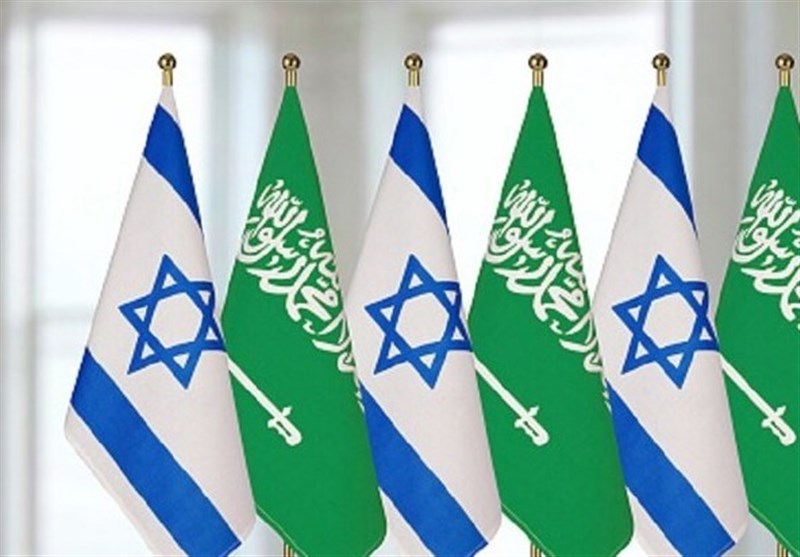
The way of developing relations between Saudi Arabia and the Zionist regime

The way of developing relations between Saudi Arabia and the Zionist regime

Strategic Council Online—Interview: An expert on West Asian issues stated that the frequent publication of news about the normalization of relations between the Zionist regime and Saudi Arabia in the Zionist media does not necessarily mean the occurrence of new developments that can change the geopolitics of the region, and said that repeatedly dealing with the issue of normalizing relations with Saudi Arabia is a media achievement. It is for Netanyahu and the Likud party to divert the attention of public opinion from the internal problems and challenges of the Zionist regime.

Al-Aqsa Mosque & Responsibility of OIC, International Community

Al-Aqsa Mosque & Responsibility of OIC, International Community

Strategic Council Online – Opinion: The recent measure by Itamar Ben-Gvir, the Minister of Internal Security of the Zionist regime, in attacking the Al-Aqsa Mosque and desecrating the Palestinian worshipers, although met with different reactions, showed that the role of the international community and the Islamic countries in preserving the sanctity of Islamic holy places in Palestine has faded away.
Hassan Hanizadeh – Expert on Middle East affairs

Strategic Roots, Consequences of Protests in Occupied Territories

Strategic Roots, Consequences of Protests in Occupied Territories

Strategic Council Online – Opinion: Simultaneously with the formation of the most extreme government of the Zionist regime in the past 75 years, the Occupied Territories have entered a new stage of tense internal conditions, and as a result, protests are expected to spread and cover various areas.
Hamid Khoshayand – Expert on regional affairs

The causes of the Zionist regime’s concern about the investigation of the International Court of Justice

The causes of the Zionist regime’s concern about the investigation of the International Court of Justice

Strategic Council Online—Interview: An expert on West Asian issues stated that the Palestinians have pursued their complaint in the International Court of Justice in order to pursue the Palestinian issue more seriously at the international level and in view of the new radical and right-wing Zionist cabinet that has taken measures to annex parts of the West Bank, adding that any vote against this regime and in favor of the Palestinians in international courts can have negative consequences for Israel and raise the illegality of the continued occupation of the Zionist regime more prominently in the public opinion of the world.

Prospect of “Negev” Meeting in Morocco

Prospect of “Negev” Meeting in Morocco

Strategic Council Online – Interview: An expert on West Asia affairs stated that choosing the usurper Zionist regime as the leader of the new regional coalition with the participation of Arab states is a very big strategic mistake. He added that the possibility of the formation of a regional coalition and implementation of what is being discussed in the Negev negotiations will not be easy to achieve. There are many reasons for this, including the deep differences of the Arab countries and their conflicting interests with each other, as well as their conflicts with the Zionist regime, and the formation of a new extremist government in Israel has also added to the existing challenges.

Zionist Regime’s Strategy to Exercise Influence in Central Asia

Zionist Regime’s Strategy to Exercise Influence in Central Asia

Strategic Council Online – Interview: A faculty member of Allameh Tabataba’i University said: The Islamic extremism raised by the Zionist regime in Central Asia and the Caucasus is an excuse aimed at suppressing Islamic movements in the region.

Indicators of New Zionist Government ‘s Extreme Approach, its Consequences

Indicators of New Zionist Government ‘s Extreme Approach, its Consequences

Strategic Council Online – Interview: A researcher of Israel affairs at Stream Research Institute, commenting on how the most right-wing cabinet in the Zionist regime, led by Benjamin Netanyahu, has come to power, said: About the new cabinet of the Zionist regime, we should know that the extreme right parties, the Religious Zionism, Jewish Power and Noam, formed a coalition and won 14 seats in the recent elections, which was unprecedented in the history of Israel. Currently, 14 seats of the three extreme parties are among Netanyahu’s coalition.

The causes and consequences of blocking the Lachin corridor

The causes and consequences of blocking the Lachin corridor

Strategic Council Online—Interview: Emphasizing that the Republic of Azerbaijan and Armenia should respect each other’s territorial integrity and observe international standards, an expert on international issues said that what happened with the blocking of Lachin corridor is against the standards of international law. The Republic of Azerbaijan should be demanded to cancel the restrictions and at the same time clarify the ambiguities of the Moscow Agreement, which was signed with the presence of Russia and between Armenia and the Republic of Azerbaijan, otherwise there is always the possibility of conflicts and disputes.

An analysis of Zionist regime’s attempt to form Cyber Iron Dome

An analysis of Zionist regime’s attempt to form Cyber Iron Dome

Strategic Council Online – Interview: An expert on the Middle East affairs pointing out that the media of the Zionist regime claimed that in recent weeks the authorities of the regime held meetings with the representatives of the United Arab Emirates, Bahrain and Morocco to define a joint defense mechanism called the Cyber Iron Dome, said: Although the location of the quadrilateral meeting has not been specified by the media of the Zionist regime, it seems that the regime, after failing to form a Hebrew-Arab front against Iran, is now seeking to infiltrate and conduct electronic espionage activities in Arab countries in the region.

The Persian Gulf Needs New Regional Arrangements

The Persian Gulf Needs New Regional Arrangements

Strategic Council Online: The President of the Strategic Council on Foreign Relations in his speech at the 10th world Peace Forum said that: the countries of the Persian Gulf region are mature enough to overcome their differences, complement each other, and turn their historical rivalries into cooperation by setting up a regional security mechanism.

أحدث الوظائف

The Makkah Pact; Reasons for its Formation and Challenges Ahead

SCFR Online – Opinion: The Makkah Pact, signed between Saudi Arabia, Pakistan, and Turkey under the motto “an attack on one is an attack on all,” is viewed by some analysts less as a full-fledged military coalition and more as an attempt to reduce security dependence on an external power and to establish a regional security mechanism.

Implications of the US-Saudi Nuclear Agreement

SCFR Online – Opinion: The new US-Saudi nuclear agreement, despite legal and political ambiguities, could alter previous non-proliferation standards in West Asia and intensify nuclear competition, ushering it into a new phase.

An Analysis of Recent Turkey-Israeli Regime Tensions

SCFR Online – Opinion: Recent developments in Syria indicate an intensification of strategic rivalry between Turkey and the Israeli regime, but mutual considerations and the role of the United States have limited the likelihood of direct war.

Increasing criticism of the extensive Zionist lobby network

SCFR Online – Opinion: An examination of the mechanisms of the Israeli regime’s influence in the United States depicts a complex picture of shared interests, strategic dependencies, and the limitations of this relationship.

Realities of the Tripartite Makkah Pact

SCFR Online – Interview: The signing of the Makkah agreement between Saudi Arabia, Pakistan, and Turkey has raised questions about the future of the region’s security structure and the position of these countries in West Asian equations. Can this agreement become a genuine collective defense mechanism, or does it have more of a political and deterrent function than creating new military capacity?

Loading

Zionist regime

The way of developing relations between Saudi Arabia and the Zionist regime

The way of developing relations between Saudi Arabia and the Zionist regime

Strategic Council Online—Interview: An expert on West Asian issues stated that the frequent publication of news about the normalization of relations between the Zionist regime and Saudi Arabia in the Zionist media does not necessarily mean the occurrence of new developments that can change the geopolitics of the region, and said that repeatedly dealing with the issue of normalizing relations with Saudi Arabia is a media achievement. It is for Netanyahu and the Likud party to divert the attention of public opinion from the internal problems and challenges of the Zionist regime.

Al-Aqsa Mosque & Responsibility of OIC, International Community

Al-Aqsa Mosque & Responsibility of OIC, International Community

Strategic Council Online – Opinion: The recent measure by Itamar Ben-Gvir, the Minister of Internal Security of the Zionist regime, in attacking the Al-Aqsa Mosque and desecrating the Palestinian worshipers, although met with different reactions, showed that the role of the international community and the Islamic countries in preserving the sanctity of Islamic holy places in Palestine has faded away.
Hassan Hanizadeh – Expert on Middle East affairs

Strategic Roots, Consequences of Protests in Occupied Territories

Strategic Roots, Consequences of Protests in Occupied Territories

Strategic Council Online – Opinion: Simultaneously with the formation of the most extreme government of the Zionist regime in the past 75 years, the Occupied Territories have entered a new stage of tense internal conditions, and as a result, protests are expected to spread and cover various areas.
Hamid Khoshayand – Expert on regional affairs

The causes of the Zionist regime’s concern about the investigation of the International Court of Justice

The causes of the Zionist regime’s concern about the investigation of the International Court of Justice

Strategic Council Online—Interview: An expert on West Asian issues stated that the Palestinians have pursued their complaint in the International Court of Justice in order to pursue the Palestinian issue more seriously at the international level and in view of the new radical and right-wing Zionist cabinet that has taken measures to annex parts of the West Bank, adding that any vote against this regime and in favor of the Palestinians in international courts can have negative consequences for Israel and raise the illegality of the continued occupation of the Zionist regime more prominently in the public opinion of the world.

Prospect of “Negev” Meeting in Morocco

Prospect of “Negev” Meeting in Morocco

Strategic Council Online – Interview: An expert on West Asia affairs stated that choosing the usurper Zionist regime as the leader of the new regional coalition with the participation of Arab states is a very big strategic mistake. He added that the possibility of the formation of a regional coalition and implementation of what is being discussed in the Negev negotiations will not be easy to achieve. There are many reasons for this, including the deep differences of the Arab countries and their conflicting interests with each other, as well as their conflicts with the Zionist regime, and the formation of a new extremist government in Israel has also added to the existing challenges.

Zionist Regime’s Strategy to Exercise Influence in Central Asia

Zionist Regime’s Strategy to Exercise Influence in Central Asia

Strategic Council Online – Interview: A faculty member of Allameh Tabataba’i University said: The Islamic extremism raised by the Zionist regime in Central Asia and the Caucasus is an excuse aimed at suppressing Islamic movements in the region.

Indicators of New Zionist Government ‘s Extreme Approach, its Consequences

Indicators of New Zionist Government ‘s Extreme Approach, its Consequences

Strategic Council Online – Interview: A researcher of Israel affairs at Stream Research Institute, commenting on how the most right-wing cabinet in the Zionist regime, led by Benjamin Netanyahu, has come to power, said: About the new cabinet of the Zionist regime, we should know that the extreme right parties, the Religious Zionism, Jewish Power and Noam, formed a coalition and won 14 seats in the recent elections, which was unprecedented in the history of Israel. Currently, 14 seats of the three extreme parties are among Netanyahu’s coalition.

The causes and consequences of blocking the Lachin corridor

The causes and consequences of blocking the Lachin corridor

Strategic Council Online—Interview: Emphasizing that the Republic of Azerbaijan and Armenia should respect each other’s territorial integrity and observe international standards, an expert on international issues said that what happened with the blocking of Lachin corridor is against the standards of international law. The Republic of Azerbaijan should be demanded to cancel the restrictions and at the same time clarify the ambiguities of the Moscow Agreement, which was signed with the presence of Russia and between Armenia and the Republic of Azerbaijan, otherwise there is always the possibility of conflicts and disputes.

An analysis of Zionist regime’s attempt to form Cyber Iron Dome

An analysis of Zionist regime’s attempt to form Cyber Iron Dome

Strategic Council Online – Interview: An expert on the Middle East affairs pointing out that the media of the Zionist regime claimed that in recent weeks the authorities of the regime held meetings with the representatives of the United Arab Emirates, Bahrain and Morocco to define a joint defense mechanism called the Cyber Iron Dome, said: Although the location of the quadrilateral meeting has not been specified by the media of the Zionist regime, it seems that the regime, after failing to form a Hebrew-Arab front against Iran, is now seeking to infiltrate and conduct electronic espionage activities in Arab countries in the region.

The Persian Gulf Needs New Regional Arrangements

The Persian Gulf Needs New Regional Arrangements

Strategic Council Online: The President of the Strategic Council on Foreign Relations in his speech at the 10th world Peace Forum said that: the countries of the Persian Gulf region are mature enough to overcome their differences, complement each other, and turn their historical rivalries into cooperation by setting up a regional security mechanism.

Zionist regime

The way of developing relations between Saudi Arabia and the Zionist regime

The way of developing relations between Saudi Arabia and the Zionist regime

Strategic Council Online—Interview: An expert on West Asian issues stated that the frequent publication of news about the normalization of relations between the Zionist regime and Saudi Arabia in the Zionist media does not necessarily mean the occurrence of new developments that can change the geopolitics of the region, and said that repeatedly dealing with the issue of normalizing relations with Saudi Arabia is a media achievement. It is for Netanyahu and the Likud party to divert the attention of public opinion from the internal problems and challenges of the Zionist regime.

Al-Aqsa Mosque & Responsibility of OIC, International Community

Al-Aqsa Mosque & Responsibility of OIC, International Community

Strategic Council Online – Opinion: The recent measure by Itamar Ben-Gvir, the Minister of Internal Security of the Zionist regime, in attacking the Al-Aqsa Mosque and desecrating the Palestinian worshipers, although met with different reactions, showed that the role of the international community and the Islamic countries in preserving the sanctity of Islamic holy places in Palestine has faded away.
Hassan Hanizadeh – Expert on Middle East affairs

Strategic Roots, Consequences of Protests in Occupied Territories

Strategic Roots, Consequences of Protests in Occupied Territories

Strategic Council Online – Opinion: Simultaneously with the formation of the most extreme government of the Zionist regime in the past 75 years, the Occupied Territories have entered a new stage of tense internal conditions, and as a result, protests are expected to spread and cover various areas.
Hamid Khoshayand – Expert on regional affairs

The causes of the Zionist regime’s concern about the investigation of the International Court of Justice

The causes of the Zionist regime’s concern about the investigation of the International Court of Justice

Strategic Council Online—Interview: An expert on West Asian issues stated that the Palestinians have pursued their complaint in the International Court of Justice in order to pursue the Palestinian issue more seriously at the international level and in view of the new radical and right-wing Zionist cabinet that has taken measures to annex parts of the West Bank, adding that any vote against this regime and in favor of the Palestinians in international courts can have negative consequences for Israel and raise the illegality of the continued occupation of the Zionist regime more prominently in the public opinion of the world.

Prospect of “Negev” Meeting in Morocco

Prospect of “Negev” Meeting in Morocco

Strategic Council Online – Interview: An expert on West Asia affairs stated that choosing the usurper Zionist regime as the leader of the new regional coalition with the participation of Arab states is a very big strategic mistake. He added that the possibility of the formation of a regional coalition and implementation of what is being discussed in the Negev negotiations will not be easy to achieve. There are many reasons for this, including the deep differences of the Arab countries and their conflicting interests with each other, as well as their conflicts with the Zionist regime, and the formation of a new extremist government in Israel has also added to the existing challenges.

Zionist Regime’s Strategy to Exercise Influence in Central Asia

Zionist Regime’s Strategy to Exercise Influence in Central Asia

Strategic Council Online – Interview: A faculty member of Allameh Tabataba’i University said: The Islamic extremism raised by the Zionist regime in Central Asia and the Caucasus is an excuse aimed at suppressing Islamic movements in the region.

Indicators of New Zionist Government ‘s Extreme Approach, its Consequences

Indicators of New Zionist Government ‘s Extreme Approach, its Consequences

Strategic Council Online – Interview: A researcher of Israel affairs at Stream Research Institute, commenting on how the most right-wing cabinet in the Zionist regime, led by Benjamin Netanyahu, has come to power, said: About the new cabinet of the Zionist regime, we should know that the extreme right parties, the Religious Zionism, Jewish Power and Noam, formed a coalition and won 14 seats in the recent elections, which was unprecedented in the history of Israel. Currently, 14 seats of the three extreme parties are among Netanyahu’s coalition.

The causes and consequences of blocking the Lachin corridor

The causes and consequences of blocking the Lachin corridor

Strategic Council Online—Interview: Emphasizing that the Republic of Azerbaijan and Armenia should respect each other’s territorial integrity and observe international standards, an expert on international issues said that what happened with the blocking of Lachin corridor is against the standards of international law. The Republic of Azerbaijan should be demanded to cancel the restrictions and at the same time clarify the ambiguities of the Moscow Agreement, which was signed with the presence of Russia and between Armenia and the Republic of Azerbaijan, otherwise there is always the possibility of conflicts and disputes.

An analysis of Zionist regime’s attempt to form Cyber Iron Dome

An analysis of Zionist regime’s attempt to form Cyber Iron Dome

Strategic Council Online – Interview: An expert on the Middle East affairs pointing out that the media of the Zionist regime claimed that in recent weeks the authorities of the regime held meetings with the representatives of the United Arab Emirates, Bahrain and Morocco to define a joint defense mechanism called the Cyber Iron Dome, said: Although the location of the quadrilateral meeting has not been specified by the media of the Zionist regime, it seems that the regime, after failing to form a Hebrew-Arab front against Iran, is now seeking to infiltrate and conduct electronic espionage activities in Arab countries in the region.

The Persian Gulf Needs New Regional Arrangements

The Persian Gulf Needs New Regional Arrangements

Strategic Council Online: The President of the Strategic Council on Foreign Relations in his speech at the 10th world Peace Forum said that: the countries of the Persian Gulf region are mature enough to overcome their differences, complement each other, and turn their historical rivalries into cooperation by setting up a regional security mechanism.

LATEST CONTENT

The Makkah Pact; Reasons for its Formation and Challenges Ahead

SCFR Online – Opinion: The Makkah Pact, signed between Saudi Arabia, Pakistan, and Turkey under the motto “an attack on one is an attack on all,” is viewed by some analysts less as a full-fledged military coalition and more as an attempt to reduce security dependence on an external power and to establish a regional security mechanism.

Implications of the US-Saudi Nuclear Agreement

SCFR Online – Opinion: The new US-Saudi nuclear agreement, despite legal and political ambiguities, could alter previous non-proliferation standards in West Asia and intensify nuclear competition, ushering it into a new phase.

An Analysis of Recent Turkey-Israeli Regime Tensions

SCFR Online – Opinion: Recent developments in Syria indicate an intensification of strategic rivalry between Turkey and the Israeli regime, but mutual considerations and the role of the United States have limited the likelihood of direct war.

Increasing criticism of the extensive Zionist lobby network

SCFR Online – Opinion: An examination of the mechanisms of the Israeli regime’s influence in the United States depicts a complex picture of shared interests, strategic dependencies, and the limitations of this relationship.

Realities of the Tripartite Makkah Pact

SCFR Online – Interview: The signing of the Makkah agreement between Saudi Arabia, Pakistan, and Turkey has raised questions about the future of the region’s security structure and the position of these countries in West Asian equations. Can this agreement become a genuine collective defense mechanism, or does it have more of a political and deterrent function than creating new military capacity?

Loading

Zionist regime

The way of developing relations between Saudi Arabia and the Zionist regime

The way of developing relations between Saudi Arabia and the Zionist regime

Strategic Council Online—Interview: An expert on West Asian issues stated that the frequent publication of news about the normalization of relations between the Zionist regime and Saudi Arabia in the Zionist media does not necessarily mean the occurrence of new developments that can change the geopolitics of the region, and said that repeatedly dealing with the issue of normalizing relations with Saudi Arabia is a media achievement. It is for Netanyahu and the Likud party to divert the attention of public opinion from the internal problems and challenges of the Zionist regime.

Al-Aqsa Mosque & Responsibility of OIC, International Community

Al-Aqsa Mosque & Responsibility of OIC, International Community

Strategic Council Online – Opinion: The recent measure by Itamar Ben-Gvir, the Minister of Internal Security of the Zionist regime, in attacking the Al-Aqsa Mosque and desecrating the Palestinian worshipers, although met with different reactions, showed that the role of the international community and the Islamic countries in preserving the sanctity of Islamic holy places in Palestine has faded away.
Hassan Hanizadeh – Expert on Middle East affairs

Strategic Roots, Consequences of Protests in Occupied Territories

Strategic Roots, Consequences of Protests in Occupied Territories

Strategic Council Online – Opinion: Simultaneously with the formation of the most extreme government of the Zionist regime in the past 75 years, the Occupied Territories have entered a new stage of tense internal conditions, and as a result, protests are expected to spread and cover various areas.
Hamid Khoshayand – Expert on regional affairs

The causes of the Zionist regime’s concern about the investigation of the International Court of Justice

The causes of the Zionist regime’s concern about the investigation of the International Court of Justice

Strategic Council Online—Interview: An expert on West Asian issues stated that the Palestinians have pursued their complaint in the International Court of Justice in order to pursue the Palestinian issue more seriously at the international level and in view of the new radical and right-wing Zionist cabinet that has taken measures to annex parts of the West Bank, adding that any vote against this regime and in favor of the Palestinians in international courts can have negative consequences for Israel and raise the illegality of the continued occupation of the Zionist regime more prominently in the public opinion of the world.

Prospect of “Negev” Meeting in Morocco

Prospect of “Negev” Meeting in Morocco

Strategic Council Online – Interview: An expert on West Asia affairs stated that choosing the usurper Zionist regime as the leader of the new regional coalition with the participation of Arab states is a very big strategic mistake. He added that the possibility of the formation of a regional coalition and implementation of what is being discussed in the Negev negotiations will not be easy to achieve. There are many reasons for this, including the deep differences of the Arab countries and their conflicting interests with each other, as well as their conflicts with the Zionist regime, and the formation of a new extremist government in Israel has also added to the existing challenges.

Zionist Regime’s Strategy to Exercise Influence in Central Asia

Zionist Regime’s Strategy to Exercise Influence in Central Asia

Strategic Council Online – Interview: A faculty member of Allameh Tabataba’i University said: The Islamic extremism raised by the Zionist regime in Central Asia and the Caucasus is an excuse aimed at suppressing Islamic movements in the region.

Indicators of New Zionist Government ‘s Extreme Approach, its Consequences

Indicators of New Zionist Government ‘s Extreme Approach, its Consequences

Strategic Council Online – Interview: A researcher of Israel affairs at Stream Research Institute, commenting on how the most right-wing cabinet in the Zionist regime, led by Benjamin Netanyahu, has come to power, said: About the new cabinet of the Zionist regime, we should know that the extreme right parties, the Religious Zionism, Jewish Power and Noam, formed a coalition and won 14 seats in the recent elections, which was unprecedented in the history of Israel. Currently, 14 seats of the three extreme parties are among Netanyahu’s coalition.

The causes and consequences of blocking the Lachin corridor

The causes and consequences of blocking the Lachin corridor

Strategic Council Online—Interview: Emphasizing that the Republic of Azerbaijan and Armenia should respect each other’s territorial integrity and observe international standards, an expert on international issues said that what happened with the blocking of Lachin corridor is against the standards of international law. The Republic of Azerbaijan should be demanded to cancel the restrictions and at the same time clarify the ambiguities of the Moscow Agreement, which was signed with the presence of Russia and between Armenia and the Republic of Azerbaijan, otherwise there is always the possibility of conflicts and disputes.

An analysis of Zionist regime’s attempt to form Cyber Iron Dome

An analysis of Zionist regime’s attempt to form Cyber Iron Dome

Strategic Council Online – Interview: An expert on the Middle East affairs pointing out that the media of the Zionist regime claimed that in recent weeks the authorities of the regime held meetings with the representatives of the United Arab Emirates, Bahrain and Morocco to define a joint defense mechanism called the Cyber Iron Dome, said: Although the location of the quadrilateral meeting has not been specified by the media of the Zionist regime, it seems that the regime, after failing to form a Hebrew-Arab front against Iran, is now seeking to infiltrate and conduct electronic espionage activities in Arab countries in the region.

The Persian Gulf Needs New Regional Arrangements

The Persian Gulf Needs New Regional Arrangements

Strategic Council Online: The President of the Strategic Council on Foreign Relations in his speech at the 10th world Peace Forum said that: the countries of the Persian Gulf region are mature enough to overcome their differences, complement each other, and turn their historical rivalries into cooperation by setting up a regional security mechanism.

ÚLTIMAS PUBLICACIONES

The Makkah Pact; Reasons for its Formation and Challenges Ahead

SCFR Online – Opinion: The Makkah Pact, signed between Saudi Arabia, Pakistan, and Turkey under the motto “an attack on one is an attack on all,” is viewed by some analysts less as a full-fledged military coalition and more as an attempt to reduce security dependence on an external power and to establish a regional security mechanism.

Implications of the US-Saudi Nuclear Agreement

SCFR Online – Opinion: The new US-Saudi nuclear agreement, despite legal and political ambiguities, could alter previous non-proliferation standards in West Asia and intensify nuclear competition, ushering it into a new phase.

An Analysis of Recent Turkey-Israeli Regime Tensions

SCFR Online – Opinion: Recent developments in Syria indicate an intensification of strategic rivalry between Turkey and the Israeli regime, but mutual considerations and the role of the United States have limited the likelihood of direct war.

Increasing criticism of the extensive Zionist lobby network

SCFR Online – Opinion: An examination of the mechanisms of the Israeli regime’s influence in the United States depicts a complex picture of shared interests, strategic dependencies, and the limitations of this relationship.

Realities of the Tripartite Makkah Pact

SCFR Online – Interview: The signing of the Makkah agreement between Saudi Arabia, Pakistan, and Turkey has raised questions about the future of the region’s security structure and the position of these countries in West Asian equations. Can this agreement become a genuine collective defense mechanism, or does it have more of a political and deterrent function than creating new military capacity?

Loading

Zionist regime

The way of developing relations between Saudi Arabia and the Zionist regime

The way of developing relations between Saudi Arabia and the Zionist regime

Strategic Council Online—Interview: An expert on West Asian issues stated that the frequent publication of news about the normalization of relations between the Zionist regime and Saudi Arabia in the Zionist media does not necessarily mean the occurrence of new developments that can change the geopolitics of the region, and said that repeatedly dealing with the issue of normalizing relations with Saudi Arabia is a media achievement. It is for Netanyahu and the Likud party to divert the attention of public opinion from the internal problems and challenges of the Zionist regime.

Al-Aqsa Mosque & Responsibility of OIC, International Community

Al-Aqsa Mosque & Responsibility of OIC, International Community

Strategic Council Online – Opinion: The recent measure by Itamar Ben-Gvir, the Minister of Internal Security of the Zionist regime, in attacking the Al-Aqsa Mosque and desecrating the Palestinian worshipers, although met with different reactions, showed that the role of the international community and the Islamic countries in preserving the sanctity of Islamic holy places in Palestine has faded away.
Hassan Hanizadeh – Expert on Middle East affairs

Strategic Roots, Consequences of Protests in Occupied Territories

Strategic Roots, Consequences of Protests in Occupied Territories

Strategic Council Online – Opinion: Simultaneously with the formation of the most extreme government of the Zionist regime in the past 75 years, the Occupied Territories have entered a new stage of tense internal conditions, and as a result, protests are expected to spread and cover various areas.
Hamid Khoshayand – Expert on regional affairs

The causes of the Zionist regime’s concern about the investigation of the International Court of Justice

The causes of the Zionist regime’s concern about the investigation of the International Court of Justice

Strategic Council Online—Interview: An expert on West Asian issues stated that the Palestinians have pursued their complaint in the International Court of Justice in order to pursue the Palestinian issue more seriously at the international level and in view of the new radical and right-wing Zionist cabinet that has taken measures to annex parts of the West Bank, adding that any vote against this regime and in favor of the Palestinians in international courts can have negative consequences for Israel and raise the illegality of the continued occupation of the Zionist regime more prominently in the public opinion of the world.

Prospect of “Negev” Meeting in Morocco

Prospect of “Negev” Meeting in Morocco

Strategic Council Online – Interview: An expert on West Asia affairs stated that choosing the usurper Zionist regime as the leader of the new regional coalition with the participation of Arab states is a very big strategic mistake. He added that the possibility of the formation of a regional coalition and implementation of what is being discussed in the Negev negotiations will not be easy to achieve. There are many reasons for this, including the deep differences of the Arab countries and their conflicting interests with each other, as well as their conflicts with the Zionist regime, and the formation of a new extremist government in Israel has also added to the existing challenges.

Zionist Regime’s Strategy to Exercise Influence in Central Asia

Zionist Regime’s Strategy to Exercise Influence in Central Asia

Strategic Council Online – Interview: A faculty member of Allameh Tabataba’i University said: The Islamic extremism raised by the Zionist regime in Central Asia and the Caucasus is an excuse aimed at suppressing Islamic movements in the region.

Indicators of New Zionist Government ‘s Extreme Approach, its Consequences

Indicators of New Zionist Government ‘s Extreme Approach, its Consequences

Strategic Council Online – Interview: A researcher of Israel affairs at Stream Research Institute, commenting on how the most right-wing cabinet in the Zionist regime, led by Benjamin Netanyahu, has come to power, said: About the new cabinet of the Zionist regime, we should know that the extreme right parties, the Religious Zionism, Jewish Power and Noam, formed a coalition and won 14 seats in the recent elections, which was unprecedented in the history of Israel. Currently, 14 seats of the three extreme parties are among Netanyahu’s coalition.

The causes and consequences of blocking the Lachin corridor

The causes and consequences of blocking the Lachin corridor

Strategic Council Online—Interview: Emphasizing that the Republic of Azerbaijan and Armenia should respect each other’s territorial integrity and observe international standards, an expert on international issues said that what happened with the blocking of Lachin corridor is against the standards of international law. The Republic of Azerbaijan should be demanded to cancel the restrictions and at the same time clarify the ambiguities of the Moscow Agreement, which was signed with the presence of Russia and between Armenia and the Republic of Azerbaijan, otherwise there is always the possibility of conflicts and disputes.

An analysis of Zionist regime’s attempt to form Cyber Iron Dome

An analysis of Zionist regime’s attempt to form Cyber Iron Dome

Strategic Council Online – Interview: An expert on the Middle East affairs pointing out that the media of the Zionist regime claimed that in recent weeks the authorities of the regime held meetings with the representatives of the United Arab Emirates, Bahrain and Morocco to define a joint defense mechanism called the Cyber Iron Dome, said: Although the location of the quadrilateral meeting has not been specified by the media of the Zionist regime, it seems that the regime, after failing to form a Hebrew-Arab front against Iran, is now seeking to infiltrate and conduct electronic espionage activities in Arab countries in the region.

The Persian Gulf Needs New Regional Arrangements

The Persian Gulf Needs New Regional Arrangements

Strategic Council Online: The President of the Strategic Council on Foreign Relations in his speech at the 10th world Peace Forum said that: the countries of the Persian Gulf region are mature enough to overcome their differences, complement each other, and turn their historical rivalries into cooperation by setting up a regional security mechanism.

ÚLTIMAS PUBLICACIONES

The Makkah Pact; Reasons for its Formation and Challenges Ahead

SCFR Online – Opinion: The Makkah Pact, signed between Saudi Arabia, Pakistan, and Turkey under the motto “an attack on one is an attack on all,” is viewed by some analysts less as a full-fledged military coalition and more as an attempt to reduce security dependence on an external power and to establish a regional security mechanism.

Implications of the US-Saudi Nuclear Agreement

SCFR Online – Opinion: The new US-Saudi nuclear agreement, despite legal and political ambiguities, could alter previous non-proliferation standards in West Asia and intensify nuclear competition, ushering it into a new phase.

An Analysis of Recent Turkey-Israeli Regime Tensions

SCFR Online – Opinion: Recent developments in Syria indicate an intensification of strategic rivalry between Turkey and the Israeli regime, but mutual considerations and the role of the United States have limited the likelihood of direct war.

Increasing criticism of the extensive Zionist lobby network

SCFR Online – Opinion: An examination of the mechanisms of the Israeli regime’s influence in the United States depicts a complex picture of shared interests, strategic dependencies, and the limitations of this relationship.

Realities of the Tripartite Makkah Pact

SCFR Online – Interview: The signing of the Makkah agreement between Saudi Arabia, Pakistan, and Turkey has raised questions about the future of the region’s security structure and the position of these countries in West Asian equations. Can this agreement become a genuine collective defense mechanism, or does it have more of a political and deterrent function than creating new military capacity?

Loading

Zionist regime

The way of developing relations between Saudi Arabia and the Zionist regime

The way of developing relations between Saudi Arabia and the Zionist regime

Strategic Council Online—Interview: An expert on West Asian issues stated that the frequent publication of news about the normalization of relations between the Zionist regime and Saudi Arabia in the Zionist media does not necessarily mean the occurrence of new developments that can change the geopolitics of the region, and said that repeatedly dealing with the issue of normalizing relations with Saudi Arabia is a media achievement. It is for Netanyahu and the Likud party to divert the attention of public opinion from the internal problems and challenges of the Zionist regime.

Al-Aqsa Mosque & Responsibility of OIC, International Community

Al-Aqsa Mosque & Responsibility of OIC, International Community

Strategic Council Online – Opinion: The recent measure by Itamar Ben-Gvir, the Minister of Internal Security of the Zionist regime, in attacking the Al-Aqsa Mosque and desecrating the Palestinian worshipers, although met with different reactions, showed that the role of the international community and the Islamic countries in preserving the sanctity of Islamic holy places in Palestine has faded away.
Hassan Hanizadeh – Expert on Middle East affairs

Strategic Roots, Consequences of Protests in Occupied Territories

Strategic Roots, Consequences of Protests in Occupied Territories

Strategic Council Online – Opinion: Simultaneously with the formation of the most extreme government of the Zionist regime in the past 75 years, the Occupied Territories have entered a new stage of tense internal conditions, and as a result, protests are expected to spread and cover various areas.
Hamid Khoshayand – Expert on regional affairs

The causes of the Zionist regime’s concern about the investigation of the International Court of Justice

The causes of the Zionist regime’s concern about the investigation of the International Court of Justice

Strategic Council Online—Interview: An expert on West Asian issues stated that the Palestinians have pursued their complaint in the International Court of Justice in order to pursue the Palestinian issue more seriously at the international level and in view of the new radical and right-wing Zionist cabinet that has taken measures to annex parts of the West Bank, adding that any vote against this regime and in favor of the Palestinians in international courts can have negative consequences for Israel and raise the illegality of the continued occupation of the Zionist regime more prominently in the public opinion of the world.

Prospect of “Negev” Meeting in Morocco

Prospect of “Negev” Meeting in Morocco

Strategic Council Online – Interview: An expert on West Asia affairs stated that choosing the usurper Zionist regime as the leader of the new regional coalition with the participation of Arab states is a very big strategic mistake. He added that the possibility of the formation of a regional coalition and implementation of what is being discussed in the Negev negotiations will not be easy to achieve. There are many reasons for this, including the deep differences of the Arab countries and their conflicting interests with each other, as well as their conflicts with the Zionist regime, and the formation of a new extremist government in Israel has also added to the existing challenges.

Zionist Regime’s Strategy to Exercise Influence in Central Asia

Zionist Regime’s Strategy to Exercise Influence in Central Asia

Strategic Council Online – Interview: A faculty member of Allameh Tabataba’i University said: The Islamic extremism raised by the Zionist regime in Central Asia and the Caucasus is an excuse aimed at suppressing Islamic movements in the region.

Indicators of New Zionist Government ‘s Extreme Approach, its Consequences

Indicators of New Zionist Government ‘s Extreme Approach, its Consequences

Strategic Council Online – Interview: A researcher of Israel affairs at Stream Research Institute, commenting on how the most right-wing cabinet in the Zionist regime, led by Benjamin Netanyahu, has come to power, said: About the new cabinet of the Zionist regime, we should know that the extreme right parties, the Religious Zionism, Jewish Power and Noam, formed a coalition and won 14 seats in the recent elections, which was unprecedented in the history of Israel. Currently, 14 seats of the three extreme parties are among Netanyahu’s coalition.

The causes and consequences of blocking the Lachin corridor

The causes and consequences of blocking the Lachin corridor

Strategic Council Online—Interview: Emphasizing that the Republic of Azerbaijan and Armenia should respect each other’s territorial integrity and observe international standards, an expert on international issues said that what happened with the blocking of Lachin corridor is against the standards of international law. The Republic of Azerbaijan should be demanded to cancel the restrictions and at the same time clarify the ambiguities of the Moscow Agreement, which was signed with the presence of Russia and between Armenia and the Republic of Azerbaijan, otherwise there is always the possibility of conflicts and disputes.

An analysis of Zionist regime’s attempt to form Cyber Iron Dome

An analysis of Zionist regime’s attempt to form Cyber Iron Dome

Strategic Council Online – Interview: An expert on the Middle East affairs pointing out that the media of the Zionist regime claimed that in recent weeks the authorities of the regime held meetings with the representatives of the United Arab Emirates, Bahrain and Morocco to define a joint defense mechanism called the Cyber Iron Dome, said: Although the location of the quadrilateral meeting has not been specified by the media of the Zionist regime, it seems that the regime, after failing to form a Hebrew-Arab front against Iran, is now seeking to infiltrate and conduct electronic espionage activities in Arab countries in the region.

The Persian Gulf Needs New Regional Arrangements

The Persian Gulf Needs New Regional Arrangements

Strategic Council Online: The President of the Strategic Council on Foreign Relations in his speech at the 10th world Peace Forum said that: the countries of the Persian Gulf region are mature enough to overcome their differences, complement each other, and turn their historical rivalries into cooperation by setting up a regional security mechanism.

ÚLTIMAS PUBLICACIONES

The Makkah Pact; Reasons for its Formation and Challenges Ahead

SCFR Online – Opinion: The Makkah Pact, signed between Saudi Arabia, Pakistan, and Turkey under the motto “an attack on one is an attack on all,” is viewed by some analysts less as a full-fledged military coalition and more as an attempt to reduce security dependence on an external power and to establish a regional security mechanism.

Implications of the US-Saudi Nuclear Agreement

SCFR Online – Opinion: The new US-Saudi nuclear agreement, despite legal and political ambiguities, could alter previous non-proliferation standards in West Asia and intensify nuclear competition, ushering it into a new phase.

An Analysis of Recent Turkey-Israeli Regime Tensions

SCFR Online – Opinion: Recent developments in Syria indicate an intensification of strategic rivalry between Turkey and the Israeli regime, but mutual considerations and the role of the United States have limited the likelihood of direct war.

Increasing criticism of the extensive Zionist lobby network

SCFR Online – Opinion: An examination of the mechanisms of the Israeli regime’s influence in the United States depicts a complex picture of shared interests, strategic dependencies, and the limitations of this relationship.

Realities of the Tripartite Makkah Pact

SCFR Online – Interview: The signing of the Makkah agreement between Saudi Arabia, Pakistan, and Turkey has raised questions about the future of the region’s security structure and the position of these countries in West Asian equations. Can this agreement become a genuine collective defense mechanism, or does it have more of a political and deterrent function than creating new military capacity?

Loading

Zionist regime

The way of developing relations between Saudi Arabia and the Zionist regime

The way of developing relations between Saudi Arabia and the Zionist regime

Strategic Council Online—Interview: An expert on West Asian issues stated that the frequent publication of news about the normalization of relations between the Zionist regime and Saudi Arabia in the Zionist media does not necessarily mean the occurrence of new developments that can change the geopolitics of the region, and said that repeatedly dealing with the issue of normalizing relations with Saudi Arabia is a media achievement. It is for Netanyahu and the Likud party to divert the attention of public opinion from the internal problems and challenges of the Zionist regime.

Al-Aqsa Mosque & Responsibility of OIC, International Community

Al-Aqsa Mosque & Responsibility of OIC, International Community

Strategic Council Online – Opinion: The recent measure by Itamar Ben-Gvir, the Minister of Internal Security of the Zionist regime, in attacking the Al-Aqsa Mosque and desecrating the Palestinian worshipers, although met with different reactions, showed that the role of the international community and the Islamic countries in preserving the sanctity of Islamic holy places in Palestine has faded away.
Hassan Hanizadeh – Expert on Middle East affairs

Strategic Roots, Consequences of Protests in Occupied Territories

Strategic Roots, Consequences of Protests in Occupied Territories

Strategic Council Online – Opinion: Simultaneously with the formation of the most extreme government of the Zionist regime in the past 75 years, the Occupied Territories have entered a new stage of tense internal conditions, and as a result, protests are expected to spread and cover various areas.
Hamid Khoshayand – Expert on regional affairs

The causes of the Zionist regime’s concern about the investigation of the International Court of Justice

The causes of the Zionist regime’s concern about the investigation of the International Court of Justice

Strategic Council Online—Interview: An expert on West Asian issues stated that the Palestinians have pursued their complaint in the International Court of Justice in order to pursue the Palestinian issue more seriously at the international level and in view of the new radical and right-wing Zionist cabinet that has taken measures to annex parts of the West Bank, adding that any vote against this regime and in favor of the Palestinians in international courts can have negative consequences for Israel and raise the illegality of the continued occupation of the Zionist regime more prominently in the public opinion of the world.

Prospect of “Negev” Meeting in Morocco

Prospect of “Negev” Meeting in Morocco

Strategic Council Online – Interview: An expert on West Asia affairs stated that choosing the usurper Zionist regime as the leader of the new regional coalition with the participation of Arab states is a very big strategic mistake. He added that the possibility of the formation of a regional coalition and implementation of what is being discussed in the Negev negotiations will not be easy to achieve. There are many reasons for this, including the deep differences of the Arab countries and their conflicting interests with each other, as well as their conflicts with the Zionist regime, and the formation of a new extremist government in Israel has also added to the existing challenges.

Zionist Regime’s Strategy to Exercise Influence in Central Asia

Zionist Regime’s Strategy to Exercise Influence in Central Asia

Strategic Council Online – Interview: A faculty member of Allameh Tabataba’i University said: The Islamic extremism raised by the Zionist regime in Central Asia and the Caucasus is an excuse aimed at suppressing Islamic movements in the region.

Indicators of New Zionist Government ‘s Extreme Approach, its Consequences

Indicators of New Zionist Government ‘s Extreme Approach, its Consequences

Strategic Council Online – Interview: A researcher of Israel affairs at Stream Research Institute, commenting on how the most right-wing cabinet in the Zionist regime, led by Benjamin Netanyahu, has come to power, said: About the new cabinet of the Zionist regime, we should know that the extreme right parties, the Religious Zionism, Jewish Power and Noam, formed a coalition and won 14 seats in the recent elections, which was unprecedented in the history of Israel. Currently, 14 seats of the three extreme parties are among Netanyahu’s coalition.

The causes and consequences of blocking the Lachin corridor

The causes and consequences of blocking the Lachin corridor

Strategic Council Online—Interview: Emphasizing that the Republic of Azerbaijan and Armenia should respect each other’s territorial integrity and observe international standards, an expert on international issues said that what happened with the blocking of Lachin corridor is against the standards of international law. The Republic of Azerbaijan should be demanded to cancel the restrictions and at the same time clarify the ambiguities of the Moscow Agreement, which was signed with the presence of Russia and between Armenia and the Republic of Azerbaijan, otherwise there is always the possibility of conflicts and disputes.

An analysis of Zionist regime’s attempt to form Cyber Iron Dome

An analysis of Zionist regime’s attempt to form Cyber Iron Dome

Strategic Council Online – Interview: An expert on the Middle East affairs pointing out that the media of the Zionist regime claimed that in recent weeks the authorities of the regime held meetings with the representatives of the United Arab Emirates, Bahrain and Morocco to define a joint defense mechanism called the Cyber Iron Dome, said: Although the location of the quadrilateral meeting has not been specified by the media of the Zionist regime, it seems that the regime, after failing to form a Hebrew-Arab front against Iran, is now seeking to infiltrate and conduct electronic espionage activities in Arab countries in the region.

The Persian Gulf Needs New Regional Arrangements

The Persian Gulf Needs New Regional Arrangements

Strategic Council Online: The President of the Strategic Council on Foreign Relations in his speech at the 10th world Peace Forum said that: the countries of the Persian Gulf region are mature enough to overcome their differences, complement each other, and turn their historical rivalries into cooperation by setting up a regional security mechanism.

ÚLTIMAS PUBLICACIONES

The Makkah Pact; Reasons for its Formation and Challenges Ahead

SCFR Online – Opinion: The Makkah Pact, signed between Saudi Arabia, Pakistan, and Turkey under the motto “an attack on one is an attack on all,” is viewed by some analysts less as a full-fledged military coalition and more as an attempt to reduce security dependence on an external power and to establish a regional security mechanism.

Implications of the US-Saudi Nuclear Agreement

SCFR Online – Opinion: The new US-Saudi nuclear agreement, despite legal and political ambiguities, could alter previous non-proliferation standards in West Asia and intensify nuclear competition, ushering it into a new phase.

An Analysis of Recent Turkey-Israeli Regime Tensions

SCFR Online – Opinion: Recent developments in Syria indicate an intensification of strategic rivalry between Turkey and the Israeli regime, but mutual considerations and the role of the United States have limited the likelihood of direct war.

Increasing criticism of the extensive Zionist lobby network

SCFR Online – Opinion: An examination of the mechanisms of the Israeli regime’s influence in the United States depicts a complex picture of shared interests, strategic dependencies, and the limitations of this relationship.

Realities of the Tripartite Makkah Pact

SCFR Online – Interview: The signing of the Makkah agreement between Saudi Arabia, Pakistan, and Turkey has raised questions about the future of the region’s security structure and the position of these countries in West Asian equations. Can this agreement become a genuine collective defense mechanism, or does it have more of a political and deterrent function than creating new military capacity?

Loading