جدیدترین مطالب

The Makkah Pact; Reasons for its Formation and Challenges Ahead

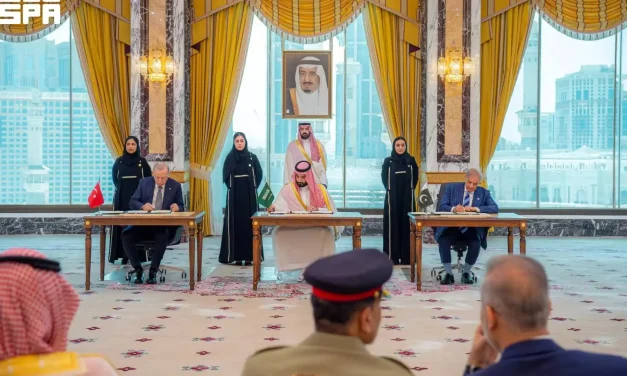
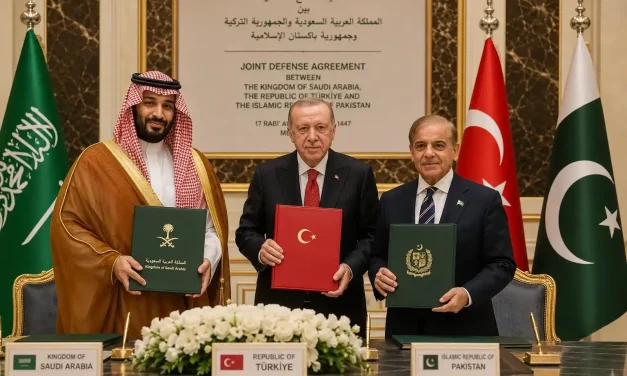
SCFR Online – Opinion: The Makkah Pact, signed between Saudi Arabia, Pakistan, and Turkey under the motto “an attack on one is an attack on all,” is viewed by some analysts less as a full-fledged military coalition and more as an attempt to reduce security dependence on an external power and to establish a regional security mechanism.

Implications of the US-Saudi Nuclear Agreement

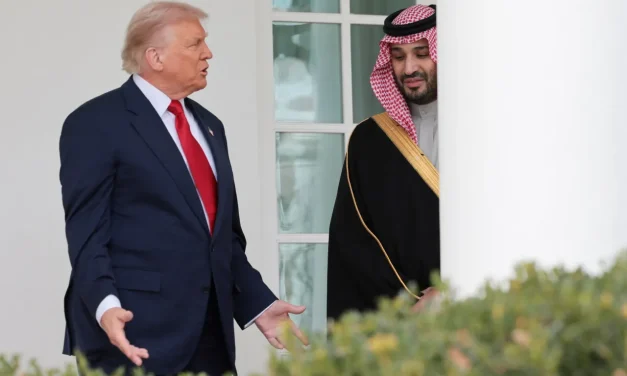
SCFR Online – Opinion: The new US-Saudi nuclear agreement, despite legal and political ambiguities, could alter previous non-proliferation standards in West Asia and intensify nuclear competition, ushering it into a new phase.

An Analysis of Recent Turkey-Israeli Regime Tensions

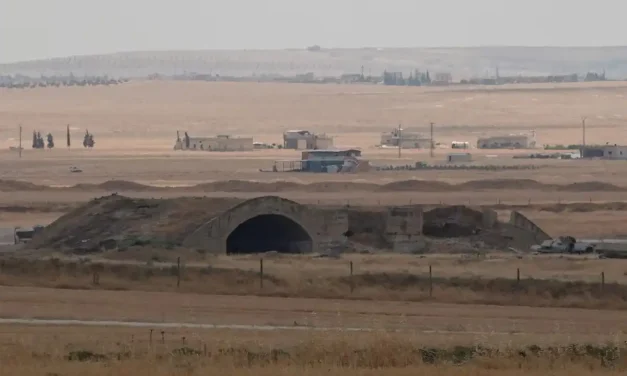
SCFR Online – Opinion: Recent developments in Syria indicate an intensification of strategic rivalry between Turkey and the Israeli regime, but mutual considerations and the role of the United States have limited the likelihood of direct war.

Increasing criticism of the extensive Zionist lobby network

SCFR Online – Opinion: An examination of the mechanisms of the Israeli regime’s influence in the United States depicts a complex picture of shared interests, strategic dependencies, and the limitations of this relationship.

Realities of the Tripartite Makkah Pact

SCFR Online – Interview: The signing of the Makkah agreement between Saudi Arabia, Pakistan, and Turkey has raised questions about the future of the region’s security structure and the position of these countries in West Asian equations. Can this agreement become a genuine collective defense mechanism, or does it have more of a political and deterrent function than creating new military capacity?

Strategic Implications of the Reduction of US Weapons Stockpiles

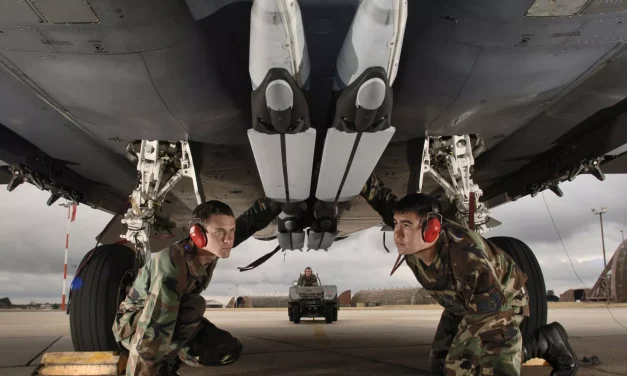
SCFR Online – Opinion: The continuation of the US war against Iran, in addition to increasing operational costs, has called into question the actual capacity of the American arsenal to simultaneously fulfill security commitments on multiple fronts; an issue that affects deterrence, defense production capacity, and Washington’s resource prioritization.

Loading

آمریکا

Zionist Regime’s Crisis Making Plans in the Region

Zionist Regime’s Crisis Making Plans in the Region

Strategic Council Online – Opinion: In recent years, the Zionist regime has tried on the one hand to be accepted politically at the regional level, or as the American officials put it, to “merge into” the Middle East region, and on the other hand, to enter into economic, political and security arrangements at the regional level and beyond.
Fatemeh Nekoolal Azad – Expert in international affairs

A Glance at Recent Fundamental Changes of Global Parity Rate of Euro versus US Dollar

A Glance at Recent Fundamental Changes of Global Parity Rate of Euro versus US Dollar

Strategic Council Online – Opinion
The parity rate of the Euro versus the US dollar came to equality within the last few days. On July 14, 2022, one euro was traded at $ 1.0032 indicating a fall of 11.8% of the Euro value against the US dollar in comparison with the same day last year. Generally, among the factors for such developments are:
– the unfavorable economic perspective of Eurozone because of the Russian invasion of Ukraine
– Dubious approach of the European Central Bank
– The U.S. Federal Reserve Bank approach coupled with risk
Reza Majidzadeh, Researcher, Development Political Economics

Saudi Arabia’s Miscalculation to Get So-Called Concessions from US

Saudi Arabia’s Miscalculation to Get So-Called Concessions from US

Strategic Council Online – Interview: An expert on Saudi affairs said: Saudi Arabia is facing many challenges to establish relations with the Zionist regime, including dissatisfaction of the public opinion; therefore, by putting forward such an agenda, Mohammed bin Salman is only seeking the so-called concessions from the United States and wants to try to possibly resolve the issues he has with the US from a position of power during Biden’s trip to the region.

Importance of Iran’s role playing in BRICS

Importance of Iran’s role playing in BRICS

Strategic Council Online-Interview: An expert of subcontinent affairs, referring to the virtual meeting between the leaders of Brazil, Russia, India, China and South Africa as members of BRICS and remarks by Chinese President who said the world should oppose unilateral sanctions and the efforts of some countries to maintain their political and military power, said that in order to better understand the effects and results of the BRICS summit, we must understand the macro trend in the field of international politics, which is the decline of the United States as the hegemon of the unipolar world.

Unsuccessful Coalition Building Strategy against Iran

Unsuccessful Coalition Building Strategy against Iran

Strategic Council Online – Interview: An expert on West Asia affairs, saying that the US and the West intend to prevent Iran’s influence and deterrence power by creating a movement against its drone and missile capabilities and by increasing pressure on Tehran. He noted: While the United States cannot increase pressure against Iran through the United Nations due to the opposition of Russia and China to unilateral policies, it is trying to focus on regional pressure tools against Iran by forming coalitions and even disseminating fake news.

أحدث الوظائف

The Makkah Pact; Reasons for its Formation and Challenges Ahead

SCFR Online – Opinion: The Makkah Pact, signed between Saudi Arabia, Pakistan, and Turkey under the motto “an attack on one is an attack on all,” is viewed by some analysts less as a full-fledged military coalition and more as an attempt to reduce security dependence on an external power and to establish a regional security mechanism.

Implications of the US-Saudi Nuclear Agreement

SCFR Online – Opinion: The new US-Saudi nuclear agreement, despite legal and political ambiguities, could alter previous non-proliferation standards in West Asia and intensify nuclear competition, ushering it into a new phase.

An Analysis of Recent Turkey-Israeli Regime Tensions

SCFR Online – Opinion: Recent developments in Syria indicate an intensification of strategic rivalry between Turkey and the Israeli regime, but mutual considerations and the role of the United States have limited the likelihood of direct war.

Increasing criticism of the extensive Zionist lobby network

SCFR Online – Opinion: An examination of the mechanisms of the Israeli regime’s influence in the United States depicts a complex picture of shared interests, strategic dependencies, and the limitations of this relationship.

Realities of the Tripartite Makkah Pact

SCFR Online – Interview: The signing of the Makkah agreement between Saudi Arabia, Pakistan, and Turkey has raised questions about the future of the region’s security structure and the position of these countries in West Asian equations. Can this agreement become a genuine collective defense mechanism, or does it have more of a political and deterrent function than creating new military capacity?

Strategic Implications of the Reduction of US Weapons Stockpiles

SCFR Online – Opinion: The continuation of the US war against Iran, in addition to increasing operational costs, has called into question the actual capacity of the American arsenal to simultaneously fulfill security commitments on multiple fronts; an issue that affects deterrence, defense production capacity, and Washington’s resource prioritization.

Loading

آمریکا

Zionist Regime’s Crisis Making Plans in the Region

Zionist Regime’s Crisis Making Plans in the Region

Strategic Council Online – Opinion: In recent years, the Zionist regime has tried on the one hand to be accepted politically at the regional level, or as the American officials put it, to “merge into” the Middle East region, and on the other hand, to enter into economic, political and security arrangements at the regional level and beyond.
Fatemeh Nekoolal Azad – Expert in international affairs

A Glance at Recent Fundamental Changes of Global Parity Rate of Euro versus US Dollar

A Glance at Recent Fundamental Changes of Global Parity Rate of Euro versus US Dollar

Strategic Council Online – Opinion
The parity rate of the Euro versus the US dollar came to equality within the last few days. On July 14, 2022, one euro was traded at $ 1.0032 indicating a fall of 11.8% of the Euro value against the US dollar in comparison with the same day last year. Generally, among the factors for such developments are:
– the unfavorable economic perspective of Eurozone because of the Russian invasion of Ukraine
– Dubious approach of the European Central Bank
– The U.S. Federal Reserve Bank approach coupled with risk
Reza Majidzadeh, Researcher, Development Political Economics

Saudi Arabia’s Miscalculation to Get So-Called Concessions from US

Saudi Arabia’s Miscalculation to Get So-Called Concessions from US

Strategic Council Online – Interview: An expert on Saudi affairs said: Saudi Arabia is facing many challenges to establish relations with the Zionist regime, including dissatisfaction of the public opinion; therefore, by putting forward such an agenda, Mohammed bin Salman is only seeking the so-called concessions from the United States and wants to try to possibly resolve the issues he has with the US from a position of power during Biden’s trip to the region.

Importance of Iran’s role playing in BRICS

Importance of Iran’s role playing in BRICS

Strategic Council Online-Interview: An expert of subcontinent affairs, referring to the virtual meeting between the leaders of Brazil, Russia, India, China and South Africa as members of BRICS and remarks by Chinese President who said the world should oppose unilateral sanctions and the efforts of some countries to maintain their political and military power, said that in order to better understand the effects and results of the BRICS summit, we must understand the macro trend in the field of international politics, which is the decline of the United States as the hegemon of the unipolar world.

Unsuccessful Coalition Building Strategy against Iran

Unsuccessful Coalition Building Strategy against Iran

Strategic Council Online – Interview: An expert on West Asia affairs, saying that the US and the West intend to prevent Iran’s influence and deterrence power by creating a movement against its drone and missile capabilities and by increasing pressure on Tehran. He noted: While the United States cannot increase pressure against Iran through the United Nations due to the opposition of Russia and China to unilateral policies, it is trying to focus on regional pressure tools against Iran by forming coalitions and even disseminating fake news.

آمریکا

Zionist Regime’s Crisis Making Plans in the Region

Zionist Regime’s Crisis Making Plans in the Region

Strategic Council Online – Opinion: In recent years, the Zionist regime has tried on the one hand to be accepted politically at the regional level, or as the American officials put it, to “merge into” the Middle East region, and on the other hand, to enter into economic, political and security arrangements at the regional level and beyond.
Fatemeh Nekoolal Azad – Expert in international affairs

A Glance at Recent Fundamental Changes of Global Parity Rate of Euro versus US Dollar

A Glance at Recent Fundamental Changes of Global Parity Rate of Euro versus US Dollar

Strategic Council Online – Opinion
The parity rate of the Euro versus the US dollar came to equality within the last few days. On July 14, 2022, one euro was traded at $ 1.0032 indicating a fall of 11.8% of the Euro value against the US dollar in comparison with the same day last year. Generally, among the factors for such developments are:
– the unfavorable economic perspective of Eurozone because of the Russian invasion of Ukraine
– Dubious approach of the European Central Bank
– The U.S. Federal Reserve Bank approach coupled with risk
Reza Majidzadeh, Researcher, Development Political Economics

Saudi Arabia’s Miscalculation to Get So-Called Concessions from US

Saudi Arabia’s Miscalculation to Get So-Called Concessions from US

Strategic Council Online – Interview: An expert on Saudi affairs said: Saudi Arabia is facing many challenges to establish relations with the Zionist regime, including dissatisfaction of the public opinion; therefore, by putting forward such an agenda, Mohammed bin Salman is only seeking the so-called concessions from the United States and wants to try to possibly resolve the issues he has with the US from a position of power during Biden’s trip to the region.

Importance of Iran’s role playing in BRICS

Importance of Iran’s role playing in BRICS

Strategic Council Online-Interview: An expert of subcontinent affairs, referring to the virtual meeting between the leaders of Brazil, Russia, India, China and South Africa as members of BRICS and remarks by Chinese President who said the world should oppose unilateral sanctions and the efforts of some countries to maintain their political and military power, said that in order to better understand the effects and results of the BRICS summit, we must understand the macro trend in the field of international politics, which is the decline of the United States as the hegemon of the unipolar world.

Unsuccessful Coalition Building Strategy against Iran

Unsuccessful Coalition Building Strategy against Iran

Strategic Council Online – Interview: An expert on West Asia affairs, saying that the US and the West intend to prevent Iran’s influence and deterrence power by creating a movement against its drone and missile capabilities and by increasing pressure on Tehran. He noted: While the United States cannot increase pressure against Iran through the United Nations due to the opposition of Russia and China to unilateral policies, it is trying to focus on regional pressure tools against Iran by forming coalitions and even disseminating fake news.

LATEST CONTENT

The Makkah Pact; Reasons for its Formation and Challenges Ahead

SCFR Online – Opinion: The Makkah Pact, signed between Saudi Arabia, Pakistan, and Turkey under the motto “an attack on one is an attack on all,” is viewed by some analysts less as a full-fledged military coalition and more as an attempt to reduce security dependence on an external power and to establish a regional security mechanism.

Implications of the US-Saudi Nuclear Agreement

SCFR Online – Opinion: The new US-Saudi nuclear agreement, despite legal and political ambiguities, could alter previous non-proliferation standards in West Asia and intensify nuclear competition, ushering it into a new phase.

An Analysis of Recent Turkey-Israeli Regime Tensions

SCFR Online – Opinion: Recent developments in Syria indicate an intensification of strategic rivalry between Turkey and the Israeli regime, but mutual considerations and the role of the United States have limited the likelihood of direct war.

Increasing criticism of the extensive Zionist lobby network

SCFR Online – Opinion: An examination of the mechanisms of the Israeli regime’s influence in the United States depicts a complex picture of shared interests, strategic dependencies, and the limitations of this relationship.

Realities of the Tripartite Makkah Pact

SCFR Online – Interview: The signing of the Makkah agreement between Saudi Arabia, Pakistan, and Turkey has raised questions about the future of the region’s security structure and the position of these countries in West Asian equations. Can this agreement become a genuine collective defense mechanism, or does it have more of a political and deterrent function than creating new military capacity?

Strategic Implications of the Reduction of US Weapons Stockpiles

SCFR Online – Opinion: The continuation of the US war against Iran, in addition to increasing operational costs, has called into question the actual capacity of the American arsenal to simultaneously fulfill security commitments on multiple fronts; an issue that affects deterrence, defense production capacity, and Washington’s resource prioritization.

Loading

آمریکا

Zionist Regime’s Crisis Making Plans in the Region

Zionist Regime’s Crisis Making Plans in the Region

Strategic Council Online – Opinion: In recent years, the Zionist regime has tried on the one hand to be accepted politically at the regional level, or as the American officials put it, to “merge into” the Middle East region, and on the other hand, to enter into economic, political and security arrangements at the regional level and beyond.
Fatemeh Nekoolal Azad – Expert in international affairs

A Glance at Recent Fundamental Changes of Global Parity Rate of Euro versus US Dollar

A Glance at Recent Fundamental Changes of Global Parity Rate of Euro versus US Dollar

Strategic Council Online – Opinion
The parity rate of the Euro versus the US dollar came to equality within the last few days. On July 14, 2022, one euro was traded at $ 1.0032 indicating a fall of 11.8% of the Euro value against the US dollar in comparison with the same day last year. Generally, among the factors for such developments are:
– the unfavorable economic perspective of Eurozone because of the Russian invasion of Ukraine
– Dubious approach of the European Central Bank
– The U.S. Federal Reserve Bank approach coupled with risk
Reza Majidzadeh, Researcher, Development Political Economics

Saudi Arabia’s Miscalculation to Get So-Called Concessions from US

Saudi Arabia’s Miscalculation to Get So-Called Concessions from US

Strategic Council Online – Interview: An expert on Saudi affairs said: Saudi Arabia is facing many challenges to establish relations with the Zionist regime, including dissatisfaction of the public opinion; therefore, by putting forward such an agenda, Mohammed bin Salman is only seeking the so-called concessions from the United States and wants to try to possibly resolve the issues he has with the US from a position of power during Biden’s trip to the region.

Importance of Iran’s role playing in BRICS

Importance of Iran’s role playing in BRICS

Strategic Council Online-Interview: An expert of subcontinent affairs, referring to the virtual meeting between the leaders of Brazil, Russia, India, China and South Africa as members of BRICS and remarks by Chinese President who said the world should oppose unilateral sanctions and the efforts of some countries to maintain their political and military power, said that in order to better understand the effects and results of the BRICS summit, we must understand the macro trend in the field of international politics, which is the decline of the United States as the hegemon of the unipolar world.

Unsuccessful Coalition Building Strategy against Iran

Unsuccessful Coalition Building Strategy against Iran

Strategic Council Online – Interview: An expert on West Asia affairs, saying that the US and the West intend to prevent Iran’s influence and deterrence power by creating a movement against its drone and missile capabilities and by increasing pressure on Tehran. He noted: While the United States cannot increase pressure against Iran through the United Nations due to the opposition of Russia and China to unilateral policies, it is trying to focus on regional pressure tools against Iran by forming coalitions and even disseminating fake news.

ÚLTIMAS PUBLICACIONES

The Makkah Pact; Reasons for its Formation and Challenges Ahead

SCFR Online – Opinion: The Makkah Pact, signed between Saudi Arabia, Pakistan, and Turkey under the motto “an attack on one is an attack on all,” is viewed by some analysts less as a full-fledged military coalition and more as an attempt to reduce security dependence on an external power and to establish a regional security mechanism.

Implications of the US-Saudi Nuclear Agreement

SCFR Online – Opinion: The new US-Saudi nuclear agreement, despite legal and political ambiguities, could alter previous non-proliferation standards in West Asia and intensify nuclear competition, ushering it into a new phase.

An Analysis of Recent Turkey-Israeli Regime Tensions

SCFR Online – Opinion: Recent developments in Syria indicate an intensification of strategic rivalry between Turkey and the Israeli regime, but mutual considerations and the role of the United States have limited the likelihood of direct war.

Increasing criticism of the extensive Zionist lobby network

SCFR Online – Opinion: An examination of the mechanisms of the Israeli regime’s influence in the United States depicts a complex picture of shared interests, strategic dependencies, and the limitations of this relationship.

Realities of the Tripartite Makkah Pact

SCFR Online – Interview: The signing of the Makkah agreement between Saudi Arabia, Pakistan, and Turkey has raised questions about the future of the region’s security structure and the position of these countries in West Asian equations. Can this agreement become a genuine collective defense mechanism, or does it have more of a political and deterrent function than creating new military capacity?

Strategic Implications of the Reduction of US Weapons Stockpiles

SCFR Online – Opinion: The continuation of the US war against Iran, in addition to increasing operational costs, has called into question the actual capacity of the American arsenal to simultaneously fulfill security commitments on multiple fronts; an issue that affects deterrence, defense production capacity, and Washington’s resource prioritization.

Loading

آمریکا

Zionist Regime’s Crisis Making Plans in the Region

Zionist Regime’s Crisis Making Plans in the Region

Strategic Council Online – Opinion: In recent years, the Zionist regime has tried on the one hand to be accepted politically at the regional level, or as the American officials put it, to “merge into” the Middle East region, and on the other hand, to enter into economic, political and security arrangements at the regional level and beyond.
Fatemeh Nekoolal Azad – Expert in international affairs

A Glance at Recent Fundamental Changes of Global Parity Rate of Euro versus US Dollar

A Glance at Recent Fundamental Changes of Global Parity Rate of Euro versus US Dollar

Strategic Council Online – Opinion
The parity rate of the Euro versus the US dollar came to equality within the last few days. On July 14, 2022, one euro was traded at $ 1.0032 indicating a fall of 11.8% of the Euro value against the US dollar in comparison with the same day last year. Generally, among the factors for such developments are:
– the unfavorable economic perspective of Eurozone because of the Russian invasion of Ukraine
– Dubious approach of the European Central Bank
– The U.S. Federal Reserve Bank approach coupled with risk
Reza Majidzadeh, Researcher, Development Political Economics

Saudi Arabia’s Miscalculation to Get So-Called Concessions from US

Saudi Arabia’s Miscalculation to Get So-Called Concessions from US

Strategic Council Online – Interview: An expert on Saudi affairs said: Saudi Arabia is facing many challenges to establish relations with the Zionist regime, including dissatisfaction of the public opinion; therefore, by putting forward such an agenda, Mohammed bin Salman is only seeking the so-called concessions from the United States and wants to try to possibly resolve the issues he has with the US from a position of power during Biden’s trip to the region.

Importance of Iran’s role playing in BRICS

Importance of Iran’s role playing in BRICS

Strategic Council Online-Interview: An expert of subcontinent affairs, referring to the virtual meeting between the leaders of Brazil, Russia, India, China and South Africa as members of BRICS and remarks by Chinese President who said the world should oppose unilateral sanctions and the efforts of some countries to maintain their political and military power, said that in order to better understand the effects and results of the BRICS summit, we must understand the macro trend in the field of international politics, which is the decline of the United States as the hegemon of the unipolar world.

Unsuccessful Coalition Building Strategy against Iran

Unsuccessful Coalition Building Strategy against Iran

Strategic Council Online – Interview: An expert on West Asia affairs, saying that the US and the West intend to prevent Iran’s influence and deterrence power by creating a movement against its drone and missile capabilities and by increasing pressure on Tehran. He noted: While the United States cannot increase pressure against Iran through the United Nations due to the opposition of Russia and China to unilateral policies, it is trying to focus on regional pressure tools against Iran by forming coalitions and even disseminating fake news.

ÚLTIMAS PUBLICACIONES

The Makkah Pact; Reasons for its Formation and Challenges Ahead

SCFR Online – Opinion: The Makkah Pact, signed between Saudi Arabia, Pakistan, and Turkey under the motto “an attack on one is an attack on all,” is viewed by some analysts less as a full-fledged military coalition and more as an attempt to reduce security dependence on an external power and to establish a regional security mechanism.

Implications of the US-Saudi Nuclear Agreement

SCFR Online – Opinion: The new US-Saudi nuclear agreement, despite legal and political ambiguities, could alter previous non-proliferation standards in West Asia and intensify nuclear competition, ushering it into a new phase.

An Analysis of Recent Turkey-Israeli Regime Tensions

SCFR Online – Opinion: Recent developments in Syria indicate an intensification of strategic rivalry between Turkey and the Israeli regime, but mutual considerations and the role of the United States have limited the likelihood of direct war.

Increasing criticism of the extensive Zionist lobby network

SCFR Online – Opinion: An examination of the mechanisms of the Israeli regime’s influence in the United States depicts a complex picture of shared interests, strategic dependencies, and the limitations of this relationship.

Realities of the Tripartite Makkah Pact

SCFR Online – Interview: The signing of the Makkah agreement between Saudi Arabia, Pakistan, and Turkey has raised questions about the future of the region’s security structure and the position of these countries in West Asian equations. Can this agreement become a genuine collective defense mechanism, or does it have more of a political and deterrent function than creating new military capacity?

Strategic Implications of the Reduction of US Weapons Stockpiles

SCFR Online – Opinion: The continuation of the US war against Iran, in addition to increasing operational costs, has called into question the actual capacity of the American arsenal to simultaneously fulfill security commitments on multiple fronts; an issue that affects deterrence, defense production capacity, and Washington’s resource prioritization.

Loading

آمریکا

Zionist Regime’s Crisis Making Plans in the Region

Zionist Regime’s Crisis Making Plans in the Region

Strategic Council Online – Opinion: In recent years, the Zionist regime has tried on the one hand to be accepted politically at the regional level, or as the American officials put it, to “merge into” the Middle East region, and on the other hand, to enter into economic, political and security arrangements at the regional level and beyond.
Fatemeh Nekoolal Azad – Expert in international affairs

A Glance at Recent Fundamental Changes of Global Parity Rate of Euro versus US Dollar

A Glance at Recent Fundamental Changes of Global Parity Rate of Euro versus US Dollar

Strategic Council Online – Opinion
The parity rate of the Euro versus the US dollar came to equality within the last few days. On July 14, 2022, one euro was traded at $ 1.0032 indicating a fall of 11.8% of the Euro value against the US dollar in comparison with the same day last year. Generally, among the factors for such developments are:
– the unfavorable economic perspective of Eurozone because of the Russian invasion of Ukraine
– Dubious approach of the European Central Bank
– The U.S. Federal Reserve Bank approach coupled with risk
Reza Majidzadeh, Researcher, Development Political Economics

Saudi Arabia’s Miscalculation to Get So-Called Concessions from US

Saudi Arabia’s Miscalculation to Get So-Called Concessions from US

Strategic Council Online – Interview: An expert on Saudi affairs said: Saudi Arabia is facing many challenges to establish relations with the Zionist regime, including dissatisfaction of the public opinion; therefore, by putting forward such an agenda, Mohammed bin Salman is only seeking the so-called concessions from the United States and wants to try to possibly resolve the issues he has with the US from a position of power during Biden’s trip to the region.

Importance of Iran’s role playing in BRICS

Importance of Iran’s role playing in BRICS

Strategic Council Online-Interview: An expert of subcontinent affairs, referring to the virtual meeting between the leaders of Brazil, Russia, India, China and South Africa as members of BRICS and remarks by Chinese President who said the world should oppose unilateral sanctions and the efforts of some countries to maintain their political and military power, said that in order to better understand the effects and results of the BRICS summit, we must understand the macro trend in the field of international politics, which is the decline of the United States as the hegemon of the unipolar world.

Unsuccessful Coalition Building Strategy against Iran

Unsuccessful Coalition Building Strategy against Iran

Strategic Council Online – Interview: An expert on West Asia affairs, saying that the US and the West intend to prevent Iran’s influence and deterrence power by creating a movement against its drone and missile capabilities and by increasing pressure on Tehran. He noted: While the United States cannot increase pressure against Iran through the United Nations due to the opposition of Russia and China to unilateral policies, it is trying to focus on regional pressure tools against Iran by forming coalitions and even disseminating fake news.

ÚLTIMAS PUBLICACIONES

The Makkah Pact; Reasons for its Formation and Challenges Ahead

SCFR Online – Opinion: The Makkah Pact, signed between Saudi Arabia, Pakistan, and Turkey under the motto “an attack on one is an attack on all,” is viewed by some analysts less as a full-fledged military coalition and more as an attempt to reduce security dependence on an external power and to establish a regional security mechanism.

Implications of the US-Saudi Nuclear Agreement

SCFR Online – Opinion: The new US-Saudi nuclear agreement, despite legal and political ambiguities, could alter previous non-proliferation standards in West Asia and intensify nuclear competition, ushering it into a new phase.

An Analysis of Recent Turkey-Israeli Regime Tensions

SCFR Online – Opinion: Recent developments in Syria indicate an intensification of strategic rivalry between Turkey and the Israeli regime, but mutual considerations and the role of the United States have limited the likelihood of direct war.

Increasing criticism of the extensive Zionist lobby network

SCFR Online – Opinion: An examination of the mechanisms of the Israeli regime’s influence in the United States depicts a complex picture of shared interests, strategic dependencies, and the limitations of this relationship.

Realities of the Tripartite Makkah Pact

SCFR Online – Interview: The signing of the Makkah agreement between Saudi Arabia, Pakistan, and Turkey has raised questions about the future of the region’s security structure and the position of these countries in West Asian equations. Can this agreement become a genuine collective defense mechanism, or does it have more of a political and deterrent function than creating new military capacity?

Strategic Implications of the Reduction of US Weapons Stockpiles

SCFR Online – Opinion: The continuation of the US war against Iran, in addition to increasing operational costs, has called into question the actual capacity of the American arsenal to simultaneously fulfill security commitments on multiple fronts; an issue that affects deterrence, defense production capacity, and Washington’s resource prioritization.

Loading

آمریکا

Zionist Regime’s Crisis Making Plans in the Region

Zionist Regime’s Crisis Making Plans in the Region

Strategic Council Online – Opinion: In recent years, the Zionist regime has tried on the one hand to be accepted politically at the regional level, or as the American officials put it, to “merge into” the Middle East region, and on the other hand, to enter into economic, political and security arrangements at the regional level and beyond.
Fatemeh Nekoolal Azad – Expert in international affairs

A Glance at Recent Fundamental Changes of Global Parity Rate of Euro versus US Dollar

A Glance at Recent Fundamental Changes of Global Parity Rate of Euro versus US Dollar

Strategic Council Online – Opinion
The parity rate of the Euro versus the US dollar came to equality within the last few days. On July 14, 2022, one euro was traded at $ 1.0032 indicating a fall of 11.8% of the Euro value against the US dollar in comparison with the same day last year. Generally, among the factors for such developments are:
– the unfavorable economic perspective of Eurozone because of the Russian invasion of Ukraine
– Dubious approach of the European Central Bank
– The U.S. Federal Reserve Bank approach coupled with risk
Reza Majidzadeh, Researcher, Development Political Economics

Saudi Arabia’s Miscalculation to Get So-Called Concessions from US

Saudi Arabia’s Miscalculation to Get So-Called Concessions from US

Strategic Council Online – Interview: An expert on Saudi affairs said: Saudi Arabia is facing many challenges to establish relations with the Zionist regime, including dissatisfaction of the public opinion; therefore, by putting forward such an agenda, Mohammed bin Salman is only seeking the so-called concessions from the United States and wants to try to possibly resolve the issues he has with the US from a position of power during Biden’s trip to the region.

Importance of Iran’s role playing in BRICS

Importance of Iran’s role playing in BRICS

Strategic Council Online-Interview: An expert of subcontinent affairs, referring to the virtual meeting between the leaders of Brazil, Russia, India, China and South Africa as members of BRICS and remarks by Chinese President who said the world should oppose unilateral sanctions and the efforts of some countries to maintain their political and military power, said that in order to better understand the effects and results of the BRICS summit, we must understand the macro trend in the field of international politics, which is the decline of the United States as the hegemon of the unipolar world.

Unsuccessful Coalition Building Strategy against Iran

Unsuccessful Coalition Building Strategy against Iran

Strategic Council Online – Interview: An expert on West Asia affairs, saying that the US and the West intend to prevent Iran’s influence and deterrence power by creating a movement against its drone and missile capabilities and by increasing pressure on Tehran. He noted: While the United States cannot increase pressure against Iran through the United Nations due to the opposition of Russia and China to unilateral policies, it is trying to focus on regional pressure tools against Iran by forming coalitions and even disseminating fake news.

ÚLTIMAS PUBLICACIONES

The Makkah Pact; Reasons for its Formation and Challenges Ahead

SCFR Online – Opinion: The Makkah Pact, signed between Saudi Arabia, Pakistan, and Turkey under the motto “an attack on one is an attack on all,” is viewed by some analysts less as a full-fledged military coalition and more as an attempt to reduce security dependence on an external power and to establish a regional security mechanism.

Implications of the US-Saudi Nuclear Agreement

SCFR Online – Opinion: The new US-Saudi nuclear agreement, despite legal and political ambiguities, could alter previous non-proliferation standards in West Asia and intensify nuclear competition, ushering it into a new phase.

An Analysis of Recent Turkey-Israeli Regime Tensions

SCFR Online – Opinion: Recent developments in Syria indicate an intensification of strategic rivalry between Turkey and the Israeli regime, but mutual considerations and the role of the United States have limited the likelihood of direct war.

Increasing criticism of the extensive Zionist lobby network

SCFR Online – Opinion: An examination of the mechanisms of the Israeli regime’s influence in the United States depicts a complex picture of shared interests, strategic dependencies, and the limitations of this relationship.

Realities of the Tripartite Makkah Pact

SCFR Online – Interview: The signing of the Makkah agreement between Saudi Arabia, Pakistan, and Turkey has raised questions about the future of the region’s security structure and the position of these countries in West Asian equations. Can this agreement become a genuine collective defense mechanism, or does it have more of a political and deterrent function than creating new military capacity?

Strategic Implications of the Reduction of US Weapons Stockpiles

SCFR Online – Opinion: The continuation of the US war against Iran, in addition to increasing operational costs, has called into question the actual capacity of the American arsenal to simultaneously fulfill security commitments on multiple fronts; an issue that affects deterrence, defense production capacity, and Washington’s resource prioritization.

Loading