جدیدترین مطالب

Realities of the Tripartite Makkah Pact

SCFR Online – Interview: The signing of the Makkah agreement between Saudi Arabia, Pakistan, and Turkey has raised questions about the future of the region’s security structure and the position of these countries in West Asian equations. Can this agreement become a genuine collective defense mechanism, or does it have more of a political and deterrent function than creating new military capacity?

Strategic Implications of the Reduction of US Weapons Stockpiles

SCFR Online – Opinion: The continuation of the US war against Iran, in addition to increasing operational costs, has called into question the actual capacity of the American arsenal to simultaneously fulfill security commitments on multiple fronts; an issue that affects deterrence, defense production capacity, and Washington’s resource prioritization.

The Formation of a New Order in Relations Between Powers

SCFR Online – Opinion: The Russia-Ukraine war and the war of the United States and the Israeli regime against Iran have been formed with different objectives and actors, but field and political developments indicate that they are not entirely separate from one another.

An Analysis of the Makkah Defense Pact

SCFR Online – Opinion: On Friday, August 7, the heads of state of three countries – Saudi Arabia, Turkey, and Pakistan – signed a text under the title “Makkah Joint Defense Agreement.”

Dimensions and challenges of the initiative to revive the Hejaz Railway

Strategic Council Online – Note: The initiative to revive the Hejaz Railway, beyond being a transportation project, constitutes an attempt to redefine geopolitics, the economy, and Turkey’s regional position; however, its realization appears to face significant financial, security, and institutional challenges.

Loading

Iran

The Necessity of Assessing the Zionist Regime’s Aggression and Utilizing the Emergence of New Opportunities

The Necessity of Assessing the Zionist Regime’s Aggression and Utilizing the Emergence of New Opportunities

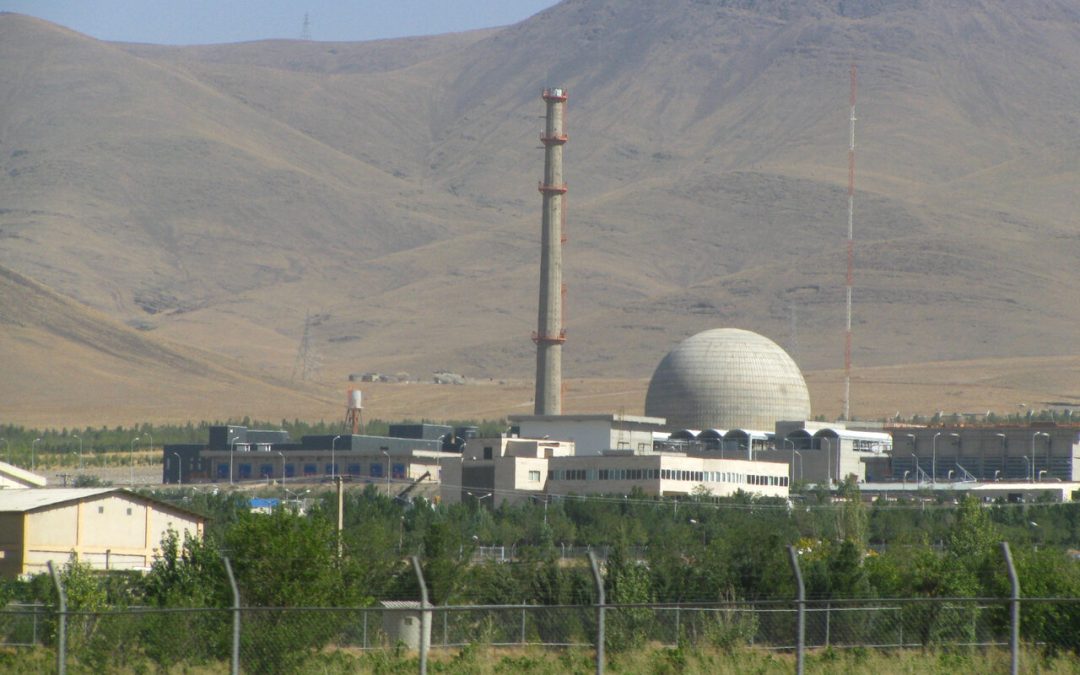
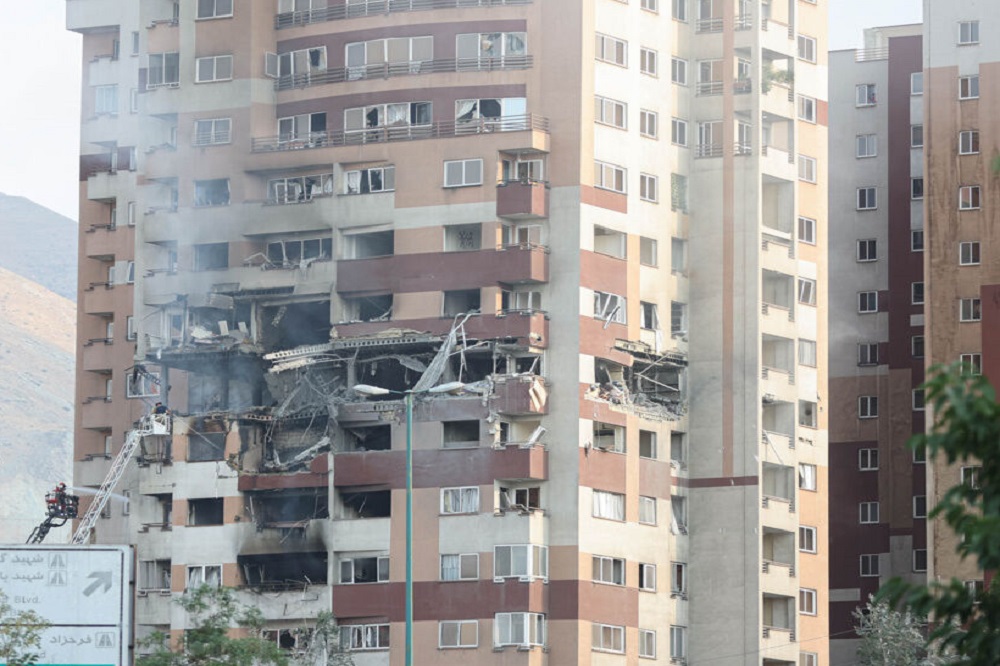
Strategic Council Online– Opinion: In recent weeks, we witnessed how the Israeli regime disrupted the peace-seeking negotiations between our country’s officials and the U.S., and out of concern that diplomatic agreements might not secure its interests and objectives, it launched an aggressive attack on our soil. This regime, which had convinced Donald Trump to withdraw from the JCPOA in 2018, also persuaded him in this attack to cover up the weaknesses of the Israeli regime and, using its superior military equipment, target Iran’s nuclear facilities, which were under the supervision of the International Atomic Energy Agency.

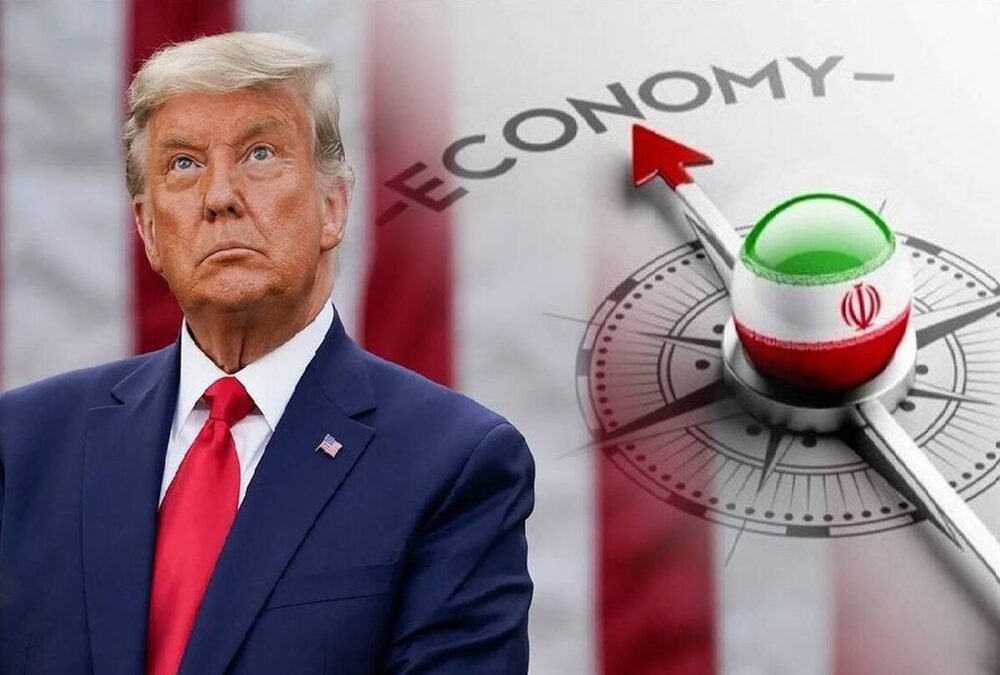
Impact of the U.S.-China Tariff War on Iran’s Economy

Impact of the U.S.-China Tariff War on Iran’s Economy

Strategic Council Online – Interview: An economist and university faculty member stated that the temporary agreement between the U.S. and China to reduce trade tariffs, recently announced in Geneva, is a turning point in easing trade tensions between the two largest economies in the world. This development, which led to positive reactions in global markets and a rise in economic indicators, has indirect consequences for Iran’s economy.

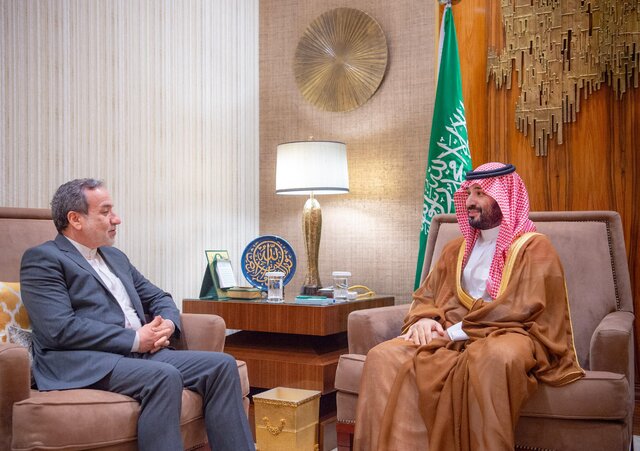
Examining Some Opportunities for Iran’s Cooperation with the Persian Gulf States

Examining Some Opportunities for Iran’s Cooperation with the Persian Gulf States

Strategic Council Online– Opinion: The Persian Gulf, as one of the most sensitive geopolitical regions in the world, is an arena for competition among regional and transregional powers, where the security and national interests of the actors take priority. This region holds strategic importance due to its vast energy reserves and the key role it plays in global oil and gas trade.
However, threats like environmental issues, smuggling, and energy security risks have added new complexities to its security equations. Iran, with the longest coastline in the Persian Gulf and a strategic geographical position, must protect its interests in a tense environment where extra-regional actors like the United States play a destructive role. In this framework, cooperation in specific areas serves as a tool to mitigate threats and strengthen our position in the regional balance of power.

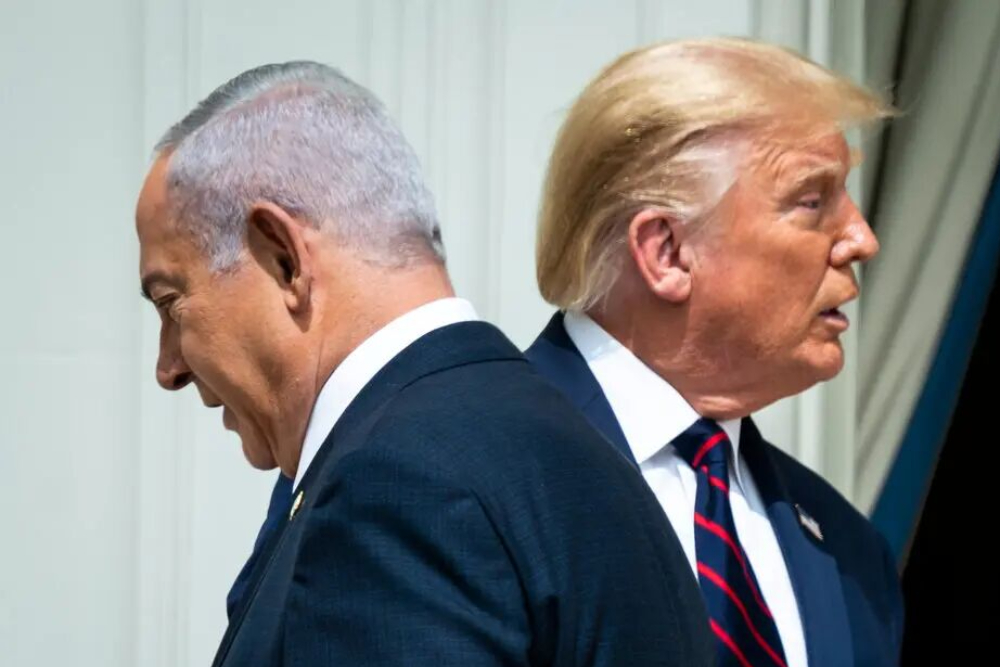
Analysis of the Recent Disagreements between Trump and Netanyahu

Analysis of the Recent Disagreements between Trump and Netanyahu

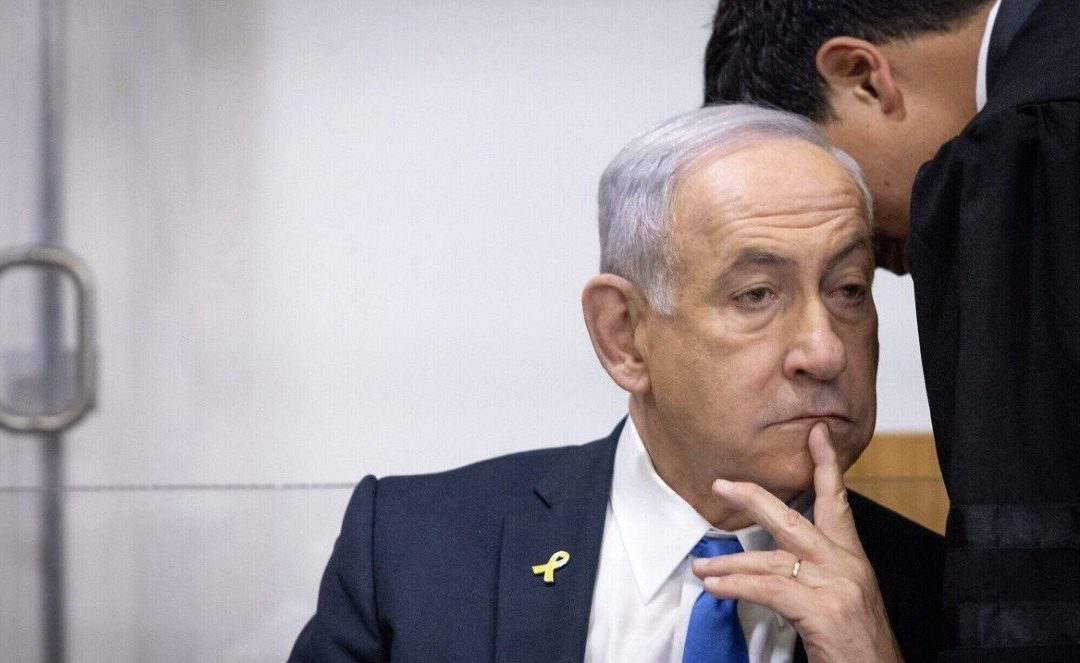
Strategic Council Online– Note: In recent weeks, the warmth of relations between Trump and Netanyahu has been questioned, and it seems that the two sides have had significant disagreements regarding the mechanisms for dealing with sensitive issues and challenges in the region, especially Iran, Hamas, Gaza, and Yemen.

EU3 and Iran-US Nuclear Talks

EU3 and Iran-US Nuclear Talks

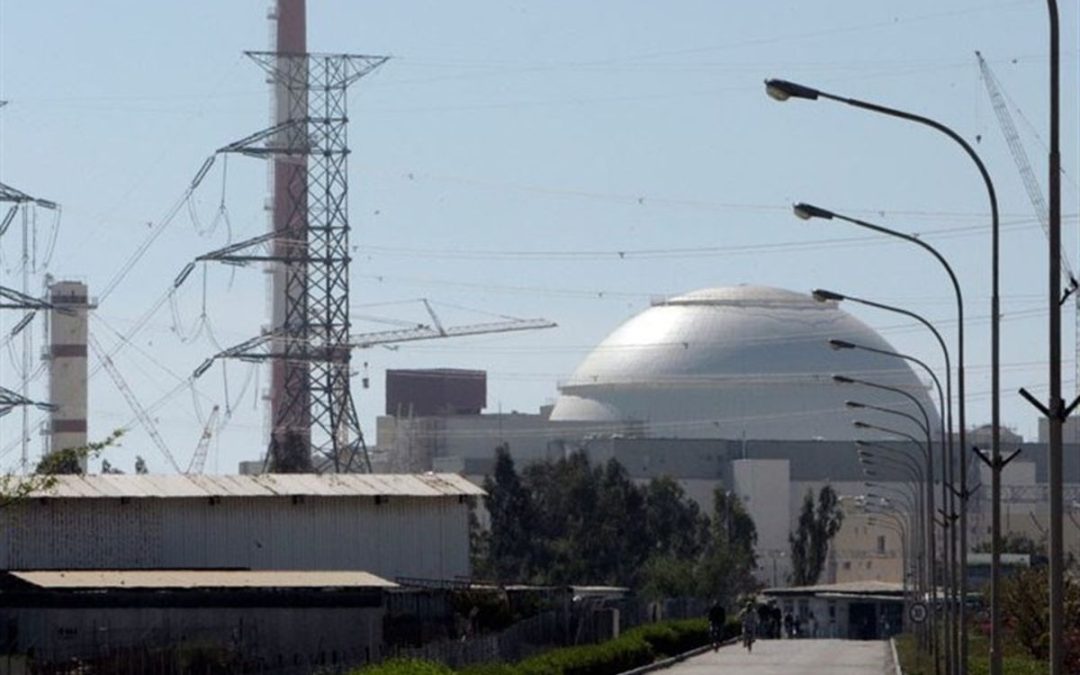
Strategic Council Online – Guest Opinion: The recent nuclear talks between Iran and the United States, which are being conducted through the mediation of Oman, have once again attracted the attention of the international community. Although in the past, Iran, due to its differences and problems with the United States, mostly entered into negotiations on nuclear issues with European countries, especially the United Kingdom, France and Germany (EU3), in this period, due to specific regional and international conditions, and mainly due to the US President Donald Trump’s approach these negotiations have been limited to Iran and the United States, and other world powers are not present in the talks at the moment.

أحدث الوظائف

Realities of the Tripartite Makkah Pact

SCFR Online – Interview: The signing of the Makkah agreement between Saudi Arabia, Pakistan, and Turkey has raised questions about the future of the region’s security structure and the position of these countries in West Asian equations. Can this agreement become a genuine collective defense mechanism, or does it have more of a political and deterrent function than creating new military capacity?

Strategic Implications of the Reduction of US Weapons Stockpiles

SCFR Online – Opinion: The continuation of the US war against Iran, in addition to increasing operational costs, has called into question the actual capacity of the American arsenal to simultaneously fulfill security commitments on multiple fronts; an issue that affects deterrence, defense production capacity, and Washington’s resource prioritization.

The Formation of a New Order in Relations Between Powers

SCFR Online – Opinion: The Russia-Ukraine war and the war of the United States and the Israeli regime against Iran have been formed with different objectives and actors, but field and political developments indicate that they are not entirely separate from one another.

An Analysis of the Makkah Defense Pact

SCFR Online – Opinion: On Friday, August 7, the heads of state of three countries – Saudi Arabia, Turkey, and Pakistan – signed a text under the title “Makkah Joint Defense Agreement.”

Dimensions and challenges of the initiative to revive the Hejaz Railway

Strategic Council Online – Note: The initiative to revive the Hejaz Railway, beyond being a transportation project, constitutes an attempt to redefine geopolitics, the economy, and Turkey’s regional position; however, its realization appears to face significant financial, security, and institutional challenges.

Loading

Iran

The Necessity of Assessing the Zionist Regime’s Aggression and Utilizing the Emergence of New Opportunities

The Necessity of Assessing the Zionist Regime’s Aggression and Utilizing the Emergence of New Opportunities

Strategic Council Online– Opinion: In recent weeks, we witnessed how the Israeli regime disrupted the peace-seeking negotiations between our country’s officials and the U.S., and out of concern that diplomatic agreements might not secure its interests and objectives, it launched an aggressive attack on our soil. This regime, which had convinced Donald Trump to withdraw from the JCPOA in 2018, also persuaded him in this attack to cover up the weaknesses of the Israeli regime and, using its superior military equipment, target Iran’s nuclear facilities, which were under the supervision of the International Atomic Energy Agency.

Impact of the U.S.-China Tariff War on Iran’s Economy

Impact of the U.S.-China Tariff War on Iran’s Economy

Strategic Council Online – Interview: An economist and university faculty member stated that the temporary agreement between the U.S. and China to reduce trade tariffs, recently announced in Geneva, is a turning point in easing trade tensions between the two largest economies in the world. This development, which led to positive reactions in global markets and a rise in economic indicators, has indirect consequences for Iran’s economy.

Examining Some Opportunities for Iran’s Cooperation with the Persian Gulf States

Examining Some Opportunities for Iran’s Cooperation with the Persian Gulf States

Strategic Council Online– Opinion: The Persian Gulf, as one of the most sensitive geopolitical regions in the world, is an arena for competition among regional and transregional powers, where the security and national interests of the actors take priority. This region holds strategic importance due to its vast energy reserves and the key role it plays in global oil and gas trade.
However, threats like environmental issues, smuggling, and energy security risks have added new complexities to its security equations. Iran, with the longest coastline in the Persian Gulf and a strategic geographical position, must protect its interests in a tense environment where extra-regional actors like the United States play a destructive role. In this framework, cooperation in specific areas serves as a tool to mitigate threats and strengthen our position in the regional balance of power.

Analysis of the Recent Disagreements between Trump and Netanyahu

Analysis of the Recent Disagreements between Trump and Netanyahu

Strategic Council Online– Note: In recent weeks, the warmth of relations between Trump and Netanyahu has been questioned, and it seems that the two sides have had significant disagreements regarding the mechanisms for dealing with sensitive issues and challenges in the region, especially Iran, Hamas, Gaza, and Yemen.

EU3 and Iran-US Nuclear Talks

EU3 and Iran-US Nuclear Talks

Strategic Council Online – Guest Opinion: The recent nuclear talks between Iran and the United States, which are being conducted through the mediation of Oman, have once again attracted the attention of the international community. Although in the past, Iran, due to its differences and problems with the United States, mostly entered into negotiations on nuclear issues with European countries, especially the United Kingdom, France and Germany (EU3), in this period, due to specific regional and international conditions, and mainly due to the US President Donald Trump’s approach these negotiations have been limited to Iran and the United States, and other world powers are not present in the talks at the moment.

Iran

The Necessity of Assessing the Zionist Regime’s Aggression and Utilizing the Emergence of New Opportunities

The Necessity of Assessing the Zionist Regime’s Aggression and Utilizing the Emergence of New Opportunities

Strategic Council Online– Opinion: In recent weeks, we witnessed how the Israeli regime disrupted the peace-seeking negotiations between our country’s officials and the U.S., and out of concern that diplomatic agreements might not secure its interests and objectives, it launched an aggressive attack on our soil. This regime, which had convinced Donald Trump to withdraw from the JCPOA in 2018, also persuaded him in this attack to cover up the weaknesses of the Israeli regime and, using its superior military equipment, target Iran’s nuclear facilities, which were under the supervision of the International Atomic Energy Agency.

Impact of the U.S.-China Tariff War on Iran’s Economy

Impact of the U.S.-China Tariff War on Iran’s Economy

Strategic Council Online – Interview: An economist and university faculty member stated that the temporary agreement between the U.S. and China to reduce trade tariffs, recently announced in Geneva, is a turning point in easing trade tensions between the two largest economies in the world. This development, which led to positive reactions in global markets and a rise in economic indicators, has indirect consequences for Iran’s economy.

Examining Some Opportunities for Iran’s Cooperation with the Persian Gulf States

Examining Some Opportunities for Iran’s Cooperation with the Persian Gulf States

Strategic Council Online– Opinion: The Persian Gulf, as one of the most sensitive geopolitical regions in the world, is an arena for competition among regional and transregional powers, where the security and national interests of the actors take priority. This region holds strategic importance due to its vast energy reserves and the key role it plays in global oil and gas trade.
However, threats like environmental issues, smuggling, and energy security risks have added new complexities to its security equations. Iran, with the longest coastline in the Persian Gulf and a strategic geographical position, must protect its interests in a tense environment where extra-regional actors like the United States play a destructive role. In this framework, cooperation in specific areas serves as a tool to mitigate threats and strengthen our position in the regional balance of power.

Analysis of the Recent Disagreements between Trump and Netanyahu

Analysis of the Recent Disagreements between Trump and Netanyahu

Strategic Council Online– Note: In recent weeks, the warmth of relations between Trump and Netanyahu has been questioned, and it seems that the two sides have had significant disagreements regarding the mechanisms for dealing with sensitive issues and challenges in the region, especially Iran, Hamas, Gaza, and Yemen.

EU3 and Iran-US Nuclear Talks

EU3 and Iran-US Nuclear Talks

Strategic Council Online – Guest Opinion: The recent nuclear talks between Iran and the United States, which are being conducted through the mediation of Oman, have once again attracted the attention of the international community. Although in the past, Iran, due to its differences and problems with the United States, mostly entered into negotiations on nuclear issues with European countries, especially the United Kingdom, France and Germany (EU3), in this period, due to specific regional and international conditions, and mainly due to the US President Donald Trump’s approach these negotiations have been limited to Iran and the United States, and other world powers are not present in the talks at the moment.

LATEST CONTENT

Realities of the Tripartite Makkah Pact

SCFR Online – Interview: The signing of the Makkah agreement between Saudi Arabia, Pakistan, and Turkey has raised questions about the future of the region’s security structure and the position of these countries in West Asian equations. Can this agreement become a genuine collective defense mechanism, or does it have more of a political and deterrent function than creating new military capacity?

Strategic Implications of the Reduction of US Weapons Stockpiles

SCFR Online – Opinion: The continuation of the US war against Iran, in addition to increasing operational costs, has called into question the actual capacity of the American arsenal to simultaneously fulfill security commitments on multiple fronts; an issue that affects deterrence, defense production capacity, and Washington’s resource prioritization.

The Formation of a New Order in Relations Between Powers

SCFR Online – Opinion: The Russia-Ukraine war and the war of the United States and the Israeli regime against Iran have been formed with different objectives and actors, but field and political developments indicate that they are not entirely separate from one another.

An Analysis of the Makkah Defense Pact

SCFR Online – Opinion: On Friday, August 7, the heads of state of three countries – Saudi Arabia, Turkey, and Pakistan – signed a text under the title “Makkah Joint Defense Agreement.”

Dimensions and challenges of the initiative to revive the Hejaz Railway

Strategic Council Online – Note: The initiative to revive the Hejaz Railway, beyond being a transportation project, constitutes an attempt to redefine geopolitics, the economy, and Turkey’s regional position; however, its realization appears to face significant financial, security, and institutional challenges.

Loading

Iran

The Necessity of Assessing the Zionist Regime’s Aggression and Utilizing the Emergence of New Opportunities

The Necessity of Assessing the Zionist Regime’s Aggression and Utilizing the Emergence of New Opportunities

Strategic Council Online– Opinion: In recent weeks, we witnessed how the Israeli regime disrupted the peace-seeking negotiations between our country’s officials and the U.S., and out of concern that diplomatic agreements might not secure its interests and objectives, it launched an aggressive attack on our soil. This regime, which had convinced Donald Trump to withdraw from the JCPOA in 2018, also persuaded him in this attack to cover up the weaknesses of the Israeli regime and, using its superior military equipment, target Iran’s nuclear facilities, which were under the supervision of the International Atomic Energy Agency.

Impact of the U.S.-China Tariff War on Iran’s Economy

Impact of the U.S.-China Tariff War on Iran’s Economy

Strategic Council Online – Interview: An economist and university faculty member stated that the temporary agreement between the U.S. and China to reduce trade tariffs, recently announced in Geneva, is a turning point in easing trade tensions between the two largest economies in the world. This development, which led to positive reactions in global markets and a rise in economic indicators, has indirect consequences for Iran’s economy.

Examining Some Opportunities for Iran’s Cooperation with the Persian Gulf States

Examining Some Opportunities for Iran’s Cooperation with the Persian Gulf States

Strategic Council Online– Opinion: The Persian Gulf, as one of the most sensitive geopolitical regions in the world, is an arena for competition among regional and transregional powers, where the security and national interests of the actors take priority. This region holds strategic importance due to its vast energy reserves and the key role it plays in global oil and gas trade.
However, threats like environmental issues, smuggling, and energy security risks have added new complexities to its security equations. Iran, with the longest coastline in the Persian Gulf and a strategic geographical position, must protect its interests in a tense environment where extra-regional actors like the United States play a destructive role. In this framework, cooperation in specific areas serves as a tool to mitigate threats and strengthen our position in the regional balance of power.

Analysis of the Recent Disagreements between Trump and Netanyahu

Analysis of the Recent Disagreements between Trump and Netanyahu

Strategic Council Online– Note: In recent weeks, the warmth of relations between Trump and Netanyahu has been questioned, and it seems that the two sides have had significant disagreements regarding the mechanisms for dealing with sensitive issues and challenges in the region, especially Iran, Hamas, Gaza, and Yemen.

EU3 and Iran-US Nuclear Talks

EU3 and Iran-US Nuclear Talks

Strategic Council Online – Guest Opinion: The recent nuclear talks between Iran and the United States, which are being conducted through the mediation of Oman, have once again attracted the attention of the international community. Although in the past, Iran, due to its differences and problems with the United States, mostly entered into negotiations on nuclear issues with European countries, especially the United Kingdom, France and Germany (EU3), in this period, due to specific regional and international conditions, and mainly due to the US President Donald Trump’s approach these negotiations have been limited to Iran and the United States, and other world powers are not present in the talks at the moment.

ÚLTIMAS PUBLICACIONES

Realities of the Tripartite Makkah Pact

SCFR Online – Interview: The signing of the Makkah agreement between Saudi Arabia, Pakistan, and Turkey has raised questions about the future of the region’s security structure and the position of these countries in West Asian equations. Can this agreement become a genuine collective defense mechanism, or does it have more of a political and deterrent function than creating new military capacity?

Strategic Implications of the Reduction of US Weapons Stockpiles

SCFR Online – Opinion: The continuation of the US war against Iran, in addition to increasing operational costs, has called into question the actual capacity of the American arsenal to simultaneously fulfill security commitments on multiple fronts; an issue that affects deterrence, defense production capacity, and Washington’s resource prioritization.

The Formation of a New Order in Relations Between Powers

SCFR Online – Opinion: The Russia-Ukraine war and the war of the United States and the Israeli regime against Iran have been formed with different objectives and actors, but field and political developments indicate that they are not entirely separate from one another.

An Analysis of the Makkah Defense Pact

SCFR Online – Opinion: On Friday, August 7, the heads of state of three countries – Saudi Arabia, Turkey, and Pakistan – signed a text under the title “Makkah Joint Defense Agreement.”

Dimensions and challenges of the initiative to revive the Hejaz Railway

Strategic Council Online – Note: The initiative to revive the Hejaz Railway, beyond being a transportation project, constitutes an attempt to redefine geopolitics, the economy, and Turkey’s regional position; however, its realization appears to face significant financial, security, and institutional challenges.

Loading

Iran

The Necessity of Assessing the Zionist Regime’s Aggression and Utilizing the Emergence of New Opportunities

The Necessity of Assessing the Zionist Regime’s Aggression and Utilizing the Emergence of New Opportunities

Strategic Council Online– Opinion: In recent weeks, we witnessed how the Israeli regime disrupted the peace-seeking negotiations between our country’s officials and the U.S., and out of concern that diplomatic agreements might not secure its interests and objectives, it launched an aggressive attack on our soil. This regime, which had convinced Donald Trump to withdraw from the JCPOA in 2018, also persuaded him in this attack to cover up the weaknesses of the Israeli regime and, using its superior military equipment, target Iran’s nuclear facilities, which were under the supervision of the International Atomic Energy Agency.

Impact of the U.S.-China Tariff War on Iran’s Economy

Impact of the U.S.-China Tariff War on Iran’s Economy

Strategic Council Online – Interview: An economist and university faculty member stated that the temporary agreement between the U.S. and China to reduce trade tariffs, recently announced in Geneva, is a turning point in easing trade tensions between the two largest economies in the world. This development, which led to positive reactions in global markets and a rise in economic indicators, has indirect consequences for Iran’s economy.

Examining Some Opportunities for Iran’s Cooperation with the Persian Gulf States

Examining Some Opportunities for Iran’s Cooperation with the Persian Gulf States

Strategic Council Online– Opinion: The Persian Gulf, as one of the most sensitive geopolitical regions in the world, is an arena for competition among regional and transregional powers, where the security and national interests of the actors take priority. This region holds strategic importance due to its vast energy reserves and the key role it plays in global oil and gas trade.
However, threats like environmental issues, smuggling, and energy security risks have added new complexities to its security equations. Iran, with the longest coastline in the Persian Gulf and a strategic geographical position, must protect its interests in a tense environment where extra-regional actors like the United States play a destructive role. In this framework, cooperation in specific areas serves as a tool to mitigate threats and strengthen our position in the regional balance of power.

Analysis of the Recent Disagreements between Trump and Netanyahu

Analysis of the Recent Disagreements between Trump and Netanyahu

Strategic Council Online– Note: In recent weeks, the warmth of relations between Trump and Netanyahu has been questioned, and it seems that the two sides have had significant disagreements regarding the mechanisms for dealing with sensitive issues and challenges in the region, especially Iran, Hamas, Gaza, and Yemen.

EU3 and Iran-US Nuclear Talks

EU3 and Iran-US Nuclear Talks

Strategic Council Online – Guest Opinion: The recent nuclear talks between Iran and the United States, which are being conducted through the mediation of Oman, have once again attracted the attention of the international community. Although in the past, Iran, due to its differences and problems with the United States, mostly entered into negotiations on nuclear issues with European countries, especially the United Kingdom, France and Germany (EU3), in this period, due to specific regional and international conditions, and mainly due to the US President Donald Trump’s approach these negotiations have been limited to Iran and the United States, and other world powers are not present in the talks at the moment.

ÚLTIMAS PUBLICACIONES

Realities of the Tripartite Makkah Pact

SCFR Online – Interview: The signing of the Makkah agreement between Saudi Arabia, Pakistan, and Turkey has raised questions about the future of the region’s security structure and the position of these countries in West Asian equations. Can this agreement become a genuine collective defense mechanism, or does it have more of a political and deterrent function than creating new military capacity?

Strategic Implications of the Reduction of US Weapons Stockpiles

SCFR Online – Opinion: The continuation of the US war against Iran, in addition to increasing operational costs, has called into question the actual capacity of the American arsenal to simultaneously fulfill security commitments on multiple fronts; an issue that affects deterrence, defense production capacity, and Washington’s resource prioritization.

The Formation of a New Order in Relations Between Powers

SCFR Online – Opinion: The Russia-Ukraine war and the war of the United States and the Israeli regime against Iran have been formed with different objectives and actors, but field and political developments indicate that they are not entirely separate from one another.

An Analysis of the Makkah Defense Pact

SCFR Online – Opinion: On Friday, August 7, the heads of state of three countries – Saudi Arabia, Turkey, and Pakistan – signed a text under the title “Makkah Joint Defense Agreement.”

Dimensions and challenges of the initiative to revive the Hejaz Railway

Strategic Council Online – Note: The initiative to revive the Hejaz Railway, beyond being a transportation project, constitutes an attempt to redefine geopolitics, the economy, and Turkey’s regional position; however, its realization appears to face significant financial, security, and institutional challenges.

Loading

Iran

The Necessity of Assessing the Zionist Regime’s Aggression and Utilizing the Emergence of New Opportunities

The Necessity of Assessing the Zionist Regime’s Aggression and Utilizing the Emergence of New Opportunities

Strategic Council Online– Opinion: In recent weeks, we witnessed how the Israeli regime disrupted the peace-seeking negotiations between our country’s officials and the U.S., and out of concern that diplomatic agreements might not secure its interests and objectives, it launched an aggressive attack on our soil. This regime, which had convinced Donald Trump to withdraw from the JCPOA in 2018, also persuaded him in this attack to cover up the weaknesses of the Israeli regime and, using its superior military equipment, target Iran’s nuclear facilities, which were under the supervision of the International Atomic Energy Agency.

Impact of the U.S.-China Tariff War on Iran’s Economy

Impact of the U.S.-China Tariff War on Iran’s Economy

Strategic Council Online – Interview: An economist and university faculty member stated that the temporary agreement between the U.S. and China to reduce trade tariffs, recently announced in Geneva, is a turning point in easing trade tensions between the two largest economies in the world. This development, which led to positive reactions in global markets and a rise in economic indicators, has indirect consequences for Iran’s economy.

Examining Some Opportunities for Iran’s Cooperation with the Persian Gulf States

Examining Some Opportunities for Iran’s Cooperation with the Persian Gulf States

Strategic Council Online– Opinion: The Persian Gulf, as one of the most sensitive geopolitical regions in the world, is an arena for competition among regional and transregional powers, where the security and national interests of the actors take priority. This region holds strategic importance due to its vast energy reserves and the key role it plays in global oil and gas trade.
However, threats like environmental issues, smuggling, and energy security risks have added new complexities to its security equations. Iran, with the longest coastline in the Persian Gulf and a strategic geographical position, must protect its interests in a tense environment where extra-regional actors like the United States play a destructive role. In this framework, cooperation in specific areas serves as a tool to mitigate threats and strengthen our position in the regional balance of power.

Analysis of the Recent Disagreements between Trump and Netanyahu

Analysis of the Recent Disagreements between Trump and Netanyahu

Strategic Council Online– Note: In recent weeks, the warmth of relations between Trump and Netanyahu has been questioned, and it seems that the two sides have had significant disagreements regarding the mechanisms for dealing with sensitive issues and challenges in the region, especially Iran, Hamas, Gaza, and Yemen.

EU3 and Iran-US Nuclear Talks

EU3 and Iran-US Nuclear Talks

Strategic Council Online – Guest Opinion: The recent nuclear talks between Iran and the United States, which are being conducted through the mediation of Oman, have once again attracted the attention of the international community. Although in the past, Iran, due to its differences and problems with the United States, mostly entered into negotiations on nuclear issues with European countries, especially the United Kingdom, France and Germany (EU3), in this period, due to specific regional and international conditions, and mainly due to the US President Donald Trump’s approach these negotiations have been limited to Iran and the United States, and other world powers are not present in the talks at the moment.

ÚLTIMAS PUBLICACIONES

Realities of the Tripartite Makkah Pact

SCFR Online – Interview: The signing of the Makkah agreement between Saudi Arabia, Pakistan, and Turkey has raised questions about the future of the region’s security structure and the position of these countries in West Asian equations. Can this agreement become a genuine collective defense mechanism, or does it have more of a political and deterrent function than creating new military capacity?

Strategic Implications of the Reduction of US Weapons Stockpiles

SCFR Online – Opinion: The continuation of the US war against Iran, in addition to increasing operational costs, has called into question the actual capacity of the American arsenal to simultaneously fulfill security commitments on multiple fronts; an issue that affects deterrence, defense production capacity, and Washington’s resource prioritization.

The Formation of a New Order in Relations Between Powers

SCFR Online – Opinion: The Russia-Ukraine war and the war of the United States and the Israeli regime against Iran have been formed with different objectives and actors, but field and political developments indicate that they are not entirely separate from one another.

An Analysis of the Makkah Defense Pact

SCFR Online – Opinion: On Friday, August 7, the heads of state of three countries – Saudi Arabia, Turkey, and Pakistan – signed a text under the title “Makkah Joint Defense Agreement.”

Dimensions and challenges of the initiative to revive the Hejaz Railway

Strategic Council Online – Note: The initiative to revive the Hejaz Railway, beyond being a transportation project, constitutes an attempt to redefine geopolitics, the economy, and Turkey’s regional position; however, its realization appears to face significant financial, security, and institutional challenges.

Loading

Iran

The Necessity of Assessing the Zionist Regime’s Aggression and Utilizing the Emergence of New Opportunities

The Necessity of Assessing the Zionist Regime’s Aggression and Utilizing the Emergence of New Opportunities

Strategic Council Online– Opinion: In recent weeks, we witnessed how the Israeli regime disrupted the peace-seeking negotiations between our country’s officials and the U.S., and out of concern that diplomatic agreements might not secure its interests and objectives, it launched an aggressive attack on our soil. This regime, which had convinced Donald Trump to withdraw from the JCPOA in 2018, also persuaded him in this attack to cover up the weaknesses of the Israeli regime and, using its superior military equipment, target Iran’s nuclear facilities, which were under the supervision of the International Atomic Energy Agency.

Impact of the U.S.-China Tariff War on Iran’s Economy

Impact of the U.S.-China Tariff War on Iran’s Economy

Strategic Council Online – Interview: An economist and university faculty member stated that the temporary agreement between the U.S. and China to reduce trade tariffs, recently announced in Geneva, is a turning point in easing trade tensions between the two largest economies in the world. This development, which led to positive reactions in global markets and a rise in economic indicators, has indirect consequences for Iran’s economy.

Examining Some Opportunities for Iran’s Cooperation with the Persian Gulf States

Examining Some Opportunities for Iran’s Cooperation with the Persian Gulf States

Strategic Council Online– Opinion: The Persian Gulf, as one of the most sensitive geopolitical regions in the world, is an arena for competition among regional and transregional powers, where the security and national interests of the actors take priority. This region holds strategic importance due to its vast energy reserves and the key role it plays in global oil and gas trade.
However, threats like environmental issues, smuggling, and energy security risks have added new complexities to its security equations. Iran, with the longest coastline in the Persian Gulf and a strategic geographical position, must protect its interests in a tense environment where extra-regional actors like the United States play a destructive role. In this framework, cooperation in specific areas serves as a tool to mitigate threats and strengthen our position in the regional balance of power.

Analysis of the Recent Disagreements between Trump and Netanyahu

Analysis of the Recent Disagreements between Trump and Netanyahu

Strategic Council Online– Note: In recent weeks, the warmth of relations between Trump and Netanyahu has been questioned, and it seems that the two sides have had significant disagreements regarding the mechanisms for dealing with sensitive issues and challenges in the region, especially Iran, Hamas, Gaza, and Yemen.

EU3 and Iran-US Nuclear Talks

EU3 and Iran-US Nuclear Talks

Strategic Council Online – Guest Opinion: The recent nuclear talks between Iran and the United States, which are being conducted through the mediation of Oman, have once again attracted the attention of the international community. Although in the past, Iran, due to its differences and problems with the United States, mostly entered into negotiations on nuclear issues with European countries, especially the United Kingdom, France and Germany (EU3), in this period, due to specific regional and international conditions, and mainly due to the US President Donald Trump’s approach these negotiations have been limited to Iran and the United States, and other world powers are not present in the talks at the moment.

ÚLTIMAS PUBLICACIONES

Realities of the Tripartite Makkah Pact

SCFR Online – Interview: The signing of the Makkah agreement between Saudi Arabia, Pakistan, and Turkey has raised questions about the future of the region’s security structure and the position of these countries in West Asian equations. Can this agreement become a genuine collective defense mechanism, or does it have more of a political and deterrent function than creating new military capacity?

Strategic Implications of the Reduction of US Weapons Stockpiles

SCFR Online – Opinion: The continuation of the US war against Iran, in addition to increasing operational costs, has called into question the actual capacity of the American arsenal to simultaneously fulfill security commitments on multiple fronts; an issue that affects deterrence, defense production capacity, and Washington’s resource prioritization.

The Formation of a New Order in Relations Between Powers

SCFR Online – Opinion: The Russia-Ukraine war and the war of the United States and the Israeli regime against Iran have been formed with different objectives and actors, but field and political developments indicate that they are not entirely separate from one another.

An Analysis of the Makkah Defense Pact

SCFR Online – Opinion: On Friday, August 7, the heads of state of three countries – Saudi Arabia, Turkey, and Pakistan – signed a text under the title “Makkah Joint Defense Agreement.”

Dimensions and challenges of the initiative to revive the Hejaz Railway

Strategic Council Online – Note: The initiative to revive the Hejaz Railway, beyond being a transportation project, constitutes an attempt to redefine geopolitics, the economy, and Turkey’s regional position; however, its realization appears to face significant financial, security, and institutional challenges.

Loading