جدیدترین مطالب

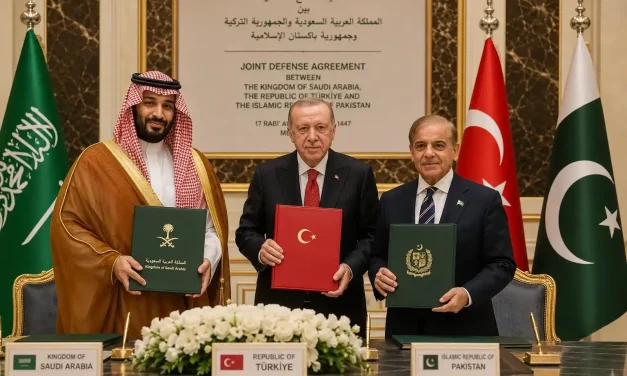
Realities of the Tripartite Makkah Pact

SCFR Online – Interview: The signing of the Makkah agreement between Saudi Arabia, Pakistan, and Turkey has raised questions about the future of the region’s security structure and the position of these countries in West Asian equations. Can this agreement become a genuine collective defense mechanism, or does it have more of a political and deterrent function than creating new military capacity?
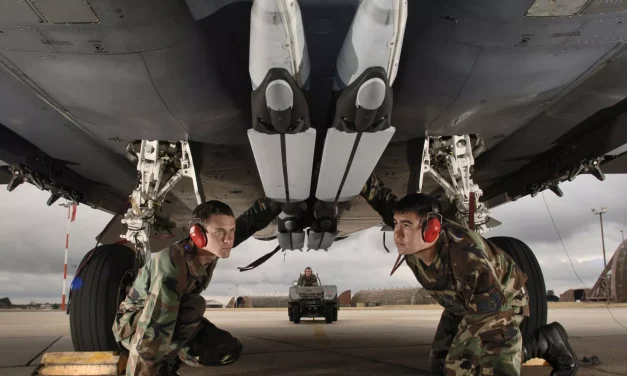
Strategic Implications of the Reduction of US Weapons Stockpiles

SCFR Online – Opinion: The continuation of the US war against Iran, in addition to increasing operational costs, has called into question the actual capacity of the American arsenal to simultaneously fulfill security commitments on multiple fronts; an issue that affects deterrence, defense production capacity, and Washington’s resource prioritization.

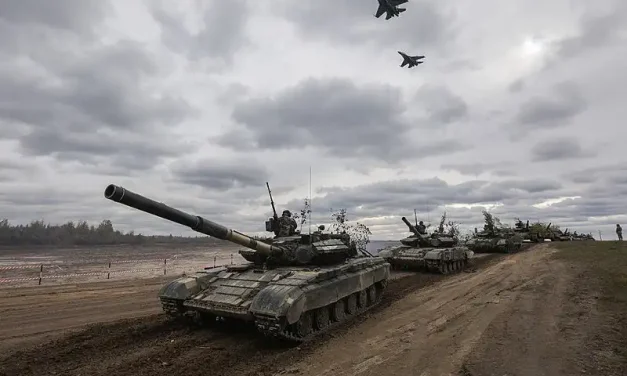
The Formation of a New Order in Relations Between Powers

SCFR Online – Opinion: The Russia-Ukraine war and the war of the United States and the Israeli regime against Iran have been formed with different objectives and actors, but field and political developments indicate that they are not entirely separate from one another.

An Analysis of the Makkah Defense Pact

SCFR Online – Opinion: On Friday, August 7, the heads of state of three countries – Saudi Arabia, Turkey, and Pakistan – signed a text under the title “Makkah Joint Defense Agreement.”

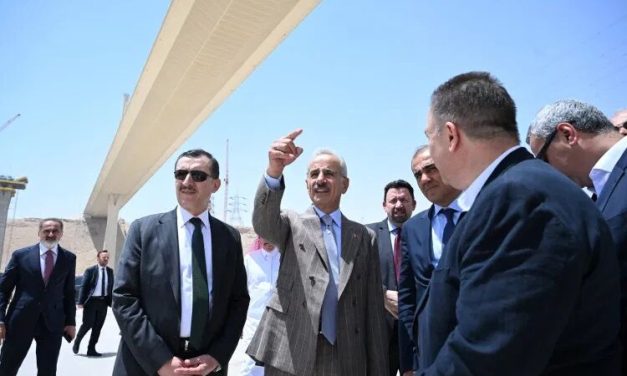
Dimensions and challenges of the initiative to revive the Hejaz Railway

Strategic Council Online – Note: The initiative to revive the Hejaz Railway, beyond being a transportation project, constitutes an attempt to redefine geopolitics, the economy, and Turkey’s regional position; however, its realization appears to face significant financial, security, and institutional challenges.

Loading

Iran

Addressing Roots of Erbil, Sulaymaniyah Disputes, US Motivation to Reduce Tension

Addressing Roots of Erbil, Sulaymaniyah Disputes, US Motivation to Reduce Tension

Strategic Council Online – Interview: A university professor of the Kurdistan Region of Iraq, saying that the main difference between the two main parties of the Kurdistan Region is rooted in their power-seeking desire and the extent of their political domination, adding: Disputes such as the budget and control over disputed areas are the main difference the two main parties of Kurdistan have with the central government in Baghdad, and such deep differences do not seem to be easily resolved.

The goals of the US behind sending Patriot missile system and its repercussions

The goals of the US behind sending Patriot missile system and its repercussions

Strategic Council Online-Interview: The scientific deputy of Shahid Sadr Research Institute of the Expediency Council stated that sending the Patriot systems is the beginning of cooperation between the United States and Ukraine at a higher level, adding that this moves aims more to maintain the balance in the war and as long as Russia is involved in the war, the United States can take extensive international measures against it and making any agreement is against the US strategic goal of continuing the war and eroding Russia’s power.

Legal Analysis on Possible EU Calling IRGC Terrorist, Its Consequences

Legal Analysis on Possible EU Calling IRGC Terrorist, Its Consequences

Strategic Council Online – Opinion: Politics in general, including foreign policy, followed by political action and diplomatic measure, appears natural and is more welcomed when it can emerge from a country’s worldview and its civilizational, historical, moral, religious and political customs. Otherwise, it will not achieve much success. Compliance with the principles may sometimes cause an apparent loss to the holder in the short term, but compliance with the principles will benefit everyone in the long run.
Mohsen Baharvand – Former Deputy Minister of Foreign Affairs

China’s approach to the global fight against terrorism

China’s approach to the global fight against terrorism

Strategic Council Online—Interview: An expert on East Asian issues believes that China knows that after the realization of US conspiracies against independent, rival and critic countries such as Russia and Iran, Beijing will be the next target of these conspiracies, which will be pursued through any means, even the spread of insecurity and the growth of terrorism.

Prospect of “Negev” Meeting in Morocco

Prospect of “Negev” Meeting in Morocco

Strategic Council Online – Interview: An expert on West Asia affairs stated that choosing the usurper Zionist regime as the leader of the new regional coalition with the participation of Arab states is a very big strategic mistake. He added that the possibility of the formation of a regional coalition and implementation of what is being discussed in the Negev negotiations will not be easy to achieve. There are many reasons for this, including the deep differences of the Arab countries and their conflicting interests with each other, as well as their conflicts with the Zionist regime, and the formation of a new extremist government in Israel has also added to the existing challenges.

Zionist Regime’s Strategy to Exercise Influence in Central Asia

Zionist Regime’s Strategy to Exercise Influence in Central Asia

Strategic Council Online – Interview: A faculty member of Allameh Tabataba’i University said: The Islamic extremism raised by the Zionist regime in Central Asia and the Caucasus is an excuse aimed at suppressing Islamic movements in the region.

Indicators of New Zionist Government ‘s Extreme Approach, its Consequences

Indicators of New Zionist Government ‘s Extreme Approach, its Consequences

Strategic Council Online – Interview: A researcher of Israel affairs at Stream Research Institute, commenting on how the most right-wing cabinet in the Zionist regime, led by Benjamin Netanyahu, has come to power, said: About the new cabinet of the Zionist regime, we should know that the extreme right parties, the Religious Zionism, Jewish Power and Noam, formed a coalition and won 14 seats in the recent elections, which was unprecedented in the history of Israel. Currently, 14 seats of the three extreme parties are among Netanyahu’s coalition.

أحدث الوظائف

Realities of the Tripartite Makkah Pact

SCFR Online – Interview: The signing of the Makkah agreement between Saudi Arabia, Pakistan, and Turkey has raised questions about the future of the region’s security structure and the position of these countries in West Asian equations. Can this agreement become a genuine collective defense mechanism, or does it have more of a political and deterrent function than creating new military capacity?

Strategic Implications of the Reduction of US Weapons Stockpiles

SCFR Online – Opinion: The continuation of the US war against Iran, in addition to increasing operational costs, has called into question the actual capacity of the American arsenal to simultaneously fulfill security commitments on multiple fronts; an issue that affects deterrence, defense production capacity, and Washington’s resource prioritization.

The Formation of a New Order in Relations Between Powers

SCFR Online – Opinion: The Russia-Ukraine war and the war of the United States and the Israeli regime against Iran have been formed with different objectives and actors, but field and political developments indicate that they are not entirely separate from one another.

An Analysis of the Makkah Defense Pact

SCFR Online – Opinion: On Friday, August 7, the heads of state of three countries – Saudi Arabia, Turkey, and Pakistan – signed a text under the title “Makkah Joint Defense Agreement.”

Dimensions and challenges of the initiative to revive the Hejaz Railway

Strategic Council Online – Note: The initiative to revive the Hejaz Railway, beyond being a transportation project, constitutes an attempt to redefine geopolitics, the economy, and Turkey’s regional position; however, its realization appears to face significant financial, security, and institutional challenges.

Loading

Iran

Addressing Roots of Erbil, Sulaymaniyah Disputes, US Motivation to Reduce Tension

Addressing Roots of Erbil, Sulaymaniyah Disputes, US Motivation to Reduce Tension

Strategic Council Online – Interview: A university professor of the Kurdistan Region of Iraq, saying that the main difference between the two main parties of the Kurdistan Region is rooted in their power-seeking desire and the extent of their political domination, adding: Disputes such as the budget and control over disputed areas are the main difference the two main parties of Kurdistan have with the central government in Baghdad, and such deep differences do not seem to be easily resolved.

The goals of the US behind sending Patriot missile system and its repercussions

The goals of the US behind sending Patriot missile system and its repercussions

Strategic Council Online-Interview: The scientific deputy of Shahid Sadr Research Institute of the Expediency Council stated that sending the Patriot systems is the beginning of cooperation between the United States and Ukraine at a higher level, adding that this moves aims more to maintain the balance in the war and as long as Russia is involved in the war, the United States can take extensive international measures against it and making any agreement is against the US strategic goal of continuing the war and eroding Russia’s power.

Legal Analysis on Possible EU Calling IRGC Terrorist, Its Consequences

Legal Analysis on Possible EU Calling IRGC Terrorist, Its Consequences

Strategic Council Online – Opinion: Politics in general, including foreign policy, followed by political action and diplomatic measure, appears natural and is more welcomed when it can emerge from a country’s worldview and its civilizational, historical, moral, religious and political customs. Otherwise, it will not achieve much success. Compliance with the principles may sometimes cause an apparent loss to the holder in the short term, but compliance with the principles will benefit everyone in the long run.
Mohsen Baharvand – Former Deputy Minister of Foreign Affairs

China’s approach to the global fight against terrorism

China’s approach to the global fight against terrorism

Strategic Council Online—Interview: An expert on East Asian issues believes that China knows that after the realization of US conspiracies against independent, rival and critic countries such as Russia and Iran, Beijing will be the next target of these conspiracies, which will be pursued through any means, even the spread of insecurity and the growth of terrorism.

Prospect of “Negev” Meeting in Morocco

Prospect of “Negev” Meeting in Morocco

Strategic Council Online – Interview: An expert on West Asia affairs stated that choosing the usurper Zionist regime as the leader of the new regional coalition with the participation of Arab states is a very big strategic mistake. He added that the possibility of the formation of a regional coalition and implementation of what is being discussed in the Negev negotiations will not be easy to achieve. There are many reasons for this, including the deep differences of the Arab countries and their conflicting interests with each other, as well as their conflicts with the Zionist regime, and the formation of a new extremist government in Israel has also added to the existing challenges.

Zionist Regime’s Strategy to Exercise Influence in Central Asia

Zionist Regime’s Strategy to Exercise Influence in Central Asia

Strategic Council Online – Interview: A faculty member of Allameh Tabataba’i University said: The Islamic extremism raised by the Zionist regime in Central Asia and the Caucasus is an excuse aimed at suppressing Islamic movements in the region.

Indicators of New Zionist Government ‘s Extreme Approach, its Consequences

Indicators of New Zionist Government ‘s Extreme Approach, its Consequences

Strategic Council Online – Interview: A researcher of Israel affairs at Stream Research Institute, commenting on how the most right-wing cabinet in the Zionist regime, led by Benjamin Netanyahu, has come to power, said: About the new cabinet of the Zionist regime, we should know that the extreme right parties, the Religious Zionism, Jewish Power and Noam, formed a coalition and won 14 seats in the recent elections, which was unprecedented in the history of Israel. Currently, 14 seats of the three extreme parties are among Netanyahu’s coalition.

Iran

Addressing Roots of Erbil, Sulaymaniyah Disputes, US Motivation to Reduce Tension

Addressing Roots of Erbil, Sulaymaniyah Disputes, US Motivation to Reduce Tension

Strategic Council Online – Interview: A university professor of the Kurdistan Region of Iraq, saying that the main difference between the two main parties of the Kurdistan Region is rooted in their power-seeking desire and the extent of their political domination, adding: Disputes such as the budget and control over disputed areas are the main difference the two main parties of Kurdistan have with the central government in Baghdad, and such deep differences do not seem to be easily resolved.

The goals of the US behind sending Patriot missile system and its repercussions

The goals of the US behind sending Patriot missile system and its repercussions

Strategic Council Online-Interview: The scientific deputy of Shahid Sadr Research Institute of the Expediency Council stated that sending the Patriot systems is the beginning of cooperation between the United States and Ukraine at a higher level, adding that this moves aims more to maintain the balance in the war and as long as Russia is involved in the war, the United States can take extensive international measures against it and making any agreement is against the US strategic goal of continuing the war and eroding Russia’s power.

Legal Analysis on Possible EU Calling IRGC Terrorist, Its Consequences

Legal Analysis on Possible EU Calling IRGC Terrorist, Its Consequences

Strategic Council Online – Opinion: Politics in general, including foreign policy, followed by political action and diplomatic measure, appears natural and is more welcomed when it can emerge from a country’s worldview and its civilizational, historical, moral, religious and political customs. Otherwise, it will not achieve much success. Compliance with the principles may sometimes cause an apparent loss to the holder in the short term, but compliance with the principles will benefit everyone in the long run.
Mohsen Baharvand – Former Deputy Minister of Foreign Affairs

China’s approach to the global fight against terrorism

China’s approach to the global fight against terrorism

Strategic Council Online—Interview: An expert on East Asian issues believes that China knows that after the realization of US conspiracies against independent, rival and critic countries such as Russia and Iran, Beijing will be the next target of these conspiracies, which will be pursued through any means, even the spread of insecurity and the growth of terrorism.

Prospect of “Negev” Meeting in Morocco

Prospect of “Negev” Meeting in Morocco

Strategic Council Online – Interview: An expert on West Asia affairs stated that choosing the usurper Zionist regime as the leader of the new regional coalition with the participation of Arab states is a very big strategic mistake. He added that the possibility of the formation of a regional coalition and implementation of what is being discussed in the Negev negotiations will not be easy to achieve. There are many reasons for this, including the deep differences of the Arab countries and their conflicting interests with each other, as well as their conflicts with the Zionist regime, and the formation of a new extremist government in Israel has also added to the existing challenges.

Zionist Regime’s Strategy to Exercise Influence in Central Asia

Zionist Regime’s Strategy to Exercise Influence in Central Asia

Strategic Council Online – Interview: A faculty member of Allameh Tabataba’i University said: The Islamic extremism raised by the Zionist regime in Central Asia and the Caucasus is an excuse aimed at suppressing Islamic movements in the region.

Indicators of New Zionist Government ‘s Extreme Approach, its Consequences

Indicators of New Zionist Government ‘s Extreme Approach, its Consequences

Strategic Council Online – Interview: A researcher of Israel affairs at Stream Research Institute, commenting on how the most right-wing cabinet in the Zionist regime, led by Benjamin Netanyahu, has come to power, said: About the new cabinet of the Zionist regime, we should know that the extreme right parties, the Religious Zionism, Jewish Power and Noam, formed a coalition and won 14 seats in the recent elections, which was unprecedented in the history of Israel. Currently, 14 seats of the three extreme parties are among Netanyahu’s coalition.

LATEST CONTENT

Realities of the Tripartite Makkah Pact

SCFR Online – Interview: The signing of the Makkah agreement between Saudi Arabia, Pakistan, and Turkey has raised questions about the future of the region’s security structure and the position of these countries in West Asian equations. Can this agreement become a genuine collective defense mechanism, or does it have more of a political and deterrent function than creating new military capacity?
Strategic Implications of the Reduction of US Weapons Stockpiles

SCFR Online – Opinion: The continuation of the US war against Iran, in addition to increasing operational costs, has called into question the actual capacity of the American arsenal to simultaneously fulfill security commitments on multiple fronts; an issue that affects deterrence, defense production capacity, and Washington’s resource prioritization.

The Formation of a New Order in Relations Between Powers

SCFR Online – Opinion: The Russia-Ukraine war and the war of the United States and the Israeli regime against Iran have been formed with different objectives and actors, but field and political developments indicate that they are not entirely separate from one another.

An Analysis of the Makkah Defense Pact

SCFR Online – Opinion: On Friday, August 7, the heads of state of three countries – Saudi Arabia, Turkey, and Pakistan – signed a text under the title “Makkah Joint Defense Agreement.”

Dimensions and challenges of the initiative to revive the Hejaz Railway

Strategic Council Online – Note: The initiative to revive the Hejaz Railway, beyond being a transportation project, constitutes an attempt to redefine geopolitics, the economy, and Turkey’s regional position; however, its realization appears to face significant financial, security, and institutional challenges.

Loading

Iran

Addressing Roots of Erbil, Sulaymaniyah Disputes, US Motivation to Reduce Tension

Addressing Roots of Erbil, Sulaymaniyah Disputes, US Motivation to Reduce Tension

Strategic Council Online – Interview: A university professor of the Kurdistan Region of Iraq, saying that the main difference between the two main parties of the Kurdistan Region is rooted in their power-seeking desire and the extent of their political domination, adding: Disputes such as the budget and control over disputed areas are the main difference the two main parties of Kurdistan have with the central government in Baghdad, and such deep differences do not seem to be easily resolved.

The goals of the US behind sending Patriot missile system and its repercussions

The goals of the US behind sending Patriot missile system and its repercussions

Strategic Council Online-Interview: The scientific deputy of Shahid Sadr Research Institute of the Expediency Council stated that sending the Patriot systems is the beginning of cooperation between the United States and Ukraine at a higher level, adding that this moves aims more to maintain the balance in the war and as long as Russia is involved in the war, the United States can take extensive international measures against it and making any agreement is against the US strategic goal of continuing the war and eroding Russia’s power.

Legal Analysis on Possible EU Calling IRGC Terrorist, Its Consequences

Legal Analysis on Possible EU Calling IRGC Terrorist, Its Consequences

Strategic Council Online – Opinion: Politics in general, including foreign policy, followed by political action and diplomatic measure, appears natural and is more welcomed when it can emerge from a country’s worldview and its civilizational, historical, moral, religious and political customs. Otherwise, it will not achieve much success. Compliance with the principles may sometimes cause an apparent loss to the holder in the short term, but compliance with the principles will benefit everyone in the long run.
Mohsen Baharvand – Former Deputy Minister of Foreign Affairs

China’s approach to the global fight against terrorism

China’s approach to the global fight against terrorism

Strategic Council Online—Interview: An expert on East Asian issues believes that China knows that after the realization of US conspiracies against independent, rival and critic countries such as Russia and Iran, Beijing will be the next target of these conspiracies, which will be pursued through any means, even the spread of insecurity and the growth of terrorism.

Prospect of “Negev” Meeting in Morocco

Prospect of “Negev” Meeting in Morocco

Strategic Council Online – Interview: An expert on West Asia affairs stated that choosing the usurper Zionist regime as the leader of the new regional coalition with the participation of Arab states is a very big strategic mistake. He added that the possibility of the formation of a regional coalition and implementation of what is being discussed in the Negev negotiations will not be easy to achieve. There are many reasons for this, including the deep differences of the Arab countries and their conflicting interests with each other, as well as their conflicts with the Zionist regime, and the formation of a new extremist government in Israel has also added to the existing challenges.

Zionist Regime’s Strategy to Exercise Influence in Central Asia

Zionist Regime’s Strategy to Exercise Influence in Central Asia

Strategic Council Online – Interview: A faculty member of Allameh Tabataba’i University said: The Islamic extremism raised by the Zionist regime in Central Asia and the Caucasus is an excuse aimed at suppressing Islamic movements in the region.

Indicators of New Zionist Government ‘s Extreme Approach, its Consequences

Indicators of New Zionist Government ‘s Extreme Approach, its Consequences

Strategic Council Online – Interview: A researcher of Israel affairs at Stream Research Institute, commenting on how the most right-wing cabinet in the Zionist regime, led by Benjamin Netanyahu, has come to power, said: About the new cabinet of the Zionist regime, we should know that the extreme right parties, the Religious Zionism, Jewish Power and Noam, formed a coalition and won 14 seats in the recent elections, which was unprecedented in the history of Israel. Currently, 14 seats of the three extreme parties are among Netanyahu’s coalition.

ÚLTIMAS PUBLICACIONES

Realities of the Tripartite Makkah Pact

SCFR Online – Interview: The signing of the Makkah agreement between Saudi Arabia, Pakistan, and Turkey has raised questions about the future of the region’s security structure and the position of these countries in West Asian equations. Can this agreement become a genuine collective defense mechanism, or does it have more of a political and deterrent function than creating new military capacity?

Strategic Implications of the Reduction of US Weapons Stockpiles

SCFR Online – Opinion: The continuation of the US war against Iran, in addition to increasing operational costs, has called into question the actual capacity of the American arsenal to simultaneously fulfill security commitments on multiple fronts; an issue that affects deterrence, defense production capacity, and Washington’s resource prioritization.

The Formation of a New Order in Relations Between Powers

SCFR Online – Opinion: The Russia-Ukraine war and the war of the United States and the Israeli regime against Iran have been formed with different objectives and actors, but field and political developments indicate that they are not entirely separate from one another.

An Analysis of the Makkah Defense Pact

SCFR Online – Opinion: On Friday, August 7, the heads of state of three countries – Saudi Arabia, Turkey, and Pakistan – signed a text under the title “Makkah Joint Defense Agreement.”

Dimensions and challenges of the initiative to revive the Hejaz Railway

Strategic Council Online – Note: The initiative to revive the Hejaz Railway, beyond being a transportation project, constitutes an attempt to redefine geopolitics, the economy, and Turkey’s regional position; however, its realization appears to face significant financial, security, and institutional challenges.

Loading

Iran

Addressing Roots of Erbil, Sulaymaniyah Disputes, US Motivation to Reduce Tension

Addressing Roots of Erbil, Sulaymaniyah Disputes, US Motivation to Reduce Tension

Strategic Council Online – Interview: A university professor of the Kurdistan Region of Iraq, saying that the main difference between the two main parties of the Kurdistan Region is rooted in their power-seeking desire and the extent of their political domination, adding: Disputes such as the budget and control over disputed areas are the main difference the two main parties of Kurdistan have with the central government in Baghdad, and such deep differences do not seem to be easily resolved.

The goals of the US behind sending Patriot missile system and its repercussions

The goals of the US behind sending Patriot missile system and its repercussions

Strategic Council Online-Interview: The scientific deputy of Shahid Sadr Research Institute of the Expediency Council stated that sending the Patriot systems is the beginning of cooperation between the United States and Ukraine at a higher level, adding that this moves aims more to maintain the balance in the war and as long as Russia is involved in the war, the United States can take extensive international measures against it and making any agreement is against the US strategic goal of continuing the war and eroding Russia’s power.

Legal Analysis on Possible EU Calling IRGC Terrorist, Its Consequences

Legal Analysis on Possible EU Calling IRGC Terrorist, Its Consequences

Strategic Council Online – Opinion: Politics in general, including foreign policy, followed by political action and diplomatic measure, appears natural and is more welcomed when it can emerge from a country’s worldview and its civilizational, historical, moral, religious and political customs. Otherwise, it will not achieve much success. Compliance with the principles may sometimes cause an apparent loss to the holder in the short term, but compliance with the principles will benefit everyone in the long run.
Mohsen Baharvand – Former Deputy Minister of Foreign Affairs

China’s approach to the global fight against terrorism

China’s approach to the global fight against terrorism

Strategic Council Online—Interview: An expert on East Asian issues believes that China knows that after the realization of US conspiracies against independent, rival and critic countries such as Russia and Iran, Beijing will be the next target of these conspiracies, which will be pursued through any means, even the spread of insecurity and the growth of terrorism.

Prospect of “Negev” Meeting in Morocco

Prospect of “Negev” Meeting in Morocco

Strategic Council Online – Interview: An expert on West Asia affairs stated that choosing the usurper Zionist regime as the leader of the new regional coalition with the participation of Arab states is a very big strategic mistake. He added that the possibility of the formation of a regional coalition and implementation of what is being discussed in the Negev negotiations will not be easy to achieve. There are many reasons for this, including the deep differences of the Arab countries and their conflicting interests with each other, as well as their conflicts with the Zionist regime, and the formation of a new extremist government in Israel has also added to the existing challenges.

Zionist Regime’s Strategy to Exercise Influence in Central Asia

Zionist Regime’s Strategy to Exercise Influence in Central Asia

Strategic Council Online – Interview: A faculty member of Allameh Tabataba’i University said: The Islamic extremism raised by the Zionist regime in Central Asia and the Caucasus is an excuse aimed at suppressing Islamic movements in the region.

Indicators of New Zionist Government ‘s Extreme Approach, its Consequences

Indicators of New Zionist Government ‘s Extreme Approach, its Consequences

Strategic Council Online – Interview: A researcher of Israel affairs at Stream Research Institute, commenting on how the most right-wing cabinet in the Zionist regime, led by Benjamin Netanyahu, has come to power, said: About the new cabinet of the Zionist regime, we should know that the extreme right parties, the Religious Zionism, Jewish Power and Noam, formed a coalition and won 14 seats in the recent elections, which was unprecedented in the history of Israel. Currently, 14 seats of the three extreme parties are among Netanyahu’s coalition.

ÚLTIMAS PUBLICACIONES

Realities of the Tripartite Makkah Pact

SCFR Online – Interview: The signing of the Makkah agreement between Saudi Arabia, Pakistan, and Turkey has raised questions about the future of the region’s security structure and the position of these countries in West Asian equations. Can this agreement become a genuine collective defense mechanism, or does it have more of a political and deterrent function than creating new military capacity?

Strategic Implications of the Reduction of US Weapons Stockpiles

SCFR Online – Opinion: The continuation of the US war against Iran, in addition to increasing operational costs, has called into question the actual capacity of the American arsenal to simultaneously fulfill security commitments on multiple fronts; an issue that affects deterrence, defense production capacity, and Washington’s resource prioritization.

The Formation of a New Order in Relations Between Powers

SCFR Online – Opinion: The Russia-Ukraine war and the war of the United States and the Israeli regime against Iran have been formed with different objectives and actors, but field and political developments indicate that they are not entirely separate from one another.

An Analysis of the Makkah Defense Pact

SCFR Online – Opinion: On Friday, August 7, the heads of state of three countries – Saudi Arabia, Turkey, and Pakistan – signed a text under the title “Makkah Joint Defense Agreement.”

Dimensions and challenges of the initiative to revive the Hejaz Railway

Strategic Council Online – Note: The initiative to revive the Hejaz Railway, beyond being a transportation project, constitutes an attempt to redefine geopolitics, the economy, and Turkey’s regional position; however, its realization appears to face significant financial, security, and institutional challenges.

Loading

Iran

Addressing Roots of Erbil, Sulaymaniyah Disputes, US Motivation to Reduce Tension

Addressing Roots of Erbil, Sulaymaniyah Disputes, US Motivation to Reduce Tension

Strategic Council Online – Interview: A university professor of the Kurdistan Region of Iraq, saying that the main difference between the two main parties of the Kurdistan Region is rooted in their power-seeking desire and the extent of their political domination, adding: Disputes such as the budget and control over disputed areas are the main difference the two main parties of Kurdistan have with the central government in Baghdad, and such deep differences do not seem to be easily resolved.

The goals of the US behind sending Patriot missile system and its repercussions

The goals of the US behind sending Patriot missile system and its repercussions

Strategic Council Online-Interview: The scientific deputy of Shahid Sadr Research Institute of the Expediency Council stated that sending the Patriot systems is the beginning of cooperation between the United States and Ukraine at a higher level, adding that this moves aims more to maintain the balance in the war and as long as Russia is involved in the war, the United States can take extensive international measures against it and making any agreement is against the US strategic goal of continuing the war and eroding Russia’s power.

Legal Analysis on Possible EU Calling IRGC Terrorist, Its Consequences

Legal Analysis on Possible EU Calling IRGC Terrorist, Its Consequences

Strategic Council Online – Opinion: Politics in general, including foreign policy, followed by political action and diplomatic measure, appears natural and is more welcomed when it can emerge from a country’s worldview and its civilizational, historical, moral, religious and political customs. Otherwise, it will not achieve much success. Compliance with the principles may sometimes cause an apparent loss to the holder in the short term, but compliance with the principles will benefit everyone in the long run.
Mohsen Baharvand – Former Deputy Minister of Foreign Affairs

China’s approach to the global fight against terrorism

China’s approach to the global fight against terrorism

Strategic Council Online—Interview: An expert on East Asian issues believes that China knows that after the realization of US conspiracies against independent, rival and critic countries such as Russia and Iran, Beijing will be the next target of these conspiracies, which will be pursued through any means, even the spread of insecurity and the growth of terrorism.

Prospect of “Negev” Meeting in Morocco

Prospect of “Negev” Meeting in Morocco

Strategic Council Online – Interview: An expert on West Asia affairs stated that choosing the usurper Zionist regime as the leader of the new regional coalition with the participation of Arab states is a very big strategic mistake. He added that the possibility of the formation of a regional coalition and implementation of what is being discussed in the Negev negotiations will not be easy to achieve. There are many reasons for this, including the deep differences of the Arab countries and their conflicting interests with each other, as well as their conflicts with the Zionist regime, and the formation of a new extremist government in Israel has also added to the existing challenges.

Zionist Regime’s Strategy to Exercise Influence in Central Asia

Zionist Regime’s Strategy to Exercise Influence in Central Asia

Strategic Council Online – Interview: A faculty member of Allameh Tabataba’i University said: The Islamic extremism raised by the Zionist regime in Central Asia and the Caucasus is an excuse aimed at suppressing Islamic movements in the region.

Indicators of New Zionist Government ‘s Extreme Approach, its Consequences

Indicators of New Zionist Government ‘s Extreme Approach, its Consequences

Strategic Council Online – Interview: A researcher of Israel affairs at Stream Research Institute, commenting on how the most right-wing cabinet in the Zionist regime, led by Benjamin Netanyahu, has come to power, said: About the new cabinet of the Zionist regime, we should know that the extreme right parties, the Religious Zionism, Jewish Power and Noam, formed a coalition and won 14 seats in the recent elections, which was unprecedented in the history of Israel. Currently, 14 seats of the three extreme parties are among Netanyahu’s coalition.

ÚLTIMAS PUBLICACIONES

Realities of the Tripartite Makkah Pact

SCFR Online – Interview: The signing of the Makkah agreement between Saudi Arabia, Pakistan, and Turkey has raised questions about the future of the region’s security structure and the position of these countries in West Asian equations. Can this agreement become a genuine collective defense mechanism, or does it have more of a political and deterrent function than creating new military capacity?
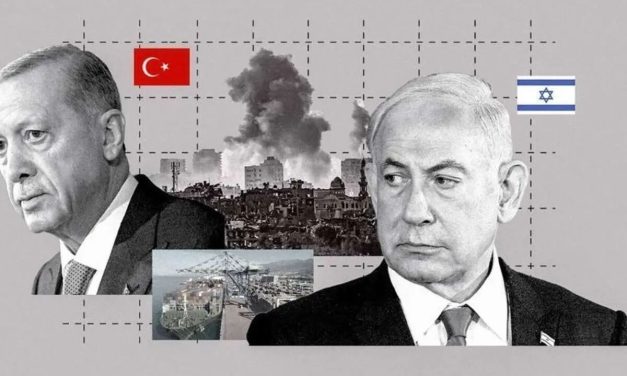
Strategic Implications of the Reduction of US Weapons Stockpiles

SCFR Online – Opinion: The continuation of the US war against Iran, in addition to increasing operational costs, has called into question the actual capacity of the American arsenal to simultaneously fulfill security commitments on multiple fronts; an issue that affects deterrence, defense production capacity, and Washington’s resource prioritization.

The Formation of a New Order in Relations Between Powers

SCFR Online – Opinion: The Russia-Ukraine war and the war of the United States and the Israeli regime against Iran have been formed with different objectives and actors, but field and political developments indicate that they are not entirely separate from one another.

An Analysis of the Makkah Defense Pact

SCFR Online – Opinion: On Friday, August 7, the heads of state of three countries – Saudi Arabia, Turkey, and Pakistan – signed a text under the title “Makkah Joint Defense Agreement.”

Dimensions and challenges of the initiative to revive the Hejaz Railway

Strategic Council Online – Note: The initiative to revive the Hejaz Railway, beyond being a transportation project, constitutes an attempt to redefine geopolitics, the economy, and Turkey’s regional position; however, its realization appears to face significant financial, security, and institutional challenges.

Loading

Iran

Addressing Roots of Erbil, Sulaymaniyah Disputes, US Motivation to Reduce Tension

Addressing Roots of Erbil, Sulaymaniyah Disputes, US Motivation to Reduce Tension

Strategic Council Online – Interview: A university professor of the Kurdistan Region of Iraq, saying that the main difference between the two main parties of the Kurdistan Region is rooted in their power-seeking desire and the extent of their political domination, adding: Disputes such as the budget and control over disputed areas are the main difference the two main parties of Kurdistan have with the central government in Baghdad, and such deep differences do not seem to be easily resolved.

The goals of the US behind sending Patriot missile system and its repercussions

The goals of the US behind sending Patriot missile system and its repercussions

Strategic Council Online-Interview: The scientific deputy of Shahid Sadr Research Institute of the Expediency Council stated that sending the Patriot systems is the beginning of cooperation between the United States and Ukraine at a higher level, adding that this moves aims more to maintain the balance in the war and as long as Russia is involved in the war, the United States can take extensive international measures against it and making any agreement is against the US strategic goal of continuing the war and eroding Russia’s power.

Legal Analysis on Possible EU Calling IRGC Terrorist, Its Consequences

Legal Analysis on Possible EU Calling IRGC Terrorist, Its Consequences

Strategic Council Online – Opinion: Politics in general, including foreign policy, followed by political action and diplomatic measure, appears natural and is more welcomed when it can emerge from a country’s worldview and its civilizational, historical, moral, religious and political customs. Otherwise, it will not achieve much success. Compliance with the principles may sometimes cause an apparent loss to the holder in the short term, but compliance with the principles will benefit everyone in the long run.
Mohsen Baharvand – Former Deputy Minister of Foreign Affairs

China’s approach to the global fight against terrorism

China’s approach to the global fight against terrorism

Strategic Council Online—Interview: An expert on East Asian issues believes that China knows that after the realization of US conspiracies against independent, rival and critic countries such as Russia and Iran, Beijing will be the next target of these conspiracies, which will be pursued through any means, even the spread of insecurity and the growth of terrorism.

Prospect of “Negev” Meeting in Morocco

Prospect of “Negev” Meeting in Morocco

Strategic Council Online – Interview: An expert on West Asia affairs stated that choosing the usurper Zionist regime as the leader of the new regional coalition with the participation of Arab states is a very big strategic mistake. He added that the possibility of the formation of a regional coalition and implementation of what is being discussed in the Negev negotiations will not be easy to achieve. There are many reasons for this, including the deep differences of the Arab countries and their conflicting interests with each other, as well as their conflicts with the Zionist regime, and the formation of a new extremist government in Israel has also added to the existing challenges.

Zionist Regime’s Strategy to Exercise Influence in Central Asia

Zionist Regime’s Strategy to Exercise Influence in Central Asia

Strategic Council Online – Interview: A faculty member of Allameh Tabataba’i University said: The Islamic extremism raised by the Zionist regime in Central Asia and the Caucasus is an excuse aimed at suppressing Islamic movements in the region.

Indicators of New Zionist Government ‘s Extreme Approach, its Consequences

Indicators of New Zionist Government ‘s Extreme Approach, its Consequences

Strategic Council Online – Interview: A researcher of Israel affairs at Stream Research Institute, commenting on how the most right-wing cabinet in the Zionist regime, led by Benjamin Netanyahu, has come to power, said: About the new cabinet of the Zionist regime, we should know that the extreme right parties, the Religious Zionism, Jewish Power and Noam, formed a coalition and won 14 seats in the recent elections, which was unprecedented in the history of Israel. Currently, 14 seats of the three extreme parties are among Netanyahu’s coalition.

ÚLTIMAS PUBLICACIONES

Realities of the Tripartite Makkah Pact

SCFR Online – Interview: The signing of the Makkah agreement between Saudi Arabia, Pakistan, and Turkey has raised questions about the future of the region’s security structure and the position of these countries in West Asian equations. Can this agreement become a genuine collective defense mechanism, or does it have more of a political and deterrent function than creating new military capacity?

Strategic Implications of the Reduction of US Weapons Stockpiles

SCFR Online – Opinion: The continuation of the US war against Iran, in addition to increasing operational costs, has called into question the actual capacity of the American arsenal to simultaneously fulfill security commitments on multiple fronts; an issue that affects deterrence, defense production capacity, and Washington’s resource prioritization.

The Formation of a New Order in Relations Between Powers

SCFR Online – Opinion: The Russia-Ukraine war and the war of the United States and the Israeli regime against Iran have been formed with different objectives and actors, but field and political developments indicate that they are not entirely separate from one another.

An Analysis of the Makkah Defense Pact

SCFR Online – Opinion: On Friday, August 7, the heads of state of three countries – Saudi Arabia, Turkey, and Pakistan – signed a text under the title “Makkah Joint Defense Agreement.”

Dimensions and challenges of the initiative to revive the Hejaz Railway

Strategic Council Online – Note: The initiative to revive the Hejaz Railway, beyond being a transportation project, constitutes an attempt to redefine geopolitics, the economy, and Turkey’s regional position; however, its realization appears to face significant financial, security, and institutional challenges.

Loading