2025/10/16
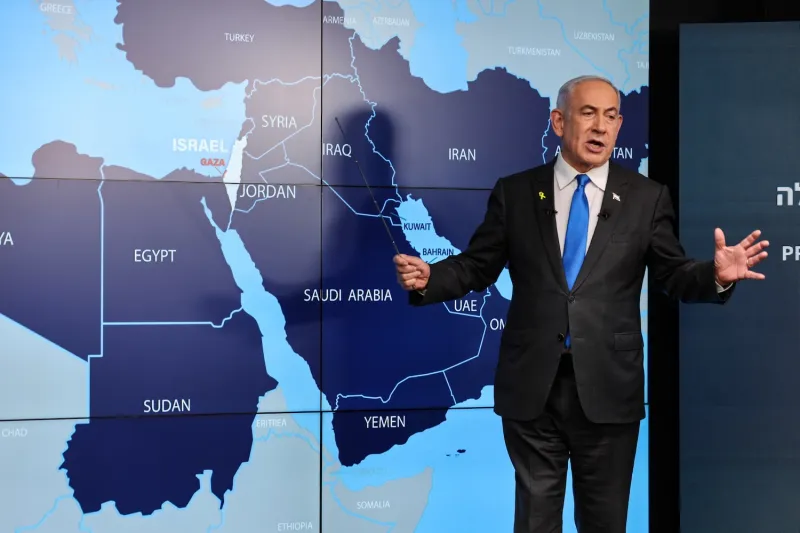
Online Strategic Council – Note: The recent movements by the Zionist regime to open a new front in Iraq indicate the continuation of this regime’s policy of creating crises and an effort to restore its lost deterrence in the region.

2025/10/12
Online Strategic Council – Memo: In September 2025, the UN Independent Commission of Inquiry officially announced that the Israeli regime had committed genocide during the Gaza war. The commission clarified that this regime had carried out four of the five acts defined by the Convention as genocidal acts, and that the statements of Israeli regime officials also indicated an intent to destroy a national group (Palestinians).
2025/10/06
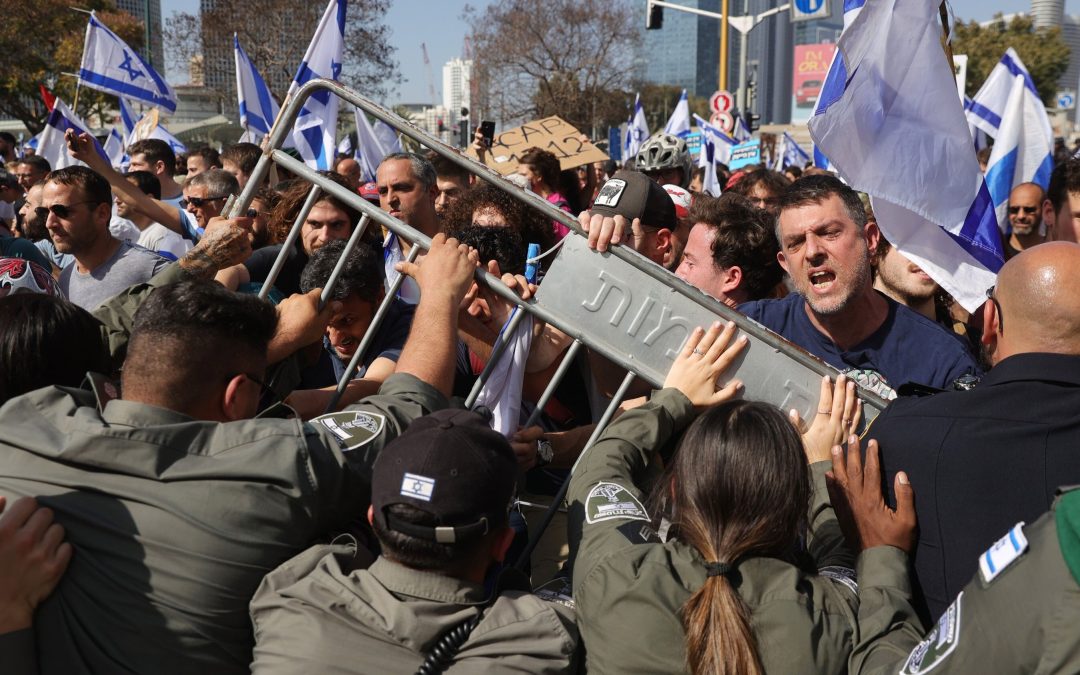
Online Strategic Council – Interview: The crisis of legitimacy of the Israeli regime, both internationally and domestically, has become one of its main challenges during the two years of relentless crime in Gaza. The Zionist regime, once considered a strategic ally of the West and particularly the United States, has now clearly lost its legitimacy due to committing unprecedented massacres, escalating settlement activities, and racist behavior. This trend has led Arab and Islamic countries, and even some former allies, to view the Zionist regime as the leading cause of regional instability and to level widespread criticism against its policies.
2025/10/06
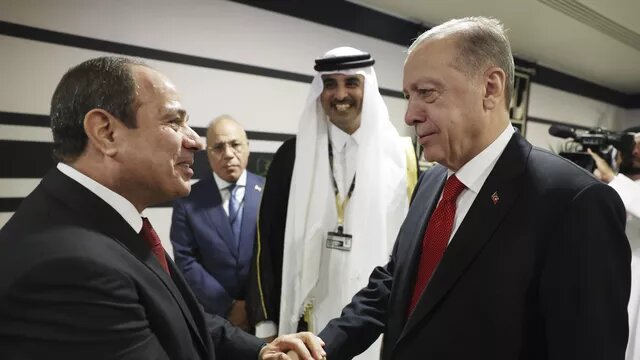
Online Strategic Council – Interview: A senior Egyptian affairs analyst stated that Egypt, the first Arab country to sign a peace agreement with the Zionist regime in 1979, has now adopted a new strategy due to concerns about the regime’s expansionist policies. The developments following the 2023 Gaza war revealed that Tel Aviv, with the unconditional support of the United States, seeks to alter the balance of power in West Asia —a matter that has compelled Cairo to expand its relations with Iran and Turkey, two significant regional powers. By holding joint military exercises with Turkey, mediating in Iran’s nuclear dossier, and seeking military and technological cooperation, Egypt is trying to prevent the Zionists’ hegemony in the region. Although the formation of a trilateral military alliance seems unlikely for now, Cairo’s rapprochement with Tehran and Ankara is considered a potential threat to the Israeli regime. In fact, in the face of regional pressures and border crises, Egypt is seeking to create a strategic balance to curb Tel Aviv’s influence and enhance its own position in the West Asian equations.

2025/10/04
Online Strategic Council – Interview: A senior West Asia affairs analyst stated that recent developments in West Asia indicate that the region’s security equations have entered a new stage. The Israeli regime’s attack on Qatar, as a security shock, has made the Arab countries of the Persian Gulf aware of new vulnerabilities and forced them to reconsider their defense strategies. Now, relying on American security guarantees no longer seems sufficient, because emerging regional threats have become more complex and multi-layered than in the past. In this context, Pakistan, with its special position as the only atomic power in the Islamic world, has quickly found a strategic place in the security calculations of the Arab countries. The signing of the strategic defense agreement between Riyadh and Islamabad, followed by a military cooperation meeting between Bahrain and Pakistan in Manama, indicates an increasing trend in security convergence. These cooperations are defined not only to strengthen joint deterrence and counter potential threats, especially from the Israeli regime, but also indicate a shift in the balance of power in the region. Pakistan’s entry into the West Asian equations could have broader implications; on the one hand, it could reduce America’s monopoly on providing regional security, and on the other hand, it could create new axes of cooperation among Islamic powers. Thus, by moving closer to Islamabad, Saudi Arabia and Bahrain are seeking to develop an indigenous defense shield which, in addition to guaranteeing their own security, sends a clear message to regional rivals: the power equations are being rewritten and new actors have entered the scene.
