جدیدترین مطالب

Consequences of Declining Trust in the Judiciary in Europe

SCFRonline – Opinion: The increase in public distrust of the French judicial system, which in recent surveys has reached approximately two-thirds of citizens, should be analyzed within a framework broader than temporary dissatisfaction or an emotional reaction to a particular criminal case.

Iran’s Potential Levers of Power

SCFRonline– Opinion: Iran’s geopolitical power is not limited solely to oil and the Strait of Hormuz; the unintended emergence of disruptions in the future global food and energy security chains can also demonstrate Iran’s strategic importance.

The Inseparability of the Lebanese Front from the Axis of Resistance

SCFR Online–Opinion: By providing an extensive network of social, healthcare, educational, and post-war reconstruction services, Hezbollah has established a strong social base for itself among Lebanon’s Shiites and Sunnis, and even beyond that, among other segments of Lebanese society, including Christians. Hezbollah has never been an external actor imposed upon Lebanon; rather, it is a phenomenon fundamentally born out of the occupation and crimes of the Zionist regime and itself influenced by popular resistance.

The Increasing Efforts of the Zionist Regime to Redefine Borders and the Regional Order and Its Consequences

SCFR Online– Opinion: Security and military developments in the region over recent months indicate that the ongoing crises and wars in Gaza, southern Lebanon, and parts of Syrian territory encompass broader dimensions of geopolitical and geostrategic transformations. In this context, the increased military presence and control of the Zionist regime over parts of the territories of these areas, along with proposals regarding the creation of buffer zones or even the expansion of security borders, have raised serious questions about the future of the regional order and its consequences for the countries of West Asia.

Loading

Sudan

The threat to stability in Sudan and the mission of the international community

The threat to stability in Sudan and the mission of the international community

Strategic Council Online-Interview: An expert on African issues listed power-seeking and non-acceptance of conventional rules as the root causes of conflicts in Sudan and emphasized that although the Sudanese parties want to eliminate each other, it seems that even if the conflicts do not lead to the elimination of one side, in the short term, it will end and the two sides cannot continue the war due to the lack of facilities in this country.

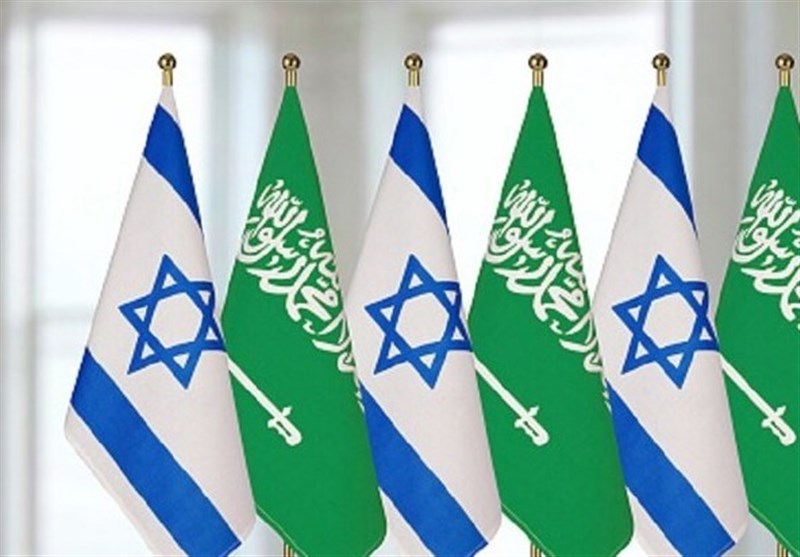
The way of developing relations between Saudi Arabia and the Zionist regime

The way of developing relations between Saudi Arabia and the Zionist regime

Strategic Council Online—Interview: An expert on West Asian issues stated that the frequent publication of news about the normalization of relations between the Zionist regime and Saudi Arabia in the Zionist media does not necessarily mean the occurrence of new developments that can change the geopolitics of the region, and said that repeatedly dealing with the issue of normalizing relations with Saudi Arabia is a media achievement. It is for Netanyahu and the Likud party to divert the attention of public opinion from the internal problems and challenges of the Zionist regime.

Vulnerability of Interests of Zionist Regime and Host Countries in Persian Gulf

Vulnerability of Interests of Zionist Regime and Host Countries in Persian Gulf

Strategic Council Online – The illegitimate presence of the Zionists in the Persian Gulf will increase vulnerability of these forces; as the Arab nations of the region are not psychologically and culturally ready to accept the citizens of the Israeli regime and this is considered a serious challenge for Tel Aviv. There may also be underground movements in the future to strike at the interests of the Israeli regime in the Arab countries.
Hassan Hanizadeh – Expert of the Middle East

Riyadh, Abu Dhabi Strive to Keep Influence in Sudan

Strategic Council Online: The UAE and Saudi Arabia are sensitive to any changes or political and social instability in the Afro-Arab countries, and they are always seeking to maintain the status quo. But this time about Sudan, they certainly have not sufficed to a mere opposition to changes by learning a lesson from the 2011 uprisings. Instead, they are trying to orchestrate the power transition in a way that their own interests are preserved and safeguarded.
Kourosh Fakhr Tavoli – African Affairs Expert

Saudi-UAE Intervention in Sudan to Prevent Muslim Brotherhood from Taking Power

Strategic Council Online: What happened in Sudan, or the issue that led to a coup or quasi coup d’état in this country, go back to a number of factors and reasons such as the ineffectiveness of the political system of Omar al-Bashir government, as well as his actions over the past few years on foreign policy among others.
Ahmad Bakhshi – African Affairs Expert

North Africa: Internal Challenges and Foreign Actors

Strategic Council Online: What is happening today in major North African countries, including Sudan, Libya, and Algeria, is affected by a combination of internal factors and mechanisms as well as foreign interventions before being a proof of the “Arab Spring, the Second Wave.”
Kourosh Fakhr Tavoli – African Affairs Expert

Sudan: People’s Revolution or Palace Revolution?

Strategic Council Online: What took place in Sudan after Omar al-Bashir stepped down from power has attracted the attention of the world these days. The reality is that the country is prone to civil war between the various parties, which could be a threat to regional security.
Kourosh Fakhr Tavoli – African Affairs Expert

أحدث الوظائف

Consequences of Declining Trust in the Judiciary in Europe

SCFRonline – Opinion: The increase in public distrust of the French judicial system, which in recent surveys has reached approximately two-thirds of citizens, should be analyzed within a framework broader than temporary dissatisfaction or an emotional reaction to a particular criminal case.

Iran’s Potential Levers of Power

SCFRonline– Opinion: Iran’s geopolitical power is not limited solely to oil and the Strait of Hormuz; the unintended emergence of disruptions in the future global food and energy security chains can also demonstrate Iran’s strategic importance.

The Inseparability of the Lebanese Front from the Axis of Resistance

SCFR Online–Opinion: By providing an extensive network of social, healthcare, educational, and post-war reconstruction services, Hezbollah has established a strong social base for itself among Lebanon’s Shiites and Sunnis, and even beyond that, among other segments of Lebanese society, including Christians. Hezbollah has never been an external actor imposed upon Lebanon; rather, it is a phenomenon fundamentally born out of the occupation and crimes of the Zionist regime and itself influenced by popular resistance.

The Increasing Efforts of the Zionist Regime to Redefine Borders and the Regional Order and Its Consequences

SCFR Online– Opinion: Security and military developments in the region over recent months indicate that the ongoing crises and wars in Gaza, southern Lebanon, and parts of Syrian territory encompass broader dimensions of geopolitical and geostrategic transformations. In this context, the increased military presence and control of the Zionist regime over parts of the territories of these areas, along with proposals regarding the creation of buffer zones or even the expansion of security borders, have raised serious questions about the future of the regional order and its consequences for the countries of West Asia.

Loading

Sudan

The threat to stability in Sudan and the mission of the international community

The threat to stability in Sudan and the mission of the international community

Strategic Council Online-Interview: An expert on African issues listed power-seeking and non-acceptance of conventional rules as the root causes of conflicts in Sudan and emphasized that although the Sudanese parties want to eliminate each other, it seems that even if the conflicts do not lead to the elimination of one side, in the short term, it will end and the two sides cannot continue the war due to the lack of facilities in this country.

The way of developing relations between Saudi Arabia and the Zionist regime

The way of developing relations between Saudi Arabia and the Zionist regime

Strategic Council Online—Interview: An expert on West Asian issues stated that the frequent publication of news about the normalization of relations between the Zionist regime and Saudi Arabia in the Zionist media does not necessarily mean the occurrence of new developments that can change the geopolitics of the region, and said that repeatedly dealing with the issue of normalizing relations with Saudi Arabia is a media achievement. It is for Netanyahu and the Likud party to divert the attention of public opinion from the internal problems and challenges of the Zionist regime.

Vulnerability of Interests of Zionist Regime and Host Countries in Persian Gulf

Vulnerability of Interests of Zionist Regime and Host Countries in Persian Gulf

Strategic Council Online – The illegitimate presence of the Zionists in the Persian Gulf will increase vulnerability of these forces; as the Arab nations of the region are not psychologically and culturally ready to accept the citizens of the Israeli regime and this is considered a serious challenge for Tel Aviv. There may also be underground movements in the future to strike at the interests of the Israeli regime in the Arab countries.
Hassan Hanizadeh – Expert of the Middle East

Riyadh, Abu Dhabi Strive to Keep Influence in Sudan

Strategic Council Online: The UAE and Saudi Arabia are sensitive to any changes or political and social instability in the Afro-Arab countries, and they are always seeking to maintain the status quo. But this time about Sudan, they certainly have not sufficed to a mere opposition to changes by learning a lesson from the 2011 uprisings. Instead, they are trying to orchestrate the power transition in a way that their own interests are preserved and safeguarded.
Kourosh Fakhr Tavoli – African Affairs Expert

Saudi-UAE Intervention in Sudan to Prevent Muslim Brotherhood from Taking Power

Strategic Council Online: What happened in Sudan, or the issue that led to a coup or quasi coup d’état in this country, go back to a number of factors and reasons such as the ineffectiveness of the political system of Omar al-Bashir government, as well as his actions over the past few years on foreign policy among others.
Ahmad Bakhshi – African Affairs Expert

North Africa: Internal Challenges and Foreign Actors

Strategic Council Online: What is happening today in major North African countries, including Sudan, Libya, and Algeria, is affected by a combination of internal factors and mechanisms as well as foreign interventions before being a proof of the “Arab Spring, the Second Wave.”
Kourosh Fakhr Tavoli – African Affairs Expert

Sudan: People’s Revolution or Palace Revolution?

Strategic Council Online: What took place in Sudan after Omar al-Bashir stepped down from power has attracted the attention of the world these days. The reality is that the country is prone to civil war between the various parties, which could be a threat to regional security.
Kourosh Fakhr Tavoli – African Affairs Expert

Sudan

The threat to stability in Sudan and the mission of the international community

The threat to stability in Sudan and the mission of the international community

Strategic Council Online-Interview: An expert on African issues listed power-seeking and non-acceptance of conventional rules as the root causes of conflicts in Sudan and emphasized that although the Sudanese parties want to eliminate each other, it seems that even if the conflicts do not lead to the elimination of one side, in the short term, it will end and the two sides cannot continue the war due to the lack of facilities in this country.

The way of developing relations between Saudi Arabia and the Zionist regime

The way of developing relations between Saudi Arabia and the Zionist regime

Strategic Council Online—Interview: An expert on West Asian issues stated that the frequent publication of news about the normalization of relations between the Zionist regime and Saudi Arabia in the Zionist media does not necessarily mean the occurrence of new developments that can change the geopolitics of the region, and said that repeatedly dealing with the issue of normalizing relations with Saudi Arabia is a media achievement. It is for Netanyahu and the Likud party to divert the attention of public opinion from the internal problems and challenges of the Zionist regime.

Vulnerability of Interests of Zionist Regime and Host Countries in Persian Gulf

Vulnerability of Interests of Zionist Regime and Host Countries in Persian Gulf

Strategic Council Online – The illegitimate presence of the Zionists in the Persian Gulf will increase vulnerability of these forces; as the Arab nations of the region are not psychologically and culturally ready to accept the citizens of the Israeli regime and this is considered a serious challenge for Tel Aviv. There may also be underground movements in the future to strike at the interests of the Israeli regime in the Arab countries.
Hassan Hanizadeh – Expert of the Middle East

Riyadh, Abu Dhabi Strive to Keep Influence in Sudan

Strategic Council Online: The UAE and Saudi Arabia are sensitive to any changes or political and social instability in the Afro-Arab countries, and they are always seeking to maintain the status quo. But this time about Sudan, they certainly have not sufficed to a mere opposition to changes by learning a lesson from the 2011 uprisings. Instead, they are trying to orchestrate the power transition in a way that their own interests are preserved and safeguarded.
Kourosh Fakhr Tavoli – African Affairs Expert

Saudi-UAE Intervention in Sudan to Prevent Muslim Brotherhood from Taking Power

Strategic Council Online: What happened in Sudan, or the issue that led to a coup or quasi coup d’état in this country, go back to a number of factors and reasons such as the ineffectiveness of the political system of Omar al-Bashir government, as well as his actions over the past few years on foreign policy among others.
Ahmad Bakhshi – African Affairs Expert

North Africa: Internal Challenges and Foreign Actors

Strategic Council Online: What is happening today in major North African countries, including Sudan, Libya, and Algeria, is affected by a combination of internal factors and mechanisms as well as foreign interventions before being a proof of the “Arab Spring, the Second Wave.”
Kourosh Fakhr Tavoli – African Affairs Expert

Sudan: People’s Revolution or Palace Revolution?

Strategic Council Online: What took place in Sudan after Omar al-Bashir stepped down from power has attracted the attention of the world these days. The reality is that the country is prone to civil war between the various parties, which could be a threat to regional security.
Kourosh Fakhr Tavoli – African Affairs Expert

LATEST CONTENT

Consequences of Declining Trust in the Judiciary in Europe

SCFRonline – Opinion: The increase in public distrust of the French judicial system, which in recent surveys has reached approximately two-thirds of citizens, should be analyzed within a framework broader than temporary dissatisfaction or an emotional reaction to a particular criminal case.

Iran’s Potential Levers of Power

SCFRonline– Opinion: Iran’s geopolitical power is not limited solely to oil and the Strait of Hormuz; the unintended emergence of disruptions in the future global food and energy security chains can also demonstrate Iran’s strategic importance.

The Inseparability of the Lebanese Front from the Axis of Resistance

SCFR Online–Opinion: By providing an extensive network of social, healthcare, educational, and post-war reconstruction services, Hezbollah has established a strong social base for itself among Lebanon’s Shiites and Sunnis, and even beyond that, among other segments of Lebanese society, including Christians. Hezbollah has never been an external actor imposed upon Lebanon; rather, it is a phenomenon fundamentally born out of the occupation and crimes of the Zionist regime and itself influenced by popular resistance.

The Increasing Efforts of the Zionist Regime to Redefine Borders and the Regional Order and Its Consequences

SCFR Online– Opinion: Security and military developments in the region over recent months indicate that the ongoing crises and wars in Gaza, southern Lebanon, and parts of Syrian territory encompass broader dimensions of geopolitical and geostrategic transformations. In this context, the increased military presence and control of the Zionist regime over parts of the territories of these areas, along with proposals regarding the creation of buffer zones or even the expansion of security borders, have raised serious questions about the future of the regional order and its consequences for the countries of West Asia.

Loading

Sudan

The threat to stability in Sudan and the mission of the international community

The threat to stability in Sudan and the mission of the international community

Strategic Council Online-Interview: An expert on African issues listed power-seeking and non-acceptance of conventional rules as the root causes of conflicts in Sudan and emphasized that although the Sudanese parties want to eliminate each other, it seems that even if the conflicts do not lead to the elimination of one side, in the short term, it will end and the two sides cannot continue the war due to the lack of facilities in this country.

The way of developing relations between Saudi Arabia and the Zionist regime

The way of developing relations between Saudi Arabia and the Zionist regime

Strategic Council Online—Interview: An expert on West Asian issues stated that the frequent publication of news about the normalization of relations between the Zionist regime and Saudi Arabia in the Zionist media does not necessarily mean the occurrence of new developments that can change the geopolitics of the region, and said that repeatedly dealing with the issue of normalizing relations with Saudi Arabia is a media achievement. It is for Netanyahu and the Likud party to divert the attention of public opinion from the internal problems and challenges of the Zionist regime.

Vulnerability of Interests of Zionist Regime and Host Countries in Persian Gulf

Vulnerability of Interests of Zionist Regime and Host Countries in Persian Gulf

Strategic Council Online – The illegitimate presence of the Zionists in the Persian Gulf will increase vulnerability of these forces; as the Arab nations of the region are not psychologically and culturally ready to accept the citizens of the Israeli regime and this is considered a serious challenge for Tel Aviv. There may also be underground movements in the future to strike at the interests of the Israeli regime in the Arab countries.
Hassan Hanizadeh – Expert of the Middle East

Riyadh, Abu Dhabi Strive to Keep Influence in Sudan

Strategic Council Online: The UAE and Saudi Arabia are sensitive to any changes or political and social instability in the Afro-Arab countries, and they are always seeking to maintain the status quo. But this time about Sudan, they certainly have not sufficed to a mere opposition to changes by learning a lesson from the 2011 uprisings. Instead, they are trying to orchestrate the power transition in a way that their own interests are preserved and safeguarded.
Kourosh Fakhr Tavoli – African Affairs Expert

Saudi-UAE Intervention in Sudan to Prevent Muslim Brotherhood from Taking Power

Strategic Council Online: What happened in Sudan, or the issue that led to a coup or quasi coup d’état in this country, go back to a number of factors and reasons such as the ineffectiveness of the political system of Omar al-Bashir government, as well as his actions over the past few years on foreign policy among others.
Ahmad Bakhshi – African Affairs Expert

North Africa: Internal Challenges and Foreign Actors

Strategic Council Online: What is happening today in major North African countries, including Sudan, Libya, and Algeria, is affected by a combination of internal factors and mechanisms as well as foreign interventions before being a proof of the “Arab Spring, the Second Wave.”
Kourosh Fakhr Tavoli – African Affairs Expert

Sudan: People’s Revolution or Palace Revolution?

Strategic Council Online: What took place in Sudan after Omar al-Bashir stepped down from power has attracted the attention of the world these days. The reality is that the country is prone to civil war between the various parties, which could be a threat to regional security.
Kourosh Fakhr Tavoli – African Affairs Expert

ÚLTIMAS PUBLICACIONES

Consequences of Declining Trust in the Judiciary in Europe

SCFRonline – Opinion: The increase in public distrust of the French judicial system, which in recent surveys has reached approximately two-thirds of citizens, should be analyzed within a framework broader than temporary dissatisfaction or an emotional reaction to a particular criminal case.

Iran’s Potential Levers of Power

SCFRonline– Opinion: Iran’s geopolitical power is not limited solely to oil and the Strait of Hormuz; the unintended emergence of disruptions in the future global food and energy security chains can also demonstrate Iran’s strategic importance.

The Inseparability of the Lebanese Front from the Axis of Resistance

SCFR Online–Opinion: By providing an extensive network of social, healthcare, educational, and post-war reconstruction services, Hezbollah has established a strong social base for itself among Lebanon’s Shiites and Sunnis, and even beyond that, among other segments of Lebanese society, including Christians. Hezbollah has never been an external actor imposed upon Lebanon; rather, it is a phenomenon fundamentally born out of the occupation and crimes of the Zionist regime and itself influenced by popular resistance.

The Increasing Efforts of the Zionist Regime to Redefine Borders and the Regional Order and Its Consequences

SCFR Online– Opinion: Security and military developments in the region over recent months indicate that the ongoing crises and wars in Gaza, southern Lebanon, and parts of Syrian territory encompass broader dimensions of geopolitical and geostrategic transformations. In this context, the increased military presence and control of the Zionist regime over parts of the territories of these areas, along with proposals regarding the creation of buffer zones or even the expansion of security borders, have raised serious questions about the future of the regional order and its consequences for the countries of West Asia.

Loading

Sudan

The threat to stability in Sudan and the mission of the international community

The threat to stability in Sudan and the mission of the international community

Strategic Council Online-Interview: An expert on African issues listed power-seeking and non-acceptance of conventional rules as the root causes of conflicts in Sudan and emphasized that although the Sudanese parties want to eliminate each other, it seems that even if the conflicts do not lead to the elimination of one side, in the short term, it will end and the two sides cannot continue the war due to the lack of facilities in this country.

The way of developing relations between Saudi Arabia and the Zionist regime

The way of developing relations between Saudi Arabia and the Zionist regime

Strategic Council Online—Interview: An expert on West Asian issues stated that the frequent publication of news about the normalization of relations between the Zionist regime and Saudi Arabia in the Zionist media does not necessarily mean the occurrence of new developments that can change the geopolitics of the region, and said that repeatedly dealing with the issue of normalizing relations with Saudi Arabia is a media achievement. It is for Netanyahu and the Likud party to divert the attention of public opinion from the internal problems and challenges of the Zionist regime.

Vulnerability of Interests of Zionist Regime and Host Countries in Persian Gulf

Vulnerability of Interests of Zionist Regime and Host Countries in Persian Gulf

Strategic Council Online – The illegitimate presence of the Zionists in the Persian Gulf will increase vulnerability of these forces; as the Arab nations of the region are not psychologically and culturally ready to accept the citizens of the Israeli regime and this is considered a serious challenge for Tel Aviv. There may also be underground movements in the future to strike at the interests of the Israeli regime in the Arab countries.
Hassan Hanizadeh – Expert of the Middle East

Riyadh, Abu Dhabi Strive to Keep Influence in Sudan

Strategic Council Online: The UAE and Saudi Arabia are sensitive to any changes or political and social instability in the Afro-Arab countries, and they are always seeking to maintain the status quo. But this time about Sudan, they certainly have not sufficed to a mere opposition to changes by learning a lesson from the 2011 uprisings. Instead, they are trying to orchestrate the power transition in a way that their own interests are preserved and safeguarded.
Kourosh Fakhr Tavoli – African Affairs Expert

Saudi-UAE Intervention in Sudan to Prevent Muslim Brotherhood from Taking Power

Strategic Council Online: What happened in Sudan, or the issue that led to a coup or quasi coup d’état in this country, go back to a number of factors and reasons such as the ineffectiveness of the political system of Omar al-Bashir government, as well as his actions over the past few years on foreign policy among others.
Ahmad Bakhshi – African Affairs Expert

North Africa: Internal Challenges and Foreign Actors

Strategic Council Online: What is happening today in major North African countries, including Sudan, Libya, and Algeria, is affected by a combination of internal factors and mechanisms as well as foreign interventions before being a proof of the “Arab Spring, the Second Wave.”
Kourosh Fakhr Tavoli – African Affairs Expert

Sudan: People’s Revolution or Palace Revolution?

Strategic Council Online: What took place in Sudan after Omar al-Bashir stepped down from power has attracted the attention of the world these days. The reality is that the country is prone to civil war between the various parties, which could be a threat to regional security.
Kourosh Fakhr Tavoli – African Affairs Expert

ÚLTIMAS PUBLICACIONES

Consequences of Declining Trust in the Judiciary in Europe

SCFRonline – Opinion: The increase in public distrust of the French judicial system, which in recent surveys has reached approximately two-thirds of citizens, should be analyzed within a framework broader than temporary dissatisfaction or an emotional reaction to a particular criminal case.

Iran’s Potential Levers of Power

SCFRonline– Opinion: Iran’s geopolitical power is not limited solely to oil and the Strait of Hormuz; the unintended emergence of disruptions in the future global food and energy security chains can also demonstrate Iran’s strategic importance.

The Inseparability of the Lebanese Front from the Axis of Resistance

SCFR Online–Opinion: By providing an extensive network of social, healthcare, educational, and post-war reconstruction services, Hezbollah has established a strong social base for itself among Lebanon’s Shiites and Sunnis, and even beyond that, among other segments of Lebanese society, including Christians. Hezbollah has never been an external actor imposed upon Lebanon; rather, it is a phenomenon fundamentally born out of the occupation and crimes of the Zionist regime and itself influenced by popular resistance.

The Increasing Efforts of the Zionist Regime to Redefine Borders and the Regional Order and Its Consequences

SCFR Online– Opinion: Security and military developments in the region over recent months indicate that the ongoing crises and wars in Gaza, southern Lebanon, and parts of Syrian territory encompass broader dimensions of geopolitical and geostrategic transformations. In this context, the increased military presence and control of the Zionist regime over parts of the territories of these areas, along with proposals regarding the creation of buffer zones or even the expansion of security borders, have raised serious questions about the future of the regional order and its consequences for the countries of West Asia.

Loading

Sudan

The threat to stability in Sudan and the mission of the international community

The threat to stability in Sudan and the mission of the international community

Strategic Council Online-Interview: An expert on African issues listed power-seeking and non-acceptance of conventional rules as the root causes of conflicts in Sudan and emphasized that although the Sudanese parties want to eliminate each other, it seems that even if the conflicts do not lead to the elimination of one side, in the short term, it will end and the two sides cannot continue the war due to the lack of facilities in this country.

The way of developing relations between Saudi Arabia and the Zionist regime

The way of developing relations between Saudi Arabia and the Zionist regime

Strategic Council Online—Interview: An expert on West Asian issues stated that the frequent publication of news about the normalization of relations between the Zionist regime and Saudi Arabia in the Zionist media does not necessarily mean the occurrence of new developments that can change the geopolitics of the region, and said that repeatedly dealing with the issue of normalizing relations with Saudi Arabia is a media achievement. It is for Netanyahu and the Likud party to divert the attention of public opinion from the internal problems and challenges of the Zionist regime.

Vulnerability of Interests of Zionist Regime and Host Countries in Persian Gulf

Vulnerability of Interests of Zionist Regime and Host Countries in Persian Gulf

Strategic Council Online – The illegitimate presence of the Zionists in the Persian Gulf will increase vulnerability of these forces; as the Arab nations of the region are not psychologically and culturally ready to accept the citizens of the Israeli regime and this is considered a serious challenge for Tel Aviv. There may also be underground movements in the future to strike at the interests of the Israeli regime in the Arab countries.
Hassan Hanizadeh – Expert of the Middle East

Riyadh, Abu Dhabi Strive to Keep Influence in Sudan

Strategic Council Online: The UAE and Saudi Arabia are sensitive to any changes or political and social instability in the Afro-Arab countries, and they are always seeking to maintain the status quo. But this time about Sudan, they certainly have not sufficed to a mere opposition to changes by learning a lesson from the 2011 uprisings. Instead, they are trying to orchestrate the power transition in a way that their own interests are preserved and safeguarded.
Kourosh Fakhr Tavoli – African Affairs Expert

Saudi-UAE Intervention in Sudan to Prevent Muslim Brotherhood from Taking Power

Strategic Council Online: What happened in Sudan, or the issue that led to a coup or quasi coup d’état in this country, go back to a number of factors and reasons such as the ineffectiveness of the political system of Omar al-Bashir government, as well as his actions over the past few years on foreign policy among others.
Ahmad Bakhshi – African Affairs Expert

North Africa: Internal Challenges and Foreign Actors

Strategic Council Online: What is happening today in major North African countries, including Sudan, Libya, and Algeria, is affected by a combination of internal factors and mechanisms as well as foreign interventions before being a proof of the “Arab Spring, the Second Wave.”
Kourosh Fakhr Tavoli – African Affairs Expert

Sudan: People’s Revolution or Palace Revolution?

Strategic Council Online: What took place in Sudan after Omar al-Bashir stepped down from power has attracted the attention of the world these days. The reality is that the country is prone to civil war between the various parties, which could be a threat to regional security.
Kourosh Fakhr Tavoli – African Affairs Expert

ÚLTIMAS PUBLICACIONES

Consequences of Declining Trust in the Judiciary in Europe

SCFRonline – Opinion: The increase in public distrust of the French judicial system, which in recent surveys has reached approximately two-thirds of citizens, should be analyzed within a framework broader than temporary dissatisfaction or an emotional reaction to a particular criminal case.

Iran’s Potential Levers of Power

SCFRonline– Opinion: Iran’s geopolitical power is not limited solely to oil and the Strait of Hormuz; the unintended emergence of disruptions in the future global food and energy security chains can also demonstrate Iran’s strategic importance.

The Inseparability of the Lebanese Front from the Axis of Resistance

SCFR Online–Opinion: By providing an extensive network of social, healthcare, educational, and post-war reconstruction services, Hezbollah has established a strong social base for itself among Lebanon’s Shiites and Sunnis, and even beyond that, among other segments of Lebanese society, including Christians. Hezbollah has never been an external actor imposed upon Lebanon; rather, it is a phenomenon fundamentally born out of the occupation and crimes of the Zionist regime and itself influenced by popular resistance.

The Increasing Efforts of the Zionist Regime to Redefine Borders and the Regional Order and Its Consequences

SCFR Online– Opinion: Security and military developments in the region over recent months indicate that the ongoing crises and wars in Gaza, southern Lebanon, and parts of Syrian territory encompass broader dimensions of geopolitical and geostrategic transformations. In this context, the increased military presence and control of the Zionist regime over parts of the territories of these areas, along with proposals regarding the creation of buffer zones or even the expansion of security borders, have raised serious questions about the future of the regional order and its consequences for the countries of West Asia.

Loading

Sudan

The threat to stability in Sudan and the mission of the international community

The threat to stability in Sudan and the mission of the international community

Strategic Council Online-Interview: An expert on African issues listed power-seeking and non-acceptance of conventional rules as the root causes of conflicts in Sudan and emphasized that although the Sudanese parties want to eliminate each other, it seems that even if the conflicts do not lead to the elimination of one side, in the short term, it will end and the two sides cannot continue the war due to the lack of facilities in this country.

The way of developing relations between Saudi Arabia and the Zionist regime

The way of developing relations between Saudi Arabia and the Zionist regime

Strategic Council Online—Interview: An expert on West Asian issues stated that the frequent publication of news about the normalization of relations between the Zionist regime and Saudi Arabia in the Zionist media does not necessarily mean the occurrence of new developments that can change the geopolitics of the region, and said that repeatedly dealing with the issue of normalizing relations with Saudi Arabia is a media achievement. It is for Netanyahu and the Likud party to divert the attention of public opinion from the internal problems and challenges of the Zionist regime.

Vulnerability of Interests of Zionist Regime and Host Countries in Persian Gulf

Vulnerability of Interests of Zionist Regime and Host Countries in Persian Gulf

Strategic Council Online – The illegitimate presence of the Zionists in the Persian Gulf will increase vulnerability of these forces; as the Arab nations of the region are not psychologically and culturally ready to accept the citizens of the Israeli regime and this is considered a serious challenge for Tel Aviv. There may also be underground movements in the future to strike at the interests of the Israeli regime in the Arab countries.
Hassan Hanizadeh – Expert of the Middle East

Riyadh, Abu Dhabi Strive to Keep Influence in Sudan

Strategic Council Online: The UAE and Saudi Arabia are sensitive to any changes or political and social instability in the Afro-Arab countries, and they are always seeking to maintain the status quo. But this time about Sudan, they certainly have not sufficed to a mere opposition to changes by learning a lesson from the 2011 uprisings. Instead, they are trying to orchestrate the power transition in a way that their own interests are preserved and safeguarded.
Kourosh Fakhr Tavoli – African Affairs Expert

Saudi-UAE Intervention in Sudan to Prevent Muslim Brotherhood from Taking Power

Strategic Council Online: What happened in Sudan, or the issue that led to a coup or quasi coup d’état in this country, go back to a number of factors and reasons such as the ineffectiveness of the political system of Omar al-Bashir government, as well as his actions over the past few years on foreign policy among others.
Ahmad Bakhshi – African Affairs Expert

North Africa: Internal Challenges and Foreign Actors

Strategic Council Online: What is happening today in major North African countries, including Sudan, Libya, and Algeria, is affected by a combination of internal factors and mechanisms as well as foreign interventions before being a proof of the “Arab Spring, the Second Wave.”
Kourosh Fakhr Tavoli – African Affairs Expert

Sudan: People’s Revolution or Palace Revolution?

Strategic Council Online: What took place in Sudan after Omar al-Bashir stepped down from power has attracted the attention of the world these days. The reality is that the country is prone to civil war between the various parties, which could be a threat to regional security.
Kourosh Fakhr Tavoli – African Affairs Expert

ÚLTIMAS PUBLICACIONES

Consequences of Declining Trust in the Judiciary in Europe

SCFRonline – Opinion: The increase in public distrust of the French judicial system, which in recent surveys has reached approximately two-thirds of citizens, should be analyzed within a framework broader than temporary dissatisfaction or an emotional reaction to a particular criminal case.

Iran’s Potential Levers of Power

SCFRonline– Opinion: Iran’s geopolitical power is not limited solely to oil and the Strait of Hormuz; the unintended emergence of disruptions in the future global food and energy security chains can also demonstrate Iran’s strategic importance.

The Inseparability of the Lebanese Front from the Axis of Resistance

SCFR Online–Opinion: By providing an extensive network of social, healthcare, educational, and post-war reconstruction services, Hezbollah has established a strong social base for itself among Lebanon’s Shiites and Sunnis, and even beyond that, among other segments of Lebanese society, including Christians. Hezbollah has never been an external actor imposed upon Lebanon; rather, it is a phenomenon fundamentally born out of the occupation and crimes of the Zionist regime and itself influenced by popular resistance.

The Increasing Efforts of the Zionist Regime to Redefine Borders and the Regional Order and Its Consequences

SCFR Online– Opinion: Security and military developments in the region over recent months indicate that the ongoing crises and wars in Gaza, southern Lebanon, and parts of Syrian territory encompass broader dimensions of geopolitical and geostrategic transformations. In this context, the increased military presence and control of the Zionist regime over parts of the territories of these areas, along with proposals regarding the creation of buffer zones or even the expansion of security borders, have raised serious questions about the future of the regional order and its consequences for the countries of West Asia.

Loading