جدیدترین مطالب

Realities of the Tripartite Makkah Pact

SCFR Online – Interview: The signing of the Makkah agreement between Saudi Arabia, Pakistan, and Turkey has raised questions about the future of the region’s security structure and the position of these countries in West Asian equations. Can this agreement become a genuine collective defense mechanism, or does it have more of a political and deterrent function than creating new military capacity?

Strategic Implications of the Reduction of US Weapons Stockpiles

SCFR Online – Opinion: The continuation of the US war against Iran, in addition to increasing operational costs, has called into question the actual capacity of the American arsenal to simultaneously fulfill security commitments on multiple fronts; an issue that affects deterrence, defense production capacity, and Washington’s resource prioritization.

The Formation of a New Order in Relations Between Powers

SCFR Online – Opinion: The Russia-Ukraine war and the war of the United States and the Israeli regime against Iran have been formed with different objectives and actors, but field and political developments indicate that they are not entirely separate from one another.

An Analysis of the Makkah Defense Pact

SCFR Online – Opinion: On Friday, August 7, the heads of state of three countries – Saudi Arabia, Turkey, and Pakistan – signed a text under the title “Makkah Joint Defense Agreement.”

Dimensions and challenges of the initiative to revive the Hejaz Railway

Strategic Council Online – Note: The initiative to revive the Hejaz Railway, beyond being a transportation project, constitutes an attempt to redefine geopolitics, the economy, and Turkey’s regional position; however, its realization appears to face significant financial, security, and institutional challenges.

Loading

Akram Imamoglu

The impact of recent Turkish elections on the political future of the ruling party

The impact of recent Turkish elections on the political future of the ruling party

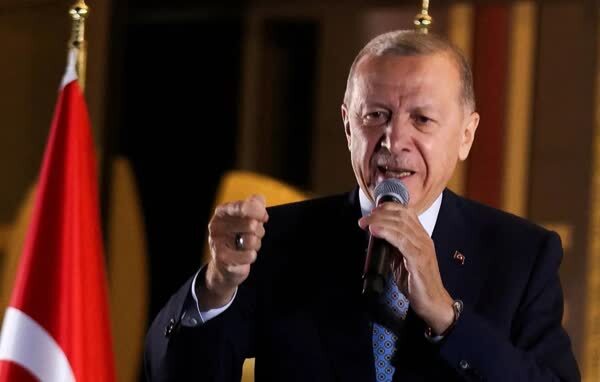
Strategic Council Online—Opinion: Recep Tayyip Erdogan, the President of Turkiye, on the same night that he won the second round of the presidential elections in May 2023, told the crowd of his supporters, “We love Istanbul, we started our journey to this city, and we will continue it.” At the same time, he wanted to take back the Istanbul Municipality from the rival and kept repeating that we will take back Istanbul. Erdogan referred to the Istanbul Municipality, which his party lost in 2019 elections of this metropolis and the economic capital of Turkiye, to his Republican opponent, Akram Imamoglu.
Siyamak Kakaee—Researcher of Turkiye affairs

أحدث الوظائف

Realities of the Tripartite Makkah Pact

SCFR Online – Interview: The signing of the Makkah agreement between Saudi Arabia, Pakistan, and Turkey has raised questions about the future of the region’s security structure and the position of these countries in West Asian equations. Can this agreement become a genuine collective defense mechanism, or does it have more of a political and deterrent function than creating new military capacity?

Strategic Implications of the Reduction of US Weapons Stockpiles

SCFR Online – Opinion: The continuation of the US war against Iran, in addition to increasing operational costs, has called into question the actual capacity of the American arsenal to simultaneously fulfill security commitments on multiple fronts; an issue that affects deterrence, defense production capacity, and Washington’s resource prioritization.

The Formation of a New Order in Relations Between Powers

SCFR Online – Opinion: The Russia-Ukraine war and the war of the United States and the Israeli regime against Iran have been formed with different objectives and actors, but field and political developments indicate that they are not entirely separate from one another.

An Analysis of the Makkah Defense Pact

SCFR Online – Opinion: On Friday, August 7, the heads of state of three countries – Saudi Arabia, Turkey, and Pakistan – signed a text under the title “Makkah Joint Defense Agreement.”

Dimensions and challenges of the initiative to revive the Hejaz Railway

Strategic Council Online – Note: The initiative to revive the Hejaz Railway, beyond being a transportation project, constitutes an attempt to redefine geopolitics, the economy, and Turkey’s regional position; however, its realization appears to face significant financial, security, and institutional challenges.

Loading

Akram Imamoglu

The impact of recent Turkish elections on the political future of the ruling party

The impact of recent Turkish elections on the political future of the ruling party

Strategic Council Online—Opinion: Recep Tayyip Erdogan, the President of Turkiye, on the same night that he won the second round of the presidential elections in May 2023, told the crowd of his supporters, “We love Istanbul, we started our journey to this city, and we will continue it.” At the same time, he wanted to take back the Istanbul Municipality from the rival and kept repeating that we will take back Istanbul. Erdogan referred to the Istanbul Municipality, which his party lost in 2019 elections of this metropolis and the economic capital of Turkiye, to his Republican opponent, Akram Imamoglu.
Siyamak Kakaee—Researcher of Turkiye affairs

Akram Imamoglu

The impact of recent Turkish elections on the political future of the ruling party

The impact of recent Turkish elections on the political future of the ruling party

Strategic Council Online—Opinion: Recep Tayyip Erdogan, the President of Turkiye, on the same night that he won the second round of the presidential elections in May 2023, told the crowd of his supporters, “We love Istanbul, we started our journey to this city, and we will continue it.” At the same time, he wanted to take back the Istanbul Municipality from the rival and kept repeating that we will take back Istanbul. Erdogan referred to the Istanbul Municipality, which his party lost in 2019 elections of this metropolis and the economic capital of Turkiye, to his Republican opponent, Akram Imamoglu.
Siyamak Kakaee—Researcher of Turkiye affairs

LATEST CONTENT

Realities of the Tripartite Makkah Pact

SCFR Online – Interview: The signing of the Makkah agreement between Saudi Arabia, Pakistan, and Turkey has raised questions about the future of the region’s security structure and the position of these countries in West Asian equations. Can this agreement become a genuine collective defense mechanism, or does it have more of a political and deterrent function than creating new military capacity?

Strategic Implications of the Reduction of US Weapons Stockpiles

SCFR Online – Opinion: The continuation of the US war against Iran, in addition to increasing operational costs, has called into question the actual capacity of the American arsenal to simultaneously fulfill security commitments on multiple fronts; an issue that affects deterrence, defense production capacity, and Washington’s resource prioritization.

The Formation of a New Order in Relations Between Powers

SCFR Online – Opinion: The Russia-Ukraine war and the war of the United States and the Israeli regime against Iran have been formed with different objectives and actors, but field and political developments indicate that they are not entirely separate from one another.

An Analysis of the Makkah Defense Pact

SCFR Online – Opinion: On Friday, August 7, the heads of state of three countries – Saudi Arabia, Turkey, and Pakistan – signed a text under the title “Makkah Joint Defense Agreement.”

Dimensions and challenges of the initiative to revive the Hejaz Railway

Strategic Council Online – Note: The initiative to revive the Hejaz Railway, beyond being a transportation project, constitutes an attempt to redefine geopolitics, the economy, and Turkey’s regional position; however, its realization appears to face significant financial, security, and institutional challenges.

Loading

Akram Imamoglu

The impact of recent Turkish elections on the political future of the ruling party

The impact of recent Turkish elections on the political future of the ruling party

Strategic Council Online—Opinion: Recep Tayyip Erdogan, the President of Turkiye, on the same night that he won the second round of the presidential elections in May 2023, told the crowd of his supporters, “We love Istanbul, we started our journey to this city, and we will continue it.” At the same time, he wanted to take back the Istanbul Municipality from the rival and kept repeating that we will take back Istanbul. Erdogan referred to the Istanbul Municipality, which his party lost in 2019 elections of this metropolis and the economic capital of Turkiye, to his Republican opponent, Akram Imamoglu.
Siyamak Kakaee—Researcher of Turkiye affairs

ÚLTIMAS PUBLICACIONES

Realities of the Tripartite Makkah Pact

SCFR Online – Interview: The signing of the Makkah agreement between Saudi Arabia, Pakistan, and Turkey has raised questions about the future of the region’s security structure and the position of these countries in West Asian equations. Can this agreement become a genuine collective defense mechanism, or does it have more of a political and deterrent function than creating new military capacity?

Strategic Implications of the Reduction of US Weapons Stockpiles

SCFR Online – Opinion: The continuation of the US war against Iran, in addition to increasing operational costs, has called into question the actual capacity of the American arsenal to simultaneously fulfill security commitments on multiple fronts; an issue that affects deterrence, defense production capacity, and Washington’s resource prioritization.

The Formation of a New Order in Relations Between Powers

SCFR Online – Opinion: The Russia-Ukraine war and the war of the United States and the Israeli regime against Iran have been formed with different objectives and actors, but field and political developments indicate that they are not entirely separate from one another.

An Analysis of the Makkah Defense Pact

SCFR Online – Opinion: On Friday, August 7, the heads of state of three countries – Saudi Arabia, Turkey, and Pakistan – signed a text under the title “Makkah Joint Defense Agreement.”

Dimensions and challenges of the initiative to revive the Hejaz Railway

Strategic Council Online – Note: The initiative to revive the Hejaz Railway, beyond being a transportation project, constitutes an attempt to redefine geopolitics, the economy, and Turkey’s regional position; however, its realization appears to face significant financial, security, and institutional challenges.

Loading

Akram Imamoglu

The impact of recent Turkish elections on the political future of the ruling party

The impact of recent Turkish elections on the political future of the ruling party

Strategic Council Online—Opinion: Recep Tayyip Erdogan, the President of Turkiye, on the same night that he won the second round of the presidential elections in May 2023, told the crowd of his supporters, “We love Istanbul, we started our journey to this city, and we will continue it.” At the same time, he wanted to take back the Istanbul Municipality from the rival and kept repeating that we will take back Istanbul. Erdogan referred to the Istanbul Municipality, which his party lost in 2019 elections of this metropolis and the economic capital of Turkiye, to his Republican opponent, Akram Imamoglu.
Siyamak Kakaee—Researcher of Turkiye affairs

ÚLTIMAS PUBLICACIONES

Realities of the Tripartite Makkah Pact

SCFR Online – Interview: The signing of the Makkah agreement between Saudi Arabia, Pakistan, and Turkey has raised questions about the future of the region’s security structure and the position of these countries in West Asian equations. Can this agreement become a genuine collective defense mechanism, or does it have more of a political and deterrent function than creating new military capacity?

Strategic Implications of the Reduction of US Weapons Stockpiles

SCFR Online – Opinion: The continuation of the US war against Iran, in addition to increasing operational costs, has called into question the actual capacity of the American arsenal to simultaneously fulfill security commitments on multiple fronts; an issue that affects deterrence, defense production capacity, and Washington’s resource prioritization.

The Formation of a New Order in Relations Between Powers

SCFR Online – Opinion: The Russia-Ukraine war and the war of the United States and the Israeli regime against Iran have been formed with different objectives and actors, but field and political developments indicate that they are not entirely separate from one another.

An Analysis of the Makkah Defense Pact

SCFR Online – Opinion: On Friday, August 7, the heads of state of three countries – Saudi Arabia, Turkey, and Pakistan – signed a text under the title “Makkah Joint Defense Agreement.”

Dimensions and challenges of the initiative to revive the Hejaz Railway

Strategic Council Online – Note: The initiative to revive the Hejaz Railway, beyond being a transportation project, constitutes an attempt to redefine geopolitics, the economy, and Turkey’s regional position; however, its realization appears to face significant financial, security, and institutional challenges.

Loading

Akram Imamoglu

The impact of recent Turkish elections on the political future of the ruling party

The impact of recent Turkish elections on the political future of the ruling party

Strategic Council Online—Opinion: Recep Tayyip Erdogan, the President of Turkiye, on the same night that he won the second round of the presidential elections in May 2023, told the crowd of his supporters, “We love Istanbul, we started our journey to this city, and we will continue it.” At the same time, he wanted to take back the Istanbul Municipality from the rival and kept repeating that we will take back Istanbul. Erdogan referred to the Istanbul Municipality, which his party lost in 2019 elections of this metropolis and the economic capital of Turkiye, to his Republican opponent, Akram Imamoglu.
Siyamak Kakaee—Researcher of Turkiye affairs

ÚLTIMAS PUBLICACIONES

Realities of the Tripartite Makkah Pact

SCFR Online – Interview: The signing of the Makkah agreement between Saudi Arabia, Pakistan, and Turkey has raised questions about the future of the region’s security structure and the position of these countries in West Asian equations. Can this agreement become a genuine collective defense mechanism, or does it have more of a political and deterrent function than creating new military capacity?

Strategic Implications of the Reduction of US Weapons Stockpiles

SCFR Online – Opinion: The continuation of the US war against Iran, in addition to increasing operational costs, has called into question the actual capacity of the American arsenal to simultaneously fulfill security commitments on multiple fronts; an issue that affects deterrence, defense production capacity, and Washington’s resource prioritization.

The Formation of a New Order in Relations Between Powers

SCFR Online – Opinion: The Russia-Ukraine war and the war of the United States and the Israeli regime against Iran have been formed with different objectives and actors, but field and political developments indicate that they are not entirely separate from one another.

An Analysis of the Makkah Defense Pact

SCFR Online – Opinion: On Friday, August 7, the heads of state of three countries – Saudi Arabia, Turkey, and Pakistan – signed a text under the title “Makkah Joint Defense Agreement.”

Dimensions and challenges of the initiative to revive the Hejaz Railway

Strategic Council Online – Note: The initiative to revive the Hejaz Railway, beyond being a transportation project, constitutes an attempt to redefine geopolitics, the economy, and Turkey’s regional position; however, its realization appears to face significant financial, security, and institutional challenges.

Loading

Akram Imamoglu

The impact of recent Turkish elections on the political future of the ruling party

The impact of recent Turkish elections on the political future of the ruling party

Strategic Council Online—Opinion: Recep Tayyip Erdogan, the President of Turkiye, on the same night that he won the second round of the presidential elections in May 2023, told the crowd of his supporters, “We love Istanbul, we started our journey to this city, and we will continue it.” At the same time, he wanted to take back the Istanbul Municipality from the rival and kept repeating that we will take back Istanbul. Erdogan referred to the Istanbul Municipality, which his party lost in 2019 elections of this metropolis and the economic capital of Turkiye, to his Republican opponent, Akram Imamoglu.
Siyamak Kakaee—Researcher of Turkiye affairs

ÚLTIMAS PUBLICACIONES

Realities of the Tripartite Makkah Pact

SCFR Online – Interview: The signing of the Makkah agreement between Saudi Arabia, Pakistan, and Turkey has raised questions about the future of the region’s security structure and the position of these countries in West Asian equations. Can this agreement become a genuine collective defense mechanism, or does it have more of a political and deterrent function than creating new military capacity?

Strategic Implications of the Reduction of US Weapons Stockpiles

SCFR Online – Opinion: The continuation of the US war against Iran, in addition to increasing operational costs, has called into question the actual capacity of the American arsenal to simultaneously fulfill security commitments on multiple fronts; an issue that affects deterrence, defense production capacity, and Washington’s resource prioritization.

The Formation of a New Order in Relations Between Powers

SCFR Online – Opinion: The Russia-Ukraine war and the war of the United States and the Israeli regime against Iran have been formed with different objectives and actors, but field and political developments indicate that they are not entirely separate from one another.

An Analysis of the Makkah Defense Pact

SCFR Online – Opinion: On Friday, August 7, the heads of state of three countries – Saudi Arabia, Turkey, and Pakistan – signed a text under the title “Makkah Joint Defense Agreement.”

Dimensions and challenges of the initiative to revive the Hejaz Railway

Strategic Council Online – Note: The initiative to revive the Hejaz Railway, beyond being a transportation project, constitutes an attempt to redefine geopolitics, the economy, and Turkey’s regional position; however, its realization appears to face significant financial, security, and institutional challenges.

Loading