جدیدترین مطالب

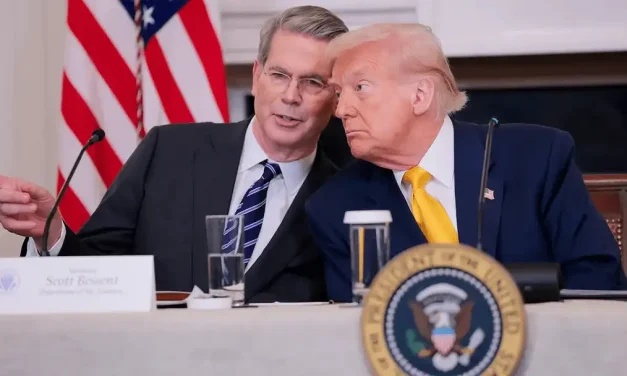
Increasing criticism of the extensive Zionist lobby network

SCFR Online – Opinion: An examination of the mechanisms of the Israeli regime’s influence in the United States depicts a complex picture of shared interests, strategic dependencies, and the limitations of this relationship.

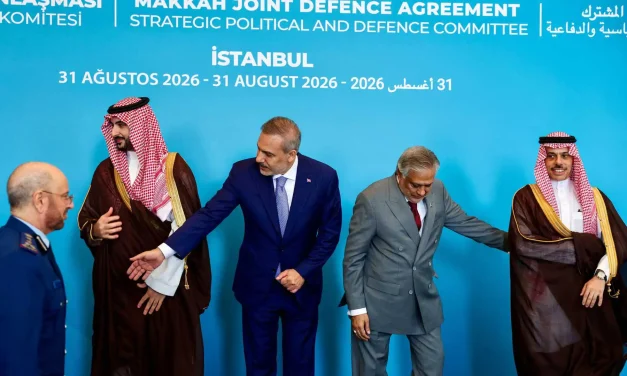
Realities of the Tripartite Makkah Pact

SCFR Online – Interview: The signing of the Makkah agreement between Saudi Arabia, Pakistan, and Turkey has raised questions about the future of the region’s security structure and the position of these countries in West Asian equations. Can this agreement become a genuine collective defense mechanism, or does it have more of a political and deterrent function than creating new military capacity?

Strategic Implications of the Reduction of US Weapons Stockpiles

SCFR Online – Opinion: The continuation of the US war against Iran, in addition to increasing operational costs, has called into question the actual capacity of the American arsenal to simultaneously fulfill security commitments on multiple fronts; an issue that affects deterrence, defense production capacity, and Washington’s resource prioritization.

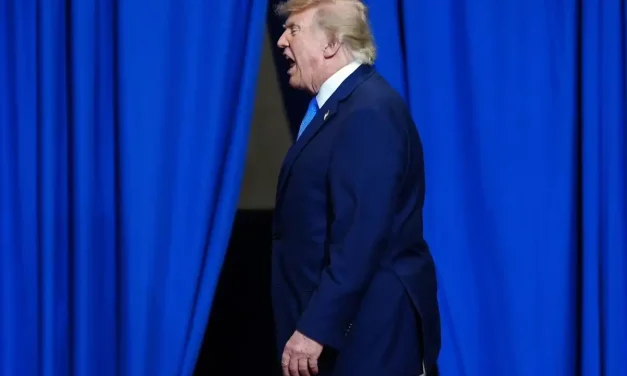
The Formation of a New Order in Relations Between Powers

SCFR Online – Opinion: The Russia-Ukraine war and the war of the United States and the Israeli regime against Iran have been formed with different objectives and actors, but field and political developments indicate that they are not entirely separate from one another.

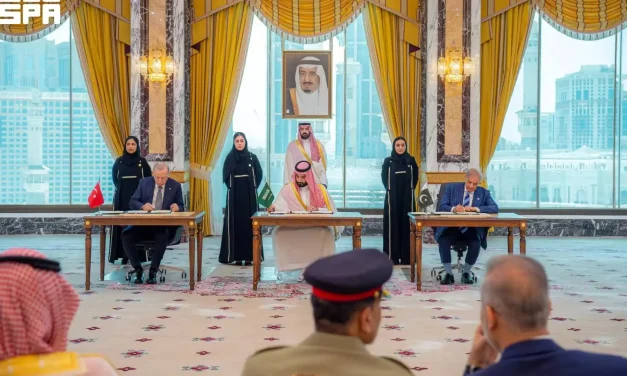
An Analysis of the Makkah Defense Pact

SCFR Online – Opinion: On Friday, August 7, the heads of state of three countries – Saudi Arabia, Turkey, and Pakistan – signed a text under the title “Makkah Joint Defense Agreement.”

Dimensions and challenges of the initiative to revive the Hejaz Railway

Strategic Council Online – Note: The initiative to revive the Hejaz Railway, beyond being a transportation project, constitutes an attempt to redefine geopolitics, the economy, and Turkey’s regional position; however, its realization appears to face significant financial, security, and institutional challenges.

Loading

Alexei Navalny

Blurred Perspective of Russia-West Relations

Blurred Perspective of Russia-West Relations

Strategic Council Online – Opinion: After the collapse of the Soviet Union, many in the West thought that the Russians were interested in joining the Western world and would become more like Europeans and Americans, but it soon became clear that centuries of Russian history has given shape to a distinct and unique understanding of the position of that country in the world. Moscow now considers its security zone not the borders of the Russian Federation, but the borders of the Soviet Union, and demands that the United States and Europe accept it.
Alireza Thamoudi -Expert on Europe Affairs

Russia’s need to new coalitions

Russia’s need to new coalitions

Strategic Council Online—Opinion: The concurrency of the return of Navalnyto Moscow with the establishment of the Biden administration in the Washington suggests that Democrats are still trying to loan concrete concepts such as democracy and citizenship rights to exert maximum pressure on the present government in Kremlin—an issue which could complement economic pressures on Russia and instigate protests in the country.
Dr. Ahmad Vakhshiteh—Professor of Eurasia National University

Russia-Europe Relations: Partner or Competitor?

Russia-Europe Relations: Partner or Competitor?

Strategic Council Online – An expert on Europe affairs believes that a series of developments occurred in the Russian-European relations over the past three decades since the collapse of the Soviet Union show that European and American governments see Russia not as a partner but as a rival.

Perspective of Moscow-Washington relations during the Biden administration

Perspective of Moscow-Washington relations during the Biden administration

Strategic Council Online-Editorial: The interference of the White House in the domestic affairs of Russia during the past one month concerning the Alexi Navalny issue indicated that the Biden administration is profiting from the tools of democracy and human rights for its own interest in order to obtain maximal interests in the global order. And this is an issue which can cause more frictions in the relations between the United States and Russia as Russia believes that the West presents a two-direction and conflicting definition of concrete concepts such as freedom, human rights and democracy.
Dr. Ahmad Vakhishteh, professor of the International Relations Faculty of the National Eurasia University

The perspective of Moscow-Europe relations

The perspective of Moscow-Europe relations

Strategic Council Online—Opinion: The relations between Moscow and the European Union has reached its lowest since the Cold War after developments in 2014 which resulted in the accession of Crimea to the Russian soil, Russian intervention in the civil war of Syria, alleged interference of Russia in the 2016 US presidential elections which resulted in the victory of Donald Trump and ultimately allegations to poison Alexi Navalny the harsh Kremlin critic and his detention of imposition of sanctions.
Mahmood Fazeli-expert of international issues

Russia-EU Relations; Overshadowed by Reciprocal Sanctions

Russia-EU Relations; Overshadowed by Reciprocal Sanctions

Strategic Council Online –An expert on international affairs referred to the reciprocal sanctions between Russia and the European Union and said: In addition to the Crimea issue, espionage and anti-espionage activities have prevented Europe from approaching Russia, although Russia was trying to improve its relations with Europe but was not successful and still the relations are faced with serious challenges.

US pressure for sanctioning Nord Stream 2

US pressure for sanctioning Nord Stream 2

Strategic Council Online—Opinion: The United States believes that the power of Russia’s influence in Europe would be multiplied when the Nord Stream 2 gas pipeline goes on stream and European countries would become more dependant on cheap gas coming from Russia.
Mahmoud Fazeli—Expert of European affairs

أحدث الوظائف

Increasing criticism of the extensive Zionist lobby network

SCFR Online – Opinion: An examination of the mechanisms of the Israeli regime’s influence in the United States depicts a complex picture of shared interests, strategic dependencies, and the limitations of this relationship.

Realities of the Tripartite Makkah Pact

SCFR Online – Interview: The signing of the Makkah agreement between Saudi Arabia, Pakistan, and Turkey has raised questions about the future of the region’s security structure and the position of these countries in West Asian equations. Can this agreement become a genuine collective defense mechanism, or does it have more of a political and deterrent function than creating new military capacity?

Strategic Implications of the Reduction of US Weapons Stockpiles

SCFR Online – Opinion: The continuation of the US war against Iran, in addition to increasing operational costs, has called into question the actual capacity of the American arsenal to simultaneously fulfill security commitments on multiple fronts; an issue that affects deterrence, defense production capacity, and Washington’s resource prioritization.

The Formation of a New Order in Relations Between Powers

SCFR Online – Opinion: The Russia-Ukraine war and the war of the United States and the Israeli regime against Iran have been formed with different objectives and actors, but field and political developments indicate that they are not entirely separate from one another.

An Analysis of the Makkah Defense Pact

SCFR Online – Opinion: On Friday, August 7, the heads of state of three countries – Saudi Arabia, Turkey, and Pakistan – signed a text under the title “Makkah Joint Defense Agreement.”

Dimensions and challenges of the initiative to revive the Hejaz Railway

Strategic Council Online – Note: The initiative to revive the Hejaz Railway, beyond being a transportation project, constitutes an attempt to redefine geopolitics, the economy, and Turkey’s regional position; however, its realization appears to face significant financial, security, and institutional challenges.

Loading

Alexei Navalny

Blurred Perspective of Russia-West Relations

Blurred Perspective of Russia-West Relations

Strategic Council Online – Opinion: After the collapse of the Soviet Union, many in the West thought that the Russians were interested in joining the Western world and would become more like Europeans and Americans, but it soon became clear that centuries of Russian history has given shape to a distinct and unique understanding of the position of that country in the world. Moscow now considers its security zone not the borders of the Russian Federation, but the borders of the Soviet Union, and demands that the United States and Europe accept it.
Alireza Thamoudi -Expert on Europe Affairs

Russia’s need to new coalitions

Russia’s need to new coalitions

Strategic Council Online—Opinion: The concurrency of the return of Navalnyto Moscow with the establishment of the Biden administration in the Washington suggests that Democrats are still trying to loan concrete concepts such as democracy and citizenship rights to exert maximum pressure on the present government in Kremlin—an issue which could complement economic pressures on Russia and instigate protests in the country.
Dr. Ahmad Vakhshiteh—Professor of Eurasia National University

Russia-Europe Relations: Partner or Competitor?

Russia-Europe Relations: Partner or Competitor?

Strategic Council Online – An expert on Europe affairs believes that a series of developments occurred in the Russian-European relations over the past three decades since the collapse of the Soviet Union show that European and American governments see Russia not as a partner but as a rival.

Perspective of Moscow-Washington relations during the Biden administration

Perspective of Moscow-Washington relations during the Biden administration

Strategic Council Online-Editorial: The interference of the White House in the domestic affairs of Russia during the past one month concerning the Alexi Navalny issue indicated that the Biden administration is profiting from the tools of democracy and human rights for its own interest in order to obtain maximal interests in the global order. And this is an issue which can cause more frictions in the relations between the United States and Russia as Russia believes that the West presents a two-direction and conflicting definition of concrete concepts such as freedom, human rights and democracy.
Dr. Ahmad Vakhishteh, professor of the International Relations Faculty of the National Eurasia University

The perspective of Moscow-Europe relations

The perspective of Moscow-Europe relations

Strategic Council Online—Opinion: The relations between Moscow and the European Union has reached its lowest since the Cold War after developments in 2014 which resulted in the accession of Crimea to the Russian soil, Russian intervention in the civil war of Syria, alleged interference of Russia in the 2016 US presidential elections which resulted in the victory of Donald Trump and ultimately allegations to poison Alexi Navalny the harsh Kremlin critic and his detention of imposition of sanctions.
Mahmood Fazeli-expert of international issues

Russia-EU Relations; Overshadowed by Reciprocal Sanctions

Russia-EU Relations; Overshadowed by Reciprocal Sanctions

Strategic Council Online –An expert on international affairs referred to the reciprocal sanctions between Russia and the European Union and said: In addition to the Crimea issue, espionage and anti-espionage activities have prevented Europe from approaching Russia, although Russia was trying to improve its relations with Europe but was not successful and still the relations are faced with serious challenges.

US pressure for sanctioning Nord Stream 2

US pressure for sanctioning Nord Stream 2

Strategic Council Online—Opinion: The United States believes that the power of Russia’s influence in Europe would be multiplied when the Nord Stream 2 gas pipeline goes on stream and European countries would become more dependant on cheap gas coming from Russia.
Mahmoud Fazeli—Expert of European affairs

Alexei Navalny

Blurred Perspective of Russia-West Relations

Blurred Perspective of Russia-West Relations

Strategic Council Online – Opinion: After the collapse of the Soviet Union, many in the West thought that the Russians were interested in joining the Western world and would become more like Europeans and Americans, but it soon became clear that centuries of Russian history has given shape to a distinct and unique understanding of the position of that country in the world. Moscow now considers its security zone not the borders of the Russian Federation, but the borders of the Soviet Union, and demands that the United States and Europe accept it.
Alireza Thamoudi -Expert on Europe Affairs

Russia’s need to new coalitions

Russia’s need to new coalitions

Strategic Council Online—Opinion: The concurrency of the return of Navalnyto Moscow with the establishment of the Biden administration in the Washington suggests that Democrats are still trying to loan concrete concepts such as democracy and citizenship rights to exert maximum pressure on the present government in Kremlin—an issue which could complement economic pressures on Russia and instigate protests in the country.
Dr. Ahmad Vakhshiteh—Professor of Eurasia National University

Russia-Europe Relations: Partner or Competitor?

Russia-Europe Relations: Partner or Competitor?

Strategic Council Online – An expert on Europe affairs believes that a series of developments occurred in the Russian-European relations over the past three decades since the collapse of the Soviet Union show that European and American governments see Russia not as a partner but as a rival.

Perspective of Moscow-Washington relations during the Biden administration

Perspective of Moscow-Washington relations during the Biden administration

Strategic Council Online-Editorial: The interference of the White House in the domestic affairs of Russia during the past one month concerning the Alexi Navalny issue indicated that the Biden administration is profiting from the tools of democracy and human rights for its own interest in order to obtain maximal interests in the global order. And this is an issue which can cause more frictions in the relations between the United States and Russia as Russia believes that the West presents a two-direction and conflicting definition of concrete concepts such as freedom, human rights and democracy.
Dr. Ahmad Vakhishteh, professor of the International Relations Faculty of the National Eurasia University

The perspective of Moscow-Europe relations

The perspective of Moscow-Europe relations

Strategic Council Online—Opinion: The relations between Moscow and the European Union has reached its lowest since the Cold War after developments in 2014 which resulted in the accession of Crimea to the Russian soil, Russian intervention in the civil war of Syria, alleged interference of Russia in the 2016 US presidential elections which resulted in the victory of Donald Trump and ultimately allegations to poison Alexi Navalny the harsh Kremlin critic and his detention of imposition of sanctions.
Mahmood Fazeli-expert of international issues

Russia-EU Relations; Overshadowed by Reciprocal Sanctions

Russia-EU Relations; Overshadowed by Reciprocal Sanctions

Strategic Council Online –An expert on international affairs referred to the reciprocal sanctions between Russia and the European Union and said: In addition to the Crimea issue, espionage and anti-espionage activities have prevented Europe from approaching Russia, although Russia was trying to improve its relations with Europe but was not successful and still the relations are faced with serious challenges.

US pressure for sanctioning Nord Stream 2

US pressure for sanctioning Nord Stream 2

Strategic Council Online—Opinion: The United States believes that the power of Russia’s influence in Europe would be multiplied when the Nord Stream 2 gas pipeline goes on stream and European countries would become more dependant on cheap gas coming from Russia.
Mahmoud Fazeli—Expert of European affairs

LATEST CONTENT

Increasing criticism of the extensive Zionist lobby network

SCFR Online – Opinion: An examination of the mechanisms of the Israeli regime’s influence in the United States depicts a complex picture of shared interests, strategic dependencies, and the limitations of this relationship.

Realities of the Tripartite Makkah Pact

SCFR Online – Interview: The signing of the Makkah agreement between Saudi Arabia, Pakistan, and Turkey has raised questions about the future of the region’s security structure and the position of these countries in West Asian equations. Can this agreement become a genuine collective defense mechanism, or does it have more of a political and deterrent function than creating new military capacity?

Strategic Implications of the Reduction of US Weapons Stockpiles

SCFR Online – Opinion: The continuation of the US war against Iran, in addition to increasing operational costs, has called into question the actual capacity of the American arsenal to simultaneously fulfill security commitments on multiple fronts; an issue that affects deterrence, defense production capacity, and Washington’s resource prioritization.

The Formation of a New Order in Relations Between Powers

SCFR Online – Opinion: The Russia-Ukraine war and the war of the United States and the Israeli regime against Iran have been formed with different objectives and actors, but field and political developments indicate that they are not entirely separate from one another.

An Analysis of the Makkah Defense Pact

SCFR Online – Opinion: On Friday, August 7, the heads of state of three countries – Saudi Arabia, Turkey, and Pakistan – signed a text under the title “Makkah Joint Defense Agreement.”

Dimensions and challenges of the initiative to revive the Hejaz Railway

Strategic Council Online – Note: The initiative to revive the Hejaz Railway, beyond being a transportation project, constitutes an attempt to redefine geopolitics, the economy, and Turkey’s regional position; however, its realization appears to face significant financial, security, and institutional challenges.

Loading

Alexei Navalny

Blurred Perspective of Russia-West Relations

Blurred Perspective of Russia-West Relations

Strategic Council Online – Opinion: After the collapse of the Soviet Union, many in the West thought that the Russians were interested in joining the Western world and would become more like Europeans and Americans, but it soon became clear that centuries of Russian history has given shape to a distinct and unique understanding of the position of that country in the world. Moscow now considers its security zone not the borders of the Russian Federation, but the borders of the Soviet Union, and demands that the United States and Europe accept it.
Alireza Thamoudi -Expert on Europe Affairs

Russia’s need to new coalitions

Russia’s need to new coalitions

Strategic Council Online—Opinion: The concurrency of the return of Navalnyto Moscow with the establishment of the Biden administration in the Washington suggests that Democrats are still trying to loan concrete concepts such as democracy and citizenship rights to exert maximum pressure on the present government in Kremlin—an issue which could complement economic pressures on Russia and instigate protests in the country.
Dr. Ahmad Vakhshiteh—Professor of Eurasia National University

Russia-Europe Relations: Partner or Competitor?

Russia-Europe Relations: Partner or Competitor?

Strategic Council Online – An expert on Europe affairs believes that a series of developments occurred in the Russian-European relations over the past three decades since the collapse of the Soviet Union show that European and American governments see Russia not as a partner but as a rival.

Perspective of Moscow-Washington relations during the Biden administration

Perspective of Moscow-Washington relations during the Biden administration

Strategic Council Online-Editorial: The interference of the White House in the domestic affairs of Russia during the past one month concerning the Alexi Navalny issue indicated that the Biden administration is profiting from the tools of democracy and human rights for its own interest in order to obtain maximal interests in the global order. And this is an issue which can cause more frictions in the relations between the United States and Russia as Russia believes that the West presents a two-direction and conflicting definition of concrete concepts such as freedom, human rights and democracy.
Dr. Ahmad Vakhishteh, professor of the International Relations Faculty of the National Eurasia University

The perspective of Moscow-Europe relations

The perspective of Moscow-Europe relations

Strategic Council Online—Opinion: The relations between Moscow and the European Union has reached its lowest since the Cold War after developments in 2014 which resulted in the accession of Crimea to the Russian soil, Russian intervention in the civil war of Syria, alleged interference of Russia in the 2016 US presidential elections which resulted in the victory of Donald Trump and ultimately allegations to poison Alexi Navalny the harsh Kremlin critic and his detention of imposition of sanctions.
Mahmood Fazeli-expert of international issues

Russia-EU Relations; Overshadowed by Reciprocal Sanctions

Russia-EU Relations; Overshadowed by Reciprocal Sanctions

Strategic Council Online –An expert on international affairs referred to the reciprocal sanctions between Russia and the European Union and said: In addition to the Crimea issue, espionage and anti-espionage activities have prevented Europe from approaching Russia, although Russia was trying to improve its relations with Europe but was not successful and still the relations are faced with serious challenges.

US pressure for sanctioning Nord Stream 2

US pressure for sanctioning Nord Stream 2

Strategic Council Online—Opinion: The United States believes that the power of Russia’s influence in Europe would be multiplied when the Nord Stream 2 gas pipeline goes on stream and European countries would become more dependant on cheap gas coming from Russia.
Mahmoud Fazeli—Expert of European affairs

ÚLTIMAS PUBLICACIONES

Increasing criticism of the extensive Zionist lobby network

SCFR Online – Opinion: An examination of the mechanisms of the Israeli regime’s influence in the United States depicts a complex picture of shared interests, strategic dependencies, and the limitations of this relationship.

Realities of the Tripartite Makkah Pact

SCFR Online – Interview: The signing of the Makkah agreement between Saudi Arabia, Pakistan, and Turkey has raised questions about the future of the region’s security structure and the position of these countries in West Asian equations. Can this agreement become a genuine collective defense mechanism, or does it have more of a political and deterrent function than creating new military capacity?

Strategic Implications of the Reduction of US Weapons Stockpiles

SCFR Online – Opinion: The continuation of the US war against Iran, in addition to increasing operational costs, has called into question the actual capacity of the American arsenal to simultaneously fulfill security commitments on multiple fronts; an issue that affects deterrence, defense production capacity, and Washington’s resource prioritization.

The Formation of a New Order in Relations Between Powers

SCFR Online – Opinion: The Russia-Ukraine war and the war of the United States and the Israeli regime against Iran have been formed with different objectives and actors, but field and political developments indicate that they are not entirely separate from one another.

An Analysis of the Makkah Defense Pact

SCFR Online – Opinion: On Friday, August 7, the heads of state of three countries – Saudi Arabia, Turkey, and Pakistan – signed a text under the title “Makkah Joint Defense Agreement.”

Dimensions and challenges of the initiative to revive the Hejaz Railway

Strategic Council Online – Note: The initiative to revive the Hejaz Railway, beyond being a transportation project, constitutes an attempt to redefine geopolitics, the economy, and Turkey’s regional position; however, its realization appears to face significant financial, security, and institutional challenges.

Loading

Alexei Navalny

Blurred Perspective of Russia-West Relations

Blurred Perspective of Russia-West Relations

Strategic Council Online – Opinion: After the collapse of the Soviet Union, many in the West thought that the Russians were interested in joining the Western world and would become more like Europeans and Americans, but it soon became clear that centuries of Russian history has given shape to a distinct and unique understanding of the position of that country in the world. Moscow now considers its security zone not the borders of the Russian Federation, but the borders of the Soviet Union, and demands that the United States and Europe accept it.
Alireza Thamoudi -Expert on Europe Affairs

Russia’s need to new coalitions

Russia’s need to new coalitions

Strategic Council Online—Opinion: The concurrency of the return of Navalnyto Moscow with the establishment of the Biden administration in the Washington suggests that Democrats are still trying to loan concrete concepts such as democracy and citizenship rights to exert maximum pressure on the present government in Kremlin—an issue which could complement economic pressures on Russia and instigate protests in the country.
Dr. Ahmad Vakhshiteh—Professor of Eurasia National University

Russia-Europe Relations: Partner or Competitor?

Russia-Europe Relations: Partner or Competitor?

Strategic Council Online – An expert on Europe affairs believes that a series of developments occurred in the Russian-European relations over the past three decades since the collapse of the Soviet Union show that European and American governments see Russia not as a partner but as a rival.

Perspective of Moscow-Washington relations during the Biden administration

Perspective of Moscow-Washington relations during the Biden administration

Strategic Council Online-Editorial: The interference of the White House in the domestic affairs of Russia during the past one month concerning the Alexi Navalny issue indicated that the Biden administration is profiting from the tools of democracy and human rights for its own interest in order to obtain maximal interests in the global order. And this is an issue which can cause more frictions in the relations between the United States and Russia as Russia believes that the West presents a two-direction and conflicting definition of concrete concepts such as freedom, human rights and democracy.
Dr. Ahmad Vakhishteh, professor of the International Relations Faculty of the National Eurasia University

The perspective of Moscow-Europe relations

The perspective of Moscow-Europe relations

Strategic Council Online—Opinion: The relations between Moscow and the European Union has reached its lowest since the Cold War after developments in 2014 which resulted in the accession of Crimea to the Russian soil, Russian intervention in the civil war of Syria, alleged interference of Russia in the 2016 US presidential elections which resulted in the victory of Donald Trump and ultimately allegations to poison Alexi Navalny the harsh Kremlin critic and his detention of imposition of sanctions.
Mahmood Fazeli-expert of international issues

Russia-EU Relations; Overshadowed by Reciprocal Sanctions

Russia-EU Relations; Overshadowed by Reciprocal Sanctions

Strategic Council Online –An expert on international affairs referred to the reciprocal sanctions between Russia and the European Union and said: In addition to the Crimea issue, espionage and anti-espionage activities have prevented Europe from approaching Russia, although Russia was trying to improve its relations with Europe but was not successful and still the relations are faced with serious challenges.

US pressure for sanctioning Nord Stream 2

US pressure for sanctioning Nord Stream 2

Strategic Council Online—Opinion: The United States believes that the power of Russia’s influence in Europe would be multiplied when the Nord Stream 2 gas pipeline goes on stream and European countries would become more dependant on cheap gas coming from Russia.
Mahmoud Fazeli—Expert of European affairs

ÚLTIMAS PUBLICACIONES

Increasing criticism of the extensive Zionist lobby network

SCFR Online – Opinion: An examination of the mechanisms of the Israeli regime’s influence in the United States depicts a complex picture of shared interests, strategic dependencies, and the limitations of this relationship.

Realities of the Tripartite Makkah Pact

SCFR Online – Interview: The signing of the Makkah agreement between Saudi Arabia, Pakistan, and Turkey has raised questions about the future of the region’s security structure and the position of these countries in West Asian equations. Can this agreement become a genuine collective defense mechanism, or does it have more of a political and deterrent function than creating new military capacity?

Strategic Implications of the Reduction of US Weapons Stockpiles

SCFR Online – Opinion: The continuation of the US war against Iran, in addition to increasing operational costs, has called into question the actual capacity of the American arsenal to simultaneously fulfill security commitments on multiple fronts; an issue that affects deterrence, defense production capacity, and Washington’s resource prioritization.

The Formation of a New Order in Relations Between Powers

SCFR Online – Opinion: The Russia-Ukraine war and the war of the United States and the Israeli regime against Iran have been formed with different objectives and actors, but field and political developments indicate that they are not entirely separate from one another.

An Analysis of the Makkah Defense Pact

SCFR Online – Opinion: On Friday, August 7, the heads of state of three countries – Saudi Arabia, Turkey, and Pakistan – signed a text under the title “Makkah Joint Defense Agreement.”

Dimensions and challenges of the initiative to revive the Hejaz Railway

Strategic Council Online – Note: The initiative to revive the Hejaz Railway, beyond being a transportation project, constitutes an attempt to redefine geopolitics, the economy, and Turkey’s regional position; however, its realization appears to face significant financial, security, and institutional challenges.

Loading

Alexei Navalny

Blurred Perspective of Russia-West Relations

Blurred Perspective of Russia-West Relations

Strategic Council Online – Opinion: After the collapse of the Soviet Union, many in the West thought that the Russians were interested in joining the Western world and would become more like Europeans and Americans, but it soon became clear that centuries of Russian history has given shape to a distinct and unique understanding of the position of that country in the world. Moscow now considers its security zone not the borders of the Russian Federation, but the borders of the Soviet Union, and demands that the United States and Europe accept it.
Alireza Thamoudi -Expert on Europe Affairs

Russia’s need to new coalitions

Russia’s need to new coalitions

Strategic Council Online—Opinion: The concurrency of the return of Navalnyto Moscow with the establishment of the Biden administration in the Washington suggests that Democrats are still trying to loan concrete concepts such as democracy and citizenship rights to exert maximum pressure on the present government in Kremlin—an issue which could complement economic pressures on Russia and instigate protests in the country.
Dr. Ahmad Vakhshiteh—Professor of Eurasia National University

Russia-Europe Relations: Partner or Competitor?

Russia-Europe Relations: Partner or Competitor?

Strategic Council Online – An expert on Europe affairs believes that a series of developments occurred in the Russian-European relations over the past three decades since the collapse of the Soviet Union show that European and American governments see Russia not as a partner but as a rival.

Perspective of Moscow-Washington relations during the Biden administration

Perspective of Moscow-Washington relations during the Biden administration

Strategic Council Online-Editorial: The interference of the White House in the domestic affairs of Russia during the past one month concerning the Alexi Navalny issue indicated that the Biden administration is profiting from the tools of democracy and human rights for its own interest in order to obtain maximal interests in the global order. And this is an issue which can cause more frictions in the relations between the United States and Russia as Russia believes that the West presents a two-direction and conflicting definition of concrete concepts such as freedom, human rights and democracy.
Dr. Ahmad Vakhishteh, professor of the International Relations Faculty of the National Eurasia University

The perspective of Moscow-Europe relations

The perspective of Moscow-Europe relations

Strategic Council Online—Opinion: The relations between Moscow and the European Union has reached its lowest since the Cold War after developments in 2014 which resulted in the accession of Crimea to the Russian soil, Russian intervention in the civil war of Syria, alleged interference of Russia in the 2016 US presidential elections which resulted in the victory of Donald Trump and ultimately allegations to poison Alexi Navalny the harsh Kremlin critic and his detention of imposition of sanctions.
Mahmood Fazeli-expert of international issues

Russia-EU Relations; Overshadowed by Reciprocal Sanctions

Russia-EU Relations; Overshadowed by Reciprocal Sanctions

Strategic Council Online –An expert on international affairs referred to the reciprocal sanctions between Russia and the European Union and said: In addition to the Crimea issue, espionage and anti-espionage activities have prevented Europe from approaching Russia, although Russia was trying to improve its relations with Europe but was not successful and still the relations are faced with serious challenges.

US pressure for sanctioning Nord Stream 2

US pressure for sanctioning Nord Stream 2

Strategic Council Online—Opinion: The United States believes that the power of Russia’s influence in Europe would be multiplied when the Nord Stream 2 gas pipeline goes on stream and European countries would become more dependant on cheap gas coming from Russia.
Mahmoud Fazeli—Expert of European affairs

ÚLTIMAS PUBLICACIONES

Increasing criticism of the extensive Zionist lobby network

SCFR Online – Opinion: An examination of the mechanisms of the Israeli regime’s influence in the United States depicts a complex picture of shared interests, strategic dependencies, and the limitations of this relationship.

Realities of the Tripartite Makkah Pact

SCFR Online – Interview: The signing of the Makkah agreement between Saudi Arabia, Pakistan, and Turkey has raised questions about the future of the region’s security structure and the position of these countries in West Asian equations. Can this agreement become a genuine collective defense mechanism, or does it have more of a political and deterrent function than creating new military capacity?

Strategic Implications of the Reduction of US Weapons Stockpiles

SCFR Online – Opinion: The continuation of the US war against Iran, in addition to increasing operational costs, has called into question the actual capacity of the American arsenal to simultaneously fulfill security commitments on multiple fronts; an issue that affects deterrence, defense production capacity, and Washington’s resource prioritization.

The Formation of a New Order in Relations Between Powers

SCFR Online – Opinion: The Russia-Ukraine war and the war of the United States and the Israeli regime against Iran have been formed with different objectives and actors, but field and political developments indicate that they are not entirely separate from one another.

An Analysis of the Makkah Defense Pact

SCFR Online – Opinion: On Friday, August 7, the heads of state of three countries – Saudi Arabia, Turkey, and Pakistan – signed a text under the title “Makkah Joint Defense Agreement.”

Dimensions and challenges of the initiative to revive the Hejaz Railway

Strategic Council Online – Note: The initiative to revive the Hejaz Railway, beyond being a transportation project, constitutes an attempt to redefine geopolitics, the economy, and Turkey’s regional position; however, its realization appears to face significant financial, security, and institutional challenges.

Loading

Alexei Navalny

Blurred Perspective of Russia-West Relations

Blurred Perspective of Russia-West Relations

Strategic Council Online – Opinion: After the collapse of the Soviet Union, many in the West thought that the Russians were interested in joining the Western world and would become more like Europeans and Americans, but it soon became clear that centuries of Russian history has given shape to a distinct and unique understanding of the position of that country in the world. Moscow now considers its security zone not the borders of the Russian Federation, but the borders of the Soviet Union, and demands that the United States and Europe accept it.
Alireza Thamoudi -Expert on Europe Affairs

Russia’s need to new coalitions

Russia’s need to new coalitions

Strategic Council Online—Opinion: The concurrency of the return of Navalnyto Moscow with the establishment of the Biden administration in the Washington suggests that Democrats are still trying to loan concrete concepts such as democracy and citizenship rights to exert maximum pressure on the present government in Kremlin—an issue which could complement economic pressures on Russia and instigate protests in the country.
Dr. Ahmad Vakhshiteh—Professor of Eurasia National University

Russia-Europe Relations: Partner or Competitor?

Russia-Europe Relations: Partner or Competitor?

Strategic Council Online – An expert on Europe affairs believes that a series of developments occurred in the Russian-European relations over the past three decades since the collapse of the Soviet Union show that European and American governments see Russia not as a partner but as a rival.

Perspective of Moscow-Washington relations during the Biden administration

Perspective of Moscow-Washington relations during the Biden administration

Strategic Council Online-Editorial: The interference of the White House in the domestic affairs of Russia during the past one month concerning the Alexi Navalny issue indicated that the Biden administration is profiting from the tools of democracy and human rights for its own interest in order to obtain maximal interests in the global order. And this is an issue which can cause more frictions in the relations between the United States and Russia as Russia believes that the West presents a two-direction and conflicting definition of concrete concepts such as freedom, human rights and democracy.
Dr. Ahmad Vakhishteh, professor of the International Relations Faculty of the National Eurasia University

The perspective of Moscow-Europe relations

The perspective of Moscow-Europe relations

Strategic Council Online—Opinion: The relations between Moscow and the European Union has reached its lowest since the Cold War after developments in 2014 which resulted in the accession of Crimea to the Russian soil, Russian intervention in the civil war of Syria, alleged interference of Russia in the 2016 US presidential elections which resulted in the victory of Donald Trump and ultimately allegations to poison Alexi Navalny the harsh Kremlin critic and his detention of imposition of sanctions.
Mahmood Fazeli-expert of international issues

Russia-EU Relations; Overshadowed by Reciprocal Sanctions

Russia-EU Relations; Overshadowed by Reciprocal Sanctions

Strategic Council Online –An expert on international affairs referred to the reciprocal sanctions between Russia and the European Union and said: In addition to the Crimea issue, espionage and anti-espionage activities have prevented Europe from approaching Russia, although Russia was trying to improve its relations with Europe but was not successful and still the relations are faced with serious challenges.

US pressure for sanctioning Nord Stream 2

US pressure for sanctioning Nord Stream 2

Strategic Council Online—Opinion: The United States believes that the power of Russia’s influence in Europe would be multiplied when the Nord Stream 2 gas pipeline goes on stream and European countries would become more dependant on cheap gas coming from Russia.
Mahmoud Fazeli—Expert of European affairs

ÚLTIMAS PUBLICACIONES

Increasing criticism of the extensive Zionist lobby network

SCFR Online – Opinion: An examination of the mechanisms of the Israeli regime’s influence in the United States depicts a complex picture of shared interests, strategic dependencies, and the limitations of this relationship.

Realities of the Tripartite Makkah Pact

SCFR Online – Interview: The signing of the Makkah agreement between Saudi Arabia, Pakistan, and Turkey has raised questions about the future of the region’s security structure and the position of these countries in West Asian equations. Can this agreement become a genuine collective defense mechanism, or does it have more of a political and deterrent function than creating new military capacity?

Strategic Implications of the Reduction of US Weapons Stockpiles

SCFR Online – Opinion: The continuation of the US war against Iran, in addition to increasing operational costs, has called into question the actual capacity of the American arsenal to simultaneously fulfill security commitments on multiple fronts; an issue that affects deterrence, defense production capacity, and Washington’s resource prioritization.

The Formation of a New Order in Relations Between Powers

SCFR Online – Opinion: The Russia-Ukraine war and the war of the United States and the Israeli regime against Iran have been formed with different objectives and actors, but field and political developments indicate that they are not entirely separate from one another.

An Analysis of the Makkah Defense Pact

SCFR Online – Opinion: On Friday, August 7, the heads of state of three countries – Saudi Arabia, Turkey, and Pakistan – signed a text under the title “Makkah Joint Defense Agreement.”

Dimensions and challenges of the initiative to revive the Hejaz Railway

Strategic Council Online – Note: The initiative to revive the Hejaz Railway, beyond being a transportation project, constitutes an attempt to redefine geopolitics, the economy, and Turkey’s regional position; however, its realization appears to face significant financial, security, and institutional challenges.

Loading