جدیدترین مطالب

The Makkah Pact; Reasons for its Formation and Challenges Ahead

SCFR Online – Opinion: The Makkah Pact, signed between Saudi Arabia, Pakistan, and Turkey under the motto “an attack on one is an attack on all,” is viewed by some analysts less as a full-fledged military coalition and more as an attempt to reduce security dependence on an external power and to establish a regional security mechanism.

Implications of the US-Saudi Nuclear Agreement

SCFR Online – Opinion: The new US-Saudi nuclear agreement, despite legal and political ambiguities, could alter previous non-proliferation standards in West Asia and intensify nuclear competition, ushering it into a new phase.

An Analysis of Recent Turkey-Israeli Regime Tensions

SCFR Online – Opinion: Recent developments in Syria indicate an intensification of strategic rivalry between Turkey and the Israeli regime, but mutual considerations and the role of the United States have limited the likelihood of direct war.

Increasing criticism of the extensive Zionist lobby network

SCFR Online – Opinion: An examination of the mechanisms of the Israeli regime’s influence in the United States depicts a complex picture of shared interests, strategic dependencies, and the limitations of this relationship.

Realities of the Tripartite Makkah Pact

SCFR Online – Interview: The signing of the Makkah agreement between Saudi Arabia, Pakistan, and Turkey has raised questions about the future of the region’s security structure and the position of these countries in West Asian equations. Can this agreement become a genuine collective defense mechanism, or does it have more of a political and deterrent function than creating new military capacity?

Strategic Implications of the Reduction of US Weapons Stockpiles

SCFR Online – Opinion: The continuation of the US war against Iran, in addition to increasing operational costs, has called into question the actual capacity of the American arsenal to simultaneously fulfill security commitments on multiple fronts; an issue that affects deterrence, defense production capacity, and Washington’s resource prioritization.

Loading

Armenia

Objectives and Consequences of the South Caucasus Trilateral Agreement

Objectives and Consequences of the South Caucasus Trilateral Agreement

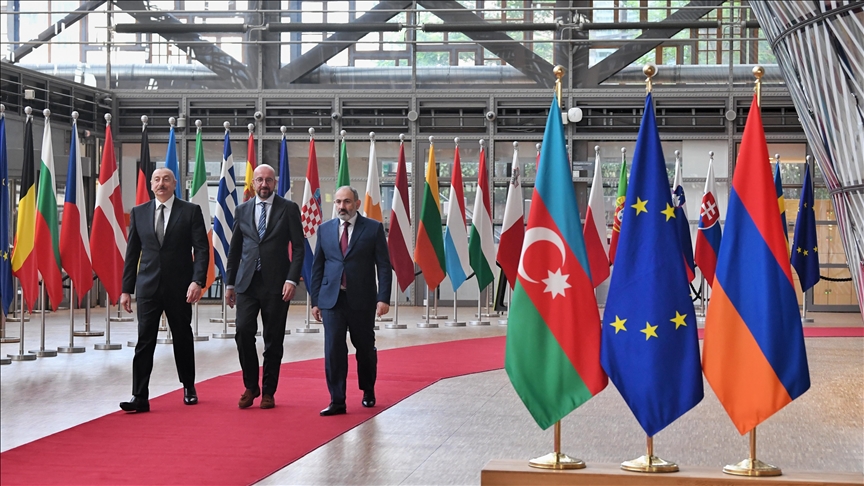
Strategic Council Online – Interview: A senior Eurasian affairs analyst stated that the trilateral agreement between Armenia, the Republic of Azerbaijan, and the United States on August 8, 2025, known as the “Trump Route,” is a turning point in the geopolitical equations of the South Caucasus. This agreement, ostensibly signed for peace and the establishment of a transit corridor between Baku and Nakhchivan, carries serious concerns. From the perspective of analysts, this plan is not merely an economic project but part of the U.S. strategy to enhance its influence in the region and contain regional powers such as Iran and Russia.

Zangezur: A Test for Regional and International Players

Zangezur: A Test for Regional and International Players

Strategic Council Online – Analysis: On the verge of finalizing the Baku-Yerevan peace agreement, the recent remarks by Mnatsakan Safaryan, Armenia’s Deputy Foreign Minister, regarding the potential handover of the “logistical management” of the Zangezur route to a foreign company have pushed the status of this 32-kilometer strip into a critical phase. The discussion of a foreign operator’s involvement coincides with the meeting between Nikol Pashinyan and Ilham Aliyev in Abu Dhabi—a meeting that, according to regional media, primarily focused on this blocked route.

Armenia & Azerbaijan on the Path to Final Peace Agreement

Armenia & Azerbaijan on the Path to Final Peace Agreement

Strategic Council Online – Opinion: According to what the Republic of Azerbaijan and Armenia authorities officially announce these days, the two South Caucasus countries are taking the last steps to reach a peace treaty.

Reasons for Armenia’s Strategic Proximity to Europe and America

Reasons for Armenia’s Strategic Proximity to Europe and America

Strategic Council Online: The former Iranian ambassador to Armenia said Armenia’s strategic closeness to Europe and America is not far from expected because Pashinyan’s government is worried that if another attack occurs on its borders, it will not be able to maintain its position and defend its country. Therefore, he is trying to arrange for allies in the West.

An Analysis on Possible Withdrawal of Armenia from the CSTO

An Analysis on Possible Withdrawal of Armenia from the CSTO

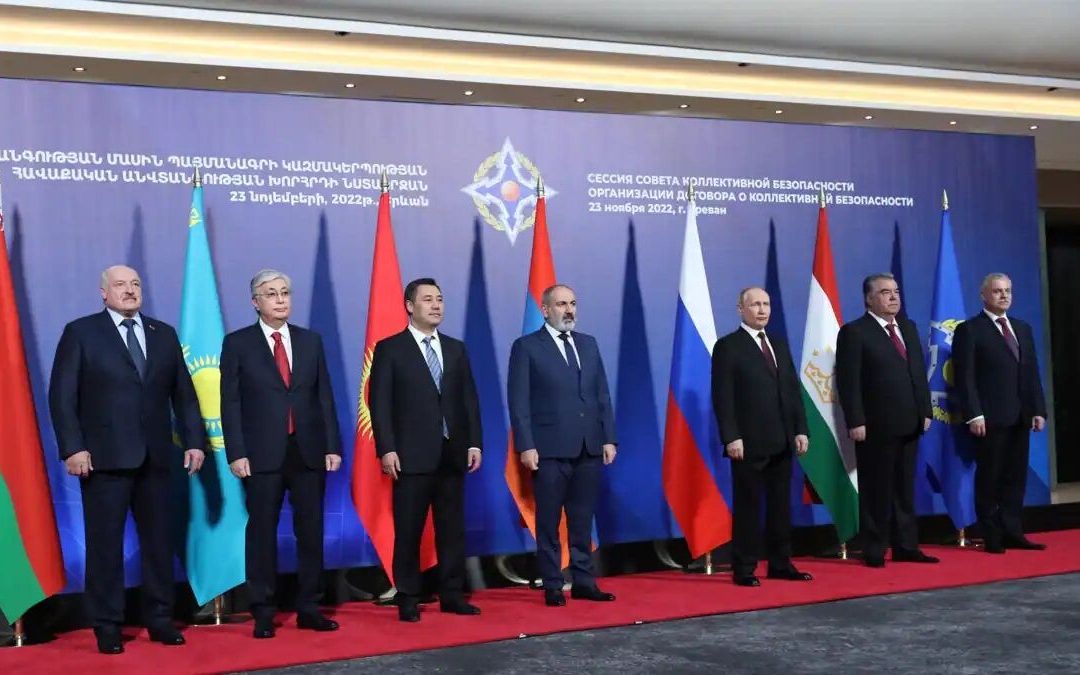
Strategic Council Online – Opinion: Last week, Armenian Prime Minister Nikol Pashinyan announced in a statement in the parliament his country’s intention to withdraw from the collective security pact consisting of several former Soviet states led by Russia. However, the exact time of this action has not yet been determined.

Withdrawal of Russian Forces from South Caucasus; Strategy or Tactic?

Withdrawal of Russian Forces from South Caucasus; Strategy or Tactic?

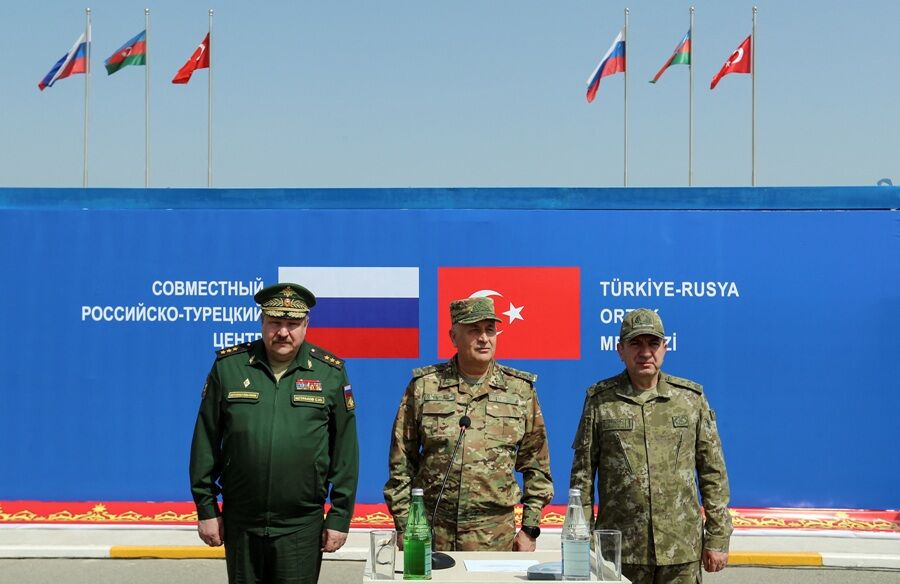
Strategic Council Online – Interview: An expert on Caucasus affairs said: Following news reports that the Kremlin has implicitly confirmed that Russian peacekeepers are withdrawing from the Nagorno-Karabakh region and taking their weapons and equipment with them, this question is seriously raised: Does Russia want to hand over the South Caucasus region to the West?

The Outlook of Geopolitical Competition Among Major Powers in the Caucasus

The Outlook of Geopolitical Competition Among Major Powers in the Caucasus

Strategic Council Online – Interview: A Caucasus affairs expert said: “If the trend of divergence among regional countries, especially Armenia and Azerbaijan, from Russia accelerates, Russians may show a more serious reaction and even prevent the traditional regional order change using force.”

Consequences of the escalation of militarization in the South Caucasus

Consequences of the escalation of militarization in the South Caucasus

Strategic Council Online—Opinion: In recent months, we have seen Armenia and Azerbaijan strengthen new military-security arrangements. The two countries are developing military and security relations and exchanges with European and extra-regional countries within an “escalating process.” Strengthening the weapons arsenals, reviewing membership in some military pacts, and increasing military purchases are among these measures.
Barsam Mohammadi- Expert of regional issues

France and the European Union seek to challenge Russia’s role in the South Caucasus

France and the European Union seek to challenge Russia’s role in the South Caucasus

Strategic Council Online—Interview: The former ambassador of Iran to the Republic of Azerbaijan said that the positions of the European Union’s foreign policy in support of Armenia and opposition to the Republic of Azerbaijan are in the context of challenging Russia’s role in the developments in the South Caucasus and also in the continuation of Europe’s conflict with Russia over Ukraine.

Armenia’s Strategies to Solve Foreign Crises

Armenia’s Strategies to Solve Foreign Crises

Strategic Council Online – The former head of the Caucasus Studies Foundation described signing the defense cooperation document between Yerevan and London for 2023 and 2024 as part of the Armenian government’s strategies to solve its foreign crises.

أحدث الوظائف

The Makkah Pact; Reasons for its Formation and Challenges Ahead

SCFR Online – Opinion: The Makkah Pact, signed between Saudi Arabia, Pakistan, and Turkey under the motto “an attack on one is an attack on all,” is viewed by some analysts less as a full-fledged military coalition and more as an attempt to reduce security dependence on an external power and to establish a regional security mechanism.

Implications of the US-Saudi Nuclear Agreement

SCFR Online – Opinion: The new US-Saudi nuclear agreement, despite legal and political ambiguities, could alter previous non-proliferation standards in West Asia and intensify nuclear competition, ushering it into a new phase.

An Analysis of Recent Turkey-Israeli Regime Tensions

SCFR Online – Opinion: Recent developments in Syria indicate an intensification of strategic rivalry between Turkey and the Israeli regime, but mutual considerations and the role of the United States have limited the likelihood of direct war.

Increasing criticism of the extensive Zionist lobby network

SCFR Online – Opinion: An examination of the mechanisms of the Israeli regime’s influence in the United States depicts a complex picture of shared interests, strategic dependencies, and the limitations of this relationship.

Realities of the Tripartite Makkah Pact

SCFR Online – Interview: The signing of the Makkah agreement between Saudi Arabia, Pakistan, and Turkey has raised questions about the future of the region’s security structure and the position of these countries in West Asian equations. Can this agreement become a genuine collective defense mechanism, or does it have more of a political and deterrent function than creating new military capacity?

Strategic Implications of the Reduction of US Weapons Stockpiles

SCFR Online – Opinion: The continuation of the US war against Iran, in addition to increasing operational costs, has called into question the actual capacity of the American arsenal to simultaneously fulfill security commitments on multiple fronts; an issue that affects deterrence, defense production capacity, and Washington’s resource prioritization.

Loading

Armenia

Objectives and Consequences of the South Caucasus Trilateral Agreement

Objectives and Consequences of the South Caucasus Trilateral Agreement

Strategic Council Online – Interview: A senior Eurasian affairs analyst stated that the trilateral agreement between Armenia, the Republic of Azerbaijan, and the United States on August 8, 2025, known as the “Trump Route,” is a turning point in the geopolitical equations of the South Caucasus. This agreement, ostensibly signed for peace and the establishment of a transit corridor between Baku and Nakhchivan, carries serious concerns. From the perspective of analysts, this plan is not merely an economic project but part of the U.S. strategy to enhance its influence in the region and contain regional powers such as Iran and Russia.

Zangezur: A Test for Regional and International Players

Zangezur: A Test for Regional and International Players

Strategic Council Online – Analysis: On the verge of finalizing the Baku-Yerevan peace agreement, the recent remarks by Mnatsakan Safaryan, Armenia’s Deputy Foreign Minister, regarding the potential handover of the “logistical management” of the Zangezur route to a foreign company have pushed the status of this 32-kilometer strip into a critical phase. The discussion of a foreign operator’s involvement coincides with the meeting between Nikol Pashinyan and Ilham Aliyev in Abu Dhabi—a meeting that, according to regional media, primarily focused on this blocked route.

Armenia & Azerbaijan on the Path to Final Peace Agreement

Armenia & Azerbaijan on the Path to Final Peace Agreement

Strategic Council Online – Opinion: According to what the Republic of Azerbaijan and Armenia authorities officially announce these days, the two South Caucasus countries are taking the last steps to reach a peace treaty.

Reasons for Armenia’s Strategic Proximity to Europe and America

Reasons for Armenia’s Strategic Proximity to Europe and America

Strategic Council Online: The former Iranian ambassador to Armenia said Armenia’s strategic closeness to Europe and America is not far from expected because Pashinyan’s government is worried that if another attack occurs on its borders, it will not be able to maintain its position and defend its country. Therefore, he is trying to arrange for allies in the West.

An Analysis on Possible Withdrawal of Armenia from the CSTO

An Analysis on Possible Withdrawal of Armenia from the CSTO

Strategic Council Online – Opinion: Last week, Armenian Prime Minister Nikol Pashinyan announced in a statement in the parliament his country’s intention to withdraw from the collective security pact consisting of several former Soviet states led by Russia. However, the exact time of this action has not yet been determined.

Withdrawal of Russian Forces from South Caucasus; Strategy or Tactic?

Withdrawal of Russian Forces from South Caucasus; Strategy or Tactic?

Strategic Council Online – Interview: An expert on Caucasus affairs said: Following news reports that the Kremlin has implicitly confirmed that Russian peacekeepers are withdrawing from the Nagorno-Karabakh region and taking their weapons and equipment with them, this question is seriously raised: Does Russia want to hand over the South Caucasus region to the West?

The Outlook of Geopolitical Competition Among Major Powers in the Caucasus

The Outlook of Geopolitical Competition Among Major Powers in the Caucasus

Strategic Council Online – Interview: A Caucasus affairs expert said: “If the trend of divergence among regional countries, especially Armenia and Azerbaijan, from Russia accelerates, Russians may show a more serious reaction and even prevent the traditional regional order change using force.”

Consequences of the escalation of militarization in the South Caucasus

Consequences of the escalation of militarization in the South Caucasus

Strategic Council Online—Opinion: In recent months, we have seen Armenia and Azerbaijan strengthen new military-security arrangements. The two countries are developing military and security relations and exchanges with European and extra-regional countries within an “escalating process.” Strengthening the weapons arsenals, reviewing membership in some military pacts, and increasing military purchases are among these measures.
Barsam Mohammadi- Expert of regional issues

France and the European Union seek to challenge Russia’s role in the South Caucasus

France and the European Union seek to challenge Russia’s role in the South Caucasus

Strategic Council Online—Interview: The former ambassador of Iran to the Republic of Azerbaijan said that the positions of the European Union’s foreign policy in support of Armenia and opposition to the Republic of Azerbaijan are in the context of challenging Russia’s role in the developments in the South Caucasus and also in the continuation of Europe’s conflict with Russia over Ukraine.

Armenia’s Strategies to Solve Foreign Crises

Armenia’s Strategies to Solve Foreign Crises

Strategic Council Online – The former head of the Caucasus Studies Foundation described signing the defense cooperation document between Yerevan and London for 2023 and 2024 as part of the Armenian government’s strategies to solve its foreign crises.

Armenia

Objectives and Consequences of the South Caucasus Trilateral Agreement

Objectives and Consequences of the South Caucasus Trilateral Agreement

Strategic Council Online – Interview: A senior Eurasian affairs analyst stated that the trilateral agreement between Armenia, the Republic of Azerbaijan, and the United States on August 8, 2025, known as the “Trump Route,” is a turning point in the geopolitical equations of the South Caucasus. This agreement, ostensibly signed for peace and the establishment of a transit corridor between Baku and Nakhchivan, carries serious concerns. From the perspective of analysts, this plan is not merely an economic project but part of the U.S. strategy to enhance its influence in the region and contain regional powers such as Iran and Russia.

Zangezur: A Test for Regional and International Players

Zangezur: A Test for Regional and International Players

Strategic Council Online – Analysis: On the verge of finalizing the Baku-Yerevan peace agreement, the recent remarks by Mnatsakan Safaryan, Armenia’s Deputy Foreign Minister, regarding the potential handover of the “logistical management” of the Zangezur route to a foreign company have pushed the status of this 32-kilometer strip into a critical phase. The discussion of a foreign operator’s involvement coincides with the meeting between Nikol Pashinyan and Ilham Aliyev in Abu Dhabi—a meeting that, according to regional media, primarily focused on this blocked route.

Armenia & Azerbaijan on the Path to Final Peace Agreement

Armenia & Azerbaijan on the Path to Final Peace Agreement

Strategic Council Online – Opinion: According to what the Republic of Azerbaijan and Armenia authorities officially announce these days, the two South Caucasus countries are taking the last steps to reach a peace treaty.

Reasons for Armenia’s Strategic Proximity to Europe and America

Reasons for Armenia’s Strategic Proximity to Europe and America

Strategic Council Online: The former Iranian ambassador to Armenia said Armenia’s strategic closeness to Europe and America is not far from expected because Pashinyan’s government is worried that if another attack occurs on its borders, it will not be able to maintain its position and defend its country. Therefore, he is trying to arrange for allies in the West.

An Analysis on Possible Withdrawal of Armenia from the CSTO

An Analysis on Possible Withdrawal of Armenia from the CSTO

Strategic Council Online – Opinion: Last week, Armenian Prime Minister Nikol Pashinyan announced in a statement in the parliament his country’s intention to withdraw from the collective security pact consisting of several former Soviet states led by Russia. However, the exact time of this action has not yet been determined.

Withdrawal of Russian Forces from South Caucasus; Strategy or Tactic?

Withdrawal of Russian Forces from South Caucasus; Strategy or Tactic?

Strategic Council Online – Interview: An expert on Caucasus affairs said: Following news reports that the Kremlin has implicitly confirmed that Russian peacekeepers are withdrawing from the Nagorno-Karabakh region and taking their weapons and equipment with them, this question is seriously raised: Does Russia want to hand over the South Caucasus region to the West?

The Outlook of Geopolitical Competition Among Major Powers in the Caucasus

The Outlook of Geopolitical Competition Among Major Powers in the Caucasus

Strategic Council Online – Interview: A Caucasus affairs expert said: “If the trend of divergence among regional countries, especially Armenia and Azerbaijan, from Russia accelerates, Russians may show a more serious reaction and even prevent the traditional regional order change using force.”

Consequences of the escalation of militarization in the South Caucasus

Consequences of the escalation of militarization in the South Caucasus

Strategic Council Online—Opinion: In recent months, we have seen Armenia and Azerbaijan strengthen new military-security arrangements. The two countries are developing military and security relations and exchanges with European and extra-regional countries within an “escalating process.” Strengthening the weapons arsenals, reviewing membership in some military pacts, and increasing military purchases are among these measures.
Barsam Mohammadi- Expert of regional issues

France and the European Union seek to challenge Russia’s role in the South Caucasus

France and the European Union seek to challenge Russia’s role in the South Caucasus

Strategic Council Online—Interview: The former ambassador of Iran to the Republic of Azerbaijan said that the positions of the European Union’s foreign policy in support of Armenia and opposition to the Republic of Azerbaijan are in the context of challenging Russia’s role in the developments in the South Caucasus and also in the continuation of Europe’s conflict with Russia over Ukraine.

Armenia’s Strategies to Solve Foreign Crises

Armenia’s Strategies to Solve Foreign Crises

Strategic Council Online – The former head of the Caucasus Studies Foundation described signing the defense cooperation document between Yerevan and London for 2023 and 2024 as part of the Armenian government’s strategies to solve its foreign crises.

LATEST CONTENT

The Makkah Pact; Reasons for its Formation and Challenges Ahead

SCFR Online – Opinion: The Makkah Pact, signed between Saudi Arabia, Pakistan, and Turkey under the motto “an attack on one is an attack on all,” is viewed by some analysts less as a full-fledged military coalition and more as an attempt to reduce security dependence on an external power and to establish a regional security mechanism.

Implications of the US-Saudi Nuclear Agreement

SCFR Online – Opinion: The new US-Saudi nuclear agreement, despite legal and political ambiguities, could alter previous non-proliferation standards in West Asia and intensify nuclear competition, ushering it into a new phase.

An Analysis of Recent Turkey-Israeli Regime Tensions

SCFR Online – Opinion: Recent developments in Syria indicate an intensification of strategic rivalry between Turkey and the Israeli regime, but mutual considerations and the role of the United States have limited the likelihood of direct war.

Increasing criticism of the extensive Zionist lobby network

SCFR Online – Opinion: An examination of the mechanisms of the Israeli regime’s influence in the United States depicts a complex picture of shared interests, strategic dependencies, and the limitations of this relationship.

Realities of the Tripartite Makkah Pact

SCFR Online – Interview: The signing of the Makkah agreement between Saudi Arabia, Pakistan, and Turkey has raised questions about the future of the region’s security structure and the position of these countries in West Asian equations. Can this agreement become a genuine collective defense mechanism, or does it have more of a political and deterrent function than creating new military capacity?

Strategic Implications of the Reduction of US Weapons Stockpiles

SCFR Online – Opinion: The continuation of the US war against Iran, in addition to increasing operational costs, has called into question the actual capacity of the American arsenal to simultaneously fulfill security commitments on multiple fronts; an issue that affects deterrence, defense production capacity, and Washington’s resource prioritization.

Loading

Armenia

Objectives and Consequences of the South Caucasus Trilateral Agreement

Objectives and Consequences of the South Caucasus Trilateral Agreement

Strategic Council Online – Interview: A senior Eurasian affairs analyst stated that the trilateral agreement between Armenia, the Republic of Azerbaijan, and the United States on August 8, 2025, known as the “Trump Route,” is a turning point in the geopolitical equations of the South Caucasus. This agreement, ostensibly signed for peace and the establishment of a transit corridor between Baku and Nakhchivan, carries serious concerns. From the perspective of analysts, this plan is not merely an economic project but part of the U.S. strategy to enhance its influence in the region and contain regional powers such as Iran and Russia.

Zangezur: A Test for Regional and International Players

Zangezur: A Test for Regional and International Players

Strategic Council Online – Analysis: On the verge of finalizing the Baku-Yerevan peace agreement, the recent remarks by Mnatsakan Safaryan, Armenia’s Deputy Foreign Minister, regarding the potential handover of the “logistical management” of the Zangezur route to a foreign company have pushed the status of this 32-kilometer strip into a critical phase. The discussion of a foreign operator’s involvement coincides with the meeting between Nikol Pashinyan and Ilham Aliyev in Abu Dhabi—a meeting that, according to regional media, primarily focused on this blocked route.

Armenia & Azerbaijan on the Path to Final Peace Agreement

Armenia & Azerbaijan on the Path to Final Peace Agreement

Strategic Council Online – Opinion: According to what the Republic of Azerbaijan and Armenia authorities officially announce these days, the two South Caucasus countries are taking the last steps to reach a peace treaty.

Reasons for Armenia’s Strategic Proximity to Europe and America

Reasons for Armenia’s Strategic Proximity to Europe and America

Strategic Council Online: The former Iranian ambassador to Armenia said Armenia’s strategic closeness to Europe and America is not far from expected because Pashinyan’s government is worried that if another attack occurs on its borders, it will not be able to maintain its position and defend its country. Therefore, he is trying to arrange for allies in the West.

An Analysis on Possible Withdrawal of Armenia from the CSTO

An Analysis on Possible Withdrawal of Armenia from the CSTO

Strategic Council Online – Opinion: Last week, Armenian Prime Minister Nikol Pashinyan announced in a statement in the parliament his country’s intention to withdraw from the collective security pact consisting of several former Soviet states led by Russia. However, the exact time of this action has not yet been determined.

Withdrawal of Russian Forces from South Caucasus; Strategy or Tactic?

Withdrawal of Russian Forces from South Caucasus; Strategy or Tactic?

Strategic Council Online – Interview: An expert on Caucasus affairs said: Following news reports that the Kremlin has implicitly confirmed that Russian peacekeepers are withdrawing from the Nagorno-Karabakh region and taking their weapons and equipment with them, this question is seriously raised: Does Russia want to hand over the South Caucasus region to the West?

The Outlook of Geopolitical Competition Among Major Powers in the Caucasus

The Outlook of Geopolitical Competition Among Major Powers in the Caucasus

Strategic Council Online – Interview: A Caucasus affairs expert said: “If the trend of divergence among regional countries, especially Armenia and Azerbaijan, from Russia accelerates, Russians may show a more serious reaction and even prevent the traditional regional order change using force.”

Consequences of the escalation of militarization in the South Caucasus

Consequences of the escalation of militarization in the South Caucasus

Strategic Council Online—Opinion: In recent months, we have seen Armenia and Azerbaijan strengthen new military-security arrangements. The two countries are developing military and security relations and exchanges with European and extra-regional countries within an “escalating process.” Strengthening the weapons arsenals, reviewing membership in some military pacts, and increasing military purchases are among these measures.
Barsam Mohammadi- Expert of regional issues

France and the European Union seek to challenge Russia’s role in the South Caucasus

France and the European Union seek to challenge Russia’s role in the South Caucasus

Strategic Council Online—Interview: The former ambassador of Iran to the Republic of Azerbaijan said that the positions of the European Union’s foreign policy in support of Armenia and opposition to the Republic of Azerbaijan are in the context of challenging Russia’s role in the developments in the South Caucasus and also in the continuation of Europe’s conflict with Russia over Ukraine.

Armenia’s Strategies to Solve Foreign Crises

Armenia’s Strategies to Solve Foreign Crises

Strategic Council Online – The former head of the Caucasus Studies Foundation described signing the defense cooperation document between Yerevan and London for 2023 and 2024 as part of the Armenian government’s strategies to solve its foreign crises.

ÚLTIMAS PUBLICACIONES

The Makkah Pact; Reasons for its Formation and Challenges Ahead

SCFR Online – Opinion: The Makkah Pact, signed between Saudi Arabia, Pakistan, and Turkey under the motto “an attack on one is an attack on all,” is viewed by some analysts less as a full-fledged military coalition and more as an attempt to reduce security dependence on an external power and to establish a regional security mechanism.

Implications of the US-Saudi Nuclear Agreement

SCFR Online – Opinion: The new US-Saudi nuclear agreement, despite legal and political ambiguities, could alter previous non-proliferation standards in West Asia and intensify nuclear competition, ushering it into a new phase.

An Analysis of Recent Turkey-Israeli Regime Tensions

SCFR Online – Opinion: Recent developments in Syria indicate an intensification of strategic rivalry between Turkey and the Israeli regime, but mutual considerations and the role of the United States have limited the likelihood of direct war.

Increasing criticism of the extensive Zionist lobby network

SCFR Online – Opinion: An examination of the mechanisms of the Israeli regime’s influence in the United States depicts a complex picture of shared interests, strategic dependencies, and the limitations of this relationship.

Realities of the Tripartite Makkah Pact

SCFR Online – Interview: The signing of the Makkah agreement between Saudi Arabia, Pakistan, and Turkey has raised questions about the future of the region’s security structure and the position of these countries in West Asian equations. Can this agreement become a genuine collective defense mechanism, or does it have more of a political and deterrent function than creating new military capacity?

Strategic Implications of the Reduction of US Weapons Stockpiles

SCFR Online – Opinion: The continuation of the US war against Iran, in addition to increasing operational costs, has called into question the actual capacity of the American arsenal to simultaneously fulfill security commitments on multiple fronts; an issue that affects deterrence, defense production capacity, and Washington’s resource prioritization.

Loading

Armenia

Objectives and Consequences of the South Caucasus Trilateral Agreement

Objectives and Consequences of the South Caucasus Trilateral Agreement

Strategic Council Online – Interview: A senior Eurasian affairs analyst stated that the trilateral agreement between Armenia, the Republic of Azerbaijan, and the United States on August 8, 2025, known as the “Trump Route,” is a turning point in the geopolitical equations of the South Caucasus. This agreement, ostensibly signed for peace and the establishment of a transit corridor between Baku and Nakhchivan, carries serious concerns. From the perspective of analysts, this plan is not merely an economic project but part of the U.S. strategy to enhance its influence in the region and contain regional powers such as Iran and Russia.

Zangezur: A Test for Regional and International Players

Zangezur: A Test for Regional and International Players

Strategic Council Online – Analysis: On the verge of finalizing the Baku-Yerevan peace agreement, the recent remarks by Mnatsakan Safaryan, Armenia’s Deputy Foreign Minister, regarding the potential handover of the “logistical management” of the Zangezur route to a foreign company have pushed the status of this 32-kilometer strip into a critical phase. The discussion of a foreign operator’s involvement coincides with the meeting between Nikol Pashinyan and Ilham Aliyev in Abu Dhabi—a meeting that, according to regional media, primarily focused on this blocked route.

Armenia & Azerbaijan on the Path to Final Peace Agreement

Armenia & Azerbaijan on the Path to Final Peace Agreement

Strategic Council Online – Opinion: According to what the Republic of Azerbaijan and Armenia authorities officially announce these days, the two South Caucasus countries are taking the last steps to reach a peace treaty.

Reasons for Armenia’s Strategic Proximity to Europe and America

Reasons for Armenia’s Strategic Proximity to Europe and America

Strategic Council Online: The former Iranian ambassador to Armenia said Armenia’s strategic closeness to Europe and America is not far from expected because Pashinyan’s government is worried that if another attack occurs on its borders, it will not be able to maintain its position and defend its country. Therefore, he is trying to arrange for allies in the West.

An Analysis on Possible Withdrawal of Armenia from the CSTO

An Analysis on Possible Withdrawal of Armenia from the CSTO

Strategic Council Online – Opinion: Last week, Armenian Prime Minister Nikol Pashinyan announced in a statement in the parliament his country’s intention to withdraw from the collective security pact consisting of several former Soviet states led by Russia. However, the exact time of this action has not yet been determined.

Withdrawal of Russian Forces from South Caucasus; Strategy or Tactic?

Withdrawal of Russian Forces from South Caucasus; Strategy or Tactic?

Strategic Council Online – Interview: An expert on Caucasus affairs said: Following news reports that the Kremlin has implicitly confirmed that Russian peacekeepers are withdrawing from the Nagorno-Karabakh region and taking their weapons and equipment with them, this question is seriously raised: Does Russia want to hand over the South Caucasus region to the West?

The Outlook of Geopolitical Competition Among Major Powers in the Caucasus

The Outlook of Geopolitical Competition Among Major Powers in the Caucasus

Strategic Council Online – Interview: A Caucasus affairs expert said: “If the trend of divergence among regional countries, especially Armenia and Azerbaijan, from Russia accelerates, Russians may show a more serious reaction and even prevent the traditional regional order change using force.”

Consequences of the escalation of militarization in the South Caucasus

Consequences of the escalation of militarization in the South Caucasus

Strategic Council Online—Opinion: In recent months, we have seen Armenia and Azerbaijan strengthen new military-security arrangements. The two countries are developing military and security relations and exchanges with European and extra-regional countries within an “escalating process.” Strengthening the weapons arsenals, reviewing membership in some military pacts, and increasing military purchases are among these measures.
Barsam Mohammadi- Expert of regional issues

France and the European Union seek to challenge Russia’s role in the South Caucasus

France and the European Union seek to challenge Russia’s role in the South Caucasus

Strategic Council Online—Interview: The former ambassador of Iran to the Republic of Azerbaijan said that the positions of the European Union’s foreign policy in support of Armenia and opposition to the Republic of Azerbaijan are in the context of challenging Russia’s role in the developments in the South Caucasus and also in the continuation of Europe’s conflict with Russia over Ukraine.

Armenia’s Strategies to Solve Foreign Crises

Armenia’s Strategies to Solve Foreign Crises

Strategic Council Online – The former head of the Caucasus Studies Foundation described signing the defense cooperation document between Yerevan and London for 2023 and 2024 as part of the Armenian government’s strategies to solve its foreign crises.

ÚLTIMAS PUBLICACIONES

The Makkah Pact; Reasons for its Formation and Challenges Ahead

SCFR Online – Opinion: The Makkah Pact, signed between Saudi Arabia, Pakistan, and Turkey under the motto “an attack on one is an attack on all,” is viewed by some analysts less as a full-fledged military coalition and more as an attempt to reduce security dependence on an external power and to establish a regional security mechanism.

Implications of the US-Saudi Nuclear Agreement

SCFR Online – Opinion: The new US-Saudi nuclear agreement, despite legal and political ambiguities, could alter previous non-proliferation standards in West Asia and intensify nuclear competition, ushering it into a new phase.

An Analysis of Recent Turkey-Israeli Regime Tensions

SCFR Online – Opinion: Recent developments in Syria indicate an intensification of strategic rivalry between Turkey and the Israeli regime, but mutual considerations and the role of the United States have limited the likelihood of direct war.

Increasing criticism of the extensive Zionist lobby network

SCFR Online – Opinion: An examination of the mechanisms of the Israeli regime’s influence in the United States depicts a complex picture of shared interests, strategic dependencies, and the limitations of this relationship.

Realities of the Tripartite Makkah Pact

SCFR Online – Interview: The signing of the Makkah agreement between Saudi Arabia, Pakistan, and Turkey has raised questions about the future of the region’s security structure and the position of these countries in West Asian equations. Can this agreement become a genuine collective defense mechanism, or does it have more of a political and deterrent function than creating new military capacity?

Strategic Implications of the Reduction of US Weapons Stockpiles

SCFR Online – Opinion: The continuation of the US war against Iran, in addition to increasing operational costs, has called into question the actual capacity of the American arsenal to simultaneously fulfill security commitments on multiple fronts; an issue that affects deterrence, defense production capacity, and Washington’s resource prioritization.

Loading

Armenia

Objectives and Consequences of the South Caucasus Trilateral Agreement

Objectives and Consequences of the South Caucasus Trilateral Agreement

Strategic Council Online – Interview: A senior Eurasian affairs analyst stated that the trilateral agreement between Armenia, the Republic of Azerbaijan, and the United States on August 8, 2025, known as the “Trump Route,” is a turning point in the geopolitical equations of the South Caucasus. This agreement, ostensibly signed for peace and the establishment of a transit corridor between Baku and Nakhchivan, carries serious concerns. From the perspective of analysts, this plan is not merely an economic project but part of the U.S. strategy to enhance its influence in the region and contain regional powers such as Iran and Russia.

Zangezur: A Test for Regional and International Players

Zangezur: A Test for Regional and International Players

Strategic Council Online – Analysis: On the verge of finalizing the Baku-Yerevan peace agreement, the recent remarks by Mnatsakan Safaryan, Armenia’s Deputy Foreign Minister, regarding the potential handover of the “logistical management” of the Zangezur route to a foreign company have pushed the status of this 32-kilometer strip into a critical phase. The discussion of a foreign operator’s involvement coincides with the meeting between Nikol Pashinyan and Ilham Aliyev in Abu Dhabi—a meeting that, according to regional media, primarily focused on this blocked route.

Armenia & Azerbaijan on the Path to Final Peace Agreement

Armenia & Azerbaijan on the Path to Final Peace Agreement

Strategic Council Online – Opinion: According to what the Republic of Azerbaijan and Armenia authorities officially announce these days, the two South Caucasus countries are taking the last steps to reach a peace treaty.

Reasons for Armenia’s Strategic Proximity to Europe and America

Reasons for Armenia’s Strategic Proximity to Europe and America

Strategic Council Online: The former Iranian ambassador to Armenia said Armenia’s strategic closeness to Europe and America is not far from expected because Pashinyan’s government is worried that if another attack occurs on its borders, it will not be able to maintain its position and defend its country. Therefore, he is trying to arrange for allies in the West.

An Analysis on Possible Withdrawal of Armenia from the CSTO

An Analysis on Possible Withdrawal of Armenia from the CSTO

Strategic Council Online – Opinion: Last week, Armenian Prime Minister Nikol Pashinyan announced in a statement in the parliament his country’s intention to withdraw from the collective security pact consisting of several former Soviet states led by Russia. However, the exact time of this action has not yet been determined.

Withdrawal of Russian Forces from South Caucasus; Strategy or Tactic?

Withdrawal of Russian Forces from South Caucasus; Strategy or Tactic?

Strategic Council Online – Interview: An expert on Caucasus affairs said: Following news reports that the Kremlin has implicitly confirmed that Russian peacekeepers are withdrawing from the Nagorno-Karabakh region and taking their weapons and equipment with them, this question is seriously raised: Does Russia want to hand over the South Caucasus region to the West?

The Outlook of Geopolitical Competition Among Major Powers in the Caucasus

The Outlook of Geopolitical Competition Among Major Powers in the Caucasus

Strategic Council Online – Interview: A Caucasus affairs expert said: “If the trend of divergence among regional countries, especially Armenia and Azerbaijan, from Russia accelerates, Russians may show a more serious reaction and even prevent the traditional regional order change using force.”

Consequences of the escalation of militarization in the South Caucasus

Consequences of the escalation of militarization in the South Caucasus

Strategic Council Online—Opinion: In recent months, we have seen Armenia and Azerbaijan strengthen new military-security arrangements. The two countries are developing military and security relations and exchanges with European and extra-regional countries within an “escalating process.” Strengthening the weapons arsenals, reviewing membership in some military pacts, and increasing military purchases are among these measures.
Barsam Mohammadi- Expert of regional issues

France and the European Union seek to challenge Russia’s role in the South Caucasus

France and the European Union seek to challenge Russia’s role in the South Caucasus

Strategic Council Online—Interview: The former ambassador of Iran to the Republic of Azerbaijan said that the positions of the European Union’s foreign policy in support of Armenia and opposition to the Republic of Azerbaijan are in the context of challenging Russia’s role in the developments in the South Caucasus and also in the continuation of Europe’s conflict with Russia over Ukraine.

Armenia’s Strategies to Solve Foreign Crises

Armenia’s Strategies to Solve Foreign Crises

Strategic Council Online – The former head of the Caucasus Studies Foundation described signing the defense cooperation document between Yerevan and London for 2023 and 2024 as part of the Armenian government’s strategies to solve its foreign crises.

ÚLTIMAS PUBLICACIONES

The Makkah Pact; Reasons for its Formation and Challenges Ahead

SCFR Online – Opinion: The Makkah Pact, signed between Saudi Arabia, Pakistan, and Turkey under the motto “an attack on one is an attack on all,” is viewed by some analysts less as a full-fledged military coalition and more as an attempt to reduce security dependence on an external power and to establish a regional security mechanism.

Implications of the US-Saudi Nuclear Agreement

SCFR Online – Opinion: The new US-Saudi nuclear agreement, despite legal and political ambiguities, could alter previous non-proliferation standards in West Asia and intensify nuclear competition, ushering it into a new phase.

An Analysis of Recent Turkey-Israeli Regime Tensions

SCFR Online – Opinion: Recent developments in Syria indicate an intensification of strategic rivalry between Turkey and the Israeli regime, but mutual considerations and the role of the United States have limited the likelihood of direct war.

Increasing criticism of the extensive Zionist lobby network

SCFR Online – Opinion: An examination of the mechanisms of the Israeli regime’s influence in the United States depicts a complex picture of shared interests, strategic dependencies, and the limitations of this relationship.

Realities of the Tripartite Makkah Pact

SCFR Online – Interview: The signing of the Makkah agreement between Saudi Arabia, Pakistan, and Turkey has raised questions about the future of the region’s security structure and the position of these countries in West Asian equations. Can this agreement become a genuine collective defense mechanism, or does it have more of a political and deterrent function than creating new military capacity?

Strategic Implications of the Reduction of US Weapons Stockpiles

SCFR Online – Opinion: The continuation of the US war against Iran, in addition to increasing operational costs, has called into question the actual capacity of the American arsenal to simultaneously fulfill security commitments on multiple fronts; an issue that affects deterrence, defense production capacity, and Washington’s resource prioritization.

Loading

Armenia

Objectives and Consequences of the South Caucasus Trilateral Agreement

Objectives and Consequences of the South Caucasus Trilateral Agreement

Strategic Council Online – Interview: A senior Eurasian affairs analyst stated that the trilateral agreement between Armenia, the Republic of Azerbaijan, and the United States on August 8, 2025, known as the “Trump Route,” is a turning point in the geopolitical equations of the South Caucasus. This agreement, ostensibly signed for peace and the establishment of a transit corridor between Baku and Nakhchivan, carries serious concerns. From the perspective of analysts, this plan is not merely an economic project but part of the U.S. strategy to enhance its influence in the region and contain regional powers such as Iran and Russia.

Zangezur: A Test for Regional and International Players

Zangezur: A Test for Regional and International Players

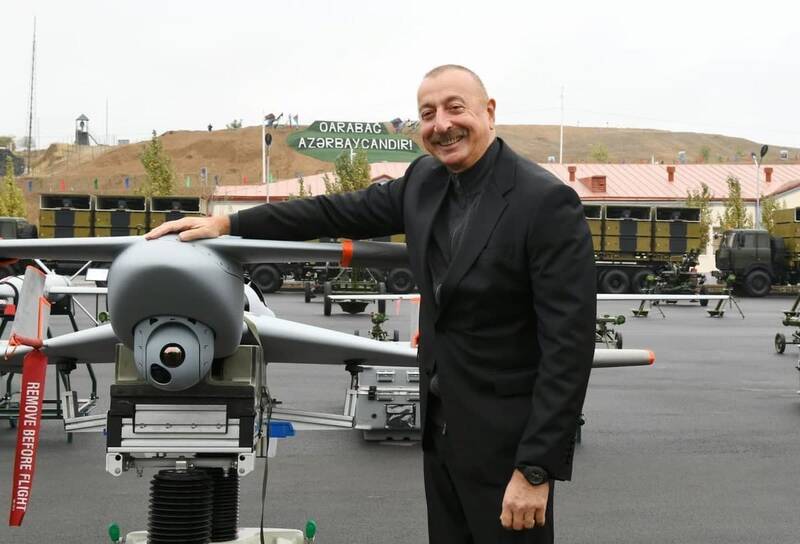
Strategic Council Online – Analysis: On the verge of finalizing the Baku-Yerevan peace agreement, the recent remarks by Mnatsakan Safaryan, Armenia’s Deputy Foreign Minister, regarding the potential handover of the “logistical management” of the Zangezur route to a foreign company have pushed the status of this 32-kilometer strip into a critical phase. The discussion of a foreign operator’s involvement coincides with the meeting between Nikol Pashinyan and Ilham Aliyev in Abu Dhabi—a meeting that, according to regional media, primarily focused on this blocked route.

Armenia & Azerbaijan on the Path to Final Peace Agreement

Armenia & Azerbaijan on the Path to Final Peace Agreement

Strategic Council Online – Opinion: According to what the Republic of Azerbaijan and Armenia authorities officially announce these days, the two South Caucasus countries are taking the last steps to reach a peace treaty.

Reasons for Armenia’s Strategic Proximity to Europe and America

Reasons for Armenia’s Strategic Proximity to Europe and America

Strategic Council Online: The former Iranian ambassador to Armenia said Armenia’s strategic closeness to Europe and America is not far from expected because Pashinyan’s government is worried that if another attack occurs on its borders, it will not be able to maintain its position and defend its country. Therefore, he is trying to arrange for allies in the West.

An Analysis on Possible Withdrawal of Armenia from the CSTO

An Analysis on Possible Withdrawal of Armenia from the CSTO

Strategic Council Online – Opinion: Last week, Armenian Prime Minister Nikol Pashinyan announced in a statement in the parliament his country’s intention to withdraw from the collective security pact consisting of several former Soviet states led by Russia. However, the exact time of this action has not yet been determined.

Withdrawal of Russian Forces from South Caucasus; Strategy or Tactic?

Withdrawal of Russian Forces from South Caucasus; Strategy or Tactic?

Strategic Council Online – Interview: An expert on Caucasus affairs said: Following news reports that the Kremlin has implicitly confirmed that Russian peacekeepers are withdrawing from the Nagorno-Karabakh region and taking their weapons and equipment with them, this question is seriously raised: Does Russia want to hand over the South Caucasus region to the West?

The Outlook of Geopolitical Competition Among Major Powers in the Caucasus

The Outlook of Geopolitical Competition Among Major Powers in the Caucasus

Strategic Council Online – Interview: A Caucasus affairs expert said: “If the trend of divergence among regional countries, especially Armenia and Azerbaijan, from Russia accelerates, Russians may show a more serious reaction and even prevent the traditional regional order change using force.”

Consequences of the escalation of militarization in the South Caucasus

Consequences of the escalation of militarization in the South Caucasus

Strategic Council Online—Opinion: In recent months, we have seen Armenia and Azerbaijan strengthen new military-security arrangements. The two countries are developing military and security relations and exchanges with European and extra-regional countries within an “escalating process.” Strengthening the weapons arsenals, reviewing membership in some military pacts, and increasing military purchases are among these measures.
Barsam Mohammadi- Expert of regional issues

France and the European Union seek to challenge Russia’s role in the South Caucasus

France and the European Union seek to challenge Russia’s role in the South Caucasus

Strategic Council Online—Interview: The former ambassador of Iran to the Republic of Azerbaijan said that the positions of the European Union’s foreign policy in support of Armenia and opposition to the Republic of Azerbaijan are in the context of challenging Russia’s role in the developments in the South Caucasus and also in the continuation of Europe’s conflict with Russia over Ukraine.

Armenia’s Strategies to Solve Foreign Crises

Armenia’s Strategies to Solve Foreign Crises

Strategic Council Online – The former head of the Caucasus Studies Foundation described signing the defense cooperation document between Yerevan and London for 2023 and 2024 as part of the Armenian government’s strategies to solve its foreign crises.

ÚLTIMAS PUBLICACIONES

The Makkah Pact; Reasons for its Formation and Challenges Ahead

SCFR Online – Opinion: The Makkah Pact, signed between Saudi Arabia, Pakistan, and Turkey under the motto “an attack on one is an attack on all,” is viewed by some analysts less as a full-fledged military coalition and more as an attempt to reduce security dependence on an external power and to establish a regional security mechanism.

Implications of the US-Saudi Nuclear Agreement

SCFR Online – Opinion: The new US-Saudi nuclear agreement, despite legal and political ambiguities, could alter previous non-proliferation standards in West Asia and intensify nuclear competition, ushering it into a new phase.

An Analysis of Recent Turkey-Israeli Regime Tensions

SCFR Online – Opinion: Recent developments in Syria indicate an intensification of strategic rivalry between Turkey and the Israeli regime, but mutual considerations and the role of the United States have limited the likelihood of direct war.

Increasing criticism of the extensive Zionist lobby network

SCFR Online – Opinion: An examination of the mechanisms of the Israeli regime’s influence in the United States depicts a complex picture of shared interests, strategic dependencies, and the limitations of this relationship.

Realities of the Tripartite Makkah Pact

SCFR Online – Interview: The signing of the Makkah agreement between Saudi Arabia, Pakistan, and Turkey has raised questions about the future of the region’s security structure and the position of these countries in West Asian equations. Can this agreement become a genuine collective defense mechanism, or does it have more of a political and deterrent function than creating new military capacity?

Strategic Implications of the Reduction of US Weapons Stockpiles

SCFR Online – Opinion: The continuation of the US war against Iran, in addition to increasing operational costs, has called into question the actual capacity of the American arsenal to simultaneously fulfill security commitments on multiple fronts; an issue that affects deterrence, defense production capacity, and Washington’s resource prioritization.

Loading