جدیدترین مطالب

Balancing in the chain of chokepoints; from sea-based deterrence to pluralistic diplomacy

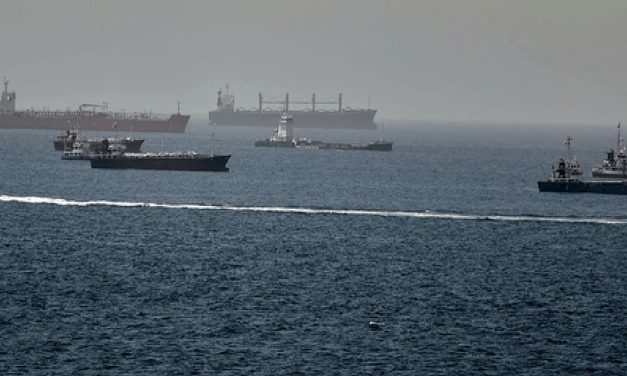
Strategic Council Online – Note: Recent developments in the political geography of West Asia, from rising tensions in the Persian Gulf to missile and drone activities in the Red Sea and the recent warning by Kaja Kallas, the European Union’s foreign policy chief, regarding the threat to freedom of navigation, indicate a key pattern shift; the US-Iran war has moved beyond the scope of a regional and local confrontation and has linked two vital passageways for the global economy: the Strait of Hormuz and the Bab el-Mandeb Strait.

Indicators for Choosing Between War and Diplomacy

SCFR Online – Opinion: Foreign policy analysis is valid when it evaluates decisions based on the information and circumstances prevailing at the time they were made, not on the basis of outcomes that only become apparent after the crisis has ended.

Loading

Armenia

Karabakh War; Necessity & Importance of Iran Role-Playing

Karabakh War; Necessity & Importance of Iran Role-Playing

Strategic Council Online: Continuation of the military conflict between the Republic of Azerbaijan and Armenia, which started on September 27, 2020 due to the military movements of the Republic of Azerbaijan to retake its territories, can be discussed from various points of view.
Dr. Shoaib Bahman – Expert on Russia Affairs

The ambiguous future of the Karabakh conflict and Iran’s preparedness to play a constructive role

The ambiguous future of the Karabakh conflict and Iran’s preparedness to play a constructive role

Strategic Council Online—Opinion: The Security Council of the United Nations has issued four resolutions so far on the Karabakh issue, asking Armenia to evacuate seven cities of the Republic of Azerbaijan; however, Yerevan has refused to withdraw. Therefore, the Security Council should convince Armenia, perhaps through the current mechanisms such as Chapter Seven of the Charter of the United Nations, to return these cities to the Republic of Azerbaijan.
Mohsen Pak-Aeen – Former ambassador of Iran to the Republic of Azerbaijan

US pressure for sanctioning Nord Stream 2

US pressure for sanctioning Nord Stream 2

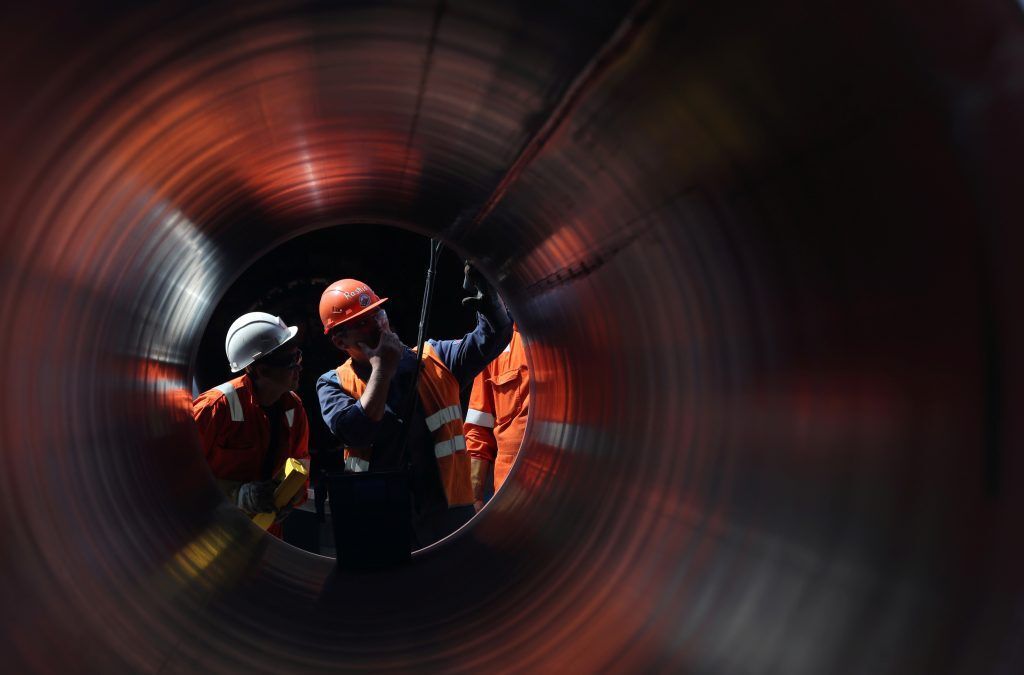
Strategic Council Online—Opinion: The United States believes that the power of Russia’s influence in Europe would be multiplied when the Nord Stream 2 gas pipeline goes on stream and European countries would become more dependant on cheap gas coming from Russia.
Mahmoud Fazeli—Expert of European affairs

Inefficiency of the Minsk Group; necessity of incorporating a regional mechanism for the settlement of Karabakh dispute

Inefficiency of the Minsk Group; necessity of incorporating a regional mechanism for the settlement of Karabakh dispute

Strategic Council Online: Editorial—The Security Council of the United Nations, having passed four UN resolutions in the primary years of the 1990s, has delegated the issue of the return of peace to Karabakh to regional organizations in particular to the Organization for Security and Co-operation in Europe (OSCE). In 1992, the Organization for Security and Co-operation in Europe set up a mechanism under the title of the “Minsk Group”, comprising of nine countries, to deal with the settlement of the issue. The Minsk Group is currently chaired by the United States, Russia and France. Even though the Minsk Group managed to organize a ceasefire between the Republic of Azerbaijan and Armenia in Bishkek on 12 May 1994, it has failed during the past recent years to completely resolve the Karabakh dispute. Given the occurrence of two consecutive military confrontations since the beginning of 2020 with numerous dimensions, the issue of the performance and effectiveness of the Minsk Group is once again placed at the centre of the world’s attention.
Dr Shoayb Bahman, Expert of Russia affairs

Military tension in Karabakh; outcomes and dimensions

Military tension in Karabakh; outcomes and dimensions

Strategic Council Online – Editorial – The Karabakh crisis has no military solution and so these tensions should be immediately stopped. And any political solution or negotiation should be channelled through regional frameworks to be effective and productive. The internationalization of this problem would further complicate the conflict under circumstances in which international players are interested in continued crisis and escalation in this region.
Hasan Beheshtipour – International relations analyst

Perspective of Iran- EAEU Cooperation

Perspective of Iran- EAEU Cooperation

Strategic Council Online: If Iran under the sanctions and under circumstances that Europe too has failed to meet its commitments, could properly pursue its cooperation with Eurasia an opportunity for expanding regional trade and increasing Iran’s non-oil exports will be provided.
Afshar Soleimani – Former Iranian Ambassador to the Republic of Azerbaijan

أحدث الوظائف

Balancing in the chain of chokepoints; from sea-based deterrence to pluralistic diplomacy

Strategic Council Online – Note: Recent developments in the political geography of West Asia, from rising tensions in the Persian Gulf to missile and drone activities in the Red Sea and the recent warning by Kaja Kallas, the European Union’s foreign policy chief, regarding the threat to freedom of navigation, indicate a key pattern shift; the US-Iran war has moved beyond the scope of a regional and local confrontation and has linked two vital passageways for the global economy: the Strait of Hormuz and the Bab el-Mandeb Strait.

Indicators for Choosing Between War and Diplomacy

SCFR Online – Opinion: Foreign policy analysis is valid when it evaluates decisions based on the information and circumstances prevailing at the time they were made, not on the basis of outcomes that only become apparent after the crisis has ended.

Loading

Armenia

Karabakh War; Necessity & Importance of Iran Role-Playing

Karabakh War; Necessity & Importance of Iran Role-Playing

Strategic Council Online: Continuation of the military conflict between the Republic of Azerbaijan and Armenia, which started on September 27, 2020 due to the military movements of the Republic of Azerbaijan to retake its territories, can be discussed from various points of view.
Dr. Shoaib Bahman – Expert on Russia Affairs

The ambiguous future of the Karabakh conflict and Iran’s preparedness to play a constructive role

The ambiguous future of the Karabakh conflict and Iran’s preparedness to play a constructive role

Strategic Council Online—Opinion: The Security Council of the United Nations has issued four resolutions so far on the Karabakh issue, asking Armenia to evacuate seven cities of the Republic of Azerbaijan; however, Yerevan has refused to withdraw. Therefore, the Security Council should convince Armenia, perhaps through the current mechanisms such as Chapter Seven of the Charter of the United Nations, to return these cities to the Republic of Azerbaijan.
Mohsen Pak-Aeen – Former ambassador of Iran to the Republic of Azerbaijan

US pressure for sanctioning Nord Stream 2

US pressure for sanctioning Nord Stream 2

Strategic Council Online—Opinion: The United States believes that the power of Russia’s influence in Europe would be multiplied when the Nord Stream 2 gas pipeline goes on stream and European countries would become more dependant on cheap gas coming from Russia.
Mahmoud Fazeli—Expert of European affairs

Inefficiency of the Minsk Group; necessity of incorporating a regional mechanism for the settlement of Karabakh dispute

Inefficiency of the Minsk Group; necessity of incorporating a regional mechanism for the settlement of Karabakh dispute

Strategic Council Online: Editorial—The Security Council of the United Nations, having passed four UN resolutions in the primary years of the 1990s, has delegated the issue of the return of peace to Karabakh to regional organizations in particular to the Organization for Security and Co-operation in Europe (OSCE). In 1992, the Organization for Security and Co-operation in Europe set up a mechanism under the title of the “Minsk Group”, comprising of nine countries, to deal with the settlement of the issue. The Minsk Group is currently chaired by the United States, Russia and France. Even though the Minsk Group managed to organize a ceasefire between the Republic of Azerbaijan and Armenia in Bishkek on 12 May 1994, it has failed during the past recent years to completely resolve the Karabakh dispute. Given the occurrence of two consecutive military confrontations since the beginning of 2020 with numerous dimensions, the issue of the performance and effectiveness of the Minsk Group is once again placed at the centre of the world’s attention.
Dr Shoayb Bahman, Expert of Russia affairs

Military tension in Karabakh; outcomes and dimensions

Military tension in Karabakh; outcomes and dimensions

Strategic Council Online – Editorial – The Karabakh crisis has no military solution and so these tensions should be immediately stopped. And any political solution or negotiation should be channelled through regional frameworks to be effective and productive. The internationalization of this problem would further complicate the conflict under circumstances in which international players are interested in continued crisis and escalation in this region.
Hasan Beheshtipour – International relations analyst

Perspective of Iran- EAEU Cooperation

Perspective of Iran- EAEU Cooperation

Strategic Council Online: If Iran under the sanctions and under circumstances that Europe too has failed to meet its commitments, could properly pursue its cooperation with Eurasia an opportunity for expanding regional trade and increasing Iran’s non-oil exports will be provided.
Afshar Soleimani – Former Iranian Ambassador to the Republic of Azerbaijan

Armenia

Karabakh War; Necessity & Importance of Iran Role-Playing

Karabakh War; Necessity & Importance of Iran Role-Playing

Strategic Council Online: Continuation of the military conflict between the Republic of Azerbaijan and Armenia, which started on September 27, 2020 due to the military movements of the Republic of Azerbaijan to retake its territories, can be discussed from various points of view.
Dr. Shoaib Bahman – Expert on Russia Affairs

The ambiguous future of the Karabakh conflict and Iran’s preparedness to play a constructive role

The ambiguous future of the Karabakh conflict and Iran’s preparedness to play a constructive role

Strategic Council Online—Opinion: The Security Council of the United Nations has issued four resolutions so far on the Karabakh issue, asking Armenia to evacuate seven cities of the Republic of Azerbaijan; however, Yerevan has refused to withdraw. Therefore, the Security Council should convince Armenia, perhaps through the current mechanisms such as Chapter Seven of the Charter of the United Nations, to return these cities to the Republic of Azerbaijan.
Mohsen Pak-Aeen – Former ambassador of Iran to the Republic of Azerbaijan

US pressure for sanctioning Nord Stream 2

US pressure for sanctioning Nord Stream 2

Strategic Council Online—Opinion: The United States believes that the power of Russia’s influence in Europe would be multiplied when the Nord Stream 2 gas pipeline goes on stream and European countries would become more dependant on cheap gas coming from Russia.
Mahmoud Fazeli—Expert of European affairs

Inefficiency of the Minsk Group; necessity of incorporating a regional mechanism for the settlement of Karabakh dispute

Inefficiency of the Minsk Group; necessity of incorporating a regional mechanism for the settlement of Karabakh dispute

Strategic Council Online: Editorial—The Security Council of the United Nations, having passed four UN resolutions in the primary years of the 1990s, has delegated the issue of the return of peace to Karabakh to regional organizations in particular to the Organization for Security and Co-operation in Europe (OSCE). In 1992, the Organization for Security and Co-operation in Europe set up a mechanism under the title of the “Minsk Group”, comprising of nine countries, to deal with the settlement of the issue. The Minsk Group is currently chaired by the United States, Russia and France. Even though the Minsk Group managed to organize a ceasefire between the Republic of Azerbaijan and Armenia in Bishkek on 12 May 1994, it has failed during the past recent years to completely resolve the Karabakh dispute. Given the occurrence of two consecutive military confrontations since the beginning of 2020 with numerous dimensions, the issue of the performance and effectiveness of the Minsk Group is once again placed at the centre of the world’s attention.
Dr Shoayb Bahman, Expert of Russia affairs

Military tension in Karabakh; outcomes and dimensions

Military tension in Karabakh; outcomes and dimensions

Strategic Council Online – Editorial – The Karabakh crisis has no military solution and so these tensions should be immediately stopped. And any political solution or negotiation should be channelled through regional frameworks to be effective and productive. The internationalization of this problem would further complicate the conflict under circumstances in which international players are interested in continued crisis and escalation in this region.
Hasan Beheshtipour – International relations analyst

Perspective of Iran- EAEU Cooperation

Perspective of Iran- EAEU Cooperation

Strategic Council Online: If Iran under the sanctions and under circumstances that Europe too has failed to meet its commitments, could properly pursue its cooperation with Eurasia an opportunity for expanding regional trade and increasing Iran’s non-oil exports will be provided.
Afshar Soleimani – Former Iranian Ambassador to the Republic of Azerbaijan

LATEST CONTENT

Balancing in the chain of chokepoints; from sea-based deterrence to pluralistic diplomacy

Strategic Council Online – Note: Recent developments in the political geography of West Asia, from rising tensions in the Persian Gulf to missile and drone activities in the Red Sea and the recent warning by Kaja Kallas, the European Union’s foreign policy chief, regarding the threat to freedom of navigation, indicate a key pattern shift; the US-Iran war has moved beyond the scope of a regional and local confrontation and has linked two vital passageways for the global economy: the Strait of Hormuz and the Bab el-Mandeb Strait.

Indicators for Choosing Between War and Diplomacy

SCFR Online – Opinion: Foreign policy analysis is valid when it evaluates decisions based on the information and circumstances prevailing at the time they were made, not on the basis of outcomes that only become apparent after the crisis has ended.

Loading

Armenia

Karabakh War; Necessity & Importance of Iran Role-Playing

Karabakh War; Necessity & Importance of Iran Role-Playing

Strategic Council Online: Continuation of the military conflict between the Republic of Azerbaijan and Armenia, which started on September 27, 2020 due to the military movements of the Republic of Azerbaijan to retake its territories, can be discussed from various points of view.
Dr. Shoaib Bahman – Expert on Russia Affairs

The ambiguous future of the Karabakh conflict and Iran’s preparedness to play a constructive role

The ambiguous future of the Karabakh conflict and Iran’s preparedness to play a constructive role

Strategic Council Online—Opinion: The Security Council of the United Nations has issued four resolutions so far on the Karabakh issue, asking Armenia to evacuate seven cities of the Republic of Azerbaijan; however, Yerevan has refused to withdraw. Therefore, the Security Council should convince Armenia, perhaps through the current mechanisms such as Chapter Seven of the Charter of the United Nations, to return these cities to the Republic of Azerbaijan.
Mohsen Pak-Aeen – Former ambassador of Iran to the Republic of Azerbaijan

US pressure for sanctioning Nord Stream 2

US pressure for sanctioning Nord Stream 2

Strategic Council Online—Opinion: The United States believes that the power of Russia’s influence in Europe would be multiplied when the Nord Stream 2 gas pipeline goes on stream and European countries would become more dependant on cheap gas coming from Russia.
Mahmoud Fazeli—Expert of European affairs

Inefficiency of the Minsk Group; necessity of incorporating a regional mechanism for the settlement of Karabakh dispute

Inefficiency of the Minsk Group; necessity of incorporating a regional mechanism for the settlement of Karabakh dispute

Strategic Council Online: Editorial—The Security Council of the United Nations, having passed four UN resolutions in the primary years of the 1990s, has delegated the issue of the return of peace to Karabakh to regional organizations in particular to the Organization for Security and Co-operation in Europe (OSCE). In 1992, the Organization for Security and Co-operation in Europe set up a mechanism under the title of the “Minsk Group”, comprising of nine countries, to deal with the settlement of the issue. The Minsk Group is currently chaired by the United States, Russia and France. Even though the Minsk Group managed to organize a ceasefire between the Republic of Azerbaijan and Armenia in Bishkek on 12 May 1994, it has failed during the past recent years to completely resolve the Karabakh dispute. Given the occurrence of two consecutive military confrontations since the beginning of 2020 with numerous dimensions, the issue of the performance and effectiveness of the Minsk Group is once again placed at the centre of the world’s attention.
Dr Shoayb Bahman, Expert of Russia affairs

Military tension in Karabakh; outcomes and dimensions

Military tension in Karabakh; outcomes and dimensions

Strategic Council Online – Editorial – The Karabakh crisis has no military solution and so these tensions should be immediately stopped. And any political solution or negotiation should be channelled through regional frameworks to be effective and productive. The internationalization of this problem would further complicate the conflict under circumstances in which international players are interested in continued crisis and escalation in this region.
Hasan Beheshtipour – International relations analyst

Perspective of Iran- EAEU Cooperation

Perspective of Iran- EAEU Cooperation

Strategic Council Online: If Iran under the sanctions and under circumstances that Europe too has failed to meet its commitments, could properly pursue its cooperation with Eurasia an opportunity for expanding regional trade and increasing Iran’s non-oil exports will be provided.
Afshar Soleimani – Former Iranian Ambassador to the Republic of Azerbaijan

ÚLTIMAS PUBLICACIONES

Balancing in the chain of chokepoints; from sea-based deterrence to pluralistic diplomacy

Strategic Council Online – Note: Recent developments in the political geography of West Asia, from rising tensions in the Persian Gulf to missile and drone activities in the Red Sea and the recent warning by Kaja Kallas, the European Union’s foreign policy chief, regarding the threat to freedom of navigation, indicate a key pattern shift; the US-Iran war has moved beyond the scope of a regional and local confrontation and has linked two vital passageways for the global economy: the Strait of Hormuz and the Bab el-Mandeb Strait.

Indicators for Choosing Between War and Diplomacy

SCFR Online – Opinion: Foreign policy analysis is valid when it evaluates decisions based on the information and circumstances prevailing at the time they were made, not on the basis of outcomes that only become apparent after the crisis has ended.

Loading

Armenia

Karabakh War; Necessity & Importance of Iran Role-Playing

Karabakh War; Necessity & Importance of Iran Role-Playing

Strategic Council Online: Continuation of the military conflict between the Republic of Azerbaijan and Armenia, which started on September 27, 2020 due to the military movements of the Republic of Azerbaijan to retake its territories, can be discussed from various points of view.
Dr. Shoaib Bahman – Expert on Russia Affairs

The ambiguous future of the Karabakh conflict and Iran’s preparedness to play a constructive role

The ambiguous future of the Karabakh conflict and Iran’s preparedness to play a constructive role

Strategic Council Online—Opinion: The Security Council of the United Nations has issued four resolutions so far on the Karabakh issue, asking Armenia to evacuate seven cities of the Republic of Azerbaijan; however, Yerevan has refused to withdraw. Therefore, the Security Council should convince Armenia, perhaps through the current mechanisms such as Chapter Seven of the Charter of the United Nations, to return these cities to the Republic of Azerbaijan.
Mohsen Pak-Aeen – Former ambassador of Iran to the Republic of Azerbaijan

US pressure for sanctioning Nord Stream 2

US pressure for sanctioning Nord Stream 2

Strategic Council Online—Opinion: The United States believes that the power of Russia’s influence in Europe would be multiplied when the Nord Stream 2 gas pipeline goes on stream and European countries would become more dependant on cheap gas coming from Russia.
Mahmoud Fazeli—Expert of European affairs

Inefficiency of the Minsk Group; necessity of incorporating a regional mechanism for the settlement of Karabakh dispute

Inefficiency of the Minsk Group; necessity of incorporating a regional mechanism for the settlement of Karabakh dispute

Strategic Council Online: Editorial—The Security Council of the United Nations, having passed four UN resolutions in the primary years of the 1990s, has delegated the issue of the return of peace to Karabakh to regional organizations in particular to the Organization for Security and Co-operation in Europe (OSCE). In 1992, the Organization for Security and Co-operation in Europe set up a mechanism under the title of the “Minsk Group”, comprising of nine countries, to deal with the settlement of the issue. The Minsk Group is currently chaired by the United States, Russia and France. Even though the Minsk Group managed to organize a ceasefire between the Republic of Azerbaijan and Armenia in Bishkek on 12 May 1994, it has failed during the past recent years to completely resolve the Karabakh dispute. Given the occurrence of two consecutive military confrontations since the beginning of 2020 with numerous dimensions, the issue of the performance and effectiveness of the Minsk Group is once again placed at the centre of the world’s attention.
Dr Shoayb Bahman, Expert of Russia affairs

Military tension in Karabakh; outcomes and dimensions

Military tension in Karabakh; outcomes and dimensions

Strategic Council Online – Editorial – The Karabakh crisis has no military solution and so these tensions should be immediately stopped. And any political solution or negotiation should be channelled through regional frameworks to be effective and productive. The internationalization of this problem would further complicate the conflict under circumstances in which international players are interested in continued crisis and escalation in this region.
Hasan Beheshtipour – International relations analyst

Perspective of Iran- EAEU Cooperation

Perspective of Iran- EAEU Cooperation

Strategic Council Online: If Iran under the sanctions and under circumstances that Europe too has failed to meet its commitments, could properly pursue its cooperation with Eurasia an opportunity for expanding regional trade and increasing Iran’s non-oil exports will be provided.
Afshar Soleimani – Former Iranian Ambassador to the Republic of Azerbaijan

ÚLTIMAS PUBLICACIONES

Balancing in the chain of chokepoints; from sea-based deterrence to pluralistic diplomacy

Strategic Council Online – Note: Recent developments in the political geography of West Asia, from rising tensions in the Persian Gulf to missile and drone activities in the Red Sea and the recent warning by Kaja Kallas, the European Union’s foreign policy chief, regarding the threat to freedom of navigation, indicate a key pattern shift; the US-Iran war has moved beyond the scope of a regional and local confrontation and has linked two vital passageways for the global economy: the Strait of Hormuz and the Bab el-Mandeb Strait.

Indicators for Choosing Between War and Diplomacy

SCFR Online – Opinion: Foreign policy analysis is valid when it evaluates decisions based on the information and circumstances prevailing at the time they were made, not on the basis of outcomes that only become apparent after the crisis has ended.

Loading

Armenia

Karabakh War; Necessity & Importance of Iran Role-Playing

Karabakh War; Necessity & Importance of Iran Role-Playing

Strategic Council Online: Continuation of the military conflict between the Republic of Azerbaijan and Armenia, which started on September 27, 2020 due to the military movements of the Republic of Azerbaijan to retake its territories, can be discussed from various points of view.
Dr. Shoaib Bahman – Expert on Russia Affairs

The ambiguous future of the Karabakh conflict and Iran’s preparedness to play a constructive role

The ambiguous future of the Karabakh conflict and Iran’s preparedness to play a constructive role

Strategic Council Online—Opinion: The Security Council of the United Nations has issued four resolutions so far on the Karabakh issue, asking Armenia to evacuate seven cities of the Republic of Azerbaijan; however, Yerevan has refused to withdraw. Therefore, the Security Council should convince Armenia, perhaps through the current mechanisms such as Chapter Seven of the Charter of the United Nations, to return these cities to the Republic of Azerbaijan.
Mohsen Pak-Aeen – Former ambassador of Iran to the Republic of Azerbaijan

US pressure for sanctioning Nord Stream 2

US pressure for sanctioning Nord Stream 2

Strategic Council Online—Opinion: The United States believes that the power of Russia’s influence in Europe would be multiplied when the Nord Stream 2 gas pipeline goes on stream and European countries would become more dependant on cheap gas coming from Russia.
Mahmoud Fazeli—Expert of European affairs

Inefficiency of the Minsk Group; necessity of incorporating a regional mechanism for the settlement of Karabakh dispute

Inefficiency of the Minsk Group; necessity of incorporating a regional mechanism for the settlement of Karabakh dispute

Strategic Council Online: Editorial—The Security Council of the United Nations, having passed four UN resolutions in the primary years of the 1990s, has delegated the issue of the return of peace to Karabakh to regional organizations in particular to the Organization for Security and Co-operation in Europe (OSCE). In 1992, the Organization for Security and Co-operation in Europe set up a mechanism under the title of the “Minsk Group”, comprising of nine countries, to deal with the settlement of the issue. The Minsk Group is currently chaired by the United States, Russia and France. Even though the Minsk Group managed to organize a ceasefire between the Republic of Azerbaijan and Armenia in Bishkek on 12 May 1994, it has failed during the past recent years to completely resolve the Karabakh dispute. Given the occurrence of two consecutive military confrontations since the beginning of 2020 with numerous dimensions, the issue of the performance and effectiveness of the Minsk Group is once again placed at the centre of the world’s attention.
Dr Shoayb Bahman, Expert of Russia affairs

Military tension in Karabakh; outcomes and dimensions

Military tension in Karabakh; outcomes and dimensions

Strategic Council Online – Editorial – The Karabakh crisis has no military solution and so these tensions should be immediately stopped. And any political solution or negotiation should be channelled through regional frameworks to be effective and productive. The internationalization of this problem would further complicate the conflict under circumstances in which international players are interested in continued crisis and escalation in this region.
Hasan Beheshtipour – International relations analyst

Perspective of Iran- EAEU Cooperation

Perspective of Iran- EAEU Cooperation

Strategic Council Online: If Iran under the sanctions and under circumstances that Europe too has failed to meet its commitments, could properly pursue its cooperation with Eurasia an opportunity for expanding regional trade and increasing Iran’s non-oil exports will be provided.
Afshar Soleimani – Former Iranian Ambassador to the Republic of Azerbaijan

ÚLTIMAS PUBLICACIONES

Balancing in the chain of chokepoints; from sea-based deterrence to pluralistic diplomacy

Strategic Council Online – Note: Recent developments in the political geography of West Asia, from rising tensions in the Persian Gulf to missile and drone activities in the Red Sea and the recent warning by Kaja Kallas, the European Union’s foreign policy chief, regarding the threat to freedom of navigation, indicate a key pattern shift; the US-Iran war has moved beyond the scope of a regional and local confrontation and has linked two vital passageways for the global economy: the Strait of Hormuz and the Bab el-Mandeb Strait.

Indicators for Choosing Between War and Diplomacy

SCFR Online – Opinion: Foreign policy analysis is valid when it evaluates decisions based on the information and circumstances prevailing at the time they were made, not on the basis of outcomes that only become apparent after the crisis has ended.

Loading

Armenia

Karabakh War; Necessity & Importance of Iran Role-Playing

Karabakh War; Necessity & Importance of Iran Role-Playing

Strategic Council Online: Continuation of the military conflict between the Republic of Azerbaijan and Armenia, which started on September 27, 2020 due to the military movements of the Republic of Azerbaijan to retake its territories, can be discussed from various points of view.
Dr. Shoaib Bahman – Expert on Russia Affairs

The ambiguous future of the Karabakh conflict and Iran’s preparedness to play a constructive role

The ambiguous future of the Karabakh conflict and Iran’s preparedness to play a constructive role

Strategic Council Online—Opinion: The Security Council of the United Nations has issued four resolutions so far on the Karabakh issue, asking Armenia to evacuate seven cities of the Republic of Azerbaijan; however, Yerevan has refused to withdraw. Therefore, the Security Council should convince Armenia, perhaps through the current mechanisms such as Chapter Seven of the Charter of the United Nations, to return these cities to the Republic of Azerbaijan.
Mohsen Pak-Aeen – Former ambassador of Iran to the Republic of Azerbaijan

US pressure for sanctioning Nord Stream 2

US pressure for sanctioning Nord Stream 2

Strategic Council Online—Opinion: The United States believes that the power of Russia’s influence in Europe would be multiplied when the Nord Stream 2 gas pipeline goes on stream and European countries would become more dependant on cheap gas coming from Russia.
Mahmoud Fazeli—Expert of European affairs

Inefficiency of the Minsk Group; necessity of incorporating a regional mechanism for the settlement of Karabakh dispute

Inefficiency of the Minsk Group; necessity of incorporating a regional mechanism for the settlement of Karabakh dispute

Strategic Council Online: Editorial—The Security Council of the United Nations, having passed four UN resolutions in the primary years of the 1990s, has delegated the issue of the return of peace to Karabakh to regional organizations in particular to the Organization for Security and Co-operation in Europe (OSCE). In 1992, the Organization for Security and Co-operation in Europe set up a mechanism under the title of the “Minsk Group”, comprising of nine countries, to deal with the settlement of the issue. The Minsk Group is currently chaired by the United States, Russia and France. Even though the Minsk Group managed to organize a ceasefire between the Republic of Azerbaijan and Armenia in Bishkek on 12 May 1994, it has failed during the past recent years to completely resolve the Karabakh dispute. Given the occurrence of two consecutive military confrontations since the beginning of 2020 with numerous dimensions, the issue of the performance and effectiveness of the Minsk Group is once again placed at the centre of the world’s attention.
Dr Shoayb Bahman, Expert of Russia affairs

Military tension in Karabakh; outcomes and dimensions

Military tension in Karabakh; outcomes and dimensions

Strategic Council Online – Editorial – The Karabakh crisis has no military solution and so these tensions should be immediately stopped. And any political solution or negotiation should be channelled through regional frameworks to be effective and productive. The internationalization of this problem would further complicate the conflict under circumstances in which international players are interested in continued crisis and escalation in this region.
Hasan Beheshtipour – International relations analyst

Perspective of Iran- EAEU Cooperation

Perspective of Iran- EAEU Cooperation

Strategic Council Online: If Iran under the sanctions and under circumstances that Europe too has failed to meet its commitments, could properly pursue its cooperation with Eurasia an opportunity for expanding regional trade and increasing Iran’s non-oil exports will be provided.
Afshar Soleimani – Former Iranian Ambassador to the Republic of Azerbaijan

ÚLTIMAS PUBLICACIONES

Balancing in the chain of chokepoints; from sea-based deterrence to pluralistic diplomacy

Strategic Council Online – Note: Recent developments in the political geography of West Asia, from rising tensions in the Persian Gulf to missile and drone activities in the Red Sea and the recent warning by Kaja Kallas, the European Union’s foreign policy chief, regarding the threat to freedom of navigation, indicate a key pattern shift; the US-Iran war has moved beyond the scope of a regional and local confrontation and has linked two vital passageways for the global economy: the Strait of Hormuz and the Bab el-Mandeb Strait.

Indicators for Choosing Between War and Diplomacy

SCFR Online – Opinion: Foreign policy analysis is valid when it evaluates decisions based on the information and circumstances prevailing at the time they were made, not on the basis of outcomes that only become apparent after the crisis has ended.

Loading