An Analysis of the Makkah Defense Pact
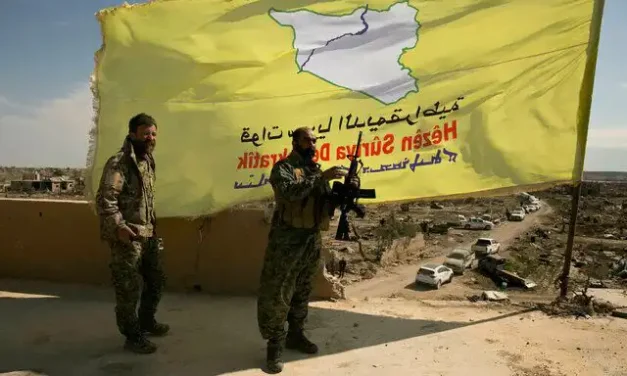
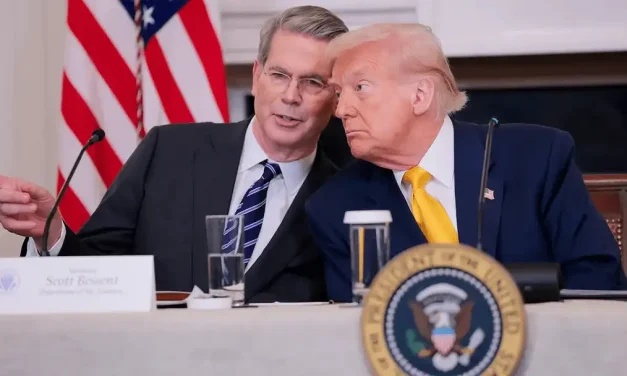
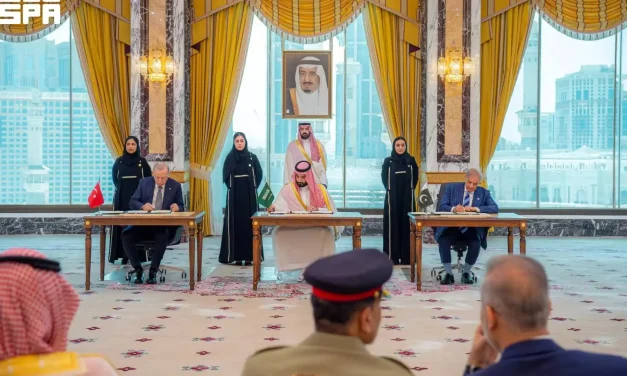
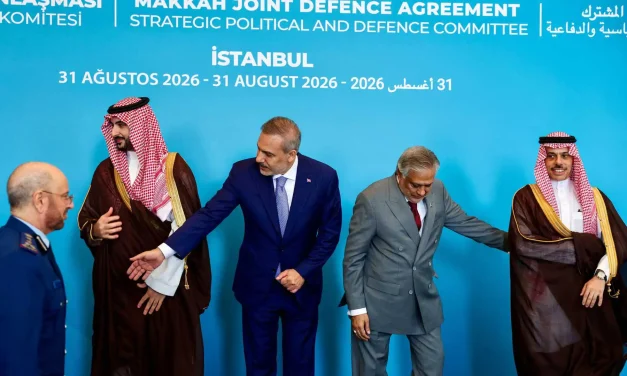
SCFR Online – Opinion: On Friday, August 7, the heads of state of three countries – Saudi Arabia, Turkey, and Pakistan – signed a text under the title “Makkah Joint Defense Agreement.”
Strategic Council Online – Note: The initiative to revive the Hejaz Railway, beyond being a transportation project, constitutes an attempt to redefine geopolitics, the economy, and Turkey’s regional position; however, its realization appears to face significant financial, security, and institutional challenges.
SCFR Online – Opinion: The Strait of Hormuz crisis is no longer merely the consequence of a military confrontation, but rather a sign of the transition from the US-centered maritime order to a new energy security structure involving the participation of emerging and influential powers.
SCFR Online – Opinion: Iran’s active deterrence strategy, while increasing the costs of US intervention, has increasingly exposed the hidden rifts between Washington’s interests and those of the Israeli regime.
SCFR Online – Opinion: The escalation of verbal and strategic tensions between Turkey and the Israeli regime, although not increasing the likelihood of direct war, indicates the formation of a new order in West Asian geopolitical rivalries.
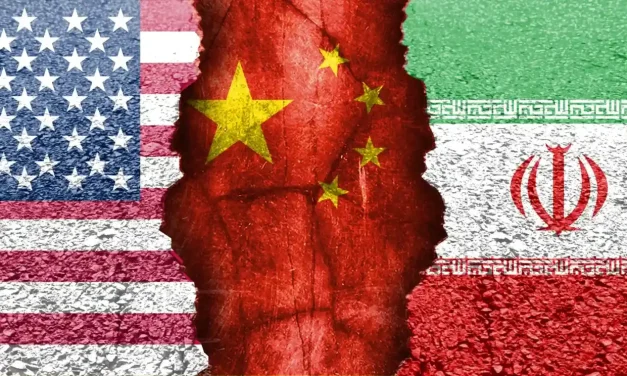
Strategic Council Online – Note: Recent developments in the political geography of West Asia, from rising tensions in the Persian Gulf to missile and drone activities in the Red Sea and the recent warning by Kaja Kallas, the European Union’s foreign policy chief, regarding the threat to freedom of navigation, indicate a key pattern shift; the US-Iran war has moved beyond the scope of a regional and local confrontation and has linked two vital passageways for the global economy: the Strait of Hormuz and the Bab el-Mandeb Strait.
SCFR Online – Opinion: The Ukraine war was not merely a European crisis, but rather the starting point for the rearrangement of the global balance of power and a shift in the strategic behavior of great powers.
SCFR Online – Opinion: Great power competition is now pursued more in trade, currency, technology, and global supply chains than on the battlefields of military confrontation.
Strategic Council Online-Interview: An Afghan media activist says the developments and today’s scene in Afghanistan is a clear example of the US big betrayal to its allies wherever necessary.
Strategic Council Online—Interview: Advisor to the former president of Afghanistan says the Taliban were worried that with the continuation of resistance in Panjshir, nationwide protests and uprising could be formed across whole Afghanistan, adding that protests would definitely continue in Afghanistan in various forms as the majority of the Afghans do not agree with a phenomenon called Taliban.
Strategic Council Online – An expert on the Subcontinent affairs said: The Taliban believe that the current government of Afghanistan is not a government to be dealt with, therefore, it should step down and an interim government should come to power so that perhaps negotiations can move forward.
Strategic Council Online – An analyst of Afghanistan developments says the recent Taliban positions show some flexibility in the group’s past positions. “If there is to be an agreement between the government and the Taliban in the Afghan peace process, the Taliban integration process in the society must take place with necessary expediency and wisdom and must be heeded by the government and establishment.in Afghanistan.
Strategic Council Online: It looks like eventually US envoy Zalmay Khalilzad, who is in Kabul, will intervene in the current governance process in Afghanistan and bring Abdullah Abdullah to the negotiating table: A situation similar to what happened when John Kerry was in office; that is today a new government will be formed with some differences. In this new government, space will also be opened for the Taliban, and Zalmay will probably succeed in bringing the three currents – Ashraf Ghani, Abdullah Abdullah and Taliban to the negotiating table to pull Afghanistan out of the current situation.
Pir Mohammad Molazehi – Indian Subcontinent Affairs Expert
Strategic Council Online: In a general assessment, it can be concluded that Mr. Ashraf Ghani played a successful game by holding the recent Loya Jirga (Grand Assembly) meeting.
Pir Mohammad Mollazehi – Subcontinent Affairs Expert
Strategic Council Online: Undermining the current position of Ashraf Ghani in the political arena of Afghanistan and in competition with rivals in the upcoming presidential election is one of the challenges that could lead to increased insecurity.
Mohammad Reza Asgari Moroudi – Senior Researcher on Asia Affairs
Strategic Council Online: The United States seems to be pursuing two main goals in Afghanistan: First make the Taliban part of the power in Afghanistan, that is to put other parties and groups that are opposed to the Taliban in a position to accept the Taliban’s share of power. The second goal is to have a state entirely aligned with Washington’s goals.
Pir Mohammad Molazehi, Expert on Afghanistan Affairs
SCFR Online – Opinion: On Friday, August 7, the heads of state of three countries – Saudi Arabia, Turkey, and Pakistan – signed a text under the title “Makkah Joint Defense Agreement.”
Strategic Council Online – Note: The initiative to revive the Hejaz Railway, beyond being a transportation project, constitutes an attempt to redefine geopolitics, the economy, and Turkey’s regional position; however, its realization appears to face significant financial, security, and institutional challenges.
SCFR Online – Opinion: The Strait of Hormuz crisis is no longer merely the consequence of a military confrontation, but rather a sign of the transition from the US-centered maritime order to a new energy security structure involving the participation of emerging and influential powers.
SCFR Online – Opinion: Iran’s active deterrence strategy, while increasing the costs of US intervention, has increasingly exposed the hidden rifts between Washington’s interests and those of the Israeli regime.
SCFR Online – Opinion: The escalation of verbal and strategic tensions between Turkey and the Israeli regime, although not increasing the likelihood of direct war, indicates the formation of a new order in West Asian geopolitical rivalries.
Strategic Council Online – Note: Recent developments in the political geography of West Asia, from rising tensions in the Persian Gulf to missile and drone activities in the Red Sea and the recent warning by Kaja Kallas, the European Union’s foreign policy chief, regarding the threat to freedom of navigation, indicate a key pattern shift; the US-Iran war has moved beyond the scope of a regional and local confrontation and has linked two vital passageways for the global economy: the Strait of Hormuz and the Bab el-Mandeb Strait.
SCFR Online – Opinion: The Ukraine war was not merely a European crisis, but rather the starting point for the rearrangement of the global balance of power and a shift in the strategic behavior of great powers.
SCFR Online – Opinion: Great power competition is now pursued more in trade, currency, technology, and global supply chains than on the battlefields of military confrontation.
Strategic Council Online-Interview: An Afghan media activist says the developments and today’s scene in Afghanistan is a clear example of the US big betrayal to its allies wherever necessary.
Strategic Council Online—Interview: Advisor to the former president of Afghanistan says the Taliban were worried that with the continuation of resistance in Panjshir, nationwide protests and uprising could be formed across whole Afghanistan, adding that protests would definitely continue in Afghanistan in various forms as the majority of the Afghans do not agree with a phenomenon called Taliban.
Strategic Council Online – An expert on the Subcontinent affairs said: The Taliban believe that the current government of Afghanistan is not a government to be dealt with, therefore, it should step down and an interim government should come to power so that perhaps negotiations can move forward.
Strategic Council Online – An analyst of Afghanistan developments says the recent Taliban positions show some flexibility in the group’s past positions. “If there is to be an agreement between the government and the Taliban in the Afghan peace process, the Taliban integration process in the society must take place with necessary expediency and wisdom and must be heeded by the government and establishment.in Afghanistan.
Strategic Council Online: It looks like eventually US envoy Zalmay Khalilzad, who is in Kabul, will intervene in the current governance process in Afghanistan and bring Abdullah Abdullah to the negotiating table: A situation similar to what happened when John Kerry was in office; that is today a new government will be formed with some differences. In this new government, space will also be opened for the Taliban, and Zalmay will probably succeed in bringing the three currents – Ashraf Ghani, Abdullah Abdullah and Taliban to the negotiating table to pull Afghanistan out of the current situation.
Pir Mohammad Molazehi – Indian Subcontinent Affairs Expert
Strategic Council Online: In a general assessment, it can be concluded that Mr. Ashraf Ghani played a successful game by holding the recent Loya Jirga (Grand Assembly) meeting.
Pir Mohammad Mollazehi – Subcontinent Affairs Expert
Strategic Council Online: Undermining the current position of Ashraf Ghani in the political arena of Afghanistan and in competition with rivals in the upcoming presidential election is one of the challenges that could lead to increased insecurity.
Mohammad Reza Asgari Moroudi – Senior Researcher on Asia Affairs
Strategic Council Online: The United States seems to be pursuing two main goals in Afghanistan: First make the Taliban part of the power in Afghanistan, that is to put other parties and groups that are opposed to the Taliban in a position to accept the Taliban’s share of power. The second goal is to have a state entirely aligned with Washington’s goals.
Pir Mohammad Molazehi, Expert on Afghanistan Affairs
Strategic Council Online-Interview: An Afghan media activist says the developments and today’s scene in Afghanistan is a clear example of the US big betrayal to its allies wherever necessary.
Strategic Council Online—Interview: Advisor to the former president of Afghanistan says the Taliban were worried that with the continuation of resistance in Panjshir, nationwide protests and uprising could be formed across whole Afghanistan, adding that protests would definitely continue in Afghanistan in various forms as the majority of the Afghans do not agree with a phenomenon called Taliban.
Strategic Council Online – An expert on the Subcontinent affairs said: The Taliban believe that the current government of Afghanistan is not a government to be dealt with, therefore, it should step down and an interim government should come to power so that perhaps negotiations can move forward.
Strategic Council Online – An analyst of Afghanistan developments says the recent Taliban positions show some flexibility in the group’s past positions. “If there is to be an agreement between the government and the Taliban in the Afghan peace process, the Taliban integration process in the society must take place with necessary expediency and wisdom and must be heeded by the government and establishment.in Afghanistan.
Strategic Council Online: It looks like eventually US envoy Zalmay Khalilzad, who is in Kabul, will intervene in the current governance process in Afghanistan and bring Abdullah Abdullah to the negotiating table: A situation similar to what happened when John Kerry was in office; that is today a new government will be formed with some differences. In this new government, space will also be opened for the Taliban, and Zalmay will probably succeed in bringing the three currents – Ashraf Ghani, Abdullah Abdullah and Taliban to the negotiating table to pull Afghanistan out of the current situation.
Pir Mohammad Molazehi – Indian Subcontinent Affairs Expert
Strategic Council Online: In a general assessment, it can be concluded that Mr. Ashraf Ghani played a successful game by holding the recent Loya Jirga (Grand Assembly) meeting.
Pir Mohammad Mollazehi – Subcontinent Affairs Expert
Strategic Council Online: Undermining the current position of Ashraf Ghani in the political arena of Afghanistan and in competition with rivals in the upcoming presidential election is one of the challenges that could lead to increased insecurity.
Mohammad Reza Asgari Moroudi – Senior Researcher on Asia Affairs
Strategic Council Online: The United States seems to be pursuing two main goals in Afghanistan: First make the Taliban part of the power in Afghanistan, that is to put other parties and groups that are opposed to the Taliban in a position to accept the Taliban’s share of power. The second goal is to have a state entirely aligned with Washington’s goals.
Pir Mohammad Molazehi, Expert on Afghanistan Affairs
SCFR Online – Opinion: On Friday, August 7, the heads of state of three countries – Saudi Arabia, Turkey, and Pakistan – signed a text under the title “Makkah Joint Defense Agreement.”
Strategic Council Online – Note: The initiative to revive the Hejaz Railway, beyond being a transportation project, constitutes an attempt to redefine geopolitics, the economy, and Turkey’s regional position; however, its realization appears to face significant financial, security, and institutional challenges.
SCFR Online – Opinion: The Strait of Hormuz crisis is no longer merely the consequence of a military confrontation, but rather a sign of the transition from the US-centered maritime order to a new energy security structure involving the participation of emerging and influential powers.
SCFR Online – Opinion: Iran’s active deterrence strategy, while increasing the costs of US intervention, has increasingly exposed the hidden rifts between Washington’s interests and those of the Israeli regime.
SCFR Online – Opinion: The escalation of verbal and strategic tensions between Turkey and the Israeli regime, although not increasing the likelihood of direct war, indicates the formation of a new order in West Asian geopolitical rivalries.
Strategic Council Online – Note: Recent developments in the political geography of West Asia, from rising tensions in the Persian Gulf to missile and drone activities in the Red Sea and the recent warning by Kaja Kallas, the European Union’s foreign policy chief, regarding the threat to freedom of navigation, indicate a key pattern shift; the US-Iran war has moved beyond the scope of a regional and local confrontation and has linked two vital passageways for the global economy: the Strait of Hormuz and the Bab el-Mandeb Strait.
SCFR Online – Opinion: The Ukraine war was not merely a European crisis, but rather the starting point for the rearrangement of the global balance of power and a shift in the strategic behavior of great powers.
SCFR Online – Opinion: Great power competition is now pursued more in trade, currency, technology, and global supply chains than on the battlefields of military confrontation.
Strategic Council Online-Interview: An Afghan media activist says the developments and today’s scene in Afghanistan is a clear example of the US big betrayal to its allies wherever necessary.
Strategic Council Online—Interview: Advisor to the former president of Afghanistan says the Taliban were worried that with the continuation of resistance in Panjshir, nationwide protests and uprising could be formed across whole Afghanistan, adding that protests would definitely continue in Afghanistan in various forms as the majority of the Afghans do not agree with a phenomenon called Taliban.
Strategic Council Online – An expert on the Subcontinent affairs said: The Taliban believe that the current government of Afghanistan is not a government to be dealt with, therefore, it should step down and an interim government should come to power so that perhaps negotiations can move forward.
Strategic Council Online – An analyst of Afghanistan developments says the recent Taliban positions show some flexibility in the group’s past positions. “If there is to be an agreement between the government and the Taliban in the Afghan peace process, the Taliban integration process in the society must take place with necessary expediency and wisdom and must be heeded by the government and establishment.in Afghanistan.
Strategic Council Online: It looks like eventually US envoy Zalmay Khalilzad, who is in Kabul, will intervene in the current governance process in Afghanistan and bring Abdullah Abdullah to the negotiating table: A situation similar to what happened when John Kerry was in office; that is today a new government will be formed with some differences. In this new government, space will also be opened for the Taliban, and Zalmay will probably succeed in bringing the three currents – Ashraf Ghani, Abdullah Abdullah and Taliban to the negotiating table to pull Afghanistan out of the current situation.
Pir Mohammad Molazehi – Indian Subcontinent Affairs Expert
Strategic Council Online: In a general assessment, it can be concluded that Mr. Ashraf Ghani played a successful game by holding the recent Loya Jirga (Grand Assembly) meeting.
Pir Mohammad Mollazehi – Subcontinent Affairs Expert
Strategic Council Online: Undermining the current position of Ashraf Ghani in the political arena of Afghanistan and in competition with rivals in the upcoming presidential election is one of the challenges that could lead to increased insecurity.
Mohammad Reza Asgari Moroudi – Senior Researcher on Asia Affairs
Strategic Council Online: The United States seems to be pursuing two main goals in Afghanistan: First make the Taliban part of the power in Afghanistan, that is to put other parties and groups that are opposed to the Taliban in a position to accept the Taliban’s share of power. The second goal is to have a state entirely aligned with Washington’s goals.
Pir Mohammad Molazehi, Expert on Afghanistan Affairs
SCFR Online – Opinion: On Friday, August 7, the heads of state of three countries – Saudi Arabia, Turkey, and Pakistan – signed a text under the title “Makkah Joint Defense Agreement.”
Strategic Council Online – Note: The initiative to revive the Hejaz Railway, beyond being a transportation project, constitutes an attempt to redefine geopolitics, the economy, and Turkey’s regional position; however, its realization appears to face significant financial, security, and institutional challenges.
SCFR Online – Opinion: The Strait of Hormuz crisis is no longer merely the consequence of a military confrontation, but rather a sign of the transition from the US-centered maritime order to a new energy security structure involving the participation of emerging and influential powers.
SCFR Online – Opinion: Iran’s active deterrence strategy, while increasing the costs of US intervention, has increasingly exposed the hidden rifts between Washington’s interests and those of the Israeli regime.
SCFR Online – Opinion: The escalation of verbal and strategic tensions between Turkey and the Israeli regime, although not increasing the likelihood of direct war, indicates the formation of a new order in West Asian geopolitical rivalries.
Strategic Council Online – Note: Recent developments in the political geography of West Asia, from rising tensions in the Persian Gulf to missile and drone activities in the Red Sea and the recent warning by Kaja Kallas, the European Union’s foreign policy chief, regarding the threat to freedom of navigation, indicate a key pattern shift; the US-Iran war has moved beyond the scope of a regional and local confrontation and has linked two vital passageways for the global economy: the Strait of Hormuz and the Bab el-Mandeb Strait.
SCFR Online – Opinion: The Ukraine war was not merely a European crisis, but rather the starting point for the rearrangement of the global balance of power and a shift in the strategic behavior of great powers.
SCFR Online – Opinion: Great power competition is now pursued more in trade, currency, technology, and global supply chains than on the battlefields of military confrontation.
Strategic Council Online-Interview: An Afghan media activist says the developments and today’s scene in Afghanistan is a clear example of the US big betrayal to its allies wherever necessary.
Strategic Council Online—Interview: Advisor to the former president of Afghanistan says the Taliban were worried that with the continuation of resistance in Panjshir, nationwide protests and uprising could be formed across whole Afghanistan, adding that protests would definitely continue in Afghanistan in various forms as the majority of the Afghans do not agree with a phenomenon called Taliban.
Strategic Council Online – An expert on the Subcontinent affairs said: The Taliban believe that the current government of Afghanistan is not a government to be dealt with, therefore, it should step down and an interim government should come to power so that perhaps negotiations can move forward.
Strategic Council Online – An analyst of Afghanistan developments says the recent Taliban positions show some flexibility in the group’s past positions. “If there is to be an agreement between the government and the Taliban in the Afghan peace process, the Taliban integration process in the society must take place with necessary expediency and wisdom and must be heeded by the government and establishment.in Afghanistan.
Strategic Council Online: It looks like eventually US envoy Zalmay Khalilzad, who is in Kabul, will intervene in the current governance process in Afghanistan and bring Abdullah Abdullah to the negotiating table: A situation similar to what happened when John Kerry was in office; that is today a new government will be formed with some differences. In this new government, space will also be opened for the Taliban, and Zalmay will probably succeed in bringing the three currents – Ashraf Ghani, Abdullah Abdullah and Taliban to the negotiating table to pull Afghanistan out of the current situation.
Pir Mohammad Molazehi – Indian Subcontinent Affairs Expert
Strategic Council Online: In a general assessment, it can be concluded that Mr. Ashraf Ghani played a successful game by holding the recent Loya Jirga (Grand Assembly) meeting.
Pir Mohammad Mollazehi – Subcontinent Affairs Expert
Strategic Council Online: Undermining the current position of Ashraf Ghani in the political arena of Afghanistan and in competition with rivals in the upcoming presidential election is one of the challenges that could lead to increased insecurity.
Mohammad Reza Asgari Moroudi – Senior Researcher on Asia Affairs
Strategic Council Online: The United States seems to be pursuing two main goals in Afghanistan: First make the Taliban part of the power in Afghanistan, that is to put other parties and groups that are opposed to the Taliban in a position to accept the Taliban’s share of power. The second goal is to have a state entirely aligned with Washington’s goals.
Pir Mohammad Molazehi, Expert on Afghanistan Affairs
SCFR Online – Opinion: On Friday, August 7, the heads of state of three countries – Saudi Arabia, Turkey, and Pakistan – signed a text under the title “Makkah Joint Defense Agreement.”
Strategic Council Online – Note: The initiative to revive the Hejaz Railway, beyond being a transportation project, constitutes an attempt to redefine geopolitics, the economy, and Turkey’s regional position; however, its realization appears to face significant financial, security, and institutional challenges.
SCFR Online – Opinion: The Strait of Hormuz crisis is no longer merely the consequence of a military confrontation, but rather a sign of the transition from the US-centered maritime order to a new energy security structure involving the participation of emerging and influential powers.
SCFR Online – Opinion: Iran’s active deterrence strategy, while increasing the costs of US intervention, has increasingly exposed the hidden rifts between Washington’s interests and those of the Israeli regime.
SCFR Online – Opinion: The escalation of verbal and strategic tensions between Turkey and the Israeli regime, although not increasing the likelihood of direct war, indicates the formation of a new order in West Asian geopolitical rivalries.
Strategic Council Online – Note: Recent developments in the political geography of West Asia, from rising tensions in the Persian Gulf to missile and drone activities in the Red Sea and the recent warning by Kaja Kallas, the European Union’s foreign policy chief, regarding the threat to freedom of navigation, indicate a key pattern shift; the US-Iran war has moved beyond the scope of a regional and local confrontation and has linked two vital passageways for the global economy: the Strait of Hormuz and the Bab el-Mandeb Strait.
SCFR Online – Opinion: The Ukraine war was not merely a European crisis, but rather the starting point for the rearrangement of the global balance of power and a shift in the strategic behavior of great powers.
SCFR Online – Opinion: Great power competition is now pursued more in trade, currency, technology, and global supply chains than on the battlefields of military confrontation.
Strategic Council Online-Interview: An Afghan media activist says the developments and today’s scene in Afghanistan is a clear example of the US big betrayal to its allies wherever necessary.
Strategic Council Online—Interview: Advisor to the former president of Afghanistan says the Taliban were worried that with the continuation of resistance in Panjshir, nationwide protests and uprising could be formed across whole Afghanistan, adding that protests would definitely continue in Afghanistan in various forms as the majority of the Afghans do not agree with a phenomenon called Taliban.
Strategic Council Online – An expert on the Subcontinent affairs said: The Taliban believe that the current government of Afghanistan is not a government to be dealt with, therefore, it should step down and an interim government should come to power so that perhaps negotiations can move forward.
Strategic Council Online – An analyst of Afghanistan developments says the recent Taliban positions show some flexibility in the group’s past positions. “If there is to be an agreement between the government and the Taliban in the Afghan peace process, the Taliban integration process in the society must take place with necessary expediency and wisdom and must be heeded by the government and establishment.in Afghanistan.
Strategic Council Online: It looks like eventually US envoy Zalmay Khalilzad, who is in Kabul, will intervene in the current governance process in Afghanistan and bring Abdullah Abdullah to the negotiating table: A situation similar to what happened when John Kerry was in office; that is today a new government will be formed with some differences. In this new government, space will also be opened for the Taliban, and Zalmay will probably succeed in bringing the three currents – Ashraf Ghani, Abdullah Abdullah and Taliban to the negotiating table to pull Afghanistan out of the current situation.
Pir Mohammad Molazehi – Indian Subcontinent Affairs Expert
Strategic Council Online: In a general assessment, it can be concluded that Mr. Ashraf Ghani played a successful game by holding the recent Loya Jirga (Grand Assembly) meeting.
Pir Mohammad Mollazehi – Subcontinent Affairs Expert
Strategic Council Online: Undermining the current position of Ashraf Ghani in the political arena of Afghanistan and in competition with rivals in the upcoming presidential election is one of the challenges that could lead to increased insecurity.
Mohammad Reza Asgari Moroudi – Senior Researcher on Asia Affairs
Strategic Council Online: The United States seems to be pursuing two main goals in Afghanistan: First make the Taliban part of the power in Afghanistan, that is to put other parties and groups that are opposed to the Taliban in a position to accept the Taliban’s share of power. The second goal is to have a state entirely aligned with Washington’s goals.
Pir Mohammad Molazehi, Expert on Afghanistan Affairs
SCFR Online – Opinion: On Friday, August 7, the heads of state of three countries – Saudi Arabia, Turkey, and Pakistan – signed a text under the title “Makkah Joint Defense Agreement.”
Strategic Council Online – Note: The initiative to revive the Hejaz Railway, beyond being a transportation project, constitutes an attempt to redefine geopolitics, the economy, and Turkey’s regional position; however, its realization appears to face significant financial, security, and institutional challenges.
SCFR Online – Opinion: The Strait of Hormuz crisis is no longer merely the consequence of a military confrontation, but rather a sign of the transition from the US-centered maritime order to a new energy security structure involving the participation of emerging and influential powers.
SCFR Online – Opinion: Iran’s active deterrence strategy, while increasing the costs of US intervention, has increasingly exposed the hidden rifts between Washington’s interests and those of the Israeli regime.
SCFR Online – Opinion: The escalation of verbal and strategic tensions between Turkey and the Israeli regime, although not increasing the likelihood of direct war, indicates the formation of a new order in West Asian geopolitical rivalries.
Strategic Council Online – Note: Recent developments in the political geography of West Asia, from rising tensions in the Persian Gulf to missile and drone activities in the Red Sea and the recent warning by Kaja Kallas, the European Union’s foreign policy chief, regarding the threat to freedom of navigation, indicate a key pattern shift; the US-Iran war has moved beyond the scope of a regional and local confrontation and has linked two vital passageways for the global economy: the Strait of Hormuz and the Bab el-Mandeb Strait.
SCFR Online – Opinion: The Ukraine war was not merely a European crisis, but rather the starting point for the rearrangement of the global balance of power and a shift in the strategic behavior of great powers.
SCFR Online – Opinion: Great power competition is now pursued more in trade, currency, technology, and global supply chains than on the battlefields of military confrontation.
Strategic Council Online-Interview: An Afghan media activist says the developments and today’s scene in Afghanistan is a clear example of the US big betrayal to its allies wherever necessary.
Strategic Council Online—Interview: Advisor to the former president of Afghanistan says the Taliban were worried that with the continuation of resistance in Panjshir, nationwide protests and uprising could be formed across whole Afghanistan, adding that protests would definitely continue in Afghanistan in various forms as the majority of the Afghans do not agree with a phenomenon called Taliban.
Strategic Council Online – An expert on the Subcontinent affairs said: The Taliban believe that the current government of Afghanistan is not a government to be dealt with, therefore, it should step down and an interim government should come to power so that perhaps negotiations can move forward.
Strategic Council Online – An analyst of Afghanistan developments says the recent Taliban positions show some flexibility in the group’s past positions. “If there is to be an agreement between the government and the Taliban in the Afghan peace process, the Taliban integration process in the society must take place with necessary expediency and wisdom and must be heeded by the government and establishment.in Afghanistan.
Strategic Council Online: It looks like eventually US envoy Zalmay Khalilzad, who is in Kabul, will intervene in the current governance process in Afghanistan and bring Abdullah Abdullah to the negotiating table: A situation similar to what happened when John Kerry was in office; that is today a new government will be formed with some differences. In this new government, space will also be opened for the Taliban, and Zalmay will probably succeed in bringing the three currents – Ashraf Ghani, Abdullah Abdullah and Taliban to the negotiating table to pull Afghanistan out of the current situation.
Pir Mohammad Molazehi – Indian Subcontinent Affairs Expert
Strategic Council Online: In a general assessment, it can be concluded that Mr. Ashraf Ghani played a successful game by holding the recent Loya Jirga (Grand Assembly) meeting.
Pir Mohammad Mollazehi – Subcontinent Affairs Expert
Strategic Council Online: Undermining the current position of Ashraf Ghani in the political arena of Afghanistan and in competition with rivals in the upcoming presidential election is one of the challenges that could lead to increased insecurity.
Mohammad Reza Asgari Moroudi – Senior Researcher on Asia Affairs
Strategic Council Online: The United States seems to be pursuing two main goals in Afghanistan: First make the Taliban part of the power in Afghanistan, that is to put other parties and groups that are opposed to the Taliban in a position to accept the Taliban’s share of power. The second goal is to have a state entirely aligned with Washington’s goals.
Pir Mohammad Molazehi, Expert on Afghanistan Affairs
SCFR Online – Opinion: On Friday, August 7, the heads of state of three countries – Saudi Arabia, Turkey, and Pakistan – signed a text under the title “Makkah Joint Defense Agreement.”
Strategic Council Online – Note: The initiative to revive the Hejaz Railway, beyond being a transportation project, constitutes an attempt to redefine geopolitics, the economy, and Turkey’s regional position; however, its realization appears to face significant financial, security, and institutional challenges.
SCFR Online – Opinion: The Strait of Hormuz crisis is no longer merely the consequence of a military confrontation, but rather a sign of the transition from the US-centered maritime order to a new energy security structure involving the participation of emerging and influential powers.
SCFR Online – Opinion: Iran’s active deterrence strategy, while increasing the costs of US intervention, has increasingly exposed the hidden rifts between Washington’s interests and those of the Israeli regime.
SCFR Online – Opinion: The escalation of verbal and strategic tensions between Turkey and the Israeli regime, although not increasing the likelihood of direct war, indicates the formation of a new order in West Asian geopolitical rivalries.
Strategic Council Online – Note: Recent developments in the political geography of West Asia, from rising tensions in the Persian Gulf to missile and drone activities in the Red Sea and the recent warning by Kaja Kallas, the European Union’s foreign policy chief, regarding the threat to freedom of navigation, indicate a key pattern shift; the US-Iran war has moved beyond the scope of a regional and local confrontation and has linked two vital passageways for the global economy: the Strait of Hormuz and the Bab el-Mandeb Strait.
SCFR Online – Opinion: The Ukraine war was not merely a European crisis, but rather the starting point for the rearrangement of the global balance of power and a shift in the strategic behavior of great powers.
SCFR Online – Opinion: Great power competition is now pursued more in trade, currency, technology, and global supply chains than on the battlefields of military confrontation.