جدیدترین مطالب

Realities of the Tripartite Makkah Pact

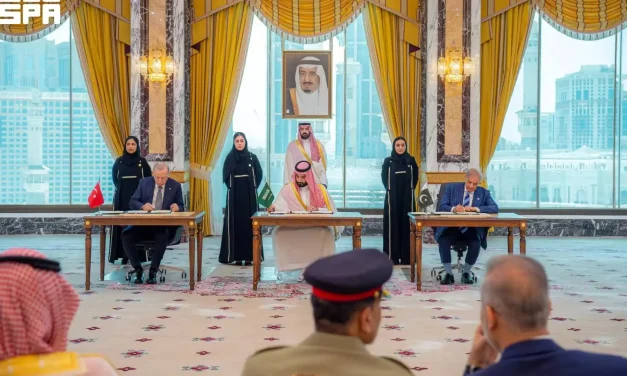
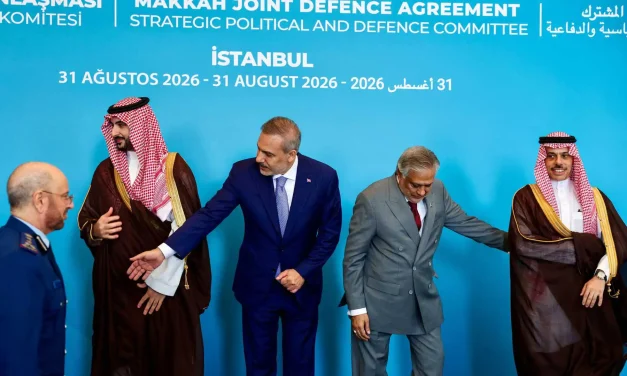
SCFR Online – Interview: The signing of the Makkah agreement between Saudi Arabia, Pakistan, and Turkey has raised questions about the future of the region’s security structure and the position of these countries in West Asian equations. Can this agreement become a genuine collective defense mechanism, or does it have more of a political and deterrent function than creating new military capacity?

Strategic Implications of the Reduction of US Weapons Stockpiles

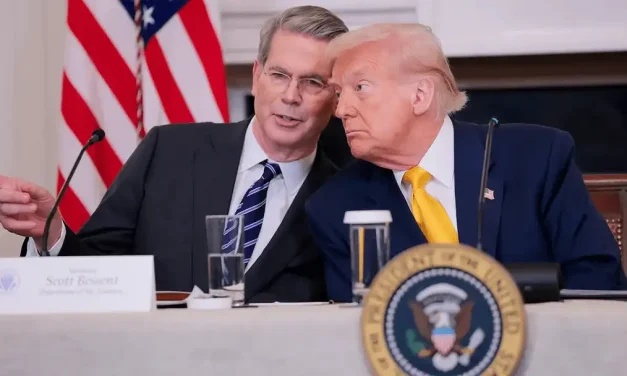
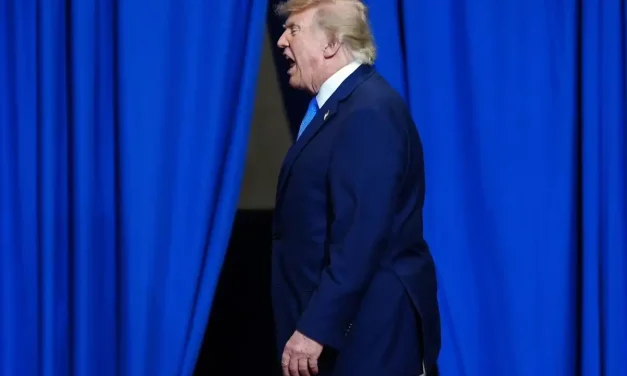
SCFR Online – Opinion: The continuation of the US war against Iran, in addition to increasing operational costs, has called into question the actual capacity of the American arsenal to simultaneously fulfill security commitments on multiple fronts; an issue that affects deterrence, defense production capacity, and Washington’s resource prioritization.

The Formation of a New Order in Relations Between Powers

SCFR Online – Opinion: The Russia-Ukraine war and the war of the United States and the Israeli regime against Iran have been formed with different objectives and actors, but field and political developments indicate that they are not entirely separate from one another.

An Analysis of the Makkah Defense Pact

SCFR Online – Opinion: On Friday, August 7, the heads of state of three countries – Saudi Arabia, Turkey, and Pakistan – signed a text under the title “Makkah Joint Defense Agreement.”

Dimensions and challenges of the initiative to revive the Hejaz Railway

Strategic Council Online – Note: The initiative to revive the Hejaz Railway, beyond being a transportation project, constitutes an attempt to redefine geopolitics, the economy, and Turkey’s regional position; however, its realization appears to face significant financial, security, and institutional challenges.

Loading

Balance of powers

An analysis of the expansion of nuclear cooperation between the United States and South Korea

An analysis of the expansion of nuclear cooperation between the United States and South Korea

Strategic Council Online—Opinion: The division of the Korean Peninsula after the end of World War II and the surrender of Japan in the 38-degree orbit was considered vital and strategic for the two superpowers of the bipolar world, but its endless costs and hardships, and its profound effects on the East Asian region still remain.
Hossein Sayyahi—Researcher of international politics

Causes & Consequences of China & Russia Confrontation versus the U.S. on Resolution against North Korea

Causes & Consequences of China & Russia Confrontation versus the U.S. on Resolution against North Korea

Strategic Council Online – Interview: An expert of international issues mentioned the reason why Russia and China did not accompany the West on North Korea’s ballistic and nuclear missiles because of security balance considerations and balance of power versus the West and said:” new circumstances in international system caused Russia and China to strategically distance from some of their principles”.

Two sides of the coin regarding the strengthening of British-Indian military and security cooperation

Two sides of the coin regarding the strengthening of British-Indian military and security cooperation

Strategic Council Online—Opinion: The news of the agreement to increase military cooperation between Britain and India has become an important issue in the international system; The agreement, according to British Prime Minister Boris Johnson, is aimed at expanding security and defense cooperation to achieve so-called peace and global security.
Hossein Sayyahi—Researcher of international affairs

Crisis in Russia-Ukraine Relations and Scenarios Ahead

Crisis in Russia-Ukraine Relations and Scenarios Ahead

Strategic Council Online – Opinion: Seven years after Russia’s military action against Ukraine in 2014 and annexation of the Crimean peninsula to the mainland Russia, the country’s recent military rally along the border with Ukraine and holding of numerous exercises by the two countries, once again has increased the likelihood of Russian military action against Ukraine.
Hossein Sayyahi – Researcher on international affairs

Dangers of Geopolitical Change in Caucasus; Importance of 3+3 Joint Consultations

Dangers of Geopolitical Change in Caucasus; Importance of 3+3 Joint Consultations

Strategic Council Online – Interview: A senior researcher at the Presidential Center for Strategic Studies saying that the Russians do not have a similar Iranian perception of the level of threat that would lead to fundamental geopolitical change in the Caucasus, noted: If the corridor sought by Turkey and the Republic of Azerbaijan is created by military action or threat, the balance of power in the region as a whole will change, and Russia will certainly suffer greatly.

Need to Be Vigilant towards Fragile Situation in Caucasus

Need to Be Vigilant towards Fragile Situation in Caucasus

Strategic Council Online – A senior researcher at the Presidential Center for Strategic Studies, referring to the fragile situation in the Caucasus, said that taking advantage of the post-Karabakh ceasefire agreement requires cooperation, integration and negotiations among countries in the region and raising issues such as establishing a military base in that region is not a path to lead to convergence and cooperation in the Caucasus region.

US Efforts to Extend Iran’s Arms Embargo and What We Should Do!

US Efforts to Extend Iran’s Arms Embargo and What We Should Do!

Strategic Council Online: Explaining the US efforts to release a UN Security Council resolution against Iran and activating the trigger mechanism, a university professor said: “A decisive response must be given to those who fully understand that their actions will not be without a cost, otherwise Biden’s victory in the presidential election would be more dangerous for Iran than Trump.”

Iranian Foreign Policy Facing a Test of Realism

Iranian Foreign Policy Facing a Test of Realism

Strategic Council Online: Given the US maximum pressure policy, the continuation of Iran’s policy of “neither talks nor war” is one of the instances that reflect a realistic approach in Tehran’s foreign policy.
Dr. Abdollah Moradi – University Professor and Defense and Security Analyst

أحدث الوظائف

Realities of the Tripartite Makkah Pact

SCFR Online – Interview: The signing of the Makkah agreement between Saudi Arabia, Pakistan, and Turkey has raised questions about the future of the region’s security structure and the position of these countries in West Asian equations. Can this agreement become a genuine collective defense mechanism, or does it have more of a political and deterrent function than creating new military capacity?

Strategic Implications of the Reduction of US Weapons Stockpiles

SCFR Online – Opinion: The continuation of the US war against Iran, in addition to increasing operational costs, has called into question the actual capacity of the American arsenal to simultaneously fulfill security commitments on multiple fronts; an issue that affects deterrence, defense production capacity, and Washington’s resource prioritization.

The Formation of a New Order in Relations Between Powers

SCFR Online – Opinion: The Russia-Ukraine war and the war of the United States and the Israeli regime against Iran have been formed with different objectives and actors, but field and political developments indicate that they are not entirely separate from one another.

An Analysis of the Makkah Defense Pact

SCFR Online – Opinion: On Friday, August 7, the heads of state of three countries – Saudi Arabia, Turkey, and Pakistan – signed a text under the title “Makkah Joint Defense Agreement.”

Dimensions and challenges of the initiative to revive the Hejaz Railway

Strategic Council Online – Note: The initiative to revive the Hejaz Railway, beyond being a transportation project, constitutes an attempt to redefine geopolitics, the economy, and Turkey’s regional position; however, its realization appears to face significant financial, security, and institutional challenges.

Loading

Balance of powers

An analysis of the expansion of nuclear cooperation between the United States and South Korea

An analysis of the expansion of nuclear cooperation between the United States and South Korea

Strategic Council Online—Opinion: The division of the Korean Peninsula after the end of World War II and the surrender of Japan in the 38-degree orbit was considered vital and strategic for the two superpowers of the bipolar world, but its endless costs and hardships, and its profound effects on the East Asian region still remain.
Hossein Sayyahi—Researcher of international politics

Causes & Consequences of China & Russia Confrontation versus the U.S. on Resolution against North Korea

Causes & Consequences of China & Russia Confrontation versus the U.S. on Resolution against North Korea

Strategic Council Online – Interview: An expert of international issues mentioned the reason why Russia and China did not accompany the West on North Korea’s ballistic and nuclear missiles because of security balance considerations and balance of power versus the West and said:” new circumstances in international system caused Russia and China to strategically distance from some of their principles”.

Two sides of the coin regarding the strengthening of British-Indian military and security cooperation

Two sides of the coin regarding the strengthening of British-Indian military and security cooperation

Strategic Council Online—Opinion: The news of the agreement to increase military cooperation between Britain and India has become an important issue in the international system; The agreement, according to British Prime Minister Boris Johnson, is aimed at expanding security and defense cooperation to achieve so-called peace and global security.
Hossein Sayyahi—Researcher of international affairs

Crisis in Russia-Ukraine Relations and Scenarios Ahead

Crisis in Russia-Ukraine Relations and Scenarios Ahead

Strategic Council Online – Opinion: Seven years after Russia’s military action against Ukraine in 2014 and annexation of the Crimean peninsula to the mainland Russia, the country’s recent military rally along the border with Ukraine and holding of numerous exercises by the two countries, once again has increased the likelihood of Russian military action against Ukraine.
Hossein Sayyahi – Researcher on international affairs

Dangers of Geopolitical Change in Caucasus; Importance of 3+3 Joint Consultations

Dangers of Geopolitical Change in Caucasus; Importance of 3+3 Joint Consultations

Strategic Council Online – Interview: A senior researcher at the Presidential Center for Strategic Studies saying that the Russians do not have a similar Iranian perception of the level of threat that would lead to fundamental geopolitical change in the Caucasus, noted: If the corridor sought by Turkey and the Republic of Azerbaijan is created by military action or threat, the balance of power in the region as a whole will change, and Russia will certainly suffer greatly.

Need to Be Vigilant towards Fragile Situation in Caucasus

Need to Be Vigilant towards Fragile Situation in Caucasus

Strategic Council Online – A senior researcher at the Presidential Center for Strategic Studies, referring to the fragile situation in the Caucasus, said that taking advantage of the post-Karabakh ceasefire agreement requires cooperation, integration and negotiations among countries in the region and raising issues such as establishing a military base in that region is not a path to lead to convergence and cooperation in the Caucasus region.

US Efforts to Extend Iran’s Arms Embargo and What We Should Do!

US Efforts to Extend Iran’s Arms Embargo and What We Should Do!

Strategic Council Online: Explaining the US efforts to release a UN Security Council resolution against Iran and activating the trigger mechanism, a university professor said: “A decisive response must be given to those who fully understand that their actions will not be without a cost, otherwise Biden’s victory in the presidential election would be more dangerous for Iran than Trump.”

Iranian Foreign Policy Facing a Test of Realism

Iranian Foreign Policy Facing a Test of Realism

Strategic Council Online: Given the US maximum pressure policy, the continuation of Iran’s policy of “neither talks nor war” is one of the instances that reflect a realistic approach in Tehran’s foreign policy.
Dr. Abdollah Moradi – University Professor and Defense and Security Analyst

Balance of powers

An analysis of the expansion of nuclear cooperation between the United States and South Korea

An analysis of the expansion of nuclear cooperation between the United States and South Korea

Strategic Council Online—Opinion: The division of the Korean Peninsula after the end of World War II and the surrender of Japan in the 38-degree orbit was considered vital and strategic for the two superpowers of the bipolar world, but its endless costs and hardships, and its profound effects on the East Asian region still remain.
Hossein Sayyahi—Researcher of international politics

Causes & Consequences of China & Russia Confrontation versus the U.S. on Resolution against North Korea

Causes & Consequences of China & Russia Confrontation versus the U.S. on Resolution against North Korea

Strategic Council Online – Interview: An expert of international issues mentioned the reason why Russia and China did not accompany the West on North Korea’s ballistic and nuclear missiles because of security balance considerations and balance of power versus the West and said:” new circumstances in international system caused Russia and China to strategically distance from some of their principles”.

Two sides of the coin regarding the strengthening of British-Indian military and security cooperation

Two sides of the coin regarding the strengthening of British-Indian military and security cooperation

Strategic Council Online—Opinion: The news of the agreement to increase military cooperation between Britain and India has become an important issue in the international system; The agreement, according to British Prime Minister Boris Johnson, is aimed at expanding security and defense cooperation to achieve so-called peace and global security.
Hossein Sayyahi—Researcher of international affairs

Crisis in Russia-Ukraine Relations and Scenarios Ahead

Crisis in Russia-Ukraine Relations and Scenarios Ahead

Strategic Council Online – Opinion: Seven years after Russia’s military action against Ukraine in 2014 and annexation of the Crimean peninsula to the mainland Russia, the country’s recent military rally along the border with Ukraine and holding of numerous exercises by the two countries, once again has increased the likelihood of Russian military action against Ukraine.
Hossein Sayyahi – Researcher on international affairs

Dangers of Geopolitical Change in Caucasus; Importance of 3+3 Joint Consultations

Dangers of Geopolitical Change in Caucasus; Importance of 3+3 Joint Consultations

Strategic Council Online – Interview: A senior researcher at the Presidential Center for Strategic Studies saying that the Russians do not have a similar Iranian perception of the level of threat that would lead to fundamental geopolitical change in the Caucasus, noted: If the corridor sought by Turkey and the Republic of Azerbaijan is created by military action or threat, the balance of power in the region as a whole will change, and Russia will certainly suffer greatly.

Need to Be Vigilant towards Fragile Situation in Caucasus

Need to Be Vigilant towards Fragile Situation in Caucasus

Strategic Council Online – A senior researcher at the Presidential Center for Strategic Studies, referring to the fragile situation in the Caucasus, said that taking advantage of the post-Karabakh ceasefire agreement requires cooperation, integration and negotiations among countries in the region and raising issues such as establishing a military base in that region is not a path to lead to convergence and cooperation in the Caucasus region.

US Efforts to Extend Iran’s Arms Embargo and What We Should Do!

US Efforts to Extend Iran’s Arms Embargo and What We Should Do!

Strategic Council Online: Explaining the US efforts to release a UN Security Council resolution against Iran and activating the trigger mechanism, a university professor said: “A decisive response must be given to those who fully understand that their actions will not be without a cost, otherwise Biden’s victory in the presidential election would be more dangerous for Iran than Trump.”

Iranian Foreign Policy Facing a Test of Realism

Iranian Foreign Policy Facing a Test of Realism

Strategic Council Online: Given the US maximum pressure policy, the continuation of Iran’s policy of “neither talks nor war” is one of the instances that reflect a realistic approach in Tehran’s foreign policy.
Dr. Abdollah Moradi – University Professor and Defense and Security Analyst

LATEST CONTENT

Realities of the Tripartite Makkah Pact

SCFR Online – Interview: The signing of the Makkah agreement between Saudi Arabia, Pakistan, and Turkey has raised questions about the future of the region’s security structure and the position of these countries in West Asian equations. Can this agreement become a genuine collective defense mechanism, or does it have more of a political and deterrent function than creating new military capacity?

Strategic Implications of the Reduction of US Weapons Stockpiles

SCFR Online – Opinion: The continuation of the US war against Iran, in addition to increasing operational costs, has called into question the actual capacity of the American arsenal to simultaneously fulfill security commitments on multiple fronts; an issue that affects deterrence, defense production capacity, and Washington’s resource prioritization.

The Formation of a New Order in Relations Between Powers

SCFR Online – Opinion: The Russia-Ukraine war and the war of the United States and the Israeli regime against Iran have been formed with different objectives and actors, but field and political developments indicate that they are not entirely separate from one another.

An Analysis of the Makkah Defense Pact

SCFR Online – Opinion: On Friday, August 7, the heads of state of three countries – Saudi Arabia, Turkey, and Pakistan – signed a text under the title “Makkah Joint Defense Agreement.”

Dimensions and challenges of the initiative to revive the Hejaz Railway

Strategic Council Online – Note: The initiative to revive the Hejaz Railway, beyond being a transportation project, constitutes an attempt to redefine geopolitics, the economy, and Turkey’s regional position; however, its realization appears to face significant financial, security, and institutional challenges.

Loading

Balance of powers

An analysis of the expansion of nuclear cooperation between the United States and South Korea

An analysis of the expansion of nuclear cooperation between the United States and South Korea

Strategic Council Online—Opinion: The division of the Korean Peninsula after the end of World War II and the surrender of Japan in the 38-degree orbit was considered vital and strategic for the two superpowers of the bipolar world, but its endless costs and hardships, and its profound effects on the East Asian region still remain.
Hossein Sayyahi—Researcher of international politics

Causes & Consequences of China & Russia Confrontation versus the U.S. on Resolution against North Korea

Causes & Consequences of China & Russia Confrontation versus the U.S. on Resolution against North Korea

Strategic Council Online – Interview: An expert of international issues mentioned the reason why Russia and China did not accompany the West on North Korea’s ballistic and nuclear missiles because of security balance considerations and balance of power versus the West and said:” new circumstances in international system caused Russia and China to strategically distance from some of their principles”.

Two sides of the coin regarding the strengthening of British-Indian military and security cooperation

Two sides of the coin regarding the strengthening of British-Indian military and security cooperation

Strategic Council Online—Opinion: The news of the agreement to increase military cooperation between Britain and India has become an important issue in the international system; The agreement, according to British Prime Minister Boris Johnson, is aimed at expanding security and defense cooperation to achieve so-called peace and global security.
Hossein Sayyahi—Researcher of international affairs

Crisis in Russia-Ukraine Relations and Scenarios Ahead

Crisis in Russia-Ukraine Relations and Scenarios Ahead

Strategic Council Online – Opinion: Seven years after Russia’s military action against Ukraine in 2014 and annexation of the Crimean peninsula to the mainland Russia, the country’s recent military rally along the border with Ukraine and holding of numerous exercises by the two countries, once again has increased the likelihood of Russian military action against Ukraine.
Hossein Sayyahi – Researcher on international affairs

Dangers of Geopolitical Change in Caucasus; Importance of 3+3 Joint Consultations

Dangers of Geopolitical Change in Caucasus; Importance of 3+3 Joint Consultations

Strategic Council Online – Interview: A senior researcher at the Presidential Center for Strategic Studies saying that the Russians do not have a similar Iranian perception of the level of threat that would lead to fundamental geopolitical change in the Caucasus, noted: If the corridor sought by Turkey and the Republic of Azerbaijan is created by military action or threat, the balance of power in the region as a whole will change, and Russia will certainly suffer greatly.

Need to Be Vigilant towards Fragile Situation in Caucasus

Need to Be Vigilant towards Fragile Situation in Caucasus

Strategic Council Online – A senior researcher at the Presidential Center for Strategic Studies, referring to the fragile situation in the Caucasus, said that taking advantage of the post-Karabakh ceasefire agreement requires cooperation, integration and negotiations among countries in the region and raising issues such as establishing a military base in that region is not a path to lead to convergence and cooperation in the Caucasus region.

US Efforts to Extend Iran’s Arms Embargo and What We Should Do!

US Efforts to Extend Iran’s Arms Embargo and What We Should Do!

Strategic Council Online: Explaining the US efforts to release a UN Security Council resolution against Iran and activating the trigger mechanism, a university professor said: “A decisive response must be given to those who fully understand that their actions will not be without a cost, otherwise Biden’s victory in the presidential election would be more dangerous for Iran than Trump.”

Iranian Foreign Policy Facing a Test of Realism

Iranian Foreign Policy Facing a Test of Realism

Strategic Council Online: Given the US maximum pressure policy, the continuation of Iran’s policy of “neither talks nor war” is one of the instances that reflect a realistic approach in Tehran’s foreign policy.
Dr. Abdollah Moradi – University Professor and Defense and Security Analyst

ÚLTIMAS PUBLICACIONES

Realities of the Tripartite Makkah Pact

SCFR Online – Interview: The signing of the Makkah agreement between Saudi Arabia, Pakistan, and Turkey has raised questions about the future of the region’s security structure and the position of these countries in West Asian equations. Can this agreement become a genuine collective defense mechanism, or does it have more of a political and deterrent function than creating new military capacity?

Strategic Implications of the Reduction of US Weapons Stockpiles

SCFR Online – Opinion: The continuation of the US war against Iran, in addition to increasing operational costs, has called into question the actual capacity of the American arsenal to simultaneously fulfill security commitments on multiple fronts; an issue that affects deterrence, defense production capacity, and Washington’s resource prioritization.

The Formation of a New Order in Relations Between Powers

SCFR Online – Opinion: The Russia-Ukraine war and the war of the United States and the Israeli regime against Iran have been formed with different objectives and actors, but field and political developments indicate that they are not entirely separate from one another.

An Analysis of the Makkah Defense Pact

SCFR Online – Opinion: On Friday, August 7, the heads of state of three countries – Saudi Arabia, Turkey, and Pakistan – signed a text under the title “Makkah Joint Defense Agreement.”

Dimensions and challenges of the initiative to revive the Hejaz Railway

Strategic Council Online – Note: The initiative to revive the Hejaz Railway, beyond being a transportation project, constitutes an attempt to redefine geopolitics, the economy, and Turkey’s regional position; however, its realization appears to face significant financial, security, and institutional challenges.

Loading

Balance of powers

An analysis of the expansion of nuclear cooperation between the United States and South Korea

An analysis of the expansion of nuclear cooperation between the United States and South Korea

Strategic Council Online—Opinion: The division of the Korean Peninsula after the end of World War II and the surrender of Japan in the 38-degree orbit was considered vital and strategic for the two superpowers of the bipolar world, but its endless costs and hardships, and its profound effects on the East Asian region still remain.
Hossein Sayyahi—Researcher of international politics

Causes & Consequences of China & Russia Confrontation versus the U.S. on Resolution against North Korea

Causes & Consequences of China & Russia Confrontation versus the U.S. on Resolution against North Korea

Strategic Council Online – Interview: An expert of international issues mentioned the reason why Russia and China did not accompany the West on North Korea’s ballistic and nuclear missiles because of security balance considerations and balance of power versus the West and said:” new circumstances in international system caused Russia and China to strategically distance from some of their principles”.

Two sides of the coin regarding the strengthening of British-Indian military and security cooperation

Two sides of the coin regarding the strengthening of British-Indian military and security cooperation

Strategic Council Online—Opinion: The news of the agreement to increase military cooperation between Britain and India has become an important issue in the international system; The agreement, according to British Prime Minister Boris Johnson, is aimed at expanding security and defense cooperation to achieve so-called peace and global security.
Hossein Sayyahi—Researcher of international affairs

Crisis in Russia-Ukraine Relations and Scenarios Ahead

Crisis in Russia-Ukraine Relations and Scenarios Ahead

Strategic Council Online – Opinion: Seven years after Russia’s military action against Ukraine in 2014 and annexation of the Crimean peninsula to the mainland Russia, the country’s recent military rally along the border with Ukraine and holding of numerous exercises by the two countries, once again has increased the likelihood of Russian military action against Ukraine.
Hossein Sayyahi – Researcher on international affairs

Dangers of Geopolitical Change in Caucasus; Importance of 3+3 Joint Consultations

Dangers of Geopolitical Change in Caucasus; Importance of 3+3 Joint Consultations

Strategic Council Online – Interview: A senior researcher at the Presidential Center for Strategic Studies saying that the Russians do not have a similar Iranian perception of the level of threat that would lead to fundamental geopolitical change in the Caucasus, noted: If the corridor sought by Turkey and the Republic of Azerbaijan is created by military action or threat, the balance of power in the region as a whole will change, and Russia will certainly suffer greatly.

Need to Be Vigilant towards Fragile Situation in Caucasus

Need to Be Vigilant towards Fragile Situation in Caucasus

Strategic Council Online – A senior researcher at the Presidential Center for Strategic Studies, referring to the fragile situation in the Caucasus, said that taking advantage of the post-Karabakh ceasefire agreement requires cooperation, integration and negotiations among countries in the region and raising issues such as establishing a military base in that region is not a path to lead to convergence and cooperation in the Caucasus region.

US Efforts to Extend Iran’s Arms Embargo and What We Should Do!

US Efforts to Extend Iran’s Arms Embargo and What We Should Do!

Strategic Council Online: Explaining the US efforts to release a UN Security Council resolution against Iran and activating the trigger mechanism, a university professor said: “A decisive response must be given to those who fully understand that their actions will not be without a cost, otherwise Biden’s victory in the presidential election would be more dangerous for Iran than Trump.”

Iranian Foreign Policy Facing a Test of Realism

Iranian Foreign Policy Facing a Test of Realism

Strategic Council Online: Given the US maximum pressure policy, the continuation of Iran’s policy of “neither talks nor war” is one of the instances that reflect a realistic approach in Tehran’s foreign policy.
Dr. Abdollah Moradi – University Professor and Defense and Security Analyst

ÚLTIMAS PUBLICACIONES

Realities of the Tripartite Makkah Pact

SCFR Online – Interview: The signing of the Makkah agreement between Saudi Arabia, Pakistan, and Turkey has raised questions about the future of the region’s security structure and the position of these countries in West Asian equations. Can this agreement become a genuine collective defense mechanism, or does it have more of a political and deterrent function than creating new military capacity?

Strategic Implications of the Reduction of US Weapons Stockpiles

SCFR Online – Opinion: The continuation of the US war against Iran, in addition to increasing operational costs, has called into question the actual capacity of the American arsenal to simultaneously fulfill security commitments on multiple fronts; an issue that affects deterrence, defense production capacity, and Washington’s resource prioritization.

The Formation of a New Order in Relations Between Powers

SCFR Online – Opinion: The Russia-Ukraine war and the war of the United States and the Israeli regime against Iran have been formed with different objectives and actors, but field and political developments indicate that they are not entirely separate from one another.

An Analysis of the Makkah Defense Pact

SCFR Online – Opinion: On Friday, August 7, the heads of state of three countries – Saudi Arabia, Turkey, and Pakistan – signed a text under the title “Makkah Joint Defense Agreement.”

Dimensions and challenges of the initiative to revive the Hejaz Railway

Strategic Council Online – Note: The initiative to revive the Hejaz Railway, beyond being a transportation project, constitutes an attempt to redefine geopolitics, the economy, and Turkey’s regional position; however, its realization appears to face significant financial, security, and institutional challenges.

Loading

Balance of powers

An analysis of the expansion of nuclear cooperation between the United States and South Korea

An analysis of the expansion of nuclear cooperation between the United States and South Korea

Strategic Council Online—Opinion: The division of the Korean Peninsula after the end of World War II and the surrender of Japan in the 38-degree orbit was considered vital and strategic for the two superpowers of the bipolar world, but its endless costs and hardships, and its profound effects on the East Asian region still remain.
Hossein Sayyahi—Researcher of international politics

Causes & Consequences of China & Russia Confrontation versus the U.S. on Resolution against North Korea

Causes & Consequences of China & Russia Confrontation versus the U.S. on Resolution against North Korea

Strategic Council Online – Interview: An expert of international issues mentioned the reason why Russia and China did not accompany the West on North Korea’s ballistic and nuclear missiles because of security balance considerations and balance of power versus the West and said:” new circumstances in international system caused Russia and China to strategically distance from some of their principles”.

Two sides of the coin regarding the strengthening of British-Indian military and security cooperation

Two sides of the coin regarding the strengthening of British-Indian military and security cooperation

Strategic Council Online—Opinion: The news of the agreement to increase military cooperation between Britain and India has become an important issue in the international system; The agreement, according to British Prime Minister Boris Johnson, is aimed at expanding security and defense cooperation to achieve so-called peace and global security.
Hossein Sayyahi—Researcher of international affairs

Crisis in Russia-Ukraine Relations and Scenarios Ahead

Crisis in Russia-Ukraine Relations and Scenarios Ahead

Strategic Council Online – Opinion: Seven years after Russia’s military action against Ukraine in 2014 and annexation of the Crimean peninsula to the mainland Russia, the country’s recent military rally along the border with Ukraine and holding of numerous exercises by the two countries, once again has increased the likelihood of Russian military action against Ukraine.
Hossein Sayyahi – Researcher on international affairs

Dangers of Geopolitical Change in Caucasus; Importance of 3+3 Joint Consultations

Dangers of Geopolitical Change in Caucasus; Importance of 3+3 Joint Consultations

Strategic Council Online – Interview: A senior researcher at the Presidential Center for Strategic Studies saying that the Russians do not have a similar Iranian perception of the level of threat that would lead to fundamental geopolitical change in the Caucasus, noted: If the corridor sought by Turkey and the Republic of Azerbaijan is created by military action or threat, the balance of power in the region as a whole will change, and Russia will certainly suffer greatly.

Need to Be Vigilant towards Fragile Situation in Caucasus

Need to Be Vigilant towards Fragile Situation in Caucasus

Strategic Council Online – A senior researcher at the Presidential Center for Strategic Studies, referring to the fragile situation in the Caucasus, said that taking advantage of the post-Karabakh ceasefire agreement requires cooperation, integration and negotiations among countries in the region and raising issues such as establishing a military base in that region is not a path to lead to convergence and cooperation in the Caucasus region.

US Efforts to Extend Iran’s Arms Embargo and What We Should Do!

US Efforts to Extend Iran’s Arms Embargo and What We Should Do!

Strategic Council Online: Explaining the US efforts to release a UN Security Council resolution against Iran and activating the trigger mechanism, a university professor said: “A decisive response must be given to those who fully understand that their actions will not be without a cost, otherwise Biden’s victory in the presidential election would be more dangerous for Iran than Trump.”

Iranian Foreign Policy Facing a Test of Realism

Iranian Foreign Policy Facing a Test of Realism

Strategic Council Online: Given the US maximum pressure policy, the continuation of Iran’s policy of “neither talks nor war” is one of the instances that reflect a realistic approach in Tehran’s foreign policy.
Dr. Abdollah Moradi – University Professor and Defense and Security Analyst

ÚLTIMAS PUBLICACIONES

Realities of the Tripartite Makkah Pact

SCFR Online – Interview: The signing of the Makkah agreement between Saudi Arabia, Pakistan, and Turkey has raised questions about the future of the region’s security structure and the position of these countries in West Asian equations. Can this agreement become a genuine collective defense mechanism, or does it have more of a political and deterrent function than creating new military capacity?

Strategic Implications of the Reduction of US Weapons Stockpiles

SCFR Online – Opinion: The continuation of the US war against Iran, in addition to increasing operational costs, has called into question the actual capacity of the American arsenal to simultaneously fulfill security commitments on multiple fronts; an issue that affects deterrence, defense production capacity, and Washington’s resource prioritization.

The Formation of a New Order in Relations Between Powers

SCFR Online – Opinion: The Russia-Ukraine war and the war of the United States and the Israeli regime against Iran have been formed with different objectives and actors, but field and political developments indicate that they are not entirely separate from one another.

An Analysis of the Makkah Defense Pact

SCFR Online – Opinion: On Friday, August 7, the heads of state of three countries – Saudi Arabia, Turkey, and Pakistan – signed a text under the title “Makkah Joint Defense Agreement.”

Dimensions and challenges of the initiative to revive the Hejaz Railway

Strategic Council Online – Note: The initiative to revive the Hejaz Railway, beyond being a transportation project, constitutes an attempt to redefine geopolitics, the economy, and Turkey’s regional position; however, its realization appears to face significant financial, security, and institutional challenges.

Loading

Balance of powers

An analysis of the expansion of nuclear cooperation between the United States and South Korea

An analysis of the expansion of nuclear cooperation between the United States and South Korea

Strategic Council Online—Opinion: The division of the Korean Peninsula after the end of World War II and the surrender of Japan in the 38-degree orbit was considered vital and strategic for the two superpowers of the bipolar world, but its endless costs and hardships, and its profound effects on the East Asian region still remain.
Hossein Sayyahi—Researcher of international politics

Causes & Consequences of China & Russia Confrontation versus the U.S. on Resolution against North Korea

Causes & Consequences of China & Russia Confrontation versus the U.S. on Resolution against North Korea

Strategic Council Online – Interview: An expert of international issues mentioned the reason why Russia and China did not accompany the West on North Korea’s ballistic and nuclear missiles because of security balance considerations and balance of power versus the West and said:” new circumstances in international system caused Russia and China to strategically distance from some of their principles”.

Two sides of the coin regarding the strengthening of British-Indian military and security cooperation

Two sides of the coin regarding the strengthening of British-Indian military and security cooperation

Strategic Council Online—Opinion: The news of the agreement to increase military cooperation between Britain and India has become an important issue in the international system; The agreement, according to British Prime Minister Boris Johnson, is aimed at expanding security and defense cooperation to achieve so-called peace and global security.
Hossein Sayyahi—Researcher of international affairs

Crisis in Russia-Ukraine Relations and Scenarios Ahead

Crisis in Russia-Ukraine Relations and Scenarios Ahead

Strategic Council Online – Opinion: Seven years after Russia’s military action against Ukraine in 2014 and annexation of the Crimean peninsula to the mainland Russia, the country’s recent military rally along the border with Ukraine and holding of numerous exercises by the two countries, once again has increased the likelihood of Russian military action against Ukraine.
Hossein Sayyahi – Researcher on international affairs

Dangers of Geopolitical Change in Caucasus; Importance of 3+3 Joint Consultations

Dangers of Geopolitical Change in Caucasus; Importance of 3+3 Joint Consultations

Strategic Council Online – Interview: A senior researcher at the Presidential Center for Strategic Studies saying that the Russians do not have a similar Iranian perception of the level of threat that would lead to fundamental geopolitical change in the Caucasus, noted: If the corridor sought by Turkey and the Republic of Azerbaijan is created by military action or threat, the balance of power in the region as a whole will change, and Russia will certainly suffer greatly.

Need to Be Vigilant towards Fragile Situation in Caucasus

Need to Be Vigilant towards Fragile Situation in Caucasus

Strategic Council Online – A senior researcher at the Presidential Center for Strategic Studies, referring to the fragile situation in the Caucasus, said that taking advantage of the post-Karabakh ceasefire agreement requires cooperation, integration and negotiations among countries in the region and raising issues such as establishing a military base in that region is not a path to lead to convergence and cooperation in the Caucasus region.

US Efforts to Extend Iran’s Arms Embargo and What We Should Do!

US Efforts to Extend Iran’s Arms Embargo and What We Should Do!

Strategic Council Online: Explaining the US efforts to release a UN Security Council resolution against Iran and activating the trigger mechanism, a university professor said: “A decisive response must be given to those who fully understand that their actions will not be without a cost, otherwise Biden’s victory in the presidential election would be more dangerous for Iran than Trump.”

Iranian Foreign Policy Facing a Test of Realism

Iranian Foreign Policy Facing a Test of Realism

Strategic Council Online: Given the US maximum pressure policy, the continuation of Iran’s policy of “neither talks nor war” is one of the instances that reflect a realistic approach in Tehran’s foreign policy.
Dr. Abdollah Moradi – University Professor and Defense and Security Analyst

ÚLTIMAS PUBLICACIONES

Realities of the Tripartite Makkah Pact

SCFR Online – Interview: The signing of the Makkah agreement between Saudi Arabia, Pakistan, and Turkey has raised questions about the future of the region’s security structure and the position of these countries in West Asian equations. Can this agreement become a genuine collective defense mechanism, or does it have more of a political and deterrent function than creating new military capacity?

Strategic Implications of the Reduction of US Weapons Stockpiles

SCFR Online – Opinion: The continuation of the US war against Iran, in addition to increasing operational costs, has called into question the actual capacity of the American arsenal to simultaneously fulfill security commitments on multiple fronts; an issue that affects deterrence, defense production capacity, and Washington’s resource prioritization.

The Formation of a New Order in Relations Between Powers

SCFR Online – Opinion: The Russia-Ukraine war and the war of the United States and the Israeli regime against Iran have been formed with different objectives and actors, but field and political developments indicate that they are not entirely separate from one another.

An Analysis of the Makkah Defense Pact

SCFR Online – Opinion: On Friday, August 7, the heads of state of three countries – Saudi Arabia, Turkey, and Pakistan – signed a text under the title “Makkah Joint Defense Agreement.”

Dimensions and challenges of the initiative to revive the Hejaz Railway

Strategic Council Online – Note: The initiative to revive the Hejaz Railway, beyond being a transportation project, constitutes an attempt to redefine geopolitics, the economy, and Turkey’s regional position; however, its realization appears to face significant financial, security, and institutional challenges.

Loading