An Analysis of the Makkah Defense Pact
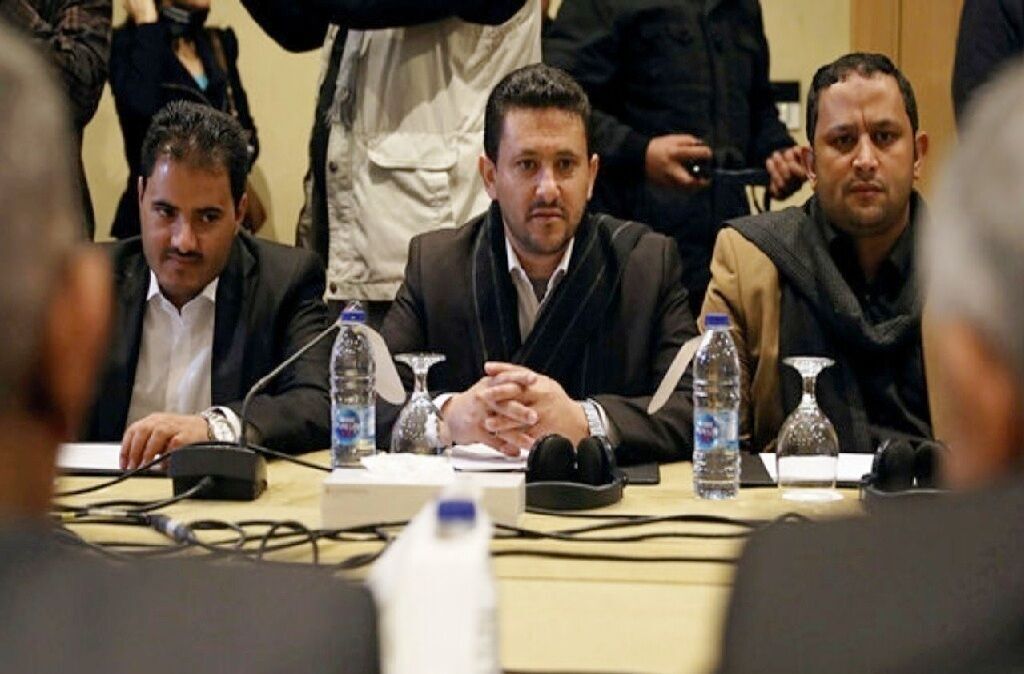
SCFR Online – Opinion: On Friday, August 7, the heads of state of three countries – Saudi Arabia, Turkey, and Pakistan – signed a text under the title “Makkah Joint Defense Agreement.”
Strategic Council Online – Note: The initiative to revive the Hejaz Railway, beyond being a transportation project, constitutes an attempt to redefine geopolitics, the economy, and Turkey’s regional position; however, its realization appears to face significant financial, security, and institutional challenges.
SCFR Online – Opinion: The Strait of Hormuz crisis is no longer merely the consequence of a military confrontation, but rather a sign of the transition from the US-centered maritime order to a new energy security structure involving the participation of emerging and influential powers.
SCFR Online – Opinion: Iran’s active deterrence strategy, while increasing the costs of US intervention, has increasingly exposed the hidden rifts between Washington’s interests and those of the Israeli regime.
SCFR Online – Opinion: The escalation of verbal and strategic tensions between Turkey and the Israeli regime, although not increasing the likelihood of direct war, indicates the formation of a new order in West Asian geopolitical rivalries.
Strategic Council Online – Note: Recent developments in the political geography of West Asia, from rising tensions in the Persian Gulf to missile and drone activities in the Red Sea and the recent warning by Kaja Kallas, the European Union’s foreign policy chief, regarding the threat to freedom of navigation, indicate a key pattern shift; the US-Iran war has moved beyond the scope of a regional and local confrontation and has linked two vital passageways for the global economy: the Strait of Hormuz and the Bab el-Mandeb Strait.
SCFR Online – Opinion: The Ukraine war was not merely a European crisis, but rather the starting point for the rearrangement of the global balance of power and a shift in the strategic behavior of great powers.
SCFR Online – Opinion: Great power competition is now pursued more in trade, currency, technology, and global supply chains than on the battlefields of military confrontation.
Strategic Council Online – Opinion: The recent meeting of the Arab League in Jeddah had two “main differences” from previous meetings; first, the presence of Syrian President Bashar Assad, and second, the speech delivered by Ukrainian President Zelensky at the Summit.
Hamid Khoshayand – Expert on regional affairs
Strategic Council Online – Interview: An analyst of West Asia affairs, saying that Saudi Arabia, while trying to reduce tensions with countries in the region, is reconsidering its foreign policy, noted: Under the current situation, internal issues and proclamation of the monarchy have gained more importance for Mohammad bin Salman, and we are witnessing more defensive policy on the part of Saudi Arabia..
Strategic Council Online- Opinion: Regional tour of Mohammad Bin Salman to five countries of Oman, Bahrain, UAE, Kuwait and Qatar (Persian Gulf Cooperation Council members) is considered to be the most important political, economic and security momentum of the Crown Prince of Saudi Arabia in the last days of 2021. It is also interpreted as a remedial measure for fragile situation of Saudis at the regional and world levels. It should be noted that one of the objectives of Mohammad Bin Salman was to consult with the authorities of littoral Arab states of Persian Gulf and to make a consensus to confront some of the regional as well as the global issues such as Yemen, Iran, JCPOA revival, etc.
Hamid Khoshayand, Expert of Regional Issues
Strategic Council Online – An expert on Zionist regime’s affairs, stating that it is not clear if the new coalition government in the Zionist regime can last up to about six months and that it has a low degree of resilience, said: The Netanyahu-Bin Zayed-Bin Salman bloc has practically disintegrated, and it looks like we will have a weaker Israel in the regional equation.
Strategic Council Online – An expert on the Middle East affairs, referring to the effects of the Islamic Republic of Iran’s strategic resistance to US maximum pressure, cited the weakening of the position of Mohammed bin Salman and Benjamin Netanyahu and the improvement of Axis of Resistance in the region as examples of the effects of this resistance.
Strategic Council Online—Editorial: Bloomberg recently published a report on the end of remarkable growth in the production of shale oil by the United States; of course, the reduction of shale oil production is not a new phenomenon. It actually began several months ago. However, the recent report indicates a rapid reduction at a level some analysts cannot envisage a growth in the shale oil production even for the year 2023.
Reza Majidzadeh-Economics researcher
Online Strategic Council—Interview: An expert of Middle Eastern affairs says the recent visits by the US Foreign Secretary Mike Pompeo to the occupied Palestine, Saudi Arabia, Qatar and the United Arab Emirates are merely aiming to create a united Arab front against the Islamic Republic of Iran and the resistance front in the Middle East.
Strategic Council Online – A former Iranian diplomat emphasized that Saudi Arabia despite its interventions and tension generation in its neighbouring countries, as well as disturbing the regional and international stability is not accountable. He said: If a country with this amount of direct political and military intervention one day gains more power and becomes nuclear, it will cause great tragedy that will destroy the region.
Strategic Council Online: An expert on Middle East affairs citing the global outbreak of the corona crisis, as well as the news on the arrest and restriction of the Saudi Crown Prince’s opponents under the pretext of quarantine, said: Bin Salman has tried to take advantage of the conditions caused by the coronavirus and eliminate his opponents. Re-adoption of conservative policies after a round of unsuccessful experience with political ambitions seems to put Saudi Arabia more focused on the economy. Accordingly, such an atmosphere could pave the way for greater engagement with Iran
Strategic Council Online: Given the recent divergence in Saudi political power system and the opposition of some influential Saudi princes to Mohammed bin Salman’s military strategies, the prolongation of the Yemeni war could intensify competition within the kingdom.
Davoud Ahmadzadeh – Middle East affairs expert
SCFR Online – Opinion: On Friday, August 7, the heads of state of three countries – Saudi Arabia, Turkey, and Pakistan – signed a text under the title “Makkah Joint Defense Agreement.”
Strategic Council Online – Note: The initiative to revive the Hejaz Railway, beyond being a transportation project, constitutes an attempt to redefine geopolitics, the economy, and Turkey’s regional position; however, its realization appears to face significant financial, security, and institutional challenges.
SCFR Online – Opinion: The Strait of Hormuz crisis is no longer merely the consequence of a military confrontation, but rather a sign of the transition from the US-centered maritime order to a new energy security structure involving the participation of emerging and influential powers.
SCFR Online – Opinion: Iran’s active deterrence strategy, while increasing the costs of US intervention, has increasingly exposed the hidden rifts between Washington’s interests and those of the Israeli regime.
SCFR Online – Opinion: The escalation of verbal and strategic tensions between Turkey and the Israeli regime, although not increasing the likelihood of direct war, indicates the formation of a new order in West Asian geopolitical rivalries.
Strategic Council Online – Note: Recent developments in the political geography of West Asia, from rising tensions in the Persian Gulf to missile and drone activities in the Red Sea and the recent warning by Kaja Kallas, the European Union’s foreign policy chief, regarding the threat to freedom of navigation, indicate a key pattern shift; the US-Iran war has moved beyond the scope of a regional and local confrontation and has linked two vital passageways for the global economy: the Strait of Hormuz and the Bab el-Mandeb Strait.
SCFR Online – Opinion: The Ukraine war was not merely a European crisis, but rather the starting point for the rearrangement of the global balance of power and a shift in the strategic behavior of great powers.
SCFR Online – Opinion: Great power competition is now pursued more in trade, currency, technology, and global supply chains than on the battlefields of military confrontation.
Strategic Council Online – Opinion: The recent meeting of the Arab League in Jeddah had two “main differences” from previous meetings; first, the presence of Syrian President Bashar Assad, and second, the speech delivered by Ukrainian President Zelensky at the Summit.
Hamid Khoshayand – Expert on regional affairs
Strategic Council Online – Interview: An analyst of West Asia affairs, saying that Saudi Arabia, while trying to reduce tensions with countries in the region, is reconsidering its foreign policy, noted: Under the current situation, internal issues and proclamation of the monarchy have gained more importance for Mohammad bin Salman, and we are witnessing more defensive policy on the part of Saudi Arabia..
Strategic Council Online- Opinion: Regional tour of Mohammad Bin Salman to five countries of Oman, Bahrain, UAE, Kuwait and Qatar (Persian Gulf Cooperation Council members) is considered to be the most important political, economic and security momentum of the Crown Prince of Saudi Arabia in the last days of 2021. It is also interpreted as a remedial measure for fragile situation of Saudis at the regional and world levels. It should be noted that one of the objectives of Mohammad Bin Salman was to consult with the authorities of littoral Arab states of Persian Gulf and to make a consensus to confront some of the regional as well as the global issues such as Yemen, Iran, JCPOA revival, etc.
Hamid Khoshayand, Expert of Regional Issues
Strategic Council Online – An expert on Zionist regime’s affairs, stating that it is not clear if the new coalition government in the Zionist regime can last up to about six months and that it has a low degree of resilience, said: The Netanyahu-Bin Zayed-Bin Salman bloc has practically disintegrated, and it looks like we will have a weaker Israel in the regional equation.
Strategic Council Online – An expert on the Middle East affairs, referring to the effects of the Islamic Republic of Iran’s strategic resistance to US maximum pressure, cited the weakening of the position of Mohammed bin Salman and Benjamin Netanyahu and the improvement of Axis of Resistance in the region as examples of the effects of this resistance.
Strategic Council Online—Editorial: Bloomberg recently published a report on the end of remarkable growth in the production of shale oil by the United States; of course, the reduction of shale oil production is not a new phenomenon. It actually began several months ago. However, the recent report indicates a rapid reduction at a level some analysts cannot envisage a growth in the shale oil production even for the year 2023.
Reza Majidzadeh-Economics researcher
Online Strategic Council—Interview: An expert of Middle Eastern affairs says the recent visits by the US Foreign Secretary Mike Pompeo to the occupied Palestine, Saudi Arabia, Qatar and the United Arab Emirates are merely aiming to create a united Arab front against the Islamic Republic of Iran and the resistance front in the Middle East.
Strategic Council Online – A former Iranian diplomat emphasized that Saudi Arabia despite its interventions and tension generation in its neighbouring countries, as well as disturbing the regional and international stability is not accountable. He said: If a country with this amount of direct political and military intervention one day gains more power and becomes nuclear, it will cause great tragedy that will destroy the region.
Strategic Council Online: An expert on Middle East affairs citing the global outbreak of the corona crisis, as well as the news on the arrest and restriction of the Saudi Crown Prince’s opponents under the pretext of quarantine, said: Bin Salman has tried to take advantage of the conditions caused by the coronavirus and eliminate his opponents. Re-adoption of conservative policies after a round of unsuccessful experience with political ambitions seems to put Saudi Arabia more focused on the economy. Accordingly, such an atmosphere could pave the way for greater engagement with Iran
Strategic Council Online: Given the recent divergence in Saudi political power system and the opposition of some influential Saudi princes to Mohammed bin Salman’s military strategies, the prolongation of the Yemeni war could intensify competition within the kingdom.
Davoud Ahmadzadeh – Middle East affairs expert
Strategic Council Online – Opinion: The recent meeting of the Arab League in Jeddah had two “main differences” from previous meetings; first, the presence of Syrian President Bashar Assad, and second, the speech delivered by Ukrainian President Zelensky at the Summit.
Hamid Khoshayand – Expert on regional affairs
Strategic Council Online – Interview: An analyst of West Asia affairs, saying that Saudi Arabia, while trying to reduce tensions with countries in the region, is reconsidering its foreign policy, noted: Under the current situation, internal issues and proclamation of the monarchy have gained more importance for Mohammad bin Salman, and we are witnessing more defensive policy on the part of Saudi Arabia..
Strategic Council Online- Opinion: Regional tour of Mohammad Bin Salman to five countries of Oman, Bahrain, UAE, Kuwait and Qatar (Persian Gulf Cooperation Council members) is considered to be the most important political, economic and security momentum of the Crown Prince of Saudi Arabia in the last days of 2021. It is also interpreted as a remedial measure for fragile situation of Saudis at the regional and world levels. It should be noted that one of the objectives of Mohammad Bin Salman was to consult with the authorities of littoral Arab states of Persian Gulf and to make a consensus to confront some of the regional as well as the global issues such as Yemen, Iran, JCPOA revival, etc.
Hamid Khoshayand, Expert of Regional Issues
Strategic Council Online – An expert on Zionist regime’s affairs, stating that it is not clear if the new coalition government in the Zionist regime can last up to about six months and that it has a low degree of resilience, said: The Netanyahu-Bin Zayed-Bin Salman bloc has practically disintegrated, and it looks like we will have a weaker Israel in the regional equation.
Strategic Council Online – An expert on the Middle East affairs, referring to the effects of the Islamic Republic of Iran’s strategic resistance to US maximum pressure, cited the weakening of the position of Mohammed bin Salman and Benjamin Netanyahu and the improvement of Axis of Resistance in the region as examples of the effects of this resistance.
Strategic Council Online—Editorial: Bloomberg recently published a report on the end of remarkable growth in the production of shale oil by the United States; of course, the reduction of shale oil production is not a new phenomenon. It actually began several months ago. However, the recent report indicates a rapid reduction at a level some analysts cannot envisage a growth in the shale oil production even for the year 2023.
Reza Majidzadeh-Economics researcher
Online Strategic Council—Interview: An expert of Middle Eastern affairs says the recent visits by the US Foreign Secretary Mike Pompeo to the occupied Palestine, Saudi Arabia, Qatar and the United Arab Emirates are merely aiming to create a united Arab front against the Islamic Republic of Iran and the resistance front in the Middle East.
Strategic Council Online – A former Iranian diplomat emphasized that Saudi Arabia despite its interventions and tension generation in its neighbouring countries, as well as disturbing the regional and international stability is not accountable. He said: If a country with this amount of direct political and military intervention one day gains more power and becomes nuclear, it will cause great tragedy that will destroy the region.
Strategic Council Online: An expert on Middle East affairs citing the global outbreak of the corona crisis, as well as the news on the arrest and restriction of the Saudi Crown Prince’s opponents under the pretext of quarantine, said: Bin Salman has tried to take advantage of the conditions caused by the coronavirus and eliminate his opponents. Re-adoption of conservative policies after a round of unsuccessful experience with political ambitions seems to put Saudi Arabia more focused on the economy. Accordingly, such an atmosphere could pave the way for greater engagement with Iran
Strategic Council Online: Given the recent divergence in Saudi political power system and the opposition of some influential Saudi princes to Mohammed bin Salman’s military strategies, the prolongation of the Yemeni war could intensify competition within the kingdom.
Davoud Ahmadzadeh – Middle East affairs expert
SCFR Online – Opinion: On Friday, August 7, the heads of state of three countries – Saudi Arabia, Turkey, and Pakistan – signed a text under the title “Makkah Joint Defense Agreement.”
Strategic Council Online – Note: The initiative to revive the Hejaz Railway, beyond being a transportation project, constitutes an attempt to redefine geopolitics, the economy, and Turkey’s regional position; however, its realization appears to face significant financial, security, and institutional challenges.
SCFR Online – Opinion: The Strait of Hormuz crisis is no longer merely the consequence of a military confrontation, but rather a sign of the transition from the US-centered maritime order to a new energy security structure involving the participation of emerging and influential powers.
SCFR Online – Opinion: Iran’s active deterrence strategy, while increasing the costs of US intervention, has increasingly exposed the hidden rifts between Washington’s interests and those of the Israeli regime.
SCFR Online – Opinion: The escalation of verbal and strategic tensions between Turkey and the Israeli regime, although not increasing the likelihood of direct war, indicates the formation of a new order in West Asian geopolitical rivalries.
Strategic Council Online – Note: Recent developments in the political geography of West Asia, from rising tensions in the Persian Gulf to missile and drone activities in the Red Sea and the recent warning by Kaja Kallas, the European Union’s foreign policy chief, regarding the threat to freedom of navigation, indicate a key pattern shift; the US-Iran war has moved beyond the scope of a regional and local confrontation and has linked two vital passageways for the global economy: the Strait of Hormuz and the Bab el-Mandeb Strait.
SCFR Online – Opinion: The Ukraine war was not merely a European crisis, but rather the starting point for the rearrangement of the global balance of power and a shift in the strategic behavior of great powers.
SCFR Online – Opinion: Great power competition is now pursued more in trade, currency, technology, and global supply chains than on the battlefields of military confrontation.
Strategic Council Online – Opinion: The recent meeting of the Arab League in Jeddah had two “main differences” from previous meetings; first, the presence of Syrian President Bashar Assad, and second, the speech delivered by Ukrainian President Zelensky at the Summit.
Hamid Khoshayand – Expert on regional affairs
Strategic Council Online – Interview: An analyst of West Asia affairs, saying that Saudi Arabia, while trying to reduce tensions with countries in the region, is reconsidering its foreign policy, noted: Under the current situation, internal issues and proclamation of the monarchy have gained more importance for Mohammad bin Salman, and we are witnessing more defensive policy on the part of Saudi Arabia..
Strategic Council Online- Opinion: Regional tour of Mohammad Bin Salman to five countries of Oman, Bahrain, UAE, Kuwait and Qatar (Persian Gulf Cooperation Council members) is considered to be the most important political, economic and security momentum of the Crown Prince of Saudi Arabia in the last days of 2021. It is also interpreted as a remedial measure for fragile situation of Saudis at the regional and world levels. It should be noted that one of the objectives of Mohammad Bin Salman was to consult with the authorities of littoral Arab states of Persian Gulf and to make a consensus to confront some of the regional as well as the global issues such as Yemen, Iran, JCPOA revival, etc.
Hamid Khoshayand, Expert of Regional Issues
Strategic Council Online – An expert on Zionist regime’s affairs, stating that it is not clear if the new coalition government in the Zionist regime can last up to about six months and that it has a low degree of resilience, said: The Netanyahu-Bin Zayed-Bin Salman bloc has practically disintegrated, and it looks like we will have a weaker Israel in the regional equation.
Strategic Council Online – An expert on the Middle East affairs, referring to the effects of the Islamic Republic of Iran’s strategic resistance to US maximum pressure, cited the weakening of the position of Mohammed bin Salman and Benjamin Netanyahu and the improvement of Axis of Resistance in the region as examples of the effects of this resistance.
Strategic Council Online—Editorial: Bloomberg recently published a report on the end of remarkable growth in the production of shale oil by the United States; of course, the reduction of shale oil production is not a new phenomenon. It actually began several months ago. However, the recent report indicates a rapid reduction at a level some analysts cannot envisage a growth in the shale oil production even for the year 2023.
Reza Majidzadeh-Economics researcher
Online Strategic Council—Interview: An expert of Middle Eastern affairs says the recent visits by the US Foreign Secretary Mike Pompeo to the occupied Palestine, Saudi Arabia, Qatar and the United Arab Emirates are merely aiming to create a united Arab front against the Islamic Republic of Iran and the resistance front in the Middle East.
Strategic Council Online – A former Iranian diplomat emphasized that Saudi Arabia despite its interventions and tension generation in its neighbouring countries, as well as disturbing the regional and international stability is not accountable. He said: If a country with this amount of direct political and military intervention one day gains more power and becomes nuclear, it will cause great tragedy that will destroy the region.
Strategic Council Online: An expert on Middle East affairs citing the global outbreak of the corona crisis, as well as the news on the arrest and restriction of the Saudi Crown Prince’s opponents under the pretext of quarantine, said: Bin Salman has tried to take advantage of the conditions caused by the coronavirus and eliminate his opponents. Re-adoption of conservative policies after a round of unsuccessful experience with political ambitions seems to put Saudi Arabia more focused on the economy. Accordingly, such an atmosphere could pave the way for greater engagement with Iran
Strategic Council Online: Given the recent divergence in Saudi political power system and the opposition of some influential Saudi princes to Mohammed bin Salman’s military strategies, the prolongation of the Yemeni war could intensify competition within the kingdom.
Davoud Ahmadzadeh – Middle East affairs expert
SCFR Online – Opinion: On Friday, August 7, the heads of state of three countries – Saudi Arabia, Turkey, and Pakistan – signed a text under the title “Makkah Joint Defense Agreement.”
Strategic Council Online – Note: The initiative to revive the Hejaz Railway, beyond being a transportation project, constitutes an attempt to redefine geopolitics, the economy, and Turkey’s regional position; however, its realization appears to face significant financial, security, and institutional challenges.
SCFR Online – Opinion: The Strait of Hormuz crisis is no longer merely the consequence of a military confrontation, but rather a sign of the transition from the US-centered maritime order to a new energy security structure involving the participation of emerging and influential powers.
SCFR Online – Opinion: Iran’s active deterrence strategy, while increasing the costs of US intervention, has increasingly exposed the hidden rifts between Washington’s interests and those of the Israeli regime.
SCFR Online – Opinion: The escalation of verbal and strategic tensions between Turkey and the Israeli regime, although not increasing the likelihood of direct war, indicates the formation of a new order in West Asian geopolitical rivalries.
Strategic Council Online – Note: Recent developments in the political geography of West Asia, from rising tensions in the Persian Gulf to missile and drone activities in the Red Sea and the recent warning by Kaja Kallas, the European Union’s foreign policy chief, regarding the threat to freedom of navigation, indicate a key pattern shift; the US-Iran war has moved beyond the scope of a regional and local confrontation and has linked two vital passageways for the global economy: the Strait of Hormuz and the Bab el-Mandeb Strait.
SCFR Online – Opinion: The Ukraine war was not merely a European crisis, but rather the starting point for the rearrangement of the global balance of power and a shift in the strategic behavior of great powers.
SCFR Online – Opinion: Great power competition is now pursued more in trade, currency, technology, and global supply chains than on the battlefields of military confrontation.
Strategic Council Online – Opinion: The recent meeting of the Arab League in Jeddah had two “main differences” from previous meetings; first, the presence of Syrian President Bashar Assad, and second, the speech delivered by Ukrainian President Zelensky at the Summit.
Hamid Khoshayand – Expert on regional affairs
Strategic Council Online – Interview: An analyst of West Asia affairs, saying that Saudi Arabia, while trying to reduce tensions with countries in the region, is reconsidering its foreign policy, noted: Under the current situation, internal issues and proclamation of the monarchy have gained more importance for Mohammad bin Salman, and we are witnessing more defensive policy on the part of Saudi Arabia..
Strategic Council Online- Opinion: Regional tour of Mohammad Bin Salman to five countries of Oman, Bahrain, UAE, Kuwait and Qatar (Persian Gulf Cooperation Council members) is considered to be the most important political, economic and security momentum of the Crown Prince of Saudi Arabia in the last days of 2021. It is also interpreted as a remedial measure for fragile situation of Saudis at the regional and world levels. It should be noted that one of the objectives of Mohammad Bin Salman was to consult with the authorities of littoral Arab states of Persian Gulf and to make a consensus to confront some of the regional as well as the global issues such as Yemen, Iran, JCPOA revival, etc.
Hamid Khoshayand, Expert of Regional Issues
Strategic Council Online – An expert on Zionist regime’s affairs, stating that it is not clear if the new coalition government in the Zionist regime can last up to about six months and that it has a low degree of resilience, said: The Netanyahu-Bin Zayed-Bin Salman bloc has practically disintegrated, and it looks like we will have a weaker Israel in the regional equation.
Strategic Council Online – An expert on the Middle East affairs, referring to the effects of the Islamic Republic of Iran’s strategic resistance to US maximum pressure, cited the weakening of the position of Mohammed bin Salman and Benjamin Netanyahu and the improvement of Axis of Resistance in the region as examples of the effects of this resistance.
Strategic Council Online—Editorial: Bloomberg recently published a report on the end of remarkable growth in the production of shale oil by the United States; of course, the reduction of shale oil production is not a new phenomenon. It actually began several months ago. However, the recent report indicates a rapid reduction at a level some analysts cannot envisage a growth in the shale oil production even for the year 2023.
Reza Majidzadeh-Economics researcher
Online Strategic Council—Interview: An expert of Middle Eastern affairs says the recent visits by the US Foreign Secretary Mike Pompeo to the occupied Palestine, Saudi Arabia, Qatar and the United Arab Emirates are merely aiming to create a united Arab front against the Islamic Republic of Iran and the resistance front in the Middle East.
Strategic Council Online – A former Iranian diplomat emphasized that Saudi Arabia despite its interventions and tension generation in its neighbouring countries, as well as disturbing the regional and international stability is not accountable. He said: If a country with this amount of direct political and military intervention one day gains more power and becomes nuclear, it will cause great tragedy that will destroy the region.
Strategic Council Online: An expert on Middle East affairs citing the global outbreak of the corona crisis, as well as the news on the arrest and restriction of the Saudi Crown Prince’s opponents under the pretext of quarantine, said: Bin Salman has tried to take advantage of the conditions caused by the coronavirus and eliminate his opponents. Re-adoption of conservative policies after a round of unsuccessful experience with political ambitions seems to put Saudi Arabia more focused on the economy. Accordingly, such an atmosphere could pave the way for greater engagement with Iran
Strategic Council Online: Given the recent divergence in Saudi political power system and the opposition of some influential Saudi princes to Mohammed bin Salman’s military strategies, the prolongation of the Yemeni war could intensify competition within the kingdom.
Davoud Ahmadzadeh – Middle East affairs expert
SCFR Online – Opinion: On Friday, August 7, the heads of state of three countries – Saudi Arabia, Turkey, and Pakistan – signed a text under the title “Makkah Joint Defense Agreement.”
Strategic Council Online – Note: The initiative to revive the Hejaz Railway, beyond being a transportation project, constitutes an attempt to redefine geopolitics, the economy, and Turkey’s regional position; however, its realization appears to face significant financial, security, and institutional challenges.
SCFR Online – Opinion: The Strait of Hormuz crisis is no longer merely the consequence of a military confrontation, but rather a sign of the transition from the US-centered maritime order to a new energy security structure involving the participation of emerging and influential powers.
SCFR Online – Opinion: Iran’s active deterrence strategy, while increasing the costs of US intervention, has increasingly exposed the hidden rifts between Washington’s interests and those of the Israeli regime.
SCFR Online – Opinion: The escalation of verbal and strategic tensions between Turkey and the Israeli regime, although not increasing the likelihood of direct war, indicates the formation of a new order in West Asian geopolitical rivalries.
Strategic Council Online – Note: Recent developments in the political geography of West Asia, from rising tensions in the Persian Gulf to missile and drone activities in the Red Sea and the recent warning by Kaja Kallas, the European Union’s foreign policy chief, regarding the threat to freedom of navigation, indicate a key pattern shift; the US-Iran war has moved beyond the scope of a regional and local confrontation and has linked two vital passageways for the global economy: the Strait of Hormuz and the Bab el-Mandeb Strait.
SCFR Online – Opinion: The Ukraine war was not merely a European crisis, but rather the starting point for the rearrangement of the global balance of power and a shift in the strategic behavior of great powers.
SCFR Online – Opinion: Great power competition is now pursued more in trade, currency, technology, and global supply chains than on the battlefields of military confrontation.
Strategic Council Online – Opinion: The recent meeting of the Arab League in Jeddah had two “main differences” from previous meetings; first, the presence of Syrian President Bashar Assad, and second, the speech delivered by Ukrainian President Zelensky at the Summit.
Hamid Khoshayand – Expert on regional affairs
Strategic Council Online – Interview: An analyst of West Asia affairs, saying that Saudi Arabia, while trying to reduce tensions with countries in the region, is reconsidering its foreign policy, noted: Under the current situation, internal issues and proclamation of the monarchy have gained more importance for Mohammad bin Salman, and we are witnessing more defensive policy on the part of Saudi Arabia..
Strategic Council Online- Opinion: Regional tour of Mohammad Bin Salman to five countries of Oman, Bahrain, UAE, Kuwait and Qatar (Persian Gulf Cooperation Council members) is considered to be the most important political, economic and security momentum of the Crown Prince of Saudi Arabia in the last days of 2021. It is also interpreted as a remedial measure for fragile situation of Saudis at the regional and world levels. It should be noted that one of the objectives of Mohammad Bin Salman was to consult with the authorities of littoral Arab states of Persian Gulf and to make a consensus to confront some of the regional as well as the global issues such as Yemen, Iran, JCPOA revival, etc.
Hamid Khoshayand, Expert of Regional Issues
Strategic Council Online – An expert on Zionist regime’s affairs, stating that it is not clear if the new coalition government in the Zionist regime can last up to about six months and that it has a low degree of resilience, said: The Netanyahu-Bin Zayed-Bin Salman bloc has practically disintegrated, and it looks like we will have a weaker Israel in the regional equation.
Strategic Council Online – An expert on the Middle East affairs, referring to the effects of the Islamic Republic of Iran’s strategic resistance to US maximum pressure, cited the weakening of the position of Mohammed bin Salman and Benjamin Netanyahu and the improvement of Axis of Resistance in the region as examples of the effects of this resistance.
Strategic Council Online—Editorial: Bloomberg recently published a report on the end of remarkable growth in the production of shale oil by the United States; of course, the reduction of shale oil production is not a new phenomenon. It actually began several months ago. However, the recent report indicates a rapid reduction at a level some analysts cannot envisage a growth in the shale oil production even for the year 2023.
Reza Majidzadeh-Economics researcher
Online Strategic Council—Interview: An expert of Middle Eastern affairs says the recent visits by the US Foreign Secretary Mike Pompeo to the occupied Palestine, Saudi Arabia, Qatar and the United Arab Emirates are merely aiming to create a united Arab front against the Islamic Republic of Iran and the resistance front in the Middle East.
Strategic Council Online – A former Iranian diplomat emphasized that Saudi Arabia despite its interventions and tension generation in its neighbouring countries, as well as disturbing the regional and international stability is not accountable. He said: If a country with this amount of direct political and military intervention one day gains more power and becomes nuclear, it will cause great tragedy that will destroy the region.
Strategic Council Online: An expert on Middle East affairs citing the global outbreak of the corona crisis, as well as the news on the arrest and restriction of the Saudi Crown Prince’s opponents under the pretext of quarantine, said: Bin Salman has tried to take advantage of the conditions caused by the coronavirus and eliminate his opponents. Re-adoption of conservative policies after a round of unsuccessful experience with political ambitions seems to put Saudi Arabia more focused on the economy. Accordingly, such an atmosphere could pave the way for greater engagement with Iran
Strategic Council Online: Given the recent divergence in Saudi political power system and the opposition of some influential Saudi princes to Mohammed bin Salman’s military strategies, the prolongation of the Yemeni war could intensify competition within the kingdom.
Davoud Ahmadzadeh – Middle East affairs expert
SCFR Online – Opinion: On Friday, August 7, the heads of state of three countries – Saudi Arabia, Turkey, and Pakistan – signed a text under the title “Makkah Joint Defense Agreement.”
Strategic Council Online – Note: The initiative to revive the Hejaz Railway, beyond being a transportation project, constitutes an attempt to redefine geopolitics, the economy, and Turkey’s regional position; however, its realization appears to face significant financial, security, and institutional challenges.
SCFR Online – Opinion: The Strait of Hormuz crisis is no longer merely the consequence of a military confrontation, but rather a sign of the transition from the US-centered maritime order to a new energy security structure involving the participation of emerging and influential powers.
SCFR Online – Opinion: Iran’s active deterrence strategy, while increasing the costs of US intervention, has increasingly exposed the hidden rifts between Washington’s interests and those of the Israeli regime.
SCFR Online – Opinion: The escalation of verbal and strategic tensions between Turkey and the Israeli regime, although not increasing the likelihood of direct war, indicates the formation of a new order in West Asian geopolitical rivalries.
Strategic Council Online – Note: Recent developments in the political geography of West Asia, from rising tensions in the Persian Gulf to missile and drone activities in the Red Sea and the recent warning by Kaja Kallas, the European Union’s foreign policy chief, regarding the threat to freedom of navigation, indicate a key pattern shift; the US-Iran war has moved beyond the scope of a regional and local confrontation and has linked two vital passageways for the global economy: the Strait of Hormuz and the Bab el-Mandeb Strait.
SCFR Online – Opinion: The Ukraine war was not merely a European crisis, but rather the starting point for the rearrangement of the global balance of power and a shift in the strategic behavior of great powers.
SCFR Online – Opinion: Great power competition is now pursued more in trade, currency, technology, and global supply chains than on the battlefields of military confrontation.
Strategic Council Online – Opinion: The recent meeting of the Arab League in Jeddah had two “main differences” from previous meetings; first, the presence of Syrian President Bashar Assad, and second, the speech delivered by Ukrainian President Zelensky at the Summit.
Hamid Khoshayand – Expert on regional affairs
Strategic Council Online – Interview: An analyst of West Asia affairs, saying that Saudi Arabia, while trying to reduce tensions with countries in the region, is reconsidering its foreign policy, noted: Under the current situation, internal issues and proclamation of the monarchy have gained more importance for Mohammad bin Salman, and we are witnessing more defensive policy on the part of Saudi Arabia..
Strategic Council Online- Opinion: Regional tour of Mohammad Bin Salman to five countries of Oman, Bahrain, UAE, Kuwait and Qatar (Persian Gulf Cooperation Council members) is considered to be the most important political, economic and security momentum of the Crown Prince of Saudi Arabia in the last days of 2021. It is also interpreted as a remedial measure for fragile situation of Saudis at the regional and world levels. It should be noted that one of the objectives of Mohammad Bin Salman was to consult with the authorities of littoral Arab states of Persian Gulf and to make a consensus to confront some of the regional as well as the global issues such as Yemen, Iran, JCPOA revival, etc.
Hamid Khoshayand, Expert of Regional Issues
Strategic Council Online – An expert on Zionist regime’s affairs, stating that it is not clear if the new coalition government in the Zionist regime can last up to about six months and that it has a low degree of resilience, said: The Netanyahu-Bin Zayed-Bin Salman bloc has practically disintegrated, and it looks like we will have a weaker Israel in the regional equation.
Strategic Council Online – An expert on the Middle East affairs, referring to the effects of the Islamic Republic of Iran’s strategic resistance to US maximum pressure, cited the weakening of the position of Mohammed bin Salman and Benjamin Netanyahu and the improvement of Axis of Resistance in the region as examples of the effects of this resistance.
Strategic Council Online—Editorial: Bloomberg recently published a report on the end of remarkable growth in the production of shale oil by the United States; of course, the reduction of shale oil production is not a new phenomenon. It actually began several months ago. However, the recent report indicates a rapid reduction at a level some analysts cannot envisage a growth in the shale oil production even for the year 2023.
Reza Majidzadeh-Economics researcher
Online Strategic Council—Interview: An expert of Middle Eastern affairs says the recent visits by the US Foreign Secretary Mike Pompeo to the occupied Palestine, Saudi Arabia, Qatar and the United Arab Emirates are merely aiming to create a united Arab front against the Islamic Republic of Iran and the resistance front in the Middle East.
Strategic Council Online – A former Iranian diplomat emphasized that Saudi Arabia despite its interventions and tension generation in its neighbouring countries, as well as disturbing the regional and international stability is not accountable. He said: If a country with this amount of direct political and military intervention one day gains more power and becomes nuclear, it will cause great tragedy that will destroy the region.
Strategic Council Online: An expert on Middle East affairs citing the global outbreak of the corona crisis, as well as the news on the arrest and restriction of the Saudi Crown Prince’s opponents under the pretext of quarantine, said: Bin Salman has tried to take advantage of the conditions caused by the coronavirus and eliminate his opponents. Re-adoption of conservative policies after a round of unsuccessful experience with political ambitions seems to put Saudi Arabia more focused on the economy. Accordingly, such an atmosphere could pave the way for greater engagement with Iran
Strategic Council Online: Given the recent divergence in Saudi political power system and the opposition of some influential Saudi princes to Mohammed bin Salman’s military strategies, the prolongation of the Yemeni war could intensify competition within the kingdom.
Davoud Ahmadzadeh – Middle East affairs expert
SCFR Online – Opinion: On Friday, August 7, the heads of state of three countries – Saudi Arabia, Turkey, and Pakistan – signed a text under the title “Makkah Joint Defense Agreement.”
Strategic Council Online – Note: The initiative to revive the Hejaz Railway, beyond being a transportation project, constitutes an attempt to redefine geopolitics, the economy, and Turkey’s regional position; however, its realization appears to face significant financial, security, and institutional challenges.
SCFR Online – Opinion: The Strait of Hormuz crisis is no longer merely the consequence of a military confrontation, but rather a sign of the transition from the US-centered maritime order to a new energy security structure involving the participation of emerging and influential powers.
SCFR Online – Opinion: Iran’s active deterrence strategy, while increasing the costs of US intervention, has increasingly exposed the hidden rifts between Washington’s interests and those of the Israeli regime.
SCFR Online – Opinion: The escalation of verbal and strategic tensions between Turkey and the Israeli regime, although not increasing the likelihood of direct war, indicates the formation of a new order in West Asian geopolitical rivalries.
Strategic Council Online – Note: Recent developments in the political geography of West Asia, from rising tensions in the Persian Gulf to missile and drone activities in the Red Sea and the recent warning by Kaja Kallas, the European Union’s foreign policy chief, regarding the threat to freedom of navigation, indicate a key pattern shift; the US-Iran war has moved beyond the scope of a regional and local confrontation and has linked two vital passageways for the global economy: the Strait of Hormuz and the Bab el-Mandeb Strait.
SCFR Online – Opinion: The Ukraine war was not merely a European crisis, but rather the starting point for the rearrangement of the global balance of power and a shift in the strategic behavior of great powers.
SCFR Online – Opinion: Great power competition is now pursued more in trade, currency, technology, and global supply chains than on the battlefields of military confrontation.