Reasons for the Ineffectiveness of Trump’s “Economic War” against Iran
SCFR Online – Opinion: The intensification of U.S. sanctions against Iran on the eve of the U.S. midterm elections indicates Washington’s inability to achieve its war objectives.


SCFR Online – Opinion: The intensification of U.S. sanctions against Iran on the eve of the U.S. midterm elections indicates Washington’s inability to achieve its war objectives.

SCFR Online – Opinion: The competition between Washington and Beijing over chips and artificial intelligence, simultaneously with the shifting of technological balances, has taken on new economic and security dimensions.
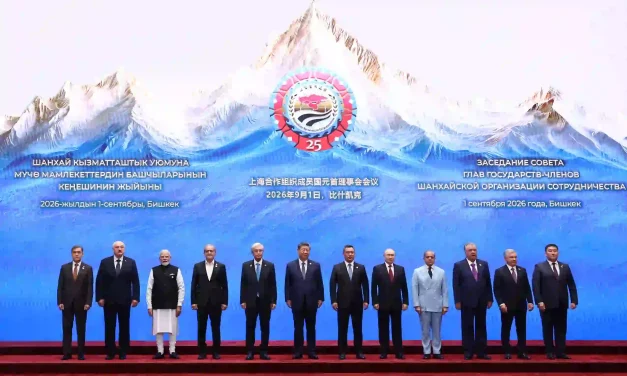
SCFR Online – Opinion: The Shanghai Cooperation Organization summit has created a new opportunity for Iran to transform its membership from a political achievement into economic and transit cooperation.
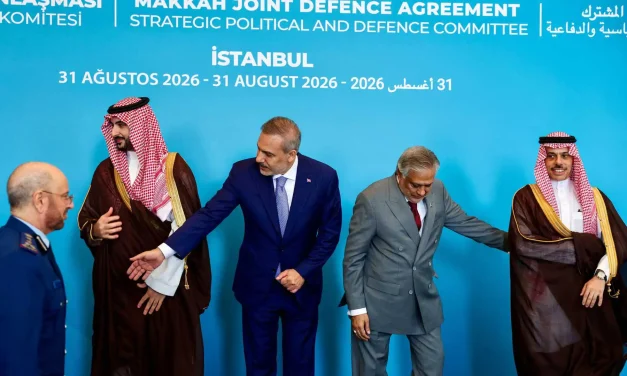
Strategic Council Online – Note: The Makkah Defense Pact can be seen as a sign of regional countries’ efforts to reduce security dependence on extra-regional powers and redefine the balance in West Asia.
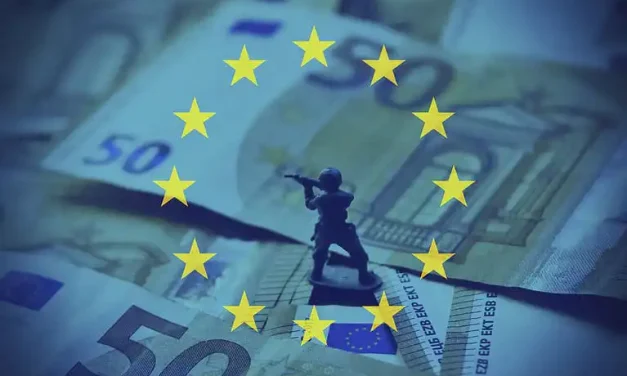
SCFR Online – Opinion: The Ukraine war, by exhausting US military capability on one hand and strengthening European defense capacity on the other, has altered the balance of power in the European continent, cast uncertainty over NATO’s future, and is driving it toward a European NATO.
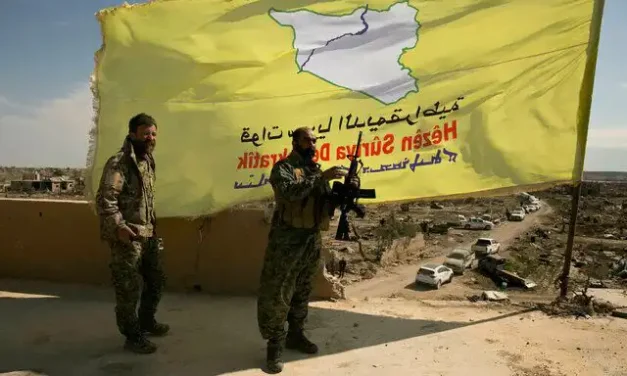
SCFR Online – Opinion: The dissolution of the SDF, although considered an achievement for Turkey’s security, does not put an end to the challenges arising from the Israeli regime’s aggression and expansionism, refugees, and Syria’s fragility.
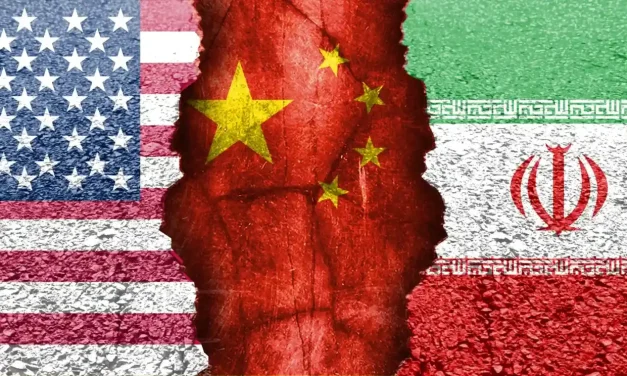
SCFR Online – Opinion: Concurrent with the official commencement of the United States’ economic war against our country, focusing on sanctions instruments, isolation, and economic pressure, what has now become increasingly important is the lack of alignment of other major global powers, especially China, with this policy.
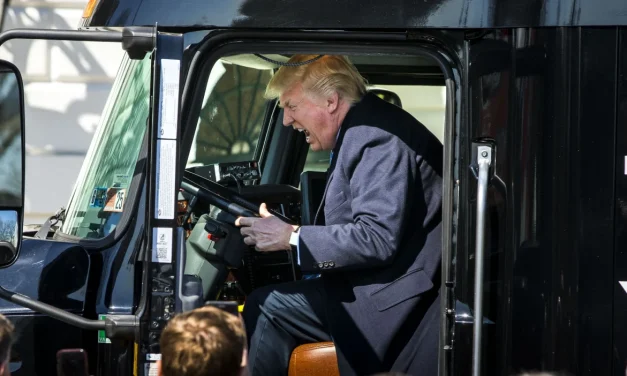
SCFR Online – Opinion: The new US sanctions against Iran, despite extensive propaganda, face serious obstacles to success due to the ineffectiveness of sanctions tools and opposition from some of Tehran’s trading partners.


Strategic Council Online – Interview: An expert on Latin America affairs commenting on the resumption of negotiations between the Venezuelan government and political opposition after a year-long suspension and the subsequent reduction of some US sanctions against Nicolas Maduro’s government, said: These days, in terms of the American foreign policy, Venezuela is preferred in comparison to many countries, including some countries in the Middle East; because they can deal with this country more easily and due to its proximity, they buy cheaper oil from Caracas.

Strategic Council Online – Opinion: Further to Tiananmen Square incidents in 1989 and afterwards, criticism against Beijing’s attitudes in Xinjiang, Tibet, Hong Kong and other regions in China have been among the U.S. pivots of exerting pressure against China. As tensions increased in other fields during the recent years, the U.S. having resorted to human rights issues, attempted to mount pressures against China.
Mohammad Javad Ghahremani, Expert on Asia Affairs

Strategic Council Online – An expert on international affairs, commenting on the indifference of the G7 leaders to the global calls for allocating billions of pounds to end the shortage of Corona vaccine in poor countries said: The recent G7 meetings to decide whether to help the world’s poor countries fight with the Coronavirus have remained a mere political and media maneuver.

Strategic Council Online – In the nearly 60-year old history of the Munich Security Conference, which is held annually by the private sector on global security policy in the presence of international security and military politicians, this is the first time that a president of the United States has attended it, and for the first time since taking office, has addressed the European audience directly.
Mahmoud Fazeli – Analyst of international affairs

Strategic Council Online—Opinion: The relations between Moscow and the European Union has reached its lowest since the Cold War after developments in 2014 which resulted in the accession of Crimea to the Russian soil, Russian intervention in the civil war of Syria, alleged interference of Russia in the 2016 US presidential elections which resulted in the victory of Donald Trump and ultimately allegations to poison Alexi Navalny the harsh Kremlin critic and his detention of imposition of sanctions.
Mahmood Fazeli-expert of international issues

Strategic Council Online: Editorial—In spite of Washington’s view that considers China and Russia as permanent threats that should be contained and insolated through the instrument of sanctions, Moscow and Beijing, on the other hand, have been pursuing a pragmatic approach based on realism to maximize their cooperation and relations with the West with the aim of neutralizing Washington’s isolation efforts.
Dr. Ahmad Vakhshiteh—Associate Professor, Eurasia National University

Strategic Council Online – An expert on the Middle East affairs said: The main reasons for the six-month protest demonstrations against Israeli Prime Minister Benjamin Netanyahu are economic problems, issues caused by the outbreak of the coronavirus and the inefficiency of his government in resolving public problems.

Strategic Council Online—Opinion: The referendum on a new constitution for Algeria was held on the first of October 2020 with the participation of political parties such as Talae al-Horriat (the third party of presidential elections of 2019) and Jibhat ul-Mustaqbal (the fifth party) and the opposition of Islamist parties such as Movement of Society for Peace (known as HAMAS), the Algerian Labors Party and the Algerian Justice and Development Front. In the referendum on Algeria’s new constitution, only 23.84 per cent of the people voted for further change and amendments in the governing rules and administration. The draft text of the new constitution was approved with the yes vote of 66 per cent of the participants while 33 per cent opposed it. This is while 76 per cent of the eligible voters did not participate in the referendum, encouraging the leaders of some of Algeria’s political parties to nullify the plebiscite.
Mahmoud Fazeli—expert of international issues

Strategic Council Online: A professor of geopolitics says the different approaches in treating patients with corona disease showed that human rights in some countries claiming to advocate them are being forgotten in certain situations in the fight against infectious diseases or outbreak of war. He added that it must be seen what would be the position of countries and the so-called defenders of human rights in the face of these events in post-corona period.

Strategic Council Online: A professor of international relations referring to the US scenarios to block revocation of Iran’s arms embargo in compliance with Iran Nuclear Agreement, said: “With this action no reason would remain for Iran to stay committed to the agreement, also known formally as the Joint Comprehensive Plan of Action (JCPOA).” But the Europeans and China and Russia are reluctant to take any steps towards the collapse of the JCPOA. The Europeans do not want JCPOA’s remaining shell to collapse.
SCFR Online – Opinion: The intensification of U.S. sanctions against Iran on the eve of the U.S. midterm elections indicates Washington’s inability to achieve its war objectives.
SCFR Online – Opinion: The competition between Washington and Beijing over chips and artificial intelligence, simultaneously with the shifting of technological balances, has taken on new economic and security dimensions.
SCFR Online – Opinion: The Shanghai Cooperation Organization summit has created a new opportunity for Iran to transform its membership from a political achievement into economic and transit cooperation.
Strategic Council Online – Note: The Makkah Defense Pact can be seen as a sign of regional countries’ efforts to reduce security dependence on extra-regional powers and redefine the balance in West Asia.
SCFR Online – Opinion: The Ukraine war, by exhausting US military capability on one hand and strengthening European defense capacity on the other, has altered the balance of power in the European continent, cast uncertainty over NATO’s future, and is driving it toward a European NATO.
SCFR Online – Opinion: The dissolution of the SDF, although considered an achievement for Turkey’s security, does not put an end to the challenges arising from the Israeli regime’s aggression and expansionism, refugees, and Syria’s fragility.
SCFR Online – Opinion: Concurrent with the official commencement of the United States’ economic war against our country, focusing on sanctions instruments, isolation, and economic pressure, what has now become increasingly important is the lack of alignment of other major global powers, especially China, with this policy.
SCFR Online – Opinion: The new US sanctions against Iran, despite extensive propaganda, face serious obstacles to success due to the ineffectiveness of sanctions tools and opposition from some of Tehran’s trading partners.
Strategic Council Online – Interview: An expert on Latin America affairs commenting on the resumption of negotiations between the Venezuelan government and political opposition after a year-long suspension and the subsequent reduction of some US sanctions against Nicolas Maduro’s government, said: These days, in terms of the American foreign policy, Venezuela is preferred in comparison to many countries, including some countries in the Middle East; because they can deal with this country more easily and due to its proximity, they buy cheaper oil from Caracas.
Strategic Council Online – Opinion: Further to Tiananmen Square incidents in 1989 and afterwards, criticism against Beijing’s attitudes in Xinjiang, Tibet, Hong Kong and other regions in China have been among the U.S. pivots of exerting pressure against China. As tensions increased in other fields during the recent years, the U.S. having resorted to human rights issues, attempted to mount pressures against China.
Mohammad Javad Ghahremani, Expert on Asia Affairs
Strategic Council Online – An expert on international affairs, commenting on the indifference of the G7 leaders to the global calls for allocating billions of pounds to end the shortage of Corona vaccine in poor countries said: The recent G7 meetings to decide whether to help the world’s poor countries fight with the Coronavirus have remained a mere political and media maneuver.
Strategic Council Online – In the nearly 60-year old history of the Munich Security Conference, which is held annually by the private sector on global security policy in the presence of international security and military politicians, this is the first time that a president of the United States has attended it, and for the first time since taking office, has addressed the European audience directly.
Mahmoud Fazeli – Analyst of international affairs
Strategic Council Online—Opinion: The relations between Moscow and the European Union has reached its lowest since the Cold War after developments in 2014 which resulted in the accession of Crimea to the Russian soil, Russian intervention in the civil war of Syria, alleged interference of Russia in the 2016 US presidential elections which resulted in the victory of Donald Trump and ultimately allegations to poison Alexi Navalny the harsh Kremlin critic and his detention of imposition of sanctions.
Mahmood Fazeli-expert of international issues
Strategic Council Online: Editorial—In spite of Washington’s view that considers China and Russia as permanent threats that should be contained and insolated through the instrument of sanctions, Moscow and Beijing, on the other hand, have been pursuing a pragmatic approach based on realism to maximize their cooperation and relations with the West with the aim of neutralizing Washington’s isolation efforts.
Dr. Ahmad Vakhshiteh—Associate Professor, Eurasia National University
Strategic Council Online – An expert on the Middle East affairs said: The main reasons for the six-month protest demonstrations against Israeli Prime Minister Benjamin Netanyahu are economic problems, issues caused by the outbreak of the coronavirus and the inefficiency of his government in resolving public problems.
Strategic Council Online—Opinion: The referendum on a new constitution for Algeria was held on the first of October 2020 with the participation of political parties such as Talae al-Horriat (the third party of presidential elections of 2019) and Jibhat ul-Mustaqbal (the fifth party) and the opposition of Islamist parties such as Movement of Society for Peace (known as HAMAS), the Algerian Labors Party and the Algerian Justice and Development Front. In the referendum on Algeria’s new constitution, only 23.84 per cent of the people voted for further change and amendments in the governing rules and administration. The draft text of the new constitution was approved with the yes vote of 66 per cent of the participants while 33 per cent opposed it. This is while 76 per cent of the eligible voters did not participate in the referendum, encouraging the leaders of some of Algeria’s political parties to nullify the plebiscite.
Mahmoud Fazeli—expert of international issues
Strategic Council Online: A professor of geopolitics says the different approaches in treating patients with corona disease showed that human rights in some countries claiming to advocate them are being forgotten in certain situations in the fight against infectious diseases or outbreak of war. He added that it must be seen what would be the position of countries and the so-called defenders of human rights in the face of these events in post-corona period.
Strategic Council Online: A professor of international relations referring to the US scenarios to block revocation of Iran’s arms embargo in compliance with Iran Nuclear Agreement, said: “With this action no reason would remain for Iran to stay committed to the agreement, also known formally as the Joint Comprehensive Plan of Action (JCPOA).” But the Europeans and China and Russia are reluctant to take any steps towards the collapse of the JCPOA. The Europeans do not want JCPOA’s remaining shell to collapse.
Strategic Council Online – Interview: An expert on Latin America affairs commenting on the resumption of negotiations between the Venezuelan government and political opposition after a year-long suspension and the subsequent reduction of some US sanctions against Nicolas Maduro’s government, said: These days, in terms of the American foreign policy, Venezuela is preferred in comparison to many countries, including some countries in the Middle East; because they can deal with this country more easily and due to its proximity, they buy cheaper oil from Caracas.
Strategic Council Online – Opinion: Further to Tiananmen Square incidents in 1989 and afterwards, criticism against Beijing’s attitudes in Xinjiang, Tibet, Hong Kong and other regions in China have been among the U.S. pivots of exerting pressure against China. As tensions increased in other fields during the recent years, the U.S. having resorted to human rights issues, attempted to mount pressures against China.
Mohammad Javad Ghahremani, Expert on Asia Affairs
Strategic Council Online – An expert on international affairs, commenting on the indifference of the G7 leaders to the global calls for allocating billions of pounds to end the shortage of Corona vaccine in poor countries said: The recent G7 meetings to decide whether to help the world’s poor countries fight with the Coronavirus have remained a mere political and media maneuver.
Strategic Council Online – In the nearly 60-year old history of the Munich Security Conference, which is held annually by the private sector on global security policy in the presence of international security and military politicians, this is the first time that a president of the United States has attended it, and for the first time since taking office, has addressed the European audience directly.
Mahmoud Fazeli – Analyst of international affairs
Strategic Council Online—Opinion: The relations between Moscow and the European Union has reached its lowest since the Cold War after developments in 2014 which resulted in the accession of Crimea to the Russian soil, Russian intervention in the civil war of Syria, alleged interference of Russia in the 2016 US presidential elections which resulted in the victory of Donald Trump and ultimately allegations to poison Alexi Navalny the harsh Kremlin critic and his detention of imposition of sanctions.
Mahmood Fazeli-expert of international issues
Strategic Council Online: Editorial—In spite of Washington’s view that considers China and Russia as permanent threats that should be contained and insolated through the instrument of sanctions, Moscow and Beijing, on the other hand, have been pursuing a pragmatic approach based on realism to maximize their cooperation and relations with the West with the aim of neutralizing Washington’s isolation efforts.
Dr. Ahmad Vakhshiteh—Associate Professor, Eurasia National University
Strategic Council Online – An expert on the Middle East affairs said: The main reasons for the six-month protest demonstrations against Israeli Prime Minister Benjamin Netanyahu are economic problems, issues caused by the outbreak of the coronavirus and the inefficiency of his government in resolving public problems.
Strategic Council Online—Opinion: The referendum on a new constitution for Algeria was held on the first of October 2020 with the participation of political parties such as Talae al-Horriat (the third party of presidential elections of 2019) and Jibhat ul-Mustaqbal (the fifth party) and the opposition of Islamist parties such as Movement of Society for Peace (known as HAMAS), the Algerian Labors Party and the Algerian Justice and Development Front. In the referendum on Algeria’s new constitution, only 23.84 per cent of the people voted for further change and amendments in the governing rules and administration. The draft text of the new constitution was approved with the yes vote of 66 per cent of the participants while 33 per cent opposed it. This is while 76 per cent of the eligible voters did not participate in the referendum, encouraging the leaders of some of Algeria’s political parties to nullify the plebiscite.
Mahmoud Fazeli—expert of international issues
Strategic Council Online: A professor of geopolitics says the different approaches in treating patients with corona disease showed that human rights in some countries claiming to advocate them are being forgotten in certain situations in the fight against infectious diseases or outbreak of war. He added that it must be seen what would be the position of countries and the so-called defenders of human rights in the face of these events in post-corona period.
Strategic Council Online: A professor of international relations referring to the US scenarios to block revocation of Iran’s arms embargo in compliance with Iran Nuclear Agreement, said: “With this action no reason would remain for Iran to stay committed to the agreement, also known formally as the Joint Comprehensive Plan of Action (JCPOA).” But the Europeans and China and Russia are reluctant to take any steps towards the collapse of the JCPOA. The Europeans do not want JCPOA’s remaining shell to collapse.
SCFR Online – Opinion: The intensification of U.S. sanctions against Iran on the eve of the U.S. midterm elections indicates Washington’s inability to achieve its war objectives.
SCFR Online – Opinion: The competition between Washington and Beijing over chips and artificial intelligence, simultaneously with the shifting of technological balances, has taken on new economic and security dimensions.
SCFR Online – Opinion: The Shanghai Cooperation Organization summit has created a new opportunity for Iran to transform its membership from a political achievement into economic and transit cooperation.
Strategic Council Online – Note: The Makkah Defense Pact can be seen as a sign of regional countries’ efforts to reduce security dependence on extra-regional powers and redefine the balance in West Asia.
SCFR Online – Opinion: The Ukraine war, by exhausting US military capability on one hand and strengthening European defense capacity on the other, has altered the balance of power in the European continent, cast uncertainty over NATO’s future, and is driving it toward a European NATO.
SCFR Online – Opinion: The dissolution of the SDF, although considered an achievement for Turkey’s security, does not put an end to the challenges arising from the Israeli regime’s aggression and expansionism, refugees, and Syria’s fragility.
SCFR Online – Opinion: Concurrent with the official commencement of the United States’ economic war against our country, focusing on sanctions instruments, isolation, and economic pressure, what has now become increasingly important is the lack of alignment of other major global powers, especially China, with this policy.
SCFR Online – Opinion: The new US sanctions against Iran, despite extensive propaganda, face serious obstacles to success due to the ineffectiveness of sanctions tools and opposition from some of Tehran’s trading partners.
Strategic Council Online – Interview: An expert on Latin America affairs commenting on the resumption of negotiations between the Venezuelan government and political opposition after a year-long suspension and the subsequent reduction of some US sanctions against Nicolas Maduro’s government, said: These days, in terms of the American foreign policy, Venezuela is preferred in comparison to many countries, including some countries in the Middle East; because they can deal with this country more easily and due to its proximity, they buy cheaper oil from Caracas.
Strategic Council Online – Opinion: Further to Tiananmen Square incidents in 1989 and afterwards, criticism against Beijing’s attitudes in Xinjiang, Tibet, Hong Kong and other regions in China have been among the U.S. pivots of exerting pressure against China. As tensions increased in other fields during the recent years, the U.S. having resorted to human rights issues, attempted to mount pressures against China.
Mohammad Javad Ghahremani, Expert on Asia Affairs
Strategic Council Online – An expert on international affairs, commenting on the indifference of the G7 leaders to the global calls for allocating billions of pounds to end the shortage of Corona vaccine in poor countries said: The recent G7 meetings to decide whether to help the world’s poor countries fight with the Coronavirus have remained a mere political and media maneuver.
Strategic Council Online – In the nearly 60-year old history of the Munich Security Conference, which is held annually by the private sector on global security policy in the presence of international security and military politicians, this is the first time that a president of the United States has attended it, and for the first time since taking office, has addressed the European audience directly.
Mahmoud Fazeli – Analyst of international affairs
Strategic Council Online—Opinion: The relations between Moscow and the European Union has reached its lowest since the Cold War after developments in 2014 which resulted in the accession of Crimea to the Russian soil, Russian intervention in the civil war of Syria, alleged interference of Russia in the 2016 US presidential elections which resulted in the victory of Donald Trump and ultimately allegations to poison Alexi Navalny the harsh Kremlin critic and his detention of imposition of sanctions.
Mahmood Fazeli-expert of international issues
Strategic Council Online: Editorial—In spite of Washington’s view that considers China and Russia as permanent threats that should be contained and insolated through the instrument of sanctions, Moscow and Beijing, on the other hand, have been pursuing a pragmatic approach based on realism to maximize their cooperation and relations with the West with the aim of neutralizing Washington’s isolation efforts.
Dr. Ahmad Vakhshiteh—Associate Professor, Eurasia National University
Strategic Council Online – An expert on the Middle East affairs said: The main reasons for the six-month protest demonstrations against Israeli Prime Minister Benjamin Netanyahu are economic problems, issues caused by the outbreak of the coronavirus and the inefficiency of his government in resolving public problems.
Strategic Council Online—Opinion: The referendum on a new constitution for Algeria was held on the first of October 2020 with the participation of political parties such as Talae al-Horriat (the third party of presidential elections of 2019) and Jibhat ul-Mustaqbal (the fifth party) and the opposition of Islamist parties such as Movement of Society for Peace (known as HAMAS), the Algerian Labors Party and the Algerian Justice and Development Front. In the referendum on Algeria’s new constitution, only 23.84 per cent of the people voted for further change and amendments in the governing rules and administration. The draft text of the new constitution was approved with the yes vote of 66 per cent of the participants while 33 per cent opposed it. This is while 76 per cent of the eligible voters did not participate in the referendum, encouraging the leaders of some of Algeria’s political parties to nullify the plebiscite.
Mahmoud Fazeli—expert of international issues
Strategic Council Online: A professor of geopolitics says the different approaches in treating patients with corona disease showed that human rights in some countries claiming to advocate them are being forgotten in certain situations in the fight against infectious diseases or outbreak of war. He added that it must be seen what would be the position of countries and the so-called defenders of human rights in the face of these events in post-corona period.
Strategic Council Online: A professor of international relations referring to the US scenarios to block revocation of Iran’s arms embargo in compliance with Iran Nuclear Agreement, said: “With this action no reason would remain for Iran to stay committed to the agreement, also known formally as the Joint Comprehensive Plan of Action (JCPOA).” But the Europeans and China and Russia are reluctant to take any steps towards the collapse of the JCPOA. The Europeans do not want JCPOA’s remaining shell to collapse.
SCFR Online – Opinion: The intensification of U.S. sanctions against Iran on the eve of the U.S. midterm elections indicates Washington’s inability to achieve its war objectives.
SCFR Online – Opinion: The competition between Washington and Beijing over chips and artificial intelligence, simultaneously with the shifting of technological balances, has taken on new economic and security dimensions.
SCFR Online – Opinion: The Shanghai Cooperation Organization summit has created a new opportunity for Iran to transform its membership from a political achievement into economic and transit cooperation.
Strategic Council Online – Note: The Makkah Defense Pact can be seen as a sign of regional countries’ efforts to reduce security dependence on extra-regional powers and redefine the balance in West Asia.
SCFR Online – Opinion: The Ukraine war, by exhausting US military capability on one hand and strengthening European defense capacity on the other, has altered the balance of power in the European continent, cast uncertainty over NATO’s future, and is driving it toward a European NATO.
SCFR Online – Opinion: The dissolution of the SDF, although considered an achievement for Turkey’s security, does not put an end to the challenges arising from the Israeli regime’s aggression and expansionism, refugees, and Syria’s fragility.
SCFR Online – Opinion: Concurrent with the official commencement of the United States’ economic war against our country, focusing on sanctions instruments, isolation, and economic pressure, what has now become increasingly important is the lack of alignment of other major global powers, especially China, with this policy.
SCFR Online – Opinion: The new US sanctions against Iran, despite extensive propaganda, face serious obstacles to success due to the ineffectiveness of sanctions tools and opposition from some of Tehran’s trading partners.
Strategic Council Online – Interview: An expert on Latin America affairs commenting on the resumption of negotiations between the Venezuelan government and political opposition after a year-long suspension and the subsequent reduction of some US sanctions against Nicolas Maduro’s government, said: These days, in terms of the American foreign policy, Venezuela is preferred in comparison to many countries, including some countries in the Middle East; because they can deal with this country more easily and due to its proximity, they buy cheaper oil from Caracas.
Strategic Council Online – Opinion: Further to Tiananmen Square incidents in 1989 and afterwards, criticism against Beijing’s attitudes in Xinjiang, Tibet, Hong Kong and other regions in China have been among the U.S. pivots of exerting pressure against China. As tensions increased in other fields during the recent years, the U.S. having resorted to human rights issues, attempted to mount pressures against China.
Mohammad Javad Ghahremani, Expert on Asia Affairs
Strategic Council Online – An expert on international affairs, commenting on the indifference of the G7 leaders to the global calls for allocating billions of pounds to end the shortage of Corona vaccine in poor countries said: The recent G7 meetings to decide whether to help the world’s poor countries fight with the Coronavirus have remained a mere political and media maneuver.
Strategic Council Online – In the nearly 60-year old history of the Munich Security Conference, which is held annually by the private sector on global security policy in the presence of international security and military politicians, this is the first time that a president of the United States has attended it, and for the first time since taking office, has addressed the European audience directly.
Mahmoud Fazeli – Analyst of international affairs
Strategic Council Online—Opinion: The relations between Moscow and the European Union has reached its lowest since the Cold War after developments in 2014 which resulted in the accession of Crimea to the Russian soil, Russian intervention in the civil war of Syria, alleged interference of Russia in the 2016 US presidential elections which resulted in the victory of Donald Trump and ultimately allegations to poison Alexi Navalny the harsh Kremlin critic and his detention of imposition of sanctions.
Mahmood Fazeli-expert of international issues
Strategic Council Online: Editorial—In spite of Washington’s view that considers China and Russia as permanent threats that should be contained and insolated through the instrument of sanctions, Moscow and Beijing, on the other hand, have been pursuing a pragmatic approach based on realism to maximize their cooperation and relations with the West with the aim of neutralizing Washington’s isolation efforts.
Dr. Ahmad Vakhshiteh—Associate Professor, Eurasia National University
Strategic Council Online – An expert on the Middle East affairs said: The main reasons for the six-month protest demonstrations against Israeli Prime Minister Benjamin Netanyahu are economic problems, issues caused by the outbreak of the coronavirus and the inefficiency of his government in resolving public problems.
Strategic Council Online—Opinion: The referendum on a new constitution for Algeria was held on the first of October 2020 with the participation of political parties such as Talae al-Horriat (the third party of presidential elections of 2019) and Jibhat ul-Mustaqbal (the fifth party) and the opposition of Islamist parties such as Movement of Society for Peace (known as HAMAS), the Algerian Labors Party and the Algerian Justice and Development Front. In the referendum on Algeria’s new constitution, only 23.84 per cent of the people voted for further change and amendments in the governing rules and administration. The draft text of the new constitution was approved with the yes vote of 66 per cent of the participants while 33 per cent opposed it. This is while 76 per cent of the eligible voters did not participate in the referendum, encouraging the leaders of some of Algeria’s political parties to nullify the plebiscite.
Mahmoud Fazeli—expert of international issues
Strategic Council Online: A professor of geopolitics says the different approaches in treating patients with corona disease showed that human rights in some countries claiming to advocate them are being forgotten in certain situations in the fight against infectious diseases or outbreak of war. He added that it must be seen what would be the position of countries and the so-called defenders of human rights in the face of these events in post-corona period.
Strategic Council Online: A professor of international relations referring to the US scenarios to block revocation of Iran’s arms embargo in compliance with Iran Nuclear Agreement, said: “With this action no reason would remain for Iran to stay committed to the agreement, also known formally as the Joint Comprehensive Plan of Action (JCPOA).” But the Europeans and China and Russia are reluctant to take any steps towards the collapse of the JCPOA. The Europeans do not want JCPOA’s remaining shell to collapse.
SCFR Online – Opinion: The intensification of U.S. sanctions against Iran on the eve of the U.S. midterm elections indicates Washington’s inability to achieve its war objectives.
SCFR Online – Opinion: The competition between Washington and Beijing over chips and artificial intelligence, simultaneously with the shifting of technological balances, has taken on new economic and security dimensions.
SCFR Online – Opinion: The Shanghai Cooperation Organization summit has created a new opportunity for Iran to transform its membership from a political achievement into economic and transit cooperation.
Strategic Council Online – Note: The Makkah Defense Pact can be seen as a sign of regional countries’ efforts to reduce security dependence on extra-regional powers and redefine the balance in West Asia.
SCFR Online – Opinion: The Ukraine war, by exhausting US military capability on one hand and strengthening European defense capacity on the other, has altered the balance of power in the European continent, cast uncertainty over NATO’s future, and is driving it toward a European NATO.
SCFR Online – Opinion: The dissolution of the SDF, although considered an achievement for Turkey’s security, does not put an end to the challenges arising from the Israeli regime’s aggression and expansionism, refugees, and Syria’s fragility.
SCFR Online – Opinion: Concurrent with the official commencement of the United States’ economic war against our country, focusing on sanctions instruments, isolation, and economic pressure, what has now become increasingly important is the lack of alignment of other major global powers, especially China, with this policy.
SCFR Online – Opinion: The new US sanctions against Iran, despite extensive propaganda, face serious obstacles to success due to the ineffectiveness of sanctions tools and opposition from some of Tehran’s trading partners.
Strategic Council Online – Interview: An expert on Latin America affairs commenting on the resumption of negotiations between the Venezuelan government and political opposition after a year-long suspension and the subsequent reduction of some US sanctions against Nicolas Maduro’s government, said: These days, in terms of the American foreign policy, Venezuela is preferred in comparison to many countries, including some countries in the Middle East; because they can deal with this country more easily and due to its proximity, they buy cheaper oil from Caracas.
Strategic Council Online – Opinion: Further to Tiananmen Square incidents in 1989 and afterwards, criticism against Beijing’s attitudes in Xinjiang, Tibet, Hong Kong and other regions in China have been among the U.S. pivots of exerting pressure against China. As tensions increased in other fields during the recent years, the U.S. having resorted to human rights issues, attempted to mount pressures against China.
Mohammad Javad Ghahremani, Expert on Asia Affairs
Strategic Council Online – An expert on international affairs, commenting on the indifference of the G7 leaders to the global calls for allocating billions of pounds to end the shortage of Corona vaccine in poor countries said: The recent G7 meetings to decide whether to help the world’s poor countries fight with the Coronavirus have remained a mere political and media maneuver.
Strategic Council Online – In the nearly 60-year old history of the Munich Security Conference, which is held annually by the private sector on global security policy in the presence of international security and military politicians, this is the first time that a president of the United States has attended it, and for the first time since taking office, has addressed the European audience directly.
Mahmoud Fazeli – Analyst of international affairs
Strategic Council Online—Opinion: The relations between Moscow and the European Union has reached its lowest since the Cold War after developments in 2014 which resulted in the accession of Crimea to the Russian soil, Russian intervention in the civil war of Syria, alleged interference of Russia in the 2016 US presidential elections which resulted in the victory of Donald Trump and ultimately allegations to poison Alexi Navalny the harsh Kremlin critic and his detention of imposition of sanctions.
Mahmood Fazeli-expert of international issues
Strategic Council Online: Editorial—In spite of Washington’s view that considers China and Russia as permanent threats that should be contained and insolated through the instrument of sanctions, Moscow and Beijing, on the other hand, have been pursuing a pragmatic approach based on realism to maximize their cooperation and relations with the West with the aim of neutralizing Washington’s isolation efforts.
Dr. Ahmad Vakhshiteh—Associate Professor, Eurasia National University
Strategic Council Online – An expert on the Middle East affairs said: The main reasons for the six-month protest demonstrations against Israeli Prime Minister Benjamin Netanyahu are economic problems, issues caused by the outbreak of the coronavirus and the inefficiency of his government in resolving public problems.
Strategic Council Online—Opinion: The referendum on a new constitution for Algeria was held on the first of October 2020 with the participation of political parties such as Talae al-Horriat (the third party of presidential elections of 2019) and Jibhat ul-Mustaqbal (the fifth party) and the opposition of Islamist parties such as Movement of Society for Peace (known as HAMAS), the Algerian Labors Party and the Algerian Justice and Development Front. In the referendum on Algeria’s new constitution, only 23.84 per cent of the people voted for further change and amendments in the governing rules and administration. The draft text of the new constitution was approved with the yes vote of 66 per cent of the participants while 33 per cent opposed it. This is while 76 per cent of the eligible voters did not participate in the referendum, encouraging the leaders of some of Algeria’s political parties to nullify the plebiscite.
Mahmoud Fazeli—expert of international issues
Strategic Council Online: A professor of geopolitics says the different approaches in treating patients with corona disease showed that human rights in some countries claiming to advocate them are being forgotten in certain situations in the fight against infectious diseases or outbreak of war. He added that it must be seen what would be the position of countries and the so-called defenders of human rights in the face of these events in post-corona period.
Strategic Council Online: A professor of international relations referring to the US scenarios to block revocation of Iran’s arms embargo in compliance with Iran Nuclear Agreement, said: “With this action no reason would remain for Iran to stay committed to the agreement, also known formally as the Joint Comprehensive Plan of Action (JCPOA).” But the Europeans and China and Russia are reluctant to take any steps towards the collapse of the JCPOA. The Europeans do not want JCPOA’s remaining shell to collapse.
SCFR Online – Opinion: The intensification of U.S. sanctions against Iran on the eve of the U.S. midterm elections indicates Washington’s inability to achieve its war objectives.
SCFR Online – Opinion: The competition between Washington and Beijing over chips and artificial intelligence, simultaneously with the shifting of technological balances, has taken on new economic and security dimensions.
SCFR Online – Opinion: The Shanghai Cooperation Organization summit has created a new opportunity for Iran to transform its membership from a political achievement into economic and transit cooperation.
Strategic Council Online – Note: The Makkah Defense Pact can be seen as a sign of regional countries’ efforts to reduce security dependence on extra-regional powers and redefine the balance in West Asia.
SCFR Online – Opinion: The Ukraine war, by exhausting US military capability on one hand and strengthening European defense capacity on the other, has altered the balance of power in the European continent, cast uncertainty over NATO’s future, and is driving it toward a European NATO.
SCFR Online – Opinion: The dissolution of the SDF, although considered an achievement for Turkey’s security, does not put an end to the challenges arising from the Israeli regime’s aggression and expansionism, refugees, and Syria’s fragility.
SCFR Online – Opinion: Concurrent with the official commencement of the United States’ economic war against our country, focusing on sanctions instruments, isolation, and economic pressure, what has now become increasingly important is the lack of alignment of other major global powers, especially China, with this policy.
SCFR Online – Opinion: The new US sanctions against Iran, despite extensive propaganda, face serious obstacles to success due to the ineffectiveness of sanctions tools and opposition from some of Tehran’s trading partners.
Strategic Council Online – Interview: An expert on Latin America affairs commenting on the resumption of negotiations between the Venezuelan government and political opposition after a year-long suspension and the subsequent reduction of some US sanctions against Nicolas Maduro’s government, said: These days, in terms of the American foreign policy, Venezuela is preferred in comparison to many countries, including some countries in the Middle East; because they can deal with this country more easily and due to its proximity, they buy cheaper oil from Caracas.
Strategic Council Online – Opinion: Further to Tiananmen Square incidents in 1989 and afterwards, criticism against Beijing’s attitudes in Xinjiang, Tibet, Hong Kong and other regions in China have been among the U.S. pivots of exerting pressure against China. As tensions increased in other fields during the recent years, the U.S. having resorted to human rights issues, attempted to mount pressures against China.
Mohammad Javad Ghahremani, Expert on Asia Affairs
Strategic Council Online – An expert on international affairs, commenting on the indifference of the G7 leaders to the global calls for allocating billions of pounds to end the shortage of Corona vaccine in poor countries said: The recent G7 meetings to decide whether to help the world’s poor countries fight with the Coronavirus have remained a mere political and media maneuver.
Strategic Council Online – In the nearly 60-year old history of the Munich Security Conference, which is held annually by the private sector on global security policy in the presence of international security and military politicians, this is the first time that a president of the United States has attended it, and for the first time since taking office, has addressed the European audience directly.
Mahmoud Fazeli – Analyst of international affairs
Strategic Council Online—Opinion: The relations between Moscow and the European Union has reached its lowest since the Cold War after developments in 2014 which resulted in the accession of Crimea to the Russian soil, Russian intervention in the civil war of Syria, alleged interference of Russia in the 2016 US presidential elections which resulted in the victory of Donald Trump and ultimately allegations to poison Alexi Navalny the harsh Kremlin critic and his detention of imposition of sanctions.
Mahmood Fazeli-expert of international issues
Strategic Council Online: Editorial—In spite of Washington’s view that considers China and Russia as permanent threats that should be contained and insolated through the instrument of sanctions, Moscow and Beijing, on the other hand, have been pursuing a pragmatic approach based on realism to maximize their cooperation and relations with the West with the aim of neutralizing Washington’s isolation efforts.
Dr. Ahmad Vakhshiteh—Associate Professor, Eurasia National University
Strategic Council Online – An expert on the Middle East affairs said: The main reasons for the six-month protest demonstrations against Israeli Prime Minister Benjamin Netanyahu are economic problems, issues caused by the outbreak of the coronavirus and the inefficiency of his government in resolving public problems.
Strategic Council Online—Opinion: The referendum on a new constitution for Algeria was held on the first of October 2020 with the participation of political parties such as Talae al-Horriat (the third party of presidential elections of 2019) and Jibhat ul-Mustaqbal (the fifth party) and the opposition of Islamist parties such as Movement of Society for Peace (known as HAMAS), the Algerian Labors Party and the Algerian Justice and Development Front. In the referendum on Algeria’s new constitution, only 23.84 per cent of the people voted for further change and amendments in the governing rules and administration. The draft text of the new constitution was approved with the yes vote of 66 per cent of the participants while 33 per cent opposed it. This is while 76 per cent of the eligible voters did not participate in the referendum, encouraging the leaders of some of Algeria’s political parties to nullify the plebiscite.
Mahmoud Fazeli—expert of international issues
Strategic Council Online: A professor of geopolitics says the different approaches in treating patients with corona disease showed that human rights in some countries claiming to advocate them are being forgotten in certain situations in the fight against infectious diseases or outbreak of war. He added that it must be seen what would be the position of countries and the so-called defenders of human rights in the face of these events in post-corona period.
Strategic Council Online: A professor of international relations referring to the US scenarios to block revocation of Iran’s arms embargo in compliance with Iran Nuclear Agreement, said: “With this action no reason would remain for Iran to stay committed to the agreement, also known formally as the Joint Comprehensive Plan of Action (JCPOA).” But the Europeans and China and Russia are reluctant to take any steps towards the collapse of the JCPOA. The Europeans do not want JCPOA’s remaining shell to collapse.
SCFR Online – Opinion: The intensification of U.S. sanctions against Iran on the eve of the U.S. midterm elections indicates Washington’s inability to achieve its war objectives.
SCFR Online – Opinion: The competition between Washington and Beijing over chips and artificial intelligence, simultaneously with the shifting of technological balances, has taken on new economic and security dimensions.
SCFR Online – Opinion: The Shanghai Cooperation Organization summit has created a new opportunity for Iran to transform its membership from a political achievement into economic and transit cooperation.
Strategic Council Online – Note: The Makkah Defense Pact can be seen as a sign of regional countries’ efforts to reduce security dependence on extra-regional powers and redefine the balance in West Asia.
SCFR Online – Opinion: The Ukraine war, by exhausting US military capability on one hand and strengthening European defense capacity on the other, has altered the balance of power in the European continent, cast uncertainty over NATO’s future, and is driving it toward a European NATO.
SCFR Online – Opinion: The dissolution of the SDF, although considered an achievement for Turkey’s security, does not put an end to the challenges arising from the Israeli regime’s aggression and expansionism, refugees, and Syria’s fragility.
SCFR Online – Opinion: Concurrent with the official commencement of the United States’ economic war against our country, focusing on sanctions instruments, isolation, and economic pressure, what has now become increasingly important is the lack of alignment of other major global powers, especially China, with this policy.
SCFR Online – Opinion: The new US sanctions against Iran, despite extensive propaganda, face serious obstacles to success due to the ineffectiveness of sanctions tools and opposition from some of Tehran’s trading partners.