Reasons for the Ineffectiveness of Trump’s “Economic War” against Iran
SCFR Online – Opinion: The intensification of U.S. sanctions against Iran on the eve of the U.S. midterm elections indicates Washington’s inability to achieve its war objectives.


SCFR Online – Opinion: The intensification of U.S. sanctions against Iran on the eve of the U.S. midterm elections indicates Washington’s inability to achieve its war objectives.

SCFR Online – Opinion: The competition between Washington and Beijing over chips and artificial intelligence, simultaneously with the shifting of technological balances, has taken on new economic and security dimensions.
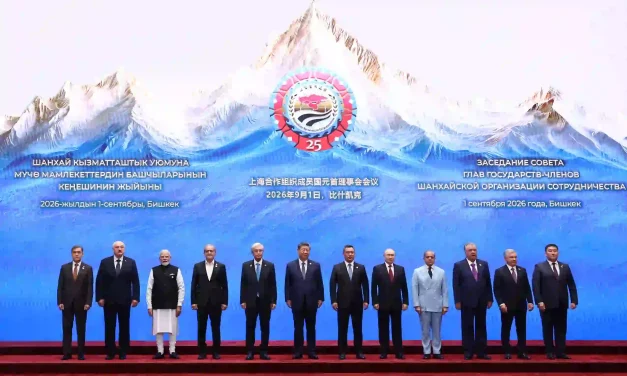
SCFR Online – Opinion: The Shanghai Cooperation Organization summit has created a new opportunity for Iran to transform its membership from a political achievement into economic and transit cooperation.
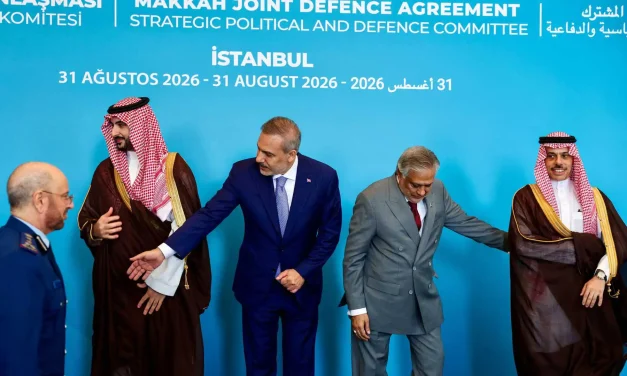
Strategic Council Online – Note: The Makkah Defense Pact can be seen as a sign of regional countries’ efforts to reduce security dependence on extra-regional powers and redefine the balance in West Asia.

SCFR Online – Opinion: The Ukraine war, by exhausting US military capability on one hand and strengthening European defense capacity on the other, has altered the balance of power in the European continent, cast uncertainty over NATO’s future, and is driving it toward a European NATO.
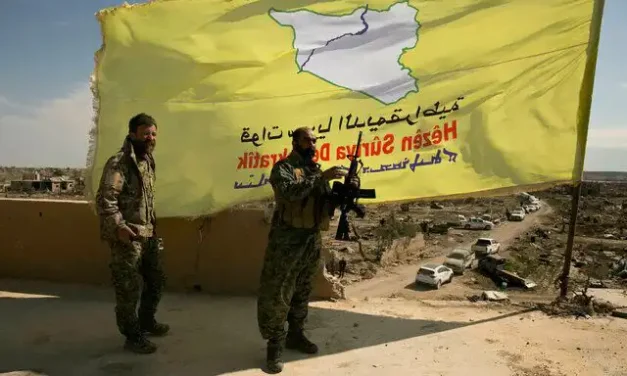
SCFR Online – Opinion: The dissolution of the SDF, although considered an achievement for Turkey’s security, does not put an end to the challenges arising from the Israeli regime’s aggression and expansionism, refugees, and Syria’s fragility.
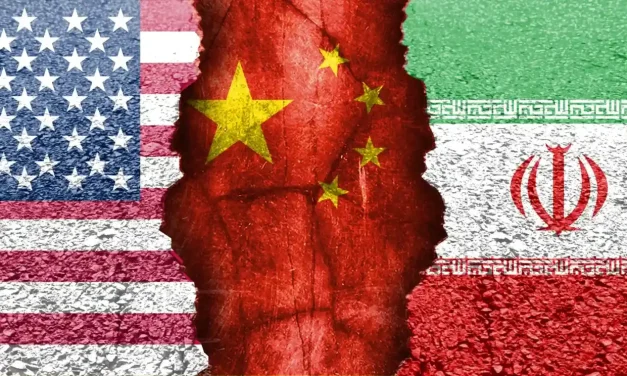
SCFR Online – Opinion: Concurrent with the official commencement of the United States’ economic war against our country, focusing on sanctions instruments, isolation, and economic pressure, what has now become increasingly important is the lack of alignment of other major global powers, especially China, with this policy.
SCFR Online – Opinion: The new US sanctions against Iran, despite extensive propaganda, face serious obstacles to success due to the ineffectiveness of sanctions tools and opposition from some of Tehran’s trading partners.

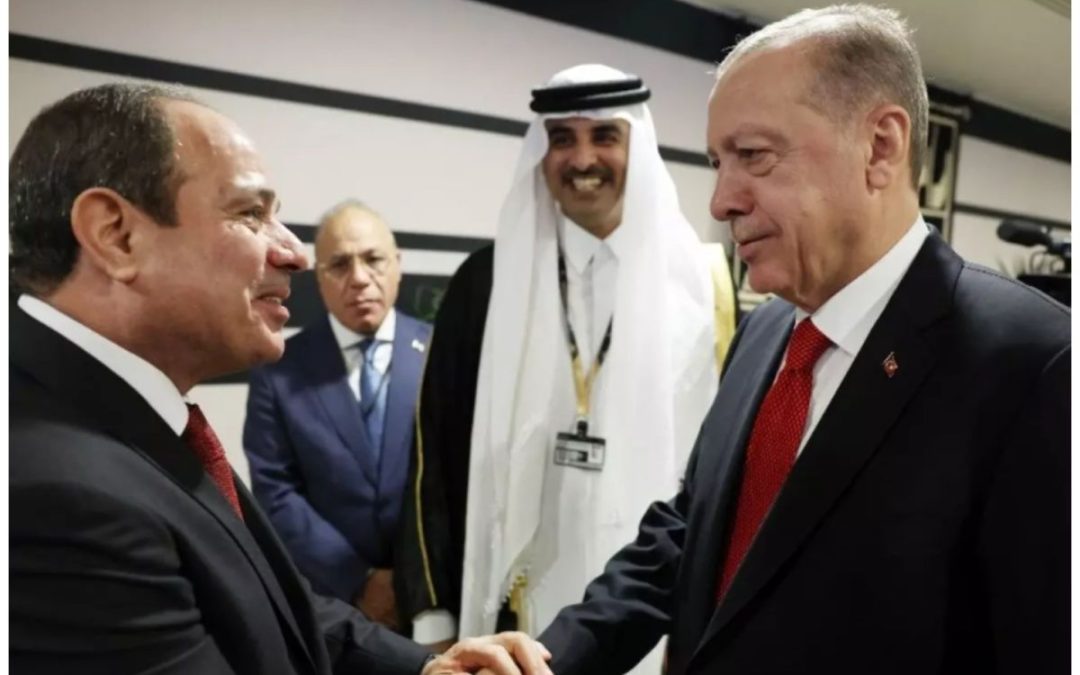
Strategic Council Online- Interview: An international affairs expert said: The recent visit of Turkish President Recep Tayyip Erdogan to Egypt after 12 years will probably mark a new phase of relations between Ankara and Cairo.

Strategic Council Online – Note: After the victory of the Islamic Revolution, relations between Iran and Egypt have been maintained at the level of the ‘interest section.’ Before anything else, this situation resulted from the “security vision” Egypt’s foreign policy adopted towards Iran, in addition to Cairo’s compliance with certain regional players and international pressures, especially from the United States.
Hamid Khoshayand – expert on regional issues

Strategic Council Online – Opinion: Egyptian President Abdel Fattah el-Sisi announced during the recent visit of Greek Prime Minister Kyriakos Mitsotakis to Egypt that his country is considering a quadrilateral meeting in Cairo between the heads of Egypt, Greece, Turkey, and Cyprus to discuss the tensions in the Eastern Mediterranean and bring together views regarding the demarcation of maritime borders and the possibility of Turkey joining the East Mediterranean Gas Forum.
Mahmoud Fazeli – International affairs analyst

Strategic Council Online – Opinion: After a decade of severance of diplomatic relations, Turkey and Egypt announced in a joint statement promotion of their political ties and nominated their ambassadors in Ankara and Cairo. The two sides announced that their goal behind “normalization and expansion of relations” is in line with the interests of the people of the two countries. From the point of view of the two countries, the re-normalization of relations will show the mutual will to develop bilateral relations in line with providing the interests of the people of Turkey and Egypt. The normalization was welcomed by the Secretary General of the Arab League, who considered it a positive development to create peace in the region and strengthen diplomatic relations to solve problems effectively.
Mahmoud Fazeli – Analyst of international affairs
SCFR Online – Opinion: The intensification of U.S. sanctions against Iran on the eve of the U.S. midterm elections indicates Washington’s inability to achieve its war objectives.
SCFR Online – Opinion: The competition between Washington and Beijing over chips and artificial intelligence, simultaneously with the shifting of technological balances, has taken on new economic and security dimensions.
SCFR Online – Opinion: The Shanghai Cooperation Organization summit has created a new opportunity for Iran to transform its membership from a political achievement into economic and transit cooperation.
Strategic Council Online – Note: The Makkah Defense Pact can be seen as a sign of regional countries’ efforts to reduce security dependence on extra-regional powers and redefine the balance in West Asia.
SCFR Online – Opinion: The Ukraine war, by exhausting US military capability on one hand and strengthening European defense capacity on the other, has altered the balance of power in the European continent, cast uncertainty over NATO’s future, and is driving it toward a European NATO.
SCFR Online – Opinion: The dissolution of the SDF, although considered an achievement for Turkey’s security, does not put an end to the challenges arising from the Israeli regime’s aggression and expansionism, refugees, and Syria’s fragility.
SCFR Online – Opinion: Concurrent with the official commencement of the United States’ economic war against our country, focusing on sanctions instruments, isolation, and economic pressure, what has now become increasingly important is the lack of alignment of other major global powers, especially China, with this policy.
SCFR Online – Opinion: The new US sanctions against Iran, despite extensive propaganda, face serious obstacles to success due to the ineffectiveness of sanctions tools and opposition from some of Tehran’s trading partners.
Strategic Council Online- Interview: An international affairs expert said: The recent visit of Turkish President Recep Tayyip Erdogan to Egypt after 12 years will probably mark a new phase of relations between Ankara and Cairo.
Strategic Council Online – Note: After the victory of the Islamic Revolution, relations between Iran and Egypt have been maintained at the level of the ‘interest section.’ Before anything else, this situation resulted from the “security vision” Egypt’s foreign policy adopted towards Iran, in addition to Cairo’s compliance with certain regional players and international pressures, especially from the United States.
Hamid Khoshayand – expert on regional issues
Strategic Council Online – Opinion: Egyptian President Abdel Fattah el-Sisi announced during the recent visit of Greek Prime Minister Kyriakos Mitsotakis to Egypt that his country is considering a quadrilateral meeting in Cairo between the heads of Egypt, Greece, Turkey, and Cyprus to discuss the tensions in the Eastern Mediterranean and bring together views regarding the demarcation of maritime borders and the possibility of Turkey joining the East Mediterranean Gas Forum.
Mahmoud Fazeli – International affairs analyst
Strategic Council Online – Opinion: After a decade of severance of diplomatic relations, Turkey and Egypt announced in a joint statement promotion of their political ties and nominated their ambassadors in Ankara and Cairo. The two sides announced that their goal behind “normalization and expansion of relations” is in line with the interests of the people of the two countries. From the point of view of the two countries, the re-normalization of relations will show the mutual will to develop bilateral relations in line with providing the interests of the people of Turkey and Egypt. The normalization was welcomed by the Secretary General of the Arab League, who considered it a positive development to create peace in the region and strengthen diplomatic relations to solve problems effectively.
Mahmoud Fazeli – Analyst of international affairs
Strategic Council Online- Interview: An international affairs expert said: The recent visit of Turkish President Recep Tayyip Erdogan to Egypt after 12 years will probably mark a new phase of relations between Ankara and Cairo.
Strategic Council Online – Note: After the victory of the Islamic Revolution, relations between Iran and Egypt have been maintained at the level of the ‘interest section.’ Before anything else, this situation resulted from the “security vision” Egypt’s foreign policy adopted towards Iran, in addition to Cairo’s compliance with certain regional players and international pressures, especially from the United States.
Hamid Khoshayand – expert on regional issues
Strategic Council Online – Opinion: Egyptian President Abdel Fattah el-Sisi announced during the recent visit of Greek Prime Minister Kyriakos Mitsotakis to Egypt that his country is considering a quadrilateral meeting in Cairo between the heads of Egypt, Greece, Turkey, and Cyprus to discuss the tensions in the Eastern Mediterranean and bring together views regarding the demarcation of maritime borders and the possibility of Turkey joining the East Mediterranean Gas Forum.
Mahmoud Fazeli – International affairs analyst
Strategic Council Online – Opinion: After a decade of severance of diplomatic relations, Turkey and Egypt announced in a joint statement promotion of their political ties and nominated their ambassadors in Ankara and Cairo. The two sides announced that their goal behind “normalization and expansion of relations” is in line with the interests of the people of the two countries. From the point of view of the two countries, the re-normalization of relations will show the mutual will to develop bilateral relations in line with providing the interests of the people of Turkey and Egypt. The normalization was welcomed by the Secretary General of the Arab League, who considered it a positive development to create peace in the region and strengthen diplomatic relations to solve problems effectively.
Mahmoud Fazeli – Analyst of international affairs
SCFR Online – Opinion: The intensification of U.S. sanctions against Iran on the eve of the U.S. midterm elections indicates Washington’s inability to achieve its war objectives.
SCFR Online – Opinion: The competition between Washington and Beijing over chips and artificial intelligence, simultaneously with the shifting of technological balances, has taken on new economic and security dimensions.
SCFR Online – Opinion: The Shanghai Cooperation Organization summit has created a new opportunity for Iran to transform its membership from a political achievement into economic and transit cooperation.
Strategic Council Online – Note: The Makkah Defense Pact can be seen as a sign of regional countries’ efforts to reduce security dependence on extra-regional powers and redefine the balance in West Asia.
SCFR Online – Opinion: The Ukraine war, by exhausting US military capability on one hand and strengthening European defense capacity on the other, has altered the balance of power in the European continent, cast uncertainty over NATO’s future, and is driving it toward a European NATO.
SCFR Online – Opinion: The dissolution of the SDF, although considered an achievement for Turkey’s security, does not put an end to the challenges arising from the Israeli regime’s aggression and expansionism, refugees, and Syria’s fragility.
SCFR Online – Opinion: Concurrent with the official commencement of the United States’ economic war against our country, focusing on sanctions instruments, isolation, and economic pressure, what has now become increasingly important is the lack of alignment of other major global powers, especially China, with this policy.
SCFR Online – Opinion: The new US sanctions against Iran, despite extensive propaganda, face serious obstacles to success due to the ineffectiveness of sanctions tools and opposition from some of Tehran’s trading partners.
Strategic Council Online- Interview: An international affairs expert said: The recent visit of Turkish President Recep Tayyip Erdogan to Egypt after 12 years will probably mark a new phase of relations between Ankara and Cairo.
Strategic Council Online – Note: After the victory of the Islamic Revolution, relations between Iran and Egypt have been maintained at the level of the ‘interest section.’ Before anything else, this situation resulted from the “security vision” Egypt’s foreign policy adopted towards Iran, in addition to Cairo’s compliance with certain regional players and international pressures, especially from the United States.
Hamid Khoshayand – expert on regional issues
Strategic Council Online – Opinion: Egyptian President Abdel Fattah el-Sisi announced during the recent visit of Greek Prime Minister Kyriakos Mitsotakis to Egypt that his country is considering a quadrilateral meeting in Cairo between the heads of Egypt, Greece, Turkey, and Cyprus to discuss the tensions in the Eastern Mediterranean and bring together views regarding the demarcation of maritime borders and the possibility of Turkey joining the East Mediterranean Gas Forum.
Mahmoud Fazeli – International affairs analyst
Strategic Council Online – Opinion: After a decade of severance of diplomatic relations, Turkey and Egypt announced in a joint statement promotion of their political ties and nominated their ambassadors in Ankara and Cairo. The two sides announced that their goal behind “normalization and expansion of relations” is in line with the interests of the people of the two countries. From the point of view of the two countries, the re-normalization of relations will show the mutual will to develop bilateral relations in line with providing the interests of the people of Turkey and Egypt. The normalization was welcomed by the Secretary General of the Arab League, who considered it a positive development to create peace in the region and strengthen diplomatic relations to solve problems effectively.
Mahmoud Fazeli – Analyst of international affairs
SCFR Online – Opinion: The intensification of U.S. sanctions against Iran on the eve of the U.S. midterm elections indicates Washington’s inability to achieve its war objectives.
SCFR Online – Opinion: The competition between Washington and Beijing over chips and artificial intelligence, simultaneously with the shifting of technological balances, has taken on new economic and security dimensions.
SCFR Online – Opinion: The Shanghai Cooperation Organization summit has created a new opportunity for Iran to transform its membership from a political achievement into economic and transit cooperation.
Strategic Council Online – Note: The Makkah Defense Pact can be seen as a sign of regional countries’ efforts to reduce security dependence on extra-regional powers and redefine the balance in West Asia.
SCFR Online – Opinion: The Ukraine war, by exhausting US military capability on one hand and strengthening European defense capacity on the other, has altered the balance of power in the European continent, cast uncertainty over NATO’s future, and is driving it toward a European NATO.
SCFR Online – Opinion: The dissolution of the SDF, although considered an achievement for Turkey’s security, does not put an end to the challenges arising from the Israeli regime’s aggression and expansionism, refugees, and Syria’s fragility.
SCFR Online – Opinion: Concurrent with the official commencement of the United States’ economic war against our country, focusing on sanctions instruments, isolation, and economic pressure, what has now become increasingly important is the lack of alignment of other major global powers, especially China, with this policy.
SCFR Online – Opinion: The new US sanctions against Iran, despite extensive propaganda, face serious obstacles to success due to the ineffectiveness of sanctions tools and opposition from some of Tehran’s trading partners.
Strategic Council Online- Interview: An international affairs expert said: The recent visit of Turkish President Recep Tayyip Erdogan to Egypt after 12 years will probably mark a new phase of relations between Ankara and Cairo.
Strategic Council Online – Note: After the victory of the Islamic Revolution, relations between Iran and Egypt have been maintained at the level of the ‘interest section.’ Before anything else, this situation resulted from the “security vision” Egypt’s foreign policy adopted towards Iran, in addition to Cairo’s compliance with certain regional players and international pressures, especially from the United States.
Hamid Khoshayand – expert on regional issues
Strategic Council Online – Opinion: Egyptian President Abdel Fattah el-Sisi announced during the recent visit of Greek Prime Minister Kyriakos Mitsotakis to Egypt that his country is considering a quadrilateral meeting in Cairo between the heads of Egypt, Greece, Turkey, and Cyprus to discuss the tensions in the Eastern Mediterranean and bring together views regarding the demarcation of maritime borders and the possibility of Turkey joining the East Mediterranean Gas Forum.
Mahmoud Fazeli – International affairs analyst
Strategic Council Online – Opinion: After a decade of severance of diplomatic relations, Turkey and Egypt announced in a joint statement promotion of their political ties and nominated their ambassadors in Ankara and Cairo. The two sides announced that their goal behind “normalization and expansion of relations” is in line with the interests of the people of the two countries. From the point of view of the two countries, the re-normalization of relations will show the mutual will to develop bilateral relations in line with providing the interests of the people of Turkey and Egypt. The normalization was welcomed by the Secretary General of the Arab League, who considered it a positive development to create peace in the region and strengthen diplomatic relations to solve problems effectively.
Mahmoud Fazeli – Analyst of international affairs
SCFR Online – Opinion: The intensification of U.S. sanctions against Iran on the eve of the U.S. midterm elections indicates Washington’s inability to achieve its war objectives.
SCFR Online – Opinion: The competition between Washington and Beijing over chips and artificial intelligence, simultaneously with the shifting of technological balances, has taken on new economic and security dimensions.
SCFR Online – Opinion: The Shanghai Cooperation Organization summit has created a new opportunity for Iran to transform its membership from a political achievement into economic and transit cooperation.
Strategic Council Online – Note: The Makkah Defense Pact can be seen as a sign of regional countries’ efforts to reduce security dependence on extra-regional powers and redefine the balance in West Asia.
SCFR Online – Opinion: The Ukraine war, by exhausting US military capability on one hand and strengthening European defense capacity on the other, has altered the balance of power in the European continent, cast uncertainty over NATO’s future, and is driving it toward a European NATO.
SCFR Online – Opinion: The dissolution of the SDF, although considered an achievement for Turkey’s security, does not put an end to the challenges arising from the Israeli regime’s aggression and expansionism, refugees, and Syria’s fragility.
SCFR Online – Opinion: Concurrent with the official commencement of the United States’ economic war against our country, focusing on sanctions instruments, isolation, and economic pressure, what has now become increasingly important is the lack of alignment of other major global powers, especially China, with this policy.
SCFR Online – Opinion: The new US sanctions against Iran, despite extensive propaganda, face serious obstacles to success due to the ineffectiveness of sanctions tools and opposition from some of Tehran’s trading partners.
Strategic Council Online- Interview: An international affairs expert said: The recent visit of Turkish President Recep Tayyip Erdogan to Egypt after 12 years will probably mark a new phase of relations between Ankara and Cairo.
Strategic Council Online – Note: After the victory of the Islamic Revolution, relations between Iran and Egypt have been maintained at the level of the ‘interest section.’ Before anything else, this situation resulted from the “security vision” Egypt’s foreign policy adopted towards Iran, in addition to Cairo’s compliance with certain regional players and international pressures, especially from the United States.
Hamid Khoshayand – expert on regional issues
Strategic Council Online – Opinion: Egyptian President Abdel Fattah el-Sisi announced during the recent visit of Greek Prime Minister Kyriakos Mitsotakis to Egypt that his country is considering a quadrilateral meeting in Cairo between the heads of Egypt, Greece, Turkey, and Cyprus to discuss the tensions in the Eastern Mediterranean and bring together views regarding the demarcation of maritime borders and the possibility of Turkey joining the East Mediterranean Gas Forum.
Mahmoud Fazeli – International affairs analyst
Strategic Council Online – Opinion: After a decade of severance of diplomatic relations, Turkey and Egypt announced in a joint statement promotion of their political ties and nominated their ambassadors in Ankara and Cairo. The two sides announced that their goal behind “normalization and expansion of relations” is in line with the interests of the people of the two countries. From the point of view of the two countries, the re-normalization of relations will show the mutual will to develop bilateral relations in line with providing the interests of the people of Turkey and Egypt. The normalization was welcomed by the Secretary General of the Arab League, who considered it a positive development to create peace in the region and strengthen diplomatic relations to solve problems effectively.
Mahmoud Fazeli – Analyst of international affairs
SCFR Online – Opinion: The intensification of U.S. sanctions against Iran on the eve of the U.S. midterm elections indicates Washington’s inability to achieve its war objectives.
SCFR Online – Opinion: The competition between Washington and Beijing over chips and artificial intelligence, simultaneously with the shifting of technological balances, has taken on new economic and security dimensions.
SCFR Online – Opinion: The Shanghai Cooperation Organization summit has created a new opportunity for Iran to transform its membership from a political achievement into economic and transit cooperation.
Strategic Council Online – Note: The Makkah Defense Pact can be seen as a sign of regional countries’ efforts to reduce security dependence on extra-regional powers and redefine the balance in West Asia.
SCFR Online – Opinion: The Ukraine war, by exhausting US military capability on one hand and strengthening European defense capacity on the other, has altered the balance of power in the European continent, cast uncertainty over NATO’s future, and is driving it toward a European NATO.
SCFR Online – Opinion: The dissolution of the SDF, although considered an achievement for Turkey’s security, does not put an end to the challenges arising from the Israeli regime’s aggression and expansionism, refugees, and Syria’s fragility.
SCFR Online – Opinion: Concurrent with the official commencement of the United States’ economic war against our country, focusing on sanctions instruments, isolation, and economic pressure, what has now become increasingly important is the lack of alignment of other major global powers, especially China, with this policy.
SCFR Online – Opinion: The new US sanctions against Iran, despite extensive propaganda, face serious obstacles to success due to the ineffectiveness of sanctions tools and opposition from some of Tehran’s trading partners.
Strategic Council Online- Interview: An international affairs expert said: The recent visit of Turkish President Recep Tayyip Erdogan to Egypt after 12 years will probably mark a new phase of relations between Ankara and Cairo.
Strategic Council Online – Note: After the victory of the Islamic Revolution, relations between Iran and Egypt have been maintained at the level of the ‘interest section.’ Before anything else, this situation resulted from the “security vision” Egypt’s foreign policy adopted towards Iran, in addition to Cairo’s compliance with certain regional players and international pressures, especially from the United States.
Hamid Khoshayand – expert on regional issues
Strategic Council Online – Opinion: Egyptian President Abdel Fattah el-Sisi announced during the recent visit of Greek Prime Minister Kyriakos Mitsotakis to Egypt that his country is considering a quadrilateral meeting in Cairo between the heads of Egypt, Greece, Turkey, and Cyprus to discuss the tensions in the Eastern Mediterranean and bring together views regarding the demarcation of maritime borders and the possibility of Turkey joining the East Mediterranean Gas Forum.
Mahmoud Fazeli – International affairs analyst
Strategic Council Online – Opinion: After a decade of severance of diplomatic relations, Turkey and Egypt announced in a joint statement promotion of their political ties and nominated their ambassadors in Ankara and Cairo. The two sides announced that their goal behind “normalization and expansion of relations” is in line with the interests of the people of the two countries. From the point of view of the two countries, the re-normalization of relations will show the mutual will to develop bilateral relations in line with providing the interests of the people of Turkey and Egypt. The normalization was welcomed by the Secretary General of the Arab League, who considered it a positive development to create peace in the region and strengthen diplomatic relations to solve problems effectively.
Mahmoud Fazeli – Analyst of international affairs
SCFR Online – Opinion: The intensification of U.S. sanctions against Iran on the eve of the U.S. midterm elections indicates Washington’s inability to achieve its war objectives.
SCFR Online – Opinion: The competition between Washington and Beijing over chips and artificial intelligence, simultaneously with the shifting of technological balances, has taken on new economic and security dimensions.
SCFR Online – Opinion: The Shanghai Cooperation Organization summit has created a new opportunity for Iran to transform its membership from a political achievement into economic and transit cooperation.
Strategic Council Online – Note: The Makkah Defense Pact can be seen as a sign of regional countries’ efforts to reduce security dependence on extra-regional powers and redefine the balance in West Asia.
SCFR Online – Opinion: The Ukraine war, by exhausting US military capability on one hand and strengthening European defense capacity on the other, has altered the balance of power in the European continent, cast uncertainty over NATO’s future, and is driving it toward a European NATO.
SCFR Online – Opinion: The dissolution of the SDF, although considered an achievement for Turkey’s security, does not put an end to the challenges arising from the Israeli regime’s aggression and expansionism, refugees, and Syria’s fragility.
SCFR Online – Opinion: Concurrent with the official commencement of the United States’ economic war against our country, focusing on sanctions instruments, isolation, and economic pressure, what has now become increasingly important is the lack of alignment of other major global powers, especially China, with this policy.
SCFR Online – Opinion: The new US sanctions against Iran, despite extensive propaganda, face serious obstacles to success due to the ineffectiveness of sanctions tools and opposition from some of Tehran’s trading partners.