جدیدترین مطالب

Indicators for Choosing Between War and Diplomacy

SCFR Online – Opinion: Foreign policy analysis is valid when it evaluates decisions based on the information and circumstances prevailing at the time they were made, not on the basis of outcomes that only become apparent after the crisis has ended.

The war of narratives; a tool for geopolitical competition

Strategic Council Online – Note: In today’s global politics, the creation of narratives has become as important as territorial control and economic management, and has turned into the main tool of great power competition.

Analysis of the Recognition of the Armenian Genocide by the Zionist Regime

SCFR Online – Opinion: At a time when the West Asia region, particularly in recent months, has been undergoing the most complex political and security developments of the past half-century, the sudden decision by the cabinet of the Zionist regime to recognize the Armenian genocide committed by Turkey, which has faced strong condemnation and opposition from Ankara and Baku, raises questions.

Loading

Deterrent power

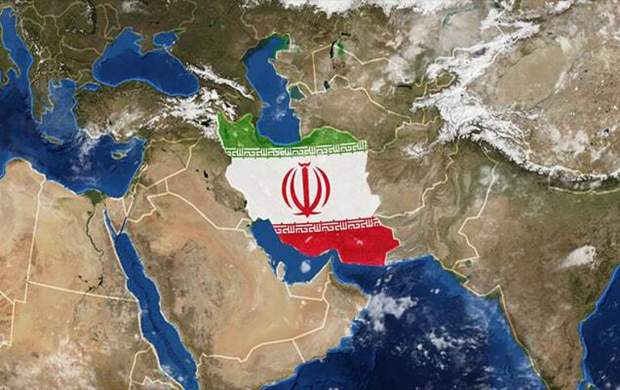
The Components of Iran’s Deterrence Power

The Components of Iran’s Deterrence Power

SCFR Online – Opinion: At a time when regional security equations have reached a sensitive stage under the influence of Iran’s strategic confrontation with the United States and the Zionist regime, the question of the nature of Tehran’s defensive power has gained greater significance than ever before. While Washington and Tel Aviv rely on their technological superiority, the Islamic Republic of Iran has presented a model of deterrence that extends beyond the material calculations of the world’s classical militaries. This power, rooted in the connection between “the field” and “the people,” has not only altered the balance of power in recent conflicts but has also disrupted adversaries’ calculations when confronting Iran’s strategic depth.

The Role of Missiles and Drones in Iran’s Deterrence Power

The Role of Missiles and Drones in Iran’s Deterrence Power

Online Strategic Council – Interview: An international affairs analyst said: In recent years, the Islamic Republic of Iran has strengthened its asymmetric capabilities, especially in the missile and drone fields. The growing development of missile and drone capabilities has not only raised the cost for regional rivals to enter the aerial arena but also enabled our country to establish layered deterrence and pursue more sustainable strategies compared to countries possessing advanced fighter jets.

An Analysis of US House Vote to Sanction International Criminal Court

An Analysis of US House Vote to Sanction International Criminal Court

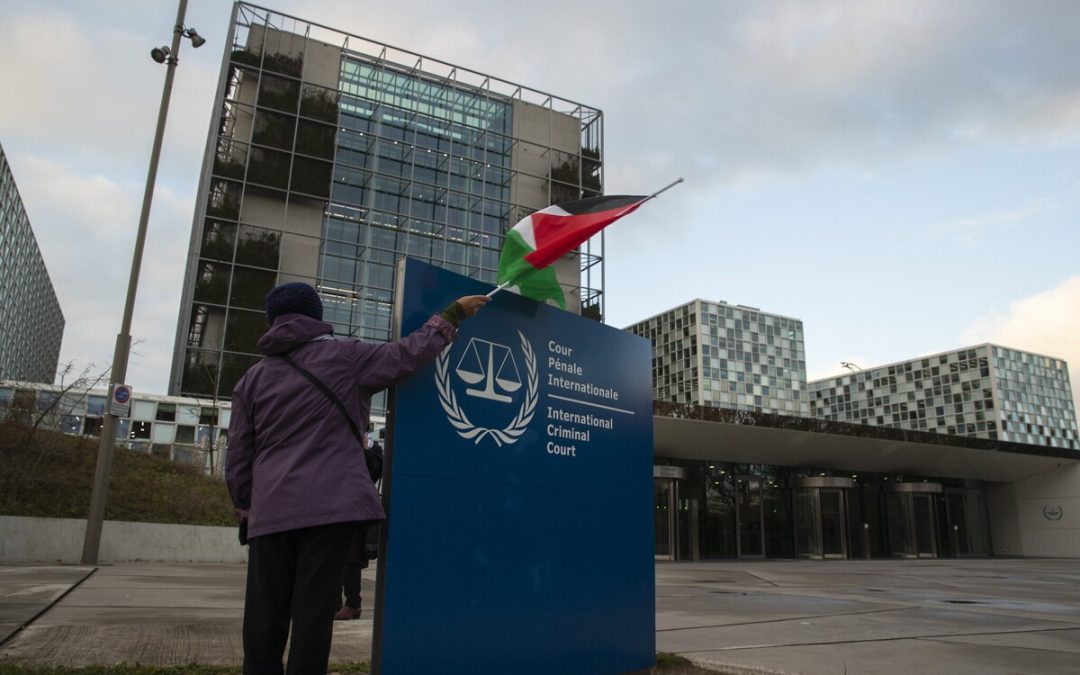
Strategic Council Online—Interview: A researcher of West Asian issues said: The US House of Representatives voted by a comfortable majority on June 4 to impose sanctions on the International Criminal Court (ICC) following its prosecutor’s decision to seek arrest warrants for Prime Minister Benjamin Netanyahu and Defense Minister Yoav Gallant. The move by the House was taken in full support of the Zionist regime.

Sabotage in Natanz Nuclear Facilities and the Question of Deterrence

Sabotage in Natanz Nuclear Facilities and the Question of Deterrence

Strategic Council Online – A faculty member of the Institute for Strategic Studies, says that preventing enhancement of capabilities that could create deterrence against Israel’s capabilities and bring Israel’s deterrence under question is the regime’s consistent policy. He added: If strategic patience is interpreted as not responding, there may be more damage to Iran’s national interests and security.

Turkey’s Strategy to Export Military Drones

Turkey’s Strategy to Export Military Drones

Strategic Council Online – Turkey has made significant progress in the military industry, and is known in the world not only in the production of light and heavy weapons, vehicles, ships and military aircraft, but has also outstanding activity in the design and development of missiles, electronic systems and control.
Mahmoud Fazeli – Analyst of international affairs

Ansarullah’s Military Strategy towards Saudi Coalition

Ansarullah’s Military Strategy towards Saudi Coalition

Strategic Council Online – Yemen is now facing major developments that will extend beyond the land borders of Yemen and neighboring countries. With the recent threats posed by the Yemeni army and popular committees, it seems that in the coming days there will be changes in the depths of Saudi Arabia and the UAE, and it will not even be far from expected that Ansarullah may consider hitting targets in the Zionist regime.
Reza Mirabian – Expert on Developments in Persian Gulf

أحدث الوظائف

Indicators for Choosing Between War and Diplomacy

SCFR Online – Opinion: Foreign policy analysis is valid when it evaluates decisions based on the information and circumstances prevailing at the time they were made, not on the basis of outcomes that only become apparent after the crisis has ended.

The war of narratives; a tool for geopolitical competition

Strategic Council Online – Note: In today’s global politics, the creation of narratives has become as important as territorial control and economic management, and has turned into the main tool of great power competition.

Analysis of the Recognition of the Armenian Genocide by the Zionist Regime

SCFR Online – Opinion: At a time when the West Asia region, particularly in recent months, has been undergoing the most complex political and security developments of the past half-century, the sudden decision by the cabinet of the Zionist regime to recognize the Armenian genocide committed by Turkey, which has faced strong condemnation and opposition from Ankara and Baku, raises questions.

Loading

Deterrent power

The Components of Iran’s Deterrence Power

The Components of Iran’s Deterrence Power

SCFR Online – Opinion: At a time when regional security equations have reached a sensitive stage under the influence of Iran’s strategic confrontation with the United States and the Zionist regime, the question of the nature of Tehran’s defensive power has gained greater significance than ever before. While Washington and Tel Aviv rely on their technological superiority, the Islamic Republic of Iran has presented a model of deterrence that extends beyond the material calculations of the world’s classical militaries. This power, rooted in the connection between “the field” and “the people,” has not only altered the balance of power in recent conflicts but has also disrupted adversaries’ calculations when confronting Iran’s strategic depth.

The Role of Missiles and Drones in Iran’s Deterrence Power

The Role of Missiles and Drones in Iran’s Deterrence Power

Online Strategic Council – Interview: An international affairs analyst said: In recent years, the Islamic Republic of Iran has strengthened its asymmetric capabilities, especially in the missile and drone fields. The growing development of missile and drone capabilities has not only raised the cost for regional rivals to enter the aerial arena but also enabled our country to establish layered deterrence and pursue more sustainable strategies compared to countries possessing advanced fighter jets.

An Analysis of US House Vote to Sanction International Criminal Court

An Analysis of US House Vote to Sanction International Criminal Court

Strategic Council Online—Interview: A researcher of West Asian issues said: The US House of Representatives voted by a comfortable majority on June 4 to impose sanctions on the International Criminal Court (ICC) following its prosecutor’s decision to seek arrest warrants for Prime Minister Benjamin Netanyahu and Defense Minister Yoav Gallant. The move by the House was taken in full support of the Zionist regime.

Sabotage in Natanz Nuclear Facilities and the Question of Deterrence

Sabotage in Natanz Nuclear Facilities and the Question of Deterrence

Strategic Council Online – A faculty member of the Institute for Strategic Studies, says that preventing enhancement of capabilities that could create deterrence against Israel’s capabilities and bring Israel’s deterrence under question is the regime’s consistent policy. He added: If strategic patience is interpreted as not responding, there may be more damage to Iran’s national interests and security.

Turkey’s Strategy to Export Military Drones

Turkey’s Strategy to Export Military Drones

Strategic Council Online – Turkey has made significant progress in the military industry, and is known in the world not only in the production of light and heavy weapons, vehicles, ships and military aircraft, but has also outstanding activity in the design and development of missiles, electronic systems and control.
Mahmoud Fazeli – Analyst of international affairs

Ansarullah’s Military Strategy towards Saudi Coalition

Ansarullah’s Military Strategy towards Saudi Coalition

Strategic Council Online – Yemen is now facing major developments that will extend beyond the land borders of Yemen and neighboring countries. With the recent threats posed by the Yemeni army and popular committees, it seems that in the coming days there will be changes in the depths of Saudi Arabia and the UAE, and it will not even be far from expected that Ansarullah may consider hitting targets in the Zionist regime.
Reza Mirabian – Expert on Developments in Persian Gulf

Deterrent power

The Components of Iran’s Deterrence Power

The Components of Iran’s Deterrence Power

SCFR Online – Opinion: At a time when regional security equations have reached a sensitive stage under the influence of Iran’s strategic confrontation with the United States and the Zionist regime, the question of the nature of Tehran’s defensive power has gained greater significance than ever before. While Washington and Tel Aviv rely on their technological superiority, the Islamic Republic of Iran has presented a model of deterrence that extends beyond the material calculations of the world’s classical militaries. This power, rooted in the connection between “the field” and “the people,” has not only altered the balance of power in recent conflicts but has also disrupted adversaries’ calculations when confronting Iran’s strategic depth.

The Role of Missiles and Drones in Iran’s Deterrence Power

The Role of Missiles and Drones in Iran’s Deterrence Power

Online Strategic Council – Interview: An international affairs analyst said: In recent years, the Islamic Republic of Iran has strengthened its asymmetric capabilities, especially in the missile and drone fields. The growing development of missile and drone capabilities has not only raised the cost for regional rivals to enter the aerial arena but also enabled our country to establish layered deterrence and pursue more sustainable strategies compared to countries possessing advanced fighter jets.

An Analysis of US House Vote to Sanction International Criminal Court

An Analysis of US House Vote to Sanction International Criminal Court

Strategic Council Online—Interview: A researcher of West Asian issues said: The US House of Representatives voted by a comfortable majority on June 4 to impose sanctions on the International Criminal Court (ICC) following its prosecutor’s decision to seek arrest warrants for Prime Minister Benjamin Netanyahu and Defense Minister Yoav Gallant. The move by the House was taken in full support of the Zionist regime.

Sabotage in Natanz Nuclear Facilities and the Question of Deterrence

Sabotage in Natanz Nuclear Facilities and the Question of Deterrence

Strategic Council Online – A faculty member of the Institute for Strategic Studies, says that preventing enhancement of capabilities that could create deterrence against Israel’s capabilities and bring Israel’s deterrence under question is the regime’s consistent policy. He added: If strategic patience is interpreted as not responding, there may be more damage to Iran’s national interests and security.

Turkey’s Strategy to Export Military Drones

Turkey’s Strategy to Export Military Drones

Strategic Council Online – Turkey has made significant progress in the military industry, and is known in the world not only in the production of light and heavy weapons, vehicles, ships and military aircraft, but has also outstanding activity in the design and development of missiles, electronic systems and control.
Mahmoud Fazeli – Analyst of international affairs

Ansarullah’s Military Strategy towards Saudi Coalition

Ansarullah’s Military Strategy towards Saudi Coalition

Strategic Council Online – Yemen is now facing major developments that will extend beyond the land borders of Yemen and neighboring countries. With the recent threats posed by the Yemeni army and popular committees, it seems that in the coming days there will be changes in the depths of Saudi Arabia and the UAE, and it will not even be far from expected that Ansarullah may consider hitting targets in the Zionist regime.
Reza Mirabian – Expert on Developments in Persian Gulf

LATEST CONTENT

Indicators for Choosing Between War and Diplomacy

SCFR Online – Opinion: Foreign policy analysis is valid when it evaluates decisions based on the information and circumstances prevailing at the time they were made, not on the basis of outcomes that only become apparent after the crisis has ended.

The war of narratives; a tool for geopolitical competition

Strategic Council Online – Note: In today’s global politics, the creation of narratives has become as important as territorial control and economic management, and has turned into the main tool of great power competition.

Analysis of the Recognition of the Armenian Genocide by the Zionist Regime

SCFR Online – Opinion: At a time when the West Asia region, particularly in recent months, has been undergoing the most complex political and security developments of the past half-century, the sudden decision by the cabinet of the Zionist regime to recognize the Armenian genocide committed by Turkey, which has faced strong condemnation and opposition from Ankara and Baku, raises questions.

Loading

Deterrent power

The Components of Iran’s Deterrence Power

The Components of Iran’s Deterrence Power

SCFR Online – Opinion: At a time when regional security equations have reached a sensitive stage under the influence of Iran’s strategic confrontation with the United States and the Zionist regime, the question of the nature of Tehran’s defensive power has gained greater significance than ever before. While Washington and Tel Aviv rely on their technological superiority, the Islamic Republic of Iran has presented a model of deterrence that extends beyond the material calculations of the world’s classical militaries. This power, rooted in the connection between “the field” and “the people,” has not only altered the balance of power in recent conflicts but has also disrupted adversaries’ calculations when confronting Iran’s strategic depth.

The Role of Missiles and Drones in Iran’s Deterrence Power

The Role of Missiles and Drones in Iran’s Deterrence Power

Online Strategic Council – Interview: An international affairs analyst said: In recent years, the Islamic Republic of Iran has strengthened its asymmetric capabilities, especially in the missile and drone fields. The growing development of missile and drone capabilities has not only raised the cost for regional rivals to enter the aerial arena but also enabled our country to establish layered deterrence and pursue more sustainable strategies compared to countries possessing advanced fighter jets.

An Analysis of US House Vote to Sanction International Criminal Court

An Analysis of US House Vote to Sanction International Criminal Court

Strategic Council Online—Interview: A researcher of West Asian issues said: The US House of Representatives voted by a comfortable majority on June 4 to impose sanctions on the International Criminal Court (ICC) following its prosecutor’s decision to seek arrest warrants for Prime Minister Benjamin Netanyahu and Defense Minister Yoav Gallant. The move by the House was taken in full support of the Zionist regime.

Sabotage in Natanz Nuclear Facilities and the Question of Deterrence

Sabotage in Natanz Nuclear Facilities and the Question of Deterrence

Strategic Council Online – A faculty member of the Institute for Strategic Studies, says that preventing enhancement of capabilities that could create deterrence against Israel’s capabilities and bring Israel’s deterrence under question is the regime’s consistent policy. He added: If strategic patience is interpreted as not responding, there may be more damage to Iran’s national interests and security.

Turkey’s Strategy to Export Military Drones

Turkey’s Strategy to Export Military Drones

Strategic Council Online – Turkey has made significant progress in the military industry, and is known in the world not only in the production of light and heavy weapons, vehicles, ships and military aircraft, but has also outstanding activity in the design and development of missiles, electronic systems and control.
Mahmoud Fazeli – Analyst of international affairs

Ansarullah’s Military Strategy towards Saudi Coalition

Ansarullah’s Military Strategy towards Saudi Coalition

Strategic Council Online – Yemen is now facing major developments that will extend beyond the land borders of Yemen and neighboring countries. With the recent threats posed by the Yemeni army and popular committees, it seems that in the coming days there will be changes in the depths of Saudi Arabia and the UAE, and it will not even be far from expected that Ansarullah may consider hitting targets in the Zionist regime.
Reza Mirabian – Expert on Developments in Persian Gulf

ÚLTIMAS PUBLICACIONES

Indicators for Choosing Between War and Diplomacy

SCFR Online – Opinion: Foreign policy analysis is valid when it evaluates decisions based on the information and circumstances prevailing at the time they were made, not on the basis of outcomes that only become apparent after the crisis has ended.

The war of narratives; a tool for geopolitical competition

Strategic Council Online – Note: In today’s global politics, the creation of narratives has become as important as territorial control and economic management, and has turned into the main tool of great power competition.

Analysis of the Recognition of the Armenian Genocide by the Zionist Regime

SCFR Online – Opinion: At a time when the West Asia region, particularly in recent months, has been undergoing the most complex political and security developments of the past half-century, the sudden decision by the cabinet of the Zionist regime to recognize the Armenian genocide committed by Turkey, which has faced strong condemnation and opposition from Ankara and Baku, raises questions.

Loading

Deterrent power

The Components of Iran’s Deterrence Power

The Components of Iran’s Deterrence Power

SCFR Online – Opinion: At a time when regional security equations have reached a sensitive stage under the influence of Iran’s strategic confrontation with the United States and the Zionist regime, the question of the nature of Tehran’s defensive power has gained greater significance than ever before. While Washington and Tel Aviv rely on their technological superiority, the Islamic Republic of Iran has presented a model of deterrence that extends beyond the material calculations of the world’s classical militaries. This power, rooted in the connection between “the field” and “the people,” has not only altered the balance of power in recent conflicts but has also disrupted adversaries’ calculations when confronting Iran’s strategic depth.

The Role of Missiles and Drones in Iran’s Deterrence Power

The Role of Missiles and Drones in Iran’s Deterrence Power

Online Strategic Council – Interview: An international affairs analyst said: In recent years, the Islamic Republic of Iran has strengthened its asymmetric capabilities, especially in the missile and drone fields. The growing development of missile and drone capabilities has not only raised the cost for regional rivals to enter the aerial arena but also enabled our country to establish layered deterrence and pursue more sustainable strategies compared to countries possessing advanced fighter jets.

An Analysis of US House Vote to Sanction International Criminal Court

An Analysis of US House Vote to Sanction International Criminal Court

Strategic Council Online—Interview: A researcher of West Asian issues said: The US House of Representatives voted by a comfortable majority on June 4 to impose sanctions on the International Criminal Court (ICC) following its prosecutor’s decision to seek arrest warrants for Prime Minister Benjamin Netanyahu and Defense Minister Yoav Gallant. The move by the House was taken in full support of the Zionist regime.

Sabotage in Natanz Nuclear Facilities and the Question of Deterrence

Sabotage in Natanz Nuclear Facilities and the Question of Deterrence

Strategic Council Online – A faculty member of the Institute for Strategic Studies, says that preventing enhancement of capabilities that could create deterrence against Israel’s capabilities and bring Israel’s deterrence under question is the regime’s consistent policy. He added: If strategic patience is interpreted as not responding, there may be more damage to Iran’s national interests and security.

Turkey’s Strategy to Export Military Drones

Turkey’s Strategy to Export Military Drones

Strategic Council Online – Turkey has made significant progress in the military industry, and is known in the world not only in the production of light and heavy weapons, vehicles, ships and military aircraft, but has also outstanding activity in the design and development of missiles, electronic systems and control.
Mahmoud Fazeli – Analyst of international affairs

Ansarullah’s Military Strategy towards Saudi Coalition

Ansarullah’s Military Strategy towards Saudi Coalition

Strategic Council Online – Yemen is now facing major developments that will extend beyond the land borders of Yemen and neighboring countries. With the recent threats posed by the Yemeni army and popular committees, it seems that in the coming days there will be changes in the depths of Saudi Arabia and the UAE, and it will not even be far from expected that Ansarullah may consider hitting targets in the Zionist regime.
Reza Mirabian – Expert on Developments in Persian Gulf

ÚLTIMAS PUBLICACIONES

Indicators for Choosing Between War and Diplomacy

SCFR Online – Opinion: Foreign policy analysis is valid when it evaluates decisions based on the information and circumstances prevailing at the time they were made, not on the basis of outcomes that only become apparent after the crisis has ended.

The war of narratives; a tool for geopolitical competition

Strategic Council Online – Note: In today’s global politics, the creation of narratives has become as important as territorial control and economic management, and has turned into the main tool of great power competition.

Analysis of the Recognition of the Armenian Genocide by the Zionist Regime

SCFR Online – Opinion: At a time when the West Asia region, particularly in recent months, has been undergoing the most complex political and security developments of the past half-century, the sudden decision by the cabinet of the Zionist regime to recognize the Armenian genocide committed by Turkey, which has faced strong condemnation and opposition from Ankara and Baku, raises questions.

Loading

Deterrent power

The Components of Iran’s Deterrence Power

The Components of Iran’s Deterrence Power

SCFR Online – Opinion: At a time when regional security equations have reached a sensitive stage under the influence of Iran’s strategic confrontation with the United States and the Zionist regime, the question of the nature of Tehran’s defensive power has gained greater significance than ever before. While Washington and Tel Aviv rely on their technological superiority, the Islamic Republic of Iran has presented a model of deterrence that extends beyond the material calculations of the world’s classical militaries. This power, rooted in the connection between “the field” and “the people,” has not only altered the balance of power in recent conflicts but has also disrupted adversaries’ calculations when confronting Iran’s strategic depth.

The Role of Missiles and Drones in Iran’s Deterrence Power

The Role of Missiles and Drones in Iran’s Deterrence Power

Online Strategic Council – Interview: An international affairs analyst said: In recent years, the Islamic Republic of Iran has strengthened its asymmetric capabilities, especially in the missile and drone fields. The growing development of missile and drone capabilities has not only raised the cost for regional rivals to enter the aerial arena but also enabled our country to establish layered deterrence and pursue more sustainable strategies compared to countries possessing advanced fighter jets.

An Analysis of US House Vote to Sanction International Criminal Court

An Analysis of US House Vote to Sanction International Criminal Court

Strategic Council Online—Interview: A researcher of West Asian issues said: The US House of Representatives voted by a comfortable majority on June 4 to impose sanctions on the International Criminal Court (ICC) following its prosecutor’s decision to seek arrest warrants for Prime Minister Benjamin Netanyahu and Defense Minister Yoav Gallant. The move by the House was taken in full support of the Zionist regime.

Sabotage in Natanz Nuclear Facilities and the Question of Deterrence

Sabotage in Natanz Nuclear Facilities and the Question of Deterrence

Strategic Council Online – A faculty member of the Institute for Strategic Studies, says that preventing enhancement of capabilities that could create deterrence against Israel’s capabilities and bring Israel’s deterrence under question is the regime’s consistent policy. He added: If strategic patience is interpreted as not responding, there may be more damage to Iran’s national interests and security.

Turkey’s Strategy to Export Military Drones

Turkey’s Strategy to Export Military Drones

Strategic Council Online – Turkey has made significant progress in the military industry, and is known in the world not only in the production of light and heavy weapons, vehicles, ships and military aircraft, but has also outstanding activity in the design and development of missiles, electronic systems and control.
Mahmoud Fazeli – Analyst of international affairs

Ansarullah’s Military Strategy towards Saudi Coalition

Ansarullah’s Military Strategy towards Saudi Coalition

Strategic Council Online – Yemen is now facing major developments that will extend beyond the land borders of Yemen and neighboring countries. With the recent threats posed by the Yemeni army and popular committees, it seems that in the coming days there will be changes in the depths of Saudi Arabia and the UAE, and it will not even be far from expected that Ansarullah may consider hitting targets in the Zionist regime.
Reza Mirabian – Expert on Developments in Persian Gulf

ÚLTIMAS PUBLICACIONES

Indicators for Choosing Between War and Diplomacy

SCFR Online – Opinion: Foreign policy analysis is valid when it evaluates decisions based on the information and circumstances prevailing at the time they were made, not on the basis of outcomes that only become apparent after the crisis has ended.

The war of narratives; a tool for geopolitical competition

Strategic Council Online – Note: In today’s global politics, the creation of narratives has become as important as territorial control and economic management, and has turned into the main tool of great power competition.

Analysis of the Recognition of the Armenian Genocide by the Zionist Regime

SCFR Online – Opinion: At a time when the West Asia region, particularly in recent months, has been undergoing the most complex political and security developments of the past half-century, the sudden decision by the cabinet of the Zionist regime to recognize the Armenian genocide committed by Turkey, which has faced strong condemnation and opposition from Ankara and Baku, raises questions.

Loading

Deterrent power

The Components of Iran’s Deterrence Power

The Components of Iran’s Deterrence Power

SCFR Online – Opinion: At a time when regional security equations have reached a sensitive stage under the influence of Iran’s strategic confrontation with the United States and the Zionist regime, the question of the nature of Tehran’s defensive power has gained greater significance than ever before. While Washington and Tel Aviv rely on their technological superiority, the Islamic Republic of Iran has presented a model of deterrence that extends beyond the material calculations of the world’s classical militaries. This power, rooted in the connection between “the field” and “the people,” has not only altered the balance of power in recent conflicts but has also disrupted adversaries’ calculations when confronting Iran’s strategic depth.

The Role of Missiles and Drones in Iran’s Deterrence Power

The Role of Missiles and Drones in Iran’s Deterrence Power

Online Strategic Council – Interview: An international affairs analyst said: In recent years, the Islamic Republic of Iran has strengthened its asymmetric capabilities, especially in the missile and drone fields. The growing development of missile and drone capabilities has not only raised the cost for regional rivals to enter the aerial arena but also enabled our country to establish layered deterrence and pursue more sustainable strategies compared to countries possessing advanced fighter jets.

An Analysis of US House Vote to Sanction International Criminal Court

An Analysis of US House Vote to Sanction International Criminal Court

Strategic Council Online—Interview: A researcher of West Asian issues said: The US House of Representatives voted by a comfortable majority on June 4 to impose sanctions on the International Criminal Court (ICC) following its prosecutor’s decision to seek arrest warrants for Prime Minister Benjamin Netanyahu and Defense Minister Yoav Gallant. The move by the House was taken in full support of the Zionist regime.

Sabotage in Natanz Nuclear Facilities and the Question of Deterrence

Sabotage in Natanz Nuclear Facilities and the Question of Deterrence

Strategic Council Online – A faculty member of the Institute for Strategic Studies, says that preventing enhancement of capabilities that could create deterrence against Israel’s capabilities and bring Israel’s deterrence under question is the regime’s consistent policy. He added: If strategic patience is interpreted as not responding, there may be more damage to Iran’s national interests and security.

Turkey’s Strategy to Export Military Drones

Turkey’s Strategy to Export Military Drones

Strategic Council Online – Turkey has made significant progress in the military industry, and is known in the world not only in the production of light and heavy weapons, vehicles, ships and military aircraft, but has also outstanding activity in the design and development of missiles, electronic systems and control.
Mahmoud Fazeli – Analyst of international affairs

Ansarullah’s Military Strategy towards Saudi Coalition

Ansarullah’s Military Strategy towards Saudi Coalition

Strategic Council Online – Yemen is now facing major developments that will extend beyond the land borders of Yemen and neighboring countries. With the recent threats posed by the Yemeni army and popular committees, it seems that in the coming days there will be changes in the depths of Saudi Arabia and the UAE, and it will not even be far from expected that Ansarullah may consider hitting targets in the Zionist regime.
Reza Mirabian – Expert on Developments in Persian Gulf

ÚLTIMAS PUBLICACIONES

Indicators for Choosing Between War and Diplomacy

SCFR Online – Opinion: Foreign policy analysis is valid when it evaluates decisions based on the information and circumstances prevailing at the time they were made, not on the basis of outcomes that only become apparent after the crisis has ended.

The war of narratives; a tool for geopolitical competition

Strategic Council Online – Note: In today’s global politics, the creation of narratives has become as important as territorial control and economic management, and has turned into the main tool of great power competition.

Analysis of the Recognition of the Armenian Genocide by the Zionist Regime

SCFR Online – Opinion: At a time when the West Asia region, particularly in recent months, has been undergoing the most complex political and security developments of the past half-century, the sudden decision by the cabinet of the Zionist regime to recognize the Armenian genocide committed by Turkey, which has faced strong condemnation and opposition from Ankara and Baku, raises questions.

Loading