An Analysis of the Makkah Defense Pact
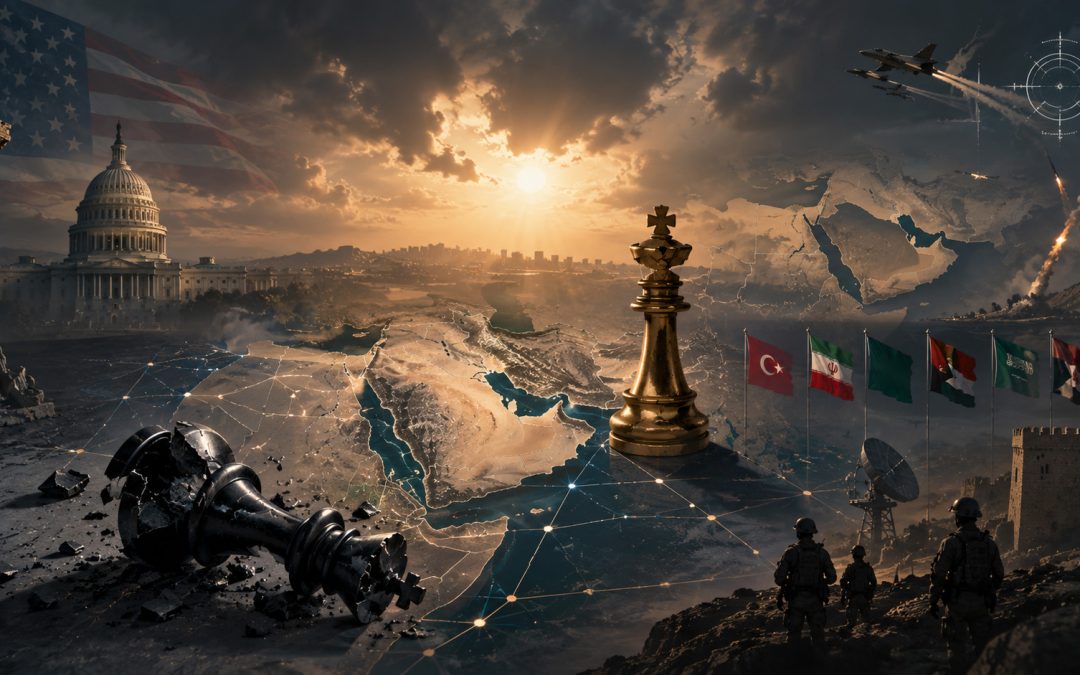
SCFR Online – Opinion: On Friday, August 7, the heads of state of three countries – Saudi Arabia, Turkey, and Pakistan – signed a text under the title “Makkah Joint Defense Agreement.”
Strategic Council Online – Note: The initiative to revive the Hejaz Railway, beyond being a transportation project, constitutes an attempt to redefine geopolitics, the economy, and Turkey’s regional position; however, its realization appears to face significant financial, security, and institutional challenges.
SCFR Online – Opinion: The Strait of Hormuz crisis is no longer merely the consequence of a military confrontation, but rather a sign of the transition from the US-centered maritime order to a new energy security structure involving the participation of emerging and influential powers.
SCFR Online – Opinion: Iran’s active deterrence strategy, while increasing the costs of US intervention, has increasingly exposed the hidden rifts between Washington’s interests and those of the Israeli regime.
SCFR Online – Opinion: The escalation of verbal and strategic tensions between Turkey and the Israeli regime, although not increasing the likelihood of direct war, indicates the formation of a new order in West Asian geopolitical rivalries.
Strategic Council Online – Note: Recent developments in the political geography of West Asia, from rising tensions in the Persian Gulf to missile and drone activities in the Red Sea and the recent warning by Kaja Kallas, the European Union’s foreign policy chief, regarding the threat to freedom of navigation, indicate a key pattern shift; the US-Iran war has moved beyond the scope of a regional and local confrontation and has linked two vital passageways for the global economy: the Strait of Hormuz and the Bab el-Mandeb Strait.
SCFR Online – Opinion: The Ukraine war was not merely a European crisis, but rather the starting point for the rearrangement of the global balance of power and a shift in the strategic behavior of great powers.
SCFR Online – Opinion: Great power competition is now pursued more in trade, currency, technology, and global supply chains than on the battlefields of military confrontation.
SCFR Online – Opinion: Foreign policy analysis is valid when it evaluates decisions based on the information and circumstances prevailing at the time they were made, not on the basis of outcomes that only become apparent after the crisis has ended.
SCFRONLINE – Opinion: The war against Iran was not merely a military confrontation, but a turning point that challenged many of the security assumptions of West Asia and even the Western alliance system.
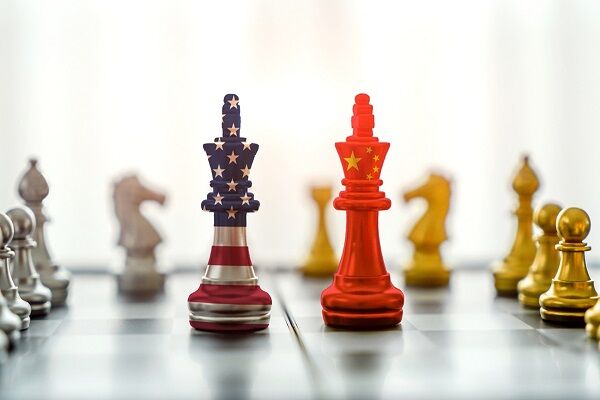
Strategic Council Online – Opinion: The global economy has entered a phase where competition among major powers is driven not by firing bullets, but through chips, supply chains, and technological standards. Economic security has become the main arena of strategic contention. In this landscape, Washington and Beijing are redefining the rules of the game, and its implications extend beyond bilateral relations, affecting the entire international order.
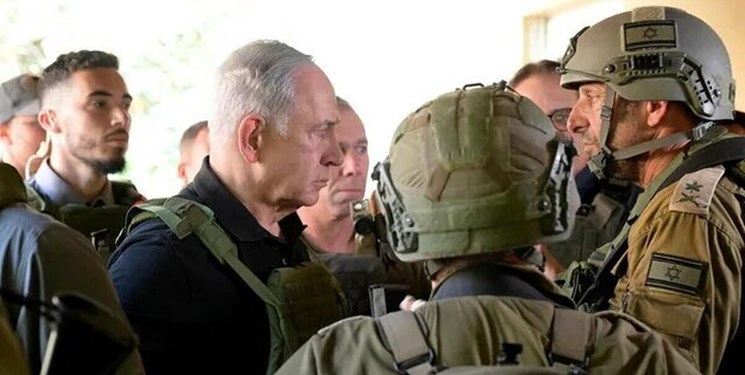
Strategic Council Online – Opinion: Operation True Promise-2, whose targets included the safest places of the Zionist regime, caused a lot of damage, while the number of ballistic missiles fired, which is the largest number in one day in history, is unprecedented in the lifetime of the Zionist regime.
Strategic Council Online – Interview: An expert on international issues said that Russia’s threat to use nuclear weapons in the Ukraine war comes with a “deterrence” approach because the Russians currently have no ground for using nuclear weapons.
Strategic Council Online – Interview: A university professor says the Zionist regime was not successful in targeting Hamas leaders in Gaza, but it seems that it is now focused on assassinating the leaders of the Resistance and those who helped Hamas in the Al-Aqsa Operation Storm outside the borders of Gaza.
Strategic Council Online – Interview: Showing NATO’s unity in the face of aggression and strengthening deterrence was one of the most important targets of NATO’s most significant air exercise, said an expert on international affairs, adding: Europe may be able to stand against Russia in the short term, but in the end, the territorial connection between Europe and Russia and mutual needs, in the long run, make European countries unable to form a united front against Russia.
Strategic Council Online – Commander of the Iranian Navy, stating that the presence of the Iranian squadron in the Atlantic Ocean is the largest navigation in the history of Iran, said: I believe that the center of gravity of the global naval power is shifting in favor of regional powers and this is the rise of the Iranian Islamic civilization, which has been taken to the sea, and it certainly creates great opportunities for Iran.
Strategic Council Online – An analyst of Asian affairs referring to the type of acting by China and the United States in the Korean Peninsula said: “Given the reluctance of the two powers to face a serious confrontation in the current situation, it is predicted that the decision taken by North Korea to suspend military action against South Korea is in line with the interests of the major actors and therefore has no significant impact on the countries concerned.
Strategic Council Online: Given the economic and social implications of the coronavirus in the United States, maybe it would be more attractive if Trump was defeated by his Democratic rival, Joe Biden. However, even if this would be the case given the US governing structure in practice, it is unlikely for Biden to be able to make effective changes in the US strategy towards the Islamic Republic of Iran.
Saeed Shokouhi – Faculty Member of Allameh Tabatabai University
SCFR Online – Opinion: On Friday, August 7, the heads of state of three countries – Saudi Arabia, Turkey, and Pakistan – signed a text under the title “Makkah Joint Defense Agreement.”
Strategic Council Online – Note: The initiative to revive the Hejaz Railway, beyond being a transportation project, constitutes an attempt to redefine geopolitics, the economy, and Turkey’s regional position; however, its realization appears to face significant financial, security, and institutional challenges.
SCFR Online – Opinion: The Strait of Hormuz crisis is no longer merely the consequence of a military confrontation, but rather a sign of the transition from the US-centered maritime order to a new energy security structure involving the participation of emerging and influential powers.
SCFR Online – Opinion: Iran’s active deterrence strategy, while increasing the costs of US intervention, has increasingly exposed the hidden rifts between Washington’s interests and those of the Israeli regime.
SCFR Online – Opinion: The escalation of verbal and strategic tensions between Turkey and the Israeli regime, although not increasing the likelihood of direct war, indicates the formation of a new order in West Asian geopolitical rivalries.
Strategic Council Online – Note: Recent developments in the political geography of West Asia, from rising tensions in the Persian Gulf to missile and drone activities in the Red Sea and the recent warning by Kaja Kallas, the European Union’s foreign policy chief, regarding the threat to freedom of navigation, indicate a key pattern shift; the US-Iran war has moved beyond the scope of a regional and local confrontation and has linked two vital passageways for the global economy: the Strait of Hormuz and the Bab el-Mandeb Strait.
SCFR Online – Opinion: The Ukraine war was not merely a European crisis, but rather the starting point for the rearrangement of the global balance of power and a shift in the strategic behavior of great powers.
SCFR Online – Opinion: Great power competition is now pursued more in trade, currency, technology, and global supply chains than on the battlefields of military confrontation.
SCFR Online – Opinion: Foreign policy analysis is valid when it evaluates decisions based on the information and circumstances prevailing at the time they were made, not on the basis of outcomes that only become apparent after the crisis has ended.
SCFRONLINE – Opinion: The war against Iran was not merely a military confrontation, but a turning point that challenged many of the security assumptions of West Asia and even the Western alliance system.
Strategic Council Online – Opinion: The global economy has entered a phase where competition among major powers is driven not by firing bullets, but through chips, supply chains, and technological standards. Economic security has become the main arena of strategic contention. In this landscape, Washington and Beijing are redefining the rules of the game, and its implications extend beyond bilateral relations, affecting the entire international order.
Strategic Council Online – Opinion: Operation True Promise-2, whose targets included the safest places of the Zionist regime, caused a lot of damage, while the number of ballistic missiles fired, which is the largest number in one day in history, is unprecedented in the lifetime of the Zionist regime.
Strategic Council Online – Interview: An expert on international issues said that Russia’s threat to use nuclear weapons in the Ukraine war comes with a “deterrence” approach because the Russians currently have no ground for using nuclear weapons.
Strategic Council Online – Interview: A university professor says the Zionist regime was not successful in targeting Hamas leaders in Gaza, but it seems that it is now focused on assassinating the leaders of the Resistance and those who helped Hamas in the Al-Aqsa Operation Storm outside the borders of Gaza.
Strategic Council Online – Interview: Showing NATO’s unity in the face of aggression and strengthening deterrence was one of the most important targets of NATO’s most significant air exercise, said an expert on international affairs, adding: Europe may be able to stand against Russia in the short term, but in the end, the territorial connection between Europe and Russia and mutual needs, in the long run, make European countries unable to form a united front against Russia.
Strategic Council Online – Commander of the Iranian Navy, stating that the presence of the Iranian squadron in the Atlantic Ocean is the largest navigation in the history of Iran, said: I believe that the center of gravity of the global naval power is shifting in favor of regional powers and this is the rise of the Iranian Islamic civilization, which has been taken to the sea, and it certainly creates great opportunities for Iran.
Strategic Council Online – An analyst of Asian affairs referring to the type of acting by China and the United States in the Korean Peninsula said: “Given the reluctance of the two powers to face a serious confrontation in the current situation, it is predicted that the decision taken by North Korea to suspend military action against South Korea is in line with the interests of the major actors and therefore has no significant impact on the countries concerned.
Strategic Council Online: Given the economic and social implications of the coronavirus in the United States, maybe it would be more attractive if Trump was defeated by his Democratic rival, Joe Biden. However, even if this would be the case given the US governing structure in practice, it is unlikely for Biden to be able to make effective changes in the US strategy towards the Islamic Republic of Iran.
Saeed Shokouhi – Faculty Member of Allameh Tabatabai University
SCFR Online – Opinion: Foreign policy analysis is valid when it evaluates decisions based on the information and circumstances prevailing at the time they were made, not on the basis of outcomes that only become apparent after the crisis has ended.
SCFRONLINE – Opinion: The war against Iran was not merely a military confrontation, but a turning point that challenged many of the security assumptions of West Asia and even the Western alliance system.
Strategic Council Online – Opinion: The global economy has entered a phase where competition among major powers is driven not by firing bullets, but through chips, supply chains, and technological standards. Economic security has become the main arena of strategic contention. In this landscape, Washington and Beijing are redefining the rules of the game, and its implications extend beyond bilateral relations, affecting the entire international order.
Strategic Council Online – Opinion: Operation True Promise-2, whose targets included the safest places of the Zionist regime, caused a lot of damage, while the number of ballistic missiles fired, which is the largest number in one day in history, is unprecedented in the lifetime of the Zionist regime.
Strategic Council Online – Interview: An expert on international issues said that Russia’s threat to use nuclear weapons in the Ukraine war comes with a “deterrence” approach because the Russians currently have no ground for using nuclear weapons.
Strategic Council Online – Interview: A university professor says the Zionist regime was not successful in targeting Hamas leaders in Gaza, but it seems that it is now focused on assassinating the leaders of the Resistance and those who helped Hamas in the Al-Aqsa Operation Storm outside the borders of Gaza.
Strategic Council Online – Interview: Showing NATO’s unity in the face of aggression and strengthening deterrence was one of the most important targets of NATO’s most significant air exercise, said an expert on international affairs, adding: Europe may be able to stand against Russia in the short term, but in the end, the territorial connection between Europe and Russia and mutual needs, in the long run, make European countries unable to form a united front against Russia.
Strategic Council Online – Commander of the Iranian Navy, stating that the presence of the Iranian squadron in the Atlantic Ocean is the largest navigation in the history of Iran, said: I believe that the center of gravity of the global naval power is shifting in favor of regional powers and this is the rise of the Iranian Islamic civilization, which has been taken to the sea, and it certainly creates great opportunities for Iran.
Strategic Council Online – An analyst of Asian affairs referring to the type of acting by China and the United States in the Korean Peninsula said: “Given the reluctance of the two powers to face a serious confrontation in the current situation, it is predicted that the decision taken by North Korea to suspend military action against South Korea is in line with the interests of the major actors and therefore has no significant impact on the countries concerned.
Strategic Council Online: Given the economic and social implications of the coronavirus in the United States, maybe it would be more attractive if Trump was defeated by his Democratic rival, Joe Biden. However, even if this would be the case given the US governing structure in practice, it is unlikely for Biden to be able to make effective changes in the US strategy towards the Islamic Republic of Iran.
Saeed Shokouhi – Faculty Member of Allameh Tabatabai University
SCFR Online – Opinion: On Friday, August 7, the heads of state of three countries – Saudi Arabia, Turkey, and Pakistan – signed a text under the title “Makkah Joint Defense Agreement.”
Strategic Council Online – Note: The initiative to revive the Hejaz Railway, beyond being a transportation project, constitutes an attempt to redefine geopolitics, the economy, and Turkey’s regional position; however, its realization appears to face significant financial, security, and institutional challenges.
SCFR Online – Opinion: The Strait of Hormuz crisis is no longer merely the consequence of a military confrontation, but rather a sign of the transition from the US-centered maritime order to a new energy security structure involving the participation of emerging and influential powers.
SCFR Online – Opinion: Iran’s active deterrence strategy, while increasing the costs of US intervention, has increasingly exposed the hidden rifts between Washington’s interests and those of the Israeli regime.
SCFR Online – Opinion: The escalation of verbal and strategic tensions between Turkey and the Israeli regime, although not increasing the likelihood of direct war, indicates the formation of a new order in West Asian geopolitical rivalries.
Strategic Council Online – Note: Recent developments in the political geography of West Asia, from rising tensions in the Persian Gulf to missile and drone activities in the Red Sea and the recent warning by Kaja Kallas, the European Union’s foreign policy chief, regarding the threat to freedom of navigation, indicate a key pattern shift; the US-Iran war has moved beyond the scope of a regional and local confrontation and has linked two vital passageways for the global economy: the Strait of Hormuz and the Bab el-Mandeb Strait.
SCFR Online – Opinion: The Ukraine war was not merely a European crisis, but rather the starting point for the rearrangement of the global balance of power and a shift in the strategic behavior of great powers.
SCFR Online – Opinion: Great power competition is now pursued more in trade, currency, technology, and global supply chains than on the battlefields of military confrontation.
SCFR Online – Opinion: Foreign policy analysis is valid when it evaluates decisions based on the information and circumstances prevailing at the time they were made, not on the basis of outcomes that only become apparent after the crisis has ended.
SCFRONLINE – Opinion: The war against Iran was not merely a military confrontation, but a turning point that challenged many of the security assumptions of West Asia and even the Western alliance system.
Strategic Council Online – Opinion: The global economy has entered a phase where competition among major powers is driven not by firing bullets, but through chips, supply chains, and technological standards. Economic security has become the main arena of strategic contention. In this landscape, Washington and Beijing are redefining the rules of the game, and its implications extend beyond bilateral relations, affecting the entire international order.
Strategic Council Online – Opinion: Operation True Promise-2, whose targets included the safest places of the Zionist regime, caused a lot of damage, while the number of ballistic missiles fired, which is the largest number in one day in history, is unprecedented in the lifetime of the Zionist regime.
Strategic Council Online – Interview: An expert on international issues said that Russia’s threat to use nuclear weapons in the Ukraine war comes with a “deterrence” approach because the Russians currently have no ground for using nuclear weapons.
Strategic Council Online – Interview: A university professor says the Zionist regime was not successful in targeting Hamas leaders in Gaza, but it seems that it is now focused on assassinating the leaders of the Resistance and those who helped Hamas in the Al-Aqsa Operation Storm outside the borders of Gaza.
Strategic Council Online – Interview: Showing NATO’s unity in the face of aggression and strengthening deterrence was one of the most important targets of NATO’s most significant air exercise, said an expert on international affairs, adding: Europe may be able to stand against Russia in the short term, but in the end, the territorial connection between Europe and Russia and mutual needs, in the long run, make European countries unable to form a united front against Russia.
Strategic Council Online – Commander of the Iranian Navy, stating that the presence of the Iranian squadron in the Atlantic Ocean is the largest navigation in the history of Iran, said: I believe that the center of gravity of the global naval power is shifting in favor of regional powers and this is the rise of the Iranian Islamic civilization, which has been taken to the sea, and it certainly creates great opportunities for Iran.
Strategic Council Online – An analyst of Asian affairs referring to the type of acting by China and the United States in the Korean Peninsula said: “Given the reluctance of the two powers to face a serious confrontation in the current situation, it is predicted that the decision taken by North Korea to suspend military action against South Korea is in line with the interests of the major actors and therefore has no significant impact on the countries concerned.
Strategic Council Online: Given the economic and social implications of the coronavirus in the United States, maybe it would be more attractive if Trump was defeated by his Democratic rival, Joe Biden. However, even if this would be the case given the US governing structure in practice, it is unlikely for Biden to be able to make effective changes in the US strategy towards the Islamic Republic of Iran.
Saeed Shokouhi – Faculty Member of Allameh Tabatabai University
SCFR Online – Opinion: On Friday, August 7, the heads of state of three countries – Saudi Arabia, Turkey, and Pakistan – signed a text under the title “Makkah Joint Defense Agreement.”
Strategic Council Online – Note: The initiative to revive the Hejaz Railway, beyond being a transportation project, constitutes an attempt to redefine geopolitics, the economy, and Turkey’s regional position; however, its realization appears to face significant financial, security, and institutional challenges.
SCFR Online – Opinion: The Strait of Hormuz crisis is no longer merely the consequence of a military confrontation, but rather a sign of the transition from the US-centered maritime order to a new energy security structure involving the participation of emerging and influential powers.
SCFR Online – Opinion: Iran’s active deterrence strategy, while increasing the costs of US intervention, has increasingly exposed the hidden rifts between Washington’s interests and those of the Israeli regime.
SCFR Online – Opinion: The escalation of verbal and strategic tensions between Turkey and the Israeli regime, although not increasing the likelihood of direct war, indicates the formation of a new order in West Asian geopolitical rivalries.
Strategic Council Online – Note: Recent developments in the political geography of West Asia, from rising tensions in the Persian Gulf to missile and drone activities in the Red Sea and the recent warning by Kaja Kallas, the European Union’s foreign policy chief, regarding the threat to freedom of navigation, indicate a key pattern shift; the US-Iran war has moved beyond the scope of a regional and local confrontation and has linked two vital passageways for the global economy: the Strait of Hormuz and the Bab el-Mandeb Strait.
SCFR Online – Opinion: The Ukraine war was not merely a European crisis, but rather the starting point for the rearrangement of the global balance of power and a shift in the strategic behavior of great powers.
SCFR Online – Opinion: Great power competition is now pursued more in trade, currency, technology, and global supply chains than on the battlefields of military confrontation.
SCFR Online – Opinion: Foreign policy analysis is valid when it evaluates decisions based on the information and circumstances prevailing at the time they were made, not on the basis of outcomes that only become apparent after the crisis has ended.
SCFRONLINE – Opinion: The war against Iran was not merely a military confrontation, but a turning point that challenged many of the security assumptions of West Asia and even the Western alliance system.
Strategic Council Online – Opinion: The global economy has entered a phase where competition among major powers is driven not by firing bullets, but through chips, supply chains, and technological standards. Economic security has become the main arena of strategic contention. In this landscape, Washington and Beijing are redefining the rules of the game, and its implications extend beyond bilateral relations, affecting the entire international order.
Strategic Council Online – Opinion: Operation True Promise-2, whose targets included the safest places of the Zionist regime, caused a lot of damage, while the number of ballistic missiles fired, which is the largest number in one day in history, is unprecedented in the lifetime of the Zionist regime.
Strategic Council Online – Interview: An expert on international issues said that Russia’s threat to use nuclear weapons in the Ukraine war comes with a “deterrence” approach because the Russians currently have no ground for using nuclear weapons.
Strategic Council Online – Interview: A university professor says the Zionist regime was not successful in targeting Hamas leaders in Gaza, but it seems that it is now focused on assassinating the leaders of the Resistance and those who helped Hamas in the Al-Aqsa Operation Storm outside the borders of Gaza.
Strategic Council Online – Interview: Showing NATO’s unity in the face of aggression and strengthening deterrence was one of the most important targets of NATO’s most significant air exercise, said an expert on international affairs, adding: Europe may be able to stand against Russia in the short term, but in the end, the territorial connection between Europe and Russia and mutual needs, in the long run, make European countries unable to form a united front against Russia.
Strategic Council Online – Commander of the Iranian Navy, stating that the presence of the Iranian squadron in the Atlantic Ocean is the largest navigation in the history of Iran, said: I believe that the center of gravity of the global naval power is shifting in favor of regional powers and this is the rise of the Iranian Islamic civilization, which has been taken to the sea, and it certainly creates great opportunities for Iran.
Strategic Council Online – An analyst of Asian affairs referring to the type of acting by China and the United States in the Korean Peninsula said: “Given the reluctance of the two powers to face a serious confrontation in the current situation, it is predicted that the decision taken by North Korea to suspend military action against South Korea is in line with the interests of the major actors and therefore has no significant impact on the countries concerned.
Strategic Council Online: Given the economic and social implications of the coronavirus in the United States, maybe it would be more attractive if Trump was defeated by his Democratic rival, Joe Biden. However, even if this would be the case given the US governing structure in practice, it is unlikely for Biden to be able to make effective changes in the US strategy towards the Islamic Republic of Iran.
Saeed Shokouhi – Faculty Member of Allameh Tabatabai University
SCFR Online – Opinion: On Friday, August 7, the heads of state of three countries – Saudi Arabia, Turkey, and Pakistan – signed a text under the title “Makkah Joint Defense Agreement.”
Strategic Council Online – Note: The initiative to revive the Hejaz Railway, beyond being a transportation project, constitutes an attempt to redefine geopolitics, the economy, and Turkey’s regional position; however, its realization appears to face significant financial, security, and institutional challenges.
SCFR Online – Opinion: The Strait of Hormuz crisis is no longer merely the consequence of a military confrontation, but rather a sign of the transition from the US-centered maritime order to a new energy security structure involving the participation of emerging and influential powers.
SCFR Online – Opinion: Iran’s active deterrence strategy, while increasing the costs of US intervention, has increasingly exposed the hidden rifts between Washington’s interests and those of the Israeli regime.
SCFR Online – Opinion: The escalation of verbal and strategic tensions between Turkey and the Israeli regime, although not increasing the likelihood of direct war, indicates the formation of a new order in West Asian geopolitical rivalries.
Strategic Council Online – Note: Recent developments in the political geography of West Asia, from rising tensions in the Persian Gulf to missile and drone activities in the Red Sea and the recent warning by Kaja Kallas, the European Union’s foreign policy chief, regarding the threat to freedom of navigation, indicate a key pattern shift; the US-Iran war has moved beyond the scope of a regional and local confrontation and has linked two vital passageways for the global economy: the Strait of Hormuz and the Bab el-Mandeb Strait.
SCFR Online – Opinion: The Ukraine war was not merely a European crisis, but rather the starting point for the rearrangement of the global balance of power and a shift in the strategic behavior of great powers.
SCFR Online – Opinion: Great power competition is now pursued more in trade, currency, technology, and global supply chains than on the battlefields of military confrontation.
SCFR Online – Opinion: Foreign policy analysis is valid when it evaluates decisions based on the information and circumstances prevailing at the time they were made, not on the basis of outcomes that only become apparent after the crisis has ended.
SCFRONLINE – Opinion: The war against Iran was not merely a military confrontation, but a turning point that challenged many of the security assumptions of West Asia and even the Western alliance system.
Strategic Council Online – Opinion: The global economy has entered a phase where competition among major powers is driven not by firing bullets, but through chips, supply chains, and technological standards. Economic security has become the main arena of strategic contention. In this landscape, Washington and Beijing are redefining the rules of the game, and its implications extend beyond bilateral relations, affecting the entire international order.
Strategic Council Online – Opinion: Operation True Promise-2, whose targets included the safest places of the Zionist regime, caused a lot of damage, while the number of ballistic missiles fired, which is the largest number in one day in history, is unprecedented in the lifetime of the Zionist regime.
Strategic Council Online – Interview: An expert on international issues said that Russia’s threat to use nuclear weapons in the Ukraine war comes with a “deterrence” approach because the Russians currently have no ground for using nuclear weapons.
Strategic Council Online – Interview: A university professor says the Zionist regime was not successful in targeting Hamas leaders in Gaza, but it seems that it is now focused on assassinating the leaders of the Resistance and those who helped Hamas in the Al-Aqsa Operation Storm outside the borders of Gaza.
Strategic Council Online – Interview: Showing NATO’s unity in the face of aggression and strengthening deterrence was one of the most important targets of NATO’s most significant air exercise, said an expert on international affairs, adding: Europe may be able to stand against Russia in the short term, but in the end, the territorial connection between Europe and Russia and mutual needs, in the long run, make European countries unable to form a united front against Russia.
Strategic Council Online – Commander of the Iranian Navy, stating that the presence of the Iranian squadron in the Atlantic Ocean is the largest navigation in the history of Iran, said: I believe that the center of gravity of the global naval power is shifting in favor of regional powers and this is the rise of the Iranian Islamic civilization, which has been taken to the sea, and it certainly creates great opportunities for Iran.
Strategic Council Online – An analyst of Asian affairs referring to the type of acting by China and the United States in the Korean Peninsula said: “Given the reluctance of the two powers to face a serious confrontation in the current situation, it is predicted that the decision taken by North Korea to suspend military action against South Korea is in line with the interests of the major actors and therefore has no significant impact on the countries concerned.
Strategic Council Online: Given the economic and social implications of the coronavirus in the United States, maybe it would be more attractive if Trump was defeated by his Democratic rival, Joe Biden. However, even if this would be the case given the US governing structure in practice, it is unlikely for Biden to be able to make effective changes in the US strategy towards the Islamic Republic of Iran.
Saeed Shokouhi – Faculty Member of Allameh Tabatabai University
SCFR Online – Opinion: On Friday, August 7, the heads of state of three countries – Saudi Arabia, Turkey, and Pakistan – signed a text under the title “Makkah Joint Defense Agreement.”
Strategic Council Online – Note: The initiative to revive the Hejaz Railway, beyond being a transportation project, constitutes an attempt to redefine geopolitics, the economy, and Turkey’s regional position; however, its realization appears to face significant financial, security, and institutional challenges.
SCFR Online – Opinion: The Strait of Hormuz crisis is no longer merely the consequence of a military confrontation, but rather a sign of the transition from the US-centered maritime order to a new energy security structure involving the participation of emerging and influential powers.
SCFR Online – Opinion: Iran’s active deterrence strategy, while increasing the costs of US intervention, has increasingly exposed the hidden rifts between Washington’s interests and those of the Israeli regime.
SCFR Online – Opinion: The escalation of verbal and strategic tensions between Turkey and the Israeli regime, although not increasing the likelihood of direct war, indicates the formation of a new order in West Asian geopolitical rivalries.
Strategic Council Online – Note: Recent developments in the political geography of West Asia, from rising tensions in the Persian Gulf to missile and drone activities in the Red Sea and the recent warning by Kaja Kallas, the European Union’s foreign policy chief, regarding the threat to freedom of navigation, indicate a key pattern shift; the US-Iran war has moved beyond the scope of a regional and local confrontation and has linked two vital passageways for the global economy: the Strait of Hormuz and the Bab el-Mandeb Strait.
SCFR Online – Opinion: The Ukraine war was not merely a European crisis, but rather the starting point for the rearrangement of the global balance of power and a shift in the strategic behavior of great powers.
SCFR Online – Opinion: Great power competition is now pursued more in trade, currency, technology, and global supply chains than on the battlefields of military confrontation.
SCFR Online – Opinion: Foreign policy analysis is valid when it evaluates decisions based on the information and circumstances prevailing at the time they were made, not on the basis of outcomes that only become apparent after the crisis has ended.
SCFRONLINE – Opinion: The war against Iran was not merely a military confrontation, but a turning point that challenged many of the security assumptions of West Asia and even the Western alliance system.
Strategic Council Online – Opinion: The global economy has entered a phase where competition among major powers is driven not by firing bullets, but through chips, supply chains, and technological standards. Economic security has become the main arena of strategic contention. In this landscape, Washington and Beijing are redefining the rules of the game, and its implications extend beyond bilateral relations, affecting the entire international order.
Strategic Council Online – Opinion: Operation True Promise-2, whose targets included the safest places of the Zionist regime, caused a lot of damage, while the number of ballistic missiles fired, which is the largest number in one day in history, is unprecedented in the lifetime of the Zionist regime.
Strategic Council Online – Interview: An expert on international issues said that Russia’s threat to use nuclear weapons in the Ukraine war comes with a “deterrence” approach because the Russians currently have no ground for using nuclear weapons.
Strategic Council Online – Interview: A university professor says the Zionist regime was not successful in targeting Hamas leaders in Gaza, but it seems that it is now focused on assassinating the leaders of the Resistance and those who helped Hamas in the Al-Aqsa Operation Storm outside the borders of Gaza.
Strategic Council Online – Interview: Showing NATO’s unity in the face of aggression and strengthening deterrence was one of the most important targets of NATO’s most significant air exercise, said an expert on international affairs, adding: Europe may be able to stand against Russia in the short term, but in the end, the territorial connection between Europe and Russia and mutual needs, in the long run, make European countries unable to form a united front against Russia.
Strategic Council Online – Commander of the Iranian Navy, stating that the presence of the Iranian squadron in the Atlantic Ocean is the largest navigation in the history of Iran, said: I believe that the center of gravity of the global naval power is shifting in favor of regional powers and this is the rise of the Iranian Islamic civilization, which has been taken to the sea, and it certainly creates great opportunities for Iran.
Strategic Council Online – An analyst of Asian affairs referring to the type of acting by China and the United States in the Korean Peninsula said: “Given the reluctance of the two powers to face a serious confrontation in the current situation, it is predicted that the decision taken by North Korea to suspend military action against South Korea is in line with the interests of the major actors and therefore has no significant impact on the countries concerned.
Strategic Council Online: Given the economic and social implications of the coronavirus in the United States, maybe it would be more attractive if Trump was defeated by his Democratic rival, Joe Biden. However, even if this would be the case given the US governing structure in practice, it is unlikely for Biden to be able to make effective changes in the US strategy towards the Islamic Republic of Iran.
Saeed Shokouhi – Faculty Member of Allameh Tabatabai University
SCFR Online – Opinion: On Friday, August 7, the heads of state of three countries – Saudi Arabia, Turkey, and Pakistan – signed a text under the title “Makkah Joint Defense Agreement.”
Strategic Council Online – Note: The initiative to revive the Hejaz Railway, beyond being a transportation project, constitutes an attempt to redefine geopolitics, the economy, and Turkey’s regional position; however, its realization appears to face significant financial, security, and institutional challenges.
SCFR Online – Opinion: The Strait of Hormuz crisis is no longer merely the consequence of a military confrontation, but rather a sign of the transition from the US-centered maritime order to a new energy security structure involving the participation of emerging and influential powers.
SCFR Online – Opinion: Iran’s active deterrence strategy, while increasing the costs of US intervention, has increasingly exposed the hidden rifts between Washington’s interests and those of the Israeli regime.
SCFR Online – Opinion: The escalation of verbal and strategic tensions between Turkey and the Israeli regime, although not increasing the likelihood of direct war, indicates the formation of a new order in West Asian geopolitical rivalries.
Strategic Council Online – Note: Recent developments in the political geography of West Asia, from rising tensions in the Persian Gulf to missile and drone activities in the Red Sea and the recent warning by Kaja Kallas, the European Union’s foreign policy chief, regarding the threat to freedom of navigation, indicate a key pattern shift; the US-Iran war has moved beyond the scope of a regional and local confrontation and has linked two vital passageways for the global economy: the Strait of Hormuz and the Bab el-Mandeb Strait.
SCFR Online – Opinion: The Ukraine war was not merely a European crisis, but rather the starting point for the rearrangement of the global balance of power and a shift in the strategic behavior of great powers.
SCFR Online – Opinion: Great power competition is now pursued more in trade, currency, technology, and global supply chains than on the battlefields of military confrontation.