جدیدترین مطالب

Increasing criticism of the extensive Zionist lobby network

SCFR Online – Opinion: An examination of the mechanisms of the Israeli regime’s influence in the United States depicts a complex picture of shared interests, strategic dependencies, and the limitations of this relationship.

Realities of the Tripartite Makkah Pact

SCFR Online – Interview: The signing of the Makkah agreement between Saudi Arabia, Pakistan, and Turkey has raised questions about the future of the region’s security structure and the position of these countries in West Asian equations. Can this agreement become a genuine collective defense mechanism, or does it have more of a political and deterrent function than creating new military capacity?

Strategic Implications of the Reduction of US Weapons Stockpiles

SCFR Online – Opinion: The continuation of the US war against Iran, in addition to increasing operational costs, has called into question the actual capacity of the American arsenal to simultaneously fulfill security commitments on multiple fronts; an issue that affects deterrence, defense production capacity, and Washington’s resource prioritization.

The Formation of a New Order in Relations Between Powers

SCFR Online – Opinion: The Russia-Ukraine war and the war of the United States and the Israeli regime against Iran have been formed with different objectives and actors, but field and political developments indicate that they are not entirely separate from one another.

An Analysis of the Makkah Defense Pact

SCFR Online – Opinion: On Friday, August 7, the heads of state of three countries – Saudi Arabia, Turkey, and Pakistan – signed a text under the title “Makkah Joint Defense Agreement.”

Dimensions and challenges of the initiative to revive the Hejaz Railway

Strategic Council Online – Note: The initiative to revive the Hejaz Railway, beyond being a transportation project, constitutes an attempt to redefine geopolitics, the economy, and Turkey’s regional position; however, its realization appears to face significant financial, security, and institutional challenges.

Loading

Doha agreement

Strategic goals and consequences of the misguided US policy in Afghanistan

Strategic goals and consequences of the misguided US policy in Afghanistan

Strategic Council Online—Interview: An expert of international issues says the United States irresponsible withdrawal of forces from Afghanistan has disrupted the relative stability in that country as the US is trying in addition to creating instability in the region, manage the Afghan crisis to create a threat for its rivals in the region.

Unresolved Prospect of US Withdrawal from Afghanistan

Unresolved Prospect of US Withdrawal from Afghanistan

Strategic Council Online If peace between Afghans does not occur and the Taliban continue to be a threat to the Afghan government, then Washington’s withdrawal strategy may be halted and the United States will continue to be present and confront the Taliban.
Nozar Shafiee – Expert and Researcher of Subcontinent Affairs

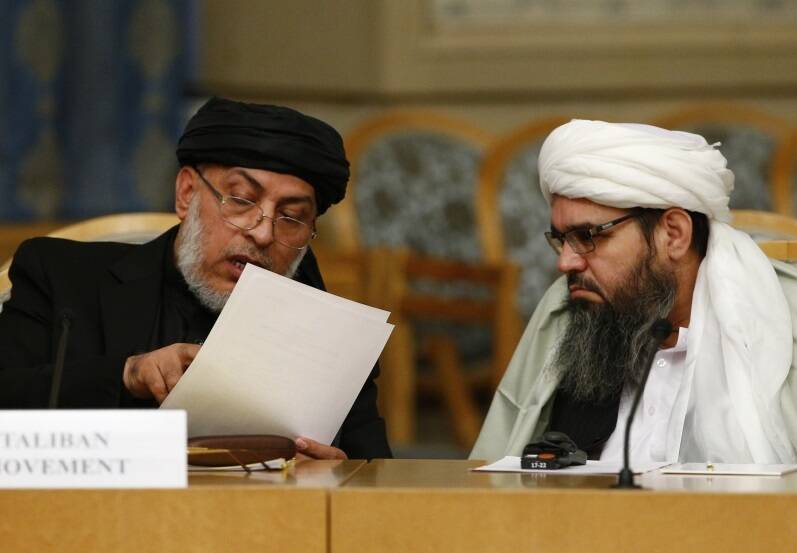
Analyzing Taliban’s Interest in Power Sharing

Analyzing Taliban’s Interest in Power Sharing

Strategic Council Online – An analyst of Afghanistan developments says the recent Taliban positions show some flexibility in the group’s past positions. “If there is to be an agreement between the government and the Taliban in the Afghan peace process, the Taliban integration process in the society must take place with necessary expediency and wisdom and must be heeded by the government and establishment.in Afghanistan.

أحدث الوظائف

Increasing criticism of the extensive Zionist lobby network

SCFR Online – Opinion: An examination of the mechanisms of the Israeli regime’s influence in the United States depicts a complex picture of shared interests, strategic dependencies, and the limitations of this relationship.

Realities of the Tripartite Makkah Pact

SCFR Online – Interview: The signing of the Makkah agreement between Saudi Arabia, Pakistan, and Turkey has raised questions about the future of the region’s security structure and the position of these countries in West Asian equations. Can this agreement become a genuine collective defense mechanism, or does it have more of a political and deterrent function than creating new military capacity?

Strategic Implications of the Reduction of US Weapons Stockpiles

SCFR Online – Opinion: The continuation of the US war against Iran, in addition to increasing operational costs, has called into question the actual capacity of the American arsenal to simultaneously fulfill security commitments on multiple fronts; an issue that affects deterrence, defense production capacity, and Washington’s resource prioritization.

The Formation of a New Order in Relations Between Powers

SCFR Online – Opinion: The Russia-Ukraine war and the war of the United States and the Israeli regime against Iran have been formed with different objectives and actors, but field and political developments indicate that they are not entirely separate from one another.

An Analysis of the Makkah Defense Pact

SCFR Online – Opinion: On Friday, August 7, the heads of state of three countries – Saudi Arabia, Turkey, and Pakistan – signed a text under the title “Makkah Joint Defense Agreement.”

Dimensions and challenges of the initiative to revive the Hejaz Railway

Strategic Council Online – Note: The initiative to revive the Hejaz Railway, beyond being a transportation project, constitutes an attempt to redefine geopolitics, the economy, and Turkey’s regional position; however, its realization appears to face significant financial, security, and institutional challenges.

Loading

Doha agreement

Strategic goals and consequences of the misguided US policy in Afghanistan

Strategic goals and consequences of the misguided US policy in Afghanistan

Strategic Council Online—Interview: An expert of international issues says the United States irresponsible withdrawal of forces from Afghanistan has disrupted the relative stability in that country as the US is trying in addition to creating instability in the region, manage the Afghan crisis to create a threat for its rivals in the region.

Unresolved Prospect of US Withdrawal from Afghanistan

Unresolved Prospect of US Withdrawal from Afghanistan

Strategic Council Online If peace between Afghans does not occur and the Taliban continue to be a threat to the Afghan government, then Washington’s withdrawal strategy may be halted and the United States will continue to be present and confront the Taliban.
Nozar Shafiee – Expert and Researcher of Subcontinent Affairs

Analyzing Taliban’s Interest in Power Sharing

Analyzing Taliban’s Interest in Power Sharing

Strategic Council Online – An analyst of Afghanistan developments says the recent Taliban positions show some flexibility in the group’s past positions. “If there is to be an agreement between the government and the Taliban in the Afghan peace process, the Taliban integration process in the society must take place with necessary expediency and wisdom and must be heeded by the government and establishment.in Afghanistan.

Doha agreement

Strategic goals and consequences of the misguided US policy in Afghanistan

Strategic goals and consequences of the misguided US policy in Afghanistan

Strategic Council Online—Interview: An expert of international issues says the United States irresponsible withdrawal of forces from Afghanistan has disrupted the relative stability in that country as the US is trying in addition to creating instability in the region, manage the Afghan crisis to create a threat for its rivals in the region.

Unresolved Prospect of US Withdrawal from Afghanistan

Unresolved Prospect of US Withdrawal from Afghanistan

Strategic Council Online If peace between Afghans does not occur and the Taliban continue to be a threat to the Afghan government, then Washington’s withdrawal strategy may be halted and the United States will continue to be present and confront the Taliban.
Nozar Shafiee – Expert and Researcher of Subcontinent Affairs

Analyzing Taliban’s Interest in Power Sharing

Analyzing Taliban’s Interest in Power Sharing

Strategic Council Online – An analyst of Afghanistan developments says the recent Taliban positions show some flexibility in the group’s past positions. “If there is to be an agreement between the government and the Taliban in the Afghan peace process, the Taliban integration process in the society must take place with necessary expediency and wisdom and must be heeded by the government and establishment.in Afghanistan.

LATEST CONTENT

Increasing criticism of the extensive Zionist lobby network

SCFR Online – Opinion: An examination of the mechanisms of the Israeli regime’s influence in the United States depicts a complex picture of shared interests, strategic dependencies, and the limitations of this relationship.

Realities of the Tripartite Makkah Pact

SCFR Online – Interview: The signing of the Makkah agreement between Saudi Arabia, Pakistan, and Turkey has raised questions about the future of the region’s security structure and the position of these countries in West Asian equations. Can this agreement become a genuine collective defense mechanism, or does it have more of a political and deterrent function than creating new military capacity?

Strategic Implications of the Reduction of US Weapons Stockpiles

SCFR Online – Opinion: The continuation of the US war against Iran, in addition to increasing operational costs, has called into question the actual capacity of the American arsenal to simultaneously fulfill security commitments on multiple fronts; an issue that affects deterrence, defense production capacity, and Washington’s resource prioritization.

The Formation of a New Order in Relations Between Powers

SCFR Online – Opinion: The Russia-Ukraine war and the war of the United States and the Israeli regime against Iran have been formed with different objectives and actors, but field and political developments indicate that they are not entirely separate from one another.

An Analysis of the Makkah Defense Pact

SCFR Online – Opinion: On Friday, August 7, the heads of state of three countries – Saudi Arabia, Turkey, and Pakistan – signed a text under the title “Makkah Joint Defense Agreement.”

Dimensions and challenges of the initiative to revive the Hejaz Railway

Strategic Council Online – Note: The initiative to revive the Hejaz Railway, beyond being a transportation project, constitutes an attempt to redefine geopolitics, the economy, and Turkey’s regional position; however, its realization appears to face significant financial, security, and institutional challenges.

Loading

Doha agreement

Strategic goals and consequences of the misguided US policy in Afghanistan

Strategic goals and consequences of the misguided US policy in Afghanistan

Strategic Council Online—Interview: An expert of international issues says the United States irresponsible withdrawal of forces from Afghanistan has disrupted the relative stability in that country as the US is trying in addition to creating instability in the region, manage the Afghan crisis to create a threat for its rivals in the region.

Unresolved Prospect of US Withdrawal from Afghanistan

Unresolved Prospect of US Withdrawal from Afghanistan

Strategic Council Online If peace between Afghans does not occur and the Taliban continue to be a threat to the Afghan government, then Washington’s withdrawal strategy may be halted and the United States will continue to be present and confront the Taliban.
Nozar Shafiee – Expert and Researcher of Subcontinent Affairs

Analyzing Taliban’s Interest in Power Sharing

Analyzing Taliban’s Interest in Power Sharing

Strategic Council Online – An analyst of Afghanistan developments says the recent Taliban positions show some flexibility in the group’s past positions. “If there is to be an agreement between the government and the Taliban in the Afghan peace process, the Taliban integration process in the society must take place with necessary expediency and wisdom and must be heeded by the government and establishment.in Afghanistan.

ÚLTIMAS PUBLICACIONES

Increasing criticism of the extensive Zionist lobby network

SCFR Online – Opinion: An examination of the mechanisms of the Israeli regime’s influence in the United States depicts a complex picture of shared interests, strategic dependencies, and the limitations of this relationship.

Realities of the Tripartite Makkah Pact

SCFR Online – Interview: The signing of the Makkah agreement between Saudi Arabia, Pakistan, and Turkey has raised questions about the future of the region’s security structure and the position of these countries in West Asian equations. Can this agreement become a genuine collective defense mechanism, or does it have more of a political and deterrent function than creating new military capacity?

Strategic Implications of the Reduction of US Weapons Stockpiles

SCFR Online – Opinion: The continuation of the US war against Iran, in addition to increasing operational costs, has called into question the actual capacity of the American arsenal to simultaneously fulfill security commitments on multiple fronts; an issue that affects deterrence, defense production capacity, and Washington’s resource prioritization.

The Formation of a New Order in Relations Between Powers

SCFR Online – Opinion: The Russia-Ukraine war and the war of the United States and the Israeli regime against Iran have been formed with different objectives and actors, but field and political developments indicate that they are not entirely separate from one another.

An Analysis of the Makkah Defense Pact

SCFR Online – Opinion: On Friday, August 7, the heads of state of three countries – Saudi Arabia, Turkey, and Pakistan – signed a text under the title “Makkah Joint Defense Agreement.”

Dimensions and challenges of the initiative to revive the Hejaz Railway

Strategic Council Online – Note: The initiative to revive the Hejaz Railway, beyond being a transportation project, constitutes an attempt to redefine geopolitics, the economy, and Turkey’s regional position; however, its realization appears to face significant financial, security, and institutional challenges.

Loading

Doha agreement

Strategic goals and consequences of the misguided US policy in Afghanistan

Strategic goals and consequences of the misguided US policy in Afghanistan

Strategic Council Online—Interview: An expert of international issues says the United States irresponsible withdrawal of forces from Afghanistan has disrupted the relative stability in that country as the US is trying in addition to creating instability in the region, manage the Afghan crisis to create a threat for its rivals in the region.

Unresolved Prospect of US Withdrawal from Afghanistan

Unresolved Prospect of US Withdrawal from Afghanistan

Strategic Council Online If peace between Afghans does not occur and the Taliban continue to be a threat to the Afghan government, then Washington’s withdrawal strategy may be halted and the United States will continue to be present and confront the Taliban.
Nozar Shafiee – Expert and Researcher of Subcontinent Affairs

Analyzing Taliban’s Interest in Power Sharing

Analyzing Taliban’s Interest in Power Sharing

Strategic Council Online – An analyst of Afghanistan developments says the recent Taliban positions show some flexibility in the group’s past positions. “If there is to be an agreement between the government and the Taliban in the Afghan peace process, the Taliban integration process in the society must take place with necessary expediency and wisdom and must be heeded by the government and establishment.in Afghanistan.

ÚLTIMAS PUBLICACIONES

Increasing criticism of the extensive Zionist lobby network

SCFR Online – Opinion: An examination of the mechanisms of the Israeli regime’s influence in the United States depicts a complex picture of shared interests, strategic dependencies, and the limitations of this relationship.

Realities of the Tripartite Makkah Pact

SCFR Online – Interview: The signing of the Makkah agreement between Saudi Arabia, Pakistan, and Turkey has raised questions about the future of the region’s security structure and the position of these countries in West Asian equations. Can this agreement become a genuine collective defense mechanism, or does it have more of a political and deterrent function than creating new military capacity?

Strategic Implications of the Reduction of US Weapons Stockpiles

SCFR Online – Opinion: The continuation of the US war against Iran, in addition to increasing operational costs, has called into question the actual capacity of the American arsenal to simultaneously fulfill security commitments on multiple fronts; an issue that affects deterrence, defense production capacity, and Washington’s resource prioritization.

The Formation of a New Order in Relations Between Powers

SCFR Online – Opinion: The Russia-Ukraine war and the war of the United States and the Israeli regime against Iran have been formed with different objectives and actors, but field and political developments indicate that they are not entirely separate from one another.

An Analysis of the Makkah Defense Pact

SCFR Online – Opinion: On Friday, August 7, the heads of state of three countries – Saudi Arabia, Turkey, and Pakistan – signed a text under the title “Makkah Joint Defense Agreement.”

Dimensions and challenges of the initiative to revive the Hejaz Railway

Strategic Council Online – Note: The initiative to revive the Hejaz Railway, beyond being a transportation project, constitutes an attempt to redefine geopolitics, the economy, and Turkey’s regional position; however, its realization appears to face significant financial, security, and institutional challenges.

Loading

Doha agreement

Strategic goals and consequences of the misguided US policy in Afghanistan

Strategic goals and consequences of the misguided US policy in Afghanistan

Strategic Council Online—Interview: An expert of international issues says the United States irresponsible withdrawal of forces from Afghanistan has disrupted the relative stability in that country as the US is trying in addition to creating instability in the region, manage the Afghan crisis to create a threat for its rivals in the region.

Unresolved Prospect of US Withdrawal from Afghanistan

Unresolved Prospect of US Withdrawal from Afghanistan

Strategic Council Online If peace between Afghans does not occur and the Taliban continue to be a threat to the Afghan government, then Washington’s withdrawal strategy may be halted and the United States will continue to be present and confront the Taliban.
Nozar Shafiee – Expert and Researcher of Subcontinent Affairs

Analyzing Taliban’s Interest in Power Sharing

Analyzing Taliban’s Interest in Power Sharing

Strategic Council Online – An analyst of Afghanistan developments says the recent Taliban positions show some flexibility in the group’s past positions. “If there is to be an agreement between the government and the Taliban in the Afghan peace process, the Taliban integration process in the society must take place with necessary expediency and wisdom and must be heeded by the government and establishment.in Afghanistan.

ÚLTIMAS PUBLICACIONES

Increasing criticism of the extensive Zionist lobby network

SCFR Online – Opinion: An examination of the mechanisms of the Israeli regime’s influence in the United States depicts a complex picture of shared interests, strategic dependencies, and the limitations of this relationship.

Realities of the Tripartite Makkah Pact

SCFR Online – Interview: The signing of the Makkah agreement between Saudi Arabia, Pakistan, and Turkey has raised questions about the future of the region’s security structure and the position of these countries in West Asian equations. Can this agreement become a genuine collective defense mechanism, or does it have more of a political and deterrent function than creating new military capacity?

Strategic Implications of the Reduction of US Weapons Stockpiles

SCFR Online – Opinion: The continuation of the US war against Iran, in addition to increasing operational costs, has called into question the actual capacity of the American arsenal to simultaneously fulfill security commitments on multiple fronts; an issue that affects deterrence, defense production capacity, and Washington’s resource prioritization.

The Formation of a New Order in Relations Between Powers

SCFR Online – Opinion: The Russia-Ukraine war and the war of the United States and the Israeli regime against Iran have been formed with different objectives and actors, but field and political developments indicate that they are not entirely separate from one another.

An Analysis of the Makkah Defense Pact

SCFR Online – Opinion: On Friday, August 7, the heads of state of three countries – Saudi Arabia, Turkey, and Pakistan – signed a text under the title “Makkah Joint Defense Agreement.”

Dimensions and challenges of the initiative to revive the Hejaz Railway

Strategic Council Online – Note: The initiative to revive the Hejaz Railway, beyond being a transportation project, constitutes an attempt to redefine geopolitics, the economy, and Turkey’s regional position; however, its realization appears to face significant financial, security, and institutional challenges.

Loading

Doha agreement

Strategic goals and consequences of the misguided US policy in Afghanistan

Strategic goals and consequences of the misguided US policy in Afghanistan

Strategic Council Online—Interview: An expert of international issues says the United States irresponsible withdrawal of forces from Afghanistan has disrupted the relative stability in that country as the US is trying in addition to creating instability in the region, manage the Afghan crisis to create a threat for its rivals in the region.

Unresolved Prospect of US Withdrawal from Afghanistan

Unresolved Prospect of US Withdrawal from Afghanistan

Strategic Council Online If peace between Afghans does not occur and the Taliban continue to be a threat to the Afghan government, then Washington’s withdrawal strategy may be halted and the United States will continue to be present and confront the Taliban.
Nozar Shafiee – Expert and Researcher of Subcontinent Affairs

Analyzing Taliban’s Interest in Power Sharing

Analyzing Taliban’s Interest in Power Sharing

Strategic Council Online – An analyst of Afghanistan developments says the recent Taliban positions show some flexibility in the group’s past positions. “If there is to be an agreement between the government and the Taliban in the Afghan peace process, the Taliban integration process in the society must take place with necessary expediency and wisdom and must be heeded by the government and establishment.in Afghanistan.

ÚLTIMAS PUBLICACIONES

Increasing criticism of the extensive Zionist lobby network

SCFR Online – Opinion: An examination of the mechanisms of the Israeli regime’s influence in the United States depicts a complex picture of shared interests, strategic dependencies, and the limitations of this relationship.

Realities of the Tripartite Makkah Pact

SCFR Online – Interview: The signing of the Makkah agreement between Saudi Arabia, Pakistan, and Turkey has raised questions about the future of the region’s security structure and the position of these countries in West Asian equations. Can this agreement become a genuine collective defense mechanism, or does it have more of a political and deterrent function than creating new military capacity?

Strategic Implications of the Reduction of US Weapons Stockpiles

SCFR Online – Opinion: The continuation of the US war against Iran, in addition to increasing operational costs, has called into question the actual capacity of the American arsenal to simultaneously fulfill security commitments on multiple fronts; an issue that affects deterrence, defense production capacity, and Washington’s resource prioritization.

The Formation of a New Order in Relations Between Powers

SCFR Online – Opinion: The Russia-Ukraine war and the war of the United States and the Israeli regime against Iran have been formed with different objectives and actors, but field and political developments indicate that they are not entirely separate from one another.

An Analysis of the Makkah Defense Pact

SCFR Online – Opinion: On Friday, August 7, the heads of state of three countries – Saudi Arabia, Turkey, and Pakistan – signed a text under the title “Makkah Joint Defense Agreement.”

Dimensions and challenges of the initiative to revive the Hejaz Railway

Strategic Council Online – Note: The initiative to revive the Hejaz Railway, beyond being a transportation project, constitutes an attempt to redefine geopolitics, the economy, and Turkey’s regional position; however, its realization appears to face significant financial, security, and institutional challenges.

Loading