An Analysis of the Makkah Defense Pact
SCFR Online – Opinion: On Friday, August 7, the heads of state of three countries – Saudi Arabia, Turkey, and Pakistan – signed a text under the title “Makkah Joint Defense Agreement.”
Strategic Council Online – Note: The initiative to revive the Hejaz Railway, beyond being a transportation project, constitutes an attempt to redefine geopolitics, the economy, and Turkey’s regional position; however, its realization appears to face significant financial, security, and institutional challenges.
SCFR Online – Opinion: The Strait of Hormuz crisis is no longer merely the consequence of a military confrontation, but rather a sign of the transition from the US-centered maritime order to a new energy security structure involving the participation of emerging and influential powers.
SCFR Online – Opinion: Iran’s active deterrence strategy, while increasing the costs of US intervention, has increasingly exposed the hidden rifts between Washington’s interests and those of the Israeli regime.
SCFR Online – Opinion: The escalation of verbal and strategic tensions between Turkey and the Israeli regime, although not increasing the likelihood of direct war, indicates the formation of a new order in West Asian geopolitical rivalries.
Strategic Council Online – Note: Recent developments in the political geography of West Asia, from rising tensions in the Persian Gulf to missile and drone activities in the Red Sea and the recent warning by Kaja Kallas, the European Union’s foreign policy chief, regarding the threat to freedom of navigation, indicate a key pattern shift; the US-Iran war has moved beyond the scope of a regional and local confrontation and has linked two vital passageways for the global economy: the Strait of Hormuz and the Bab el-Mandeb Strait.
SCFR Online – Opinion: The Ukraine war was not merely a European crisis, but rather the starting point for the rearrangement of the global balance of power and a shift in the strategic behavior of great powers.
SCFR Online – Opinion: Great power competition is now pursued more in trade, currency, technology, and global supply chains than on the battlefields of military confrontation.
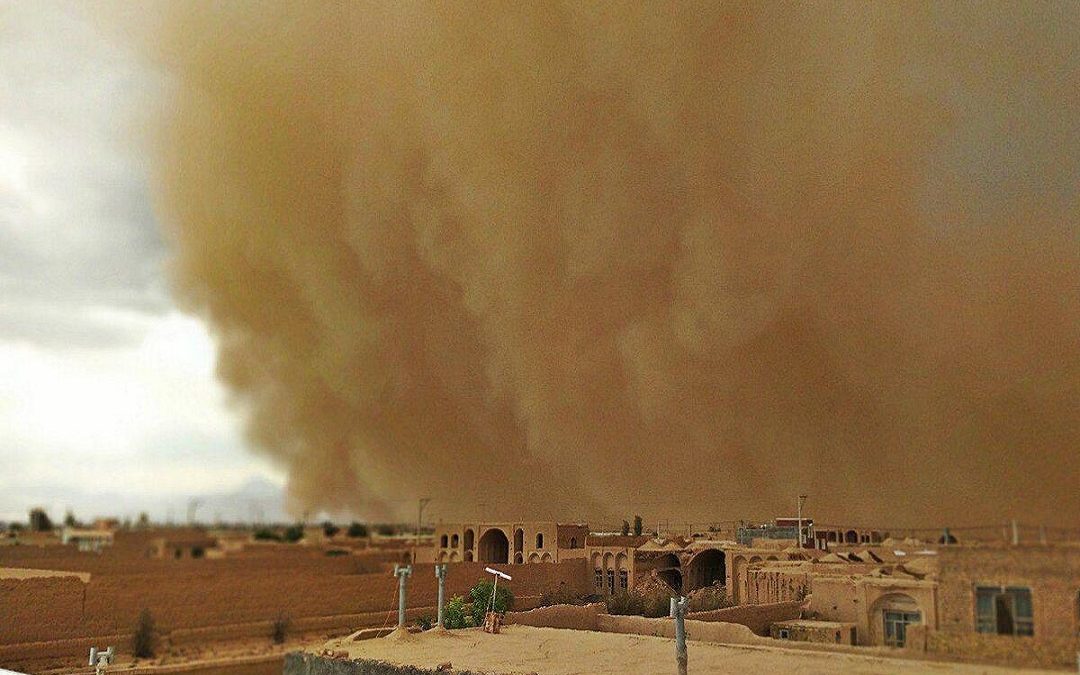
Strategic Council Online – Analytical Report: Dust plays an important role in the ecosystem, which affects the chemical processes of the atmosphere and climate, the properties of water and soil, the movement of nutrients, and the cycle of food in the marine and terrestrial environment. Dust can also damage crops and adversely affect food production. Airborne dust reduces air quality and visibility and may have adverse health effects, especially for people with respiratory problems.
Strategic Council Online – Guest Opinion: In the past weeks, along with political issues that have been the hot topic of news circles, the intensity of the heat has also become the subject of analysis by many media and news agencies, an issue that not only has not an internal aspect but is apparently a problem that all parts of the world, from North America to Western Europe and of course East and West Asia, are struggling with.
Dr. Mohammad Mehdi Mazaheri – University professor
Strategic Council Online – Interview: A member of the Iranian Association on Environmental Risks and Sustainable Development, saying that Iran should define the environment and water as the main priority, added: Solving the problem of water shortage in the country should be done by using a combination of different methods, in such a way that with global interactions and paying attention to water diplomacy, achievements of other countries could be used.
Strategic Council Online – Interview: A senior expert on Turkey affairs, explaining the devastating consequences of Turkish dam building, said: A regional water management institution should be established in the region to help facilitate identification of new and effective methods of water resources management, communication and cooperation between members, creation of a communication network and discovery of more opportunities to deepen cooperation among countries of the region in the future.
Strategic Council Online –Guest Post: Among the key elements that control and manage political – social behavioral patterns of nation states concerning establishment of order and provision of security is the advantage of access to fresh water. More than putting emphasis on the comfort and welfare of citizens, role of water in the Middle East leaves effect on the unity and integration of political entities.
Maryam Verij Kazemi, Researcher, Geopolitical Issues
Strategic Council Online—Interview: An Afghan researcher and journalist says the international community should change its politico-social priorities in Afghanistan to economic priorities and help the continuity of the country’s structure and prevents to total collapse of the social-economic system and emergence of civil war.
SCFR Online – Opinion: On Friday, August 7, the heads of state of three countries – Saudi Arabia, Turkey, and Pakistan – signed a text under the title “Makkah Joint Defense Agreement.”
Strategic Council Online – Note: The initiative to revive the Hejaz Railway, beyond being a transportation project, constitutes an attempt to redefine geopolitics, the economy, and Turkey’s regional position; however, its realization appears to face significant financial, security, and institutional challenges.
SCFR Online – Opinion: The Strait of Hormuz crisis is no longer merely the consequence of a military confrontation, but rather a sign of the transition from the US-centered maritime order to a new energy security structure involving the participation of emerging and influential powers.
SCFR Online – Opinion: Iran’s active deterrence strategy, while increasing the costs of US intervention, has increasingly exposed the hidden rifts between Washington’s interests and those of the Israeli regime.
SCFR Online – Opinion: The escalation of verbal and strategic tensions between Turkey and the Israeli regime, although not increasing the likelihood of direct war, indicates the formation of a new order in West Asian geopolitical rivalries.
Strategic Council Online – Note: Recent developments in the political geography of West Asia, from rising tensions in the Persian Gulf to missile and drone activities in the Red Sea and the recent warning by Kaja Kallas, the European Union’s foreign policy chief, regarding the threat to freedom of navigation, indicate a key pattern shift; the US-Iran war has moved beyond the scope of a regional and local confrontation and has linked two vital passageways for the global economy: the Strait of Hormuz and the Bab el-Mandeb Strait.
SCFR Online – Opinion: The Ukraine war was not merely a European crisis, but rather the starting point for the rearrangement of the global balance of power and a shift in the strategic behavior of great powers.
SCFR Online – Opinion: Great power competition is now pursued more in trade, currency, technology, and global supply chains than on the battlefields of military confrontation.
Strategic Council Online – Analytical Report: Dust plays an important role in the ecosystem, which affects the chemical processes of the atmosphere and climate, the properties of water and soil, the movement of nutrients, and the cycle of food in the marine and terrestrial environment. Dust can also damage crops and adversely affect food production. Airborne dust reduces air quality and visibility and may have adverse health effects, especially for people with respiratory problems.
Strategic Council Online – Guest Opinion: In the past weeks, along with political issues that have been the hot topic of news circles, the intensity of the heat has also become the subject of analysis by many media and news agencies, an issue that not only has not an internal aspect but is apparently a problem that all parts of the world, from North America to Western Europe and of course East and West Asia, are struggling with.
Dr. Mohammad Mehdi Mazaheri – University professor
Strategic Council Online – Interview: A member of the Iranian Association on Environmental Risks and Sustainable Development, saying that Iran should define the environment and water as the main priority, added: Solving the problem of water shortage in the country should be done by using a combination of different methods, in such a way that with global interactions and paying attention to water diplomacy, achievements of other countries could be used.
Strategic Council Online – Interview: A senior expert on Turkey affairs, explaining the devastating consequences of Turkish dam building, said: A regional water management institution should be established in the region to help facilitate identification of new and effective methods of water resources management, communication and cooperation between members, creation of a communication network and discovery of more opportunities to deepen cooperation among countries of the region in the future.
Strategic Council Online –Guest Post: Among the key elements that control and manage political – social behavioral patterns of nation states concerning establishment of order and provision of security is the advantage of access to fresh water. More than putting emphasis on the comfort and welfare of citizens, role of water in the Middle East leaves effect on the unity and integration of political entities.
Maryam Verij Kazemi, Researcher, Geopolitical Issues
Strategic Council Online—Interview: An Afghan researcher and journalist says the international community should change its politico-social priorities in Afghanistan to economic priorities and help the continuity of the country’s structure and prevents to total collapse of the social-economic system and emergence of civil war.
Strategic Council Online – Analytical Report: Dust plays an important role in the ecosystem, which affects the chemical processes of the atmosphere and climate, the properties of water and soil, the movement of nutrients, and the cycle of food in the marine and terrestrial environment. Dust can also damage crops and adversely affect food production. Airborne dust reduces air quality and visibility and may have adverse health effects, especially for people with respiratory problems.
Strategic Council Online – Guest Opinion: In the past weeks, along with political issues that have been the hot topic of news circles, the intensity of the heat has also become the subject of analysis by many media and news agencies, an issue that not only has not an internal aspect but is apparently a problem that all parts of the world, from North America to Western Europe and of course East and West Asia, are struggling with.
Dr. Mohammad Mehdi Mazaheri – University professor
Strategic Council Online – Interview: A member of the Iranian Association on Environmental Risks and Sustainable Development, saying that Iran should define the environment and water as the main priority, added: Solving the problem of water shortage in the country should be done by using a combination of different methods, in such a way that with global interactions and paying attention to water diplomacy, achievements of other countries could be used.
Strategic Council Online – Interview: A senior expert on Turkey affairs, explaining the devastating consequences of Turkish dam building, said: A regional water management institution should be established in the region to help facilitate identification of new and effective methods of water resources management, communication and cooperation between members, creation of a communication network and discovery of more opportunities to deepen cooperation among countries of the region in the future.
Strategic Council Online –Guest Post: Among the key elements that control and manage political – social behavioral patterns of nation states concerning establishment of order and provision of security is the advantage of access to fresh water. More than putting emphasis on the comfort and welfare of citizens, role of water in the Middle East leaves effect on the unity and integration of political entities.
Maryam Verij Kazemi, Researcher, Geopolitical Issues
Strategic Council Online—Interview: An Afghan researcher and journalist says the international community should change its politico-social priorities in Afghanistan to economic priorities and help the continuity of the country’s structure and prevents to total collapse of the social-economic system and emergence of civil war.
SCFR Online – Opinion: On Friday, August 7, the heads of state of three countries – Saudi Arabia, Turkey, and Pakistan – signed a text under the title “Makkah Joint Defense Agreement.”
Strategic Council Online – Note: The initiative to revive the Hejaz Railway, beyond being a transportation project, constitutes an attempt to redefine geopolitics, the economy, and Turkey’s regional position; however, its realization appears to face significant financial, security, and institutional challenges.
SCFR Online – Opinion: The Strait of Hormuz crisis is no longer merely the consequence of a military confrontation, but rather a sign of the transition from the US-centered maritime order to a new energy security structure involving the participation of emerging and influential powers.
SCFR Online – Opinion: Iran’s active deterrence strategy, while increasing the costs of US intervention, has increasingly exposed the hidden rifts between Washington’s interests and those of the Israeli regime.
SCFR Online – Opinion: The escalation of verbal and strategic tensions between Turkey and the Israeli regime, although not increasing the likelihood of direct war, indicates the formation of a new order in West Asian geopolitical rivalries.
Strategic Council Online – Note: Recent developments in the political geography of West Asia, from rising tensions in the Persian Gulf to missile and drone activities in the Red Sea and the recent warning by Kaja Kallas, the European Union’s foreign policy chief, regarding the threat to freedom of navigation, indicate a key pattern shift; the US-Iran war has moved beyond the scope of a regional and local confrontation and has linked two vital passageways for the global economy: the Strait of Hormuz and the Bab el-Mandeb Strait.
SCFR Online – Opinion: The Ukraine war was not merely a European crisis, but rather the starting point for the rearrangement of the global balance of power and a shift in the strategic behavior of great powers.
SCFR Online – Opinion: Great power competition is now pursued more in trade, currency, technology, and global supply chains than on the battlefields of military confrontation.
Strategic Council Online – Analytical Report: Dust plays an important role in the ecosystem, which affects the chemical processes of the atmosphere and climate, the properties of water and soil, the movement of nutrients, and the cycle of food in the marine and terrestrial environment. Dust can also damage crops and adversely affect food production. Airborne dust reduces air quality and visibility and may have adverse health effects, especially for people with respiratory problems.
Strategic Council Online – Guest Opinion: In the past weeks, along with political issues that have been the hot topic of news circles, the intensity of the heat has also become the subject of analysis by many media and news agencies, an issue that not only has not an internal aspect but is apparently a problem that all parts of the world, from North America to Western Europe and of course East and West Asia, are struggling with.
Dr. Mohammad Mehdi Mazaheri – University professor
Strategic Council Online – Interview: A member of the Iranian Association on Environmental Risks and Sustainable Development, saying that Iran should define the environment and water as the main priority, added: Solving the problem of water shortage in the country should be done by using a combination of different methods, in such a way that with global interactions and paying attention to water diplomacy, achievements of other countries could be used.
Strategic Council Online – Interview: A senior expert on Turkey affairs, explaining the devastating consequences of Turkish dam building, said: A regional water management institution should be established in the region to help facilitate identification of new and effective methods of water resources management, communication and cooperation between members, creation of a communication network and discovery of more opportunities to deepen cooperation among countries of the region in the future.
Strategic Council Online –Guest Post: Among the key elements that control and manage political – social behavioral patterns of nation states concerning establishment of order and provision of security is the advantage of access to fresh water. More than putting emphasis on the comfort and welfare of citizens, role of water in the Middle East leaves effect on the unity and integration of political entities.
Maryam Verij Kazemi, Researcher, Geopolitical Issues
Strategic Council Online—Interview: An Afghan researcher and journalist says the international community should change its politico-social priorities in Afghanistan to economic priorities and help the continuity of the country’s structure and prevents to total collapse of the social-economic system and emergence of civil war.
SCFR Online – Opinion: On Friday, August 7, the heads of state of three countries – Saudi Arabia, Turkey, and Pakistan – signed a text under the title “Makkah Joint Defense Agreement.”
Strategic Council Online – Note: The initiative to revive the Hejaz Railway, beyond being a transportation project, constitutes an attempt to redefine geopolitics, the economy, and Turkey’s regional position; however, its realization appears to face significant financial, security, and institutional challenges.
SCFR Online – Opinion: The Strait of Hormuz crisis is no longer merely the consequence of a military confrontation, but rather a sign of the transition from the US-centered maritime order to a new energy security structure involving the participation of emerging and influential powers.
SCFR Online – Opinion: Iran’s active deterrence strategy, while increasing the costs of US intervention, has increasingly exposed the hidden rifts between Washington’s interests and those of the Israeli regime.
SCFR Online – Opinion: The escalation of verbal and strategic tensions between Turkey and the Israeli regime, although not increasing the likelihood of direct war, indicates the formation of a new order in West Asian geopolitical rivalries.
Strategic Council Online – Note: Recent developments in the political geography of West Asia, from rising tensions in the Persian Gulf to missile and drone activities in the Red Sea and the recent warning by Kaja Kallas, the European Union’s foreign policy chief, regarding the threat to freedom of navigation, indicate a key pattern shift; the US-Iran war has moved beyond the scope of a regional and local confrontation and has linked two vital passageways for the global economy: the Strait of Hormuz and the Bab el-Mandeb Strait.
SCFR Online – Opinion: The Ukraine war was not merely a European crisis, but rather the starting point for the rearrangement of the global balance of power and a shift in the strategic behavior of great powers.
SCFR Online – Opinion: Great power competition is now pursued more in trade, currency, technology, and global supply chains than on the battlefields of military confrontation.
Strategic Council Online – Analytical Report: Dust plays an important role in the ecosystem, which affects the chemical processes of the atmosphere and climate, the properties of water and soil, the movement of nutrients, and the cycle of food in the marine and terrestrial environment. Dust can also damage crops and adversely affect food production. Airborne dust reduces air quality and visibility and may have adverse health effects, especially for people with respiratory problems.
Strategic Council Online – Guest Opinion: In the past weeks, along with political issues that have been the hot topic of news circles, the intensity of the heat has also become the subject of analysis by many media and news agencies, an issue that not only has not an internal aspect but is apparently a problem that all parts of the world, from North America to Western Europe and of course East and West Asia, are struggling with.
Dr. Mohammad Mehdi Mazaheri – University professor
Strategic Council Online – Interview: A member of the Iranian Association on Environmental Risks and Sustainable Development, saying that Iran should define the environment and water as the main priority, added: Solving the problem of water shortage in the country should be done by using a combination of different methods, in such a way that with global interactions and paying attention to water diplomacy, achievements of other countries could be used.
Strategic Council Online – Interview: A senior expert on Turkey affairs, explaining the devastating consequences of Turkish dam building, said: A regional water management institution should be established in the region to help facilitate identification of new and effective methods of water resources management, communication and cooperation between members, creation of a communication network and discovery of more opportunities to deepen cooperation among countries of the region in the future.
Strategic Council Online –Guest Post: Among the key elements that control and manage political – social behavioral patterns of nation states concerning establishment of order and provision of security is the advantage of access to fresh water. More than putting emphasis on the comfort and welfare of citizens, role of water in the Middle East leaves effect on the unity and integration of political entities.
Maryam Verij Kazemi, Researcher, Geopolitical Issues
Strategic Council Online—Interview: An Afghan researcher and journalist says the international community should change its politico-social priorities in Afghanistan to economic priorities and help the continuity of the country’s structure and prevents to total collapse of the social-economic system and emergence of civil war.
SCFR Online – Opinion: On Friday, August 7, the heads of state of three countries – Saudi Arabia, Turkey, and Pakistan – signed a text under the title “Makkah Joint Defense Agreement.”
Strategic Council Online – Note: The initiative to revive the Hejaz Railway, beyond being a transportation project, constitutes an attempt to redefine geopolitics, the economy, and Turkey’s regional position; however, its realization appears to face significant financial, security, and institutional challenges.
SCFR Online – Opinion: The Strait of Hormuz crisis is no longer merely the consequence of a military confrontation, but rather a sign of the transition from the US-centered maritime order to a new energy security structure involving the participation of emerging and influential powers.
SCFR Online – Opinion: Iran’s active deterrence strategy, while increasing the costs of US intervention, has increasingly exposed the hidden rifts between Washington’s interests and those of the Israeli regime.
SCFR Online – Opinion: The escalation of verbal and strategic tensions between Turkey and the Israeli regime, although not increasing the likelihood of direct war, indicates the formation of a new order in West Asian geopolitical rivalries.
Strategic Council Online – Note: Recent developments in the political geography of West Asia, from rising tensions in the Persian Gulf to missile and drone activities in the Red Sea and the recent warning by Kaja Kallas, the European Union’s foreign policy chief, regarding the threat to freedom of navigation, indicate a key pattern shift; the US-Iran war has moved beyond the scope of a regional and local confrontation and has linked two vital passageways for the global economy: the Strait of Hormuz and the Bab el-Mandeb Strait.
SCFR Online – Opinion: The Ukraine war was not merely a European crisis, but rather the starting point for the rearrangement of the global balance of power and a shift in the strategic behavior of great powers.
SCFR Online – Opinion: Great power competition is now pursued more in trade, currency, technology, and global supply chains than on the battlefields of military confrontation.
Strategic Council Online – Analytical Report: Dust plays an important role in the ecosystem, which affects the chemical processes of the atmosphere and climate, the properties of water and soil, the movement of nutrients, and the cycle of food in the marine and terrestrial environment. Dust can also damage crops and adversely affect food production. Airborne dust reduces air quality and visibility and may have adverse health effects, especially for people with respiratory problems.
Strategic Council Online – Guest Opinion: In the past weeks, along with political issues that have been the hot topic of news circles, the intensity of the heat has also become the subject of analysis by many media and news agencies, an issue that not only has not an internal aspect but is apparently a problem that all parts of the world, from North America to Western Europe and of course East and West Asia, are struggling with.
Dr. Mohammad Mehdi Mazaheri – University professor
Strategic Council Online – Interview: A member of the Iranian Association on Environmental Risks and Sustainable Development, saying that Iran should define the environment and water as the main priority, added: Solving the problem of water shortage in the country should be done by using a combination of different methods, in such a way that with global interactions and paying attention to water diplomacy, achievements of other countries could be used.
Strategic Council Online – Interview: A senior expert on Turkey affairs, explaining the devastating consequences of Turkish dam building, said: A regional water management institution should be established in the region to help facilitate identification of new and effective methods of water resources management, communication and cooperation between members, creation of a communication network and discovery of more opportunities to deepen cooperation among countries of the region in the future.
Strategic Council Online –Guest Post: Among the key elements that control and manage political – social behavioral patterns of nation states concerning establishment of order and provision of security is the advantage of access to fresh water. More than putting emphasis on the comfort and welfare of citizens, role of water in the Middle East leaves effect on the unity and integration of political entities.
Maryam Verij Kazemi, Researcher, Geopolitical Issues
Strategic Council Online—Interview: An Afghan researcher and journalist says the international community should change its politico-social priorities in Afghanistan to economic priorities and help the continuity of the country’s structure and prevents to total collapse of the social-economic system and emergence of civil war.
SCFR Online – Opinion: On Friday, August 7, the heads of state of three countries – Saudi Arabia, Turkey, and Pakistan – signed a text under the title “Makkah Joint Defense Agreement.”
Strategic Council Online – Note: The initiative to revive the Hejaz Railway, beyond being a transportation project, constitutes an attempt to redefine geopolitics, the economy, and Turkey’s regional position; however, its realization appears to face significant financial, security, and institutional challenges.
SCFR Online – Opinion: The Strait of Hormuz crisis is no longer merely the consequence of a military confrontation, but rather a sign of the transition from the US-centered maritime order to a new energy security structure involving the participation of emerging and influential powers.
SCFR Online – Opinion: Iran’s active deterrence strategy, while increasing the costs of US intervention, has increasingly exposed the hidden rifts between Washington’s interests and those of the Israeli regime.
SCFR Online – Opinion: The escalation of verbal and strategic tensions between Turkey and the Israeli regime, although not increasing the likelihood of direct war, indicates the formation of a new order in West Asian geopolitical rivalries.
Strategic Council Online – Note: Recent developments in the political geography of West Asia, from rising tensions in the Persian Gulf to missile and drone activities in the Red Sea and the recent warning by Kaja Kallas, the European Union’s foreign policy chief, regarding the threat to freedom of navigation, indicate a key pattern shift; the US-Iran war has moved beyond the scope of a regional and local confrontation and has linked two vital passageways for the global economy: the Strait of Hormuz and the Bab el-Mandeb Strait.
SCFR Online – Opinion: The Ukraine war was not merely a European crisis, but rather the starting point for the rearrangement of the global balance of power and a shift in the strategic behavior of great powers.
SCFR Online – Opinion: Great power competition is now pursued more in trade, currency, technology, and global supply chains than on the battlefields of military confrontation.
Strategic Council Online – Analytical Report: Dust plays an important role in the ecosystem, which affects the chemical processes of the atmosphere and climate, the properties of water and soil, the movement of nutrients, and the cycle of food in the marine and terrestrial environment. Dust can also damage crops and adversely affect food production. Airborne dust reduces air quality and visibility and may have adverse health effects, especially for people with respiratory problems.
Strategic Council Online – Guest Opinion: In the past weeks, along with political issues that have been the hot topic of news circles, the intensity of the heat has also become the subject of analysis by many media and news agencies, an issue that not only has not an internal aspect but is apparently a problem that all parts of the world, from North America to Western Europe and of course East and West Asia, are struggling with.
Dr. Mohammad Mehdi Mazaheri – University professor
Strategic Council Online – Interview: A member of the Iranian Association on Environmental Risks and Sustainable Development, saying that Iran should define the environment and water as the main priority, added: Solving the problem of water shortage in the country should be done by using a combination of different methods, in such a way that with global interactions and paying attention to water diplomacy, achievements of other countries could be used.
Strategic Council Online – Interview: A senior expert on Turkey affairs, explaining the devastating consequences of Turkish dam building, said: A regional water management institution should be established in the region to help facilitate identification of new and effective methods of water resources management, communication and cooperation between members, creation of a communication network and discovery of more opportunities to deepen cooperation among countries of the region in the future.
Strategic Council Online –Guest Post: Among the key elements that control and manage political – social behavioral patterns of nation states concerning establishment of order and provision of security is the advantage of access to fresh water. More than putting emphasis on the comfort and welfare of citizens, role of water in the Middle East leaves effect on the unity and integration of political entities.
Maryam Verij Kazemi, Researcher, Geopolitical Issues
Strategic Council Online—Interview: An Afghan researcher and journalist says the international community should change its politico-social priorities in Afghanistan to economic priorities and help the continuity of the country’s structure and prevents to total collapse of the social-economic system and emergence of civil war.
SCFR Online – Opinion: On Friday, August 7, the heads of state of three countries – Saudi Arabia, Turkey, and Pakistan – signed a text under the title “Makkah Joint Defense Agreement.”
Strategic Council Online – Note: The initiative to revive the Hejaz Railway, beyond being a transportation project, constitutes an attempt to redefine geopolitics, the economy, and Turkey’s regional position; however, its realization appears to face significant financial, security, and institutional challenges.
SCFR Online – Opinion: The Strait of Hormuz crisis is no longer merely the consequence of a military confrontation, but rather a sign of the transition from the US-centered maritime order to a new energy security structure involving the participation of emerging and influential powers.
SCFR Online – Opinion: Iran’s active deterrence strategy, while increasing the costs of US intervention, has increasingly exposed the hidden rifts between Washington’s interests and those of the Israeli regime.
SCFR Online – Opinion: The escalation of verbal and strategic tensions between Turkey and the Israeli regime, although not increasing the likelihood of direct war, indicates the formation of a new order in West Asian geopolitical rivalries.
Strategic Council Online – Note: Recent developments in the political geography of West Asia, from rising tensions in the Persian Gulf to missile and drone activities in the Red Sea and the recent warning by Kaja Kallas, the European Union’s foreign policy chief, regarding the threat to freedom of navigation, indicate a key pattern shift; the US-Iran war has moved beyond the scope of a regional and local confrontation and has linked two vital passageways for the global economy: the Strait of Hormuz and the Bab el-Mandeb Strait.
SCFR Online – Opinion: The Ukraine war was not merely a European crisis, but rather the starting point for the rearrangement of the global balance of power and a shift in the strategic behavior of great powers.
SCFR Online – Opinion: Great power competition is now pursued more in trade, currency, technology, and global supply chains than on the battlefields of military confrontation.