جدیدترین مطالب

Balancing in the chain of chokepoints; from sea-based deterrence to pluralistic diplomacy

Strategic Council Online – Note: Recent developments in the political geography of West Asia, from rising tensions in the Persian Gulf to missile and drone activities in the Red Sea and the recent warning by Kaja Kallas, the European Union’s foreign policy chief, regarding the threat to freedom of navigation, indicate a key pattern shift; the US-Iran war has moved beyond the scope of a regional and local confrontation and has linked two vital passageways for the global economy: the Strait of Hormuz and the Bab el-Mandeb Strait.

Indicators for Choosing Between War and Diplomacy

SCFR Online – Opinion: Foreign policy analysis is valid when it evaluates decisions based on the information and circumstances prevailing at the time they were made, not on the basis of outcomes that only become apparent after the crisis has ended.

Loading

East Asia

America’s Strategy for Creating Tension in the Asia-Pacific

America’s Strategy for Creating Tension in the Asia-Pacific

Strategic Council Online – Opinion: Relations between some countries in the Asia-Pacific region, such as China and Japan or China and Australia, which were previously relatively normal, are trending towards deterioration, and the primary reason for this is the aggressive policies of the United States of America.

China’s Strategy to Counter the U.S. Effort to Escalate the Taiwan Crisis

China’s Strategy to Counter the U.S. Effort to Escalate the Taiwan Crisis

Strategic Council Online – Interview: “Any miscalculated move could lead to escalating tensions and uncontrollable crises, but Beijing’s prudence and precise strategies have so far prevented the Taiwan issue from escalating into a crisis similar to that of Ukraine,” said an East Asia analyst.

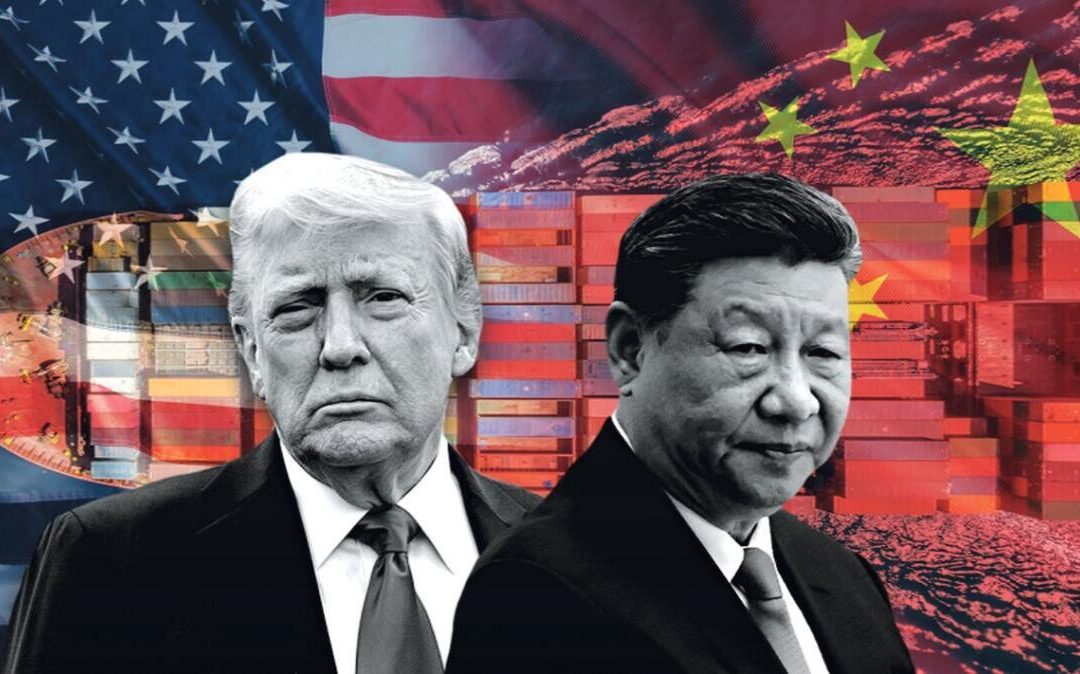
China-U.S. Competition for Dominance in Global Trade

China-U.S. Competition for Dominance in Global Trade

Strategic Council Online– Opinion: While the world has not yet been freed from the consequences of the pandemic and geopolitical disruptions, the economic competition between the world’s two giants – the United States and China – in East Asia has reached its peak.

Japan’s Goals of Strengthening Its Military Power in East Asia

Japan’s Goals of Strengthening Its Military Power in East Asia

Strategic Council Online – Interview: The former ambassador of Iran in Japan said: Strengthening Japan’s military activities is a 25-year plan to show that it is capable of becoming one of the military powers of the region and the world by relying on its military values and capabilities.

US plans to create a new offensive capability against China

US plans to create a new offensive capability against China

Strategic Council Online—Interview: An expert on international affairs said the US plan to deploy medium-range missiles in East Asia aims to create an offensive capability against China, adding that naturally, the deployment of these missiles by the United States in countries such as Australia or possibly in Japan and South Korea can lead to China’s counter-reaction and increase the level of tensions between the two countries.

Building Alliances in East Asia, US Strategy against China

Building Alliances in East Asia, US Strategy against China

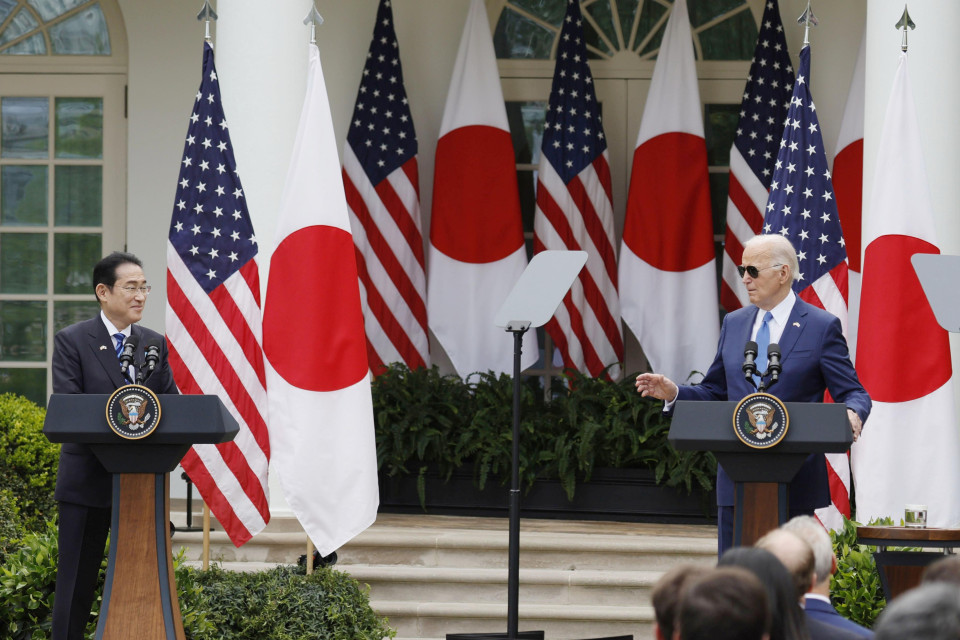
Strategic Council Online – Interview: A university professor termed Biden’s visit to Vietnam in line with advancing the strategy of building alliances and aligning the countries of the Asia-Pacific region with Washington and in the direction of aligning against China and said: It seems that the internal developments in Vietnam are also in line with the reduction of China’s pressure against that country, which is trying to create a new balance in the region by taking advantage of the US position in the region.

Intense competition between US and China without entering the cold war phase

Intense competition between US and China without entering the cold war phase

Strategic Council Online—Interview: An expert on international issues considered the economic entanglement of China and the United States as an obstacle to returning to an era similar to the Cold War and said that although the two sides are rivals, they do not want to confront each other. The US believes that its competition with China will be defined as cooperation, and in this frame, it will pursue the containment of the Chinese.

Analysis of China’s Concern over NATO Office Opening in Japan

Analysis of China’s Concern over NATO Office Opening in Japan

Strategic Council Online – Interview: An expert on international affairs says that China has increased its military and warfare power in the military and security fields rather than looking for alliances and coalitions. She added that: Establishment of a NATO mission in Japan creates the grounds for serious information and management cooperation in that region and conveys the message that NATO is closely monitoring regional trends and long-term plans for East Asia are being formed.

أحدث الوظائف

Balancing in the chain of chokepoints; from sea-based deterrence to pluralistic diplomacy

Strategic Council Online – Note: Recent developments in the political geography of West Asia, from rising tensions in the Persian Gulf to missile and drone activities in the Red Sea and the recent warning by Kaja Kallas, the European Union’s foreign policy chief, regarding the threat to freedom of navigation, indicate a key pattern shift; the US-Iran war has moved beyond the scope of a regional and local confrontation and has linked two vital passageways for the global economy: the Strait of Hormuz and the Bab el-Mandeb Strait.

Indicators for Choosing Between War and Diplomacy

SCFR Online – Opinion: Foreign policy analysis is valid when it evaluates decisions based on the information and circumstances prevailing at the time they were made, not on the basis of outcomes that only become apparent after the crisis has ended.

Loading

East Asia

America’s Strategy for Creating Tension in the Asia-Pacific

America’s Strategy for Creating Tension in the Asia-Pacific

Strategic Council Online – Opinion: Relations between some countries in the Asia-Pacific region, such as China and Japan or China and Australia, which were previously relatively normal, are trending towards deterioration, and the primary reason for this is the aggressive policies of the United States of America.

China’s Strategy to Counter the U.S. Effort to Escalate the Taiwan Crisis

China’s Strategy to Counter the U.S. Effort to Escalate the Taiwan Crisis

Strategic Council Online – Interview: “Any miscalculated move could lead to escalating tensions and uncontrollable crises, but Beijing’s prudence and precise strategies have so far prevented the Taiwan issue from escalating into a crisis similar to that of Ukraine,” said an East Asia analyst.

China-U.S. Competition for Dominance in Global Trade

China-U.S. Competition for Dominance in Global Trade

Strategic Council Online– Opinion: While the world has not yet been freed from the consequences of the pandemic and geopolitical disruptions, the economic competition between the world’s two giants – the United States and China – in East Asia has reached its peak.

Japan’s Goals of Strengthening Its Military Power in East Asia

Japan’s Goals of Strengthening Its Military Power in East Asia

Strategic Council Online – Interview: The former ambassador of Iran in Japan said: Strengthening Japan’s military activities is a 25-year plan to show that it is capable of becoming one of the military powers of the region and the world by relying on its military values and capabilities.

US plans to create a new offensive capability against China

US plans to create a new offensive capability against China

Strategic Council Online—Interview: An expert on international affairs said the US plan to deploy medium-range missiles in East Asia aims to create an offensive capability against China, adding that naturally, the deployment of these missiles by the United States in countries such as Australia or possibly in Japan and South Korea can lead to China’s counter-reaction and increase the level of tensions between the two countries.

Building Alliances in East Asia, US Strategy against China

Building Alliances in East Asia, US Strategy against China

Strategic Council Online – Interview: A university professor termed Biden’s visit to Vietnam in line with advancing the strategy of building alliances and aligning the countries of the Asia-Pacific region with Washington and in the direction of aligning against China and said: It seems that the internal developments in Vietnam are also in line with the reduction of China’s pressure against that country, which is trying to create a new balance in the region by taking advantage of the US position in the region.

Intense competition between US and China without entering the cold war phase

Intense competition between US and China without entering the cold war phase

Strategic Council Online—Interview: An expert on international issues considered the economic entanglement of China and the United States as an obstacle to returning to an era similar to the Cold War and said that although the two sides are rivals, they do not want to confront each other. The US believes that its competition with China will be defined as cooperation, and in this frame, it will pursue the containment of the Chinese.

Analysis of China’s Concern over NATO Office Opening in Japan

Analysis of China’s Concern over NATO Office Opening in Japan

Strategic Council Online – Interview: An expert on international affairs says that China has increased its military and warfare power in the military and security fields rather than looking for alliances and coalitions. She added that: Establishment of a NATO mission in Japan creates the grounds for serious information and management cooperation in that region and conveys the message that NATO is closely monitoring regional trends and long-term plans for East Asia are being formed.

East Asia

America’s Strategy for Creating Tension in the Asia-Pacific

America’s Strategy for Creating Tension in the Asia-Pacific

Strategic Council Online – Opinion: Relations between some countries in the Asia-Pacific region, such as China and Japan or China and Australia, which were previously relatively normal, are trending towards deterioration, and the primary reason for this is the aggressive policies of the United States of America.

China’s Strategy to Counter the U.S. Effort to Escalate the Taiwan Crisis

China’s Strategy to Counter the U.S. Effort to Escalate the Taiwan Crisis

Strategic Council Online – Interview: “Any miscalculated move could lead to escalating tensions and uncontrollable crises, but Beijing’s prudence and precise strategies have so far prevented the Taiwan issue from escalating into a crisis similar to that of Ukraine,” said an East Asia analyst.

China-U.S. Competition for Dominance in Global Trade

China-U.S. Competition for Dominance in Global Trade

Strategic Council Online– Opinion: While the world has not yet been freed from the consequences of the pandemic and geopolitical disruptions, the economic competition between the world’s two giants – the United States and China – in East Asia has reached its peak.

Japan’s Goals of Strengthening Its Military Power in East Asia

Japan’s Goals of Strengthening Its Military Power in East Asia

Strategic Council Online – Interview: The former ambassador of Iran in Japan said: Strengthening Japan’s military activities is a 25-year plan to show that it is capable of becoming one of the military powers of the region and the world by relying on its military values and capabilities.

US plans to create a new offensive capability against China

US plans to create a new offensive capability against China

Strategic Council Online—Interview: An expert on international affairs said the US plan to deploy medium-range missiles in East Asia aims to create an offensive capability against China, adding that naturally, the deployment of these missiles by the United States in countries such as Australia or possibly in Japan and South Korea can lead to China’s counter-reaction and increase the level of tensions between the two countries.

Building Alliances in East Asia, US Strategy against China

Building Alliances in East Asia, US Strategy against China

Strategic Council Online – Interview: A university professor termed Biden’s visit to Vietnam in line with advancing the strategy of building alliances and aligning the countries of the Asia-Pacific region with Washington and in the direction of aligning against China and said: It seems that the internal developments in Vietnam are also in line with the reduction of China’s pressure against that country, which is trying to create a new balance in the region by taking advantage of the US position in the region.

Intense competition between US and China without entering the cold war phase

Intense competition between US and China without entering the cold war phase

Strategic Council Online—Interview: An expert on international issues considered the economic entanglement of China and the United States as an obstacle to returning to an era similar to the Cold War and said that although the two sides are rivals, they do not want to confront each other. The US believes that its competition with China will be defined as cooperation, and in this frame, it will pursue the containment of the Chinese.

Analysis of China’s Concern over NATO Office Opening in Japan

Analysis of China’s Concern over NATO Office Opening in Japan

Strategic Council Online – Interview: An expert on international affairs says that China has increased its military and warfare power in the military and security fields rather than looking for alliances and coalitions. She added that: Establishment of a NATO mission in Japan creates the grounds for serious information and management cooperation in that region and conveys the message that NATO is closely monitoring regional trends and long-term plans for East Asia are being formed.

LATEST CONTENT

Balancing in the chain of chokepoints; from sea-based deterrence to pluralistic diplomacy

Strategic Council Online – Note: Recent developments in the political geography of West Asia, from rising tensions in the Persian Gulf to missile and drone activities in the Red Sea and the recent warning by Kaja Kallas, the European Union’s foreign policy chief, regarding the threat to freedom of navigation, indicate a key pattern shift; the US-Iran war has moved beyond the scope of a regional and local confrontation and has linked two vital passageways for the global economy: the Strait of Hormuz and the Bab el-Mandeb Strait.

Indicators for Choosing Between War and Diplomacy

SCFR Online – Opinion: Foreign policy analysis is valid when it evaluates decisions based on the information and circumstances prevailing at the time they were made, not on the basis of outcomes that only become apparent after the crisis has ended.

Loading

East Asia

America’s Strategy for Creating Tension in the Asia-Pacific

America’s Strategy for Creating Tension in the Asia-Pacific

Strategic Council Online – Opinion: Relations between some countries in the Asia-Pacific region, such as China and Japan or China and Australia, which were previously relatively normal, are trending towards deterioration, and the primary reason for this is the aggressive policies of the United States of America.

China’s Strategy to Counter the U.S. Effort to Escalate the Taiwan Crisis

China’s Strategy to Counter the U.S. Effort to Escalate the Taiwan Crisis

Strategic Council Online – Interview: “Any miscalculated move could lead to escalating tensions and uncontrollable crises, but Beijing’s prudence and precise strategies have so far prevented the Taiwan issue from escalating into a crisis similar to that of Ukraine,” said an East Asia analyst.

China-U.S. Competition for Dominance in Global Trade

China-U.S. Competition for Dominance in Global Trade

Strategic Council Online– Opinion: While the world has not yet been freed from the consequences of the pandemic and geopolitical disruptions, the economic competition between the world’s two giants – the United States and China – in East Asia has reached its peak.

Japan’s Goals of Strengthening Its Military Power in East Asia

Japan’s Goals of Strengthening Its Military Power in East Asia

Strategic Council Online – Interview: The former ambassador of Iran in Japan said: Strengthening Japan’s military activities is a 25-year plan to show that it is capable of becoming one of the military powers of the region and the world by relying on its military values and capabilities.

US plans to create a new offensive capability against China

US plans to create a new offensive capability against China

Strategic Council Online—Interview: An expert on international affairs said the US plan to deploy medium-range missiles in East Asia aims to create an offensive capability against China, adding that naturally, the deployment of these missiles by the United States in countries such as Australia or possibly in Japan and South Korea can lead to China’s counter-reaction and increase the level of tensions between the two countries.

Building Alliances in East Asia, US Strategy against China

Building Alliances in East Asia, US Strategy against China

Strategic Council Online – Interview: A university professor termed Biden’s visit to Vietnam in line with advancing the strategy of building alliances and aligning the countries of the Asia-Pacific region with Washington and in the direction of aligning against China and said: It seems that the internal developments in Vietnam are also in line with the reduction of China’s pressure against that country, which is trying to create a new balance in the region by taking advantage of the US position in the region.

Intense competition between US and China without entering the cold war phase

Intense competition between US and China without entering the cold war phase

Strategic Council Online—Interview: An expert on international issues considered the economic entanglement of China and the United States as an obstacle to returning to an era similar to the Cold War and said that although the two sides are rivals, they do not want to confront each other. The US believes that its competition with China will be defined as cooperation, and in this frame, it will pursue the containment of the Chinese.

Analysis of China’s Concern over NATO Office Opening in Japan

Analysis of China’s Concern over NATO Office Opening in Japan

Strategic Council Online – Interview: An expert on international affairs says that China has increased its military and warfare power in the military and security fields rather than looking for alliances and coalitions. She added that: Establishment of a NATO mission in Japan creates the grounds for serious information and management cooperation in that region and conveys the message that NATO is closely monitoring regional trends and long-term plans for East Asia are being formed.

ÚLTIMAS PUBLICACIONES

Balancing in the chain of chokepoints; from sea-based deterrence to pluralistic diplomacy

Strategic Council Online – Note: Recent developments in the political geography of West Asia, from rising tensions in the Persian Gulf to missile and drone activities in the Red Sea and the recent warning by Kaja Kallas, the European Union’s foreign policy chief, regarding the threat to freedom of navigation, indicate a key pattern shift; the US-Iran war has moved beyond the scope of a regional and local confrontation and has linked two vital passageways for the global economy: the Strait of Hormuz and the Bab el-Mandeb Strait.

Indicators for Choosing Between War and Diplomacy

SCFR Online – Opinion: Foreign policy analysis is valid when it evaluates decisions based on the information and circumstances prevailing at the time they were made, not on the basis of outcomes that only become apparent after the crisis has ended.

Loading

East Asia

America’s Strategy for Creating Tension in the Asia-Pacific

America’s Strategy for Creating Tension in the Asia-Pacific

Strategic Council Online – Opinion: Relations between some countries in the Asia-Pacific region, such as China and Japan or China and Australia, which were previously relatively normal, are trending towards deterioration, and the primary reason for this is the aggressive policies of the United States of America.

China’s Strategy to Counter the U.S. Effort to Escalate the Taiwan Crisis

China’s Strategy to Counter the U.S. Effort to Escalate the Taiwan Crisis

Strategic Council Online – Interview: “Any miscalculated move could lead to escalating tensions and uncontrollable crises, but Beijing’s prudence and precise strategies have so far prevented the Taiwan issue from escalating into a crisis similar to that of Ukraine,” said an East Asia analyst.

China-U.S. Competition for Dominance in Global Trade

China-U.S. Competition for Dominance in Global Trade

Strategic Council Online– Opinion: While the world has not yet been freed from the consequences of the pandemic and geopolitical disruptions, the economic competition between the world’s two giants – the United States and China – in East Asia has reached its peak.

Japan’s Goals of Strengthening Its Military Power in East Asia

Japan’s Goals of Strengthening Its Military Power in East Asia

Strategic Council Online – Interview: The former ambassador of Iran in Japan said: Strengthening Japan’s military activities is a 25-year plan to show that it is capable of becoming one of the military powers of the region and the world by relying on its military values and capabilities.

US plans to create a new offensive capability against China

US plans to create a new offensive capability against China

Strategic Council Online—Interview: An expert on international affairs said the US plan to deploy medium-range missiles in East Asia aims to create an offensive capability against China, adding that naturally, the deployment of these missiles by the United States in countries such as Australia or possibly in Japan and South Korea can lead to China’s counter-reaction and increase the level of tensions between the two countries.

Building Alliances in East Asia, US Strategy against China

Building Alliances in East Asia, US Strategy against China

Strategic Council Online – Interview: A university professor termed Biden’s visit to Vietnam in line with advancing the strategy of building alliances and aligning the countries of the Asia-Pacific region with Washington and in the direction of aligning against China and said: It seems that the internal developments in Vietnam are also in line with the reduction of China’s pressure against that country, which is trying to create a new balance in the region by taking advantage of the US position in the region.

Intense competition between US and China without entering the cold war phase

Intense competition between US and China without entering the cold war phase

Strategic Council Online—Interview: An expert on international issues considered the economic entanglement of China and the United States as an obstacle to returning to an era similar to the Cold War and said that although the two sides are rivals, they do not want to confront each other. The US believes that its competition with China will be defined as cooperation, and in this frame, it will pursue the containment of the Chinese.

Analysis of China’s Concern over NATO Office Opening in Japan

Analysis of China’s Concern over NATO Office Opening in Japan

Strategic Council Online – Interview: An expert on international affairs says that China has increased its military and warfare power in the military and security fields rather than looking for alliances and coalitions. She added that: Establishment of a NATO mission in Japan creates the grounds for serious information and management cooperation in that region and conveys the message that NATO is closely monitoring regional trends and long-term plans for East Asia are being formed.

ÚLTIMAS PUBLICACIONES

Balancing in the chain of chokepoints; from sea-based deterrence to pluralistic diplomacy

Strategic Council Online – Note: Recent developments in the political geography of West Asia, from rising tensions in the Persian Gulf to missile and drone activities in the Red Sea and the recent warning by Kaja Kallas, the European Union’s foreign policy chief, regarding the threat to freedom of navigation, indicate a key pattern shift; the US-Iran war has moved beyond the scope of a regional and local confrontation and has linked two vital passageways for the global economy: the Strait of Hormuz and the Bab el-Mandeb Strait.

Indicators for Choosing Between War and Diplomacy

SCFR Online – Opinion: Foreign policy analysis is valid when it evaluates decisions based on the information and circumstances prevailing at the time they were made, not on the basis of outcomes that only become apparent after the crisis has ended.

Loading

East Asia

America’s Strategy for Creating Tension in the Asia-Pacific

America’s Strategy for Creating Tension in the Asia-Pacific

Strategic Council Online – Opinion: Relations between some countries in the Asia-Pacific region, such as China and Japan or China and Australia, which were previously relatively normal, are trending towards deterioration, and the primary reason for this is the aggressive policies of the United States of America.

China’s Strategy to Counter the U.S. Effort to Escalate the Taiwan Crisis

China’s Strategy to Counter the U.S. Effort to Escalate the Taiwan Crisis

Strategic Council Online – Interview: “Any miscalculated move could lead to escalating tensions and uncontrollable crises, but Beijing’s prudence and precise strategies have so far prevented the Taiwan issue from escalating into a crisis similar to that of Ukraine,” said an East Asia analyst.

China-U.S. Competition for Dominance in Global Trade

China-U.S. Competition for Dominance in Global Trade

Strategic Council Online– Opinion: While the world has not yet been freed from the consequences of the pandemic and geopolitical disruptions, the economic competition between the world’s two giants – the United States and China – in East Asia has reached its peak.

Japan’s Goals of Strengthening Its Military Power in East Asia

Japan’s Goals of Strengthening Its Military Power in East Asia

Strategic Council Online – Interview: The former ambassador of Iran in Japan said: Strengthening Japan’s military activities is a 25-year plan to show that it is capable of becoming one of the military powers of the region and the world by relying on its military values and capabilities.

US plans to create a new offensive capability against China

US plans to create a new offensive capability against China

Strategic Council Online—Interview: An expert on international affairs said the US plan to deploy medium-range missiles in East Asia aims to create an offensive capability against China, adding that naturally, the deployment of these missiles by the United States in countries such as Australia or possibly in Japan and South Korea can lead to China’s counter-reaction and increase the level of tensions between the two countries.

Building Alliances in East Asia, US Strategy against China

Building Alliances in East Asia, US Strategy against China

Strategic Council Online – Interview: A university professor termed Biden’s visit to Vietnam in line with advancing the strategy of building alliances and aligning the countries of the Asia-Pacific region with Washington and in the direction of aligning against China and said: It seems that the internal developments in Vietnam are also in line with the reduction of China’s pressure against that country, which is trying to create a new balance in the region by taking advantage of the US position in the region.

Intense competition between US and China without entering the cold war phase

Intense competition between US and China without entering the cold war phase

Strategic Council Online—Interview: An expert on international issues considered the economic entanglement of China and the United States as an obstacle to returning to an era similar to the Cold War and said that although the two sides are rivals, they do not want to confront each other. The US believes that its competition with China will be defined as cooperation, and in this frame, it will pursue the containment of the Chinese.

Analysis of China’s Concern over NATO Office Opening in Japan

Analysis of China’s Concern over NATO Office Opening in Japan

Strategic Council Online – Interview: An expert on international affairs says that China has increased its military and warfare power in the military and security fields rather than looking for alliances and coalitions. She added that: Establishment of a NATO mission in Japan creates the grounds for serious information and management cooperation in that region and conveys the message that NATO is closely monitoring regional trends and long-term plans for East Asia are being formed.

ÚLTIMAS PUBLICACIONES

Balancing in the chain of chokepoints; from sea-based deterrence to pluralistic diplomacy

Strategic Council Online – Note: Recent developments in the political geography of West Asia, from rising tensions in the Persian Gulf to missile and drone activities in the Red Sea and the recent warning by Kaja Kallas, the European Union’s foreign policy chief, regarding the threat to freedom of navigation, indicate a key pattern shift; the US-Iran war has moved beyond the scope of a regional and local confrontation and has linked two vital passageways for the global economy: the Strait of Hormuz and the Bab el-Mandeb Strait.

Indicators for Choosing Between War and Diplomacy

SCFR Online – Opinion: Foreign policy analysis is valid when it evaluates decisions based on the information and circumstances prevailing at the time they were made, not on the basis of outcomes that only become apparent after the crisis has ended.

Loading

East Asia

America’s Strategy for Creating Tension in the Asia-Pacific

America’s Strategy for Creating Tension in the Asia-Pacific

Strategic Council Online – Opinion: Relations between some countries in the Asia-Pacific region, such as China and Japan or China and Australia, which were previously relatively normal, are trending towards deterioration, and the primary reason for this is the aggressive policies of the United States of America.

China’s Strategy to Counter the U.S. Effort to Escalate the Taiwan Crisis

China’s Strategy to Counter the U.S. Effort to Escalate the Taiwan Crisis

Strategic Council Online – Interview: “Any miscalculated move could lead to escalating tensions and uncontrollable crises, but Beijing’s prudence and precise strategies have so far prevented the Taiwan issue from escalating into a crisis similar to that of Ukraine,” said an East Asia analyst.

China-U.S. Competition for Dominance in Global Trade

China-U.S. Competition for Dominance in Global Trade

Strategic Council Online– Opinion: While the world has not yet been freed from the consequences of the pandemic and geopolitical disruptions, the economic competition between the world’s two giants – the United States and China – in East Asia has reached its peak.

Japan’s Goals of Strengthening Its Military Power in East Asia

Japan’s Goals of Strengthening Its Military Power in East Asia

Strategic Council Online – Interview: The former ambassador of Iran in Japan said: Strengthening Japan’s military activities is a 25-year plan to show that it is capable of becoming one of the military powers of the region and the world by relying on its military values and capabilities.

US plans to create a new offensive capability against China

US plans to create a new offensive capability against China

Strategic Council Online—Interview: An expert on international affairs said the US plan to deploy medium-range missiles in East Asia aims to create an offensive capability against China, adding that naturally, the deployment of these missiles by the United States in countries such as Australia or possibly in Japan and South Korea can lead to China’s counter-reaction and increase the level of tensions between the two countries.

Building Alliances in East Asia, US Strategy against China

Building Alliances in East Asia, US Strategy against China

Strategic Council Online – Interview: A university professor termed Biden’s visit to Vietnam in line with advancing the strategy of building alliances and aligning the countries of the Asia-Pacific region with Washington and in the direction of aligning against China and said: It seems that the internal developments in Vietnam are also in line with the reduction of China’s pressure against that country, which is trying to create a new balance in the region by taking advantage of the US position in the region.

Intense competition between US and China without entering the cold war phase

Intense competition between US and China without entering the cold war phase

Strategic Council Online—Interview: An expert on international issues considered the economic entanglement of China and the United States as an obstacle to returning to an era similar to the Cold War and said that although the two sides are rivals, they do not want to confront each other. The US believes that its competition with China will be defined as cooperation, and in this frame, it will pursue the containment of the Chinese.

Analysis of China’s Concern over NATO Office Opening in Japan

Analysis of China’s Concern over NATO Office Opening in Japan

Strategic Council Online – Interview: An expert on international affairs says that China has increased its military and warfare power in the military and security fields rather than looking for alliances and coalitions. She added that: Establishment of a NATO mission in Japan creates the grounds for serious information and management cooperation in that region and conveys the message that NATO is closely monitoring regional trends and long-term plans for East Asia are being formed.

ÚLTIMAS PUBLICACIONES

Balancing in the chain of chokepoints; from sea-based deterrence to pluralistic diplomacy

Strategic Council Online – Note: Recent developments in the political geography of West Asia, from rising tensions in the Persian Gulf to missile and drone activities in the Red Sea and the recent warning by Kaja Kallas, the European Union’s foreign policy chief, regarding the threat to freedom of navigation, indicate a key pattern shift; the US-Iran war has moved beyond the scope of a regional and local confrontation and has linked two vital passageways for the global economy: the Strait of Hormuz and the Bab el-Mandeb Strait.

Indicators for Choosing Between War and Diplomacy

SCFR Online – Opinion: Foreign policy analysis is valid when it evaluates decisions based on the information and circumstances prevailing at the time they were made, not on the basis of outcomes that only become apparent after the crisis has ended.

Loading