جدیدترین مطالب

The Makkah Pact; Reasons for its Formation and Challenges Ahead

SCFR Online – Opinion: The Makkah Pact, signed between Saudi Arabia, Pakistan, and Turkey under the motto “an attack on one is an attack on all,” is viewed by some analysts less as a full-fledged military coalition and more as an attempt to reduce security dependence on an external power and to establish a regional security mechanism.

Implications of the US-Saudi Nuclear Agreement

SCFR Online – Opinion: The new US-Saudi nuclear agreement, despite legal and political ambiguities, could alter previous non-proliferation standards in West Asia and intensify nuclear competition, ushering it into a new phase.

An Analysis of Recent Turkey-Israeli Regime Tensions

SCFR Online – Opinion: Recent developments in Syria indicate an intensification of strategic rivalry between Turkey and the Israeli regime, but mutual considerations and the role of the United States have limited the likelihood of direct war.

Increasing criticism of the extensive Zionist lobby network

SCFR Online – Opinion: An examination of the mechanisms of the Israeli regime’s influence in the United States depicts a complex picture of shared interests, strategic dependencies, and the limitations of this relationship.

Realities of the Tripartite Makkah Pact

SCFR Online – Interview: The signing of the Makkah agreement between Saudi Arabia, Pakistan, and Turkey has raised questions about the future of the region’s security structure and the position of these countries in West Asian equations. Can this agreement become a genuine collective defense mechanism, or does it have more of a political and deterrent function than creating new military capacity?

Loading

Eastern Europe

An Analysis of Boosting China-Russia Military Cooperation & US Concern

An Analysis of Boosting China-Russia Military Cooperation & US Concern

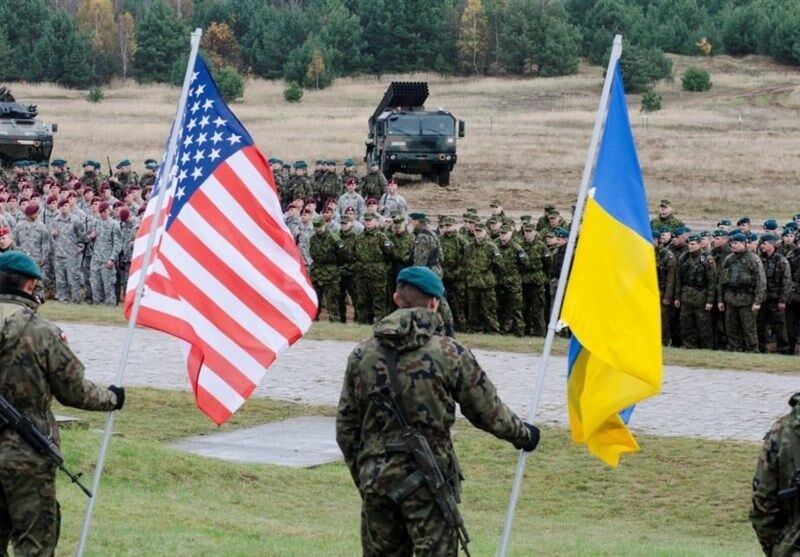
Strategic Council Online – Interview: A researcher at the Research Institute of the Expediency Council stated that the defeat of Russia in the war in Ukraine would mean strengthening the political and geopolitical position of the US up to Eastern Europe, which would bring no positive consequences for China. He noted: Military blockade with China, even for Russia, is costly because, due to the difference in their power balance, this blockade may force the Russians to abandon some political and security considerations in the long run against China and stay in the shadows.

Ukraine War; Approach of World Powers, Iran’s Policy

Ukraine War; Approach of World Powers, Iran’s Policy

Strategic Council Online – Guest opinion: Russia’s attack on Ukraine, which was initially thought to be a lightning attack with quick and tangible results, has lasted a year; meantime with the recent stances taken by certain European countries at the Munich Security Conference to the effect that they have prepared for a long-term war, no definite end can be expected for the conflict.
Dr. Mohammad Mahdi Mazaheri – University professor

أحدث الوظائف

The Makkah Pact; Reasons for its Formation and Challenges Ahead

SCFR Online – Opinion: The Makkah Pact, signed between Saudi Arabia, Pakistan, and Turkey under the motto “an attack on one is an attack on all,” is viewed by some analysts less as a full-fledged military coalition and more as an attempt to reduce security dependence on an external power and to establish a regional security mechanism.

Implications of the US-Saudi Nuclear Agreement

SCFR Online – Opinion: The new US-Saudi nuclear agreement, despite legal and political ambiguities, could alter previous non-proliferation standards in West Asia and intensify nuclear competition, ushering it into a new phase.

An Analysis of Recent Turkey-Israeli Regime Tensions

SCFR Online – Opinion: Recent developments in Syria indicate an intensification of strategic rivalry between Turkey and the Israeli regime, but mutual considerations and the role of the United States have limited the likelihood of direct war.

Increasing criticism of the extensive Zionist lobby network

SCFR Online – Opinion: An examination of the mechanisms of the Israeli regime’s influence in the United States depicts a complex picture of shared interests, strategic dependencies, and the limitations of this relationship.

Realities of the Tripartite Makkah Pact

SCFR Online – Interview: The signing of the Makkah agreement between Saudi Arabia, Pakistan, and Turkey has raised questions about the future of the region’s security structure and the position of these countries in West Asian equations. Can this agreement become a genuine collective defense mechanism, or does it have more of a political and deterrent function than creating new military capacity?

Loading

Eastern Europe

An Analysis of Boosting China-Russia Military Cooperation & US Concern

An Analysis of Boosting China-Russia Military Cooperation & US Concern

Strategic Council Online – Interview: A researcher at the Research Institute of the Expediency Council stated that the defeat of Russia in the war in Ukraine would mean strengthening the political and geopolitical position of the US up to Eastern Europe, which would bring no positive consequences for China. He noted: Military blockade with China, even for Russia, is costly because, due to the difference in their power balance, this blockade may force the Russians to abandon some political and security considerations in the long run against China and stay in the shadows.

Ukraine War; Approach of World Powers, Iran’s Policy

Ukraine War; Approach of World Powers, Iran’s Policy

Strategic Council Online – Guest opinion: Russia’s attack on Ukraine, which was initially thought to be a lightning attack with quick and tangible results, has lasted a year; meantime with the recent stances taken by certain European countries at the Munich Security Conference to the effect that they have prepared for a long-term war, no definite end can be expected for the conflict.
Dr. Mohammad Mahdi Mazaheri – University professor

Eastern Europe

An Analysis of Boosting China-Russia Military Cooperation & US Concern

An Analysis of Boosting China-Russia Military Cooperation & US Concern

Strategic Council Online – Interview: A researcher at the Research Institute of the Expediency Council stated that the defeat of Russia in the war in Ukraine would mean strengthening the political and geopolitical position of the US up to Eastern Europe, which would bring no positive consequences for China. He noted: Military blockade with China, even for Russia, is costly because, due to the difference in their power balance, this blockade may force the Russians to abandon some political and security considerations in the long run against China and stay in the shadows.

Ukraine War; Approach of World Powers, Iran’s Policy

Ukraine War; Approach of World Powers, Iran’s Policy

Strategic Council Online – Guest opinion: Russia’s attack on Ukraine, which was initially thought to be a lightning attack with quick and tangible results, has lasted a year; meantime with the recent stances taken by certain European countries at the Munich Security Conference to the effect that they have prepared for a long-term war, no definite end can be expected for the conflict.
Dr. Mohammad Mahdi Mazaheri – University professor

LATEST CONTENT

The Makkah Pact; Reasons for its Formation and Challenges Ahead

SCFR Online – Opinion: The Makkah Pact, signed between Saudi Arabia, Pakistan, and Turkey under the motto “an attack on one is an attack on all,” is viewed by some analysts less as a full-fledged military coalition and more as an attempt to reduce security dependence on an external power and to establish a regional security mechanism.

Implications of the US-Saudi Nuclear Agreement

SCFR Online – Opinion: The new US-Saudi nuclear agreement, despite legal and political ambiguities, could alter previous non-proliferation standards in West Asia and intensify nuclear competition, ushering it into a new phase.

An Analysis of Recent Turkey-Israeli Regime Tensions

SCFR Online – Opinion: Recent developments in Syria indicate an intensification of strategic rivalry between Turkey and the Israeli regime, but mutual considerations and the role of the United States have limited the likelihood of direct war.

Increasing criticism of the extensive Zionist lobby network

SCFR Online – Opinion: An examination of the mechanisms of the Israeli regime’s influence in the United States depicts a complex picture of shared interests, strategic dependencies, and the limitations of this relationship.

Realities of the Tripartite Makkah Pact

SCFR Online – Interview: The signing of the Makkah agreement between Saudi Arabia, Pakistan, and Turkey has raised questions about the future of the region’s security structure and the position of these countries in West Asian equations. Can this agreement become a genuine collective defense mechanism, or does it have more of a political and deterrent function than creating new military capacity?

Loading

Eastern Europe

An Analysis of Boosting China-Russia Military Cooperation & US Concern

An Analysis of Boosting China-Russia Military Cooperation & US Concern

Strategic Council Online – Interview: A researcher at the Research Institute of the Expediency Council stated that the defeat of Russia in the war in Ukraine would mean strengthening the political and geopolitical position of the US up to Eastern Europe, which would bring no positive consequences for China. He noted: Military blockade with China, even for Russia, is costly because, due to the difference in their power balance, this blockade may force the Russians to abandon some political and security considerations in the long run against China and stay in the shadows.

Ukraine War; Approach of World Powers, Iran’s Policy

Ukraine War; Approach of World Powers, Iran’s Policy

Strategic Council Online – Guest opinion: Russia’s attack on Ukraine, which was initially thought to be a lightning attack with quick and tangible results, has lasted a year; meantime with the recent stances taken by certain European countries at the Munich Security Conference to the effect that they have prepared for a long-term war, no definite end can be expected for the conflict.
Dr. Mohammad Mahdi Mazaheri – University professor

ÚLTIMAS PUBLICACIONES

The Makkah Pact; Reasons for its Formation and Challenges Ahead

SCFR Online – Opinion: The Makkah Pact, signed between Saudi Arabia, Pakistan, and Turkey under the motto “an attack on one is an attack on all,” is viewed by some analysts less as a full-fledged military coalition and more as an attempt to reduce security dependence on an external power and to establish a regional security mechanism.

Implications of the US-Saudi Nuclear Agreement

SCFR Online – Opinion: The new US-Saudi nuclear agreement, despite legal and political ambiguities, could alter previous non-proliferation standards in West Asia and intensify nuclear competition, ushering it into a new phase.

An Analysis of Recent Turkey-Israeli Regime Tensions

SCFR Online – Opinion: Recent developments in Syria indicate an intensification of strategic rivalry between Turkey and the Israeli regime, but mutual considerations and the role of the United States have limited the likelihood of direct war.

Increasing criticism of the extensive Zionist lobby network

SCFR Online – Opinion: An examination of the mechanisms of the Israeli regime’s influence in the United States depicts a complex picture of shared interests, strategic dependencies, and the limitations of this relationship.

Realities of the Tripartite Makkah Pact

SCFR Online – Interview: The signing of the Makkah agreement between Saudi Arabia, Pakistan, and Turkey has raised questions about the future of the region’s security structure and the position of these countries in West Asian equations. Can this agreement become a genuine collective defense mechanism, or does it have more of a political and deterrent function than creating new military capacity?

Loading

Eastern Europe

An Analysis of Boosting China-Russia Military Cooperation & US Concern

An Analysis of Boosting China-Russia Military Cooperation & US Concern

Strategic Council Online – Interview: A researcher at the Research Institute of the Expediency Council stated that the defeat of Russia in the war in Ukraine would mean strengthening the political and geopolitical position of the US up to Eastern Europe, which would bring no positive consequences for China. He noted: Military blockade with China, even for Russia, is costly because, due to the difference in their power balance, this blockade may force the Russians to abandon some political and security considerations in the long run against China and stay in the shadows.

Ukraine War; Approach of World Powers, Iran’s Policy

Ukraine War; Approach of World Powers, Iran’s Policy

Strategic Council Online – Guest opinion: Russia’s attack on Ukraine, which was initially thought to be a lightning attack with quick and tangible results, has lasted a year; meantime with the recent stances taken by certain European countries at the Munich Security Conference to the effect that they have prepared for a long-term war, no definite end can be expected for the conflict.
Dr. Mohammad Mahdi Mazaheri – University professor

ÚLTIMAS PUBLICACIONES

The Makkah Pact; Reasons for its Formation and Challenges Ahead

SCFR Online – Opinion: The Makkah Pact, signed between Saudi Arabia, Pakistan, and Turkey under the motto “an attack on one is an attack on all,” is viewed by some analysts less as a full-fledged military coalition and more as an attempt to reduce security dependence on an external power and to establish a regional security mechanism.

Implications of the US-Saudi Nuclear Agreement

SCFR Online – Opinion: The new US-Saudi nuclear agreement, despite legal and political ambiguities, could alter previous non-proliferation standards in West Asia and intensify nuclear competition, ushering it into a new phase.

An Analysis of Recent Turkey-Israeli Regime Tensions

SCFR Online – Opinion: Recent developments in Syria indicate an intensification of strategic rivalry between Turkey and the Israeli regime, but mutual considerations and the role of the United States have limited the likelihood of direct war.

Increasing criticism of the extensive Zionist lobby network

SCFR Online – Opinion: An examination of the mechanisms of the Israeli regime’s influence in the United States depicts a complex picture of shared interests, strategic dependencies, and the limitations of this relationship.

Realities of the Tripartite Makkah Pact

SCFR Online – Interview: The signing of the Makkah agreement between Saudi Arabia, Pakistan, and Turkey has raised questions about the future of the region’s security structure and the position of these countries in West Asian equations. Can this agreement become a genuine collective defense mechanism, or does it have more of a political and deterrent function than creating new military capacity?

Loading

Eastern Europe

An Analysis of Boosting China-Russia Military Cooperation & US Concern

An Analysis of Boosting China-Russia Military Cooperation & US Concern

Strategic Council Online – Interview: A researcher at the Research Institute of the Expediency Council stated that the defeat of Russia in the war in Ukraine would mean strengthening the political and geopolitical position of the US up to Eastern Europe, which would bring no positive consequences for China. He noted: Military blockade with China, even for Russia, is costly because, due to the difference in their power balance, this blockade may force the Russians to abandon some political and security considerations in the long run against China and stay in the shadows.

Ukraine War; Approach of World Powers, Iran’s Policy

Ukraine War; Approach of World Powers, Iran’s Policy

Strategic Council Online – Guest opinion: Russia’s attack on Ukraine, which was initially thought to be a lightning attack with quick and tangible results, has lasted a year; meantime with the recent stances taken by certain European countries at the Munich Security Conference to the effect that they have prepared for a long-term war, no definite end can be expected for the conflict.
Dr. Mohammad Mahdi Mazaheri – University professor

ÚLTIMAS PUBLICACIONES

The Makkah Pact; Reasons for its Formation and Challenges Ahead

SCFR Online – Opinion: The Makkah Pact, signed between Saudi Arabia, Pakistan, and Turkey under the motto “an attack on one is an attack on all,” is viewed by some analysts less as a full-fledged military coalition and more as an attempt to reduce security dependence on an external power and to establish a regional security mechanism.

Implications of the US-Saudi Nuclear Agreement

SCFR Online – Opinion: The new US-Saudi nuclear agreement, despite legal and political ambiguities, could alter previous non-proliferation standards in West Asia and intensify nuclear competition, ushering it into a new phase.

An Analysis of Recent Turkey-Israeli Regime Tensions

SCFR Online – Opinion: Recent developments in Syria indicate an intensification of strategic rivalry between Turkey and the Israeli regime, but mutual considerations and the role of the United States have limited the likelihood of direct war.

Increasing criticism of the extensive Zionist lobby network

SCFR Online – Opinion: An examination of the mechanisms of the Israeli regime’s influence in the United States depicts a complex picture of shared interests, strategic dependencies, and the limitations of this relationship.

Realities of the Tripartite Makkah Pact

SCFR Online – Interview: The signing of the Makkah agreement between Saudi Arabia, Pakistan, and Turkey has raised questions about the future of the region’s security structure and the position of these countries in West Asian equations. Can this agreement become a genuine collective defense mechanism, or does it have more of a political and deterrent function than creating new military capacity?

Loading

Eastern Europe

An Analysis of Boosting China-Russia Military Cooperation & US Concern

An Analysis of Boosting China-Russia Military Cooperation & US Concern

Strategic Council Online – Interview: A researcher at the Research Institute of the Expediency Council stated that the defeat of Russia in the war in Ukraine would mean strengthening the political and geopolitical position of the US up to Eastern Europe, which would bring no positive consequences for China. He noted: Military blockade with China, even for Russia, is costly because, due to the difference in their power balance, this blockade may force the Russians to abandon some political and security considerations in the long run against China and stay in the shadows.

Ukraine War; Approach of World Powers, Iran’s Policy

Ukraine War; Approach of World Powers, Iran’s Policy

Strategic Council Online – Guest opinion: Russia’s attack on Ukraine, which was initially thought to be a lightning attack with quick and tangible results, has lasted a year; meantime with the recent stances taken by certain European countries at the Munich Security Conference to the effect that they have prepared for a long-term war, no definite end can be expected for the conflict.
Dr. Mohammad Mahdi Mazaheri – University professor

ÚLTIMAS PUBLICACIONES

The Makkah Pact; Reasons for its Formation and Challenges Ahead

SCFR Online – Opinion: The Makkah Pact, signed between Saudi Arabia, Pakistan, and Turkey under the motto “an attack on one is an attack on all,” is viewed by some analysts less as a full-fledged military coalition and more as an attempt to reduce security dependence on an external power and to establish a regional security mechanism.

Implications of the US-Saudi Nuclear Agreement

SCFR Online – Opinion: The new US-Saudi nuclear agreement, despite legal and political ambiguities, could alter previous non-proliferation standards in West Asia and intensify nuclear competition, ushering it into a new phase.

An Analysis of Recent Turkey-Israeli Regime Tensions

SCFR Online – Opinion: Recent developments in Syria indicate an intensification of strategic rivalry between Turkey and the Israeli regime, but mutual considerations and the role of the United States have limited the likelihood of direct war.

Increasing criticism of the extensive Zionist lobby network

SCFR Online – Opinion: An examination of the mechanisms of the Israeli regime’s influence in the United States depicts a complex picture of shared interests, strategic dependencies, and the limitations of this relationship.

Realities of the Tripartite Makkah Pact

SCFR Online – Interview: The signing of the Makkah agreement between Saudi Arabia, Pakistan, and Turkey has raised questions about the future of the region’s security structure and the position of these countries in West Asian equations. Can this agreement become a genuine collective defense mechanism, or does it have more of a political and deterrent function than creating new military capacity?

Loading