Geoeconomics as the Most Important Arena of Great Power Competition
SCFR Online – Opinion: Great power competition is now pursued more in trade, currency, technology, and global supply chains than on the battlefields of military confrontation.
Strategic Council Online – Note: By disregarding Iran’s deterrence capabilities and political economy leverage in the Strait of Hormuz, Washington has reached a strategic deadlock from which military means are unable to extricate it.
SCFR Online – Opinion: Foreign policy analysis is valid when it evaluates decisions based on the information and circumstances prevailing at the time they were made, not on the basis of outcomes that only become apparent after the crisis has ended.
SCFR Online-Opinion: Sanctions are gradually transforming from classical financial instruments into complex mechanisms for the containment of technology, data, and global supply chains.
SCFR Online – Opinion: Emmanuel Macron’s visit to Damascus is an attempt to redefine France’s role in Syria following the recent political developments in that country; an effort pursued within the context of great power competition and the country’s security challenges.
Strategic Council Online – Note: Middle powers such as India, Turkey, Australia, and some Persian Gulf countries are no longer marginal actors, but are redefining global power equations through balancing diplomacy.
Strategic Council Online – Note: In today’s global politics, the creation of narratives has become as important as territorial control and economic management, and has turned into the main tool of great power competition.
Strategic Council Online – Note: Hamas’s handing over the civilian management in Gaza is assessed as an attempt to reduce political pressures, facilitate reconstruction, and preserve the status of resistance in the future equations of Palestine.
Strategic Council Online – Interview: An Iraqi affairs analyst stated: Selecting Iraq’s future prime minister, determining foreign policy, and managing the new Baghdad government’s relations with regional countries and the world require internal political consensus following the recent parliamentary elections.
Strategic Council Online – Opinion: Formation of a new government in Iraq is still facing difficult challenges. According to the Iraqi constitution, the process of forming the government in Iraq must be completed by the parliament through nomination of the president, the prime minister and the cabinet ministers within two months after the approval of the general election results. However, six months after the parliamentary elections, the formation of the government has become a point of contention between groups and political currents.
Barsam Mohammadi – Expert in regional affairs
Strategic Council Online – Interview: An expert on Iraq affairs, commenting on why, despite the elapse of more than three months since the elections in Iraq, the task of important positions in that country such as the presidency and the prime minister has not been determined yet, said: The issue of the division of the main positions of the Iraqi government in this period has also been faced with a fundamental complexity.
Strategic Council Online – Interview: Having stated that the recent movements in Iraq show that ISIS has a serious presence in regions among Kirkuk, Diyala and Salah-Adin provinces, a university professor said:” with mounting dissatisfactions in Iraq and the weakness of the central government in the country, the possibility to recruit forces and re-organization by ISIS as well as other terrorist groups will increase.
Strategic Council Online – Interview: An analyst of West Asia affairs, explaining the new US strategy in Iraq after troop withdrawal, said: The United States seeks to change the military, security, and political arrangements in Iraq and build capacity for a possible normalization of Baghdad’s relations with the Zionist regime.
Strategic Council Online- Interview: Having stated that in the new era, the pressure on the resistance groups in Iraq will be mounted, a university professor said:” driving wedge among Shi’ite groups and intensifying it is the strategy being followed up by opponents as they have been successful so far”.
Strategic Council Online-Opinion: Iraq has entered a new round of political, security and field developments. The safe and peaceful conduct of the parliamentary elections and the announcement of the final results, which in the broadest sense were in the national interest of Iraq, not only did not meet US expectations; Rather, there appeared in spite of the efforts of the United States and some Arab regimes in the region to abort the elections.
Hamid Khoshayand—Expert of regional issues
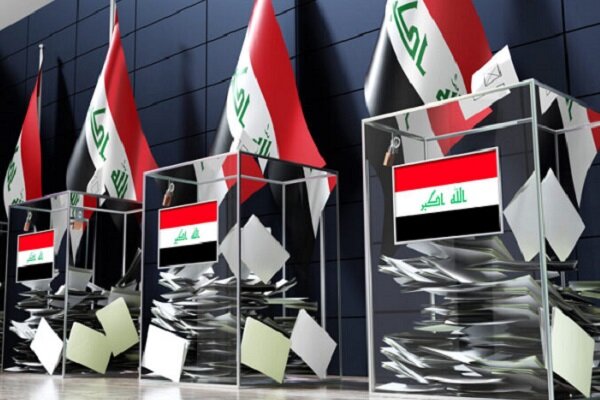
Strategic Council Online- Interview: The Expert of Middle East affairs commented on the political status in Iraq after the recent election and said:” Despite political challenges and protests of various trends about the results of the recent parliamentary election, it was finally finished. Saairun trend led by Muqtada Al-Sadr was recognized as the victor of the election with 73 seats”.
Strategic Council Online – Interview: A professor at the University of Tehran believes that the general arrangement reflected in the vote-counting in the Iraqi elections indicates a serious fragmentation of the Iraqi society in the field of politics.
Strategic Council Online- Interview: An expert on Iraq commented on the recent visit of Mostafa Al-Kazemi, Iraqi Premier to Tehran and said:” Mostafa Al-Kazemi visit to Iran was his first visit after President Raisi took office. From political point of view, the visit was made one month before holding the Iraqi election, and is important for Al-Kazem who has made several counselling visits to regional countries.
SCFR Online – Opinion: Great power competition is now pursued more in trade, currency, technology, and global supply chains than on the battlefields of military confrontation.
Strategic Council Online – Note: By disregarding Iran’s deterrence capabilities and political economy leverage in the Strait of Hormuz, Washington has reached a strategic deadlock from which military means are unable to extricate it.
SCFR Online – Opinion: Foreign policy analysis is valid when it evaluates decisions based on the information and circumstances prevailing at the time they were made, not on the basis of outcomes that only become apparent after the crisis has ended.
SCFR Online-Opinion: Sanctions are gradually transforming from classical financial instruments into complex mechanisms for the containment of technology, data, and global supply chains.
SCFR Online – Opinion: Emmanuel Macron’s visit to Damascus is an attempt to redefine France’s role in Syria following the recent political developments in that country; an effort pursued within the context of great power competition and the country’s security challenges.
Strategic Council Online – Note: Middle powers such as India, Turkey, Australia, and some Persian Gulf countries are no longer marginal actors, but are redefining global power equations through balancing diplomacy.
Strategic Council Online – Note: In today’s global politics, the creation of narratives has become as important as territorial control and economic management, and has turned into the main tool of great power competition.
Strategic Council Online – Note: Hamas’s handing over the civilian management in Gaza is assessed as an attempt to reduce political pressures, facilitate reconstruction, and preserve the status of resistance in the future equations of Palestine.
Strategic Council Online – Interview: An Iraqi affairs analyst stated: Selecting Iraq’s future prime minister, determining foreign policy, and managing the new Baghdad government’s relations with regional countries and the world require internal political consensus following the recent parliamentary elections.
Strategic Council Online – Opinion: Formation of a new government in Iraq is still facing difficult challenges. According to the Iraqi constitution, the process of forming the government in Iraq must be completed by the parliament through nomination of the president, the prime minister and the cabinet ministers within two months after the approval of the general election results. However, six months after the parliamentary elections, the formation of the government has become a point of contention between groups and political currents.
Barsam Mohammadi – Expert in regional affairs
Strategic Council Online – Interview: An expert on Iraq affairs, commenting on why, despite the elapse of more than three months since the elections in Iraq, the task of important positions in that country such as the presidency and the prime minister has not been determined yet, said: The issue of the division of the main positions of the Iraqi government in this period has also been faced with a fundamental complexity.
Strategic Council Online – Interview: Having stated that the recent movements in Iraq show that ISIS has a serious presence in regions among Kirkuk, Diyala and Salah-Adin provinces, a university professor said:” with mounting dissatisfactions in Iraq and the weakness of the central government in the country, the possibility to recruit forces and re-organization by ISIS as well as other terrorist groups will increase.
Strategic Council Online – Interview: An analyst of West Asia affairs, explaining the new US strategy in Iraq after troop withdrawal, said: The United States seeks to change the military, security, and political arrangements in Iraq and build capacity for a possible normalization of Baghdad’s relations with the Zionist regime.
Strategic Council Online- Interview: Having stated that in the new era, the pressure on the resistance groups in Iraq will be mounted, a university professor said:” driving wedge among Shi’ite groups and intensifying it is the strategy being followed up by opponents as they have been successful so far”.
Strategic Council Online-Opinion: Iraq has entered a new round of political, security and field developments. The safe and peaceful conduct of the parliamentary elections and the announcement of the final results, which in the broadest sense were in the national interest of Iraq, not only did not meet US expectations; Rather, there appeared in spite of the efforts of the United States and some Arab regimes in the region to abort the elections.
Hamid Khoshayand—Expert of regional issues
Strategic Council Online- Interview: The Expert of Middle East affairs commented on the political status in Iraq after the recent election and said:” Despite political challenges and protests of various trends about the results of the recent parliamentary election, it was finally finished. Saairun trend led by Muqtada Al-Sadr was recognized as the victor of the election with 73 seats”.
Strategic Council Online – Interview: A professor at the University of Tehran believes that the general arrangement reflected in the vote-counting in the Iraqi elections indicates a serious fragmentation of the Iraqi society in the field of politics.
Strategic Council Online- Interview: An expert on Iraq commented on the recent visit of Mostafa Al-Kazemi, Iraqi Premier to Tehran and said:” Mostafa Al-Kazemi visit to Iran was his first visit after President Raisi took office. From political point of view, the visit was made one month before holding the Iraqi election, and is important for Al-Kazem who has made several counselling visits to regional countries.
Strategic Council Online – Interview: An Iraqi affairs analyst stated: Selecting Iraq’s future prime minister, determining foreign policy, and managing the new Baghdad government’s relations with regional countries and the world require internal political consensus following the recent parliamentary elections.
Strategic Council Online – Opinion: Formation of a new government in Iraq is still facing difficult challenges. According to the Iraqi constitution, the process of forming the government in Iraq must be completed by the parliament through nomination of the president, the prime minister and the cabinet ministers within two months after the approval of the general election results. However, six months after the parliamentary elections, the formation of the government has become a point of contention between groups and political currents.
Barsam Mohammadi – Expert in regional affairs
Strategic Council Online – Interview: An expert on Iraq affairs, commenting on why, despite the elapse of more than three months since the elections in Iraq, the task of important positions in that country such as the presidency and the prime minister has not been determined yet, said: The issue of the division of the main positions of the Iraqi government in this period has also been faced with a fundamental complexity.
Strategic Council Online – Interview: Having stated that the recent movements in Iraq show that ISIS has a serious presence in regions among Kirkuk, Diyala and Salah-Adin provinces, a university professor said:” with mounting dissatisfactions in Iraq and the weakness of the central government in the country, the possibility to recruit forces and re-organization by ISIS as well as other terrorist groups will increase.
Strategic Council Online – Interview: An analyst of West Asia affairs, explaining the new US strategy in Iraq after troop withdrawal, said: The United States seeks to change the military, security, and political arrangements in Iraq and build capacity for a possible normalization of Baghdad’s relations with the Zionist regime.
Strategic Council Online- Interview: Having stated that in the new era, the pressure on the resistance groups in Iraq will be mounted, a university professor said:” driving wedge among Shi’ite groups and intensifying it is the strategy being followed up by opponents as they have been successful so far”.
Strategic Council Online-Opinion: Iraq has entered a new round of political, security and field developments. The safe and peaceful conduct of the parliamentary elections and the announcement of the final results, which in the broadest sense were in the national interest of Iraq, not only did not meet US expectations; Rather, there appeared in spite of the efforts of the United States and some Arab regimes in the region to abort the elections.
Hamid Khoshayand—Expert of regional issues
Strategic Council Online- Interview: The Expert of Middle East affairs commented on the political status in Iraq after the recent election and said:” Despite political challenges and protests of various trends about the results of the recent parliamentary election, it was finally finished. Saairun trend led by Muqtada Al-Sadr was recognized as the victor of the election with 73 seats”.
Strategic Council Online – Interview: A professor at the University of Tehran believes that the general arrangement reflected in the vote-counting in the Iraqi elections indicates a serious fragmentation of the Iraqi society in the field of politics.
Strategic Council Online- Interview: An expert on Iraq commented on the recent visit of Mostafa Al-Kazemi, Iraqi Premier to Tehran and said:” Mostafa Al-Kazemi visit to Iran was his first visit after President Raisi took office. From political point of view, the visit was made one month before holding the Iraqi election, and is important for Al-Kazem who has made several counselling visits to regional countries.
SCFR Online – Opinion: Great power competition is now pursued more in trade, currency, technology, and global supply chains than on the battlefields of military confrontation.
Strategic Council Online – Note: By disregarding Iran’s deterrence capabilities and political economy leverage in the Strait of Hormuz, Washington has reached a strategic deadlock from which military means are unable to extricate it.
SCFR Online – Opinion: Foreign policy analysis is valid when it evaluates decisions based on the information and circumstances prevailing at the time they were made, not on the basis of outcomes that only become apparent after the crisis has ended.
SCFR Online-Opinion: Sanctions are gradually transforming from classical financial instruments into complex mechanisms for the containment of technology, data, and global supply chains.
SCFR Online – Opinion: Emmanuel Macron’s visit to Damascus is an attempt to redefine France’s role in Syria following the recent political developments in that country; an effort pursued within the context of great power competition and the country’s security challenges.
Strategic Council Online – Note: Middle powers such as India, Turkey, Australia, and some Persian Gulf countries are no longer marginal actors, but are redefining global power equations through balancing diplomacy.
Strategic Council Online – Note: In today’s global politics, the creation of narratives has become as important as territorial control and economic management, and has turned into the main tool of great power competition.
Strategic Council Online – Note: Hamas’s handing over the civilian management in Gaza is assessed as an attempt to reduce political pressures, facilitate reconstruction, and preserve the status of resistance in the future equations of Palestine.
Strategic Council Online – Interview: An Iraqi affairs analyst stated: Selecting Iraq’s future prime minister, determining foreign policy, and managing the new Baghdad government’s relations with regional countries and the world require internal political consensus following the recent parliamentary elections.
Strategic Council Online – Opinion: Formation of a new government in Iraq is still facing difficult challenges. According to the Iraqi constitution, the process of forming the government in Iraq must be completed by the parliament through nomination of the president, the prime minister and the cabinet ministers within two months after the approval of the general election results. However, six months after the parliamentary elections, the formation of the government has become a point of contention between groups and political currents.
Barsam Mohammadi – Expert in regional affairs
Strategic Council Online – Interview: An expert on Iraq affairs, commenting on why, despite the elapse of more than three months since the elections in Iraq, the task of important positions in that country such as the presidency and the prime minister has not been determined yet, said: The issue of the division of the main positions of the Iraqi government in this period has also been faced with a fundamental complexity.
Strategic Council Online – Interview: Having stated that the recent movements in Iraq show that ISIS has a serious presence in regions among Kirkuk, Diyala and Salah-Adin provinces, a university professor said:” with mounting dissatisfactions in Iraq and the weakness of the central government in the country, the possibility to recruit forces and re-organization by ISIS as well as other terrorist groups will increase.
Strategic Council Online – Interview: An analyst of West Asia affairs, explaining the new US strategy in Iraq after troop withdrawal, said: The United States seeks to change the military, security, and political arrangements in Iraq and build capacity for a possible normalization of Baghdad’s relations with the Zionist regime.
Strategic Council Online- Interview: Having stated that in the new era, the pressure on the resistance groups in Iraq will be mounted, a university professor said:” driving wedge among Shi’ite groups and intensifying it is the strategy being followed up by opponents as they have been successful so far”.
Strategic Council Online-Opinion: Iraq has entered a new round of political, security and field developments. The safe and peaceful conduct of the parliamentary elections and the announcement of the final results, which in the broadest sense were in the national interest of Iraq, not only did not meet US expectations; Rather, there appeared in spite of the efforts of the United States and some Arab regimes in the region to abort the elections.
Hamid Khoshayand—Expert of regional issues
Strategic Council Online- Interview: The Expert of Middle East affairs commented on the political status in Iraq after the recent election and said:” Despite political challenges and protests of various trends about the results of the recent parliamentary election, it was finally finished. Saairun trend led by Muqtada Al-Sadr was recognized as the victor of the election with 73 seats”.
Strategic Council Online – Interview: A professor at the University of Tehran believes that the general arrangement reflected in the vote-counting in the Iraqi elections indicates a serious fragmentation of the Iraqi society in the field of politics.
Strategic Council Online- Interview: An expert on Iraq commented on the recent visit of Mostafa Al-Kazemi, Iraqi Premier to Tehran and said:” Mostafa Al-Kazemi visit to Iran was his first visit after President Raisi took office. From political point of view, the visit was made one month before holding the Iraqi election, and is important for Al-Kazem who has made several counselling visits to regional countries.
SCFR Online – Opinion: Great power competition is now pursued more in trade, currency, technology, and global supply chains than on the battlefields of military confrontation.
Strategic Council Online – Note: By disregarding Iran’s deterrence capabilities and political economy leverage in the Strait of Hormuz, Washington has reached a strategic deadlock from which military means are unable to extricate it.
SCFR Online – Opinion: Foreign policy analysis is valid when it evaluates decisions based on the information and circumstances prevailing at the time they were made, not on the basis of outcomes that only become apparent after the crisis has ended.
SCFR Online-Opinion: Sanctions are gradually transforming from classical financial instruments into complex mechanisms for the containment of technology, data, and global supply chains.
SCFR Online – Opinion: Emmanuel Macron’s visit to Damascus is an attempt to redefine France’s role in Syria following the recent political developments in that country; an effort pursued within the context of great power competition and the country’s security challenges.
Strategic Council Online – Note: Middle powers such as India, Turkey, Australia, and some Persian Gulf countries are no longer marginal actors, but are redefining global power equations through balancing diplomacy.
Strategic Council Online – Note: In today’s global politics, the creation of narratives has become as important as territorial control and economic management, and has turned into the main tool of great power competition.
Strategic Council Online – Note: Hamas’s handing over the civilian management in Gaza is assessed as an attempt to reduce political pressures, facilitate reconstruction, and preserve the status of resistance in the future equations of Palestine.
Strategic Council Online – Interview: An Iraqi affairs analyst stated: Selecting Iraq’s future prime minister, determining foreign policy, and managing the new Baghdad government’s relations with regional countries and the world require internal political consensus following the recent parliamentary elections.
Strategic Council Online – Opinion: Formation of a new government in Iraq is still facing difficult challenges. According to the Iraqi constitution, the process of forming the government in Iraq must be completed by the parliament through nomination of the president, the prime minister and the cabinet ministers within two months after the approval of the general election results. However, six months after the parliamentary elections, the formation of the government has become a point of contention between groups and political currents.
Barsam Mohammadi – Expert in regional affairs
Strategic Council Online – Interview: An expert on Iraq affairs, commenting on why, despite the elapse of more than three months since the elections in Iraq, the task of important positions in that country such as the presidency and the prime minister has not been determined yet, said: The issue of the division of the main positions of the Iraqi government in this period has also been faced with a fundamental complexity.
Strategic Council Online – Interview: Having stated that the recent movements in Iraq show that ISIS has a serious presence in regions among Kirkuk, Diyala and Salah-Adin provinces, a university professor said:” with mounting dissatisfactions in Iraq and the weakness of the central government in the country, the possibility to recruit forces and re-organization by ISIS as well as other terrorist groups will increase.
Strategic Council Online – Interview: An analyst of West Asia affairs, explaining the new US strategy in Iraq after troop withdrawal, said: The United States seeks to change the military, security, and political arrangements in Iraq and build capacity for a possible normalization of Baghdad’s relations with the Zionist regime.
Strategic Council Online- Interview: Having stated that in the new era, the pressure on the resistance groups in Iraq will be mounted, a university professor said:” driving wedge among Shi’ite groups and intensifying it is the strategy being followed up by opponents as they have been successful so far”.
Strategic Council Online-Opinion: Iraq has entered a new round of political, security and field developments. The safe and peaceful conduct of the parliamentary elections and the announcement of the final results, which in the broadest sense were in the national interest of Iraq, not only did not meet US expectations; Rather, there appeared in spite of the efforts of the United States and some Arab regimes in the region to abort the elections.
Hamid Khoshayand—Expert of regional issues
Strategic Council Online- Interview: The Expert of Middle East affairs commented on the political status in Iraq after the recent election and said:” Despite political challenges and protests of various trends about the results of the recent parliamentary election, it was finally finished. Saairun trend led by Muqtada Al-Sadr was recognized as the victor of the election with 73 seats”.
Strategic Council Online – Interview: A professor at the University of Tehran believes that the general arrangement reflected in the vote-counting in the Iraqi elections indicates a serious fragmentation of the Iraqi society in the field of politics.
Strategic Council Online- Interview: An expert on Iraq commented on the recent visit of Mostafa Al-Kazemi, Iraqi Premier to Tehran and said:” Mostafa Al-Kazemi visit to Iran was his first visit after President Raisi took office. From political point of view, the visit was made one month before holding the Iraqi election, and is important for Al-Kazem who has made several counselling visits to regional countries.
SCFR Online – Opinion: Great power competition is now pursued more in trade, currency, technology, and global supply chains than on the battlefields of military confrontation.
Strategic Council Online – Note: By disregarding Iran’s deterrence capabilities and political economy leverage in the Strait of Hormuz, Washington has reached a strategic deadlock from which military means are unable to extricate it.
SCFR Online – Opinion: Foreign policy analysis is valid when it evaluates decisions based on the information and circumstances prevailing at the time they were made, not on the basis of outcomes that only become apparent after the crisis has ended.
SCFR Online-Opinion: Sanctions are gradually transforming from classical financial instruments into complex mechanisms for the containment of technology, data, and global supply chains.
SCFR Online – Opinion: Emmanuel Macron’s visit to Damascus is an attempt to redefine France’s role in Syria following the recent political developments in that country; an effort pursued within the context of great power competition and the country’s security challenges.
Strategic Council Online – Note: Middle powers such as India, Turkey, Australia, and some Persian Gulf countries are no longer marginal actors, but are redefining global power equations through balancing diplomacy.
Strategic Council Online – Note: In today’s global politics, the creation of narratives has become as important as territorial control and economic management, and has turned into the main tool of great power competition.
Strategic Council Online – Note: Hamas’s handing over the civilian management in Gaza is assessed as an attempt to reduce political pressures, facilitate reconstruction, and preserve the status of resistance in the future equations of Palestine.
Strategic Council Online – Interview: An Iraqi affairs analyst stated: Selecting Iraq’s future prime minister, determining foreign policy, and managing the new Baghdad government’s relations with regional countries and the world require internal political consensus following the recent parliamentary elections.
Strategic Council Online – Opinion: Formation of a new government in Iraq is still facing difficult challenges. According to the Iraqi constitution, the process of forming the government in Iraq must be completed by the parliament through nomination of the president, the prime minister and the cabinet ministers within two months after the approval of the general election results. However, six months after the parliamentary elections, the formation of the government has become a point of contention between groups and political currents.
Barsam Mohammadi – Expert in regional affairs
Strategic Council Online – Interview: An expert on Iraq affairs, commenting on why, despite the elapse of more than three months since the elections in Iraq, the task of important positions in that country such as the presidency and the prime minister has not been determined yet, said: The issue of the division of the main positions of the Iraqi government in this period has also been faced with a fundamental complexity.
Strategic Council Online – Interview: Having stated that the recent movements in Iraq show that ISIS has a serious presence in regions among Kirkuk, Diyala and Salah-Adin provinces, a university professor said:” with mounting dissatisfactions in Iraq and the weakness of the central government in the country, the possibility to recruit forces and re-organization by ISIS as well as other terrorist groups will increase.
Strategic Council Online – Interview: An analyst of West Asia affairs, explaining the new US strategy in Iraq after troop withdrawal, said: The United States seeks to change the military, security, and political arrangements in Iraq and build capacity for a possible normalization of Baghdad’s relations with the Zionist regime.
Strategic Council Online- Interview: Having stated that in the new era, the pressure on the resistance groups in Iraq will be mounted, a university professor said:” driving wedge among Shi’ite groups and intensifying it is the strategy being followed up by opponents as they have been successful so far”.
Strategic Council Online-Opinion: Iraq has entered a new round of political, security and field developments. The safe and peaceful conduct of the parliamentary elections and the announcement of the final results, which in the broadest sense were in the national interest of Iraq, not only did not meet US expectations; Rather, there appeared in spite of the efforts of the United States and some Arab regimes in the region to abort the elections.
Hamid Khoshayand—Expert of regional issues
Strategic Council Online- Interview: The Expert of Middle East affairs commented on the political status in Iraq after the recent election and said:” Despite political challenges and protests of various trends about the results of the recent parliamentary election, it was finally finished. Saairun trend led by Muqtada Al-Sadr was recognized as the victor of the election with 73 seats”.
Strategic Council Online – Interview: A professor at the University of Tehran believes that the general arrangement reflected in the vote-counting in the Iraqi elections indicates a serious fragmentation of the Iraqi society in the field of politics.
Strategic Council Online- Interview: An expert on Iraq commented on the recent visit of Mostafa Al-Kazemi, Iraqi Premier to Tehran and said:” Mostafa Al-Kazemi visit to Iran was his first visit after President Raisi took office. From political point of view, the visit was made one month before holding the Iraqi election, and is important for Al-Kazem who has made several counselling visits to regional countries.
SCFR Online – Opinion: Great power competition is now pursued more in trade, currency, technology, and global supply chains than on the battlefields of military confrontation.
Strategic Council Online – Note: By disregarding Iran’s deterrence capabilities and political economy leverage in the Strait of Hormuz, Washington has reached a strategic deadlock from which military means are unable to extricate it.
SCFR Online – Opinion: Foreign policy analysis is valid when it evaluates decisions based on the information and circumstances prevailing at the time they were made, not on the basis of outcomes that only become apparent after the crisis has ended.
SCFR Online-Opinion: Sanctions are gradually transforming from classical financial instruments into complex mechanisms for the containment of technology, data, and global supply chains.
SCFR Online – Opinion: Emmanuel Macron’s visit to Damascus is an attempt to redefine France’s role in Syria following the recent political developments in that country; an effort pursued within the context of great power competition and the country’s security challenges.
Strategic Council Online – Note: Middle powers such as India, Turkey, Australia, and some Persian Gulf countries are no longer marginal actors, but are redefining global power equations through balancing diplomacy.
Strategic Council Online – Note: In today’s global politics, the creation of narratives has become as important as territorial control and economic management, and has turned into the main tool of great power competition.
Strategic Council Online – Note: Hamas’s handing over the civilian management in Gaza is assessed as an attempt to reduce political pressures, facilitate reconstruction, and preserve the status of resistance in the future equations of Palestine.
Strategic Council Online – Interview: An Iraqi affairs analyst stated: Selecting Iraq’s future prime minister, determining foreign policy, and managing the new Baghdad government’s relations with regional countries and the world require internal political consensus following the recent parliamentary elections.
Strategic Council Online – Opinion: Formation of a new government in Iraq is still facing difficult challenges. According to the Iraqi constitution, the process of forming the government in Iraq must be completed by the parliament through nomination of the president, the prime minister and the cabinet ministers within two months after the approval of the general election results. However, six months after the parliamentary elections, the formation of the government has become a point of contention between groups and political currents.
Barsam Mohammadi – Expert in regional affairs
Strategic Council Online – Interview: An expert on Iraq affairs, commenting on why, despite the elapse of more than three months since the elections in Iraq, the task of important positions in that country such as the presidency and the prime minister has not been determined yet, said: The issue of the division of the main positions of the Iraqi government in this period has also been faced with a fundamental complexity.
Strategic Council Online – Interview: Having stated that the recent movements in Iraq show that ISIS has a serious presence in regions among Kirkuk, Diyala and Salah-Adin provinces, a university professor said:” with mounting dissatisfactions in Iraq and the weakness of the central government in the country, the possibility to recruit forces and re-organization by ISIS as well as other terrorist groups will increase.
Strategic Council Online – Interview: An analyst of West Asia affairs, explaining the new US strategy in Iraq after troop withdrawal, said: The United States seeks to change the military, security, and political arrangements in Iraq and build capacity for a possible normalization of Baghdad’s relations with the Zionist regime.
Strategic Council Online- Interview: Having stated that in the new era, the pressure on the resistance groups in Iraq will be mounted, a university professor said:” driving wedge among Shi’ite groups and intensifying it is the strategy being followed up by opponents as they have been successful so far”.
Strategic Council Online-Opinion: Iraq has entered a new round of political, security and field developments. The safe and peaceful conduct of the parliamentary elections and the announcement of the final results, which in the broadest sense were in the national interest of Iraq, not only did not meet US expectations; Rather, there appeared in spite of the efforts of the United States and some Arab regimes in the region to abort the elections.
Hamid Khoshayand—Expert of regional issues
Strategic Council Online- Interview: The Expert of Middle East affairs commented on the political status in Iraq after the recent election and said:” Despite political challenges and protests of various trends about the results of the recent parliamentary election, it was finally finished. Saairun trend led by Muqtada Al-Sadr was recognized as the victor of the election with 73 seats”.
Strategic Council Online – Interview: A professor at the University of Tehran believes that the general arrangement reflected in the vote-counting in the Iraqi elections indicates a serious fragmentation of the Iraqi society in the field of politics.
Strategic Council Online- Interview: An expert on Iraq commented on the recent visit of Mostafa Al-Kazemi, Iraqi Premier to Tehran and said:” Mostafa Al-Kazemi visit to Iran was his first visit after President Raisi took office. From political point of view, the visit was made one month before holding the Iraqi election, and is important for Al-Kazem who has made several counselling visits to regional countries.
SCFR Online – Opinion: Great power competition is now pursued more in trade, currency, technology, and global supply chains than on the battlefields of military confrontation.
Strategic Council Online – Note: By disregarding Iran’s deterrence capabilities and political economy leverage in the Strait of Hormuz, Washington has reached a strategic deadlock from which military means are unable to extricate it.
SCFR Online – Opinion: Foreign policy analysis is valid when it evaluates decisions based on the information and circumstances prevailing at the time they were made, not on the basis of outcomes that only become apparent after the crisis has ended.
SCFR Online-Opinion: Sanctions are gradually transforming from classical financial instruments into complex mechanisms for the containment of technology, data, and global supply chains.
SCFR Online – Opinion: Emmanuel Macron’s visit to Damascus is an attempt to redefine France’s role in Syria following the recent political developments in that country; an effort pursued within the context of great power competition and the country’s security challenges.
Strategic Council Online – Note: Middle powers such as India, Turkey, Australia, and some Persian Gulf countries are no longer marginal actors, but are redefining global power equations through balancing diplomacy.
Strategic Council Online – Note: In today’s global politics, the creation of narratives has become as important as territorial control and economic management, and has turned into the main tool of great power competition.
Strategic Council Online – Note: Hamas’s handing over the civilian management in Gaza is assessed as an attempt to reduce political pressures, facilitate reconstruction, and preserve the status of resistance in the future equations of Palestine.