جدیدترین مطالب

Iran’s Potential Levers of Power

SCFRonline– Opinion: Iran’s geopolitical power is not limited solely to oil and the Strait of Hormuz; the unintended emergence of disruptions in the future global food and energy security chains can also demonstrate Iran’s strategic importance.

The Inseparability of the Lebanese Front from the Axis of Resistance

SCFR Online–Opinion: By providing an extensive network of social, healthcare, educational, and post-war reconstruction services, Hezbollah has established a strong social base for itself among Lebanon’s Shiites and Sunnis, and even beyond that, among other segments of Lebanese society, including Christians. Hezbollah has never been an external actor imposed upon Lebanon; rather, it is a phenomenon fundamentally born out of the occupation and crimes of the Zionist regime and itself influenced by popular resistance.

The Increasing Efforts of the Zionist Regime to Redefine Borders and the Regional Order and Its Consequences

SCFR Online– Opinion: Security and military developments in the region over recent months indicate that the ongoing crises and wars in Gaza, southern Lebanon, and parts of Syrian territory encompass broader dimensions of geopolitical and geostrategic transformations. In this context, the increased military presence and control of the Zionist regime over parts of the territories of these areas, along with proposals regarding the creation of buffer zones or even the expansion of security borders, have raised serious questions about the future of the regional order and its consequences for the countries of West Asia.

The Components of Iran’s Deterrence Power

SCFR Online – Opinion: At a time when regional security equations have reached a sensitive stage under the influence of Iran’s strategic confrontation with the United States and the Zionist regime, the question of the nature of Tehran’s defensive power has gained greater significance than ever before. While Washington and Tel Aviv rely on their technological superiority, the Islamic Republic of Iran has presented a model of deterrence that extends beyond the material calculations of the world’s classical militaries. This power, rooted in the connection between “the field” and “the people,” has not only altered the balance of power in recent conflicts but has also disrupted adversaries’ calculations when confronting Iran’s strategic depth.

Loading

Erdogan

An Analysis of the Recognition of the Armenian Genocide by the Zionist Regime

An Analysis of the Recognition of the Armenian Genocide by the Zionist Regime

Strategic Council Online Opinion: Despite past cooperation and extensive interactions between Ankara and Tel Aviv in various economic, commercial, political, and other domains, Benjamin Netanyahu, the Prime Minister of the Zionist regime, recently took an unprecedented step by recognizing the Armenian Genocide perpetrated by the Ottoman Empire on April 24, 1915, during World War I.

The Fall of Bashar Assad Government and Turkey’s Role and Challenges

The Fall of Bashar Assad Government and Turkey’s Role and Challenges

Strategic Council Online – Interview: An expert on Turkish affairs said: The power vacuum in the region after the US military withdrawal from Iraq and its intensification after the withdrawal from Afghanistan opened up space for maneuvering by regional powers, especially Turkey. In the meantime, Ankara, relying on national power, an active foreign policy, and cooperation with the main power blocs in the international system, turned towards ambition and role-playing in the affairs of countries and regional issues, the most important example of which we are witnessing today in Syria.

Erdogan’s Motives and Opportunities for Reconciliation with the Syrian Government

Erdogan’s Motives and Opportunities for Reconciliation with the Syrian Government

Strategic Council Online—An expert on Caucasus issues said that the Turkish Foreign Minister recently stated in a joint press conference with his Saudi counterpart: “Our current strategy is dialogue and peace, and we ask Iran and Russia to play a constructive role in this process.” According to these statements, Turkey’s policy towards Syrian refugees and its consequences have once again been considered.

The impact of recent Turkish elections on the political future of the ruling party

The impact of recent Turkish elections on the political future of the ruling party

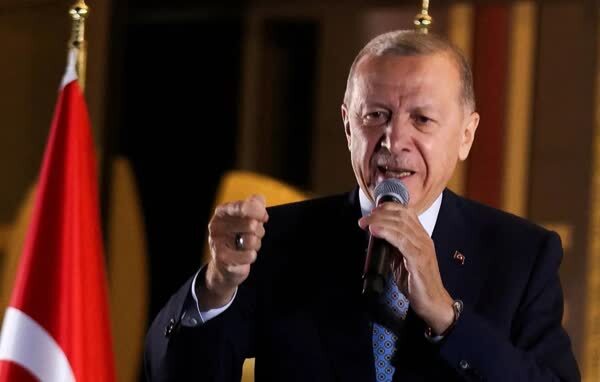
Strategic Council Online—Opinion: Recep Tayyip Erdogan, the President of Turkiye, on the same night that he won the second round of the presidential elections in May 2023, told the crowd of his supporters, “We love Istanbul, we started our journey to this city, and we will continue it.” At the same time, he wanted to take back the Istanbul Municipality from the rival and kept repeating that we will take back Istanbul. Erdogan referred to the Istanbul Municipality, which his party lost in 2019 elections of this metropolis and the economic capital of Turkiye, to his Republican opponent, Akram Imamoglu.
Siyamak Kakaee—Researcher of Turkiye affairs

An Analysis of the Recent Elections in Turkey

An Analysis of the Recent Elections in Turkey

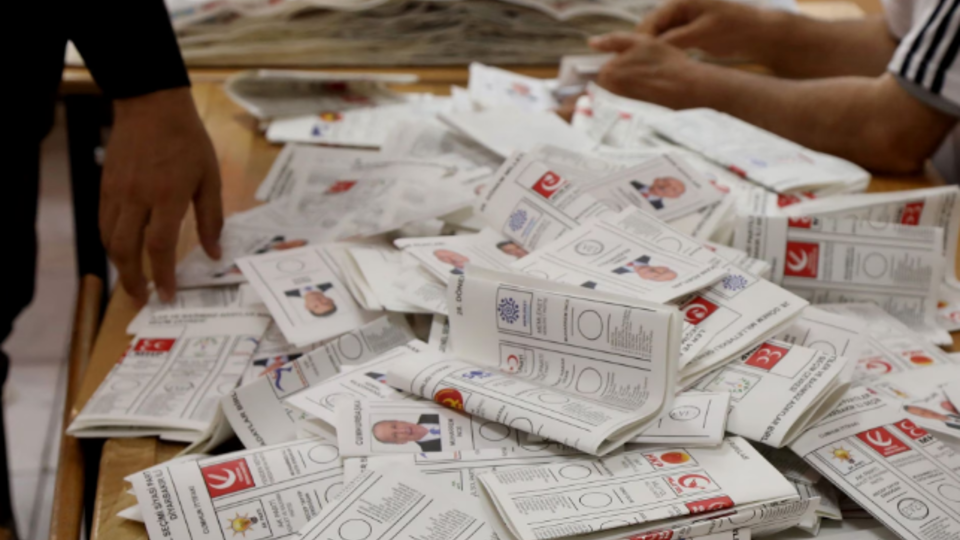
Strategic Council Online—Opinion: Turkey’s March 31 local elections, which ended with the opposition’s victory and Erdogan’s party’s defeat, is considered an important “decisive point” in the future of Turkey’s domestic and foreign policy developments.
It determines the fate of several important political issues, in addition to the election of mayors and local managers for the next five years.
Hamid Khosayand – expert on regional issues

The trend of Turkey-Zionist Regime political-economic Relations

The trend of Turkey-Zionist Regime political-economic Relations

Strategic Council Online – Interview: The Secretary of the Political Economy Department of the Iranian Association of West Asian Studies (IAWAS) said that the Zionist regime was the tenth destination for the export of Turkish goods in 2022 and noted: Although there are political tensions between Ankara and Tel Aviv, the common economic and security interests have Turkey to maintain its bilateral relations with the Zionist regime. Erdogan cares about the ties with the Zionist regime.

Analysis of Turkey’s Stance on Gaza Events

Analysis of Turkey’s Stance on Gaza Events

The brutal attacks of the Zionist regime’s fighters against the people of Gaza and the killing of innocent people recently have been met with various reactions and sometimes condemnation of some political leaders, as well as public protests in Turkey.
Mahmoud Fazeli – International affairs analyst

Erdogan’s Goals and Keys to Success in Normalizing Relations with Syria

Analysis of Ankara’s Policy towards Damascus, Importance of Turkey’s Military Withdrawal from Syria

Strategic Council Online – Interview: An expert on Syria affairs, stating that Turkey’s approach to northern Syria can still make Syria face many security challenges and will have wide-ranging consequences in Syria and the region, noted: It seems that after Bashar Assad’s opposition and announcement of his conditions and with the end of the Turkish presidential elections, Ankara’s position against Syria has become more inflexible.

أحدث الوظائف

Iran’s Potential Levers of Power

SCFRonline– Opinion: Iran’s geopolitical power is not limited solely to oil and the Strait of Hormuz; the unintended emergence of disruptions in the future global food and energy security chains can also demonstrate Iran’s strategic importance.

The Inseparability of the Lebanese Front from the Axis of Resistance

SCFR Online–Opinion: By providing an extensive network of social, healthcare, educational, and post-war reconstruction services, Hezbollah has established a strong social base for itself among Lebanon’s Shiites and Sunnis, and even beyond that, among other segments of Lebanese society, including Christians. Hezbollah has never been an external actor imposed upon Lebanon; rather, it is a phenomenon fundamentally born out of the occupation and crimes of the Zionist regime and itself influenced by popular resistance.

The Increasing Efforts of the Zionist Regime to Redefine Borders and the Regional Order and Its Consequences

SCFR Online– Opinion: Security and military developments in the region over recent months indicate that the ongoing crises and wars in Gaza, southern Lebanon, and parts of Syrian territory encompass broader dimensions of geopolitical and geostrategic transformations. In this context, the increased military presence and control of the Zionist regime over parts of the territories of these areas, along with proposals regarding the creation of buffer zones or even the expansion of security borders, have raised serious questions about the future of the regional order and its consequences for the countries of West Asia.

The Components of Iran’s Deterrence Power

SCFR Online – Opinion: At a time when regional security equations have reached a sensitive stage under the influence of Iran’s strategic confrontation with the United States and the Zionist regime, the question of the nature of Tehran’s defensive power has gained greater significance than ever before. While Washington and Tel Aviv rely on their technological superiority, the Islamic Republic of Iran has presented a model of deterrence that extends beyond the material calculations of the world’s classical militaries. This power, rooted in the connection between “the field” and “the people,” has not only altered the balance of power in recent conflicts but has also disrupted adversaries’ calculations when confronting Iran’s strategic depth.

Loading

Erdogan

An Analysis of the Recognition of the Armenian Genocide by the Zionist Regime

An Analysis of the Recognition of the Armenian Genocide by the Zionist Regime

Strategic Council Online Opinion: Despite past cooperation and extensive interactions between Ankara and Tel Aviv in various economic, commercial, political, and other domains, Benjamin Netanyahu, the Prime Minister of the Zionist regime, recently took an unprecedented step by recognizing the Armenian Genocide perpetrated by the Ottoman Empire on April 24, 1915, during World War I.

The Fall of Bashar Assad Government and Turkey’s Role and Challenges

The Fall of Bashar Assad Government and Turkey’s Role and Challenges

Strategic Council Online – Interview: An expert on Turkish affairs said: The power vacuum in the region after the US military withdrawal from Iraq and its intensification after the withdrawal from Afghanistan opened up space for maneuvering by regional powers, especially Turkey. In the meantime, Ankara, relying on national power, an active foreign policy, and cooperation with the main power blocs in the international system, turned towards ambition and role-playing in the affairs of countries and regional issues, the most important example of which we are witnessing today in Syria.

Erdogan’s Motives and Opportunities for Reconciliation with the Syrian Government

Erdogan’s Motives and Opportunities for Reconciliation with the Syrian Government

Strategic Council Online—An expert on Caucasus issues said that the Turkish Foreign Minister recently stated in a joint press conference with his Saudi counterpart: “Our current strategy is dialogue and peace, and we ask Iran and Russia to play a constructive role in this process.” According to these statements, Turkey’s policy towards Syrian refugees and its consequences have once again been considered.

The impact of recent Turkish elections on the political future of the ruling party

The impact of recent Turkish elections on the political future of the ruling party

Strategic Council Online—Opinion: Recep Tayyip Erdogan, the President of Turkiye, on the same night that he won the second round of the presidential elections in May 2023, told the crowd of his supporters, “We love Istanbul, we started our journey to this city, and we will continue it.” At the same time, he wanted to take back the Istanbul Municipality from the rival and kept repeating that we will take back Istanbul. Erdogan referred to the Istanbul Municipality, which his party lost in 2019 elections of this metropolis and the economic capital of Turkiye, to his Republican opponent, Akram Imamoglu.
Siyamak Kakaee—Researcher of Turkiye affairs

An Analysis of the Recent Elections in Turkey

An Analysis of the Recent Elections in Turkey

Strategic Council Online—Opinion: Turkey’s March 31 local elections, which ended with the opposition’s victory and Erdogan’s party’s defeat, is considered an important “decisive point” in the future of Turkey’s domestic and foreign policy developments.
It determines the fate of several important political issues, in addition to the election of mayors and local managers for the next five years.
Hamid Khosayand – expert on regional issues

The trend of Turkey-Zionist Regime political-economic Relations

The trend of Turkey-Zionist Regime political-economic Relations

Strategic Council Online – Interview: The Secretary of the Political Economy Department of the Iranian Association of West Asian Studies (IAWAS) said that the Zionist regime was the tenth destination for the export of Turkish goods in 2022 and noted: Although there are political tensions between Ankara and Tel Aviv, the common economic and security interests have Turkey to maintain its bilateral relations with the Zionist regime. Erdogan cares about the ties with the Zionist regime.

Analysis of Turkey’s Stance on Gaza Events

Analysis of Turkey’s Stance on Gaza Events

The brutal attacks of the Zionist regime’s fighters against the people of Gaza and the killing of innocent people recently have been met with various reactions and sometimes condemnation of some political leaders, as well as public protests in Turkey.
Mahmoud Fazeli – International affairs analyst

Erdogan’s Goals and Keys to Success in Normalizing Relations with Syria

Analysis of Ankara’s Policy towards Damascus, Importance of Turkey’s Military Withdrawal from Syria

Strategic Council Online – Interview: An expert on Syria affairs, stating that Turkey’s approach to northern Syria can still make Syria face many security challenges and will have wide-ranging consequences in Syria and the region, noted: It seems that after Bashar Assad’s opposition and announcement of his conditions and with the end of the Turkish presidential elections, Ankara’s position against Syria has become more inflexible.

Erdogan

An Analysis of the Recognition of the Armenian Genocide by the Zionist Regime

An Analysis of the Recognition of the Armenian Genocide by the Zionist Regime

Strategic Council Online Opinion: Despite past cooperation and extensive interactions between Ankara and Tel Aviv in various economic, commercial, political, and other domains, Benjamin Netanyahu, the Prime Minister of the Zionist regime, recently took an unprecedented step by recognizing the Armenian Genocide perpetrated by the Ottoman Empire on April 24, 1915, during World War I.

The Fall of Bashar Assad Government and Turkey’s Role and Challenges

The Fall of Bashar Assad Government and Turkey’s Role and Challenges

Strategic Council Online – Interview: An expert on Turkish affairs said: The power vacuum in the region after the US military withdrawal from Iraq and its intensification after the withdrawal from Afghanistan opened up space for maneuvering by regional powers, especially Turkey. In the meantime, Ankara, relying on national power, an active foreign policy, and cooperation with the main power blocs in the international system, turned towards ambition and role-playing in the affairs of countries and regional issues, the most important example of which we are witnessing today in Syria.

Erdogan’s Motives and Opportunities for Reconciliation with the Syrian Government

Erdogan’s Motives and Opportunities for Reconciliation with the Syrian Government

Strategic Council Online—An expert on Caucasus issues said that the Turkish Foreign Minister recently stated in a joint press conference with his Saudi counterpart: “Our current strategy is dialogue and peace, and we ask Iran and Russia to play a constructive role in this process.” According to these statements, Turkey’s policy towards Syrian refugees and its consequences have once again been considered.

The impact of recent Turkish elections on the political future of the ruling party

The impact of recent Turkish elections on the political future of the ruling party

Strategic Council Online—Opinion: Recep Tayyip Erdogan, the President of Turkiye, on the same night that he won the second round of the presidential elections in May 2023, told the crowd of his supporters, “We love Istanbul, we started our journey to this city, and we will continue it.” At the same time, he wanted to take back the Istanbul Municipality from the rival and kept repeating that we will take back Istanbul. Erdogan referred to the Istanbul Municipality, which his party lost in 2019 elections of this metropolis and the economic capital of Turkiye, to his Republican opponent, Akram Imamoglu.
Siyamak Kakaee—Researcher of Turkiye affairs

An Analysis of the Recent Elections in Turkey

An Analysis of the Recent Elections in Turkey

Strategic Council Online—Opinion: Turkey’s March 31 local elections, which ended with the opposition’s victory and Erdogan’s party’s defeat, is considered an important “decisive point” in the future of Turkey’s domestic and foreign policy developments.
It determines the fate of several important political issues, in addition to the election of mayors and local managers for the next five years.
Hamid Khosayand – expert on regional issues

The trend of Turkey-Zionist Regime political-economic Relations

The trend of Turkey-Zionist Regime political-economic Relations

Strategic Council Online – Interview: The Secretary of the Political Economy Department of the Iranian Association of West Asian Studies (IAWAS) said that the Zionist regime was the tenth destination for the export of Turkish goods in 2022 and noted: Although there are political tensions between Ankara and Tel Aviv, the common economic and security interests have Turkey to maintain its bilateral relations with the Zionist regime. Erdogan cares about the ties with the Zionist regime.

Analysis of Turkey’s Stance on Gaza Events

Analysis of Turkey’s Stance on Gaza Events

The brutal attacks of the Zionist regime’s fighters against the people of Gaza and the killing of innocent people recently have been met with various reactions and sometimes condemnation of some political leaders, as well as public protests in Turkey.
Mahmoud Fazeli – International affairs analyst

Erdogan’s Goals and Keys to Success in Normalizing Relations with Syria

Analysis of Ankara’s Policy towards Damascus, Importance of Turkey’s Military Withdrawal from Syria

Strategic Council Online – Interview: An expert on Syria affairs, stating that Turkey’s approach to northern Syria can still make Syria face many security challenges and will have wide-ranging consequences in Syria and the region, noted: It seems that after Bashar Assad’s opposition and announcement of his conditions and with the end of the Turkish presidential elections, Ankara’s position against Syria has become more inflexible.

LATEST CONTENT

Iran’s Potential Levers of Power

SCFRonline– Opinion: Iran’s geopolitical power is not limited solely to oil and the Strait of Hormuz; the unintended emergence of disruptions in the future global food and energy security chains can also demonstrate Iran’s strategic importance.

The Inseparability of the Lebanese Front from the Axis of Resistance

SCFR Online–Opinion: By providing an extensive network of social, healthcare, educational, and post-war reconstruction services, Hezbollah has established a strong social base for itself among Lebanon’s Shiites and Sunnis, and even beyond that, among other segments of Lebanese society, including Christians. Hezbollah has never been an external actor imposed upon Lebanon; rather, it is a phenomenon fundamentally born out of the occupation and crimes of the Zionist regime and itself influenced by popular resistance.

The Increasing Efforts of the Zionist Regime to Redefine Borders and the Regional Order and Its Consequences

SCFR Online– Opinion: Security and military developments in the region over recent months indicate that the ongoing crises and wars in Gaza, southern Lebanon, and parts of Syrian territory encompass broader dimensions of geopolitical and geostrategic transformations. In this context, the increased military presence and control of the Zionist regime over parts of the territories of these areas, along with proposals regarding the creation of buffer zones or even the expansion of security borders, have raised serious questions about the future of the regional order and its consequences for the countries of West Asia.

The Components of Iran’s Deterrence Power

SCFR Online – Opinion: At a time when regional security equations have reached a sensitive stage under the influence of Iran’s strategic confrontation with the United States and the Zionist regime, the question of the nature of Tehran’s defensive power has gained greater significance than ever before. While Washington and Tel Aviv rely on their technological superiority, the Islamic Republic of Iran has presented a model of deterrence that extends beyond the material calculations of the world’s classical militaries. This power, rooted in the connection between “the field” and “the people,” has not only altered the balance of power in recent conflicts but has also disrupted adversaries’ calculations when confronting Iran’s strategic depth.

Loading

Erdogan

An Analysis of the Recognition of the Armenian Genocide by the Zionist Regime

An Analysis of the Recognition of the Armenian Genocide by the Zionist Regime

Strategic Council Online Opinion: Despite past cooperation and extensive interactions between Ankara and Tel Aviv in various economic, commercial, political, and other domains, Benjamin Netanyahu, the Prime Minister of the Zionist regime, recently took an unprecedented step by recognizing the Armenian Genocide perpetrated by the Ottoman Empire on April 24, 1915, during World War I.

The Fall of Bashar Assad Government and Turkey’s Role and Challenges

The Fall of Bashar Assad Government and Turkey’s Role and Challenges

Strategic Council Online – Interview: An expert on Turkish affairs said: The power vacuum in the region after the US military withdrawal from Iraq and its intensification after the withdrawal from Afghanistan opened up space for maneuvering by regional powers, especially Turkey. In the meantime, Ankara, relying on national power, an active foreign policy, and cooperation with the main power blocs in the international system, turned towards ambition and role-playing in the affairs of countries and regional issues, the most important example of which we are witnessing today in Syria.

Erdogan’s Motives and Opportunities for Reconciliation with the Syrian Government

Erdogan’s Motives and Opportunities for Reconciliation with the Syrian Government

Strategic Council Online—An expert on Caucasus issues said that the Turkish Foreign Minister recently stated in a joint press conference with his Saudi counterpart: “Our current strategy is dialogue and peace, and we ask Iran and Russia to play a constructive role in this process.” According to these statements, Turkey’s policy towards Syrian refugees and its consequences have once again been considered.

The impact of recent Turkish elections on the political future of the ruling party

The impact of recent Turkish elections on the political future of the ruling party

Strategic Council Online—Opinion: Recep Tayyip Erdogan, the President of Turkiye, on the same night that he won the second round of the presidential elections in May 2023, told the crowd of his supporters, “We love Istanbul, we started our journey to this city, and we will continue it.” At the same time, he wanted to take back the Istanbul Municipality from the rival and kept repeating that we will take back Istanbul. Erdogan referred to the Istanbul Municipality, which his party lost in 2019 elections of this metropolis and the economic capital of Turkiye, to his Republican opponent, Akram Imamoglu.
Siyamak Kakaee—Researcher of Turkiye affairs

An Analysis of the Recent Elections in Turkey

An Analysis of the Recent Elections in Turkey

Strategic Council Online—Opinion: Turkey’s March 31 local elections, which ended with the opposition’s victory and Erdogan’s party’s defeat, is considered an important “decisive point” in the future of Turkey’s domestic and foreign policy developments.
It determines the fate of several important political issues, in addition to the election of mayors and local managers for the next five years.
Hamid Khosayand – expert on regional issues

The trend of Turkey-Zionist Regime political-economic Relations

The trend of Turkey-Zionist Regime political-economic Relations

Strategic Council Online – Interview: The Secretary of the Political Economy Department of the Iranian Association of West Asian Studies (IAWAS) said that the Zionist regime was the tenth destination for the export of Turkish goods in 2022 and noted: Although there are political tensions between Ankara and Tel Aviv, the common economic and security interests have Turkey to maintain its bilateral relations with the Zionist regime. Erdogan cares about the ties with the Zionist regime.

Analysis of Turkey’s Stance on Gaza Events

Analysis of Turkey’s Stance on Gaza Events

The brutal attacks of the Zionist regime’s fighters against the people of Gaza and the killing of innocent people recently have been met with various reactions and sometimes condemnation of some political leaders, as well as public protests in Turkey.
Mahmoud Fazeli – International affairs analyst

Erdogan’s Goals and Keys to Success in Normalizing Relations with Syria

Analysis of Ankara’s Policy towards Damascus, Importance of Turkey’s Military Withdrawal from Syria

Strategic Council Online – Interview: An expert on Syria affairs, stating that Turkey’s approach to northern Syria can still make Syria face many security challenges and will have wide-ranging consequences in Syria and the region, noted: It seems that after Bashar Assad’s opposition and announcement of his conditions and with the end of the Turkish presidential elections, Ankara’s position against Syria has become more inflexible.

ÚLTIMAS PUBLICACIONES

Iran’s Potential Levers of Power

SCFRonline– Opinion: Iran’s geopolitical power is not limited solely to oil and the Strait of Hormuz; the unintended emergence of disruptions in the future global food and energy security chains can also demonstrate Iran’s strategic importance.

The Inseparability of the Lebanese Front from the Axis of Resistance

SCFR Online–Opinion: By providing an extensive network of social, healthcare, educational, and post-war reconstruction services, Hezbollah has established a strong social base for itself among Lebanon’s Shiites and Sunnis, and even beyond that, among other segments of Lebanese society, including Christians. Hezbollah has never been an external actor imposed upon Lebanon; rather, it is a phenomenon fundamentally born out of the occupation and crimes of the Zionist regime and itself influenced by popular resistance.

The Increasing Efforts of the Zionist Regime to Redefine Borders and the Regional Order and Its Consequences

SCFR Online– Opinion: Security and military developments in the region over recent months indicate that the ongoing crises and wars in Gaza, southern Lebanon, and parts of Syrian territory encompass broader dimensions of geopolitical and geostrategic transformations. In this context, the increased military presence and control of the Zionist regime over parts of the territories of these areas, along with proposals regarding the creation of buffer zones or even the expansion of security borders, have raised serious questions about the future of the regional order and its consequences for the countries of West Asia.

The Components of Iran’s Deterrence Power

SCFR Online – Opinion: At a time when regional security equations have reached a sensitive stage under the influence of Iran’s strategic confrontation with the United States and the Zionist regime, the question of the nature of Tehran’s defensive power has gained greater significance than ever before. While Washington and Tel Aviv rely on their technological superiority, the Islamic Republic of Iran has presented a model of deterrence that extends beyond the material calculations of the world’s classical militaries. This power, rooted in the connection between “the field” and “the people,” has not only altered the balance of power in recent conflicts but has also disrupted adversaries’ calculations when confronting Iran’s strategic depth.

Loading

Erdogan

An Analysis of the Recognition of the Armenian Genocide by the Zionist Regime

An Analysis of the Recognition of the Armenian Genocide by the Zionist Regime

Strategic Council Online Opinion: Despite past cooperation and extensive interactions between Ankara and Tel Aviv in various economic, commercial, political, and other domains, Benjamin Netanyahu, the Prime Minister of the Zionist regime, recently took an unprecedented step by recognizing the Armenian Genocide perpetrated by the Ottoman Empire on April 24, 1915, during World War I.

The Fall of Bashar Assad Government and Turkey’s Role and Challenges

The Fall of Bashar Assad Government and Turkey’s Role and Challenges

Strategic Council Online – Interview: An expert on Turkish affairs said: The power vacuum in the region after the US military withdrawal from Iraq and its intensification after the withdrawal from Afghanistan opened up space for maneuvering by regional powers, especially Turkey. In the meantime, Ankara, relying on national power, an active foreign policy, and cooperation with the main power blocs in the international system, turned towards ambition and role-playing in the affairs of countries and regional issues, the most important example of which we are witnessing today in Syria.

Erdogan’s Motives and Opportunities for Reconciliation with the Syrian Government

Erdogan’s Motives and Opportunities for Reconciliation with the Syrian Government

Strategic Council Online—An expert on Caucasus issues said that the Turkish Foreign Minister recently stated in a joint press conference with his Saudi counterpart: “Our current strategy is dialogue and peace, and we ask Iran and Russia to play a constructive role in this process.” According to these statements, Turkey’s policy towards Syrian refugees and its consequences have once again been considered.

The impact of recent Turkish elections on the political future of the ruling party

The impact of recent Turkish elections on the political future of the ruling party

Strategic Council Online—Opinion: Recep Tayyip Erdogan, the President of Turkiye, on the same night that he won the second round of the presidential elections in May 2023, told the crowd of his supporters, “We love Istanbul, we started our journey to this city, and we will continue it.” At the same time, he wanted to take back the Istanbul Municipality from the rival and kept repeating that we will take back Istanbul. Erdogan referred to the Istanbul Municipality, which his party lost in 2019 elections of this metropolis and the economic capital of Turkiye, to his Republican opponent, Akram Imamoglu.
Siyamak Kakaee—Researcher of Turkiye affairs

An Analysis of the Recent Elections in Turkey

An Analysis of the Recent Elections in Turkey

Strategic Council Online—Opinion: Turkey’s March 31 local elections, which ended with the opposition’s victory and Erdogan’s party’s defeat, is considered an important “decisive point” in the future of Turkey’s domestic and foreign policy developments.
It determines the fate of several important political issues, in addition to the election of mayors and local managers for the next five years.
Hamid Khosayand – expert on regional issues

The trend of Turkey-Zionist Regime political-economic Relations

The trend of Turkey-Zionist Regime political-economic Relations

Strategic Council Online – Interview: The Secretary of the Political Economy Department of the Iranian Association of West Asian Studies (IAWAS) said that the Zionist regime was the tenth destination for the export of Turkish goods in 2022 and noted: Although there are political tensions between Ankara and Tel Aviv, the common economic and security interests have Turkey to maintain its bilateral relations with the Zionist regime. Erdogan cares about the ties with the Zionist regime.

Analysis of Turkey’s Stance on Gaza Events

Analysis of Turkey’s Stance on Gaza Events

The brutal attacks of the Zionist regime’s fighters against the people of Gaza and the killing of innocent people recently have been met with various reactions and sometimes condemnation of some political leaders, as well as public protests in Turkey.
Mahmoud Fazeli – International affairs analyst

Erdogan’s Goals and Keys to Success in Normalizing Relations with Syria

Analysis of Ankara’s Policy towards Damascus, Importance of Turkey’s Military Withdrawal from Syria

Strategic Council Online – Interview: An expert on Syria affairs, stating that Turkey’s approach to northern Syria can still make Syria face many security challenges and will have wide-ranging consequences in Syria and the region, noted: It seems that after Bashar Assad’s opposition and announcement of his conditions and with the end of the Turkish presidential elections, Ankara’s position against Syria has become more inflexible.

ÚLTIMAS PUBLICACIONES

Iran’s Potential Levers of Power

SCFRonline– Opinion: Iran’s geopolitical power is not limited solely to oil and the Strait of Hormuz; the unintended emergence of disruptions in the future global food and energy security chains can also demonstrate Iran’s strategic importance.

The Inseparability of the Lebanese Front from the Axis of Resistance

SCFR Online–Opinion: By providing an extensive network of social, healthcare, educational, and post-war reconstruction services, Hezbollah has established a strong social base for itself among Lebanon’s Shiites and Sunnis, and even beyond that, among other segments of Lebanese society, including Christians. Hezbollah has never been an external actor imposed upon Lebanon; rather, it is a phenomenon fundamentally born out of the occupation and crimes of the Zionist regime and itself influenced by popular resistance.

The Increasing Efforts of the Zionist Regime to Redefine Borders and the Regional Order and Its Consequences

SCFR Online– Opinion: Security and military developments in the region over recent months indicate that the ongoing crises and wars in Gaza, southern Lebanon, and parts of Syrian territory encompass broader dimensions of geopolitical and geostrategic transformations. In this context, the increased military presence and control of the Zionist regime over parts of the territories of these areas, along with proposals regarding the creation of buffer zones or even the expansion of security borders, have raised serious questions about the future of the regional order and its consequences for the countries of West Asia.

The Components of Iran’s Deterrence Power

SCFR Online – Opinion: At a time when regional security equations have reached a sensitive stage under the influence of Iran’s strategic confrontation with the United States and the Zionist regime, the question of the nature of Tehran’s defensive power has gained greater significance than ever before. While Washington and Tel Aviv rely on their technological superiority, the Islamic Republic of Iran has presented a model of deterrence that extends beyond the material calculations of the world’s classical militaries. This power, rooted in the connection between “the field” and “the people,” has not only altered the balance of power in recent conflicts but has also disrupted adversaries’ calculations when confronting Iran’s strategic depth.

Loading

Erdogan

An Analysis of the Recognition of the Armenian Genocide by the Zionist Regime

An Analysis of the Recognition of the Armenian Genocide by the Zionist Regime

Strategic Council Online Opinion: Despite past cooperation and extensive interactions between Ankara and Tel Aviv in various economic, commercial, political, and other domains, Benjamin Netanyahu, the Prime Minister of the Zionist regime, recently took an unprecedented step by recognizing the Armenian Genocide perpetrated by the Ottoman Empire on April 24, 1915, during World War I.

The Fall of Bashar Assad Government and Turkey’s Role and Challenges

The Fall of Bashar Assad Government and Turkey’s Role and Challenges

Strategic Council Online – Interview: An expert on Turkish affairs said: The power vacuum in the region after the US military withdrawal from Iraq and its intensification after the withdrawal from Afghanistan opened up space for maneuvering by regional powers, especially Turkey. In the meantime, Ankara, relying on national power, an active foreign policy, and cooperation with the main power blocs in the international system, turned towards ambition and role-playing in the affairs of countries and regional issues, the most important example of which we are witnessing today in Syria.

Erdogan’s Motives and Opportunities for Reconciliation with the Syrian Government

Erdogan’s Motives and Opportunities for Reconciliation with the Syrian Government

Strategic Council Online—An expert on Caucasus issues said that the Turkish Foreign Minister recently stated in a joint press conference with his Saudi counterpart: “Our current strategy is dialogue and peace, and we ask Iran and Russia to play a constructive role in this process.” According to these statements, Turkey’s policy towards Syrian refugees and its consequences have once again been considered.

The impact of recent Turkish elections on the political future of the ruling party

The impact of recent Turkish elections on the political future of the ruling party

Strategic Council Online—Opinion: Recep Tayyip Erdogan, the President of Turkiye, on the same night that he won the second round of the presidential elections in May 2023, told the crowd of his supporters, “We love Istanbul, we started our journey to this city, and we will continue it.” At the same time, he wanted to take back the Istanbul Municipality from the rival and kept repeating that we will take back Istanbul. Erdogan referred to the Istanbul Municipality, which his party lost in 2019 elections of this metropolis and the economic capital of Turkiye, to his Republican opponent, Akram Imamoglu.
Siyamak Kakaee—Researcher of Turkiye affairs

An Analysis of the Recent Elections in Turkey

An Analysis of the Recent Elections in Turkey

Strategic Council Online—Opinion: Turkey’s March 31 local elections, which ended with the opposition’s victory and Erdogan’s party’s defeat, is considered an important “decisive point” in the future of Turkey’s domestic and foreign policy developments.
It determines the fate of several important political issues, in addition to the election of mayors and local managers for the next five years.
Hamid Khosayand – expert on regional issues

The trend of Turkey-Zionist Regime political-economic Relations

The trend of Turkey-Zionist Regime political-economic Relations

Strategic Council Online – Interview: The Secretary of the Political Economy Department of the Iranian Association of West Asian Studies (IAWAS) said that the Zionist regime was the tenth destination for the export of Turkish goods in 2022 and noted: Although there are political tensions between Ankara and Tel Aviv, the common economic and security interests have Turkey to maintain its bilateral relations with the Zionist regime. Erdogan cares about the ties with the Zionist regime.

Analysis of Turkey’s Stance on Gaza Events

Analysis of Turkey’s Stance on Gaza Events

The brutal attacks of the Zionist regime’s fighters against the people of Gaza and the killing of innocent people recently have been met with various reactions and sometimes condemnation of some political leaders, as well as public protests in Turkey.
Mahmoud Fazeli – International affairs analyst

Erdogan’s Goals and Keys to Success in Normalizing Relations with Syria

Analysis of Ankara’s Policy towards Damascus, Importance of Turkey’s Military Withdrawal from Syria

Strategic Council Online – Interview: An expert on Syria affairs, stating that Turkey’s approach to northern Syria can still make Syria face many security challenges and will have wide-ranging consequences in Syria and the region, noted: It seems that after Bashar Assad’s opposition and announcement of his conditions and with the end of the Turkish presidential elections, Ankara’s position against Syria has become more inflexible.

ÚLTIMAS PUBLICACIONES

Iran’s Potential Levers of Power

SCFRonline– Opinion: Iran’s geopolitical power is not limited solely to oil and the Strait of Hormuz; the unintended emergence of disruptions in the future global food and energy security chains can also demonstrate Iran’s strategic importance.

The Inseparability of the Lebanese Front from the Axis of Resistance

SCFR Online–Opinion: By providing an extensive network of social, healthcare, educational, and post-war reconstruction services, Hezbollah has established a strong social base for itself among Lebanon’s Shiites and Sunnis, and even beyond that, among other segments of Lebanese society, including Christians. Hezbollah has never been an external actor imposed upon Lebanon; rather, it is a phenomenon fundamentally born out of the occupation and crimes of the Zionist regime and itself influenced by popular resistance.

The Increasing Efforts of the Zionist Regime to Redefine Borders and the Regional Order and Its Consequences

SCFR Online– Opinion: Security and military developments in the region over recent months indicate that the ongoing crises and wars in Gaza, southern Lebanon, and parts of Syrian territory encompass broader dimensions of geopolitical and geostrategic transformations. In this context, the increased military presence and control of the Zionist regime over parts of the territories of these areas, along with proposals regarding the creation of buffer zones or even the expansion of security borders, have raised serious questions about the future of the regional order and its consequences for the countries of West Asia.

The Components of Iran’s Deterrence Power

SCFR Online – Opinion: At a time when regional security equations have reached a sensitive stage under the influence of Iran’s strategic confrontation with the United States and the Zionist regime, the question of the nature of Tehran’s defensive power has gained greater significance than ever before. While Washington and Tel Aviv rely on their technological superiority, the Islamic Republic of Iran has presented a model of deterrence that extends beyond the material calculations of the world’s classical militaries. This power, rooted in the connection between “the field” and “the people,” has not only altered the balance of power in recent conflicts but has also disrupted adversaries’ calculations when confronting Iran’s strategic depth.

Loading

Erdogan

An Analysis of the Recognition of the Armenian Genocide by the Zionist Regime

An Analysis of the Recognition of the Armenian Genocide by the Zionist Regime

Strategic Council Online Opinion: Despite past cooperation and extensive interactions between Ankara and Tel Aviv in various economic, commercial, political, and other domains, Benjamin Netanyahu, the Prime Minister of the Zionist regime, recently took an unprecedented step by recognizing the Armenian Genocide perpetrated by the Ottoman Empire on April 24, 1915, during World War I.

The Fall of Bashar Assad Government and Turkey’s Role and Challenges

The Fall of Bashar Assad Government and Turkey’s Role and Challenges

Strategic Council Online – Interview: An expert on Turkish affairs said: The power vacuum in the region after the US military withdrawal from Iraq and its intensification after the withdrawal from Afghanistan opened up space for maneuvering by regional powers, especially Turkey. In the meantime, Ankara, relying on national power, an active foreign policy, and cooperation with the main power blocs in the international system, turned towards ambition and role-playing in the affairs of countries and regional issues, the most important example of which we are witnessing today in Syria.

Erdogan’s Motives and Opportunities for Reconciliation with the Syrian Government

Erdogan’s Motives and Opportunities for Reconciliation with the Syrian Government

Strategic Council Online—An expert on Caucasus issues said that the Turkish Foreign Minister recently stated in a joint press conference with his Saudi counterpart: “Our current strategy is dialogue and peace, and we ask Iran and Russia to play a constructive role in this process.” According to these statements, Turkey’s policy towards Syrian refugees and its consequences have once again been considered.

The impact of recent Turkish elections on the political future of the ruling party

The impact of recent Turkish elections on the political future of the ruling party

Strategic Council Online—Opinion: Recep Tayyip Erdogan, the President of Turkiye, on the same night that he won the second round of the presidential elections in May 2023, told the crowd of his supporters, “We love Istanbul, we started our journey to this city, and we will continue it.” At the same time, he wanted to take back the Istanbul Municipality from the rival and kept repeating that we will take back Istanbul. Erdogan referred to the Istanbul Municipality, which his party lost in 2019 elections of this metropolis and the economic capital of Turkiye, to his Republican opponent, Akram Imamoglu.
Siyamak Kakaee—Researcher of Turkiye affairs

An Analysis of the Recent Elections in Turkey

An Analysis of the Recent Elections in Turkey

Strategic Council Online—Opinion: Turkey’s March 31 local elections, which ended with the opposition’s victory and Erdogan’s party’s defeat, is considered an important “decisive point” in the future of Turkey’s domestic and foreign policy developments.
It determines the fate of several important political issues, in addition to the election of mayors and local managers for the next five years.
Hamid Khosayand – expert on regional issues

The trend of Turkey-Zionist Regime political-economic Relations

The trend of Turkey-Zionist Regime political-economic Relations

Strategic Council Online – Interview: The Secretary of the Political Economy Department of the Iranian Association of West Asian Studies (IAWAS) said that the Zionist regime was the tenth destination for the export of Turkish goods in 2022 and noted: Although there are political tensions between Ankara and Tel Aviv, the common economic and security interests have Turkey to maintain its bilateral relations with the Zionist regime. Erdogan cares about the ties with the Zionist regime.

Analysis of Turkey’s Stance on Gaza Events

Analysis of Turkey’s Stance on Gaza Events

The brutal attacks of the Zionist regime’s fighters against the people of Gaza and the killing of innocent people recently have been met with various reactions and sometimes condemnation of some political leaders, as well as public protests in Turkey.
Mahmoud Fazeli – International affairs analyst

Erdogan’s Goals and Keys to Success in Normalizing Relations with Syria

Analysis of Ankara’s Policy towards Damascus, Importance of Turkey’s Military Withdrawal from Syria

Strategic Council Online – Interview: An expert on Syria affairs, stating that Turkey’s approach to northern Syria can still make Syria face many security challenges and will have wide-ranging consequences in Syria and the region, noted: It seems that after Bashar Assad’s opposition and announcement of his conditions and with the end of the Turkish presidential elections, Ankara’s position against Syria has become more inflexible.

ÚLTIMAS PUBLICACIONES

Iran’s Potential Levers of Power

SCFRonline– Opinion: Iran’s geopolitical power is not limited solely to oil and the Strait of Hormuz; the unintended emergence of disruptions in the future global food and energy security chains can also demonstrate Iran’s strategic importance.

The Inseparability of the Lebanese Front from the Axis of Resistance

SCFR Online–Opinion: By providing an extensive network of social, healthcare, educational, and post-war reconstruction services, Hezbollah has established a strong social base for itself among Lebanon’s Shiites and Sunnis, and even beyond that, among other segments of Lebanese society, including Christians. Hezbollah has never been an external actor imposed upon Lebanon; rather, it is a phenomenon fundamentally born out of the occupation and crimes of the Zionist regime and itself influenced by popular resistance.

The Increasing Efforts of the Zionist Regime to Redefine Borders and the Regional Order and Its Consequences

SCFR Online– Opinion: Security and military developments in the region over recent months indicate that the ongoing crises and wars in Gaza, southern Lebanon, and parts of Syrian territory encompass broader dimensions of geopolitical and geostrategic transformations. In this context, the increased military presence and control of the Zionist regime over parts of the territories of these areas, along with proposals regarding the creation of buffer zones or even the expansion of security borders, have raised serious questions about the future of the regional order and its consequences for the countries of West Asia.

The Components of Iran’s Deterrence Power

SCFR Online – Opinion: At a time when regional security equations have reached a sensitive stage under the influence of Iran’s strategic confrontation with the United States and the Zionist regime, the question of the nature of Tehran’s defensive power has gained greater significance than ever before. While Washington and Tel Aviv rely on their technological superiority, the Islamic Republic of Iran has presented a model of deterrence that extends beyond the material calculations of the world’s classical militaries. This power, rooted in the connection between “the field” and “the people,” has not only altered the balance of power in recent conflicts but has also disrupted adversaries’ calculations when confronting Iran’s strategic depth.

Loading