جدیدترین مطالب

The Makkah Pact; Reasons for its Formation and Challenges Ahead

SCFR Online – Opinion: The Makkah Pact, signed between Saudi Arabia, Pakistan, and Turkey under the motto “an attack on one is an attack on all,” is viewed by some analysts less as a full-fledged military coalition and more as an attempt to reduce security dependence on an external power and to establish a regional security mechanism.

Implications of the US-Saudi Nuclear Agreement

SCFR Online – Opinion: The new US-Saudi nuclear agreement, despite legal and political ambiguities, could alter previous non-proliferation standards in West Asia and intensify nuclear competition, ushering it into a new phase.

An Analysis of Recent Turkey-Israeli Regime Tensions

SCFR Online – Opinion: Recent developments in Syria indicate an intensification of strategic rivalry between Turkey and the Israeli regime, but mutual considerations and the role of the United States have limited the likelihood of direct war.

Increasing criticism of the extensive Zionist lobby network

SCFR Online – Opinion: An examination of the mechanisms of the Israeli regime’s influence in the United States depicts a complex picture of shared interests, strategic dependencies, and the limitations of this relationship.

Realities of the Tripartite Makkah Pact

SCFR Online – Interview: The signing of the Makkah agreement between Saudi Arabia, Pakistan, and Turkey has raised questions about the future of the region’s security structure and the position of these countries in West Asian equations. Can this agreement become a genuine collective defense mechanism, or does it have more of a political and deterrent function than creating new military capacity?

Loading

European Union

Dimensions and Objectives of Artificial Intelligence Law of European Parliament

Dimensions and Objectives of Artificial Intelligence Law of European Parliament

Strategic Council Online – Opinion: Recently, the European Parliament passed the Artificial Intelligence Act. The provisions of this law were agreed upon during the negotiations of the EU member states in December 2023, and the European Parliament approved its final text. The purpose of this law is to protect fundamental rights, democracy, the rule of law, and the sustainability of the environment against dangerous artificial intelligence. It has set obligations to eliminate its possible risks, although it also emphasizes innovation and strengthening.

France and the European Union seek to challenge Russia’s role in the South Caucasus

France and the European Union seek to challenge Russia’s role in the South Caucasus

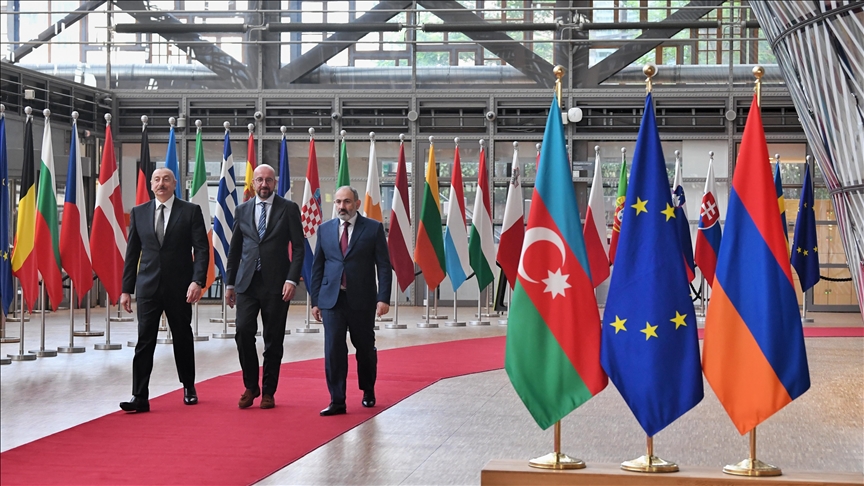
Strategic Council Online—Interview: The former ambassador of Iran to the Republic of Azerbaijan said that the positions of the European Union’s foreign policy in support of Armenia and opposition to the Republic of Azerbaijan are in the context of challenging Russia’s role in the developments in the South Caucasus and also in the continuation of Europe’s conflict with Russia over Ukraine.

Changing the Political Scene of the Ukraine War

Changing the Political Scene of the Ukraine War

Strategic Council Online: An expert on European issues said: The war of attrition in Ukraine has caused Russia and the supporters of Ukraine to sharpen their tone towards each other in the political arena. to show that they are still determined to advance their goals in the war.

Far Right Prepares to Play Stronger Role in European Parliamentary Elections

Far Right Prepares to Play Stronger Role in European Parliamentary Elections

Strategic Council Online: Note: The increase in people’s support for far-right parties in the parliamentary elections of Italy, France, Finland, and the Netherlands will make the upcoming elections of the European Parliament the most competitive elections in the history of the European Parliament. But considering the growing popularity of far right-wing groups in Europe and the increasing possibility of their victory in the polls, it will sound a warning for Europe.
Mahmoud Fazeli, Analyst of international affairs

Turkey’s Expectations & Achievements after Voting for Sweden’s NATO Membership

Turkey’s Expectations & Achievements after Voting for Sweden’s NATO Membership

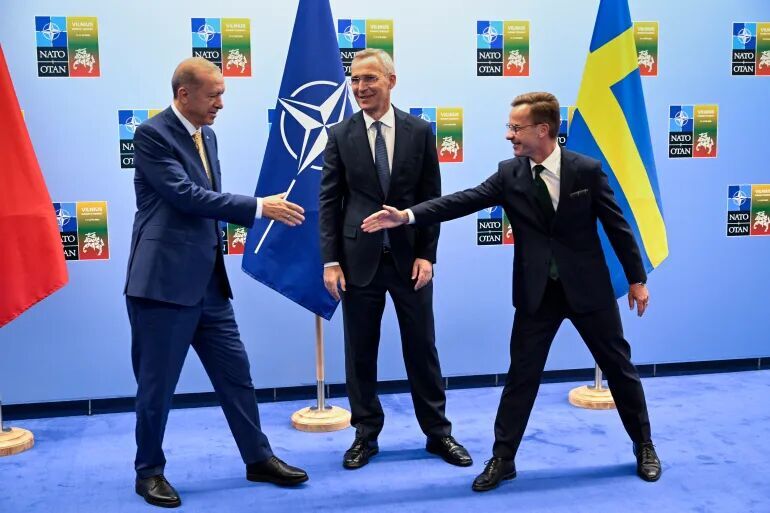
Strategic Council Online – Interview: A former Iranian Deputy Foreign Minister says it is unlikely for the Turkish government to put all its eggs in the basket of the West and NATO and jeopardize its relations with Russia at a time when Russia is involved in the Ukraine war and has close relations with Ankara. It should be seen what kind of a deal Turkey has made to persuade it to vote for Sweden’s membership in NATO.

EU’s Dual and Ineffective Stance on Gaza War

EU’s Dual and Ineffective Stance on Gaza War

Strategic Council Online – Interview: An expert on European affairs said: The French foreign minister recently after two Zionist ministers demanded the settlement of the people of Gaza outside of this area, stated that “it’s not up to Israel to determine the future of Gaza, which is Palestinian land.”

Russia’s Tricks and Costs in Coping with the Sanctions

Russia’s Tricks and Costs in Coping with the Sanctions

Strategic Council Online: An expert on international affairs says, however, Moscow has managed a significant portion of the sanctions imposed by the United States and the European Union under the influence of the Ukraine war; the costs incurred so far to curb the economic problems in this war will have long-term effects on the Russian economy; in other words, Russia has a tough choice ahead in the future.

Greece’s domestic opposition to joining the US coalition in the Red Sea

Greece’s domestic opposition to joining the US coalition in the Red Sea

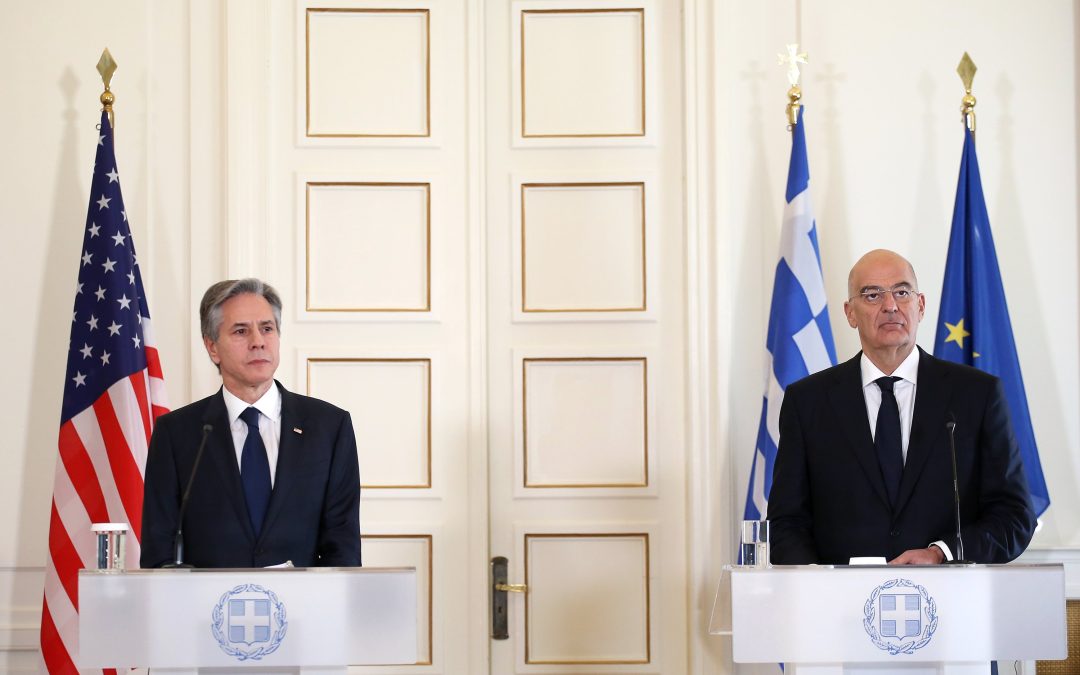
Strategic Council Online—Opinion– The passage of 21,000 vessels and the transit of 57% of the world’s energy through the Bab al-Mandeb route has turned this region into one of the most important routes for the transfer of goods globally. A considerable amount of crude oil, diesel, and other oil products from the Middle East are transported to Europe, and Russian oil goes to India and China through this route.
Mahmoud Fazeli—Analyst of international affairs

أحدث الوظائف

The Makkah Pact; Reasons for its Formation and Challenges Ahead

SCFR Online – Opinion: The Makkah Pact, signed between Saudi Arabia, Pakistan, and Turkey under the motto “an attack on one is an attack on all,” is viewed by some analysts less as a full-fledged military coalition and more as an attempt to reduce security dependence on an external power and to establish a regional security mechanism.

Implications of the US-Saudi Nuclear Agreement

SCFR Online – Opinion: The new US-Saudi nuclear agreement, despite legal and political ambiguities, could alter previous non-proliferation standards in West Asia and intensify nuclear competition, ushering it into a new phase.

An Analysis of Recent Turkey-Israeli Regime Tensions

SCFR Online – Opinion: Recent developments in Syria indicate an intensification of strategic rivalry between Turkey and the Israeli regime, but mutual considerations and the role of the United States have limited the likelihood of direct war.

Increasing criticism of the extensive Zionist lobby network

SCFR Online – Opinion: An examination of the mechanisms of the Israeli regime’s influence in the United States depicts a complex picture of shared interests, strategic dependencies, and the limitations of this relationship.

Realities of the Tripartite Makkah Pact

SCFR Online – Interview: The signing of the Makkah agreement between Saudi Arabia, Pakistan, and Turkey has raised questions about the future of the region’s security structure and the position of these countries in West Asian equations. Can this agreement become a genuine collective defense mechanism, or does it have more of a political and deterrent function than creating new military capacity?

Loading

European Union

Dimensions and Objectives of Artificial Intelligence Law of European Parliament

Dimensions and Objectives of Artificial Intelligence Law of European Parliament

Strategic Council Online – Opinion: Recently, the European Parliament passed the Artificial Intelligence Act. The provisions of this law were agreed upon during the negotiations of the EU member states in December 2023, and the European Parliament approved its final text. The purpose of this law is to protect fundamental rights, democracy, the rule of law, and the sustainability of the environment against dangerous artificial intelligence. It has set obligations to eliminate its possible risks, although it also emphasizes innovation and strengthening.

France and the European Union seek to challenge Russia’s role in the South Caucasus

France and the European Union seek to challenge Russia’s role in the South Caucasus

Strategic Council Online—Interview: The former ambassador of Iran to the Republic of Azerbaijan said that the positions of the European Union’s foreign policy in support of Armenia and opposition to the Republic of Azerbaijan are in the context of challenging Russia’s role in the developments in the South Caucasus and also in the continuation of Europe’s conflict with Russia over Ukraine.

Changing the Political Scene of the Ukraine War

Changing the Political Scene of the Ukraine War

Strategic Council Online: An expert on European issues said: The war of attrition in Ukraine has caused Russia and the supporters of Ukraine to sharpen their tone towards each other in the political arena. to show that they are still determined to advance their goals in the war.

Far Right Prepares to Play Stronger Role in European Parliamentary Elections

Far Right Prepares to Play Stronger Role in European Parliamentary Elections

Strategic Council Online: Note: The increase in people’s support for far-right parties in the parliamentary elections of Italy, France, Finland, and the Netherlands will make the upcoming elections of the European Parliament the most competitive elections in the history of the European Parliament. But considering the growing popularity of far right-wing groups in Europe and the increasing possibility of their victory in the polls, it will sound a warning for Europe.
Mahmoud Fazeli, Analyst of international affairs

Turkey’s Expectations & Achievements after Voting for Sweden’s NATO Membership

Turkey’s Expectations & Achievements after Voting for Sweden’s NATO Membership

Strategic Council Online – Interview: A former Iranian Deputy Foreign Minister says it is unlikely for the Turkish government to put all its eggs in the basket of the West and NATO and jeopardize its relations with Russia at a time when Russia is involved in the Ukraine war and has close relations with Ankara. It should be seen what kind of a deal Turkey has made to persuade it to vote for Sweden’s membership in NATO.

EU’s Dual and Ineffective Stance on Gaza War

EU’s Dual and Ineffective Stance on Gaza War

Strategic Council Online – Interview: An expert on European affairs said: The French foreign minister recently after two Zionist ministers demanded the settlement of the people of Gaza outside of this area, stated that “it’s not up to Israel to determine the future of Gaza, which is Palestinian land.”

Russia’s Tricks and Costs in Coping with the Sanctions

Russia’s Tricks and Costs in Coping with the Sanctions

Strategic Council Online: An expert on international affairs says, however, Moscow has managed a significant portion of the sanctions imposed by the United States and the European Union under the influence of the Ukraine war; the costs incurred so far to curb the economic problems in this war will have long-term effects on the Russian economy; in other words, Russia has a tough choice ahead in the future.

Greece’s domestic opposition to joining the US coalition in the Red Sea

Greece’s domestic opposition to joining the US coalition in the Red Sea

Strategic Council Online—Opinion– The passage of 21,000 vessels and the transit of 57% of the world’s energy through the Bab al-Mandeb route has turned this region into one of the most important routes for the transfer of goods globally. A considerable amount of crude oil, diesel, and other oil products from the Middle East are transported to Europe, and Russian oil goes to India and China through this route.
Mahmoud Fazeli—Analyst of international affairs

European Union

Dimensions and Objectives of Artificial Intelligence Law of European Parliament

Dimensions and Objectives of Artificial Intelligence Law of European Parliament

Strategic Council Online – Opinion: Recently, the European Parliament passed the Artificial Intelligence Act. The provisions of this law were agreed upon during the negotiations of the EU member states in December 2023, and the European Parliament approved its final text. The purpose of this law is to protect fundamental rights, democracy, the rule of law, and the sustainability of the environment against dangerous artificial intelligence. It has set obligations to eliminate its possible risks, although it also emphasizes innovation and strengthening.

France and the European Union seek to challenge Russia’s role in the South Caucasus

France and the European Union seek to challenge Russia’s role in the South Caucasus

Strategic Council Online—Interview: The former ambassador of Iran to the Republic of Azerbaijan said that the positions of the European Union’s foreign policy in support of Armenia and opposition to the Republic of Azerbaijan are in the context of challenging Russia’s role in the developments in the South Caucasus and also in the continuation of Europe’s conflict with Russia over Ukraine.

Changing the Political Scene of the Ukraine War

Changing the Political Scene of the Ukraine War

Strategic Council Online: An expert on European issues said: The war of attrition in Ukraine has caused Russia and the supporters of Ukraine to sharpen their tone towards each other in the political arena. to show that they are still determined to advance their goals in the war.

Far Right Prepares to Play Stronger Role in European Parliamentary Elections

Far Right Prepares to Play Stronger Role in European Parliamentary Elections

Strategic Council Online: Note: The increase in people’s support for far-right parties in the parliamentary elections of Italy, France, Finland, and the Netherlands will make the upcoming elections of the European Parliament the most competitive elections in the history of the European Parliament. But considering the growing popularity of far right-wing groups in Europe and the increasing possibility of their victory in the polls, it will sound a warning for Europe.
Mahmoud Fazeli, Analyst of international affairs

Turkey’s Expectations & Achievements after Voting for Sweden’s NATO Membership

Turkey’s Expectations & Achievements after Voting for Sweden’s NATO Membership

Strategic Council Online – Interview: A former Iranian Deputy Foreign Minister says it is unlikely for the Turkish government to put all its eggs in the basket of the West and NATO and jeopardize its relations with Russia at a time when Russia is involved in the Ukraine war and has close relations with Ankara. It should be seen what kind of a deal Turkey has made to persuade it to vote for Sweden’s membership in NATO.

EU’s Dual and Ineffective Stance on Gaza War

EU’s Dual and Ineffective Stance on Gaza War

Strategic Council Online – Interview: An expert on European affairs said: The French foreign minister recently after two Zionist ministers demanded the settlement of the people of Gaza outside of this area, stated that “it’s not up to Israel to determine the future of Gaza, which is Palestinian land.”

Russia’s Tricks and Costs in Coping with the Sanctions

Russia’s Tricks and Costs in Coping with the Sanctions

Strategic Council Online: An expert on international affairs says, however, Moscow has managed a significant portion of the sanctions imposed by the United States and the European Union under the influence of the Ukraine war; the costs incurred so far to curb the economic problems in this war will have long-term effects on the Russian economy; in other words, Russia has a tough choice ahead in the future.

Greece’s domestic opposition to joining the US coalition in the Red Sea

Greece’s domestic opposition to joining the US coalition in the Red Sea

Strategic Council Online—Opinion– The passage of 21,000 vessels and the transit of 57% of the world’s energy through the Bab al-Mandeb route has turned this region into one of the most important routes for the transfer of goods globally. A considerable amount of crude oil, diesel, and other oil products from the Middle East are transported to Europe, and Russian oil goes to India and China through this route.
Mahmoud Fazeli—Analyst of international affairs

LATEST CONTENT

The Makkah Pact; Reasons for its Formation and Challenges Ahead

SCFR Online – Opinion: The Makkah Pact, signed between Saudi Arabia, Pakistan, and Turkey under the motto “an attack on one is an attack on all,” is viewed by some analysts less as a full-fledged military coalition and more as an attempt to reduce security dependence on an external power and to establish a regional security mechanism.

Implications of the US-Saudi Nuclear Agreement

SCFR Online – Opinion: The new US-Saudi nuclear agreement, despite legal and political ambiguities, could alter previous non-proliferation standards in West Asia and intensify nuclear competition, ushering it into a new phase.

An Analysis of Recent Turkey-Israeli Regime Tensions

SCFR Online – Opinion: Recent developments in Syria indicate an intensification of strategic rivalry between Turkey and the Israeli regime, but mutual considerations and the role of the United States have limited the likelihood of direct war.

Increasing criticism of the extensive Zionist lobby network

SCFR Online – Opinion: An examination of the mechanisms of the Israeli regime’s influence in the United States depicts a complex picture of shared interests, strategic dependencies, and the limitations of this relationship.

Realities of the Tripartite Makkah Pact

SCFR Online – Interview: The signing of the Makkah agreement between Saudi Arabia, Pakistan, and Turkey has raised questions about the future of the region’s security structure and the position of these countries in West Asian equations. Can this agreement become a genuine collective defense mechanism, or does it have more of a political and deterrent function than creating new military capacity?

Loading

European Union

Dimensions and Objectives of Artificial Intelligence Law of European Parliament

Dimensions and Objectives of Artificial Intelligence Law of European Parliament

Strategic Council Online – Opinion: Recently, the European Parliament passed the Artificial Intelligence Act. The provisions of this law were agreed upon during the negotiations of the EU member states in December 2023, and the European Parliament approved its final text. The purpose of this law is to protect fundamental rights, democracy, the rule of law, and the sustainability of the environment against dangerous artificial intelligence. It has set obligations to eliminate its possible risks, although it also emphasizes innovation and strengthening.

France and the European Union seek to challenge Russia’s role in the South Caucasus

France and the European Union seek to challenge Russia’s role in the South Caucasus

Strategic Council Online—Interview: The former ambassador of Iran to the Republic of Azerbaijan said that the positions of the European Union’s foreign policy in support of Armenia and opposition to the Republic of Azerbaijan are in the context of challenging Russia’s role in the developments in the South Caucasus and also in the continuation of Europe’s conflict with Russia over Ukraine.

Changing the Political Scene of the Ukraine War

Changing the Political Scene of the Ukraine War

Strategic Council Online: An expert on European issues said: The war of attrition in Ukraine has caused Russia and the supporters of Ukraine to sharpen their tone towards each other in the political arena. to show that they are still determined to advance their goals in the war.

Far Right Prepares to Play Stronger Role in European Parliamentary Elections

Far Right Prepares to Play Stronger Role in European Parliamentary Elections

Strategic Council Online: Note: The increase in people’s support for far-right parties in the parliamentary elections of Italy, France, Finland, and the Netherlands will make the upcoming elections of the European Parliament the most competitive elections in the history of the European Parliament. But considering the growing popularity of far right-wing groups in Europe and the increasing possibility of their victory in the polls, it will sound a warning for Europe.
Mahmoud Fazeli, Analyst of international affairs

Turkey’s Expectations & Achievements after Voting for Sweden’s NATO Membership

Turkey’s Expectations & Achievements after Voting for Sweden’s NATO Membership

Strategic Council Online – Interview: A former Iranian Deputy Foreign Minister says it is unlikely for the Turkish government to put all its eggs in the basket of the West and NATO and jeopardize its relations with Russia at a time when Russia is involved in the Ukraine war and has close relations with Ankara. It should be seen what kind of a deal Turkey has made to persuade it to vote for Sweden’s membership in NATO.

EU’s Dual and Ineffective Stance on Gaza War

EU’s Dual and Ineffective Stance on Gaza War

Strategic Council Online – Interview: An expert on European affairs said: The French foreign minister recently after two Zionist ministers demanded the settlement of the people of Gaza outside of this area, stated that “it’s not up to Israel to determine the future of Gaza, which is Palestinian land.”

Russia’s Tricks and Costs in Coping with the Sanctions

Russia’s Tricks and Costs in Coping with the Sanctions

Strategic Council Online: An expert on international affairs says, however, Moscow has managed a significant portion of the sanctions imposed by the United States and the European Union under the influence of the Ukraine war; the costs incurred so far to curb the economic problems in this war will have long-term effects on the Russian economy; in other words, Russia has a tough choice ahead in the future.

Greece’s domestic opposition to joining the US coalition in the Red Sea

Greece’s domestic opposition to joining the US coalition in the Red Sea

Strategic Council Online—Opinion– The passage of 21,000 vessels and the transit of 57% of the world’s energy through the Bab al-Mandeb route has turned this region into one of the most important routes for the transfer of goods globally. A considerable amount of crude oil, diesel, and other oil products from the Middle East are transported to Europe, and Russian oil goes to India and China through this route.
Mahmoud Fazeli—Analyst of international affairs

ÚLTIMAS PUBLICACIONES

The Makkah Pact; Reasons for its Formation and Challenges Ahead

SCFR Online – Opinion: The Makkah Pact, signed between Saudi Arabia, Pakistan, and Turkey under the motto “an attack on one is an attack on all,” is viewed by some analysts less as a full-fledged military coalition and more as an attempt to reduce security dependence on an external power and to establish a regional security mechanism.

Implications of the US-Saudi Nuclear Agreement

SCFR Online – Opinion: The new US-Saudi nuclear agreement, despite legal and political ambiguities, could alter previous non-proliferation standards in West Asia and intensify nuclear competition, ushering it into a new phase.

An Analysis of Recent Turkey-Israeli Regime Tensions

SCFR Online – Opinion: Recent developments in Syria indicate an intensification of strategic rivalry between Turkey and the Israeli regime, but mutual considerations and the role of the United States have limited the likelihood of direct war.

Increasing criticism of the extensive Zionist lobby network

SCFR Online – Opinion: An examination of the mechanisms of the Israeli regime’s influence in the United States depicts a complex picture of shared interests, strategic dependencies, and the limitations of this relationship.

Realities of the Tripartite Makkah Pact

SCFR Online – Interview: The signing of the Makkah agreement between Saudi Arabia, Pakistan, and Turkey has raised questions about the future of the region’s security structure and the position of these countries in West Asian equations. Can this agreement become a genuine collective defense mechanism, or does it have more of a political and deterrent function than creating new military capacity?

Loading

European Union

Dimensions and Objectives of Artificial Intelligence Law of European Parliament

Dimensions and Objectives of Artificial Intelligence Law of European Parliament

Strategic Council Online – Opinion: Recently, the European Parliament passed the Artificial Intelligence Act. The provisions of this law were agreed upon during the negotiations of the EU member states in December 2023, and the European Parliament approved its final text. The purpose of this law is to protect fundamental rights, democracy, the rule of law, and the sustainability of the environment against dangerous artificial intelligence. It has set obligations to eliminate its possible risks, although it also emphasizes innovation and strengthening.

France and the European Union seek to challenge Russia’s role in the South Caucasus

France and the European Union seek to challenge Russia’s role in the South Caucasus

Strategic Council Online—Interview: The former ambassador of Iran to the Republic of Azerbaijan said that the positions of the European Union’s foreign policy in support of Armenia and opposition to the Republic of Azerbaijan are in the context of challenging Russia’s role in the developments in the South Caucasus and also in the continuation of Europe’s conflict with Russia over Ukraine.

Changing the Political Scene of the Ukraine War

Changing the Political Scene of the Ukraine War

Strategic Council Online: An expert on European issues said: The war of attrition in Ukraine has caused Russia and the supporters of Ukraine to sharpen their tone towards each other in the political arena. to show that they are still determined to advance their goals in the war.

Far Right Prepares to Play Stronger Role in European Parliamentary Elections

Far Right Prepares to Play Stronger Role in European Parliamentary Elections

Strategic Council Online: Note: The increase in people’s support for far-right parties in the parliamentary elections of Italy, France, Finland, and the Netherlands will make the upcoming elections of the European Parliament the most competitive elections in the history of the European Parliament. But considering the growing popularity of far right-wing groups in Europe and the increasing possibility of their victory in the polls, it will sound a warning for Europe.
Mahmoud Fazeli, Analyst of international affairs

Turkey’s Expectations & Achievements after Voting for Sweden’s NATO Membership

Turkey’s Expectations & Achievements after Voting for Sweden’s NATO Membership

Strategic Council Online – Interview: A former Iranian Deputy Foreign Minister says it is unlikely for the Turkish government to put all its eggs in the basket of the West and NATO and jeopardize its relations with Russia at a time when Russia is involved in the Ukraine war and has close relations with Ankara. It should be seen what kind of a deal Turkey has made to persuade it to vote for Sweden’s membership in NATO.

EU’s Dual and Ineffective Stance on Gaza War

EU’s Dual and Ineffective Stance on Gaza War

Strategic Council Online – Interview: An expert on European affairs said: The French foreign minister recently after two Zionist ministers demanded the settlement of the people of Gaza outside of this area, stated that “it’s not up to Israel to determine the future of Gaza, which is Palestinian land.”

Russia’s Tricks and Costs in Coping with the Sanctions

Russia’s Tricks and Costs in Coping with the Sanctions

Strategic Council Online: An expert on international affairs says, however, Moscow has managed a significant portion of the sanctions imposed by the United States and the European Union under the influence of the Ukraine war; the costs incurred so far to curb the economic problems in this war will have long-term effects on the Russian economy; in other words, Russia has a tough choice ahead in the future.

Greece’s domestic opposition to joining the US coalition in the Red Sea

Greece’s domestic opposition to joining the US coalition in the Red Sea

Strategic Council Online—Opinion– The passage of 21,000 vessels and the transit of 57% of the world’s energy through the Bab al-Mandeb route has turned this region into one of the most important routes for the transfer of goods globally. A considerable amount of crude oil, diesel, and other oil products from the Middle East are transported to Europe, and Russian oil goes to India and China through this route.
Mahmoud Fazeli—Analyst of international affairs

ÚLTIMAS PUBLICACIONES

The Makkah Pact; Reasons for its Formation and Challenges Ahead

SCFR Online – Opinion: The Makkah Pact, signed between Saudi Arabia, Pakistan, and Turkey under the motto “an attack on one is an attack on all,” is viewed by some analysts less as a full-fledged military coalition and more as an attempt to reduce security dependence on an external power and to establish a regional security mechanism.

Implications of the US-Saudi Nuclear Agreement

SCFR Online – Opinion: The new US-Saudi nuclear agreement, despite legal and political ambiguities, could alter previous non-proliferation standards in West Asia and intensify nuclear competition, ushering it into a new phase.

An Analysis of Recent Turkey-Israeli Regime Tensions

SCFR Online – Opinion: Recent developments in Syria indicate an intensification of strategic rivalry between Turkey and the Israeli regime, but mutual considerations and the role of the United States have limited the likelihood of direct war.

Increasing criticism of the extensive Zionist lobby network

SCFR Online – Opinion: An examination of the mechanisms of the Israeli regime’s influence in the United States depicts a complex picture of shared interests, strategic dependencies, and the limitations of this relationship.

Realities of the Tripartite Makkah Pact

SCFR Online – Interview: The signing of the Makkah agreement between Saudi Arabia, Pakistan, and Turkey has raised questions about the future of the region’s security structure and the position of these countries in West Asian equations. Can this agreement become a genuine collective defense mechanism, or does it have more of a political and deterrent function than creating new military capacity?

Loading

European Union

Dimensions and Objectives of Artificial Intelligence Law of European Parliament

Dimensions and Objectives of Artificial Intelligence Law of European Parliament

Strategic Council Online – Opinion: Recently, the European Parliament passed the Artificial Intelligence Act. The provisions of this law were agreed upon during the negotiations of the EU member states in December 2023, and the European Parliament approved its final text. The purpose of this law is to protect fundamental rights, democracy, the rule of law, and the sustainability of the environment against dangerous artificial intelligence. It has set obligations to eliminate its possible risks, although it also emphasizes innovation and strengthening.

France and the European Union seek to challenge Russia’s role in the South Caucasus

France and the European Union seek to challenge Russia’s role in the South Caucasus

Strategic Council Online—Interview: The former ambassador of Iran to the Republic of Azerbaijan said that the positions of the European Union’s foreign policy in support of Armenia and opposition to the Republic of Azerbaijan are in the context of challenging Russia’s role in the developments in the South Caucasus and also in the continuation of Europe’s conflict with Russia over Ukraine.

Changing the Political Scene of the Ukraine War

Changing the Political Scene of the Ukraine War

Strategic Council Online: An expert on European issues said: The war of attrition in Ukraine has caused Russia and the supporters of Ukraine to sharpen their tone towards each other in the political arena. to show that they are still determined to advance their goals in the war.

Far Right Prepares to Play Stronger Role in European Parliamentary Elections

Far Right Prepares to Play Stronger Role in European Parliamentary Elections

Strategic Council Online: Note: The increase in people’s support for far-right parties in the parliamentary elections of Italy, France, Finland, and the Netherlands will make the upcoming elections of the European Parliament the most competitive elections in the history of the European Parliament. But considering the growing popularity of far right-wing groups in Europe and the increasing possibility of their victory in the polls, it will sound a warning for Europe.
Mahmoud Fazeli, Analyst of international affairs

Turkey’s Expectations & Achievements after Voting for Sweden’s NATO Membership

Turkey’s Expectations & Achievements after Voting for Sweden’s NATO Membership

Strategic Council Online – Interview: A former Iranian Deputy Foreign Minister says it is unlikely for the Turkish government to put all its eggs in the basket of the West and NATO and jeopardize its relations with Russia at a time when Russia is involved in the Ukraine war and has close relations with Ankara. It should be seen what kind of a deal Turkey has made to persuade it to vote for Sweden’s membership in NATO.

EU’s Dual and Ineffective Stance on Gaza War

EU’s Dual and Ineffective Stance on Gaza War

Strategic Council Online – Interview: An expert on European affairs said: The French foreign minister recently after two Zionist ministers demanded the settlement of the people of Gaza outside of this area, stated that “it’s not up to Israel to determine the future of Gaza, which is Palestinian land.”

Russia’s Tricks and Costs in Coping with the Sanctions

Russia’s Tricks and Costs in Coping with the Sanctions

Strategic Council Online: An expert on international affairs says, however, Moscow has managed a significant portion of the sanctions imposed by the United States and the European Union under the influence of the Ukraine war; the costs incurred so far to curb the economic problems in this war will have long-term effects on the Russian economy; in other words, Russia has a tough choice ahead in the future.

Greece’s domestic opposition to joining the US coalition in the Red Sea

Greece’s domestic opposition to joining the US coalition in the Red Sea

Strategic Council Online—Opinion– The passage of 21,000 vessels and the transit of 57% of the world’s energy through the Bab al-Mandeb route has turned this region into one of the most important routes for the transfer of goods globally. A considerable amount of crude oil, diesel, and other oil products from the Middle East are transported to Europe, and Russian oil goes to India and China through this route.
Mahmoud Fazeli—Analyst of international affairs

ÚLTIMAS PUBLICACIONES

The Makkah Pact; Reasons for its Formation and Challenges Ahead

SCFR Online – Opinion: The Makkah Pact, signed between Saudi Arabia, Pakistan, and Turkey under the motto “an attack on one is an attack on all,” is viewed by some analysts less as a full-fledged military coalition and more as an attempt to reduce security dependence on an external power and to establish a regional security mechanism.

Implications of the US-Saudi Nuclear Agreement

SCFR Online – Opinion: The new US-Saudi nuclear agreement, despite legal and political ambiguities, could alter previous non-proliferation standards in West Asia and intensify nuclear competition, ushering it into a new phase.

An Analysis of Recent Turkey-Israeli Regime Tensions

SCFR Online – Opinion: Recent developments in Syria indicate an intensification of strategic rivalry between Turkey and the Israeli regime, but mutual considerations and the role of the United States have limited the likelihood of direct war.

Increasing criticism of the extensive Zionist lobby network

SCFR Online – Opinion: An examination of the mechanisms of the Israeli regime’s influence in the United States depicts a complex picture of shared interests, strategic dependencies, and the limitations of this relationship.

Realities of the Tripartite Makkah Pact

SCFR Online – Interview: The signing of the Makkah agreement between Saudi Arabia, Pakistan, and Turkey has raised questions about the future of the region’s security structure and the position of these countries in West Asian equations. Can this agreement become a genuine collective defense mechanism, or does it have more of a political and deterrent function than creating new military capacity?

Loading

European Union

Dimensions and Objectives of Artificial Intelligence Law of European Parliament

Dimensions and Objectives of Artificial Intelligence Law of European Parliament

Strategic Council Online – Opinion: Recently, the European Parliament passed the Artificial Intelligence Act. The provisions of this law were agreed upon during the negotiations of the EU member states in December 2023, and the European Parliament approved its final text. The purpose of this law is to protect fundamental rights, democracy, the rule of law, and the sustainability of the environment against dangerous artificial intelligence. It has set obligations to eliminate its possible risks, although it also emphasizes innovation and strengthening.

France and the European Union seek to challenge Russia’s role in the South Caucasus

France and the European Union seek to challenge Russia’s role in the South Caucasus

Strategic Council Online—Interview: The former ambassador of Iran to the Republic of Azerbaijan said that the positions of the European Union’s foreign policy in support of Armenia and opposition to the Republic of Azerbaijan are in the context of challenging Russia’s role in the developments in the South Caucasus and also in the continuation of Europe’s conflict with Russia over Ukraine.

Changing the Political Scene of the Ukraine War

Changing the Political Scene of the Ukraine War

Strategic Council Online: An expert on European issues said: The war of attrition in Ukraine has caused Russia and the supporters of Ukraine to sharpen their tone towards each other in the political arena. to show that they are still determined to advance their goals in the war.

Far Right Prepares to Play Stronger Role in European Parliamentary Elections

Far Right Prepares to Play Stronger Role in European Parliamentary Elections

Strategic Council Online: Note: The increase in people’s support for far-right parties in the parliamentary elections of Italy, France, Finland, and the Netherlands will make the upcoming elections of the European Parliament the most competitive elections in the history of the European Parliament. But considering the growing popularity of far right-wing groups in Europe and the increasing possibility of their victory in the polls, it will sound a warning for Europe.
Mahmoud Fazeli, Analyst of international affairs

Turkey’s Expectations & Achievements after Voting for Sweden’s NATO Membership

Turkey’s Expectations & Achievements after Voting for Sweden’s NATO Membership

Strategic Council Online – Interview: A former Iranian Deputy Foreign Minister says it is unlikely for the Turkish government to put all its eggs in the basket of the West and NATO and jeopardize its relations with Russia at a time when Russia is involved in the Ukraine war and has close relations with Ankara. It should be seen what kind of a deal Turkey has made to persuade it to vote for Sweden’s membership in NATO.

EU’s Dual and Ineffective Stance on Gaza War

EU’s Dual and Ineffective Stance on Gaza War

Strategic Council Online – Interview: An expert on European affairs said: The French foreign minister recently after two Zionist ministers demanded the settlement of the people of Gaza outside of this area, stated that “it’s not up to Israel to determine the future of Gaza, which is Palestinian land.”

Russia’s Tricks and Costs in Coping with the Sanctions

Russia’s Tricks and Costs in Coping with the Sanctions

Strategic Council Online: An expert on international affairs says, however, Moscow has managed a significant portion of the sanctions imposed by the United States and the European Union under the influence of the Ukraine war; the costs incurred so far to curb the economic problems in this war will have long-term effects on the Russian economy; in other words, Russia has a tough choice ahead in the future.

Greece’s domestic opposition to joining the US coalition in the Red Sea

Greece’s domestic opposition to joining the US coalition in the Red Sea

Strategic Council Online—Opinion– The passage of 21,000 vessels and the transit of 57% of the world’s energy through the Bab al-Mandeb route has turned this region into one of the most important routes for the transfer of goods globally. A considerable amount of crude oil, diesel, and other oil products from the Middle East are transported to Europe, and Russian oil goes to India and China through this route.
Mahmoud Fazeli—Analyst of international affairs

ÚLTIMAS PUBLICACIONES

The Makkah Pact; Reasons for its Formation and Challenges Ahead

SCFR Online – Opinion: The Makkah Pact, signed between Saudi Arabia, Pakistan, and Turkey under the motto “an attack on one is an attack on all,” is viewed by some analysts less as a full-fledged military coalition and more as an attempt to reduce security dependence on an external power and to establish a regional security mechanism.

Implications of the US-Saudi Nuclear Agreement

SCFR Online – Opinion: The new US-Saudi nuclear agreement, despite legal and political ambiguities, could alter previous non-proliferation standards in West Asia and intensify nuclear competition, ushering it into a new phase.

An Analysis of Recent Turkey-Israeli Regime Tensions

SCFR Online – Opinion: Recent developments in Syria indicate an intensification of strategic rivalry between Turkey and the Israeli regime, but mutual considerations and the role of the United States have limited the likelihood of direct war.

Increasing criticism of the extensive Zionist lobby network

SCFR Online – Opinion: An examination of the mechanisms of the Israeli regime’s influence in the United States depicts a complex picture of shared interests, strategic dependencies, and the limitations of this relationship.

Realities of the Tripartite Makkah Pact

SCFR Online – Interview: The signing of the Makkah agreement between Saudi Arabia, Pakistan, and Turkey has raised questions about the future of the region’s security structure and the position of these countries in West Asian equations. Can this agreement become a genuine collective defense mechanism, or does it have more of a political and deterrent function than creating new military capacity?

Loading