جدیدترین مطالب

The Inseparability of the Lebanese Front from the Axis of Resistance

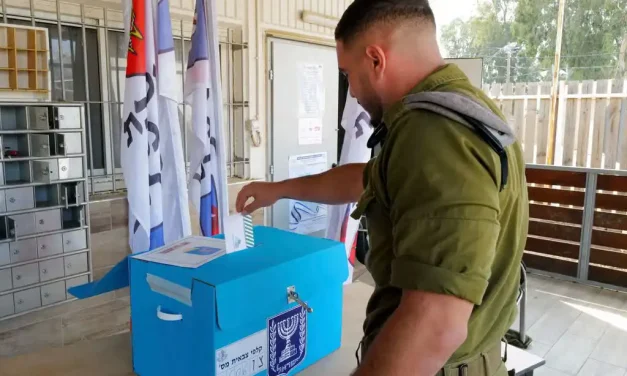
SCFR Online–Opinion: By providing an extensive network of social, healthcare, educational, and post-war reconstruction services, Hezbollah has established a strong social base for itself among Lebanon’s Shiites and Sunnis, and even beyond that, among other segments of Lebanese society, including Christians. Hezbollah has never been an external actor imposed upon Lebanon; rather, it is a phenomenon fundamentally born out of the occupation and crimes of the Zionist regime and itself influenced by popular resistance.

The Increasing Efforts of the Zionist Regime to Redefine Borders and the Regional Order and Its Consequences

SCFR Online– Opinion: Security and military developments in the region over recent months indicate that the ongoing crises and wars in Gaza, southern Lebanon, and parts of Syrian territory encompass broader dimensions of geopolitical and geostrategic transformations. In this context, the increased military presence and control of the Zionist regime over parts of the territories of these areas, along with proposals regarding the creation of buffer zones or even the expansion of security borders, have raised serious questions about the future of the regional order and its consequences for the countries of West Asia.

The Components of Iran’s Deterrence Power

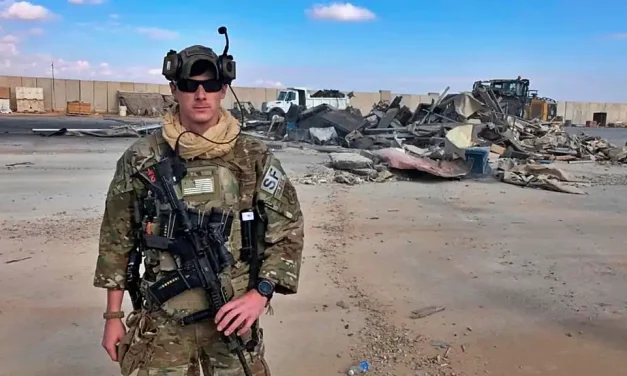
SCFR Online – Opinion: At a time when regional security equations have reached a sensitive stage under the influence of Iran’s strategic confrontation with the United States and the Zionist regime, the question of the nature of Tehran’s defensive power has gained greater significance than ever before. While Washington and Tel Aviv rely on their technological superiority, the Islamic Republic of Iran has presented a model of deterrence that extends beyond the material calculations of the world’s classical militaries. This power, rooted in the connection between “the field” and “the people,” has not only altered the balance of power in recent conflicts but has also disrupted adversaries’ calculations when confronting Iran’s strategic depth.

The Persian Gulf; A Cold Battlefield Between Beijing and Washington

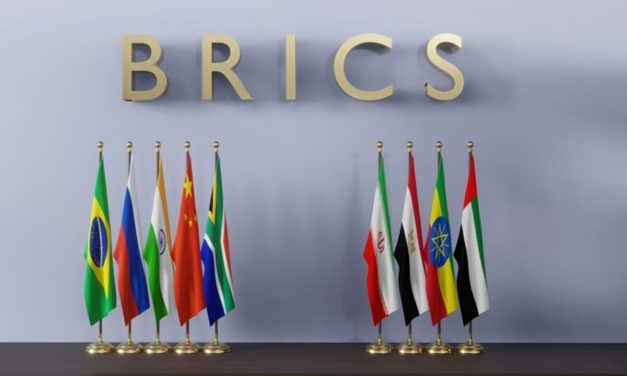
SCFR Online – Opinion: The competition in recent years between the United States and China encompasses various geographical regions—including the Indo-Pacific, West Asia, the Arctic and Antarctic, and Africa—as well as multiple domains such as economics and technology. Within this context, a strategic competition has also emerged in the Persian Gulf region across economic, technological, and military spheres.

Europe’s Enduring Dependence on Persian Gulf Energy

SCFR Online – Opinion: The dominant discourse in the field of European energy security over the past two decades has revolved around diversification of supply sources and the gradual reduction of dependence on fossil fuels. This narrative, which gained particular momentum after the Ukraine gas crisis in 2006 and its intensification in 2014 and 2022, was based on the assumption that Europe could free itself from the geopolitical vulnerabilities arising from dependence on specific suppliers through investment in renewable energy, imports of liquefied natural gas from diversified sources, and the establishment of new infrastructure. However, a closer analysis of energy trade data and the structure of the global oil and gas supply chain presents a different picture. Europe has not only failed to meaningfully reduce its dependence on the Persian Gulf, but in some sectors — particularly in liquefied natural gas imports — this dependence has deepened. This reality, which is often overlooked in public discourse, raises fundamental questions about the sustainability of Europe’s energy security strategies and their impact on regional power equations.

Loading

Fatemeh Nekoo La’al Azad

Roots of Shift in Turkish Government’s Regional Approach

Roots of Shift in Turkish Government’s Regional Approach

Strategic Council Online – Opinion: The outbreak of the so-called Arab Spring was an opportunity for Turkey to present itself prominently in the Middle East for the first time since the collapse of the Ottoman Empire.
Fatemeh Nekoolal Azad – Expert on international affairs

US Approach & the Process of Normalization of Ties with Zionist Regime

US Approach & the Process of Normalization of Ties with Zionist Regime

Strategic Council Online – Opinion: The Zionist regime’s conflict with Palestine and the Arabs is the main focus of the conflict in the Middle East and has played a major role in the US involvement in various issues in the region.
Dr. Fatemeh Nekoolal Azad – Expert on West Asia affairs

Military Option Plan of the Zionist Regime against Iran; Psychological Warfare Versus Nuclear Talks

Military Option Plan of the Zionist Regime against Iran; Psychological Warfare Versus Nuclear Talks

Strategic Council Online – Opinion: Financial Committee of the Zionist regime parliament (Knesset) on December 23, 2021 added an amendment article to the budget bill for 2022 based on which the sum of $ 2.9 billion was added to the military budget of the Zionist regime for preparedness of the military attack against Iran’s nuclear facilities and installations.
Fatemeh Nekoo La’al Azad, Researcher of International Affairs

Factors Influencing Normalization of Ankara’s Relations with Abu Dhabi and Riyadh

Factors Influencing Normalization of Ankara’s Relations with Abu Dhabi and Riyadh

Strategic Council Online – Opinion: Turkey’s relations with the UAE and Saudi Arabia are moving towards normalization, and the main reason is primarily political; because the series of developments that caused tension in their relations have become completely ineffective today.
Fatemeh Nekoolal Azad – Expert on international affairs

G20 Summit in Italy; Dominance of the Margins Over the Text

G20 Summit in Italy; Dominance of the Margins Over the Text

Strategic Council Online – Opinion: The first meeting of the leaders of Group of Twenty (G20) – leaders of 20 top economic powers in the world – was held in Rome, capital of Italy, on 30 and 31 October 2021, after the outbreak of the Coronavirus.
Fatemeh Nekoo Lal Azad – Senior Researcher of Abrar Contemporary International Studies and Research Institute in Tehran

Taiwan, Main Focus of Possible US-China Military Confrontation

Taiwan, Main Focus of Possible US-China Military Confrontation

Strategic Council Online – Opinion: Taiwan is a symbol of US-China rivalry or hostility. If the Chinese government succeeds in annexing Taiwan to its territory, then the groundwork will be laid for its domination over the South China Sea and expulsion of the United States from the region; but if the United States succeeds in retaining Taiwan and even announcing it as an independent state, Beijing should be declared the loser of this rivalry or hostility. That is why the Taiwan issue is a symbol for the success or failure of the United States in controlling China.
Fatemeh Nekoo Lal Azad – Researcher of Abrar Contemporary International Studies and Research Institute in Tehran

Interventionist Approach of the West to Lebanese Crisis

Interventionist Approach of the West to Lebanese Crisis

Strategic Council Online – Opinion: Joe Biden’s administration, in coordination with France, has been pushing for structural reform in Lebanon since taking office. The Biden’s administration supports Emmanuel Macron’s policy in Lebanon, while maintaining economic pressures and sanctions on Hezbollah.
Fatemeh Nekoo Lal Azad – Tehran International Studies and Research Institute (Abrar)

أحدث الوظائف

The Inseparability of the Lebanese Front from the Axis of Resistance

SCFR Online–Opinion: By providing an extensive network of social, healthcare, educational, and post-war reconstruction services, Hezbollah has established a strong social base for itself among Lebanon’s Shiites and Sunnis, and even beyond that, among other segments of Lebanese society, including Christians. Hezbollah has never been an external actor imposed upon Lebanon; rather, it is a phenomenon fundamentally born out of the occupation and crimes of the Zionist regime and itself influenced by popular resistance.

The Increasing Efforts of the Zionist Regime to Redefine Borders and the Regional Order and Its Consequences

SCFR Online– Opinion: Security and military developments in the region over recent months indicate that the ongoing crises and wars in Gaza, southern Lebanon, and parts of Syrian territory encompass broader dimensions of geopolitical and geostrategic transformations. In this context, the increased military presence and control of the Zionist regime over parts of the territories of these areas, along with proposals regarding the creation of buffer zones or even the expansion of security borders, have raised serious questions about the future of the regional order and its consequences for the countries of West Asia.

The Components of Iran’s Deterrence Power

SCFR Online – Opinion: At a time when regional security equations have reached a sensitive stage under the influence of Iran’s strategic confrontation with the United States and the Zionist regime, the question of the nature of Tehran’s defensive power has gained greater significance than ever before. While Washington and Tel Aviv rely on their technological superiority, the Islamic Republic of Iran has presented a model of deterrence that extends beyond the material calculations of the world’s classical militaries. This power, rooted in the connection between “the field” and “the people,” has not only altered the balance of power in recent conflicts but has also disrupted adversaries’ calculations when confronting Iran’s strategic depth.

The Persian Gulf; A Cold Battlefield Between Beijing and Washington

SCFR Online – Opinion: The competition in recent years between the United States and China encompasses various geographical regions—including the Indo-Pacific, West Asia, the Arctic and Antarctic, and Africa—as well as multiple domains such as economics and technology. Within this context, a strategic competition has also emerged in the Persian Gulf region across economic, technological, and military spheres.

Europe’s Enduring Dependence on Persian Gulf Energy

SCFR Online – Opinion: The dominant discourse in the field of European energy security over the past two decades has revolved around diversification of supply sources and the gradual reduction of dependence on fossil fuels. This narrative, which gained particular momentum after the Ukraine gas crisis in 2006 and its intensification in 2014 and 2022, was based on the assumption that Europe could free itself from the geopolitical vulnerabilities arising from dependence on specific suppliers through investment in renewable energy, imports of liquefied natural gas from diversified sources, and the establishment of new infrastructure. However, a closer analysis of energy trade data and the structure of the global oil and gas supply chain presents a different picture. Europe has not only failed to meaningfully reduce its dependence on the Persian Gulf, but in some sectors — particularly in liquefied natural gas imports — this dependence has deepened. This reality, which is often overlooked in public discourse, raises fundamental questions about the sustainability of Europe’s energy security strategies and their impact on regional power equations.

Loading

Fatemeh Nekoo La’al Azad

Roots of Shift in Turkish Government’s Regional Approach

Roots of Shift in Turkish Government’s Regional Approach

Strategic Council Online – Opinion: The outbreak of the so-called Arab Spring was an opportunity for Turkey to present itself prominently in the Middle East for the first time since the collapse of the Ottoman Empire.
Fatemeh Nekoolal Azad – Expert on international affairs

US Approach & the Process of Normalization of Ties with Zionist Regime

US Approach & the Process of Normalization of Ties with Zionist Regime

Strategic Council Online – Opinion: The Zionist regime’s conflict with Palestine and the Arabs is the main focus of the conflict in the Middle East and has played a major role in the US involvement in various issues in the region.
Dr. Fatemeh Nekoolal Azad – Expert on West Asia affairs

Military Option Plan of the Zionist Regime against Iran; Psychological Warfare Versus Nuclear Talks

Military Option Plan of the Zionist Regime against Iran; Psychological Warfare Versus Nuclear Talks

Strategic Council Online – Opinion: Financial Committee of the Zionist regime parliament (Knesset) on December 23, 2021 added an amendment article to the budget bill for 2022 based on which the sum of $ 2.9 billion was added to the military budget of the Zionist regime for preparedness of the military attack against Iran’s nuclear facilities and installations.
Fatemeh Nekoo La’al Azad, Researcher of International Affairs

Factors Influencing Normalization of Ankara’s Relations with Abu Dhabi and Riyadh

Factors Influencing Normalization of Ankara’s Relations with Abu Dhabi and Riyadh

Strategic Council Online – Opinion: Turkey’s relations with the UAE and Saudi Arabia are moving towards normalization, and the main reason is primarily political; because the series of developments that caused tension in their relations have become completely ineffective today.
Fatemeh Nekoolal Azad – Expert on international affairs

G20 Summit in Italy; Dominance of the Margins Over the Text

G20 Summit in Italy; Dominance of the Margins Over the Text

Strategic Council Online – Opinion: The first meeting of the leaders of Group of Twenty (G20) – leaders of 20 top economic powers in the world – was held in Rome, capital of Italy, on 30 and 31 October 2021, after the outbreak of the Coronavirus.
Fatemeh Nekoo Lal Azad – Senior Researcher of Abrar Contemporary International Studies and Research Institute in Tehran

Taiwan, Main Focus of Possible US-China Military Confrontation

Taiwan, Main Focus of Possible US-China Military Confrontation

Strategic Council Online – Opinion: Taiwan is a symbol of US-China rivalry or hostility. If the Chinese government succeeds in annexing Taiwan to its territory, then the groundwork will be laid for its domination over the South China Sea and expulsion of the United States from the region; but if the United States succeeds in retaining Taiwan and even announcing it as an independent state, Beijing should be declared the loser of this rivalry or hostility. That is why the Taiwan issue is a symbol for the success or failure of the United States in controlling China.
Fatemeh Nekoo Lal Azad – Researcher of Abrar Contemporary International Studies and Research Institute in Tehran

Interventionist Approach of the West to Lebanese Crisis

Interventionist Approach of the West to Lebanese Crisis

Strategic Council Online – Opinion: Joe Biden’s administration, in coordination with France, has been pushing for structural reform in Lebanon since taking office. The Biden’s administration supports Emmanuel Macron’s policy in Lebanon, while maintaining economic pressures and sanctions on Hezbollah.
Fatemeh Nekoo Lal Azad – Tehran International Studies and Research Institute (Abrar)

Fatemeh Nekoo La’al Azad

Roots of Shift in Turkish Government’s Regional Approach

Roots of Shift in Turkish Government’s Regional Approach

Strategic Council Online – Opinion: The outbreak of the so-called Arab Spring was an opportunity for Turkey to present itself prominently in the Middle East for the first time since the collapse of the Ottoman Empire.
Fatemeh Nekoolal Azad – Expert on international affairs

US Approach & the Process of Normalization of Ties with Zionist Regime

US Approach & the Process of Normalization of Ties with Zionist Regime

Strategic Council Online – Opinion: The Zionist regime’s conflict with Palestine and the Arabs is the main focus of the conflict in the Middle East and has played a major role in the US involvement in various issues in the region.
Dr. Fatemeh Nekoolal Azad – Expert on West Asia affairs

Military Option Plan of the Zionist Regime against Iran; Psychological Warfare Versus Nuclear Talks

Military Option Plan of the Zionist Regime against Iran; Psychological Warfare Versus Nuclear Talks

Strategic Council Online – Opinion: Financial Committee of the Zionist regime parliament (Knesset) on December 23, 2021 added an amendment article to the budget bill for 2022 based on which the sum of $ 2.9 billion was added to the military budget of the Zionist regime for preparedness of the military attack against Iran’s nuclear facilities and installations.
Fatemeh Nekoo La’al Azad, Researcher of International Affairs

Factors Influencing Normalization of Ankara’s Relations with Abu Dhabi and Riyadh

Factors Influencing Normalization of Ankara’s Relations with Abu Dhabi and Riyadh

Strategic Council Online – Opinion: Turkey’s relations with the UAE and Saudi Arabia are moving towards normalization, and the main reason is primarily political; because the series of developments that caused tension in their relations have become completely ineffective today.
Fatemeh Nekoolal Azad – Expert on international affairs

G20 Summit in Italy; Dominance of the Margins Over the Text

G20 Summit in Italy; Dominance of the Margins Over the Text

Strategic Council Online – Opinion: The first meeting of the leaders of Group of Twenty (G20) – leaders of 20 top economic powers in the world – was held in Rome, capital of Italy, on 30 and 31 October 2021, after the outbreak of the Coronavirus.
Fatemeh Nekoo Lal Azad – Senior Researcher of Abrar Contemporary International Studies and Research Institute in Tehran

Taiwan, Main Focus of Possible US-China Military Confrontation

Taiwan, Main Focus of Possible US-China Military Confrontation

Strategic Council Online – Opinion: Taiwan is a symbol of US-China rivalry or hostility. If the Chinese government succeeds in annexing Taiwan to its territory, then the groundwork will be laid for its domination over the South China Sea and expulsion of the United States from the region; but if the United States succeeds in retaining Taiwan and even announcing it as an independent state, Beijing should be declared the loser of this rivalry or hostility. That is why the Taiwan issue is a symbol for the success or failure of the United States in controlling China.
Fatemeh Nekoo Lal Azad – Researcher of Abrar Contemporary International Studies and Research Institute in Tehran

Interventionist Approach of the West to Lebanese Crisis

Interventionist Approach of the West to Lebanese Crisis

Strategic Council Online – Opinion: Joe Biden’s administration, in coordination with France, has been pushing for structural reform in Lebanon since taking office. The Biden’s administration supports Emmanuel Macron’s policy in Lebanon, while maintaining economic pressures and sanctions on Hezbollah.
Fatemeh Nekoo Lal Azad – Tehran International Studies and Research Institute (Abrar)

LATEST CONTENT

The Inseparability of the Lebanese Front from the Axis of Resistance

SCFR Online–Opinion: By providing an extensive network of social, healthcare, educational, and post-war reconstruction services, Hezbollah has established a strong social base for itself among Lebanon’s Shiites and Sunnis, and even beyond that, among other segments of Lebanese society, including Christians. Hezbollah has never been an external actor imposed upon Lebanon; rather, it is a phenomenon fundamentally born out of the occupation and crimes of the Zionist regime and itself influenced by popular resistance.

The Increasing Efforts of the Zionist Regime to Redefine Borders and the Regional Order and Its Consequences

SCFR Online– Opinion: Security and military developments in the region over recent months indicate that the ongoing crises and wars in Gaza, southern Lebanon, and parts of Syrian territory encompass broader dimensions of geopolitical and geostrategic transformations. In this context, the increased military presence and control of the Zionist regime over parts of the territories of these areas, along with proposals regarding the creation of buffer zones or even the expansion of security borders, have raised serious questions about the future of the regional order and its consequences for the countries of West Asia.

The Components of Iran’s Deterrence Power

SCFR Online – Opinion: At a time when regional security equations have reached a sensitive stage under the influence of Iran’s strategic confrontation with the United States and the Zionist regime, the question of the nature of Tehran’s defensive power has gained greater significance than ever before. While Washington and Tel Aviv rely on their technological superiority, the Islamic Republic of Iran has presented a model of deterrence that extends beyond the material calculations of the world’s classical militaries. This power, rooted in the connection between “the field” and “the people,” has not only altered the balance of power in recent conflicts but has also disrupted adversaries’ calculations when confronting Iran’s strategic depth.

The Persian Gulf; A Cold Battlefield Between Beijing and Washington

SCFR Online – Opinion: The competition in recent years between the United States and China encompasses various geographical regions—including the Indo-Pacific, West Asia, the Arctic and Antarctic, and Africa—as well as multiple domains such as economics and technology. Within this context, a strategic competition has also emerged in the Persian Gulf region across economic, technological, and military spheres.

Europe’s Enduring Dependence on Persian Gulf Energy

SCFR Online – Opinion: The dominant discourse in the field of European energy security over the past two decades has revolved around diversification of supply sources and the gradual reduction of dependence on fossil fuels. This narrative, which gained particular momentum after the Ukraine gas crisis in 2006 and its intensification in 2014 and 2022, was based on the assumption that Europe could free itself from the geopolitical vulnerabilities arising from dependence on specific suppliers through investment in renewable energy, imports of liquefied natural gas from diversified sources, and the establishment of new infrastructure. However, a closer analysis of energy trade data and the structure of the global oil and gas supply chain presents a different picture. Europe has not only failed to meaningfully reduce its dependence on the Persian Gulf, but in some sectors — particularly in liquefied natural gas imports — this dependence has deepened. This reality, which is often overlooked in public discourse, raises fundamental questions about the sustainability of Europe’s energy security strategies and their impact on regional power equations.

Loading

Fatemeh Nekoo La’al Azad

Roots of Shift in Turkish Government’s Regional Approach

Roots of Shift in Turkish Government’s Regional Approach

Strategic Council Online – Opinion: The outbreak of the so-called Arab Spring was an opportunity for Turkey to present itself prominently in the Middle East for the first time since the collapse of the Ottoman Empire.
Fatemeh Nekoolal Azad – Expert on international affairs

US Approach & the Process of Normalization of Ties with Zionist Regime

US Approach & the Process of Normalization of Ties with Zionist Regime

Strategic Council Online – Opinion: The Zionist regime’s conflict with Palestine and the Arabs is the main focus of the conflict in the Middle East and has played a major role in the US involvement in various issues in the region.
Dr. Fatemeh Nekoolal Azad – Expert on West Asia affairs

Military Option Plan of the Zionist Regime against Iran; Psychological Warfare Versus Nuclear Talks

Military Option Plan of the Zionist Regime against Iran; Psychological Warfare Versus Nuclear Talks

Strategic Council Online – Opinion: Financial Committee of the Zionist regime parliament (Knesset) on December 23, 2021 added an amendment article to the budget bill for 2022 based on which the sum of $ 2.9 billion was added to the military budget of the Zionist regime for preparedness of the military attack against Iran’s nuclear facilities and installations.
Fatemeh Nekoo La’al Azad, Researcher of International Affairs

Factors Influencing Normalization of Ankara’s Relations with Abu Dhabi and Riyadh

Factors Influencing Normalization of Ankara’s Relations with Abu Dhabi and Riyadh

Strategic Council Online – Opinion: Turkey’s relations with the UAE and Saudi Arabia are moving towards normalization, and the main reason is primarily political; because the series of developments that caused tension in their relations have become completely ineffective today.
Fatemeh Nekoolal Azad – Expert on international affairs

G20 Summit in Italy; Dominance of the Margins Over the Text

G20 Summit in Italy; Dominance of the Margins Over the Text

Strategic Council Online – Opinion: The first meeting of the leaders of Group of Twenty (G20) – leaders of 20 top economic powers in the world – was held in Rome, capital of Italy, on 30 and 31 October 2021, after the outbreak of the Coronavirus.
Fatemeh Nekoo Lal Azad – Senior Researcher of Abrar Contemporary International Studies and Research Institute in Tehran

Taiwan, Main Focus of Possible US-China Military Confrontation

Taiwan, Main Focus of Possible US-China Military Confrontation

Strategic Council Online – Opinion: Taiwan is a symbol of US-China rivalry or hostility. If the Chinese government succeeds in annexing Taiwan to its territory, then the groundwork will be laid for its domination over the South China Sea and expulsion of the United States from the region; but if the United States succeeds in retaining Taiwan and even announcing it as an independent state, Beijing should be declared the loser of this rivalry or hostility. That is why the Taiwan issue is a symbol for the success or failure of the United States in controlling China.
Fatemeh Nekoo Lal Azad – Researcher of Abrar Contemporary International Studies and Research Institute in Tehran

Interventionist Approach of the West to Lebanese Crisis

Interventionist Approach of the West to Lebanese Crisis

Strategic Council Online – Opinion: Joe Biden’s administration, in coordination with France, has been pushing for structural reform in Lebanon since taking office. The Biden’s administration supports Emmanuel Macron’s policy in Lebanon, while maintaining economic pressures and sanctions on Hezbollah.
Fatemeh Nekoo Lal Azad – Tehran International Studies and Research Institute (Abrar)

ÚLTIMAS PUBLICACIONES

The Inseparability of the Lebanese Front from the Axis of Resistance

SCFR Online–Opinion: By providing an extensive network of social, healthcare, educational, and post-war reconstruction services, Hezbollah has established a strong social base for itself among Lebanon’s Shiites and Sunnis, and even beyond that, among other segments of Lebanese society, including Christians. Hezbollah has never been an external actor imposed upon Lebanon; rather, it is a phenomenon fundamentally born out of the occupation and crimes of the Zionist regime and itself influenced by popular resistance.

The Increasing Efforts of the Zionist Regime to Redefine Borders and the Regional Order and Its Consequences

SCFR Online– Opinion: Security and military developments in the region over recent months indicate that the ongoing crises and wars in Gaza, southern Lebanon, and parts of Syrian territory encompass broader dimensions of geopolitical and geostrategic transformations. In this context, the increased military presence and control of the Zionist regime over parts of the territories of these areas, along with proposals regarding the creation of buffer zones or even the expansion of security borders, have raised serious questions about the future of the regional order and its consequences for the countries of West Asia.

The Components of Iran’s Deterrence Power

SCFR Online – Opinion: At a time when regional security equations have reached a sensitive stage under the influence of Iran’s strategic confrontation with the United States and the Zionist regime, the question of the nature of Tehran’s defensive power has gained greater significance than ever before. While Washington and Tel Aviv rely on their technological superiority, the Islamic Republic of Iran has presented a model of deterrence that extends beyond the material calculations of the world’s classical militaries. This power, rooted in the connection between “the field” and “the people,” has not only altered the balance of power in recent conflicts but has also disrupted adversaries’ calculations when confronting Iran’s strategic depth.

The Persian Gulf; A Cold Battlefield Between Beijing and Washington

SCFR Online – Opinion: The competition in recent years between the United States and China encompasses various geographical regions—including the Indo-Pacific, West Asia, the Arctic and Antarctic, and Africa—as well as multiple domains such as economics and technology. Within this context, a strategic competition has also emerged in the Persian Gulf region across economic, technological, and military spheres.

Europe’s Enduring Dependence on Persian Gulf Energy

SCFR Online – Opinion: The dominant discourse in the field of European energy security over the past two decades has revolved around diversification of supply sources and the gradual reduction of dependence on fossil fuels. This narrative, which gained particular momentum after the Ukraine gas crisis in 2006 and its intensification in 2014 and 2022, was based on the assumption that Europe could free itself from the geopolitical vulnerabilities arising from dependence on specific suppliers through investment in renewable energy, imports of liquefied natural gas from diversified sources, and the establishment of new infrastructure. However, a closer analysis of energy trade data and the structure of the global oil and gas supply chain presents a different picture. Europe has not only failed to meaningfully reduce its dependence on the Persian Gulf, but in some sectors — particularly in liquefied natural gas imports — this dependence has deepened. This reality, which is often overlooked in public discourse, raises fundamental questions about the sustainability of Europe’s energy security strategies and their impact on regional power equations.

Loading

Fatemeh Nekoo La’al Azad

Roots of Shift in Turkish Government’s Regional Approach

Roots of Shift in Turkish Government’s Regional Approach

Strategic Council Online – Opinion: The outbreak of the so-called Arab Spring was an opportunity for Turkey to present itself prominently in the Middle East for the first time since the collapse of the Ottoman Empire.
Fatemeh Nekoolal Azad – Expert on international affairs

US Approach & the Process of Normalization of Ties with Zionist Regime

US Approach & the Process of Normalization of Ties with Zionist Regime

Strategic Council Online – Opinion: The Zionist regime’s conflict with Palestine and the Arabs is the main focus of the conflict in the Middle East and has played a major role in the US involvement in various issues in the region.
Dr. Fatemeh Nekoolal Azad – Expert on West Asia affairs

Military Option Plan of the Zionist Regime against Iran; Psychological Warfare Versus Nuclear Talks

Military Option Plan of the Zionist Regime against Iran; Psychological Warfare Versus Nuclear Talks

Strategic Council Online – Opinion: Financial Committee of the Zionist regime parliament (Knesset) on December 23, 2021 added an amendment article to the budget bill for 2022 based on which the sum of $ 2.9 billion was added to the military budget of the Zionist regime for preparedness of the military attack against Iran’s nuclear facilities and installations.
Fatemeh Nekoo La’al Azad, Researcher of International Affairs

Factors Influencing Normalization of Ankara’s Relations with Abu Dhabi and Riyadh

Factors Influencing Normalization of Ankara’s Relations with Abu Dhabi and Riyadh

Strategic Council Online – Opinion: Turkey’s relations with the UAE and Saudi Arabia are moving towards normalization, and the main reason is primarily political; because the series of developments that caused tension in their relations have become completely ineffective today.
Fatemeh Nekoolal Azad – Expert on international affairs

G20 Summit in Italy; Dominance of the Margins Over the Text

G20 Summit in Italy; Dominance of the Margins Over the Text

Strategic Council Online – Opinion: The first meeting of the leaders of Group of Twenty (G20) – leaders of 20 top economic powers in the world – was held in Rome, capital of Italy, on 30 and 31 October 2021, after the outbreak of the Coronavirus.
Fatemeh Nekoo Lal Azad – Senior Researcher of Abrar Contemporary International Studies and Research Institute in Tehran

Taiwan, Main Focus of Possible US-China Military Confrontation

Taiwan, Main Focus of Possible US-China Military Confrontation

Strategic Council Online – Opinion: Taiwan is a symbol of US-China rivalry or hostility. If the Chinese government succeeds in annexing Taiwan to its territory, then the groundwork will be laid for its domination over the South China Sea and expulsion of the United States from the region; but if the United States succeeds in retaining Taiwan and even announcing it as an independent state, Beijing should be declared the loser of this rivalry or hostility. That is why the Taiwan issue is a symbol for the success or failure of the United States in controlling China.
Fatemeh Nekoo Lal Azad – Researcher of Abrar Contemporary International Studies and Research Institute in Tehran

Interventionist Approach of the West to Lebanese Crisis

Interventionist Approach of the West to Lebanese Crisis

Strategic Council Online – Opinion: Joe Biden’s administration, in coordination with France, has been pushing for structural reform in Lebanon since taking office. The Biden’s administration supports Emmanuel Macron’s policy in Lebanon, while maintaining economic pressures and sanctions on Hezbollah.
Fatemeh Nekoo Lal Azad – Tehran International Studies and Research Institute (Abrar)

ÚLTIMAS PUBLICACIONES

The Inseparability of the Lebanese Front from the Axis of Resistance

SCFR Online–Opinion: By providing an extensive network of social, healthcare, educational, and post-war reconstruction services, Hezbollah has established a strong social base for itself among Lebanon’s Shiites and Sunnis, and even beyond that, among other segments of Lebanese society, including Christians. Hezbollah has never been an external actor imposed upon Lebanon; rather, it is a phenomenon fundamentally born out of the occupation and crimes of the Zionist regime and itself influenced by popular resistance.

The Increasing Efforts of the Zionist Regime to Redefine Borders and the Regional Order and Its Consequences

SCFR Online– Opinion: Security and military developments in the region over recent months indicate that the ongoing crises and wars in Gaza, southern Lebanon, and parts of Syrian territory encompass broader dimensions of geopolitical and geostrategic transformations. In this context, the increased military presence and control of the Zionist regime over parts of the territories of these areas, along with proposals regarding the creation of buffer zones or even the expansion of security borders, have raised serious questions about the future of the regional order and its consequences for the countries of West Asia.

The Components of Iran’s Deterrence Power

SCFR Online – Opinion: At a time when regional security equations have reached a sensitive stage under the influence of Iran’s strategic confrontation with the United States and the Zionist regime, the question of the nature of Tehran’s defensive power has gained greater significance than ever before. While Washington and Tel Aviv rely on their technological superiority, the Islamic Republic of Iran has presented a model of deterrence that extends beyond the material calculations of the world’s classical militaries. This power, rooted in the connection between “the field” and “the people,” has not only altered the balance of power in recent conflicts but has also disrupted adversaries’ calculations when confronting Iran’s strategic depth.

The Persian Gulf; A Cold Battlefield Between Beijing and Washington

SCFR Online – Opinion: The competition in recent years between the United States and China encompasses various geographical regions—including the Indo-Pacific, West Asia, the Arctic and Antarctic, and Africa—as well as multiple domains such as economics and technology. Within this context, a strategic competition has also emerged in the Persian Gulf region across economic, technological, and military spheres.

Europe’s Enduring Dependence on Persian Gulf Energy

SCFR Online – Opinion: The dominant discourse in the field of European energy security over the past two decades has revolved around diversification of supply sources and the gradual reduction of dependence on fossil fuels. This narrative, which gained particular momentum after the Ukraine gas crisis in 2006 and its intensification in 2014 and 2022, was based on the assumption that Europe could free itself from the geopolitical vulnerabilities arising from dependence on specific suppliers through investment in renewable energy, imports of liquefied natural gas from diversified sources, and the establishment of new infrastructure. However, a closer analysis of energy trade data and the structure of the global oil and gas supply chain presents a different picture. Europe has not only failed to meaningfully reduce its dependence on the Persian Gulf, but in some sectors — particularly in liquefied natural gas imports — this dependence has deepened. This reality, which is often overlooked in public discourse, raises fundamental questions about the sustainability of Europe’s energy security strategies and their impact on regional power equations.

Loading

Fatemeh Nekoo La’al Azad

Roots of Shift in Turkish Government’s Regional Approach

Roots of Shift in Turkish Government’s Regional Approach

Strategic Council Online – Opinion: The outbreak of the so-called Arab Spring was an opportunity for Turkey to present itself prominently in the Middle East for the first time since the collapse of the Ottoman Empire.
Fatemeh Nekoolal Azad – Expert on international affairs

US Approach & the Process of Normalization of Ties with Zionist Regime

US Approach & the Process of Normalization of Ties with Zionist Regime

Strategic Council Online – Opinion: The Zionist regime’s conflict with Palestine and the Arabs is the main focus of the conflict in the Middle East and has played a major role in the US involvement in various issues in the region.
Dr. Fatemeh Nekoolal Azad – Expert on West Asia affairs

Military Option Plan of the Zionist Regime against Iran; Psychological Warfare Versus Nuclear Talks

Military Option Plan of the Zionist Regime against Iran; Psychological Warfare Versus Nuclear Talks

Strategic Council Online – Opinion: Financial Committee of the Zionist regime parliament (Knesset) on December 23, 2021 added an amendment article to the budget bill for 2022 based on which the sum of $ 2.9 billion was added to the military budget of the Zionist regime for preparedness of the military attack against Iran’s nuclear facilities and installations.
Fatemeh Nekoo La’al Azad, Researcher of International Affairs

Factors Influencing Normalization of Ankara’s Relations with Abu Dhabi and Riyadh

Factors Influencing Normalization of Ankara’s Relations with Abu Dhabi and Riyadh

Strategic Council Online – Opinion: Turkey’s relations with the UAE and Saudi Arabia are moving towards normalization, and the main reason is primarily political; because the series of developments that caused tension in their relations have become completely ineffective today.
Fatemeh Nekoolal Azad – Expert on international affairs

G20 Summit in Italy; Dominance of the Margins Over the Text

G20 Summit in Italy; Dominance of the Margins Over the Text

Strategic Council Online – Opinion: The first meeting of the leaders of Group of Twenty (G20) – leaders of 20 top economic powers in the world – was held in Rome, capital of Italy, on 30 and 31 October 2021, after the outbreak of the Coronavirus.
Fatemeh Nekoo Lal Azad – Senior Researcher of Abrar Contemporary International Studies and Research Institute in Tehran

Taiwan, Main Focus of Possible US-China Military Confrontation

Taiwan, Main Focus of Possible US-China Military Confrontation

Strategic Council Online – Opinion: Taiwan is a symbol of US-China rivalry or hostility. If the Chinese government succeeds in annexing Taiwan to its territory, then the groundwork will be laid for its domination over the South China Sea and expulsion of the United States from the region; but if the United States succeeds in retaining Taiwan and even announcing it as an independent state, Beijing should be declared the loser of this rivalry or hostility. That is why the Taiwan issue is a symbol for the success or failure of the United States in controlling China.
Fatemeh Nekoo Lal Azad – Researcher of Abrar Contemporary International Studies and Research Institute in Tehran

Interventionist Approach of the West to Lebanese Crisis

Interventionist Approach of the West to Lebanese Crisis

Strategic Council Online – Opinion: Joe Biden’s administration, in coordination with France, has been pushing for structural reform in Lebanon since taking office. The Biden’s administration supports Emmanuel Macron’s policy in Lebanon, while maintaining economic pressures and sanctions on Hezbollah.
Fatemeh Nekoo Lal Azad – Tehran International Studies and Research Institute (Abrar)

ÚLTIMAS PUBLICACIONES

The Inseparability of the Lebanese Front from the Axis of Resistance

SCFR Online–Opinion: By providing an extensive network of social, healthcare, educational, and post-war reconstruction services, Hezbollah has established a strong social base for itself among Lebanon’s Shiites and Sunnis, and even beyond that, among other segments of Lebanese society, including Christians. Hezbollah has never been an external actor imposed upon Lebanon; rather, it is a phenomenon fundamentally born out of the occupation and crimes of the Zionist regime and itself influenced by popular resistance.

The Increasing Efforts of the Zionist Regime to Redefine Borders and the Regional Order and Its Consequences

SCFR Online– Opinion: Security and military developments in the region over recent months indicate that the ongoing crises and wars in Gaza, southern Lebanon, and parts of Syrian territory encompass broader dimensions of geopolitical and geostrategic transformations. In this context, the increased military presence and control of the Zionist regime over parts of the territories of these areas, along with proposals regarding the creation of buffer zones or even the expansion of security borders, have raised serious questions about the future of the regional order and its consequences for the countries of West Asia.

The Components of Iran’s Deterrence Power

SCFR Online – Opinion: At a time when regional security equations have reached a sensitive stage under the influence of Iran’s strategic confrontation with the United States and the Zionist regime, the question of the nature of Tehran’s defensive power has gained greater significance than ever before. While Washington and Tel Aviv rely on their technological superiority, the Islamic Republic of Iran has presented a model of deterrence that extends beyond the material calculations of the world’s classical militaries. This power, rooted in the connection between “the field” and “the people,” has not only altered the balance of power in recent conflicts but has also disrupted adversaries’ calculations when confronting Iran’s strategic depth.

The Persian Gulf; A Cold Battlefield Between Beijing and Washington

SCFR Online – Opinion: The competition in recent years between the United States and China encompasses various geographical regions—including the Indo-Pacific, West Asia, the Arctic and Antarctic, and Africa—as well as multiple domains such as economics and technology. Within this context, a strategic competition has also emerged in the Persian Gulf region across economic, technological, and military spheres.

Europe’s Enduring Dependence on Persian Gulf Energy

SCFR Online – Opinion: The dominant discourse in the field of European energy security over the past two decades has revolved around diversification of supply sources and the gradual reduction of dependence on fossil fuels. This narrative, which gained particular momentum after the Ukraine gas crisis in 2006 and its intensification in 2014 and 2022, was based on the assumption that Europe could free itself from the geopolitical vulnerabilities arising from dependence on specific suppliers through investment in renewable energy, imports of liquefied natural gas from diversified sources, and the establishment of new infrastructure. However, a closer analysis of energy trade data and the structure of the global oil and gas supply chain presents a different picture. Europe has not only failed to meaningfully reduce its dependence on the Persian Gulf, but in some sectors — particularly in liquefied natural gas imports — this dependence has deepened. This reality, which is often overlooked in public discourse, raises fundamental questions about the sustainability of Europe’s energy security strategies and their impact on regional power equations.

Loading

Fatemeh Nekoo La’al Azad

Roots of Shift in Turkish Government’s Regional Approach

Roots of Shift in Turkish Government’s Regional Approach

Strategic Council Online – Opinion: The outbreak of the so-called Arab Spring was an opportunity for Turkey to present itself prominently in the Middle East for the first time since the collapse of the Ottoman Empire.
Fatemeh Nekoolal Azad – Expert on international affairs

US Approach & the Process of Normalization of Ties with Zionist Regime

US Approach & the Process of Normalization of Ties with Zionist Regime

Strategic Council Online – Opinion: The Zionist regime’s conflict with Palestine and the Arabs is the main focus of the conflict in the Middle East and has played a major role in the US involvement in various issues in the region.
Dr. Fatemeh Nekoolal Azad – Expert on West Asia affairs

Military Option Plan of the Zionist Regime against Iran; Psychological Warfare Versus Nuclear Talks

Military Option Plan of the Zionist Regime against Iran; Psychological Warfare Versus Nuclear Talks

Strategic Council Online – Opinion: Financial Committee of the Zionist regime parliament (Knesset) on December 23, 2021 added an amendment article to the budget bill for 2022 based on which the sum of $ 2.9 billion was added to the military budget of the Zionist regime for preparedness of the military attack against Iran’s nuclear facilities and installations.
Fatemeh Nekoo La’al Azad, Researcher of International Affairs

Factors Influencing Normalization of Ankara’s Relations with Abu Dhabi and Riyadh

Factors Influencing Normalization of Ankara’s Relations with Abu Dhabi and Riyadh

Strategic Council Online – Opinion: Turkey’s relations with the UAE and Saudi Arabia are moving towards normalization, and the main reason is primarily political; because the series of developments that caused tension in their relations have become completely ineffective today.
Fatemeh Nekoolal Azad – Expert on international affairs

G20 Summit in Italy; Dominance of the Margins Over the Text

G20 Summit in Italy; Dominance of the Margins Over the Text

Strategic Council Online – Opinion: The first meeting of the leaders of Group of Twenty (G20) – leaders of 20 top economic powers in the world – was held in Rome, capital of Italy, on 30 and 31 October 2021, after the outbreak of the Coronavirus.
Fatemeh Nekoo Lal Azad – Senior Researcher of Abrar Contemporary International Studies and Research Institute in Tehran

Taiwan, Main Focus of Possible US-China Military Confrontation

Taiwan, Main Focus of Possible US-China Military Confrontation

Strategic Council Online – Opinion: Taiwan is a symbol of US-China rivalry or hostility. If the Chinese government succeeds in annexing Taiwan to its territory, then the groundwork will be laid for its domination over the South China Sea and expulsion of the United States from the region; but if the United States succeeds in retaining Taiwan and even announcing it as an independent state, Beijing should be declared the loser of this rivalry or hostility. That is why the Taiwan issue is a symbol for the success or failure of the United States in controlling China.
Fatemeh Nekoo Lal Azad – Researcher of Abrar Contemporary International Studies and Research Institute in Tehran

Interventionist Approach of the West to Lebanese Crisis

Interventionist Approach of the West to Lebanese Crisis

Strategic Council Online – Opinion: Joe Biden’s administration, in coordination with France, has been pushing for structural reform in Lebanon since taking office. The Biden’s administration supports Emmanuel Macron’s policy in Lebanon, while maintaining economic pressures and sanctions on Hezbollah.
Fatemeh Nekoo Lal Azad – Tehran International Studies and Research Institute (Abrar)

ÚLTIMAS PUBLICACIONES

The Inseparability of the Lebanese Front from the Axis of Resistance

SCFR Online–Opinion: By providing an extensive network of social, healthcare, educational, and post-war reconstruction services, Hezbollah has established a strong social base for itself among Lebanon’s Shiites and Sunnis, and even beyond that, among other segments of Lebanese society, including Christians. Hezbollah has never been an external actor imposed upon Lebanon; rather, it is a phenomenon fundamentally born out of the occupation and crimes of the Zionist regime and itself influenced by popular resistance.

The Increasing Efforts of the Zionist Regime to Redefine Borders and the Regional Order and Its Consequences

SCFR Online– Opinion: Security and military developments in the region over recent months indicate that the ongoing crises and wars in Gaza, southern Lebanon, and parts of Syrian territory encompass broader dimensions of geopolitical and geostrategic transformations. In this context, the increased military presence and control of the Zionist regime over parts of the territories of these areas, along with proposals regarding the creation of buffer zones or even the expansion of security borders, have raised serious questions about the future of the regional order and its consequences for the countries of West Asia.

The Components of Iran’s Deterrence Power

SCFR Online – Opinion: At a time when regional security equations have reached a sensitive stage under the influence of Iran’s strategic confrontation with the United States and the Zionist regime, the question of the nature of Tehran’s defensive power has gained greater significance than ever before. While Washington and Tel Aviv rely on their technological superiority, the Islamic Republic of Iran has presented a model of deterrence that extends beyond the material calculations of the world’s classical militaries. This power, rooted in the connection between “the field” and “the people,” has not only altered the balance of power in recent conflicts but has also disrupted adversaries’ calculations when confronting Iran’s strategic depth.

The Persian Gulf; A Cold Battlefield Between Beijing and Washington

SCFR Online – Opinion: The competition in recent years between the United States and China encompasses various geographical regions—including the Indo-Pacific, West Asia, the Arctic and Antarctic, and Africa—as well as multiple domains such as economics and technology. Within this context, a strategic competition has also emerged in the Persian Gulf region across economic, technological, and military spheres.

Europe’s Enduring Dependence on Persian Gulf Energy

SCFR Online – Opinion: The dominant discourse in the field of European energy security over the past two decades has revolved around diversification of supply sources and the gradual reduction of dependence on fossil fuels. This narrative, which gained particular momentum after the Ukraine gas crisis in 2006 and its intensification in 2014 and 2022, was based on the assumption that Europe could free itself from the geopolitical vulnerabilities arising from dependence on specific suppliers through investment in renewable energy, imports of liquefied natural gas from diversified sources, and the establishment of new infrastructure. However, a closer analysis of energy trade data and the structure of the global oil and gas supply chain presents a different picture. Europe has not only failed to meaningfully reduce its dependence on the Persian Gulf, but in some sectors — particularly in liquefied natural gas imports — this dependence has deepened. This reality, which is often overlooked in public discourse, raises fundamental questions about the sustainability of Europe’s energy security strategies and their impact on regional power equations.

Loading