جدیدترین مطالب

The Makkah Pact; Reasons for its Formation and Challenges Ahead

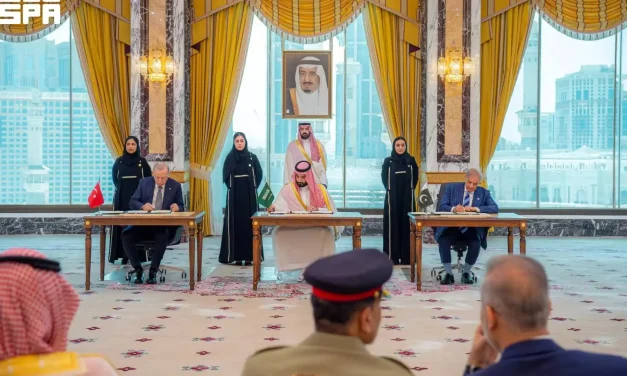
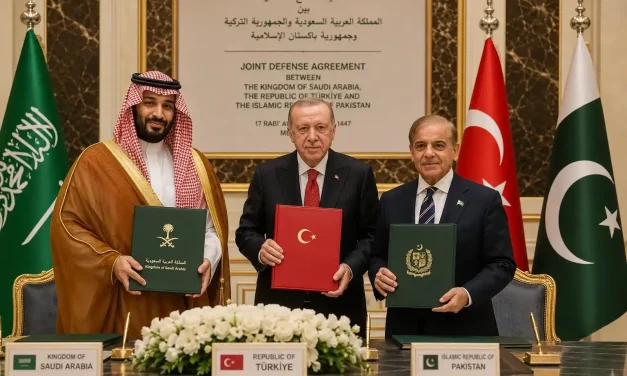
SCFR Online – Opinion: The Makkah Pact, signed between Saudi Arabia, Pakistan, and Turkey under the motto “an attack on one is an attack on all,” is viewed by some analysts less as a full-fledged military coalition and more as an attempt to reduce security dependence on an external power and to establish a regional security mechanism.
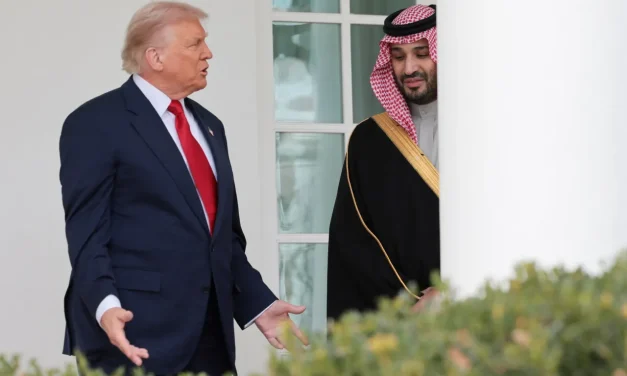
Implications of the US-Saudi Nuclear Agreement

SCFR Online – Opinion: The new US-Saudi nuclear agreement, despite legal and political ambiguities, could alter previous non-proliferation standards in West Asia and intensify nuclear competition, ushering it into a new phase.

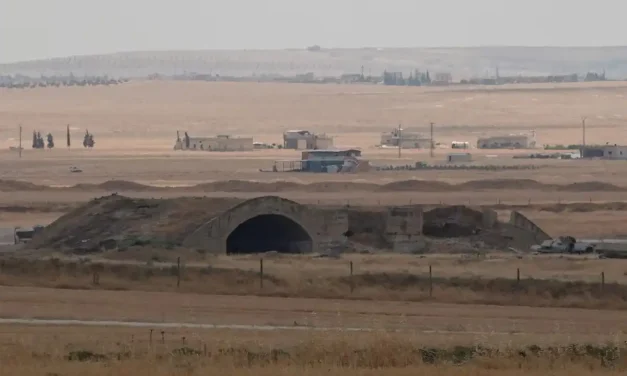
An Analysis of Recent Turkey-Israeli Regime Tensions

SCFR Online – Opinion: Recent developments in Syria indicate an intensification of strategic rivalry between Turkey and the Israeli regime, but mutual considerations and the role of the United States have limited the likelihood of direct war.

Increasing criticism of the extensive Zionist lobby network

SCFR Online – Opinion: An examination of the mechanisms of the Israeli regime’s influence in the United States depicts a complex picture of shared interests, strategic dependencies, and the limitations of this relationship.

Realities of the Tripartite Makkah Pact

SCFR Online – Interview: The signing of the Makkah agreement between Saudi Arabia, Pakistan, and Turkey has raised questions about the future of the region’s security structure and the position of these countries in West Asian equations. Can this agreement become a genuine collective defense mechanism, or does it have more of a political and deterrent function than creating new military capacity?

Strategic Implications of the Reduction of US Weapons Stockpiles

SCFR Online – Opinion: The continuation of the US war against Iran, in addition to increasing operational costs, has called into question the actual capacity of the American arsenal to simultaneously fulfill security commitments on multiple fronts; an issue that affects deterrence, defense production capacity, and Washington’s resource prioritization.

The Formation of a New Order in Relations Between Powers

SCFR Online – Opinion: The Russia-Ukraine war and the war of the United States and the Israeli regime against Iran have been formed with different objectives and actors, but field and political developments indicate that they are not entirely separate from one another.

Loading

Gaza war

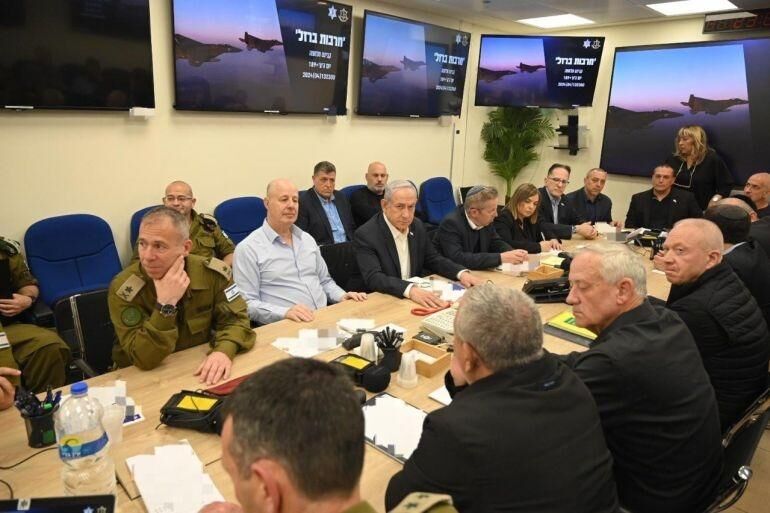
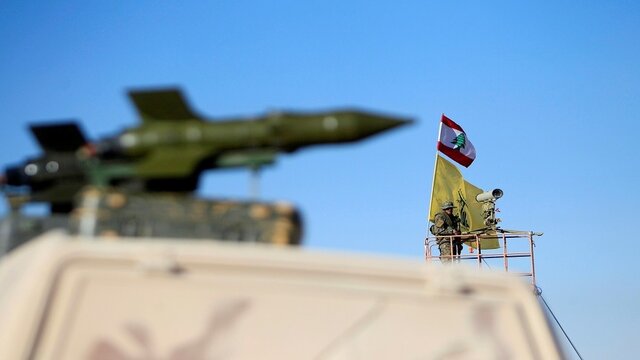
Implications & Dangers of a Possible All-Out Attack against Lebanon for Zionist Regime and US

Implications & Dangers of a Possible All-Out Attack against Lebanon for Zionist Regime and US

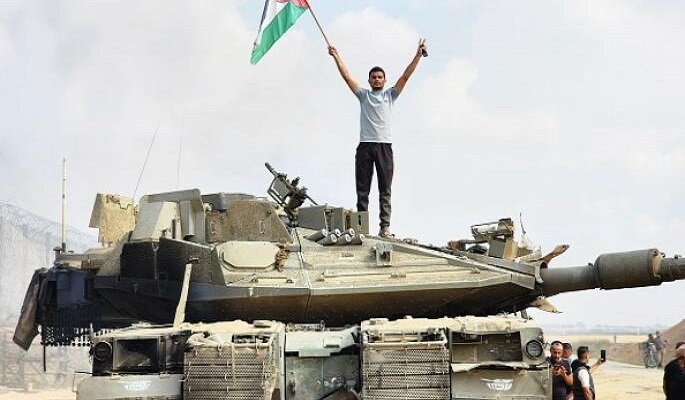
Strategic Council Online – Opinion: Following Operation Al-Aqsa Storm, the Zionist regime has been involved in three important fronts, namely the Gaza Strip, the West Bank of the Jordan River, and the north of Occupied Palestine, among which the developments in the northern front have inflicted the most significant damage and pressure in the battlefield and psychologically on the Zionist regime.

America’s Role in Preventing Ceasefire and Continuing the Gaza War

America’s Role in Preventing Ceasefire and Continuing the Gaza War

Strategic Council Online – Opinion: Recently, the Washington Post published information according to which Congressman Gregory Meeks and Senator Ben Cardin, under pressure from the Biden administration, sold $18 billion worth of military weapons to the Zionist regime. Among them, 50 F-15 fighters have agreed. The cost of these weapons has been mainly financed over a few years by Washington’s annual budget of 3.3 billion dollars for Tel Aviv.

The Zionist Regime Has to Accept a Ceasefire in the Gaza War

The Zionist Regime Has to Accept a Ceasefire in the Gaza War

Strategic Council Online – Interview: An expert on West Asian issues said: The recent resolution proposed by the United States to establish a ceasefire in Gaza and release prisoners was approved with 14 positive votes, one abstention (Russia), and no negative votes at the UN Security Council meeting. None of the parties to the Gaza war have yet agreed to this resolution.

Hamas Approach to US Ceasefire Plan

Hamas Approach to US Ceasefire Plan

Strategic Council Online – Interview: An expert on Palestinian issues said: What is being discussed about the ceasefire plans is not necessarily the issue of stopping the war in Gaza and the exchange of prisoners, but the important issue of formulating the post-war status for each of the two sides.

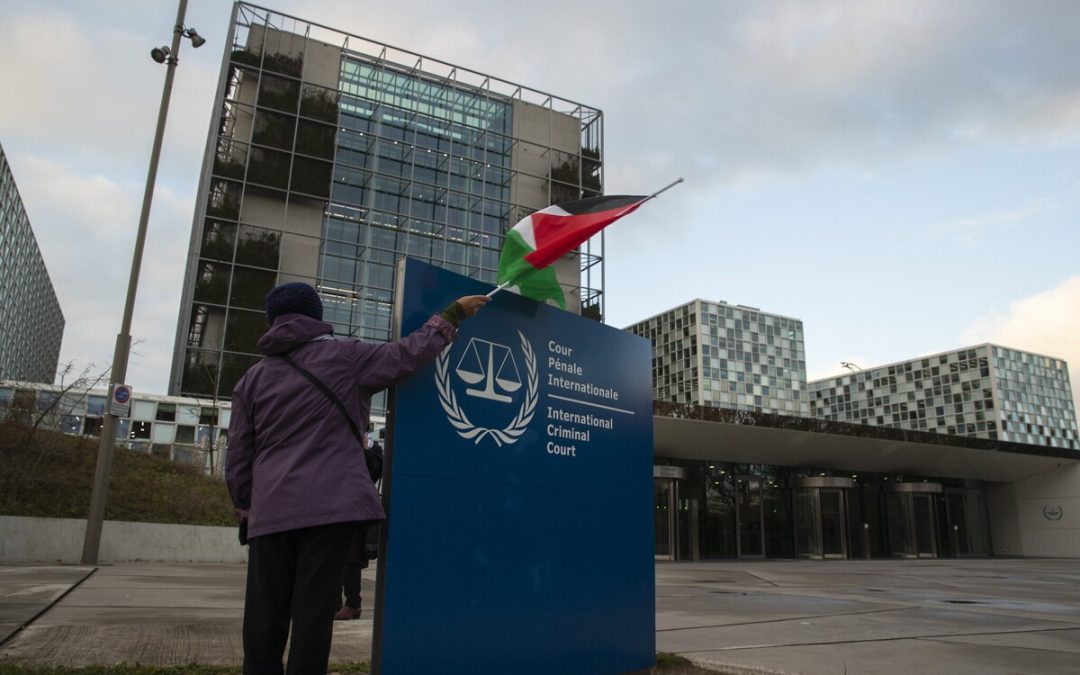
An Analysis of US House Vote to Sanction International Criminal Court

An Analysis of US House Vote to Sanction International Criminal Court

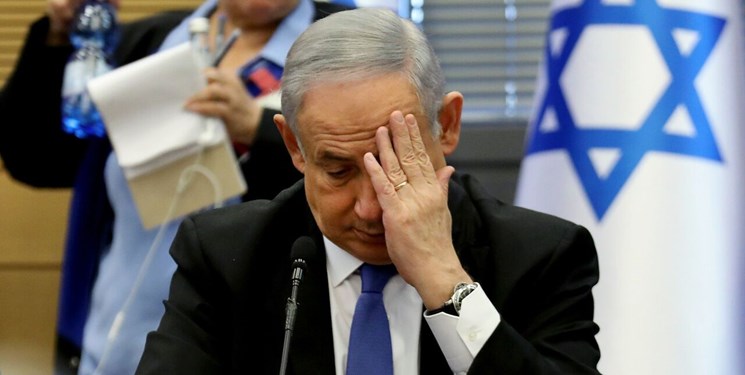
Strategic Council Online—Interview: A researcher of West Asian issues said: The US House of Representatives voted by a comfortable majority on June 4 to impose sanctions on the International Criminal Court (ICC) following its prosecutor’s decision to seek arrest warrants for Prime Minister Benjamin Netanyahu and Defense Minister Yoav Gallant. The move by the House was taken in full support of the Zionist regime.

Ambiguities and Prospects of the New US Plan to End the Gaza War

Ambiguities and Prospects of the New US Plan to End the Gaza War

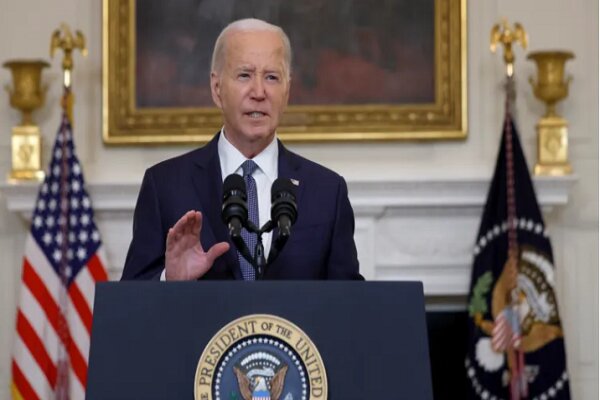
Strategic Council Online: – Opinion: US President Joe Biden recently presented a four-and-a-half-page plan to establish a ceasefire and end the Gaza war. After his speech at the White House, the American President announced that the Zionist regime proposed this plan.
Hamid Khoshayand, an expert on regional issues

An Analysis of the Proposed Peace Plans for Ceasefire in Gaza

An Analysis of the Proposed Peace Plans for Ceasefire in Gaza

Strategic Council Online – Interview: An expert on international issues said: The plans proposed by some Arab governments and the United States for a ceasefire in Gaza and the end of the war are not operational, and rather than looking at solving the crisis in Gaza and Rafah, these countries are after their own national interests.

Growing Trend of Recognition of Independent State of Palestine in the World

Growing Trend of Recognition of Independent State of Palestine in the World

Strategic Council Online – Interview: An expert on international issues said China’s position on recognizing the Palestinian state is not a new issue, but this agreement and cooperation in the global trend will strengthen the position of supporting Palestine and forming an independent Palestinian state.

Reflection on the Reduction of Turkey’s Economic Relations with the Zionist Regime

Reflection on the Reduction of Turkey’s Economic Relations with the Zionist Regime

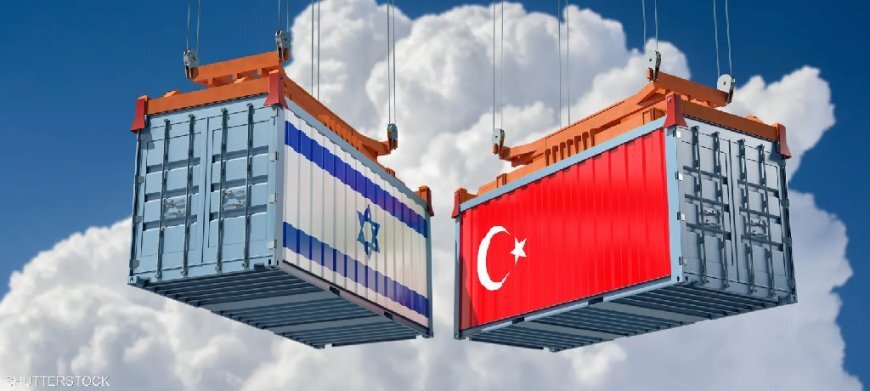
Strategic Council Online – Opinion: According to Turkish officials, this country has suspended its trade relations with the Zionist regime due to its military actions in Gaza and the deterioration of the humanitarian disaster and has made a commitment until Tel Aviv allows humanitarian aid to be sent to Gaza. If not, it will continue to cut off its business relations.
Hamid Khoshayand – expert on regional issues

أحدث الوظائف

The Makkah Pact; Reasons for its Formation and Challenges Ahead

SCFR Online – Opinion: The Makkah Pact, signed between Saudi Arabia, Pakistan, and Turkey under the motto “an attack on one is an attack on all,” is viewed by some analysts less as a full-fledged military coalition and more as an attempt to reduce security dependence on an external power and to establish a regional security mechanism.
Implications of the US-Saudi Nuclear Agreement

SCFR Online – Opinion: The new US-Saudi nuclear agreement, despite legal and political ambiguities, could alter previous non-proliferation standards in West Asia and intensify nuclear competition, ushering it into a new phase.

An Analysis of Recent Turkey-Israeli Regime Tensions

SCFR Online – Opinion: Recent developments in Syria indicate an intensification of strategic rivalry between Turkey and the Israeli regime, but mutual considerations and the role of the United States have limited the likelihood of direct war.

Increasing criticism of the extensive Zionist lobby network

SCFR Online – Opinion: An examination of the mechanisms of the Israeli regime’s influence in the United States depicts a complex picture of shared interests, strategic dependencies, and the limitations of this relationship.

Realities of the Tripartite Makkah Pact

SCFR Online – Interview: The signing of the Makkah agreement between Saudi Arabia, Pakistan, and Turkey has raised questions about the future of the region’s security structure and the position of these countries in West Asian equations. Can this agreement become a genuine collective defense mechanism, or does it have more of a political and deterrent function than creating new military capacity?

Strategic Implications of the Reduction of US Weapons Stockpiles

SCFR Online – Opinion: The continuation of the US war against Iran, in addition to increasing operational costs, has called into question the actual capacity of the American arsenal to simultaneously fulfill security commitments on multiple fronts; an issue that affects deterrence, defense production capacity, and Washington’s resource prioritization.

The Formation of a New Order in Relations Between Powers

SCFR Online – Opinion: The Russia-Ukraine war and the war of the United States and the Israeli regime against Iran have been formed with different objectives and actors, but field and political developments indicate that they are not entirely separate from one another.

Loading

Gaza war

Implications & Dangers of a Possible All-Out Attack against Lebanon for Zionist Regime and US

Implications & Dangers of a Possible All-Out Attack against Lebanon for Zionist Regime and US

Strategic Council Online – Opinion: Following Operation Al-Aqsa Storm, the Zionist regime has been involved in three important fronts, namely the Gaza Strip, the West Bank of the Jordan River, and the north of Occupied Palestine, among which the developments in the northern front have inflicted the most significant damage and pressure in the battlefield and psychologically on the Zionist regime.

America’s Role in Preventing Ceasefire and Continuing the Gaza War

America’s Role in Preventing Ceasefire and Continuing the Gaza War

Strategic Council Online – Opinion: Recently, the Washington Post published information according to which Congressman Gregory Meeks and Senator Ben Cardin, under pressure from the Biden administration, sold $18 billion worth of military weapons to the Zionist regime. Among them, 50 F-15 fighters have agreed. The cost of these weapons has been mainly financed over a few years by Washington’s annual budget of 3.3 billion dollars for Tel Aviv.

The Zionist Regime Has to Accept a Ceasefire in the Gaza War

The Zionist Regime Has to Accept a Ceasefire in the Gaza War

Strategic Council Online – Interview: An expert on West Asian issues said: The recent resolution proposed by the United States to establish a ceasefire in Gaza and release prisoners was approved with 14 positive votes, one abstention (Russia), and no negative votes at the UN Security Council meeting. None of the parties to the Gaza war have yet agreed to this resolution.

Hamas Approach to US Ceasefire Plan

Hamas Approach to US Ceasefire Plan

Strategic Council Online – Interview: An expert on Palestinian issues said: What is being discussed about the ceasefire plans is not necessarily the issue of stopping the war in Gaza and the exchange of prisoners, but the important issue of formulating the post-war status for each of the two sides.

An Analysis of US House Vote to Sanction International Criminal Court

An Analysis of US House Vote to Sanction International Criminal Court

Strategic Council Online—Interview: A researcher of West Asian issues said: The US House of Representatives voted by a comfortable majority on June 4 to impose sanctions on the International Criminal Court (ICC) following its prosecutor’s decision to seek arrest warrants for Prime Minister Benjamin Netanyahu and Defense Minister Yoav Gallant. The move by the House was taken in full support of the Zionist regime.

Ambiguities and Prospects of the New US Plan to End the Gaza War

Ambiguities and Prospects of the New US Plan to End the Gaza War

Strategic Council Online: – Opinion: US President Joe Biden recently presented a four-and-a-half-page plan to establish a ceasefire and end the Gaza war. After his speech at the White House, the American President announced that the Zionist regime proposed this plan.
Hamid Khoshayand, an expert on regional issues

An Analysis of the Proposed Peace Plans for Ceasefire in Gaza

An Analysis of the Proposed Peace Plans for Ceasefire in Gaza

Strategic Council Online – Interview: An expert on international issues said: The plans proposed by some Arab governments and the United States for a ceasefire in Gaza and the end of the war are not operational, and rather than looking at solving the crisis in Gaza and Rafah, these countries are after their own national interests.

Growing Trend of Recognition of Independent State of Palestine in the World

Growing Trend of Recognition of Independent State of Palestine in the World

Strategic Council Online – Interview: An expert on international issues said China’s position on recognizing the Palestinian state is not a new issue, but this agreement and cooperation in the global trend will strengthen the position of supporting Palestine and forming an independent Palestinian state.

Reflection on the Reduction of Turkey’s Economic Relations with the Zionist Regime

Reflection on the Reduction of Turkey’s Economic Relations with the Zionist Regime

Strategic Council Online – Opinion: According to Turkish officials, this country has suspended its trade relations with the Zionist regime due to its military actions in Gaza and the deterioration of the humanitarian disaster and has made a commitment until Tel Aviv allows humanitarian aid to be sent to Gaza. If not, it will continue to cut off its business relations.
Hamid Khoshayand – expert on regional issues

Gaza war

Implications & Dangers of a Possible All-Out Attack against Lebanon for Zionist Regime and US

Implications & Dangers of a Possible All-Out Attack against Lebanon for Zionist Regime and US

Strategic Council Online – Opinion: Following Operation Al-Aqsa Storm, the Zionist regime has been involved in three important fronts, namely the Gaza Strip, the West Bank of the Jordan River, and the north of Occupied Palestine, among which the developments in the northern front have inflicted the most significant damage and pressure in the battlefield and psychologically on the Zionist regime.

America’s Role in Preventing Ceasefire and Continuing the Gaza War

America’s Role in Preventing Ceasefire and Continuing the Gaza War

Strategic Council Online – Opinion: Recently, the Washington Post published information according to which Congressman Gregory Meeks and Senator Ben Cardin, under pressure from the Biden administration, sold $18 billion worth of military weapons to the Zionist regime. Among them, 50 F-15 fighters have agreed. The cost of these weapons has been mainly financed over a few years by Washington’s annual budget of 3.3 billion dollars for Tel Aviv.

The Zionist Regime Has to Accept a Ceasefire in the Gaza War

The Zionist Regime Has to Accept a Ceasefire in the Gaza War

Strategic Council Online – Interview: An expert on West Asian issues said: The recent resolution proposed by the United States to establish a ceasefire in Gaza and release prisoners was approved with 14 positive votes, one abstention (Russia), and no negative votes at the UN Security Council meeting. None of the parties to the Gaza war have yet agreed to this resolution.

Hamas Approach to US Ceasefire Plan

Hamas Approach to US Ceasefire Plan

Strategic Council Online – Interview: An expert on Palestinian issues said: What is being discussed about the ceasefire plans is not necessarily the issue of stopping the war in Gaza and the exchange of prisoners, but the important issue of formulating the post-war status for each of the two sides.

An Analysis of US House Vote to Sanction International Criminal Court

An Analysis of US House Vote to Sanction International Criminal Court

Strategic Council Online—Interview: A researcher of West Asian issues said: The US House of Representatives voted by a comfortable majority on June 4 to impose sanctions on the International Criminal Court (ICC) following its prosecutor’s decision to seek arrest warrants for Prime Minister Benjamin Netanyahu and Defense Minister Yoav Gallant. The move by the House was taken in full support of the Zionist regime.

Ambiguities and Prospects of the New US Plan to End the Gaza War

Ambiguities and Prospects of the New US Plan to End the Gaza War

Strategic Council Online: – Opinion: US President Joe Biden recently presented a four-and-a-half-page plan to establish a ceasefire and end the Gaza war. After his speech at the White House, the American President announced that the Zionist regime proposed this plan.
Hamid Khoshayand, an expert on regional issues

An Analysis of the Proposed Peace Plans for Ceasefire in Gaza

An Analysis of the Proposed Peace Plans for Ceasefire in Gaza

Strategic Council Online – Interview: An expert on international issues said: The plans proposed by some Arab governments and the United States for a ceasefire in Gaza and the end of the war are not operational, and rather than looking at solving the crisis in Gaza and Rafah, these countries are after their own national interests.

Growing Trend of Recognition of Independent State of Palestine in the World

Growing Trend of Recognition of Independent State of Palestine in the World

Strategic Council Online – Interview: An expert on international issues said China’s position on recognizing the Palestinian state is not a new issue, but this agreement and cooperation in the global trend will strengthen the position of supporting Palestine and forming an independent Palestinian state.

Reflection on the Reduction of Turkey’s Economic Relations with the Zionist Regime

Reflection on the Reduction of Turkey’s Economic Relations with the Zionist Regime

Strategic Council Online – Opinion: According to Turkish officials, this country has suspended its trade relations with the Zionist regime due to its military actions in Gaza and the deterioration of the humanitarian disaster and has made a commitment until Tel Aviv allows humanitarian aid to be sent to Gaza. If not, it will continue to cut off its business relations.
Hamid Khoshayand – expert on regional issues

LATEST CONTENT

The Makkah Pact; Reasons for its Formation and Challenges Ahead

SCFR Online – Opinion: The Makkah Pact, signed between Saudi Arabia, Pakistan, and Turkey under the motto “an attack on one is an attack on all,” is viewed by some analysts less as a full-fledged military coalition and more as an attempt to reduce security dependence on an external power and to establish a regional security mechanism.

Implications of the US-Saudi Nuclear Agreement

SCFR Online – Opinion: The new US-Saudi nuclear agreement, despite legal and political ambiguities, could alter previous non-proliferation standards in West Asia and intensify nuclear competition, ushering it into a new phase.

An Analysis of Recent Turkey-Israeli Regime Tensions

SCFR Online – Opinion: Recent developments in Syria indicate an intensification of strategic rivalry between Turkey and the Israeli regime, but mutual considerations and the role of the United States have limited the likelihood of direct war.

Increasing criticism of the extensive Zionist lobby network

SCFR Online – Opinion: An examination of the mechanisms of the Israeli regime’s influence in the United States depicts a complex picture of shared interests, strategic dependencies, and the limitations of this relationship.

Realities of the Tripartite Makkah Pact

SCFR Online – Interview: The signing of the Makkah agreement between Saudi Arabia, Pakistan, and Turkey has raised questions about the future of the region’s security structure and the position of these countries in West Asian equations. Can this agreement become a genuine collective defense mechanism, or does it have more of a political and deterrent function than creating new military capacity?

Strategic Implications of the Reduction of US Weapons Stockpiles

SCFR Online – Opinion: The continuation of the US war against Iran, in addition to increasing operational costs, has called into question the actual capacity of the American arsenal to simultaneously fulfill security commitments on multiple fronts; an issue that affects deterrence, defense production capacity, and Washington’s resource prioritization.

The Formation of a New Order in Relations Between Powers

SCFR Online – Opinion: The Russia-Ukraine war and the war of the United States and the Israeli regime against Iran have been formed with different objectives and actors, but field and political developments indicate that they are not entirely separate from one another.

Loading

Gaza war

Implications & Dangers of a Possible All-Out Attack against Lebanon for Zionist Regime and US

Implications & Dangers of a Possible All-Out Attack against Lebanon for Zionist Regime and US

Strategic Council Online – Opinion: Following Operation Al-Aqsa Storm, the Zionist regime has been involved in three important fronts, namely the Gaza Strip, the West Bank of the Jordan River, and the north of Occupied Palestine, among which the developments in the northern front have inflicted the most significant damage and pressure in the battlefield and psychologically on the Zionist regime.

America’s Role in Preventing Ceasefire and Continuing the Gaza War

America’s Role in Preventing Ceasefire and Continuing the Gaza War

Strategic Council Online – Opinion: Recently, the Washington Post published information according to which Congressman Gregory Meeks and Senator Ben Cardin, under pressure from the Biden administration, sold $18 billion worth of military weapons to the Zionist regime. Among them, 50 F-15 fighters have agreed. The cost of these weapons has been mainly financed over a few years by Washington’s annual budget of 3.3 billion dollars for Tel Aviv.

The Zionist Regime Has to Accept a Ceasefire in the Gaza War

The Zionist Regime Has to Accept a Ceasefire in the Gaza War

Strategic Council Online – Interview: An expert on West Asian issues said: The recent resolution proposed by the United States to establish a ceasefire in Gaza and release prisoners was approved with 14 positive votes, one abstention (Russia), and no negative votes at the UN Security Council meeting. None of the parties to the Gaza war have yet agreed to this resolution.

Hamas Approach to US Ceasefire Plan

Hamas Approach to US Ceasefire Plan

Strategic Council Online – Interview: An expert on Palestinian issues said: What is being discussed about the ceasefire plans is not necessarily the issue of stopping the war in Gaza and the exchange of prisoners, but the important issue of formulating the post-war status for each of the two sides.

An Analysis of US House Vote to Sanction International Criminal Court

An Analysis of US House Vote to Sanction International Criminal Court

Strategic Council Online—Interview: A researcher of West Asian issues said: The US House of Representatives voted by a comfortable majority on June 4 to impose sanctions on the International Criminal Court (ICC) following its prosecutor’s decision to seek arrest warrants for Prime Minister Benjamin Netanyahu and Defense Minister Yoav Gallant. The move by the House was taken in full support of the Zionist regime.

Ambiguities and Prospects of the New US Plan to End the Gaza War

Ambiguities and Prospects of the New US Plan to End the Gaza War

Strategic Council Online: – Opinion: US President Joe Biden recently presented a four-and-a-half-page plan to establish a ceasefire and end the Gaza war. After his speech at the White House, the American President announced that the Zionist regime proposed this plan.
Hamid Khoshayand, an expert on regional issues

An Analysis of the Proposed Peace Plans for Ceasefire in Gaza

An Analysis of the Proposed Peace Plans for Ceasefire in Gaza

Strategic Council Online – Interview: An expert on international issues said: The plans proposed by some Arab governments and the United States for a ceasefire in Gaza and the end of the war are not operational, and rather than looking at solving the crisis in Gaza and Rafah, these countries are after their own national interests.

Growing Trend of Recognition of Independent State of Palestine in the World

Growing Trend of Recognition of Independent State of Palestine in the World

Strategic Council Online – Interview: An expert on international issues said China’s position on recognizing the Palestinian state is not a new issue, but this agreement and cooperation in the global trend will strengthen the position of supporting Palestine and forming an independent Palestinian state.

Reflection on the Reduction of Turkey’s Economic Relations with the Zionist Regime

Reflection on the Reduction of Turkey’s Economic Relations with the Zionist Regime

Strategic Council Online – Opinion: According to Turkish officials, this country has suspended its trade relations with the Zionist regime due to its military actions in Gaza and the deterioration of the humanitarian disaster and has made a commitment until Tel Aviv allows humanitarian aid to be sent to Gaza. If not, it will continue to cut off its business relations.
Hamid Khoshayand – expert on regional issues

ÚLTIMAS PUBLICACIONES

The Makkah Pact; Reasons for its Formation and Challenges Ahead

SCFR Online – Opinion: The Makkah Pact, signed between Saudi Arabia, Pakistan, and Turkey under the motto “an attack on one is an attack on all,” is viewed by some analysts less as a full-fledged military coalition and more as an attempt to reduce security dependence on an external power and to establish a regional security mechanism.
Implications of the US-Saudi Nuclear Agreement

SCFR Online – Opinion: The new US-Saudi nuclear agreement, despite legal and political ambiguities, could alter previous non-proliferation standards in West Asia and intensify nuclear competition, ushering it into a new phase.

An Analysis of Recent Turkey-Israeli Regime Tensions

SCFR Online – Opinion: Recent developments in Syria indicate an intensification of strategic rivalry between Turkey and the Israeli regime, but mutual considerations and the role of the United States have limited the likelihood of direct war.

Increasing criticism of the extensive Zionist lobby network

SCFR Online – Opinion: An examination of the mechanisms of the Israeli regime’s influence in the United States depicts a complex picture of shared interests, strategic dependencies, and the limitations of this relationship.

Realities of the Tripartite Makkah Pact

SCFR Online – Interview: The signing of the Makkah agreement between Saudi Arabia, Pakistan, and Turkey has raised questions about the future of the region’s security structure and the position of these countries in West Asian equations. Can this agreement become a genuine collective defense mechanism, or does it have more of a political and deterrent function than creating new military capacity?

Strategic Implications of the Reduction of US Weapons Stockpiles

SCFR Online – Opinion: The continuation of the US war against Iran, in addition to increasing operational costs, has called into question the actual capacity of the American arsenal to simultaneously fulfill security commitments on multiple fronts; an issue that affects deterrence, defense production capacity, and Washington’s resource prioritization.

The Formation of a New Order in Relations Between Powers

SCFR Online – Opinion: The Russia-Ukraine war and the war of the United States and the Israeli regime against Iran have been formed with different objectives and actors, but field and political developments indicate that they are not entirely separate from one another.

Loading

Gaza war

Implications & Dangers of a Possible All-Out Attack against Lebanon for Zionist Regime and US

Implications & Dangers of a Possible All-Out Attack against Lebanon for Zionist Regime and US

Strategic Council Online – Opinion: Following Operation Al-Aqsa Storm, the Zionist regime has been involved in three important fronts, namely the Gaza Strip, the West Bank of the Jordan River, and the north of Occupied Palestine, among which the developments in the northern front have inflicted the most significant damage and pressure in the battlefield and psychologically on the Zionist regime.

America’s Role in Preventing Ceasefire and Continuing the Gaza War

America’s Role in Preventing Ceasefire and Continuing the Gaza War

Strategic Council Online – Opinion: Recently, the Washington Post published information according to which Congressman Gregory Meeks and Senator Ben Cardin, under pressure from the Biden administration, sold $18 billion worth of military weapons to the Zionist regime. Among them, 50 F-15 fighters have agreed. The cost of these weapons has been mainly financed over a few years by Washington’s annual budget of 3.3 billion dollars for Tel Aviv.

The Zionist Regime Has to Accept a Ceasefire in the Gaza War

The Zionist Regime Has to Accept a Ceasefire in the Gaza War

Strategic Council Online – Interview: An expert on West Asian issues said: The recent resolution proposed by the United States to establish a ceasefire in Gaza and release prisoners was approved with 14 positive votes, one abstention (Russia), and no negative votes at the UN Security Council meeting. None of the parties to the Gaza war have yet agreed to this resolution.

Hamas Approach to US Ceasefire Plan

Hamas Approach to US Ceasefire Plan

Strategic Council Online – Interview: An expert on Palestinian issues said: What is being discussed about the ceasefire plans is not necessarily the issue of stopping the war in Gaza and the exchange of prisoners, but the important issue of formulating the post-war status for each of the two sides.

An Analysis of US House Vote to Sanction International Criminal Court

An Analysis of US House Vote to Sanction International Criminal Court

Strategic Council Online—Interview: A researcher of West Asian issues said: The US House of Representatives voted by a comfortable majority on June 4 to impose sanctions on the International Criminal Court (ICC) following its prosecutor’s decision to seek arrest warrants for Prime Minister Benjamin Netanyahu and Defense Minister Yoav Gallant. The move by the House was taken in full support of the Zionist regime.

Ambiguities and Prospects of the New US Plan to End the Gaza War

Ambiguities and Prospects of the New US Plan to End the Gaza War

Strategic Council Online: – Opinion: US President Joe Biden recently presented a four-and-a-half-page plan to establish a ceasefire and end the Gaza war. After his speech at the White House, the American President announced that the Zionist regime proposed this plan.
Hamid Khoshayand, an expert on regional issues

An Analysis of the Proposed Peace Plans for Ceasefire in Gaza

An Analysis of the Proposed Peace Plans for Ceasefire in Gaza

Strategic Council Online – Interview: An expert on international issues said: The plans proposed by some Arab governments and the United States for a ceasefire in Gaza and the end of the war are not operational, and rather than looking at solving the crisis in Gaza and Rafah, these countries are after their own national interests.

Growing Trend of Recognition of Independent State of Palestine in the World

Growing Trend of Recognition of Independent State of Palestine in the World

Strategic Council Online – Interview: An expert on international issues said China’s position on recognizing the Palestinian state is not a new issue, but this agreement and cooperation in the global trend will strengthen the position of supporting Palestine and forming an independent Palestinian state.

Reflection on the Reduction of Turkey’s Economic Relations with the Zionist Regime

Reflection on the Reduction of Turkey’s Economic Relations with the Zionist Regime

Strategic Council Online – Opinion: According to Turkish officials, this country has suspended its trade relations with the Zionist regime due to its military actions in Gaza and the deterioration of the humanitarian disaster and has made a commitment until Tel Aviv allows humanitarian aid to be sent to Gaza. If not, it will continue to cut off its business relations.
Hamid Khoshayand – expert on regional issues

ÚLTIMAS PUBLICACIONES

The Makkah Pact; Reasons for its Formation and Challenges Ahead

SCFR Online – Opinion: The Makkah Pact, signed between Saudi Arabia, Pakistan, and Turkey under the motto “an attack on one is an attack on all,” is viewed by some analysts less as a full-fledged military coalition and more as an attempt to reduce security dependence on an external power and to establish a regional security mechanism.
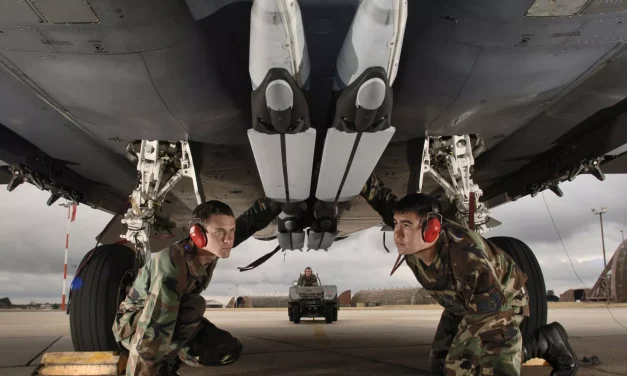
Implications of the US-Saudi Nuclear Agreement

SCFR Online – Opinion: The new US-Saudi nuclear agreement, despite legal and political ambiguities, could alter previous non-proliferation standards in West Asia and intensify nuclear competition, ushering it into a new phase.

An Analysis of Recent Turkey-Israeli Regime Tensions

SCFR Online – Opinion: Recent developments in Syria indicate an intensification of strategic rivalry between Turkey and the Israeli regime, but mutual considerations and the role of the United States have limited the likelihood of direct war.

Increasing criticism of the extensive Zionist lobby network

SCFR Online – Opinion: An examination of the mechanisms of the Israeli regime’s influence in the United States depicts a complex picture of shared interests, strategic dependencies, and the limitations of this relationship.

Realities of the Tripartite Makkah Pact

SCFR Online – Interview: The signing of the Makkah agreement between Saudi Arabia, Pakistan, and Turkey has raised questions about the future of the region’s security structure and the position of these countries in West Asian equations. Can this agreement become a genuine collective defense mechanism, or does it have more of a political and deterrent function than creating new military capacity?

Strategic Implications of the Reduction of US Weapons Stockpiles

SCFR Online – Opinion: The continuation of the US war against Iran, in addition to increasing operational costs, has called into question the actual capacity of the American arsenal to simultaneously fulfill security commitments on multiple fronts; an issue that affects deterrence, defense production capacity, and Washington’s resource prioritization.

The Formation of a New Order in Relations Between Powers

SCFR Online – Opinion: The Russia-Ukraine war and the war of the United States and the Israeli regime against Iran have been formed with different objectives and actors, but field and political developments indicate that they are not entirely separate from one another.

Loading

Gaza war

Implications & Dangers of a Possible All-Out Attack against Lebanon for Zionist Regime and US

Implications & Dangers of a Possible All-Out Attack against Lebanon for Zionist Regime and US

Strategic Council Online – Opinion: Following Operation Al-Aqsa Storm, the Zionist regime has been involved in three important fronts, namely the Gaza Strip, the West Bank of the Jordan River, and the north of Occupied Palestine, among which the developments in the northern front have inflicted the most significant damage and pressure in the battlefield and psychologically on the Zionist regime.

America’s Role in Preventing Ceasefire and Continuing the Gaza War

America’s Role in Preventing Ceasefire and Continuing the Gaza War

Strategic Council Online – Opinion: Recently, the Washington Post published information according to which Congressman Gregory Meeks and Senator Ben Cardin, under pressure from the Biden administration, sold $18 billion worth of military weapons to the Zionist regime. Among them, 50 F-15 fighters have agreed. The cost of these weapons has been mainly financed over a few years by Washington’s annual budget of 3.3 billion dollars for Tel Aviv.

The Zionist Regime Has to Accept a Ceasefire in the Gaza War

The Zionist Regime Has to Accept a Ceasefire in the Gaza War

Strategic Council Online – Interview: An expert on West Asian issues said: The recent resolution proposed by the United States to establish a ceasefire in Gaza and release prisoners was approved with 14 positive votes, one abstention (Russia), and no negative votes at the UN Security Council meeting. None of the parties to the Gaza war have yet agreed to this resolution.

Hamas Approach to US Ceasefire Plan

Hamas Approach to US Ceasefire Plan

Strategic Council Online – Interview: An expert on Palestinian issues said: What is being discussed about the ceasefire plans is not necessarily the issue of stopping the war in Gaza and the exchange of prisoners, but the important issue of formulating the post-war status for each of the two sides.

An Analysis of US House Vote to Sanction International Criminal Court

An Analysis of US House Vote to Sanction International Criminal Court

Strategic Council Online—Interview: A researcher of West Asian issues said: The US House of Representatives voted by a comfortable majority on June 4 to impose sanctions on the International Criminal Court (ICC) following its prosecutor’s decision to seek arrest warrants for Prime Minister Benjamin Netanyahu and Defense Minister Yoav Gallant. The move by the House was taken in full support of the Zionist regime.

Ambiguities and Prospects of the New US Plan to End the Gaza War

Ambiguities and Prospects of the New US Plan to End the Gaza War

Strategic Council Online: – Opinion: US President Joe Biden recently presented a four-and-a-half-page plan to establish a ceasefire and end the Gaza war. After his speech at the White House, the American President announced that the Zionist regime proposed this plan.
Hamid Khoshayand, an expert on regional issues

An Analysis of the Proposed Peace Plans for Ceasefire in Gaza

An Analysis of the Proposed Peace Plans for Ceasefire in Gaza

Strategic Council Online – Interview: An expert on international issues said: The plans proposed by some Arab governments and the United States for a ceasefire in Gaza and the end of the war are not operational, and rather than looking at solving the crisis in Gaza and Rafah, these countries are after their own national interests.

Growing Trend of Recognition of Independent State of Palestine in the World

Growing Trend of Recognition of Independent State of Palestine in the World

Strategic Council Online – Interview: An expert on international issues said China’s position on recognizing the Palestinian state is not a new issue, but this agreement and cooperation in the global trend will strengthen the position of supporting Palestine and forming an independent Palestinian state.

Reflection on the Reduction of Turkey’s Economic Relations with the Zionist Regime

Reflection on the Reduction of Turkey’s Economic Relations with the Zionist Regime

Strategic Council Online – Opinion: According to Turkish officials, this country has suspended its trade relations with the Zionist regime due to its military actions in Gaza and the deterioration of the humanitarian disaster and has made a commitment until Tel Aviv allows humanitarian aid to be sent to Gaza. If not, it will continue to cut off its business relations.
Hamid Khoshayand – expert on regional issues

ÚLTIMAS PUBLICACIONES

The Makkah Pact; Reasons for its Formation and Challenges Ahead

SCFR Online – Opinion: The Makkah Pact, signed between Saudi Arabia, Pakistan, and Turkey under the motto “an attack on one is an attack on all,” is viewed by some analysts less as a full-fledged military coalition and more as an attempt to reduce security dependence on an external power and to establish a regional security mechanism.
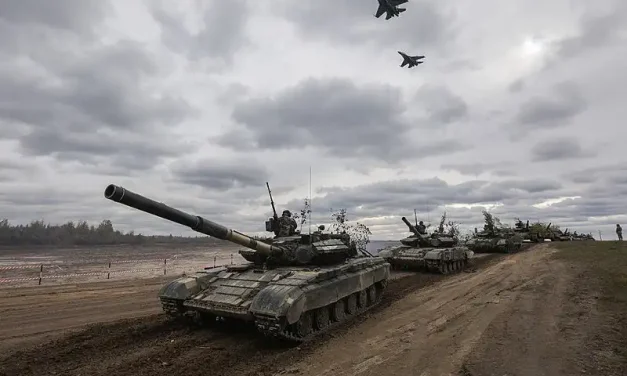
Implications of the US-Saudi Nuclear Agreement

SCFR Online – Opinion: The new US-Saudi nuclear agreement, despite legal and political ambiguities, could alter previous non-proliferation standards in West Asia and intensify nuclear competition, ushering it into a new phase.

An Analysis of Recent Turkey-Israeli Regime Tensions

SCFR Online – Opinion: Recent developments in Syria indicate an intensification of strategic rivalry between Turkey and the Israeli regime, but mutual considerations and the role of the United States have limited the likelihood of direct war.

Increasing criticism of the extensive Zionist lobby network

SCFR Online – Opinion: An examination of the mechanisms of the Israeli regime’s influence in the United States depicts a complex picture of shared interests, strategic dependencies, and the limitations of this relationship.

Realities of the Tripartite Makkah Pact

SCFR Online – Interview: The signing of the Makkah agreement between Saudi Arabia, Pakistan, and Turkey has raised questions about the future of the region’s security structure and the position of these countries in West Asian equations. Can this agreement become a genuine collective defense mechanism, or does it have more of a political and deterrent function than creating new military capacity?

Strategic Implications of the Reduction of US Weapons Stockpiles

SCFR Online – Opinion: The continuation of the US war against Iran, in addition to increasing operational costs, has called into question the actual capacity of the American arsenal to simultaneously fulfill security commitments on multiple fronts; an issue that affects deterrence, defense production capacity, and Washington’s resource prioritization.

The Formation of a New Order in Relations Between Powers

SCFR Online – Opinion: The Russia-Ukraine war and the war of the United States and the Israeli regime against Iran have been formed with different objectives and actors, but field and political developments indicate that they are not entirely separate from one another.

Loading

Gaza war

Implications & Dangers of a Possible All-Out Attack against Lebanon for Zionist Regime and US

Implications & Dangers of a Possible All-Out Attack against Lebanon for Zionist Regime and US

Strategic Council Online – Opinion: Following Operation Al-Aqsa Storm, the Zionist regime has been involved in three important fronts, namely the Gaza Strip, the West Bank of the Jordan River, and the north of Occupied Palestine, among which the developments in the northern front have inflicted the most significant damage and pressure in the battlefield and psychologically on the Zionist regime.

America’s Role in Preventing Ceasefire and Continuing the Gaza War

America’s Role in Preventing Ceasefire and Continuing the Gaza War

Strategic Council Online – Opinion: Recently, the Washington Post published information according to which Congressman Gregory Meeks and Senator Ben Cardin, under pressure from the Biden administration, sold $18 billion worth of military weapons to the Zionist regime. Among them, 50 F-15 fighters have agreed. The cost of these weapons has been mainly financed over a few years by Washington’s annual budget of 3.3 billion dollars for Tel Aviv.

The Zionist Regime Has to Accept a Ceasefire in the Gaza War

The Zionist Regime Has to Accept a Ceasefire in the Gaza War

Strategic Council Online – Interview: An expert on West Asian issues said: The recent resolution proposed by the United States to establish a ceasefire in Gaza and release prisoners was approved with 14 positive votes, one abstention (Russia), and no negative votes at the UN Security Council meeting. None of the parties to the Gaza war have yet agreed to this resolution.

Hamas Approach to US Ceasefire Plan

Hamas Approach to US Ceasefire Plan

Strategic Council Online – Interview: An expert on Palestinian issues said: What is being discussed about the ceasefire plans is not necessarily the issue of stopping the war in Gaza and the exchange of prisoners, but the important issue of formulating the post-war status for each of the two sides.

An Analysis of US House Vote to Sanction International Criminal Court

An Analysis of US House Vote to Sanction International Criminal Court

Strategic Council Online—Interview: A researcher of West Asian issues said: The US House of Representatives voted by a comfortable majority on June 4 to impose sanctions on the International Criminal Court (ICC) following its prosecutor’s decision to seek arrest warrants for Prime Minister Benjamin Netanyahu and Defense Minister Yoav Gallant. The move by the House was taken in full support of the Zionist regime.

Ambiguities and Prospects of the New US Plan to End the Gaza War

Ambiguities and Prospects of the New US Plan to End the Gaza War

Strategic Council Online: – Opinion: US President Joe Biden recently presented a four-and-a-half-page plan to establish a ceasefire and end the Gaza war. After his speech at the White House, the American President announced that the Zionist regime proposed this plan.
Hamid Khoshayand, an expert on regional issues

An Analysis of the Proposed Peace Plans for Ceasefire in Gaza

An Analysis of the Proposed Peace Plans for Ceasefire in Gaza

Strategic Council Online – Interview: An expert on international issues said: The plans proposed by some Arab governments and the United States for a ceasefire in Gaza and the end of the war are not operational, and rather than looking at solving the crisis in Gaza and Rafah, these countries are after their own national interests.

Growing Trend of Recognition of Independent State of Palestine in the World

Growing Trend of Recognition of Independent State of Palestine in the World

Strategic Council Online – Interview: An expert on international issues said China’s position on recognizing the Palestinian state is not a new issue, but this agreement and cooperation in the global trend will strengthen the position of supporting Palestine and forming an independent Palestinian state.

Reflection on the Reduction of Turkey’s Economic Relations with the Zionist Regime

Reflection on the Reduction of Turkey’s Economic Relations with the Zionist Regime

Strategic Council Online – Opinion: According to Turkish officials, this country has suspended its trade relations with the Zionist regime due to its military actions in Gaza and the deterioration of the humanitarian disaster and has made a commitment until Tel Aviv allows humanitarian aid to be sent to Gaza. If not, it will continue to cut off its business relations.
Hamid Khoshayand – expert on regional issues

ÚLTIMAS PUBLICACIONES

The Makkah Pact; Reasons for its Formation and Challenges Ahead

SCFR Online – Opinion: The Makkah Pact, signed between Saudi Arabia, Pakistan, and Turkey under the motto “an attack on one is an attack on all,” is viewed by some analysts less as a full-fledged military coalition and more as an attempt to reduce security dependence on an external power and to establish a regional security mechanism.

Implications of the US-Saudi Nuclear Agreement

SCFR Online – Opinion: The new US-Saudi nuclear agreement, despite legal and political ambiguities, could alter previous non-proliferation standards in West Asia and intensify nuclear competition, ushering it into a new phase.

An Analysis of Recent Turkey-Israeli Regime Tensions

SCFR Online – Opinion: Recent developments in Syria indicate an intensification of strategic rivalry between Turkey and the Israeli regime, but mutual considerations and the role of the United States have limited the likelihood of direct war.

Increasing criticism of the extensive Zionist lobby network

SCFR Online – Opinion: An examination of the mechanisms of the Israeli regime’s influence in the United States depicts a complex picture of shared interests, strategic dependencies, and the limitations of this relationship.

Realities of the Tripartite Makkah Pact

SCFR Online – Interview: The signing of the Makkah agreement between Saudi Arabia, Pakistan, and Turkey has raised questions about the future of the region’s security structure and the position of these countries in West Asian equations. Can this agreement become a genuine collective defense mechanism, or does it have more of a political and deterrent function than creating new military capacity?

Strategic Implications of the Reduction of US Weapons Stockpiles

SCFR Online – Opinion: The continuation of the US war against Iran, in addition to increasing operational costs, has called into question the actual capacity of the American arsenal to simultaneously fulfill security commitments on multiple fronts; an issue that affects deterrence, defense production capacity, and Washington’s resource prioritization.

The Formation of a New Order in Relations Between Powers

SCFR Online – Opinion: The Russia-Ukraine war and the war of the United States and the Israeli regime against Iran have been formed with different objectives and actors, but field and political developments indicate that they are not entirely separate from one another.

Loading