An Analysis of the Makkah Defense Pact
SCFR Online – Opinion: On Friday, August 7, the heads of state of three countries – Saudi Arabia, Turkey, and Pakistan – signed a text under the title “Makkah Joint Defense Agreement.”
Strategic Council Online – Note: The initiative to revive the Hejaz Railway, beyond being a transportation project, constitutes an attempt to redefine geopolitics, the economy, and Turkey’s regional position; however, its realization appears to face significant financial, security, and institutional challenges.
SCFR Online – Opinion: The Strait of Hormuz crisis is no longer merely the consequence of a military confrontation, but rather a sign of the transition from the US-centered maritime order to a new energy security structure involving the participation of emerging and influential powers.
SCFR Online – Opinion: Iran’s active deterrence strategy, while increasing the costs of US intervention, has increasingly exposed the hidden rifts between Washington’s interests and those of the Israeli regime.
SCFR Online – Opinion: The escalation of verbal and strategic tensions between Turkey and the Israeli regime, although not increasing the likelihood of direct war, indicates the formation of a new order in West Asian geopolitical rivalries.
Strategic Council Online – Note: Recent developments in the political geography of West Asia, from rising tensions in the Persian Gulf to missile and drone activities in the Red Sea and the recent warning by Kaja Kallas, the European Union’s foreign policy chief, regarding the threat to freedom of navigation, indicate a key pattern shift; the US-Iran war has moved beyond the scope of a regional and local confrontation and has linked two vital passageways for the global economy: the Strait of Hormuz and the Bab el-Mandeb Strait.
SCFR Online – Opinion: The Ukraine war was not merely a European crisis, but rather the starting point for the rearrangement of the global balance of power and a shift in the strategic behavior of great powers.
SCFR Online – Opinion: Great power competition is now pursued more in trade, currency, technology, and global supply chains than on the battlefields of military confrontation.
Strategic Council Online—Opinion: It is highly likely to witness riots and protests after the upcoming US presidential elections and the probable emergence of clashes between the supporters of the candidates of Republicans and the Democratic Party; of course, it is not yet clear whether or not clashes would happen between the two groups as it really depends on the amount of gap between the votes of the two candidates.
Foad Izadi—Professor at the Faculty of the World Studies, University of Tehran
Strategic Council Online – A senior analyst at the Watson Institute Brown University says why the US election would not be predictable until the last hours and the 2020 election could be unprecedented in US history. In an interview with the Strategic Council on Foreign Relations website, Charles Freeman also answered questions about the White House’s behind-the-scene goals in activating the trigger mechanism against Iran and the consequences of the normalization of relations between the Arab states and the Zionist regime in regional arrangements.
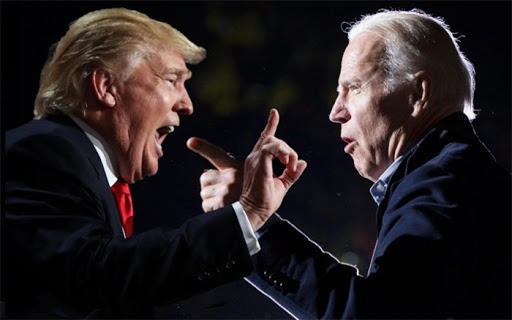
Strategic Council Online-editorial: Election debates are most crucial for American voters to make their final decision. Wednesday’s debate between Trump and Biden will provide stronger grounds on who is going to be the next US president.
Tahmoores Gholami- expert of American affairs
Strategic Council Online: An international relations professor said Donald Trump’s chances of winning the next US election are higher and Democratic candidates are facing serious challenges in defeating him. He said in order to be able to defeat Trump they need to bring the cast of their ballots to defeat Trump. And if this cast does not vote for any reason, Trump has his fixed vote.
Strategic Council Online: When unrest broke out in Lebanon or Iraq, Americans tried to say Iran was involved.
Hassan Danaeifar – Former Iranian Ambassador to Iraq
SCFR Online – Opinion: On Friday, August 7, the heads of state of three countries – Saudi Arabia, Turkey, and Pakistan – signed a text under the title “Makkah Joint Defense Agreement.”
Strategic Council Online – Note: The initiative to revive the Hejaz Railway, beyond being a transportation project, constitutes an attempt to redefine geopolitics, the economy, and Turkey’s regional position; however, its realization appears to face significant financial, security, and institutional challenges.
SCFR Online – Opinion: The Strait of Hormuz crisis is no longer merely the consequence of a military confrontation, but rather a sign of the transition from the US-centered maritime order to a new energy security structure involving the participation of emerging and influential powers.
SCFR Online – Opinion: Iran’s active deterrence strategy, while increasing the costs of US intervention, has increasingly exposed the hidden rifts between Washington’s interests and those of the Israeli regime.
SCFR Online – Opinion: The escalation of verbal and strategic tensions between Turkey and the Israeli regime, although not increasing the likelihood of direct war, indicates the formation of a new order in West Asian geopolitical rivalries.
Strategic Council Online – Note: Recent developments in the political geography of West Asia, from rising tensions in the Persian Gulf to missile and drone activities in the Red Sea and the recent warning by Kaja Kallas, the European Union’s foreign policy chief, regarding the threat to freedom of navigation, indicate a key pattern shift; the US-Iran war has moved beyond the scope of a regional and local confrontation and has linked two vital passageways for the global economy: the Strait of Hormuz and the Bab el-Mandeb Strait.
SCFR Online – Opinion: The Ukraine war was not merely a European crisis, but rather the starting point for the rearrangement of the global balance of power and a shift in the strategic behavior of great powers.
SCFR Online – Opinion: Great power competition is now pursued more in trade, currency, technology, and global supply chains than on the battlefields of military confrontation.
Strategic Council Online—Opinion: It is highly likely to witness riots and protests after the upcoming US presidential elections and the probable emergence of clashes between the supporters of the candidates of Republicans and the Democratic Party; of course, it is not yet clear whether or not clashes would happen between the two groups as it really depends on the amount of gap between the votes of the two candidates.
Foad Izadi—Professor at the Faculty of the World Studies, University of Tehran
Strategic Council Online – A senior analyst at the Watson Institute Brown University says why the US election would not be predictable until the last hours and the 2020 election could be unprecedented in US history. In an interview with the Strategic Council on Foreign Relations website, Charles Freeman also answered questions about the White House’s behind-the-scene goals in activating the trigger mechanism against Iran and the consequences of the normalization of relations between the Arab states and the Zionist regime in regional arrangements.
Strategic Council Online-editorial: Election debates are most crucial for American voters to make their final decision. Wednesday’s debate between Trump and Biden will provide stronger grounds on who is going to be the next US president.
Tahmoores Gholami- expert of American affairs
Strategic Council Online: An international relations professor said Donald Trump’s chances of winning the next US election are higher and Democratic candidates are facing serious challenges in defeating him. He said in order to be able to defeat Trump they need to bring the cast of their ballots to defeat Trump. And if this cast does not vote for any reason, Trump has his fixed vote.
Strategic Council Online: When unrest broke out in Lebanon or Iraq, Americans tried to say Iran was involved.
Hassan Danaeifar – Former Iranian Ambassador to Iraq
Strategic Council Online—Opinion: It is highly likely to witness riots and protests after the upcoming US presidential elections and the probable emergence of clashes between the supporters of the candidates of Republicans and the Democratic Party; of course, it is not yet clear whether or not clashes would happen between the two groups as it really depends on the amount of gap between the votes of the two candidates.
Foad Izadi—Professor at the Faculty of the World Studies, University of Tehran
Strategic Council Online – A senior analyst at the Watson Institute Brown University says why the US election would not be predictable until the last hours and the 2020 election could be unprecedented in US history. In an interview with the Strategic Council on Foreign Relations website, Charles Freeman also answered questions about the White House’s behind-the-scene goals in activating the trigger mechanism against Iran and the consequences of the normalization of relations between the Arab states and the Zionist regime in regional arrangements.
Strategic Council Online-editorial: Election debates are most crucial for American voters to make their final decision. Wednesday’s debate between Trump and Biden will provide stronger grounds on who is going to be the next US president.
Tahmoores Gholami- expert of American affairs
Strategic Council Online: An international relations professor said Donald Trump’s chances of winning the next US election are higher and Democratic candidates are facing serious challenges in defeating him. He said in order to be able to defeat Trump they need to bring the cast of their ballots to defeat Trump. And if this cast does not vote for any reason, Trump has his fixed vote.
Strategic Council Online: When unrest broke out in Lebanon or Iraq, Americans tried to say Iran was involved.
Hassan Danaeifar – Former Iranian Ambassador to Iraq
SCFR Online – Opinion: On Friday, August 7, the heads of state of three countries – Saudi Arabia, Turkey, and Pakistan – signed a text under the title “Makkah Joint Defense Agreement.”
Strategic Council Online – Note: The initiative to revive the Hejaz Railway, beyond being a transportation project, constitutes an attempt to redefine geopolitics, the economy, and Turkey’s regional position; however, its realization appears to face significant financial, security, and institutional challenges.
SCFR Online – Opinion: The Strait of Hormuz crisis is no longer merely the consequence of a military confrontation, but rather a sign of the transition from the US-centered maritime order to a new energy security structure involving the participation of emerging and influential powers.
SCFR Online – Opinion: Iran’s active deterrence strategy, while increasing the costs of US intervention, has increasingly exposed the hidden rifts between Washington’s interests and those of the Israeli regime.
SCFR Online – Opinion: The escalation of verbal and strategic tensions between Turkey and the Israeli regime, although not increasing the likelihood of direct war, indicates the formation of a new order in West Asian geopolitical rivalries.
Strategic Council Online – Note: Recent developments in the political geography of West Asia, from rising tensions in the Persian Gulf to missile and drone activities in the Red Sea and the recent warning by Kaja Kallas, the European Union’s foreign policy chief, regarding the threat to freedom of navigation, indicate a key pattern shift; the US-Iran war has moved beyond the scope of a regional and local confrontation and has linked two vital passageways for the global economy: the Strait of Hormuz and the Bab el-Mandeb Strait.
SCFR Online – Opinion: The Ukraine war was not merely a European crisis, but rather the starting point for the rearrangement of the global balance of power and a shift in the strategic behavior of great powers.
SCFR Online – Opinion: Great power competition is now pursued more in trade, currency, technology, and global supply chains than on the battlefields of military confrontation.
Strategic Council Online—Opinion: It is highly likely to witness riots and protests after the upcoming US presidential elections and the probable emergence of clashes between the supporters of the candidates of Republicans and the Democratic Party; of course, it is not yet clear whether or not clashes would happen between the two groups as it really depends on the amount of gap between the votes of the two candidates.
Foad Izadi—Professor at the Faculty of the World Studies, University of Tehran
Strategic Council Online – A senior analyst at the Watson Institute Brown University says why the US election would not be predictable until the last hours and the 2020 election could be unprecedented in US history. In an interview with the Strategic Council on Foreign Relations website, Charles Freeman also answered questions about the White House’s behind-the-scene goals in activating the trigger mechanism against Iran and the consequences of the normalization of relations between the Arab states and the Zionist regime in regional arrangements.
Strategic Council Online-editorial: Election debates are most crucial for American voters to make their final decision. Wednesday’s debate between Trump and Biden will provide stronger grounds on who is going to be the next US president.
Tahmoores Gholami- expert of American affairs
Strategic Council Online: An international relations professor said Donald Trump’s chances of winning the next US election are higher and Democratic candidates are facing serious challenges in defeating him. He said in order to be able to defeat Trump they need to bring the cast of their ballots to defeat Trump. And if this cast does not vote for any reason, Trump has his fixed vote.
Strategic Council Online: When unrest broke out in Lebanon or Iraq, Americans tried to say Iran was involved.
Hassan Danaeifar – Former Iranian Ambassador to Iraq
SCFR Online – Opinion: On Friday, August 7, the heads of state of three countries – Saudi Arabia, Turkey, and Pakistan – signed a text under the title “Makkah Joint Defense Agreement.”
Strategic Council Online – Note: The initiative to revive the Hejaz Railway, beyond being a transportation project, constitutes an attempt to redefine geopolitics, the economy, and Turkey’s regional position; however, its realization appears to face significant financial, security, and institutional challenges.
SCFR Online – Opinion: The Strait of Hormuz crisis is no longer merely the consequence of a military confrontation, but rather a sign of the transition from the US-centered maritime order to a new energy security structure involving the participation of emerging and influential powers.
SCFR Online – Opinion: Iran’s active deterrence strategy, while increasing the costs of US intervention, has increasingly exposed the hidden rifts between Washington’s interests and those of the Israeli regime.
SCFR Online – Opinion: The escalation of verbal and strategic tensions between Turkey and the Israeli regime, although not increasing the likelihood of direct war, indicates the formation of a new order in West Asian geopolitical rivalries.
Strategic Council Online – Note: Recent developments in the political geography of West Asia, from rising tensions in the Persian Gulf to missile and drone activities in the Red Sea and the recent warning by Kaja Kallas, the European Union’s foreign policy chief, regarding the threat to freedom of navigation, indicate a key pattern shift; the US-Iran war has moved beyond the scope of a regional and local confrontation and has linked two vital passageways for the global economy: the Strait of Hormuz and the Bab el-Mandeb Strait.
SCFR Online – Opinion: The Ukraine war was not merely a European crisis, but rather the starting point for the rearrangement of the global balance of power and a shift in the strategic behavior of great powers.
SCFR Online – Opinion: Great power competition is now pursued more in trade, currency, technology, and global supply chains than on the battlefields of military confrontation.
Strategic Council Online—Opinion: It is highly likely to witness riots and protests after the upcoming US presidential elections and the probable emergence of clashes between the supporters of the candidates of Republicans and the Democratic Party; of course, it is not yet clear whether or not clashes would happen between the two groups as it really depends on the amount of gap between the votes of the two candidates.
Foad Izadi—Professor at the Faculty of the World Studies, University of Tehran
Strategic Council Online – A senior analyst at the Watson Institute Brown University says why the US election would not be predictable until the last hours and the 2020 election could be unprecedented in US history. In an interview with the Strategic Council on Foreign Relations website, Charles Freeman also answered questions about the White House’s behind-the-scene goals in activating the trigger mechanism against Iran and the consequences of the normalization of relations between the Arab states and the Zionist regime in regional arrangements.
Strategic Council Online-editorial: Election debates are most crucial for American voters to make their final decision. Wednesday’s debate between Trump and Biden will provide stronger grounds on who is going to be the next US president.
Tahmoores Gholami- expert of American affairs
Strategic Council Online: An international relations professor said Donald Trump’s chances of winning the next US election are higher and Democratic candidates are facing serious challenges in defeating him. He said in order to be able to defeat Trump they need to bring the cast of their ballots to defeat Trump. And if this cast does not vote for any reason, Trump has his fixed vote.
Strategic Council Online: When unrest broke out in Lebanon or Iraq, Americans tried to say Iran was involved.
Hassan Danaeifar – Former Iranian Ambassador to Iraq
SCFR Online – Opinion: On Friday, August 7, the heads of state of three countries – Saudi Arabia, Turkey, and Pakistan – signed a text under the title “Makkah Joint Defense Agreement.”
Strategic Council Online – Note: The initiative to revive the Hejaz Railway, beyond being a transportation project, constitutes an attempt to redefine geopolitics, the economy, and Turkey’s regional position; however, its realization appears to face significant financial, security, and institutional challenges.
SCFR Online – Opinion: The Strait of Hormuz crisis is no longer merely the consequence of a military confrontation, but rather a sign of the transition from the US-centered maritime order to a new energy security structure involving the participation of emerging and influential powers.
SCFR Online – Opinion: Iran’s active deterrence strategy, while increasing the costs of US intervention, has increasingly exposed the hidden rifts between Washington’s interests and those of the Israeli regime.
SCFR Online – Opinion: The escalation of verbal and strategic tensions between Turkey and the Israeli regime, although not increasing the likelihood of direct war, indicates the formation of a new order in West Asian geopolitical rivalries.
Strategic Council Online – Note: Recent developments in the political geography of West Asia, from rising tensions in the Persian Gulf to missile and drone activities in the Red Sea and the recent warning by Kaja Kallas, the European Union’s foreign policy chief, regarding the threat to freedom of navigation, indicate a key pattern shift; the US-Iran war has moved beyond the scope of a regional and local confrontation and has linked two vital passageways for the global economy: the Strait of Hormuz and the Bab el-Mandeb Strait.
SCFR Online – Opinion: The Ukraine war was not merely a European crisis, but rather the starting point for the rearrangement of the global balance of power and a shift in the strategic behavior of great powers.
SCFR Online – Opinion: Great power competition is now pursued more in trade, currency, technology, and global supply chains than on the battlefields of military confrontation.
Strategic Council Online—Opinion: It is highly likely to witness riots and protests after the upcoming US presidential elections and the probable emergence of clashes between the supporters of the candidates of Republicans and the Democratic Party; of course, it is not yet clear whether or not clashes would happen between the two groups as it really depends on the amount of gap between the votes of the two candidates.
Foad Izadi—Professor at the Faculty of the World Studies, University of Tehran
Strategic Council Online – A senior analyst at the Watson Institute Brown University says why the US election would not be predictable until the last hours and the 2020 election could be unprecedented in US history. In an interview with the Strategic Council on Foreign Relations website, Charles Freeman also answered questions about the White House’s behind-the-scene goals in activating the trigger mechanism against Iran and the consequences of the normalization of relations between the Arab states and the Zionist regime in regional arrangements.
Strategic Council Online-editorial: Election debates are most crucial for American voters to make their final decision. Wednesday’s debate between Trump and Biden will provide stronger grounds on who is going to be the next US president.
Tahmoores Gholami- expert of American affairs
Strategic Council Online: An international relations professor said Donald Trump’s chances of winning the next US election are higher and Democratic candidates are facing serious challenges in defeating him. He said in order to be able to defeat Trump they need to bring the cast of their ballots to defeat Trump. And if this cast does not vote for any reason, Trump has his fixed vote.
Strategic Council Online: When unrest broke out in Lebanon or Iraq, Americans tried to say Iran was involved.
Hassan Danaeifar – Former Iranian Ambassador to Iraq
SCFR Online – Opinion: On Friday, August 7, the heads of state of three countries – Saudi Arabia, Turkey, and Pakistan – signed a text under the title “Makkah Joint Defense Agreement.”
Strategic Council Online – Note: The initiative to revive the Hejaz Railway, beyond being a transportation project, constitutes an attempt to redefine geopolitics, the economy, and Turkey’s regional position; however, its realization appears to face significant financial, security, and institutional challenges.
SCFR Online – Opinion: The Strait of Hormuz crisis is no longer merely the consequence of a military confrontation, but rather a sign of the transition from the US-centered maritime order to a new energy security structure involving the participation of emerging and influential powers.
SCFR Online – Opinion: Iran’s active deterrence strategy, while increasing the costs of US intervention, has increasingly exposed the hidden rifts between Washington’s interests and those of the Israeli regime.
SCFR Online – Opinion: The escalation of verbal and strategic tensions between Turkey and the Israeli regime, although not increasing the likelihood of direct war, indicates the formation of a new order in West Asian geopolitical rivalries.
Strategic Council Online – Note: Recent developments in the political geography of West Asia, from rising tensions in the Persian Gulf to missile and drone activities in the Red Sea and the recent warning by Kaja Kallas, the European Union’s foreign policy chief, regarding the threat to freedom of navigation, indicate a key pattern shift; the US-Iran war has moved beyond the scope of a regional and local confrontation and has linked two vital passageways for the global economy: the Strait of Hormuz and the Bab el-Mandeb Strait.
SCFR Online – Opinion: The Ukraine war was not merely a European crisis, but rather the starting point for the rearrangement of the global balance of power and a shift in the strategic behavior of great powers.
SCFR Online – Opinion: Great power competition is now pursued more in trade, currency, technology, and global supply chains than on the battlefields of military confrontation.
Strategic Council Online—Opinion: It is highly likely to witness riots and protests after the upcoming US presidential elections and the probable emergence of clashes between the supporters of the candidates of Republicans and the Democratic Party; of course, it is not yet clear whether or not clashes would happen between the two groups as it really depends on the amount of gap between the votes of the two candidates.
Foad Izadi—Professor at the Faculty of the World Studies, University of Tehran
Strategic Council Online – A senior analyst at the Watson Institute Brown University says why the US election would not be predictable until the last hours and the 2020 election could be unprecedented in US history. In an interview with the Strategic Council on Foreign Relations website, Charles Freeman also answered questions about the White House’s behind-the-scene goals in activating the trigger mechanism against Iran and the consequences of the normalization of relations between the Arab states and the Zionist regime in regional arrangements.
Strategic Council Online-editorial: Election debates are most crucial for American voters to make their final decision. Wednesday’s debate between Trump and Biden will provide stronger grounds on who is going to be the next US president.
Tahmoores Gholami- expert of American affairs
Strategic Council Online: An international relations professor said Donald Trump’s chances of winning the next US election are higher and Democratic candidates are facing serious challenges in defeating him. He said in order to be able to defeat Trump they need to bring the cast of their ballots to defeat Trump. And if this cast does not vote for any reason, Trump has his fixed vote.
Strategic Council Online: When unrest broke out in Lebanon or Iraq, Americans tried to say Iran was involved.
Hassan Danaeifar – Former Iranian Ambassador to Iraq
SCFR Online – Opinion: On Friday, August 7, the heads of state of three countries – Saudi Arabia, Turkey, and Pakistan – signed a text under the title “Makkah Joint Defense Agreement.”
Strategic Council Online – Note: The initiative to revive the Hejaz Railway, beyond being a transportation project, constitutes an attempt to redefine geopolitics, the economy, and Turkey’s regional position; however, its realization appears to face significant financial, security, and institutional challenges.
SCFR Online – Opinion: The Strait of Hormuz crisis is no longer merely the consequence of a military confrontation, but rather a sign of the transition from the US-centered maritime order to a new energy security structure involving the participation of emerging and influential powers.
SCFR Online – Opinion: Iran’s active deterrence strategy, while increasing the costs of US intervention, has increasingly exposed the hidden rifts between Washington’s interests and those of the Israeli regime.
SCFR Online – Opinion: The escalation of verbal and strategic tensions between Turkey and the Israeli regime, although not increasing the likelihood of direct war, indicates the formation of a new order in West Asian geopolitical rivalries.
Strategic Council Online – Note: Recent developments in the political geography of West Asia, from rising tensions in the Persian Gulf to missile and drone activities in the Red Sea and the recent warning by Kaja Kallas, the European Union’s foreign policy chief, regarding the threat to freedom of navigation, indicate a key pattern shift; the US-Iran war has moved beyond the scope of a regional and local confrontation and has linked two vital passageways for the global economy: the Strait of Hormuz and the Bab el-Mandeb Strait.
SCFR Online – Opinion: The Ukraine war was not merely a European crisis, but rather the starting point for the rearrangement of the global balance of power and a shift in the strategic behavior of great powers.
SCFR Online – Opinion: Great power competition is now pursued more in trade, currency, technology, and global supply chains than on the battlefields of military confrontation.