جدیدترین مطالب

The Makkah Pact Under scrutiny; From the “Deterrence Dilemma” to the “Risk of Disrupting Security”

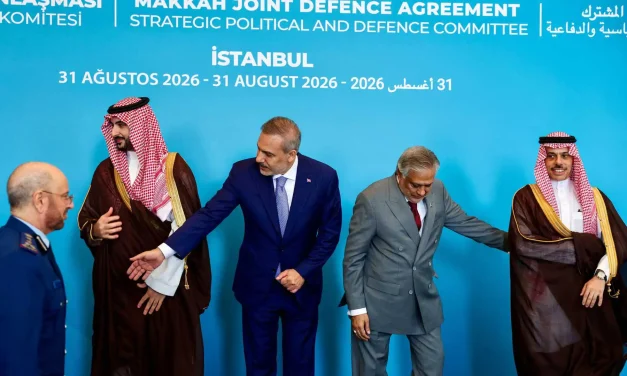
SCFR Online – Opinion: The Makkah Pact, signed on August 7, 2026, between Saudi Arabia, Turkey, and Pakistan, is more than an answer to geopolitical vacuums; in practice, it faces a “deterrence dilemma” and “differing threat perception.” While this pact symbolizes a transition toward regional self-reliance, its first field tests and the complexities of relations with regional actors will determine its real meaning.

Loading

Intermediate-Range Nuclear Forces Treaty

Danger of World Powers’ Regression in Control of Nuclear Weapons

Danger of World Powers’ Regression in Control of Nuclear Weapons

Strategic Council Online – Interview: An international relations professor stated that Russia, after withdrawing ratification of the Comprehensive Nuclear-Test-Ban Treaty, found itself in a situation similar to the United States, adding: The CTBT helped define nuclear de-escalation after the Cold War, but now, with both sides reducing their commitments to the treaty, speculations may begin about the possibility of nuclear tests.

أحدث الوظائف

The Makkah Pact Under scrutiny; From the “Deterrence Dilemma” to the “Risk of Disrupting Security”

SCFR Online – Opinion: The Makkah Pact, signed on August 7, 2026, between Saudi Arabia, Turkey, and Pakistan, is more than an answer to geopolitical vacuums; in practice, it faces a “deterrence dilemma” and “differing threat perception.” While this pact symbolizes a transition toward regional self-reliance, its first field tests and the complexities of relations with regional actors will determine its real meaning.

Loading

Intermediate-Range Nuclear Forces Treaty

Danger of World Powers’ Regression in Control of Nuclear Weapons

Danger of World Powers’ Regression in Control of Nuclear Weapons

Strategic Council Online – Interview: An international relations professor stated that Russia, after withdrawing ratification of the Comprehensive Nuclear-Test-Ban Treaty, found itself in a situation similar to the United States, adding: The CTBT helped define nuclear de-escalation after the Cold War, but now, with both sides reducing their commitments to the treaty, speculations may begin about the possibility of nuclear tests.

Intermediate-Range Nuclear Forces Treaty

Danger of World Powers’ Regression in Control of Nuclear Weapons

Danger of World Powers’ Regression in Control of Nuclear Weapons

Strategic Council Online – Interview: An international relations professor stated that Russia, after withdrawing ratification of the Comprehensive Nuclear-Test-Ban Treaty, found itself in a situation similar to the United States, adding: The CTBT helped define nuclear de-escalation after the Cold War, but now, with both sides reducing their commitments to the treaty, speculations may begin about the possibility of nuclear tests.

LATEST CONTENT

The Makkah Pact Under scrutiny; From the “Deterrence Dilemma” to the “Risk of Disrupting Security”

SCFR Online – Opinion: The Makkah Pact, signed on August 7, 2026, between Saudi Arabia, Turkey, and Pakistan, is more than an answer to geopolitical vacuums; in practice, it faces a “deterrence dilemma” and “differing threat perception.” While this pact symbolizes a transition toward regional self-reliance, its first field tests and the complexities of relations with regional actors will determine its real meaning.

Loading

Intermediate-Range Nuclear Forces Treaty

Danger of World Powers’ Regression in Control of Nuclear Weapons

Danger of World Powers’ Regression in Control of Nuclear Weapons

Strategic Council Online – Interview: An international relations professor stated that Russia, after withdrawing ratification of the Comprehensive Nuclear-Test-Ban Treaty, found itself in a situation similar to the United States, adding: The CTBT helped define nuclear de-escalation after the Cold War, but now, with both sides reducing their commitments to the treaty, speculations may begin about the possibility of nuclear tests.

ÚLTIMAS PUBLICACIONES

The Makkah Pact Under scrutiny; From the “Deterrence Dilemma” to the “Risk of Disrupting Security”

SCFR Online – Opinion: The Makkah Pact, signed on August 7, 2026, between Saudi Arabia, Turkey, and Pakistan, is more than an answer to geopolitical vacuums; in practice, it faces a “deterrence dilemma” and “differing threat perception.” While this pact symbolizes a transition toward regional self-reliance, its first field tests and the complexities of relations with regional actors will determine its real meaning.

Loading

Intermediate-Range Nuclear Forces Treaty

Danger of World Powers’ Regression in Control of Nuclear Weapons

Danger of World Powers’ Regression in Control of Nuclear Weapons

Strategic Council Online – Interview: An international relations professor stated that Russia, after withdrawing ratification of the Comprehensive Nuclear-Test-Ban Treaty, found itself in a situation similar to the United States, adding: The CTBT helped define nuclear de-escalation after the Cold War, but now, with both sides reducing their commitments to the treaty, speculations may begin about the possibility of nuclear tests.

ÚLTIMAS PUBLICACIONES

The Makkah Pact Under scrutiny; From the “Deterrence Dilemma” to the “Risk of Disrupting Security”

SCFR Online – Opinion: The Makkah Pact, signed on August 7, 2026, between Saudi Arabia, Turkey, and Pakistan, is more than an answer to geopolitical vacuums; in practice, it faces a “deterrence dilemma” and “differing threat perception.” While this pact symbolizes a transition toward regional self-reliance, its first field tests and the complexities of relations with regional actors will determine its real meaning.

Loading

Intermediate-Range Nuclear Forces Treaty

Danger of World Powers’ Regression in Control of Nuclear Weapons

Danger of World Powers’ Regression in Control of Nuclear Weapons

Strategic Council Online – Interview: An international relations professor stated that Russia, after withdrawing ratification of the Comprehensive Nuclear-Test-Ban Treaty, found itself in a situation similar to the United States, adding: The CTBT helped define nuclear de-escalation after the Cold War, but now, with both sides reducing their commitments to the treaty, speculations may begin about the possibility of nuclear tests.

ÚLTIMAS PUBLICACIONES

The Makkah Pact Under scrutiny; From the “Deterrence Dilemma” to the “Risk of Disrupting Security”

SCFR Online – Opinion: The Makkah Pact, signed on August 7, 2026, between Saudi Arabia, Turkey, and Pakistan, is more than an answer to geopolitical vacuums; in practice, it faces a “deterrence dilemma” and “differing threat perception.” While this pact symbolizes a transition toward regional self-reliance, its first field tests and the complexities of relations with regional actors will determine its real meaning.

Loading

Intermediate-Range Nuclear Forces Treaty

Danger of World Powers’ Regression in Control of Nuclear Weapons

Danger of World Powers’ Regression in Control of Nuclear Weapons

Strategic Council Online – Interview: An international relations professor stated that Russia, after withdrawing ratification of the Comprehensive Nuclear-Test-Ban Treaty, found itself in a situation similar to the United States, adding: The CTBT helped define nuclear de-escalation after the Cold War, but now, with both sides reducing their commitments to the treaty, speculations may begin about the possibility of nuclear tests.

ÚLTIMAS PUBLICACIONES

The Makkah Pact Under scrutiny; From the “Deterrence Dilemma” to the “Risk of Disrupting Security”

SCFR Online – Opinion: The Makkah Pact, signed on August 7, 2026, between Saudi Arabia, Turkey, and Pakistan, is more than an answer to geopolitical vacuums; in practice, it faces a “deterrence dilemma” and “differing threat perception.” While this pact symbolizes a transition toward regional self-reliance, its first field tests and the complexities of relations with regional actors will determine its real meaning.

Loading