جدیدترین مطالب

Consequences of Declining Trust in the Judiciary in Europe

SCFRonline – Opinion: The increase in public distrust of the French judicial system, which in recent surveys has reached approximately two-thirds of citizens, should be analyzed within a framework broader than temporary dissatisfaction or an emotional reaction to a particular criminal case.

Iran’s Potential Levers of Power

SCFRonline– Opinion: Iran’s geopolitical power is not limited solely to oil and the Strait of Hormuz; the unintended emergence of disruptions in the future global food and energy security chains can also demonstrate Iran’s strategic importance.

The Inseparability of the Lebanese Front from the Axis of Resistance

SCFR Online–Opinion: By providing an extensive network of social, healthcare, educational, and post-war reconstruction services, Hezbollah has established a strong social base for itself among Lebanon’s Shiites and Sunnis, and even beyond that, among other segments of Lebanese society, including Christians. Hezbollah has never been an external actor imposed upon Lebanon; rather, it is a phenomenon fundamentally born out of the occupation and crimes of the Zionist regime and itself influenced by popular resistance.

The Increasing Efforts of the Zionist Regime to Redefine Borders and the Regional Order and Its Consequences

SCFR Online– Opinion: Security and military developments in the region over recent months indicate that the ongoing crises and wars in Gaza, southern Lebanon, and parts of Syrian territory encompass broader dimensions of geopolitical and geostrategic transformations. In this context, the increased military presence and control of the Zionist regime over parts of the territories of these areas, along with proposals regarding the creation of buffer zones or even the expansion of security borders, have raised serious questions about the future of the regional order and its consequences for the countries of West Asia.

Loading

Iran-Saudi relations

A New Chapter Awaits Tehran-Riyadh Relations

A New Chapter Awaits Tehran-Riyadh Relations

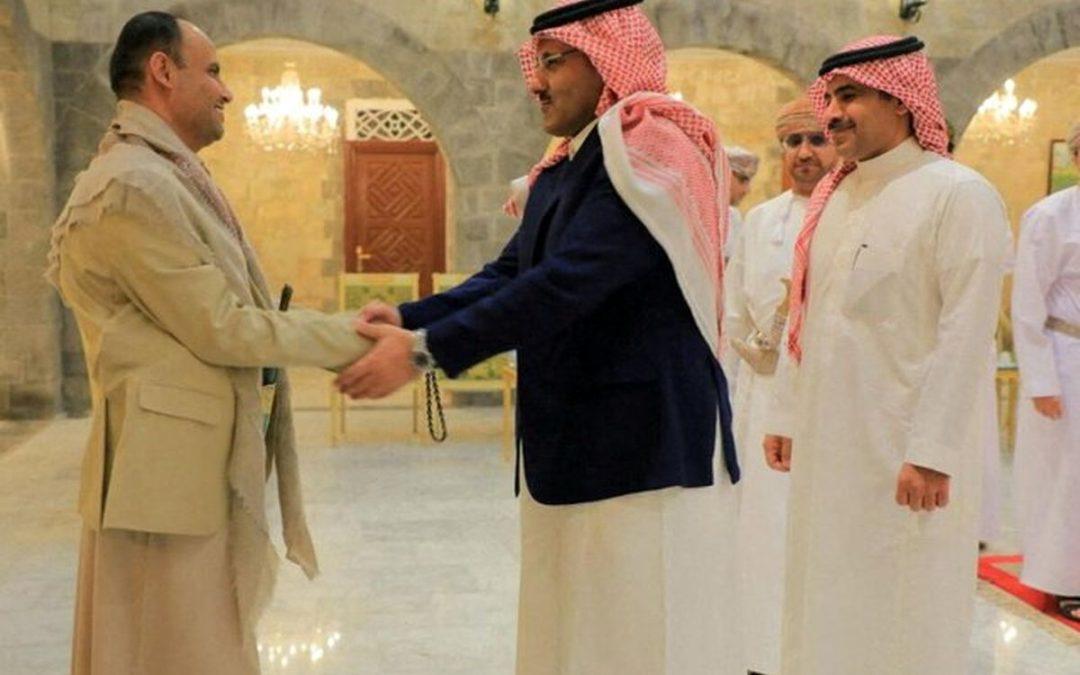
Strategic Council Online – Opinion: The visit of Saudi Defense Minister Khalid bin Salman to Iran, the presentation of the message of the Saudi King to the Supreme Leader of the Revolution, and the meeting with high-ranking officials of the Islamic Republic of Iran, in addition to playing an effective role in strengthening and consolidating bilateral relations, can be effective in providing the necessary platforms and conditions for advancing collective cooperation in the region.

Iran-Saudi Balanced Approach to Reviving Relations

Iran-Saudi Balanced Approach to Reviving Relations

Strategic Council Online – Opinion: The second round of the Iran-Saudi-China trilateral meeting, hosted by Riyadh, signals the development of relations in an atmosphere of increasing regional and international tensions and uncertainties. The meeting also confirmed China’s role beyond facilitating the revived relations between Tehran and Riyadh and related to China’s political economy perspective in the Middle East, which has significant implications for the Beijing-Washington macro-rivalry.

New EU Strategy on Cooperation with the Persian Gulf, Its Challenges

New EU Strategy on Cooperation with the Persian Gulf, Its Challenges

Strategic Council Online – Guest Opinion: Normalization of Iran-Saudi relations with China’s mediation, which is an indication of Beijing’s more significant influence and role in new regional trends in the Middle East, increased speculations about the possibility of changes in the geostrategy of other powers.
Abbas Aslani – Expert on international relations

An Analysis of Prospects for the End of the War in Yemen

An Analysis of Prospects for the End of the War in Yemen

Strategic Council Online – Opinion: In recent weeks, a new round of political and diplomatic developments has begun in the region, the “starting point” of which should be considered the agreement between Iran and Saudi Arabia to resume diplomatic relations. After the meeting of the foreign ministers of the two countries in Beijing, the expert and political delegations of Iran and Saudi Arabia are preparing to reopen the embassies and re-establish bilateral relations.
Barsam Mohammadi – Expert on regional affairs

Strategic Consequences of Improved Ties with the Saudis

Strategic Consequences of Improved Ties with the Saudis

Strategic Council Online – Opinion: The agreement between the Islamic Republic of Iran and the Kingdom of Saudi Arabia to resume bilateral relations is West Asia’s most important political and diplomatic event.
Barsam Mohammadi – International affairs analyst

أحدث الوظائف

Consequences of Declining Trust in the Judiciary in Europe

SCFRonline – Opinion: The increase in public distrust of the French judicial system, which in recent surveys has reached approximately two-thirds of citizens, should be analyzed within a framework broader than temporary dissatisfaction or an emotional reaction to a particular criminal case.

Iran’s Potential Levers of Power

SCFRonline– Opinion: Iran’s geopolitical power is not limited solely to oil and the Strait of Hormuz; the unintended emergence of disruptions in the future global food and energy security chains can also demonstrate Iran’s strategic importance.

The Inseparability of the Lebanese Front from the Axis of Resistance

SCFR Online–Opinion: By providing an extensive network of social, healthcare, educational, and post-war reconstruction services, Hezbollah has established a strong social base for itself among Lebanon’s Shiites and Sunnis, and even beyond that, among other segments of Lebanese society, including Christians. Hezbollah has never been an external actor imposed upon Lebanon; rather, it is a phenomenon fundamentally born out of the occupation and crimes of the Zionist regime and itself influenced by popular resistance.

The Increasing Efforts of the Zionist Regime to Redefine Borders and the Regional Order and Its Consequences

SCFR Online– Opinion: Security and military developments in the region over recent months indicate that the ongoing crises and wars in Gaza, southern Lebanon, and parts of Syrian territory encompass broader dimensions of geopolitical and geostrategic transformations. In this context, the increased military presence and control of the Zionist regime over parts of the territories of these areas, along with proposals regarding the creation of buffer zones or even the expansion of security borders, have raised serious questions about the future of the regional order and its consequences for the countries of West Asia.

Loading

Iran-Saudi relations

A New Chapter Awaits Tehran-Riyadh Relations

A New Chapter Awaits Tehran-Riyadh Relations

Strategic Council Online – Opinion: The visit of Saudi Defense Minister Khalid bin Salman to Iran, the presentation of the message of the Saudi King to the Supreme Leader of the Revolution, and the meeting with high-ranking officials of the Islamic Republic of Iran, in addition to playing an effective role in strengthening and consolidating bilateral relations, can be effective in providing the necessary platforms and conditions for advancing collective cooperation in the region.

Iran-Saudi Balanced Approach to Reviving Relations

Iran-Saudi Balanced Approach to Reviving Relations

Strategic Council Online – Opinion: The second round of the Iran-Saudi-China trilateral meeting, hosted by Riyadh, signals the development of relations in an atmosphere of increasing regional and international tensions and uncertainties. The meeting also confirmed China’s role beyond facilitating the revived relations between Tehran and Riyadh and related to China’s political economy perspective in the Middle East, which has significant implications for the Beijing-Washington macro-rivalry.

New EU Strategy on Cooperation with the Persian Gulf, Its Challenges

New EU Strategy on Cooperation with the Persian Gulf, Its Challenges

Strategic Council Online – Guest Opinion: Normalization of Iran-Saudi relations with China’s mediation, which is an indication of Beijing’s more significant influence and role in new regional trends in the Middle East, increased speculations about the possibility of changes in the geostrategy of other powers.
Abbas Aslani – Expert on international relations

An Analysis of Prospects for the End of the War in Yemen

An Analysis of Prospects for the End of the War in Yemen

Strategic Council Online – Opinion: In recent weeks, a new round of political and diplomatic developments has begun in the region, the “starting point” of which should be considered the agreement between Iran and Saudi Arabia to resume diplomatic relations. After the meeting of the foreign ministers of the two countries in Beijing, the expert and political delegations of Iran and Saudi Arabia are preparing to reopen the embassies and re-establish bilateral relations.
Barsam Mohammadi – Expert on regional affairs

Strategic Consequences of Improved Ties with the Saudis

Strategic Consequences of Improved Ties with the Saudis

Strategic Council Online – Opinion: The agreement between the Islamic Republic of Iran and the Kingdom of Saudi Arabia to resume bilateral relations is West Asia’s most important political and diplomatic event.
Barsam Mohammadi – International affairs analyst

Iran-Saudi relations

A New Chapter Awaits Tehran-Riyadh Relations

A New Chapter Awaits Tehran-Riyadh Relations

Strategic Council Online – Opinion: The visit of Saudi Defense Minister Khalid bin Salman to Iran, the presentation of the message of the Saudi King to the Supreme Leader of the Revolution, and the meeting with high-ranking officials of the Islamic Republic of Iran, in addition to playing an effective role in strengthening and consolidating bilateral relations, can be effective in providing the necessary platforms and conditions for advancing collective cooperation in the region.

Iran-Saudi Balanced Approach to Reviving Relations

Iran-Saudi Balanced Approach to Reviving Relations

Strategic Council Online – Opinion: The second round of the Iran-Saudi-China trilateral meeting, hosted by Riyadh, signals the development of relations in an atmosphere of increasing regional and international tensions and uncertainties. The meeting also confirmed China’s role beyond facilitating the revived relations between Tehran and Riyadh and related to China’s political economy perspective in the Middle East, which has significant implications for the Beijing-Washington macro-rivalry.

New EU Strategy on Cooperation with the Persian Gulf, Its Challenges

New EU Strategy on Cooperation with the Persian Gulf, Its Challenges

Strategic Council Online – Guest Opinion: Normalization of Iran-Saudi relations with China’s mediation, which is an indication of Beijing’s more significant influence and role in new regional trends in the Middle East, increased speculations about the possibility of changes in the geostrategy of other powers.
Abbas Aslani – Expert on international relations

An Analysis of Prospects for the End of the War in Yemen

An Analysis of Prospects for the End of the War in Yemen

Strategic Council Online – Opinion: In recent weeks, a new round of political and diplomatic developments has begun in the region, the “starting point” of which should be considered the agreement between Iran and Saudi Arabia to resume diplomatic relations. After the meeting of the foreign ministers of the two countries in Beijing, the expert and political delegations of Iran and Saudi Arabia are preparing to reopen the embassies and re-establish bilateral relations.
Barsam Mohammadi – Expert on regional affairs

Strategic Consequences of Improved Ties with the Saudis

Strategic Consequences of Improved Ties with the Saudis

Strategic Council Online – Opinion: The agreement between the Islamic Republic of Iran and the Kingdom of Saudi Arabia to resume bilateral relations is West Asia’s most important political and diplomatic event.
Barsam Mohammadi – International affairs analyst

LATEST CONTENT

Consequences of Declining Trust in the Judiciary in Europe

SCFRonline – Opinion: The increase in public distrust of the French judicial system, which in recent surveys has reached approximately two-thirds of citizens, should be analyzed within a framework broader than temporary dissatisfaction or an emotional reaction to a particular criminal case.

Iran’s Potential Levers of Power

SCFRonline– Opinion: Iran’s geopolitical power is not limited solely to oil and the Strait of Hormuz; the unintended emergence of disruptions in the future global food and energy security chains can also demonstrate Iran’s strategic importance.

The Inseparability of the Lebanese Front from the Axis of Resistance

SCFR Online–Opinion: By providing an extensive network of social, healthcare, educational, and post-war reconstruction services, Hezbollah has established a strong social base for itself among Lebanon’s Shiites and Sunnis, and even beyond that, among other segments of Lebanese society, including Christians. Hezbollah has never been an external actor imposed upon Lebanon; rather, it is a phenomenon fundamentally born out of the occupation and crimes of the Zionist regime and itself influenced by popular resistance.

The Increasing Efforts of the Zionist Regime to Redefine Borders and the Regional Order and Its Consequences

SCFR Online– Opinion: Security and military developments in the region over recent months indicate that the ongoing crises and wars in Gaza, southern Lebanon, and parts of Syrian territory encompass broader dimensions of geopolitical and geostrategic transformations. In this context, the increased military presence and control of the Zionist regime over parts of the territories of these areas, along with proposals regarding the creation of buffer zones or even the expansion of security borders, have raised serious questions about the future of the regional order and its consequences for the countries of West Asia.

Loading

Iran-Saudi relations

A New Chapter Awaits Tehran-Riyadh Relations

A New Chapter Awaits Tehran-Riyadh Relations

Strategic Council Online – Opinion: The visit of Saudi Defense Minister Khalid bin Salman to Iran, the presentation of the message of the Saudi King to the Supreme Leader of the Revolution, and the meeting with high-ranking officials of the Islamic Republic of Iran, in addition to playing an effective role in strengthening and consolidating bilateral relations, can be effective in providing the necessary platforms and conditions for advancing collective cooperation in the region.

Iran-Saudi Balanced Approach to Reviving Relations

Iran-Saudi Balanced Approach to Reviving Relations

Strategic Council Online – Opinion: The second round of the Iran-Saudi-China trilateral meeting, hosted by Riyadh, signals the development of relations in an atmosphere of increasing regional and international tensions and uncertainties. The meeting also confirmed China’s role beyond facilitating the revived relations between Tehran and Riyadh and related to China’s political economy perspective in the Middle East, which has significant implications for the Beijing-Washington macro-rivalry.

New EU Strategy on Cooperation with the Persian Gulf, Its Challenges

New EU Strategy on Cooperation with the Persian Gulf, Its Challenges

Strategic Council Online – Guest Opinion: Normalization of Iran-Saudi relations with China’s mediation, which is an indication of Beijing’s more significant influence and role in new regional trends in the Middle East, increased speculations about the possibility of changes in the geostrategy of other powers.
Abbas Aslani – Expert on international relations

An Analysis of Prospects for the End of the War in Yemen

An Analysis of Prospects for the End of the War in Yemen

Strategic Council Online – Opinion: In recent weeks, a new round of political and diplomatic developments has begun in the region, the “starting point” of which should be considered the agreement between Iran and Saudi Arabia to resume diplomatic relations. After the meeting of the foreign ministers of the two countries in Beijing, the expert and political delegations of Iran and Saudi Arabia are preparing to reopen the embassies and re-establish bilateral relations.
Barsam Mohammadi – Expert on regional affairs

Strategic Consequences of Improved Ties with the Saudis

Strategic Consequences of Improved Ties with the Saudis

Strategic Council Online – Opinion: The agreement between the Islamic Republic of Iran and the Kingdom of Saudi Arabia to resume bilateral relations is West Asia’s most important political and diplomatic event.
Barsam Mohammadi – International affairs analyst

ÚLTIMAS PUBLICACIONES

Consequences of Declining Trust in the Judiciary in Europe

SCFRonline – Opinion: The increase in public distrust of the French judicial system, which in recent surveys has reached approximately two-thirds of citizens, should be analyzed within a framework broader than temporary dissatisfaction or an emotional reaction to a particular criminal case.

Iran’s Potential Levers of Power

SCFRonline– Opinion: Iran’s geopolitical power is not limited solely to oil and the Strait of Hormuz; the unintended emergence of disruptions in the future global food and energy security chains can also demonstrate Iran’s strategic importance.

The Inseparability of the Lebanese Front from the Axis of Resistance

SCFR Online–Opinion: By providing an extensive network of social, healthcare, educational, and post-war reconstruction services, Hezbollah has established a strong social base for itself among Lebanon’s Shiites and Sunnis, and even beyond that, among other segments of Lebanese society, including Christians. Hezbollah has never been an external actor imposed upon Lebanon; rather, it is a phenomenon fundamentally born out of the occupation and crimes of the Zionist regime and itself influenced by popular resistance.

The Increasing Efforts of the Zionist Regime to Redefine Borders and the Regional Order and Its Consequences

SCFR Online– Opinion: Security and military developments in the region over recent months indicate that the ongoing crises and wars in Gaza, southern Lebanon, and parts of Syrian territory encompass broader dimensions of geopolitical and geostrategic transformations. In this context, the increased military presence and control of the Zionist regime over parts of the territories of these areas, along with proposals regarding the creation of buffer zones or even the expansion of security borders, have raised serious questions about the future of the regional order and its consequences for the countries of West Asia.

Loading

Iran-Saudi relations

A New Chapter Awaits Tehran-Riyadh Relations

A New Chapter Awaits Tehran-Riyadh Relations

Strategic Council Online – Opinion: The visit of Saudi Defense Minister Khalid bin Salman to Iran, the presentation of the message of the Saudi King to the Supreme Leader of the Revolution, and the meeting with high-ranking officials of the Islamic Republic of Iran, in addition to playing an effective role in strengthening and consolidating bilateral relations, can be effective in providing the necessary platforms and conditions for advancing collective cooperation in the region.

Iran-Saudi Balanced Approach to Reviving Relations

Iran-Saudi Balanced Approach to Reviving Relations

Strategic Council Online – Opinion: The second round of the Iran-Saudi-China trilateral meeting, hosted by Riyadh, signals the development of relations in an atmosphere of increasing regional and international tensions and uncertainties. The meeting also confirmed China’s role beyond facilitating the revived relations between Tehran and Riyadh and related to China’s political economy perspective in the Middle East, which has significant implications for the Beijing-Washington macro-rivalry.

New EU Strategy on Cooperation with the Persian Gulf, Its Challenges

New EU Strategy on Cooperation with the Persian Gulf, Its Challenges

Strategic Council Online – Guest Opinion: Normalization of Iran-Saudi relations with China’s mediation, which is an indication of Beijing’s more significant influence and role in new regional trends in the Middle East, increased speculations about the possibility of changes in the geostrategy of other powers.
Abbas Aslani – Expert on international relations

An Analysis of Prospects for the End of the War in Yemen

An Analysis of Prospects for the End of the War in Yemen

Strategic Council Online – Opinion: In recent weeks, a new round of political and diplomatic developments has begun in the region, the “starting point” of which should be considered the agreement between Iran and Saudi Arabia to resume diplomatic relations. After the meeting of the foreign ministers of the two countries in Beijing, the expert and political delegations of Iran and Saudi Arabia are preparing to reopen the embassies and re-establish bilateral relations.
Barsam Mohammadi – Expert on regional affairs

Strategic Consequences of Improved Ties with the Saudis

Strategic Consequences of Improved Ties with the Saudis

Strategic Council Online – Opinion: The agreement between the Islamic Republic of Iran and the Kingdom of Saudi Arabia to resume bilateral relations is West Asia’s most important political and diplomatic event.
Barsam Mohammadi – International affairs analyst

ÚLTIMAS PUBLICACIONES

Consequences of Declining Trust in the Judiciary in Europe

SCFRonline – Opinion: The increase in public distrust of the French judicial system, which in recent surveys has reached approximately two-thirds of citizens, should be analyzed within a framework broader than temporary dissatisfaction or an emotional reaction to a particular criminal case.

Iran’s Potential Levers of Power

SCFRonline– Opinion: Iran’s geopolitical power is not limited solely to oil and the Strait of Hormuz; the unintended emergence of disruptions in the future global food and energy security chains can also demonstrate Iran’s strategic importance.

The Inseparability of the Lebanese Front from the Axis of Resistance

SCFR Online–Opinion: By providing an extensive network of social, healthcare, educational, and post-war reconstruction services, Hezbollah has established a strong social base for itself among Lebanon’s Shiites and Sunnis, and even beyond that, among other segments of Lebanese society, including Christians. Hezbollah has never been an external actor imposed upon Lebanon; rather, it is a phenomenon fundamentally born out of the occupation and crimes of the Zionist regime and itself influenced by popular resistance.

The Increasing Efforts of the Zionist Regime to Redefine Borders and the Regional Order and Its Consequences

SCFR Online– Opinion: Security and military developments in the region over recent months indicate that the ongoing crises and wars in Gaza, southern Lebanon, and parts of Syrian territory encompass broader dimensions of geopolitical and geostrategic transformations. In this context, the increased military presence and control of the Zionist regime over parts of the territories of these areas, along with proposals regarding the creation of buffer zones or even the expansion of security borders, have raised serious questions about the future of the regional order and its consequences for the countries of West Asia.

Loading

Iran-Saudi relations

A New Chapter Awaits Tehran-Riyadh Relations

A New Chapter Awaits Tehran-Riyadh Relations

Strategic Council Online – Opinion: The visit of Saudi Defense Minister Khalid bin Salman to Iran, the presentation of the message of the Saudi King to the Supreme Leader of the Revolution, and the meeting with high-ranking officials of the Islamic Republic of Iran, in addition to playing an effective role in strengthening and consolidating bilateral relations, can be effective in providing the necessary platforms and conditions for advancing collective cooperation in the region.

Iran-Saudi Balanced Approach to Reviving Relations

Iran-Saudi Balanced Approach to Reviving Relations

Strategic Council Online – Opinion: The second round of the Iran-Saudi-China trilateral meeting, hosted by Riyadh, signals the development of relations in an atmosphere of increasing regional and international tensions and uncertainties. The meeting also confirmed China’s role beyond facilitating the revived relations between Tehran and Riyadh and related to China’s political economy perspective in the Middle East, which has significant implications for the Beijing-Washington macro-rivalry.

New EU Strategy on Cooperation with the Persian Gulf, Its Challenges

New EU Strategy on Cooperation with the Persian Gulf, Its Challenges

Strategic Council Online – Guest Opinion: Normalization of Iran-Saudi relations with China’s mediation, which is an indication of Beijing’s more significant influence and role in new regional trends in the Middle East, increased speculations about the possibility of changes in the geostrategy of other powers.
Abbas Aslani – Expert on international relations

An Analysis of Prospects for the End of the War in Yemen

An Analysis of Prospects for the End of the War in Yemen

Strategic Council Online – Opinion: In recent weeks, a new round of political and diplomatic developments has begun in the region, the “starting point” of which should be considered the agreement between Iran and Saudi Arabia to resume diplomatic relations. After the meeting of the foreign ministers of the two countries in Beijing, the expert and political delegations of Iran and Saudi Arabia are preparing to reopen the embassies and re-establish bilateral relations.
Barsam Mohammadi – Expert on regional affairs

Strategic Consequences of Improved Ties with the Saudis

Strategic Consequences of Improved Ties with the Saudis

Strategic Council Online – Opinion: The agreement between the Islamic Republic of Iran and the Kingdom of Saudi Arabia to resume bilateral relations is West Asia’s most important political and diplomatic event.
Barsam Mohammadi – International affairs analyst

ÚLTIMAS PUBLICACIONES

Consequences of Declining Trust in the Judiciary in Europe

SCFRonline – Opinion: The increase in public distrust of the French judicial system, which in recent surveys has reached approximately two-thirds of citizens, should be analyzed within a framework broader than temporary dissatisfaction or an emotional reaction to a particular criminal case.

Iran’s Potential Levers of Power

SCFRonline– Opinion: Iran’s geopolitical power is not limited solely to oil and the Strait of Hormuz; the unintended emergence of disruptions in the future global food and energy security chains can also demonstrate Iran’s strategic importance.

The Inseparability of the Lebanese Front from the Axis of Resistance

SCFR Online–Opinion: By providing an extensive network of social, healthcare, educational, and post-war reconstruction services, Hezbollah has established a strong social base for itself among Lebanon’s Shiites and Sunnis, and even beyond that, among other segments of Lebanese society, including Christians. Hezbollah has never been an external actor imposed upon Lebanon; rather, it is a phenomenon fundamentally born out of the occupation and crimes of the Zionist regime and itself influenced by popular resistance.

The Increasing Efforts of the Zionist Regime to Redefine Borders and the Regional Order and Its Consequences

SCFR Online– Opinion: Security and military developments in the region over recent months indicate that the ongoing crises and wars in Gaza, southern Lebanon, and parts of Syrian territory encompass broader dimensions of geopolitical and geostrategic transformations. In this context, the increased military presence and control of the Zionist regime over parts of the territories of these areas, along with proposals regarding the creation of buffer zones or even the expansion of security borders, have raised serious questions about the future of the regional order and its consequences for the countries of West Asia.

Loading

Iran-Saudi relations

A New Chapter Awaits Tehran-Riyadh Relations

A New Chapter Awaits Tehran-Riyadh Relations

Strategic Council Online – Opinion: The visit of Saudi Defense Minister Khalid bin Salman to Iran, the presentation of the message of the Saudi King to the Supreme Leader of the Revolution, and the meeting with high-ranking officials of the Islamic Republic of Iran, in addition to playing an effective role in strengthening and consolidating bilateral relations, can be effective in providing the necessary platforms and conditions for advancing collective cooperation in the region.

Iran-Saudi Balanced Approach to Reviving Relations

Iran-Saudi Balanced Approach to Reviving Relations

Strategic Council Online – Opinion: The second round of the Iran-Saudi-China trilateral meeting, hosted by Riyadh, signals the development of relations in an atmosphere of increasing regional and international tensions and uncertainties. The meeting also confirmed China’s role beyond facilitating the revived relations between Tehran and Riyadh and related to China’s political economy perspective in the Middle East, which has significant implications for the Beijing-Washington macro-rivalry.

New EU Strategy on Cooperation with the Persian Gulf, Its Challenges

New EU Strategy on Cooperation with the Persian Gulf, Its Challenges

Strategic Council Online – Guest Opinion: Normalization of Iran-Saudi relations with China’s mediation, which is an indication of Beijing’s more significant influence and role in new regional trends in the Middle East, increased speculations about the possibility of changes in the geostrategy of other powers.
Abbas Aslani – Expert on international relations

An Analysis of Prospects for the End of the War in Yemen

An Analysis of Prospects for the End of the War in Yemen

Strategic Council Online – Opinion: In recent weeks, a new round of political and diplomatic developments has begun in the region, the “starting point” of which should be considered the agreement between Iran and Saudi Arabia to resume diplomatic relations. After the meeting of the foreign ministers of the two countries in Beijing, the expert and political delegations of Iran and Saudi Arabia are preparing to reopen the embassies and re-establish bilateral relations.
Barsam Mohammadi – Expert on regional affairs

Strategic Consequences of Improved Ties with the Saudis

Strategic Consequences of Improved Ties with the Saudis

Strategic Council Online – Opinion: The agreement between the Islamic Republic of Iran and the Kingdom of Saudi Arabia to resume bilateral relations is West Asia’s most important political and diplomatic event.
Barsam Mohammadi – International affairs analyst

ÚLTIMAS PUBLICACIONES

Consequences of Declining Trust in the Judiciary in Europe

SCFRonline – Opinion: The increase in public distrust of the French judicial system, which in recent surveys has reached approximately two-thirds of citizens, should be analyzed within a framework broader than temporary dissatisfaction or an emotional reaction to a particular criminal case.

Iran’s Potential Levers of Power

SCFRonline– Opinion: Iran’s geopolitical power is not limited solely to oil and the Strait of Hormuz; the unintended emergence of disruptions in the future global food and energy security chains can also demonstrate Iran’s strategic importance.

The Inseparability of the Lebanese Front from the Axis of Resistance

SCFR Online–Opinion: By providing an extensive network of social, healthcare, educational, and post-war reconstruction services, Hezbollah has established a strong social base for itself among Lebanon’s Shiites and Sunnis, and even beyond that, among other segments of Lebanese society, including Christians. Hezbollah has never been an external actor imposed upon Lebanon; rather, it is a phenomenon fundamentally born out of the occupation and crimes of the Zionist regime and itself influenced by popular resistance.

The Increasing Efforts of the Zionist Regime to Redefine Borders and the Regional Order and Its Consequences

SCFR Online– Opinion: Security and military developments in the region over recent months indicate that the ongoing crises and wars in Gaza, southern Lebanon, and parts of Syrian territory encompass broader dimensions of geopolitical and geostrategic transformations. In this context, the increased military presence and control of the Zionist regime over parts of the territories of these areas, along with proposals regarding the creation of buffer zones or even the expansion of security borders, have raised serious questions about the future of the regional order and its consequences for the countries of West Asia.

Loading