جدیدترین مطالب

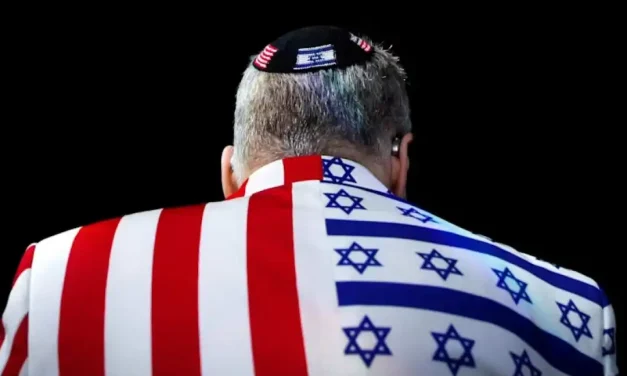
Increasing criticism of the extensive Zionist lobby network

SCFR Online – Opinion: An examination of the mechanisms of the Israeli regime’s influence in the United States depicts a complex picture of shared interests, strategic dependencies, and the limitations of this relationship.

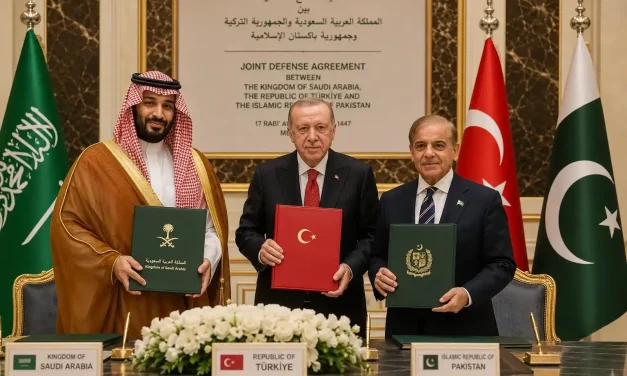
Realities of the Tripartite Makkah Pact

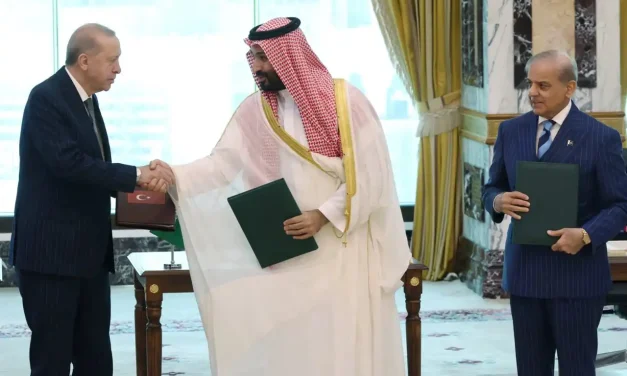
SCFR Online – Interview: The signing of the Makkah agreement between Saudi Arabia, Pakistan, and Turkey has raised questions about the future of the region’s security structure and the position of these countries in West Asian equations. Can this agreement become a genuine collective defense mechanism, or does it have more of a political and deterrent function than creating new military capacity?

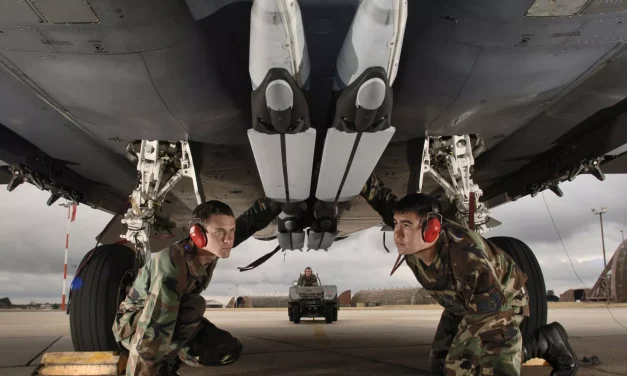
Strategic Implications of the Reduction of US Weapons Stockpiles

SCFR Online – Opinion: The continuation of the US war against Iran, in addition to increasing operational costs, has called into question the actual capacity of the American arsenal to simultaneously fulfill security commitments on multiple fronts; an issue that affects deterrence, defense production capacity, and Washington’s resource prioritization.

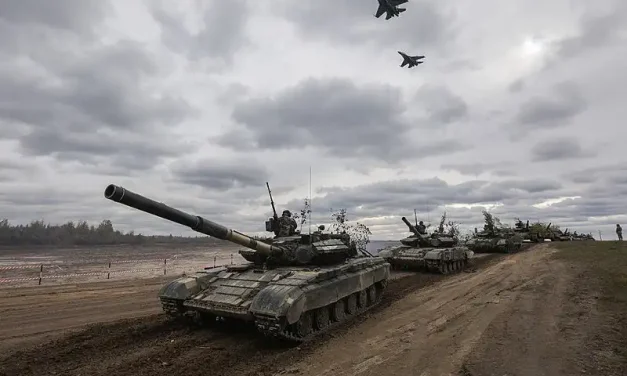
The Formation of a New Order in Relations Between Powers

SCFR Online – Opinion: The Russia-Ukraine war and the war of the United States and the Israeli regime against Iran have been formed with different objectives and actors, but field and political developments indicate that they are not entirely separate from one another.

An Analysis of the Makkah Defense Pact

SCFR Online – Opinion: On Friday, August 7, the heads of state of three countries – Saudi Arabia, Turkey, and Pakistan – signed a text under the title “Makkah Joint Defense Agreement.”

Dimensions and challenges of the initiative to revive the Hejaz Railway

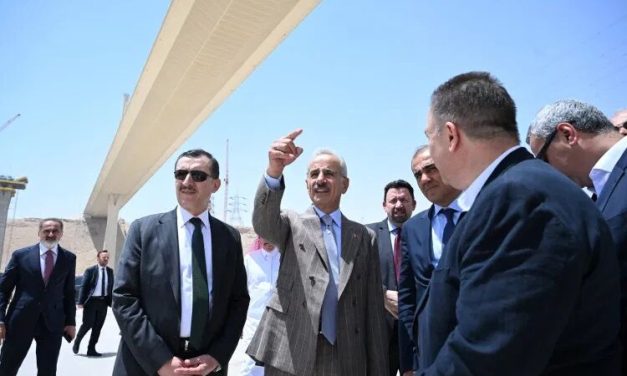
Strategic Council Online – Note: The initiative to revive the Hejaz Railway, beyond being a transportation project, constitutes an attempt to redefine geopolitics, the economy, and Turkey’s regional position; however, its realization appears to face significant financial, security, and institutional challenges.

Loading

Iran

Hariri’s Trip to Qatar; Sign of Decline of Saudi Role in Lebanon

Hariri’s Trip to Qatar; Sign of Decline of Saudi Role in Lebanon

Strategic Council Online – An expert on the Middle East affairs referred to the recent visit of Lebanese Prime Minister Saad Hariri to Qatar and said: Hariri’s visit to Doha and earlier to Abu Dhabi was aimed at gaining economic and political support from those countries and strengthening his position for the post of prime minister.

Objectives of NATO in increasing military forces in Iraq

Objectives of NATO in increasing military forces in Iraq

Strategic Council Online—Interview: A university professor says re-stationing of American military personnel in Iraq, giving legitimacy to their presence and weakening the status of Hashd al-Shabi in Iraq are the main objectives of NATO’s decision to increase the number of its military forces in Iraq by eight times, adding that if there is no serious determination by foreign players to make Iraq insecure, Iraqi forces can guarantee security in the fight against terrorism.

An Analysis on Biden’s Remarks at Munich Security Conference

An Analysis on Biden’s Remarks at Munich Security Conference

Strategic Council Online – In the nearly 60-year old history of the Munich Security Conference, which is held annually by the private sector on global security policy in the presence of international security and military politicians, this is the first time that a president of the United States has attended it, and for the first time since taking office, has addressed the European audience directly.
Mahmoud Fazeli – Analyst of international affairs

Importance, Necessity of Ending Yemen War; Responsibility of UN Security Council

Importance, Necessity of Ending Yemen War; Responsibility of UN Security Council

Strategic Council Online – Positions and remarks of the officials of the new US administration show that the war in Yemen is one of the important topics on the agenda of the White House in the field of foreign policy. As US President Joe Biden described in his first foreign policy speech the Yemen war: “a war which has created humanitarian and strategic catastrophe. …This war has to end.”
Hamid Khoshayand – Analyst of international affairs

Necessity and Possibility for Convergence in Middle East in Post-Trump Period

Necessity and Possibility for Convergence in Middle East in Post-Trump Period

Strategic Council Online – The former Director-General of the Middle East Department of the Ministry of Foreign Affairs, stating that the interests of governments and regional powers in the Middle East are in conflict and trans-regional players too are not interested in its stability and security, said: In case relations with Saudi Arabia are organized through diplomacy and differences are resolved through negotiation it would help improve the two countries’ position in the world.

Prospects of Iran-EU Relations in Post-Trump Era

Prospects of Iran-EU Relations in Post-Trump Era

Strategic Council Online – An analyst of Europe affairs said: The EU will definitely work in the future to persuade the United States to return to the Joint Comprehensive Plan of Action (JCPOA) and by providing credit line, economic incentives and close engagement and cooperation with China and Russia as Iran’s allies will continue to encourage Tehran to stay in the JCPOA.

The new US government’s view of the American military presence in Afghanistan

The new US government’s view of the American military presence in Afghanistan

Strategic Council Online—Interview: An expert of Afghanistan affairs says it seems the Americans had reached an agreement with the Taliban to limit their military presence in Afghanistan, adding that the United States would prolong its military presence in Afghanistan not to lose it to its rivals like in Iraq.

Prospect of US-Saudi Relations under Biden Presidency

Prospect of US-Saudi Relations under Biden Presidency

Strategic Council Online – A researcher at the Center for the Middle East Studies commenting on the challenges ahead for the Saudi government says with Biden coming to power, Saudi Arabia will no longer have the favourable position and special place it had in the Donald Trump administration.

Return of Global Competitions in the light of Coronavirus Pandemic

Return of Global Competitions in the light of Coronavirus Pandemic

Strategic Council Online – A faculty member of the School of International Relations at the Ministry of Foreign Affairs stated that the short, medium and long-term impacts of the Coronavirus on international politics, security, and the economy will be significant. He noted: Competition in the field of vaccines and their distribution process in manufacturing countries and their allies has been emerged, creating new economic geography that may be used in future.

أحدث الوظائف

Increasing criticism of the extensive Zionist lobby network

SCFR Online – Opinion: An examination of the mechanisms of the Israeli regime’s influence in the United States depicts a complex picture of shared interests, strategic dependencies, and the limitations of this relationship.

Realities of the Tripartite Makkah Pact

SCFR Online – Interview: The signing of the Makkah agreement between Saudi Arabia, Pakistan, and Turkey has raised questions about the future of the region’s security structure and the position of these countries in West Asian equations. Can this agreement become a genuine collective defense mechanism, or does it have more of a political and deterrent function than creating new military capacity?

Strategic Implications of the Reduction of US Weapons Stockpiles

SCFR Online – Opinion: The continuation of the US war against Iran, in addition to increasing operational costs, has called into question the actual capacity of the American arsenal to simultaneously fulfill security commitments on multiple fronts; an issue that affects deterrence, defense production capacity, and Washington’s resource prioritization.

The Formation of a New Order in Relations Between Powers

SCFR Online – Opinion: The Russia-Ukraine war and the war of the United States and the Israeli regime against Iran have been formed with different objectives and actors, but field and political developments indicate that they are not entirely separate from one another.

An Analysis of the Makkah Defense Pact

SCFR Online – Opinion: On Friday, August 7, the heads of state of three countries – Saudi Arabia, Turkey, and Pakistan – signed a text under the title “Makkah Joint Defense Agreement.”

Dimensions and challenges of the initiative to revive the Hejaz Railway

Strategic Council Online – Note: The initiative to revive the Hejaz Railway, beyond being a transportation project, constitutes an attempt to redefine geopolitics, the economy, and Turkey’s regional position; however, its realization appears to face significant financial, security, and institutional challenges.

Loading

Iran

Hariri’s Trip to Qatar; Sign of Decline of Saudi Role in Lebanon

Hariri’s Trip to Qatar; Sign of Decline of Saudi Role in Lebanon

Strategic Council Online – An expert on the Middle East affairs referred to the recent visit of Lebanese Prime Minister Saad Hariri to Qatar and said: Hariri’s visit to Doha and earlier to Abu Dhabi was aimed at gaining economic and political support from those countries and strengthening his position for the post of prime minister.

Objectives of NATO in increasing military forces in Iraq

Objectives of NATO in increasing military forces in Iraq

Strategic Council Online—Interview: A university professor says re-stationing of American military personnel in Iraq, giving legitimacy to their presence and weakening the status of Hashd al-Shabi in Iraq are the main objectives of NATO’s decision to increase the number of its military forces in Iraq by eight times, adding that if there is no serious determination by foreign players to make Iraq insecure, Iraqi forces can guarantee security in the fight against terrorism.

An Analysis on Biden’s Remarks at Munich Security Conference

An Analysis on Biden’s Remarks at Munich Security Conference

Strategic Council Online – In the nearly 60-year old history of the Munich Security Conference, which is held annually by the private sector on global security policy in the presence of international security and military politicians, this is the first time that a president of the United States has attended it, and for the first time since taking office, has addressed the European audience directly.
Mahmoud Fazeli – Analyst of international affairs

Importance, Necessity of Ending Yemen War; Responsibility of UN Security Council

Importance, Necessity of Ending Yemen War; Responsibility of UN Security Council

Strategic Council Online – Positions and remarks of the officials of the new US administration show that the war in Yemen is one of the important topics on the agenda of the White House in the field of foreign policy. As US President Joe Biden described in his first foreign policy speech the Yemen war: “a war which has created humanitarian and strategic catastrophe. …This war has to end.”
Hamid Khoshayand – Analyst of international affairs

Necessity and Possibility for Convergence in Middle East in Post-Trump Period

Necessity and Possibility for Convergence in Middle East in Post-Trump Period

Strategic Council Online – The former Director-General of the Middle East Department of the Ministry of Foreign Affairs, stating that the interests of governments and regional powers in the Middle East are in conflict and trans-regional players too are not interested in its stability and security, said: In case relations with Saudi Arabia are organized through diplomacy and differences are resolved through negotiation it would help improve the two countries’ position in the world.

Prospects of Iran-EU Relations in Post-Trump Era

Prospects of Iran-EU Relations in Post-Trump Era

Strategic Council Online – An analyst of Europe affairs said: The EU will definitely work in the future to persuade the United States to return to the Joint Comprehensive Plan of Action (JCPOA) and by providing credit line, economic incentives and close engagement and cooperation with China and Russia as Iran’s allies will continue to encourage Tehran to stay in the JCPOA.

The new US government’s view of the American military presence in Afghanistan

The new US government’s view of the American military presence in Afghanistan

Strategic Council Online—Interview: An expert of Afghanistan affairs says it seems the Americans had reached an agreement with the Taliban to limit their military presence in Afghanistan, adding that the United States would prolong its military presence in Afghanistan not to lose it to its rivals like in Iraq.

Prospect of US-Saudi Relations under Biden Presidency

Prospect of US-Saudi Relations under Biden Presidency

Strategic Council Online – A researcher at the Center for the Middle East Studies commenting on the challenges ahead for the Saudi government says with Biden coming to power, Saudi Arabia will no longer have the favourable position and special place it had in the Donald Trump administration.

Return of Global Competitions in the light of Coronavirus Pandemic

Return of Global Competitions in the light of Coronavirus Pandemic

Strategic Council Online – A faculty member of the School of International Relations at the Ministry of Foreign Affairs stated that the short, medium and long-term impacts of the Coronavirus on international politics, security, and the economy will be significant. He noted: Competition in the field of vaccines and their distribution process in manufacturing countries and their allies has been emerged, creating new economic geography that may be used in future.

Iran

Hariri’s Trip to Qatar; Sign of Decline of Saudi Role in Lebanon

Hariri’s Trip to Qatar; Sign of Decline of Saudi Role in Lebanon

Strategic Council Online – An expert on the Middle East affairs referred to the recent visit of Lebanese Prime Minister Saad Hariri to Qatar and said: Hariri’s visit to Doha and earlier to Abu Dhabi was aimed at gaining economic and political support from those countries and strengthening his position for the post of prime minister.

Objectives of NATO in increasing military forces in Iraq

Objectives of NATO in increasing military forces in Iraq

Strategic Council Online—Interview: A university professor says re-stationing of American military personnel in Iraq, giving legitimacy to their presence and weakening the status of Hashd al-Shabi in Iraq are the main objectives of NATO’s decision to increase the number of its military forces in Iraq by eight times, adding that if there is no serious determination by foreign players to make Iraq insecure, Iraqi forces can guarantee security in the fight against terrorism.

An Analysis on Biden’s Remarks at Munich Security Conference

An Analysis on Biden’s Remarks at Munich Security Conference

Strategic Council Online – In the nearly 60-year old history of the Munich Security Conference, which is held annually by the private sector on global security policy in the presence of international security and military politicians, this is the first time that a president of the United States has attended it, and for the first time since taking office, has addressed the European audience directly.
Mahmoud Fazeli – Analyst of international affairs

Importance, Necessity of Ending Yemen War; Responsibility of UN Security Council

Importance, Necessity of Ending Yemen War; Responsibility of UN Security Council

Strategic Council Online – Positions and remarks of the officials of the new US administration show that the war in Yemen is one of the important topics on the agenda of the White House in the field of foreign policy. As US President Joe Biden described in his first foreign policy speech the Yemen war: “a war which has created humanitarian and strategic catastrophe. …This war has to end.”
Hamid Khoshayand – Analyst of international affairs

Necessity and Possibility for Convergence in Middle East in Post-Trump Period

Necessity and Possibility for Convergence in Middle East in Post-Trump Period

Strategic Council Online – The former Director-General of the Middle East Department of the Ministry of Foreign Affairs, stating that the interests of governments and regional powers in the Middle East are in conflict and trans-regional players too are not interested in its stability and security, said: In case relations with Saudi Arabia are organized through diplomacy and differences are resolved through negotiation it would help improve the two countries’ position in the world.

Prospects of Iran-EU Relations in Post-Trump Era

Prospects of Iran-EU Relations in Post-Trump Era

Strategic Council Online – An analyst of Europe affairs said: The EU will definitely work in the future to persuade the United States to return to the Joint Comprehensive Plan of Action (JCPOA) and by providing credit line, economic incentives and close engagement and cooperation with China and Russia as Iran’s allies will continue to encourage Tehran to stay in the JCPOA.

The new US government’s view of the American military presence in Afghanistan

The new US government’s view of the American military presence in Afghanistan

Strategic Council Online—Interview: An expert of Afghanistan affairs says it seems the Americans had reached an agreement with the Taliban to limit their military presence in Afghanistan, adding that the United States would prolong its military presence in Afghanistan not to lose it to its rivals like in Iraq.

Prospect of US-Saudi Relations under Biden Presidency

Prospect of US-Saudi Relations under Biden Presidency

Strategic Council Online – A researcher at the Center for the Middle East Studies commenting on the challenges ahead for the Saudi government says with Biden coming to power, Saudi Arabia will no longer have the favourable position and special place it had in the Donald Trump administration.

Return of Global Competitions in the light of Coronavirus Pandemic

Return of Global Competitions in the light of Coronavirus Pandemic

Strategic Council Online – A faculty member of the School of International Relations at the Ministry of Foreign Affairs stated that the short, medium and long-term impacts of the Coronavirus on international politics, security, and the economy will be significant. He noted: Competition in the field of vaccines and their distribution process in manufacturing countries and their allies has been emerged, creating new economic geography that may be used in future.

LATEST CONTENT

Increasing criticism of the extensive Zionist lobby network

SCFR Online – Opinion: An examination of the mechanisms of the Israeli regime’s influence in the United States depicts a complex picture of shared interests, strategic dependencies, and the limitations of this relationship.

Realities of the Tripartite Makkah Pact

SCFR Online – Interview: The signing of the Makkah agreement between Saudi Arabia, Pakistan, and Turkey has raised questions about the future of the region’s security structure and the position of these countries in West Asian equations. Can this agreement become a genuine collective defense mechanism, or does it have more of a political and deterrent function than creating new military capacity?

Strategic Implications of the Reduction of US Weapons Stockpiles

SCFR Online – Opinion: The continuation of the US war against Iran, in addition to increasing operational costs, has called into question the actual capacity of the American arsenal to simultaneously fulfill security commitments on multiple fronts; an issue that affects deterrence, defense production capacity, and Washington’s resource prioritization.

The Formation of a New Order in Relations Between Powers

SCFR Online – Opinion: The Russia-Ukraine war and the war of the United States and the Israeli regime against Iran have been formed with different objectives and actors, but field and political developments indicate that they are not entirely separate from one another.

An Analysis of the Makkah Defense Pact

SCFR Online – Opinion: On Friday, August 7, the heads of state of three countries – Saudi Arabia, Turkey, and Pakistan – signed a text under the title “Makkah Joint Defense Agreement.”

Dimensions and challenges of the initiative to revive the Hejaz Railway

Strategic Council Online – Note: The initiative to revive the Hejaz Railway, beyond being a transportation project, constitutes an attempt to redefine geopolitics, the economy, and Turkey’s regional position; however, its realization appears to face significant financial, security, and institutional challenges.

Loading

Iran

Hariri’s Trip to Qatar; Sign of Decline of Saudi Role in Lebanon

Hariri’s Trip to Qatar; Sign of Decline of Saudi Role in Lebanon

Strategic Council Online – An expert on the Middle East affairs referred to the recent visit of Lebanese Prime Minister Saad Hariri to Qatar and said: Hariri’s visit to Doha and earlier to Abu Dhabi was aimed at gaining economic and political support from those countries and strengthening his position for the post of prime minister.

Objectives of NATO in increasing military forces in Iraq

Objectives of NATO in increasing military forces in Iraq

Strategic Council Online—Interview: A university professor says re-stationing of American military personnel in Iraq, giving legitimacy to their presence and weakening the status of Hashd al-Shabi in Iraq are the main objectives of NATO’s decision to increase the number of its military forces in Iraq by eight times, adding that if there is no serious determination by foreign players to make Iraq insecure, Iraqi forces can guarantee security in the fight against terrorism.

An Analysis on Biden’s Remarks at Munich Security Conference

An Analysis on Biden’s Remarks at Munich Security Conference

Strategic Council Online – In the nearly 60-year old history of the Munich Security Conference, which is held annually by the private sector on global security policy in the presence of international security and military politicians, this is the first time that a president of the United States has attended it, and for the first time since taking office, has addressed the European audience directly.
Mahmoud Fazeli – Analyst of international affairs

Importance, Necessity of Ending Yemen War; Responsibility of UN Security Council

Importance, Necessity of Ending Yemen War; Responsibility of UN Security Council

Strategic Council Online – Positions and remarks of the officials of the new US administration show that the war in Yemen is one of the important topics on the agenda of the White House in the field of foreign policy. As US President Joe Biden described in his first foreign policy speech the Yemen war: “a war which has created humanitarian and strategic catastrophe. …This war has to end.”
Hamid Khoshayand – Analyst of international affairs

Necessity and Possibility for Convergence in Middle East in Post-Trump Period

Necessity and Possibility for Convergence in Middle East in Post-Trump Period

Strategic Council Online – The former Director-General of the Middle East Department of the Ministry of Foreign Affairs, stating that the interests of governments and regional powers in the Middle East are in conflict and trans-regional players too are not interested in its stability and security, said: In case relations with Saudi Arabia are organized through diplomacy and differences are resolved through negotiation it would help improve the two countries’ position in the world.

Prospects of Iran-EU Relations in Post-Trump Era

Prospects of Iran-EU Relations in Post-Trump Era

Strategic Council Online – An analyst of Europe affairs said: The EU will definitely work in the future to persuade the United States to return to the Joint Comprehensive Plan of Action (JCPOA) and by providing credit line, economic incentives and close engagement and cooperation with China and Russia as Iran’s allies will continue to encourage Tehran to stay in the JCPOA.

The new US government’s view of the American military presence in Afghanistan

The new US government’s view of the American military presence in Afghanistan

Strategic Council Online—Interview: An expert of Afghanistan affairs says it seems the Americans had reached an agreement with the Taliban to limit their military presence in Afghanistan, adding that the United States would prolong its military presence in Afghanistan not to lose it to its rivals like in Iraq.

Prospect of US-Saudi Relations under Biden Presidency

Prospect of US-Saudi Relations under Biden Presidency

Strategic Council Online – A researcher at the Center for the Middle East Studies commenting on the challenges ahead for the Saudi government says with Biden coming to power, Saudi Arabia will no longer have the favourable position and special place it had in the Donald Trump administration.

Return of Global Competitions in the light of Coronavirus Pandemic

Return of Global Competitions in the light of Coronavirus Pandemic

Strategic Council Online – A faculty member of the School of International Relations at the Ministry of Foreign Affairs stated that the short, medium and long-term impacts of the Coronavirus on international politics, security, and the economy will be significant. He noted: Competition in the field of vaccines and their distribution process in manufacturing countries and their allies has been emerged, creating new economic geography that may be used in future.

ÚLTIMAS PUBLICACIONES

Increasing criticism of the extensive Zionist lobby network

SCFR Online – Opinion: An examination of the mechanisms of the Israeli regime’s influence in the United States depicts a complex picture of shared interests, strategic dependencies, and the limitations of this relationship.

Realities of the Tripartite Makkah Pact

SCFR Online – Interview: The signing of the Makkah agreement between Saudi Arabia, Pakistan, and Turkey has raised questions about the future of the region’s security structure and the position of these countries in West Asian equations. Can this agreement become a genuine collective defense mechanism, or does it have more of a political and deterrent function than creating new military capacity?

Strategic Implications of the Reduction of US Weapons Stockpiles

SCFR Online – Opinion: The continuation of the US war against Iran, in addition to increasing operational costs, has called into question the actual capacity of the American arsenal to simultaneously fulfill security commitments on multiple fronts; an issue that affects deterrence, defense production capacity, and Washington’s resource prioritization.

The Formation of a New Order in Relations Between Powers

SCFR Online – Opinion: The Russia-Ukraine war and the war of the United States and the Israeli regime against Iran have been formed with different objectives and actors, but field and political developments indicate that they are not entirely separate from one another.

An Analysis of the Makkah Defense Pact

SCFR Online – Opinion: On Friday, August 7, the heads of state of three countries – Saudi Arabia, Turkey, and Pakistan – signed a text under the title “Makkah Joint Defense Agreement.”

Dimensions and challenges of the initiative to revive the Hejaz Railway

Strategic Council Online – Note: The initiative to revive the Hejaz Railway, beyond being a transportation project, constitutes an attempt to redefine geopolitics, the economy, and Turkey’s regional position; however, its realization appears to face significant financial, security, and institutional challenges.

Loading

Iran

Hariri’s Trip to Qatar; Sign of Decline of Saudi Role in Lebanon

Hariri’s Trip to Qatar; Sign of Decline of Saudi Role in Lebanon

Strategic Council Online – An expert on the Middle East affairs referred to the recent visit of Lebanese Prime Minister Saad Hariri to Qatar and said: Hariri’s visit to Doha and earlier to Abu Dhabi was aimed at gaining economic and political support from those countries and strengthening his position for the post of prime minister.

Objectives of NATO in increasing military forces in Iraq

Objectives of NATO in increasing military forces in Iraq

Strategic Council Online—Interview: A university professor says re-stationing of American military personnel in Iraq, giving legitimacy to their presence and weakening the status of Hashd al-Shabi in Iraq are the main objectives of NATO’s decision to increase the number of its military forces in Iraq by eight times, adding that if there is no serious determination by foreign players to make Iraq insecure, Iraqi forces can guarantee security in the fight against terrorism.

An Analysis on Biden’s Remarks at Munich Security Conference

An Analysis on Biden’s Remarks at Munich Security Conference

Strategic Council Online – In the nearly 60-year old history of the Munich Security Conference, which is held annually by the private sector on global security policy in the presence of international security and military politicians, this is the first time that a president of the United States has attended it, and for the first time since taking office, has addressed the European audience directly.
Mahmoud Fazeli – Analyst of international affairs

Importance, Necessity of Ending Yemen War; Responsibility of UN Security Council

Importance, Necessity of Ending Yemen War; Responsibility of UN Security Council

Strategic Council Online – Positions and remarks of the officials of the new US administration show that the war in Yemen is one of the important topics on the agenda of the White House in the field of foreign policy. As US President Joe Biden described in his first foreign policy speech the Yemen war: “a war which has created humanitarian and strategic catastrophe. …This war has to end.”
Hamid Khoshayand – Analyst of international affairs

Necessity and Possibility for Convergence in Middle East in Post-Trump Period

Necessity and Possibility for Convergence in Middle East in Post-Trump Period

Strategic Council Online – The former Director-General of the Middle East Department of the Ministry of Foreign Affairs, stating that the interests of governments and regional powers in the Middle East are in conflict and trans-regional players too are not interested in its stability and security, said: In case relations with Saudi Arabia are organized through diplomacy and differences are resolved through negotiation it would help improve the two countries’ position in the world.

Prospects of Iran-EU Relations in Post-Trump Era

Prospects of Iran-EU Relations in Post-Trump Era

Strategic Council Online – An analyst of Europe affairs said: The EU will definitely work in the future to persuade the United States to return to the Joint Comprehensive Plan of Action (JCPOA) and by providing credit line, economic incentives and close engagement and cooperation with China and Russia as Iran’s allies will continue to encourage Tehran to stay in the JCPOA.

The new US government’s view of the American military presence in Afghanistan

The new US government’s view of the American military presence in Afghanistan

Strategic Council Online—Interview: An expert of Afghanistan affairs says it seems the Americans had reached an agreement with the Taliban to limit their military presence in Afghanistan, adding that the United States would prolong its military presence in Afghanistan not to lose it to its rivals like in Iraq.

Prospect of US-Saudi Relations under Biden Presidency

Prospect of US-Saudi Relations under Biden Presidency

Strategic Council Online – A researcher at the Center for the Middle East Studies commenting on the challenges ahead for the Saudi government says with Biden coming to power, Saudi Arabia will no longer have the favourable position and special place it had in the Donald Trump administration.

Return of Global Competitions in the light of Coronavirus Pandemic

Return of Global Competitions in the light of Coronavirus Pandemic

Strategic Council Online – A faculty member of the School of International Relations at the Ministry of Foreign Affairs stated that the short, medium and long-term impacts of the Coronavirus on international politics, security, and the economy will be significant. He noted: Competition in the field of vaccines and their distribution process in manufacturing countries and their allies has been emerged, creating new economic geography that may be used in future.

ÚLTIMAS PUBLICACIONES

Increasing criticism of the extensive Zionist lobby network

SCFR Online – Opinion: An examination of the mechanisms of the Israeli regime’s influence in the United States depicts a complex picture of shared interests, strategic dependencies, and the limitations of this relationship.

Realities of the Tripartite Makkah Pact

SCFR Online – Interview: The signing of the Makkah agreement between Saudi Arabia, Pakistan, and Turkey has raised questions about the future of the region’s security structure and the position of these countries in West Asian equations. Can this agreement become a genuine collective defense mechanism, or does it have more of a political and deterrent function than creating new military capacity?

Strategic Implications of the Reduction of US Weapons Stockpiles

SCFR Online – Opinion: The continuation of the US war against Iran, in addition to increasing operational costs, has called into question the actual capacity of the American arsenal to simultaneously fulfill security commitments on multiple fronts; an issue that affects deterrence, defense production capacity, and Washington’s resource prioritization.

The Formation of a New Order in Relations Between Powers

SCFR Online – Opinion: The Russia-Ukraine war and the war of the United States and the Israeli regime against Iran have been formed with different objectives and actors, but field and political developments indicate that they are not entirely separate from one another.

An Analysis of the Makkah Defense Pact

SCFR Online – Opinion: On Friday, August 7, the heads of state of three countries – Saudi Arabia, Turkey, and Pakistan – signed a text under the title “Makkah Joint Defense Agreement.”

Dimensions and challenges of the initiative to revive the Hejaz Railway

Strategic Council Online – Note: The initiative to revive the Hejaz Railway, beyond being a transportation project, constitutes an attempt to redefine geopolitics, the economy, and Turkey’s regional position; however, its realization appears to face significant financial, security, and institutional challenges.

Loading

Iran

Hariri’s Trip to Qatar; Sign of Decline of Saudi Role in Lebanon

Hariri’s Trip to Qatar; Sign of Decline of Saudi Role in Lebanon

Strategic Council Online – An expert on the Middle East affairs referred to the recent visit of Lebanese Prime Minister Saad Hariri to Qatar and said: Hariri’s visit to Doha and earlier to Abu Dhabi was aimed at gaining economic and political support from those countries and strengthening his position for the post of prime minister.

Objectives of NATO in increasing military forces in Iraq

Objectives of NATO in increasing military forces in Iraq

Strategic Council Online—Interview: A university professor says re-stationing of American military personnel in Iraq, giving legitimacy to their presence and weakening the status of Hashd al-Shabi in Iraq are the main objectives of NATO’s decision to increase the number of its military forces in Iraq by eight times, adding that if there is no serious determination by foreign players to make Iraq insecure, Iraqi forces can guarantee security in the fight against terrorism.

An Analysis on Biden’s Remarks at Munich Security Conference

An Analysis on Biden’s Remarks at Munich Security Conference

Strategic Council Online – In the nearly 60-year old history of the Munich Security Conference, which is held annually by the private sector on global security policy in the presence of international security and military politicians, this is the first time that a president of the United States has attended it, and for the first time since taking office, has addressed the European audience directly.
Mahmoud Fazeli – Analyst of international affairs

Importance, Necessity of Ending Yemen War; Responsibility of UN Security Council

Importance, Necessity of Ending Yemen War; Responsibility of UN Security Council

Strategic Council Online – Positions and remarks of the officials of the new US administration show that the war in Yemen is one of the important topics on the agenda of the White House in the field of foreign policy. As US President Joe Biden described in his first foreign policy speech the Yemen war: “a war which has created humanitarian and strategic catastrophe. …This war has to end.”
Hamid Khoshayand – Analyst of international affairs

Necessity and Possibility for Convergence in Middle East in Post-Trump Period

Necessity and Possibility for Convergence in Middle East in Post-Trump Period

Strategic Council Online – The former Director-General of the Middle East Department of the Ministry of Foreign Affairs, stating that the interests of governments and regional powers in the Middle East are in conflict and trans-regional players too are not interested in its stability and security, said: In case relations with Saudi Arabia are organized through diplomacy and differences are resolved through negotiation it would help improve the two countries’ position in the world.

Prospects of Iran-EU Relations in Post-Trump Era

Prospects of Iran-EU Relations in Post-Trump Era

Strategic Council Online – An analyst of Europe affairs said: The EU will definitely work in the future to persuade the United States to return to the Joint Comprehensive Plan of Action (JCPOA) and by providing credit line, economic incentives and close engagement and cooperation with China and Russia as Iran’s allies will continue to encourage Tehran to stay in the JCPOA.

The new US government’s view of the American military presence in Afghanistan

The new US government’s view of the American military presence in Afghanistan

Strategic Council Online—Interview: An expert of Afghanistan affairs says it seems the Americans had reached an agreement with the Taliban to limit their military presence in Afghanistan, adding that the United States would prolong its military presence in Afghanistan not to lose it to its rivals like in Iraq.

Prospect of US-Saudi Relations under Biden Presidency

Prospect of US-Saudi Relations under Biden Presidency

Strategic Council Online – A researcher at the Center for the Middle East Studies commenting on the challenges ahead for the Saudi government says with Biden coming to power, Saudi Arabia will no longer have the favourable position and special place it had in the Donald Trump administration.

Return of Global Competitions in the light of Coronavirus Pandemic

Return of Global Competitions in the light of Coronavirus Pandemic

Strategic Council Online – A faculty member of the School of International Relations at the Ministry of Foreign Affairs stated that the short, medium and long-term impacts of the Coronavirus on international politics, security, and the economy will be significant. He noted: Competition in the field of vaccines and their distribution process in manufacturing countries and their allies has been emerged, creating new economic geography that may be used in future.

ÚLTIMAS PUBLICACIONES

Increasing criticism of the extensive Zionist lobby network

SCFR Online – Opinion: An examination of the mechanisms of the Israeli regime’s influence in the United States depicts a complex picture of shared interests, strategic dependencies, and the limitations of this relationship.

Realities of the Tripartite Makkah Pact

SCFR Online – Interview: The signing of the Makkah agreement between Saudi Arabia, Pakistan, and Turkey has raised questions about the future of the region’s security structure and the position of these countries in West Asian equations. Can this agreement become a genuine collective defense mechanism, or does it have more of a political and deterrent function than creating new military capacity?

Strategic Implications of the Reduction of US Weapons Stockpiles

SCFR Online – Opinion: The continuation of the US war against Iran, in addition to increasing operational costs, has called into question the actual capacity of the American arsenal to simultaneously fulfill security commitments on multiple fronts; an issue that affects deterrence, defense production capacity, and Washington’s resource prioritization.

The Formation of a New Order in Relations Between Powers

SCFR Online – Opinion: The Russia-Ukraine war and the war of the United States and the Israeli regime against Iran have been formed with different objectives and actors, but field and political developments indicate that they are not entirely separate from one another.

An Analysis of the Makkah Defense Pact

SCFR Online – Opinion: On Friday, August 7, the heads of state of three countries – Saudi Arabia, Turkey, and Pakistan – signed a text under the title “Makkah Joint Defense Agreement.”

Dimensions and challenges of the initiative to revive the Hejaz Railway

Strategic Council Online – Note: The initiative to revive the Hejaz Railway, beyond being a transportation project, constitutes an attempt to redefine geopolitics, the economy, and Turkey’s regional position; however, its realization appears to face significant financial, security, and institutional challenges.

Loading

Iran

Hariri’s Trip to Qatar; Sign of Decline of Saudi Role in Lebanon

Hariri’s Trip to Qatar; Sign of Decline of Saudi Role in Lebanon

Strategic Council Online – An expert on the Middle East affairs referred to the recent visit of Lebanese Prime Minister Saad Hariri to Qatar and said: Hariri’s visit to Doha and earlier to Abu Dhabi was aimed at gaining economic and political support from those countries and strengthening his position for the post of prime minister.

Objectives of NATO in increasing military forces in Iraq

Objectives of NATO in increasing military forces in Iraq

Strategic Council Online—Interview: A university professor says re-stationing of American military personnel in Iraq, giving legitimacy to their presence and weakening the status of Hashd al-Shabi in Iraq are the main objectives of NATO’s decision to increase the number of its military forces in Iraq by eight times, adding that if there is no serious determination by foreign players to make Iraq insecure, Iraqi forces can guarantee security in the fight against terrorism.

An Analysis on Biden’s Remarks at Munich Security Conference

An Analysis on Biden’s Remarks at Munich Security Conference

Strategic Council Online – In the nearly 60-year old history of the Munich Security Conference, which is held annually by the private sector on global security policy in the presence of international security and military politicians, this is the first time that a president of the United States has attended it, and for the first time since taking office, has addressed the European audience directly.
Mahmoud Fazeli – Analyst of international affairs

Importance, Necessity of Ending Yemen War; Responsibility of UN Security Council

Importance, Necessity of Ending Yemen War; Responsibility of UN Security Council

Strategic Council Online – Positions and remarks of the officials of the new US administration show that the war in Yemen is one of the important topics on the agenda of the White House in the field of foreign policy. As US President Joe Biden described in his first foreign policy speech the Yemen war: “a war which has created humanitarian and strategic catastrophe. …This war has to end.”
Hamid Khoshayand – Analyst of international affairs

Necessity and Possibility for Convergence in Middle East in Post-Trump Period

Necessity and Possibility for Convergence in Middle East in Post-Trump Period

Strategic Council Online – The former Director-General of the Middle East Department of the Ministry of Foreign Affairs, stating that the interests of governments and regional powers in the Middle East are in conflict and trans-regional players too are not interested in its stability and security, said: In case relations with Saudi Arabia are organized through diplomacy and differences are resolved through negotiation it would help improve the two countries’ position in the world.

Prospects of Iran-EU Relations in Post-Trump Era

Prospects of Iran-EU Relations in Post-Trump Era

Strategic Council Online – An analyst of Europe affairs said: The EU will definitely work in the future to persuade the United States to return to the Joint Comprehensive Plan of Action (JCPOA) and by providing credit line, economic incentives and close engagement and cooperation with China and Russia as Iran’s allies will continue to encourage Tehran to stay in the JCPOA.

The new US government’s view of the American military presence in Afghanistan

The new US government’s view of the American military presence in Afghanistan

Strategic Council Online—Interview: An expert of Afghanistan affairs says it seems the Americans had reached an agreement with the Taliban to limit their military presence in Afghanistan, adding that the United States would prolong its military presence in Afghanistan not to lose it to its rivals like in Iraq.

Prospect of US-Saudi Relations under Biden Presidency

Prospect of US-Saudi Relations under Biden Presidency

Strategic Council Online – A researcher at the Center for the Middle East Studies commenting on the challenges ahead for the Saudi government says with Biden coming to power, Saudi Arabia will no longer have the favourable position and special place it had in the Donald Trump administration.

Return of Global Competitions in the light of Coronavirus Pandemic

Return of Global Competitions in the light of Coronavirus Pandemic

Strategic Council Online – A faculty member of the School of International Relations at the Ministry of Foreign Affairs stated that the short, medium and long-term impacts of the Coronavirus on international politics, security, and the economy will be significant. He noted: Competition in the field of vaccines and their distribution process in manufacturing countries and their allies has been emerged, creating new economic geography that may be used in future.

ÚLTIMAS PUBLICACIONES

Increasing criticism of the extensive Zionist lobby network

SCFR Online – Opinion: An examination of the mechanisms of the Israeli regime’s influence in the United States depicts a complex picture of shared interests, strategic dependencies, and the limitations of this relationship.

Realities of the Tripartite Makkah Pact

SCFR Online – Interview: The signing of the Makkah agreement between Saudi Arabia, Pakistan, and Turkey has raised questions about the future of the region’s security structure and the position of these countries in West Asian equations. Can this agreement become a genuine collective defense mechanism, or does it have more of a political and deterrent function than creating new military capacity?

Strategic Implications of the Reduction of US Weapons Stockpiles

SCFR Online – Opinion: The continuation of the US war against Iran, in addition to increasing operational costs, has called into question the actual capacity of the American arsenal to simultaneously fulfill security commitments on multiple fronts; an issue that affects deterrence, defense production capacity, and Washington’s resource prioritization.

The Formation of a New Order in Relations Between Powers

SCFR Online – Opinion: The Russia-Ukraine war and the war of the United States and the Israeli regime against Iran have been formed with different objectives and actors, but field and political developments indicate that they are not entirely separate from one another.

An Analysis of the Makkah Defense Pact

SCFR Online – Opinion: On Friday, August 7, the heads of state of three countries – Saudi Arabia, Turkey, and Pakistan – signed a text under the title “Makkah Joint Defense Agreement.”

Dimensions and challenges of the initiative to revive the Hejaz Railway

Strategic Council Online – Note: The initiative to revive the Hejaz Railway, beyond being a transportation project, constitutes an attempt to redefine geopolitics, the economy, and Turkey’s regional position; however, its realization appears to face significant financial, security, and institutional challenges.

Loading