جدیدترین مطالب

Consequences of Declining Trust in the Judiciary in Europe

SCFRonline – Opinion: The increase in public distrust of the French judicial system, which in recent surveys has reached approximately two-thirds of citizens, should be analyzed within a framework broader than temporary dissatisfaction or an emotional reaction to a particular criminal case.

Iran’s Potential Levers of Power

SCFRonline– Opinion: Iran’s geopolitical power is not limited solely to oil and the Strait of Hormuz; the unintended emergence of disruptions in the future global food and energy security chains can also demonstrate Iran’s strategic importance.

The Inseparability of the Lebanese Front from the Axis of Resistance

SCFR Online–Opinion: By providing an extensive network of social, healthcare, educational, and post-war reconstruction services, Hezbollah has established a strong social base for itself among Lebanon’s Shiites and Sunnis, and even beyond that, among other segments of Lebanese society, including Christians. Hezbollah has never been an external actor imposed upon Lebanon; rather, it is a phenomenon fundamentally born out of the occupation and crimes of the Zionist regime and itself influenced by popular resistance.

The Increasing Efforts of the Zionist Regime to Redefine Borders and the Regional Order and Its Consequences

SCFR Online– Opinion: Security and military developments in the region over recent months indicate that the ongoing crises and wars in Gaza, southern Lebanon, and parts of Syrian territory encompass broader dimensions of geopolitical and geostrategic transformations. In this context, the increased military presence and control of the Zionist regime over parts of the territories of these areas, along with proposals regarding the creation of buffer zones or even the expansion of security borders, have raised serious questions about the future of the regional order and its consequences for the countries of West Asia.

Loading

Islamabad

Prospect of relations between Iran and Pakistan in the Thirteenth Government

Prospect of relations between Iran and Pakistan in the Thirteenth Government

Strategic Council Online: Commercial and economic relations between Islamabad and Tehran is not out of the political relations between the two neighbors and despite tremendous capacities are still delayed because of the lack of common and strong political determination in the two capitals.
Somaye Marevati—Researcher of Afghanistan and Pakistan issues

Pakistan and Gradual Cooling of Relations with Saudi, UAE

Pakistan and Gradual Cooling of Relations with Saudi, UAE

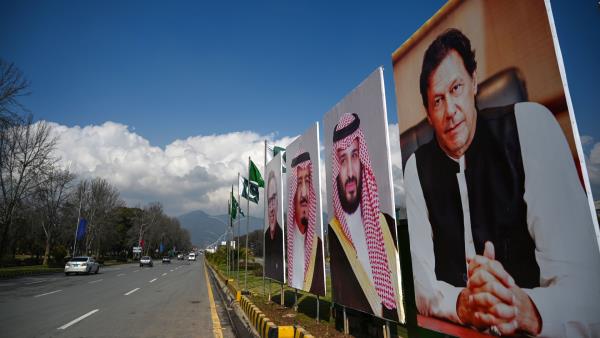
Strategic Council Online – Pakistan’s relations with Arab countries, especially Saudi Arabia, have entered a new phase since the inauguration of Imran Khan, the Chairman of the ruling party Tehreek-e-Insaf (PTI) and the Prime Minister of the country, in 2018.
Mohammad Reza Asgari Moroudi – Senior Expert on Asia

Saudi Misunderstanding of Realities in Pakistan

Saudi Misunderstanding of Realities in Pakistan

Strategic Council Online – Regional and global conditions are changing; but Riyadh is reluctant to accept the changes and still intends to traditionally hold control over Pakistan. In the meantime, the situation has changed in Pakistan and the country is gradually leaving the Western clique and entering into the Chinese circle.
Abdolreza Farajirad – Expert in Geopolitical Issues

Strategic Implications of US Troops Pullout from Afghanistan

Strategic Implications of US Troops Pullout from Afghanistan

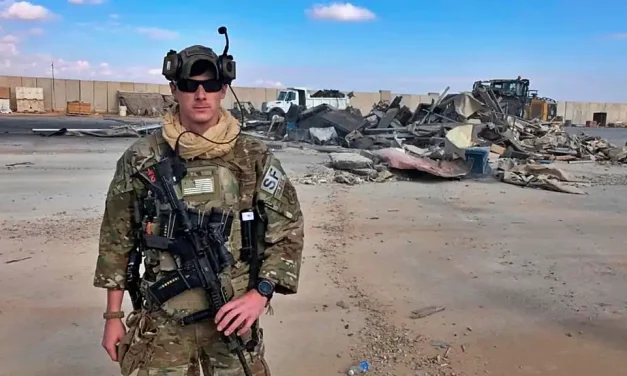
Strategic Council Online: According to the agreement reached between the United States and the Taliban in March 2018, the withdrawal of US troops from Afghanistan will begin and by mid-July (July 2020) the number of US combat troops will reach 8600 persons. This is happening at a time when the bilateral security agreement between the United States and the Afghan government is still valid. In addition, in recent months, the activities of terrorist groups in Afghanistan have not diminished, but in addition to the Taliban’s spring attacks, ISIS terrorist activities in Afghanistan are taking civilian tolls from among the oppressed people of Afghanistan, and the atmosphere of insecurity has not changed. Although the withdrawal of US troops from Afghanistan is important, it may have significant implications for the future of Afghanistan and the region, given the shortcomings and negligence in fulfilling their commitments, especially in the field of training Afghan forces. Americans should accept responsibility and pay the damages.
Seyed Mostafa Hashemi – Afghan Affairs Expert

Dimensions of New Tensions between Islamabad & Delhi

Dimensions of New Tensions between Islamabad & Delhi

Strategic Council Online: An Asian affairs analyst attributed the recent tension between Islamabad and New Delhi to the Kashmir issue and to some extent to Afghanistan, saying Kashmir has become a symbolic and prestigious matter for both sides and despite the strong role of the two countries’ military in foreign policy, the BJP’s extreme nationalist stance and its negative view of Muslims will not only fail to resolve the differences between the two countries in the near future but will continue in the form of war of words, as well as political and sometimes military conflicts.

أحدث الوظائف

Consequences of Declining Trust in the Judiciary in Europe

SCFRonline – Opinion: The increase in public distrust of the French judicial system, which in recent surveys has reached approximately two-thirds of citizens, should be analyzed within a framework broader than temporary dissatisfaction or an emotional reaction to a particular criminal case.

Iran’s Potential Levers of Power

SCFRonline– Opinion: Iran’s geopolitical power is not limited solely to oil and the Strait of Hormuz; the unintended emergence of disruptions in the future global food and energy security chains can also demonstrate Iran’s strategic importance.

The Inseparability of the Lebanese Front from the Axis of Resistance

SCFR Online–Opinion: By providing an extensive network of social, healthcare, educational, and post-war reconstruction services, Hezbollah has established a strong social base for itself among Lebanon’s Shiites and Sunnis, and even beyond that, among other segments of Lebanese society, including Christians. Hezbollah has never been an external actor imposed upon Lebanon; rather, it is a phenomenon fundamentally born out of the occupation and crimes of the Zionist regime and itself influenced by popular resistance.

The Increasing Efforts of the Zionist Regime to Redefine Borders and the Regional Order and Its Consequences

SCFR Online– Opinion: Security and military developments in the region over recent months indicate that the ongoing crises and wars in Gaza, southern Lebanon, and parts of Syrian territory encompass broader dimensions of geopolitical and geostrategic transformations. In this context, the increased military presence and control of the Zionist regime over parts of the territories of these areas, along with proposals regarding the creation of buffer zones or even the expansion of security borders, have raised serious questions about the future of the regional order and its consequences for the countries of West Asia.

Loading

Islamabad

Prospect of relations between Iran and Pakistan in the Thirteenth Government

Prospect of relations between Iran and Pakistan in the Thirteenth Government

Strategic Council Online: Commercial and economic relations between Islamabad and Tehran is not out of the political relations between the two neighbors and despite tremendous capacities are still delayed because of the lack of common and strong political determination in the two capitals.
Somaye Marevati—Researcher of Afghanistan and Pakistan issues

Pakistan and Gradual Cooling of Relations with Saudi, UAE

Pakistan and Gradual Cooling of Relations with Saudi, UAE

Strategic Council Online – Pakistan’s relations with Arab countries, especially Saudi Arabia, have entered a new phase since the inauguration of Imran Khan, the Chairman of the ruling party Tehreek-e-Insaf (PTI) and the Prime Minister of the country, in 2018.
Mohammad Reza Asgari Moroudi – Senior Expert on Asia

Saudi Misunderstanding of Realities in Pakistan

Saudi Misunderstanding of Realities in Pakistan

Strategic Council Online – Regional and global conditions are changing; but Riyadh is reluctant to accept the changes and still intends to traditionally hold control over Pakistan. In the meantime, the situation has changed in Pakistan and the country is gradually leaving the Western clique and entering into the Chinese circle.
Abdolreza Farajirad – Expert in Geopolitical Issues

Strategic Implications of US Troops Pullout from Afghanistan

Strategic Implications of US Troops Pullout from Afghanistan

Strategic Council Online: According to the agreement reached between the United States and the Taliban in March 2018, the withdrawal of US troops from Afghanistan will begin and by mid-July (July 2020) the number of US combat troops will reach 8600 persons. This is happening at a time when the bilateral security agreement between the United States and the Afghan government is still valid. In addition, in recent months, the activities of terrorist groups in Afghanistan have not diminished, but in addition to the Taliban’s spring attacks, ISIS terrorist activities in Afghanistan are taking civilian tolls from among the oppressed people of Afghanistan, and the atmosphere of insecurity has not changed. Although the withdrawal of US troops from Afghanistan is important, it may have significant implications for the future of Afghanistan and the region, given the shortcomings and negligence in fulfilling their commitments, especially in the field of training Afghan forces. Americans should accept responsibility and pay the damages.
Seyed Mostafa Hashemi – Afghan Affairs Expert

Dimensions of New Tensions between Islamabad & Delhi

Dimensions of New Tensions between Islamabad & Delhi

Strategic Council Online: An Asian affairs analyst attributed the recent tension between Islamabad and New Delhi to the Kashmir issue and to some extent to Afghanistan, saying Kashmir has become a symbolic and prestigious matter for both sides and despite the strong role of the two countries’ military in foreign policy, the BJP’s extreme nationalist stance and its negative view of Muslims will not only fail to resolve the differences between the two countries in the near future but will continue in the form of war of words, as well as political and sometimes military conflicts.

Islamabad

Prospect of relations between Iran and Pakistan in the Thirteenth Government

Prospect of relations between Iran and Pakistan in the Thirteenth Government

Strategic Council Online: Commercial and economic relations between Islamabad and Tehran is not out of the political relations between the two neighbors and despite tremendous capacities are still delayed because of the lack of common and strong political determination in the two capitals.
Somaye Marevati—Researcher of Afghanistan and Pakistan issues

Pakistan and Gradual Cooling of Relations with Saudi, UAE

Pakistan and Gradual Cooling of Relations with Saudi, UAE

Strategic Council Online – Pakistan’s relations with Arab countries, especially Saudi Arabia, have entered a new phase since the inauguration of Imran Khan, the Chairman of the ruling party Tehreek-e-Insaf (PTI) and the Prime Minister of the country, in 2018.
Mohammad Reza Asgari Moroudi – Senior Expert on Asia

Saudi Misunderstanding of Realities in Pakistan

Saudi Misunderstanding of Realities in Pakistan

Strategic Council Online – Regional and global conditions are changing; but Riyadh is reluctant to accept the changes and still intends to traditionally hold control over Pakistan. In the meantime, the situation has changed in Pakistan and the country is gradually leaving the Western clique and entering into the Chinese circle.
Abdolreza Farajirad – Expert in Geopolitical Issues

Strategic Implications of US Troops Pullout from Afghanistan

Strategic Implications of US Troops Pullout from Afghanistan

Strategic Council Online: According to the agreement reached between the United States and the Taliban in March 2018, the withdrawal of US troops from Afghanistan will begin and by mid-July (July 2020) the number of US combat troops will reach 8600 persons. This is happening at a time when the bilateral security agreement between the United States and the Afghan government is still valid. In addition, in recent months, the activities of terrorist groups in Afghanistan have not diminished, but in addition to the Taliban’s spring attacks, ISIS terrorist activities in Afghanistan are taking civilian tolls from among the oppressed people of Afghanistan, and the atmosphere of insecurity has not changed. Although the withdrawal of US troops from Afghanistan is important, it may have significant implications for the future of Afghanistan and the region, given the shortcomings and negligence in fulfilling their commitments, especially in the field of training Afghan forces. Americans should accept responsibility and pay the damages.
Seyed Mostafa Hashemi – Afghan Affairs Expert

Dimensions of New Tensions between Islamabad & Delhi

Dimensions of New Tensions between Islamabad & Delhi

Strategic Council Online: An Asian affairs analyst attributed the recent tension between Islamabad and New Delhi to the Kashmir issue and to some extent to Afghanistan, saying Kashmir has become a symbolic and prestigious matter for both sides and despite the strong role of the two countries’ military in foreign policy, the BJP’s extreme nationalist stance and its negative view of Muslims will not only fail to resolve the differences between the two countries in the near future but will continue in the form of war of words, as well as political and sometimes military conflicts.

LATEST CONTENT

Consequences of Declining Trust in the Judiciary in Europe

SCFRonline – Opinion: The increase in public distrust of the French judicial system, which in recent surveys has reached approximately two-thirds of citizens, should be analyzed within a framework broader than temporary dissatisfaction or an emotional reaction to a particular criminal case.

Iran’s Potential Levers of Power

SCFRonline– Opinion: Iran’s geopolitical power is not limited solely to oil and the Strait of Hormuz; the unintended emergence of disruptions in the future global food and energy security chains can also demonstrate Iran’s strategic importance.

The Inseparability of the Lebanese Front from the Axis of Resistance

SCFR Online–Opinion: By providing an extensive network of social, healthcare, educational, and post-war reconstruction services, Hezbollah has established a strong social base for itself among Lebanon’s Shiites and Sunnis, and even beyond that, among other segments of Lebanese society, including Christians. Hezbollah has never been an external actor imposed upon Lebanon; rather, it is a phenomenon fundamentally born out of the occupation and crimes of the Zionist regime and itself influenced by popular resistance.

The Increasing Efforts of the Zionist Regime to Redefine Borders and the Regional Order and Its Consequences

SCFR Online– Opinion: Security and military developments in the region over recent months indicate that the ongoing crises and wars in Gaza, southern Lebanon, and parts of Syrian territory encompass broader dimensions of geopolitical and geostrategic transformations. In this context, the increased military presence and control of the Zionist regime over parts of the territories of these areas, along with proposals regarding the creation of buffer zones or even the expansion of security borders, have raised serious questions about the future of the regional order and its consequences for the countries of West Asia.

Loading

Islamabad

Prospect of relations between Iran and Pakistan in the Thirteenth Government

Prospect of relations between Iran and Pakistan in the Thirteenth Government

Strategic Council Online: Commercial and economic relations between Islamabad and Tehran is not out of the political relations between the two neighbors and despite tremendous capacities are still delayed because of the lack of common and strong political determination in the two capitals.
Somaye Marevati—Researcher of Afghanistan and Pakistan issues

Pakistan and Gradual Cooling of Relations with Saudi, UAE

Pakistan and Gradual Cooling of Relations with Saudi, UAE

Strategic Council Online – Pakistan’s relations with Arab countries, especially Saudi Arabia, have entered a new phase since the inauguration of Imran Khan, the Chairman of the ruling party Tehreek-e-Insaf (PTI) and the Prime Minister of the country, in 2018.
Mohammad Reza Asgari Moroudi – Senior Expert on Asia

Saudi Misunderstanding of Realities in Pakistan

Saudi Misunderstanding of Realities in Pakistan

Strategic Council Online – Regional and global conditions are changing; but Riyadh is reluctant to accept the changes and still intends to traditionally hold control over Pakistan. In the meantime, the situation has changed in Pakistan and the country is gradually leaving the Western clique and entering into the Chinese circle.
Abdolreza Farajirad – Expert in Geopolitical Issues

Strategic Implications of US Troops Pullout from Afghanistan

Strategic Implications of US Troops Pullout from Afghanistan

Strategic Council Online: According to the agreement reached between the United States and the Taliban in March 2018, the withdrawal of US troops from Afghanistan will begin and by mid-July (July 2020) the number of US combat troops will reach 8600 persons. This is happening at a time when the bilateral security agreement between the United States and the Afghan government is still valid. In addition, in recent months, the activities of terrorist groups in Afghanistan have not diminished, but in addition to the Taliban’s spring attacks, ISIS terrorist activities in Afghanistan are taking civilian tolls from among the oppressed people of Afghanistan, and the atmosphere of insecurity has not changed. Although the withdrawal of US troops from Afghanistan is important, it may have significant implications for the future of Afghanistan and the region, given the shortcomings and negligence in fulfilling their commitments, especially in the field of training Afghan forces. Americans should accept responsibility and pay the damages.
Seyed Mostafa Hashemi – Afghan Affairs Expert

Dimensions of New Tensions between Islamabad & Delhi

Dimensions of New Tensions between Islamabad & Delhi

Strategic Council Online: An Asian affairs analyst attributed the recent tension between Islamabad and New Delhi to the Kashmir issue and to some extent to Afghanistan, saying Kashmir has become a symbolic and prestigious matter for both sides and despite the strong role of the two countries’ military in foreign policy, the BJP’s extreme nationalist stance and its negative view of Muslims will not only fail to resolve the differences between the two countries in the near future but will continue in the form of war of words, as well as political and sometimes military conflicts.

ÚLTIMAS PUBLICACIONES

Consequences of Declining Trust in the Judiciary in Europe

SCFRonline – Opinion: The increase in public distrust of the French judicial system, which in recent surveys has reached approximately two-thirds of citizens, should be analyzed within a framework broader than temporary dissatisfaction or an emotional reaction to a particular criminal case.

Iran’s Potential Levers of Power

SCFRonline– Opinion: Iran’s geopolitical power is not limited solely to oil and the Strait of Hormuz; the unintended emergence of disruptions in the future global food and energy security chains can also demonstrate Iran’s strategic importance.

The Inseparability of the Lebanese Front from the Axis of Resistance

SCFR Online–Opinion: By providing an extensive network of social, healthcare, educational, and post-war reconstruction services, Hezbollah has established a strong social base for itself among Lebanon’s Shiites and Sunnis, and even beyond that, among other segments of Lebanese society, including Christians. Hezbollah has never been an external actor imposed upon Lebanon; rather, it is a phenomenon fundamentally born out of the occupation and crimes of the Zionist regime and itself influenced by popular resistance.

The Increasing Efforts of the Zionist Regime to Redefine Borders and the Regional Order and Its Consequences

SCFR Online– Opinion: Security and military developments in the region over recent months indicate that the ongoing crises and wars in Gaza, southern Lebanon, and parts of Syrian territory encompass broader dimensions of geopolitical and geostrategic transformations. In this context, the increased military presence and control of the Zionist regime over parts of the territories of these areas, along with proposals regarding the creation of buffer zones or even the expansion of security borders, have raised serious questions about the future of the regional order and its consequences for the countries of West Asia.

Loading

Islamabad

Prospect of relations between Iran and Pakistan in the Thirteenth Government

Prospect of relations between Iran and Pakistan in the Thirteenth Government

Strategic Council Online: Commercial and economic relations between Islamabad and Tehran is not out of the political relations between the two neighbors and despite tremendous capacities are still delayed because of the lack of common and strong political determination in the two capitals.
Somaye Marevati—Researcher of Afghanistan and Pakistan issues

Pakistan and Gradual Cooling of Relations with Saudi, UAE

Pakistan and Gradual Cooling of Relations with Saudi, UAE

Strategic Council Online – Pakistan’s relations with Arab countries, especially Saudi Arabia, have entered a new phase since the inauguration of Imran Khan, the Chairman of the ruling party Tehreek-e-Insaf (PTI) and the Prime Minister of the country, in 2018.
Mohammad Reza Asgari Moroudi – Senior Expert on Asia

Saudi Misunderstanding of Realities in Pakistan

Saudi Misunderstanding of Realities in Pakistan

Strategic Council Online – Regional and global conditions are changing; but Riyadh is reluctant to accept the changes and still intends to traditionally hold control over Pakistan. In the meantime, the situation has changed in Pakistan and the country is gradually leaving the Western clique and entering into the Chinese circle.
Abdolreza Farajirad – Expert in Geopolitical Issues

Strategic Implications of US Troops Pullout from Afghanistan

Strategic Implications of US Troops Pullout from Afghanistan

Strategic Council Online: According to the agreement reached between the United States and the Taliban in March 2018, the withdrawal of US troops from Afghanistan will begin and by mid-July (July 2020) the number of US combat troops will reach 8600 persons. This is happening at a time when the bilateral security agreement between the United States and the Afghan government is still valid. In addition, in recent months, the activities of terrorist groups in Afghanistan have not diminished, but in addition to the Taliban’s spring attacks, ISIS terrorist activities in Afghanistan are taking civilian tolls from among the oppressed people of Afghanistan, and the atmosphere of insecurity has not changed. Although the withdrawal of US troops from Afghanistan is important, it may have significant implications for the future of Afghanistan and the region, given the shortcomings and negligence in fulfilling their commitments, especially in the field of training Afghan forces. Americans should accept responsibility and pay the damages.
Seyed Mostafa Hashemi – Afghan Affairs Expert

Dimensions of New Tensions between Islamabad & Delhi

Dimensions of New Tensions between Islamabad & Delhi

Strategic Council Online: An Asian affairs analyst attributed the recent tension between Islamabad and New Delhi to the Kashmir issue and to some extent to Afghanistan, saying Kashmir has become a symbolic and prestigious matter for both sides and despite the strong role of the two countries’ military in foreign policy, the BJP’s extreme nationalist stance and its negative view of Muslims will not only fail to resolve the differences between the two countries in the near future but will continue in the form of war of words, as well as political and sometimes military conflicts.

ÚLTIMAS PUBLICACIONES

Consequences of Declining Trust in the Judiciary in Europe

SCFRonline – Opinion: The increase in public distrust of the French judicial system, which in recent surveys has reached approximately two-thirds of citizens, should be analyzed within a framework broader than temporary dissatisfaction or an emotional reaction to a particular criminal case.

Iran’s Potential Levers of Power

SCFRonline– Opinion: Iran’s geopolitical power is not limited solely to oil and the Strait of Hormuz; the unintended emergence of disruptions in the future global food and energy security chains can also demonstrate Iran’s strategic importance.

The Inseparability of the Lebanese Front from the Axis of Resistance

SCFR Online–Opinion: By providing an extensive network of social, healthcare, educational, and post-war reconstruction services, Hezbollah has established a strong social base for itself among Lebanon’s Shiites and Sunnis, and even beyond that, among other segments of Lebanese society, including Christians. Hezbollah has never been an external actor imposed upon Lebanon; rather, it is a phenomenon fundamentally born out of the occupation and crimes of the Zionist regime and itself influenced by popular resistance.

The Increasing Efforts of the Zionist Regime to Redefine Borders and the Regional Order and Its Consequences

SCFR Online– Opinion: Security and military developments in the region over recent months indicate that the ongoing crises and wars in Gaza, southern Lebanon, and parts of Syrian territory encompass broader dimensions of geopolitical and geostrategic transformations. In this context, the increased military presence and control of the Zionist regime over parts of the territories of these areas, along with proposals regarding the creation of buffer zones or even the expansion of security borders, have raised serious questions about the future of the regional order and its consequences for the countries of West Asia.

Loading

Islamabad

Prospect of relations between Iran and Pakistan in the Thirteenth Government

Prospect of relations between Iran and Pakistan in the Thirteenth Government

Strategic Council Online: Commercial and economic relations between Islamabad and Tehran is not out of the political relations between the two neighbors and despite tremendous capacities are still delayed because of the lack of common and strong political determination in the two capitals.
Somaye Marevati—Researcher of Afghanistan and Pakistan issues

Pakistan and Gradual Cooling of Relations with Saudi, UAE

Pakistan and Gradual Cooling of Relations with Saudi, UAE

Strategic Council Online – Pakistan’s relations with Arab countries, especially Saudi Arabia, have entered a new phase since the inauguration of Imran Khan, the Chairman of the ruling party Tehreek-e-Insaf (PTI) and the Prime Minister of the country, in 2018.
Mohammad Reza Asgari Moroudi – Senior Expert on Asia

Saudi Misunderstanding of Realities in Pakistan

Saudi Misunderstanding of Realities in Pakistan

Strategic Council Online – Regional and global conditions are changing; but Riyadh is reluctant to accept the changes and still intends to traditionally hold control over Pakistan. In the meantime, the situation has changed in Pakistan and the country is gradually leaving the Western clique and entering into the Chinese circle.
Abdolreza Farajirad – Expert in Geopolitical Issues

Strategic Implications of US Troops Pullout from Afghanistan

Strategic Implications of US Troops Pullout from Afghanistan

Strategic Council Online: According to the agreement reached between the United States and the Taliban in March 2018, the withdrawal of US troops from Afghanistan will begin and by mid-July (July 2020) the number of US combat troops will reach 8600 persons. This is happening at a time when the bilateral security agreement between the United States and the Afghan government is still valid. In addition, in recent months, the activities of terrorist groups in Afghanistan have not diminished, but in addition to the Taliban’s spring attacks, ISIS terrorist activities in Afghanistan are taking civilian tolls from among the oppressed people of Afghanistan, and the atmosphere of insecurity has not changed. Although the withdrawal of US troops from Afghanistan is important, it may have significant implications for the future of Afghanistan and the region, given the shortcomings and negligence in fulfilling their commitments, especially in the field of training Afghan forces. Americans should accept responsibility and pay the damages.
Seyed Mostafa Hashemi – Afghan Affairs Expert

Dimensions of New Tensions between Islamabad & Delhi

Dimensions of New Tensions between Islamabad & Delhi

Strategic Council Online: An Asian affairs analyst attributed the recent tension between Islamabad and New Delhi to the Kashmir issue and to some extent to Afghanistan, saying Kashmir has become a symbolic and prestigious matter for both sides and despite the strong role of the two countries’ military in foreign policy, the BJP’s extreme nationalist stance and its negative view of Muslims will not only fail to resolve the differences between the two countries in the near future but will continue in the form of war of words, as well as political and sometimes military conflicts.

ÚLTIMAS PUBLICACIONES

Consequences of Declining Trust in the Judiciary in Europe

SCFRonline – Opinion: The increase in public distrust of the French judicial system, which in recent surveys has reached approximately two-thirds of citizens, should be analyzed within a framework broader than temporary dissatisfaction or an emotional reaction to a particular criminal case.

Iran’s Potential Levers of Power

SCFRonline– Opinion: Iran’s geopolitical power is not limited solely to oil and the Strait of Hormuz; the unintended emergence of disruptions in the future global food and energy security chains can also demonstrate Iran’s strategic importance.

The Inseparability of the Lebanese Front from the Axis of Resistance

SCFR Online–Opinion: By providing an extensive network of social, healthcare, educational, and post-war reconstruction services, Hezbollah has established a strong social base for itself among Lebanon’s Shiites and Sunnis, and even beyond that, among other segments of Lebanese society, including Christians. Hezbollah has never been an external actor imposed upon Lebanon; rather, it is a phenomenon fundamentally born out of the occupation and crimes of the Zionist regime and itself influenced by popular resistance.

The Increasing Efforts of the Zionist Regime to Redefine Borders and the Regional Order and Its Consequences

SCFR Online– Opinion: Security and military developments in the region over recent months indicate that the ongoing crises and wars in Gaza, southern Lebanon, and parts of Syrian territory encompass broader dimensions of geopolitical and geostrategic transformations. In this context, the increased military presence and control of the Zionist regime over parts of the territories of these areas, along with proposals regarding the creation of buffer zones or even the expansion of security borders, have raised serious questions about the future of the regional order and its consequences for the countries of West Asia.

Loading

Islamabad

Prospect of relations between Iran and Pakistan in the Thirteenth Government

Prospect of relations between Iran and Pakistan in the Thirteenth Government

Strategic Council Online: Commercial and economic relations between Islamabad and Tehran is not out of the political relations between the two neighbors and despite tremendous capacities are still delayed because of the lack of common and strong political determination in the two capitals.
Somaye Marevati—Researcher of Afghanistan and Pakistan issues

Pakistan and Gradual Cooling of Relations with Saudi, UAE

Pakistan and Gradual Cooling of Relations with Saudi, UAE

Strategic Council Online – Pakistan’s relations with Arab countries, especially Saudi Arabia, have entered a new phase since the inauguration of Imran Khan, the Chairman of the ruling party Tehreek-e-Insaf (PTI) and the Prime Minister of the country, in 2018.
Mohammad Reza Asgari Moroudi – Senior Expert on Asia

Saudi Misunderstanding of Realities in Pakistan

Saudi Misunderstanding of Realities in Pakistan

Strategic Council Online – Regional and global conditions are changing; but Riyadh is reluctant to accept the changes and still intends to traditionally hold control over Pakistan. In the meantime, the situation has changed in Pakistan and the country is gradually leaving the Western clique and entering into the Chinese circle.
Abdolreza Farajirad – Expert in Geopolitical Issues

Strategic Implications of US Troops Pullout from Afghanistan

Strategic Implications of US Troops Pullout from Afghanistan

Strategic Council Online: According to the agreement reached between the United States and the Taliban in March 2018, the withdrawal of US troops from Afghanistan will begin and by mid-July (July 2020) the number of US combat troops will reach 8600 persons. This is happening at a time when the bilateral security agreement between the United States and the Afghan government is still valid. In addition, in recent months, the activities of terrorist groups in Afghanistan have not diminished, but in addition to the Taliban’s spring attacks, ISIS terrorist activities in Afghanistan are taking civilian tolls from among the oppressed people of Afghanistan, and the atmosphere of insecurity has not changed. Although the withdrawal of US troops from Afghanistan is important, it may have significant implications for the future of Afghanistan and the region, given the shortcomings and negligence in fulfilling their commitments, especially in the field of training Afghan forces. Americans should accept responsibility and pay the damages.
Seyed Mostafa Hashemi – Afghan Affairs Expert

Dimensions of New Tensions between Islamabad & Delhi

Dimensions of New Tensions between Islamabad & Delhi

Strategic Council Online: An Asian affairs analyst attributed the recent tension between Islamabad and New Delhi to the Kashmir issue and to some extent to Afghanistan, saying Kashmir has become a symbolic and prestigious matter for both sides and despite the strong role of the two countries’ military in foreign policy, the BJP’s extreme nationalist stance and its negative view of Muslims will not only fail to resolve the differences between the two countries in the near future but will continue in the form of war of words, as well as political and sometimes military conflicts.

ÚLTIMAS PUBLICACIONES

Consequences of Declining Trust in the Judiciary in Europe

SCFRonline – Opinion: The increase in public distrust of the French judicial system, which in recent surveys has reached approximately two-thirds of citizens, should be analyzed within a framework broader than temporary dissatisfaction or an emotional reaction to a particular criminal case.

Iran’s Potential Levers of Power

SCFRonline– Opinion: Iran’s geopolitical power is not limited solely to oil and the Strait of Hormuz; the unintended emergence of disruptions in the future global food and energy security chains can also demonstrate Iran’s strategic importance.

The Inseparability of the Lebanese Front from the Axis of Resistance

SCFR Online–Opinion: By providing an extensive network of social, healthcare, educational, and post-war reconstruction services, Hezbollah has established a strong social base for itself among Lebanon’s Shiites and Sunnis, and even beyond that, among other segments of Lebanese society, including Christians. Hezbollah has never been an external actor imposed upon Lebanon; rather, it is a phenomenon fundamentally born out of the occupation and crimes of the Zionist regime and itself influenced by popular resistance.

The Increasing Efforts of the Zionist Regime to Redefine Borders and the Regional Order and Its Consequences

SCFR Online– Opinion: Security and military developments in the region over recent months indicate that the ongoing crises and wars in Gaza, southern Lebanon, and parts of Syrian territory encompass broader dimensions of geopolitical and geostrategic transformations. In this context, the increased military presence and control of the Zionist regime over parts of the territories of these areas, along with proposals regarding the creation of buffer zones or even the expansion of security borders, have raised serious questions about the future of the regional order and its consequences for the countries of West Asia.

Loading