جدیدترین مطالب

Balancing in the chain of chokepoints; from sea-based deterrence to pluralistic diplomacy

Strategic Council Online – Note: Recent developments in the political geography of West Asia, from rising tensions in the Persian Gulf to missile and drone activities in the Red Sea and the recent warning by Kaja Kallas, the European Union’s foreign policy chief, regarding the threat to freedom of navigation, indicate a key pattern shift; the US-Iran war has moved beyond the scope of a regional and local confrontation and has linked two vital passageways for the global economy: the Strait of Hormuz and the Bab el-Mandeb Strait.

Indicators for Choosing Between War and Diplomacy

SCFR Online – Opinion: Foreign policy analysis is valid when it evaluates decisions based on the information and circumstances prevailing at the time they were made, not on the basis of outcomes that only become apparent after the crisis has ended.

Loading

Ismail Bashari

China’s Strategy to Counter the U.S. Effort to Escalate the Taiwan Crisis

China’s Strategy to Counter the U.S. Effort to Escalate the Taiwan Crisis

Strategic Council Online – Interview: “Any miscalculated move could lead to escalating tensions and uncontrollable crises, but Beijing’s prudence and precise strategies have so far prevented the Taiwan issue from escalating into a crisis similar to that of Ukraine,” said an East Asia analyst.

Strategic Competition Between the United States and China

Strategic Competition Between the United States and China

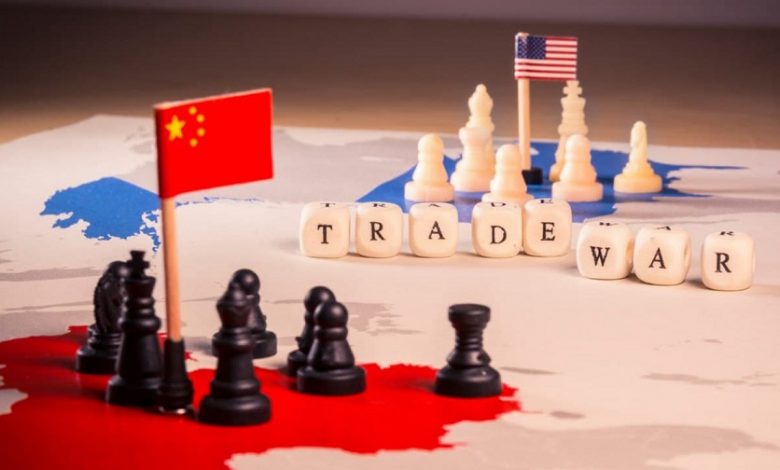
Online Strategic Council – Interview: An East Asian affairs analyst stated: “U.S.-China competition during Trump’s second term has taken on a structural nature, expanding from the economic level to the realms of technology, military, and global order.”

Objectives and Messages of China’s Military Drill Concurrent with the SCO Summit

Objectives and Messages of China’s Military Drill Concurrent with the SCO Summit

Strategic Council Online – Interview: A senior analyst on Chinese affairs stated that China’s major military drill on September 3, coinciding with the 80th anniversary of the end of World War II, is far more than a simple military event; it carries immense importance in today’s geopolitical equations. The presence of Vladimir Putin, Masoud Pezeshkian, and Kim Jong-un alongside Xi Jinping not only reflects the convergence of non-Western powers against pressure from the United States and NATO but also demonstrates Beijing’s efforts to consolidate its position as a decisive player in the global order. Among the 26 foreign leaders participating in this parade, none of the Western leaders are present except for Robert Fico, the Prime Minister of Slovakia. Also attending are Alexander Lukashenko, President of Belarus; Prabowo Subianto, President of Indonesia; Aleksandar Vučić, President of Serbia; and Woo Won-sik, Speaker of South Korea’s National Assembly. Li Junhua, Under-Secretary-General of the UN, will also be present on behalf of the organization.
This drill—considered one of the largest military maneuvers in China’s modern history—focuses on showcasing the latest defensive and offensive technologies, including hypersonic weapon systems and advanced communication networks whose capabilities could alter the balance of power in East Asia and even globally. This event is not merely a show of military force but also serves as a tool of deterrence and diplomacy. Under growing economic and diplomatic pressure, China is demonstrating through such drills that it possesses the ability to manage crises and reshape regional equations. In fact, Beijing is seizing this opportunity both to reassure its allies and to warn its rivals that East Asia is no longer under American dominance.

أحدث الوظائف

Balancing in the chain of chokepoints; from sea-based deterrence to pluralistic diplomacy

Strategic Council Online – Note: Recent developments in the political geography of West Asia, from rising tensions in the Persian Gulf to missile and drone activities in the Red Sea and the recent warning by Kaja Kallas, the European Union’s foreign policy chief, regarding the threat to freedom of navigation, indicate a key pattern shift; the US-Iran war has moved beyond the scope of a regional and local confrontation and has linked two vital passageways for the global economy: the Strait of Hormuz and the Bab el-Mandeb Strait.

Indicators for Choosing Between War and Diplomacy

SCFR Online – Opinion: Foreign policy analysis is valid when it evaluates decisions based on the information and circumstances prevailing at the time they were made, not on the basis of outcomes that only become apparent after the crisis has ended.

Loading

Ismail Bashari

China’s Strategy to Counter the U.S. Effort to Escalate the Taiwan Crisis

China’s Strategy to Counter the U.S. Effort to Escalate the Taiwan Crisis

Strategic Council Online – Interview: “Any miscalculated move could lead to escalating tensions and uncontrollable crises, but Beijing’s prudence and precise strategies have so far prevented the Taiwan issue from escalating into a crisis similar to that of Ukraine,” said an East Asia analyst.

Strategic Competition Between the United States and China

Strategic Competition Between the United States and China

Online Strategic Council – Interview: An East Asian affairs analyst stated: “U.S.-China competition during Trump’s second term has taken on a structural nature, expanding from the economic level to the realms of technology, military, and global order.”

Objectives and Messages of China’s Military Drill Concurrent with the SCO Summit

Objectives and Messages of China’s Military Drill Concurrent with the SCO Summit

Strategic Council Online – Interview: A senior analyst on Chinese affairs stated that China’s major military drill on September 3, coinciding with the 80th anniversary of the end of World War II, is far more than a simple military event; it carries immense importance in today’s geopolitical equations. The presence of Vladimir Putin, Masoud Pezeshkian, and Kim Jong-un alongside Xi Jinping not only reflects the convergence of non-Western powers against pressure from the United States and NATO but also demonstrates Beijing’s efforts to consolidate its position as a decisive player in the global order. Among the 26 foreign leaders participating in this parade, none of the Western leaders are present except for Robert Fico, the Prime Minister of Slovakia. Also attending are Alexander Lukashenko, President of Belarus; Prabowo Subianto, President of Indonesia; Aleksandar Vučić, President of Serbia; and Woo Won-sik, Speaker of South Korea’s National Assembly. Li Junhua, Under-Secretary-General of the UN, will also be present on behalf of the organization.
This drill—considered one of the largest military maneuvers in China’s modern history—focuses on showcasing the latest defensive and offensive technologies, including hypersonic weapon systems and advanced communication networks whose capabilities could alter the balance of power in East Asia and even globally. This event is not merely a show of military force but also serves as a tool of deterrence and diplomacy. Under growing economic and diplomatic pressure, China is demonstrating through such drills that it possesses the ability to manage crises and reshape regional equations. In fact, Beijing is seizing this opportunity both to reassure its allies and to warn its rivals that East Asia is no longer under American dominance.

Ismail Bashari

China’s Strategy to Counter the U.S. Effort to Escalate the Taiwan Crisis

China’s Strategy to Counter the U.S. Effort to Escalate the Taiwan Crisis

Strategic Council Online – Interview: “Any miscalculated move could lead to escalating tensions and uncontrollable crises, but Beijing’s prudence and precise strategies have so far prevented the Taiwan issue from escalating into a crisis similar to that of Ukraine,” said an East Asia analyst.

Strategic Competition Between the United States and China

Strategic Competition Between the United States and China

Online Strategic Council – Interview: An East Asian affairs analyst stated: “U.S.-China competition during Trump’s second term has taken on a structural nature, expanding from the economic level to the realms of technology, military, and global order.”

Objectives and Messages of China’s Military Drill Concurrent with the SCO Summit

Objectives and Messages of China’s Military Drill Concurrent with the SCO Summit

Strategic Council Online – Interview: A senior analyst on Chinese affairs stated that China’s major military drill on September 3, coinciding with the 80th anniversary of the end of World War II, is far more than a simple military event; it carries immense importance in today’s geopolitical equations. The presence of Vladimir Putin, Masoud Pezeshkian, and Kim Jong-un alongside Xi Jinping not only reflects the convergence of non-Western powers against pressure from the United States and NATO but also demonstrates Beijing’s efforts to consolidate its position as a decisive player in the global order. Among the 26 foreign leaders participating in this parade, none of the Western leaders are present except for Robert Fico, the Prime Minister of Slovakia. Also attending are Alexander Lukashenko, President of Belarus; Prabowo Subianto, President of Indonesia; Aleksandar Vučić, President of Serbia; and Woo Won-sik, Speaker of South Korea’s National Assembly. Li Junhua, Under-Secretary-General of the UN, will also be present on behalf of the organization.
This drill—considered one of the largest military maneuvers in China’s modern history—focuses on showcasing the latest defensive and offensive technologies, including hypersonic weapon systems and advanced communication networks whose capabilities could alter the balance of power in East Asia and even globally. This event is not merely a show of military force but also serves as a tool of deterrence and diplomacy. Under growing economic and diplomatic pressure, China is demonstrating through such drills that it possesses the ability to manage crises and reshape regional equations. In fact, Beijing is seizing this opportunity both to reassure its allies and to warn its rivals that East Asia is no longer under American dominance.

LATEST CONTENT

Balancing in the chain of chokepoints; from sea-based deterrence to pluralistic diplomacy

Strategic Council Online – Note: Recent developments in the political geography of West Asia, from rising tensions in the Persian Gulf to missile and drone activities in the Red Sea and the recent warning by Kaja Kallas, the European Union’s foreign policy chief, regarding the threat to freedom of navigation, indicate a key pattern shift; the US-Iran war has moved beyond the scope of a regional and local confrontation and has linked two vital passageways for the global economy: the Strait of Hormuz and the Bab el-Mandeb Strait.

Indicators for Choosing Between War and Diplomacy

SCFR Online – Opinion: Foreign policy analysis is valid when it evaluates decisions based on the information and circumstances prevailing at the time they were made, not on the basis of outcomes that only become apparent after the crisis has ended.

Loading

Ismail Bashari

China’s Strategy to Counter the U.S. Effort to Escalate the Taiwan Crisis

China’s Strategy to Counter the U.S. Effort to Escalate the Taiwan Crisis

Strategic Council Online – Interview: “Any miscalculated move could lead to escalating tensions and uncontrollable crises, but Beijing’s prudence and precise strategies have so far prevented the Taiwan issue from escalating into a crisis similar to that of Ukraine,” said an East Asia analyst.

Strategic Competition Between the United States and China

Strategic Competition Between the United States and China

Online Strategic Council – Interview: An East Asian affairs analyst stated: “U.S.-China competition during Trump’s second term has taken on a structural nature, expanding from the economic level to the realms of technology, military, and global order.”

Objectives and Messages of China’s Military Drill Concurrent with the SCO Summit

Objectives and Messages of China’s Military Drill Concurrent with the SCO Summit

Strategic Council Online – Interview: A senior analyst on Chinese affairs stated that China’s major military drill on September 3, coinciding with the 80th anniversary of the end of World War II, is far more than a simple military event; it carries immense importance in today’s geopolitical equations. The presence of Vladimir Putin, Masoud Pezeshkian, and Kim Jong-un alongside Xi Jinping not only reflects the convergence of non-Western powers against pressure from the United States and NATO but also demonstrates Beijing’s efforts to consolidate its position as a decisive player in the global order. Among the 26 foreign leaders participating in this parade, none of the Western leaders are present except for Robert Fico, the Prime Minister of Slovakia. Also attending are Alexander Lukashenko, President of Belarus; Prabowo Subianto, President of Indonesia; Aleksandar Vučić, President of Serbia; and Woo Won-sik, Speaker of South Korea’s National Assembly. Li Junhua, Under-Secretary-General of the UN, will also be present on behalf of the organization.
This drill—considered one of the largest military maneuvers in China’s modern history—focuses on showcasing the latest defensive and offensive technologies, including hypersonic weapon systems and advanced communication networks whose capabilities could alter the balance of power in East Asia and even globally. This event is not merely a show of military force but also serves as a tool of deterrence and diplomacy. Under growing economic and diplomatic pressure, China is demonstrating through such drills that it possesses the ability to manage crises and reshape regional equations. In fact, Beijing is seizing this opportunity both to reassure its allies and to warn its rivals that East Asia is no longer under American dominance.

ÚLTIMAS PUBLICACIONES

Balancing in the chain of chokepoints; from sea-based deterrence to pluralistic diplomacy

Strategic Council Online – Note: Recent developments in the political geography of West Asia, from rising tensions in the Persian Gulf to missile and drone activities in the Red Sea and the recent warning by Kaja Kallas, the European Union’s foreign policy chief, regarding the threat to freedom of navigation, indicate a key pattern shift; the US-Iran war has moved beyond the scope of a regional and local confrontation and has linked two vital passageways for the global economy: the Strait of Hormuz and the Bab el-Mandeb Strait.

Indicators for Choosing Between War and Diplomacy

SCFR Online – Opinion: Foreign policy analysis is valid when it evaluates decisions based on the information and circumstances prevailing at the time they were made, not on the basis of outcomes that only become apparent after the crisis has ended.

Loading

Ismail Bashari

China’s Strategy to Counter the U.S. Effort to Escalate the Taiwan Crisis

China’s Strategy to Counter the U.S. Effort to Escalate the Taiwan Crisis

Strategic Council Online – Interview: “Any miscalculated move could lead to escalating tensions and uncontrollable crises, but Beijing’s prudence and precise strategies have so far prevented the Taiwan issue from escalating into a crisis similar to that of Ukraine,” said an East Asia analyst.

Strategic Competition Between the United States and China

Strategic Competition Between the United States and China

Online Strategic Council – Interview: An East Asian affairs analyst stated: “U.S.-China competition during Trump’s second term has taken on a structural nature, expanding from the economic level to the realms of technology, military, and global order.”

Objectives and Messages of China’s Military Drill Concurrent with the SCO Summit

Objectives and Messages of China’s Military Drill Concurrent with the SCO Summit

Strategic Council Online – Interview: A senior analyst on Chinese affairs stated that China’s major military drill on September 3, coinciding with the 80th anniversary of the end of World War II, is far more than a simple military event; it carries immense importance in today’s geopolitical equations. The presence of Vladimir Putin, Masoud Pezeshkian, and Kim Jong-un alongside Xi Jinping not only reflects the convergence of non-Western powers against pressure from the United States and NATO but also demonstrates Beijing’s efforts to consolidate its position as a decisive player in the global order. Among the 26 foreign leaders participating in this parade, none of the Western leaders are present except for Robert Fico, the Prime Minister of Slovakia. Also attending are Alexander Lukashenko, President of Belarus; Prabowo Subianto, President of Indonesia; Aleksandar Vučić, President of Serbia; and Woo Won-sik, Speaker of South Korea’s National Assembly. Li Junhua, Under-Secretary-General of the UN, will also be present on behalf of the organization.
This drill—considered one of the largest military maneuvers in China’s modern history—focuses on showcasing the latest defensive and offensive technologies, including hypersonic weapon systems and advanced communication networks whose capabilities could alter the balance of power in East Asia and even globally. This event is not merely a show of military force but also serves as a tool of deterrence and diplomacy. Under growing economic and diplomatic pressure, China is demonstrating through such drills that it possesses the ability to manage crises and reshape regional equations. In fact, Beijing is seizing this opportunity both to reassure its allies and to warn its rivals that East Asia is no longer under American dominance.

ÚLTIMAS PUBLICACIONES

Balancing in the chain of chokepoints; from sea-based deterrence to pluralistic diplomacy

Strategic Council Online – Note: Recent developments in the political geography of West Asia, from rising tensions in the Persian Gulf to missile and drone activities in the Red Sea and the recent warning by Kaja Kallas, the European Union’s foreign policy chief, regarding the threat to freedom of navigation, indicate a key pattern shift; the US-Iran war has moved beyond the scope of a regional and local confrontation and has linked two vital passageways for the global economy: the Strait of Hormuz and the Bab el-Mandeb Strait.

Indicators for Choosing Between War and Diplomacy

SCFR Online – Opinion: Foreign policy analysis is valid when it evaluates decisions based on the information and circumstances prevailing at the time they were made, not on the basis of outcomes that only become apparent after the crisis has ended.

Loading

Ismail Bashari

China’s Strategy to Counter the U.S. Effort to Escalate the Taiwan Crisis

China’s Strategy to Counter the U.S. Effort to Escalate the Taiwan Crisis

Strategic Council Online – Interview: “Any miscalculated move could lead to escalating tensions and uncontrollable crises, but Beijing’s prudence and precise strategies have so far prevented the Taiwan issue from escalating into a crisis similar to that of Ukraine,” said an East Asia analyst.

Strategic Competition Between the United States and China

Strategic Competition Between the United States and China

Online Strategic Council – Interview: An East Asian affairs analyst stated: “U.S.-China competition during Trump’s second term has taken on a structural nature, expanding from the economic level to the realms of technology, military, and global order.”

Objectives and Messages of China’s Military Drill Concurrent with the SCO Summit

Objectives and Messages of China’s Military Drill Concurrent with the SCO Summit

Strategic Council Online – Interview: A senior analyst on Chinese affairs stated that China’s major military drill on September 3, coinciding with the 80th anniversary of the end of World War II, is far more than a simple military event; it carries immense importance in today’s geopolitical equations. The presence of Vladimir Putin, Masoud Pezeshkian, and Kim Jong-un alongside Xi Jinping not only reflects the convergence of non-Western powers against pressure from the United States and NATO but also demonstrates Beijing’s efforts to consolidate its position as a decisive player in the global order. Among the 26 foreign leaders participating in this parade, none of the Western leaders are present except for Robert Fico, the Prime Minister of Slovakia. Also attending are Alexander Lukashenko, President of Belarus; Prabowo Subianto, President of Indonesia; Aleksandar Vučić, President of Serbia; and Woo Won-sik, Speaker of South Korea’s National Assembly. Li Junhua, Under-Secretary-General of the UN, will also be present on behalf of the organization.
This drill—considered one of the largest military maneuvers in China’s modern history—focuses on showcasing the latest defensive and offensive technologies, including hypersonic weapon systems and advanced communication networks whose capabilities could alter the balance of power in East Asia and even globally. This event is not merely a show of military force but also serves as a tool of deterrence and diplomacy. Under growing economic and diplomatic pressure, China is demonstrating through such drills that it possesses the ability to manage crises and reshape regional equations. In fact, Beijing is seizing this opportunity both to reassure its allies and to warn its rivals that East Asia is no longer under American dominance.

ÚLTIMAS PUBLICACIONES

Balancing in the chain of chokepoints; from sea-based deterrence to pluralistic diplomacy

Strategic Council Online – Note: Recent developments in the political geography of West Asia, from rising tensions in the Persian Gulf to missile and drone activities in the Red Sea and the recent warning by Kaja Kallas, the European Union’s foreign policy chief, regarding the threat to freedom of navigation, indicate a key pattern shift; the US-Iran war has moved beyond the scope of a regional and local confrontation and has linked two vital passageways for the global economy: the Strait of Hormuz and the Bab el-Mandeb Strait.

Indicators for Choosing Between War and Diplomacy

SCFR Online – Opinion: Foreign policy analysis is valid when it evaluates decisions based on the information and circumstances prevailing at the time they were made, not on the basis of outcomes that only become apparent after the crisis has ended.

Loading

Ismail Bashari

China’s Strategy to Counter the U.S. Effort to Escalate the Taiwan Crisis

China’s Strategy to Counter the U.S. Effort to Escalate the Taiwan Crisis

Strategic Council Online – Interview: “Any miscalculated move could lead to escalating tensions and uncontrollable crises, but Beijing’s prudence and precise strategies have so far prevented the Taiwan issue from escalating into a crisis similar to that of Ukraine,” said an East Asia analyst.

Strategic Competition Between the United States and China

Strategic Competition Between the United States and China

Online Strategic Council – Interview: An East Asian affairs analyst stated: “U.S.-China competition during Trump’s second term has taken on a structural nature, expanding from the economic level to the realms of technology, military, and global order.”

Objectives and Messages of China’s Military Drill Concurrent with the SCO Summit

Objectives and Messages of China’s Military Drill Concurrent with the SCO Summit

Strategic Council Online – Interview: A senior analyst on Chinese affairs stated that China’s major military drill on September 3, coinciding with the 80th anniversary of the end of World War II, is far more than a simple military event; it carries immense importance in today’s geopolitical equations. The presence of Vladimir Putin, Masoud Pezeshkian, and Kim Jong-un alongside Xi Jinping not only reflects the convergence of non-Western powers against pressure from the United States and NATO but also demonstrates Beijing’s efforts to consolidate its position as a decisive player in the global order. Among the 26 foreign leaders participating in this parade, none of the Western leaders are present except for Robert Fico, the Prime Minister of Slovakia. Also attending are Alexander Lukashenko, President of Belarus; Prabowo Subianto, President of Indonesia; Aleksandar Vučić, President of Serbia; and Woo Won-sik, Speaker of South Korea’s National Assembly. Li Junhua, Under-Secretary-General of the UN, will also be present on behalf of the organization.
This drill—considered one of the largest military maneuvers in China’s modern history—focuses on showcasing the latest defensive and offensive technologies, including hypersonic weapon systems and advanced communication networks whose capabilities could alter the balance of power in East Asia and even globally. This event is not merely a show of military force but also serves as a tool of deterrence and diplomacy. Under growing economic and diplomatic pressure, China is demonstrating through such drills that it possesses the ability to manage crises and reshape regional equations. In fact, Beijing is seizing this opportunity both to reassure its allies and to warn its rivals that East Asia is no longer under American dominance.

ÚLTIMAS PUBLICACIONES

Balancing in the chain of chokepoints; from sea-based deterrence to pluralistic diplomacy

Strategic Council Online – Note: Recent developments in the political geography of West Asia, from rising tensions in the Persian Gulf to missile and drone activities in the Red Sea and the recent warning by Kaja Kallas, the European Union’s foreign policy chief, regarding the threat to freedom of navigation, indicate a key pattern shift; the US-Iran war has moved beyond the scope of a regional and local confrontation and has linked two vital passageways for the global economy: the Strait of Hormuz and the Bab el-Mandeb Strait.

Indicators for Choosing Between War and Diplomacy

SCFR Online – Opinion: Foreign policy analysis is valid when it evaluates decisions based on the information and circumstances prevailing at the time they were made, not on the basis of outcomes that only become apparent after the crisis has ended.

Loading