جدیدترین مطالب

Implications of the US-Saudi Nuclear Agreement

SCFR Online – Opinion: The new US-Saudi nuclear agreement, despite legal and political ambiguities, could alter previous non-proliferation standards in West Asia and intensify nuclear competition, ushering it into a new phase.

An Analysis of Recent Turkey-Israeli Regime Tensions

SCFR Online – Opinion: Recent developments in Syria indicate an intensification of strategic rivalry between Turkey and the Israeli regime, but mutual considerations and the role of the United States have limited the likelihood of direct war.

Increasing criticism of the extensive Zionist lobby network

SCFR Online – Opinion: An examination of the mechanisms of the Israeli regime’s influence in the United States depicts a complex picture of shared interests, strategic dependencies, and the limitations of this relationship.

Realities of the Tripartite Makkah Pact

SCFR Online – Interview: The signing of the Makkah agreement between Saudi Arabia, Pakistan, and Turkey has raised questions about the future of the region’s security structure and the position of these countries in West Asian equations. Can this agreement become a genuine collective defense mechanism, or does it have more of a political and deterrent function than creating new military capacity?

Strategic Implications of the Reduction of US Weapons Stockpiles

SCFR Online – Opinion: The continuation of the US war against Iran, in addition to increasing operational costs, has called into question the actual capacity of the American arsenal to simultaneously fulfill security commitments on multiple fronts; an issue that affects deterrence, defense production capacity, and Washington’s resource prioritization.

The Formation of a New Order in Relations Between Powers

SCFR Online – Opinion: The Russia-Ukraine war and the war of the United States and the Israeli regime against Iran have been formed with different objectives and actors, but field and political developments indicate that they are not entirely separate from one another.

An Analysis of the Makkah Defense Pact

SCFR Online – Opinion: On Friday, August 7, the heads of state of three countries – Saudi Arabia, Turkey, and Pakistan – signed a text under the title “Makkah Joint Defense Agreement.”

Loading

Libya crisis

Prospects of Egypt, Turkey, Greece, and Cyprus Quadrilateral Meeting

Prospects of Egypt, Turkey, Greece, and Cyprus Quadrilateral Meeting

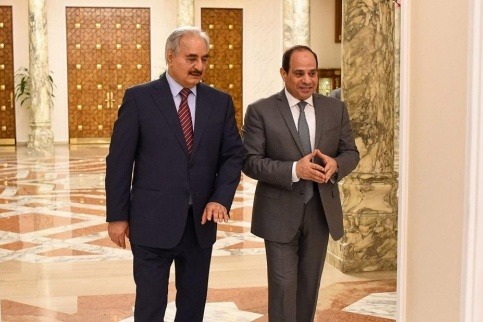
Strategic Council Online – Opinion: Egyptian President Abdel Fattah el-Sisi announced during the recent visit of Greek Prime Minister Kyriakos Mitsotakis to Egypt that his country is considering a quadrilateral meeting in Cairo between the heads of Egypt, Greece, Turkey, and Cyprus to discuss the tensions in the Eastern Mediterranean and bring together views regarding the demarcation of maritime borders and the possibility of Turkey joining the East Mediterranean Gas Forum.
Mahmoud Fazeli – International affairs analyst

Prospects for negotiations to resolve the Libya crisis in Morocco

Prospects for negotiations to resolve the Libya crisis in Morocco

Strategic Council Online-Interview: A university professor says participants in the negotiations in Morocco are serious and determined to resolve the crisis in Libya, adding however that one cannot be optimistic about the outcome of the negotiations as there are ups and downs in the talks and the two sides are aware of the consequences of a war of attrition.

Egypt-Turkey Rivalry in Libya

Egypt-Turkey Rivalry in Libya

Strategic Council Online – A university professor said that Turkey’s sphere of influence and territorialization in Libya is approaching the strategic depth and the first influence of Egypt, and in some cases they overlap. He added that at the beginning outbreak of clashes between Egypt and Turkey exists on the battlefield, but after a while when the two sides reach a balance in interests and the war turns into one of attrition they will go for negotiations.

Strategic Outcome of Escalating Intervention by Foreign Actors in Libya

Strategic Outcome of Escalating Intervention by Foreign Actors in Libya

Strategic Council Online: Referring to the war of words between Turkey and the UAE over Libya, a university professor said that the rivalry that has taken place between the two groups in Libya is an endless game in which neither side will succeed in becoming influential powers in the Middle East and the Mediterranean. He said if this trend continues they will not be total victors in Libya.

Risk of Regional Warfare in Libya and UN Inefficiency

Risk of Regional Warfare in Libya and UN Inefficiency

Strategic Council Online: Former Iranian ambassador to Libya criticizing the UN role and performance in Libya crisis said the outbreak of a regional war in Libya is unlikely but current violence and political confrontations will continue.

Libya: Scene of Rivalry for Regional, Trans-regional Powers

Libya: Scene of Rivalry for Regional, Trans-regional Powers

Strategic Council Online: Libya has now been turned into a field for the rivalry of the regional and trans-regional powers. The plurality of power centres and domestic actors in the Libyan crisis, the multiplicity of interests in the neighbouring countries and in the international environment have created a complicated situation for the country.
Jafar Ghanadbashi – West Asian Affairs Expert

أحدث الوظائف

Implications of the US-Saudi Nuclear Agreement

SCFR Online – Opinion: The new US-Saudi nuclear agreement, despite legal and political ambiguities, could alter previous non-proliferation standards in West Asia and intensify nuclear competition, ushering it into a new phase.

An Analysis of Recent Turkey-Israeli Regime Tensions

SCFR Online – Opinion: Recent developments in Syria indicate an intensification of strategic rivalry between Turkey and the Israeli regime, but mutual considerations and the role of the United States have limited the likelihood of direct war.

Increasing criticism of the extensive Zionist lobby network

SCFR Online – Opinion: An examination of the mechanisms of the Israeli regime’s influence in the United States depicts a complex picture of shared interests, strategic dependencies, and the limitations of this relationship.

Realities of the Tripartite Makkah Pact

SCFR Online – Interview: The signing of the Makkah agreement between Saudi Arabia, Pakistan, and Turkey has raised questions about the future of the region’s security structure and the position of these countries in West Asian equations. Can this agreement become a genuine collective defense mechanism, or does it have more of a political and deterrent function than creating new military capacity?

Strategic Implications of the Reduction of US Weapons Stockpiles

SCFR Online – Opinion: The continuation of the US war against Iran, in addition to increasing operational costs, has called into question the actual capacity of the American arsenal to simultaneously fulfill security commitments on multiple fronts; an issue that affects deterrence, defense production capacity, and Washington’s resource prioritization.

The Formation of a New Order in Relations Between Powers

SCFR Online – Opinion: The Russia-Ukraine war and the war of the United States and the Israeli regime against Iran have been formed with different objectives and actors, but field and political developments indicate that they are not entirely separate from one another.

An Analysis of the Makkah Defense Pact

SCFR Online – Opinion: On Friday, August 7, the heads of state of three countries – Saudi Arabia, Turkey, and Pakistan – signed a text under the title “Makkah Joint Defense Agreement.”

Loading

Libya crisis

Prospects of Egypt, Turkey, Greece, and Cyprus Quadrilateral Meeting

Prospects of Egypt, Turkey, Greece, and Cyprus Quadrilateral Meeting

Strategic Council Online – Opinion: Egyptian President Abdel Fattah el-Sisi announced during the recent visit of Greek Prime Minister Kyriakos Mitsotakis to Egypt that his country is considering a quadrilateral meeting in Cairo between the heads of Egypt, Greece, Turkey, and Cyprus to discuss the tensions in the Eastern Mediterranean and bring together views regarding the demarcation of maritime borders and the possibility of Turkey joining the East Mediterranean Gas Forum.
Mahmoud Fazeli – International affairs analyst

Prospects for negotiations to resolve the Libya crisis in Morocco

Prospects for negotiations to resolve the Libya crisis in Morocco

Strategic Council Online-Interview: A university professor says participants in the negotiations in Morocco are serious and determined to resolve the crisis in Libya, adding however that one cannot be optimistic about the outcome of the negotiations as there are ups and downs in the talks and the two sides are aware of the consequences of a war of attrition.

Egypt-Turkey Rivalry in Libya

Egypt-Turkey Rivalry in Libya

Strategic Council Online – A university professor said that Turkey’s sphere of influence and territorialization in Libya is approaching the strategic depth and the first influence of Egypt, and in some cases they overlap. He added that at the beginning outbreak of clashes between Egypt and Turkey exists on the battlefield, but after a while when the two sides reach a balance in interests and the war turns into one of attrition they will go for negotiations.

Strategic Outcome of Escalating Intervention by Foreign Actors in Libya

Strategic Outcome of Escalating Intervention by Foreign Actors in Libya

Strategic Council Online: Referring to the war of words between Turkey and the UAE over Libya, a university professor said that the rivalry that has taken place between the two groups in Libya is an endless game in which neither side will succeed in becoming influential powers in the Middle East and the Mediterranean. He said if this trend continues they will not be total victors in Libya.

Risk of Regional Warfare in Libya and UN Inefficiency

Risk of Regional Warfare in Libya and UN Inefficiency

Strategic Council Online: Former Iranian ambassador to Libya criticizing the UN role and performance in Libya crisis said the outbreak of a regional war in Libya is unlikely but current violence and political confrontations will continue.

Libya: Scene of Rivalry for Regional, Trans-regional Powers

Libya: Scene of Rivalry for Regional, Trans-regional Powers

Strategic Council Online: Libya has now been turned into a field for the rivalry of the regional and trans-regional powers. The plurality of power centres and domestic actors in the Libyan crisis, the multiplicity of interests in the neighbouring countries and in the international environment have created a complicated situation for the country.
Jafar Ghanadbashi – West Asian Affairs Expert

Libya crisis

Prospects of Egypt, Turkey, Greece, and Cyprus Quadrilateral Meeting

Prospects of Egypt, Turkey, Greece, and Cyprus Quadrilateral Meeting

Strategic Council Online – Opinion: Egyptian President Abdel Fattah el-Sisi announced during the recent visit of Greek Prime Minister Kyriakos Mitsotakis to Egypt that his country is considering a quadrilateral meeting in Cairo between the heads of Egypt, Greece, Turkey, and Cyprus to discuss the tensions in the Eastern Mediterranean and bring together views regarding the demarcation of maritime borders and the possibility of Turkey joining the East Mediterranean Gas Forum.
Mahmoud Fazeli – International affairs analyst

Prospects for negotiations to resolve the Libya crisis in Morocco

Prospects for negotiations to resolve the Libya crisis in Morocco

Strategic Council Online-Interview: A university professor says participants in the negotiations in Morocco are serious and determined to resolve the crisis in Libya, adding however that one cannot be optimistic about the outcome of the negotiations as there are ups and downs in the talks and the two sides are aware of the consequences of a war of attrition.

Egypt-Turkey Rivalry in Libya

Egypt-Turkey Rivalry in Libya

Strategic Council Online – A university professor said that Turkey’s sphere of influence and territorialization in Libya is approaching the strategic depth and the first influence of Egypt, and in some cases they overlap. He added that at the beginning outbreak of clashes between Egypt and Turkey exists on the battlefield, but after a while when the two sides reach a balance in interests and the war turns into one of attrition they will go for negotiations.

Strategic Outcome of Escalating Intervention by Foreign Actors in Libya

Strategic Outcome of Escalating Intervention by Foreign Actors in Libya

Strategic Council Online: Referring to the war of words between Turkey and the UAE over Libya, a university professor said that the rivalry that has taken place between the two groups in Libya is an endless game in which neither side will succeed in becoming influential powers in the Middle East and the Mediterranean. He said if this trend continues they will not be total victors in Libya.

Risk of Regional Warfare in Libya and UN Inefficiency

Risk of Regional Warfare in Libya and UN Inefficiency

Strategic Council Online: Former Iranian ambassador to Libya criticizing the UN role and performance in Libya crisis said the outbreak of a regional war in Libya is unlikely but current violence and political confrontations will continue.

Libya: Scene of Rivalry for Regional, Trans-regional Powers

Libya: Scene of Rivalry for Regional, Trans-regional Powers

Strategic Council Online: Libya has now been turned into a field for the rivalry of the regional and trans-regional powers. The plurality of power centres and domestic actors in the Libyan crisis, the multiplicity of interests in the neighbouring countries and in the international environment have created a complicated situation for the country.
Jafar Ghanadbashi – West Asian Affairs Expert

LATEST CONTENT

Implications of the US-Saudi Nuclear Agreement

SCFR Online – Opinion: The new US-Saudi nuclear agreement, despite legal and political ambiguities, could alter previous non-proliferation standards in West Asia and intensify nuclear competition, ushering it into a new phase.

An Analysis of Recent Turkey-Israeli Regime Tensions

SCFR Online – Opinion: Recent developments in Syria indicate an intensification of strategic rivalry between Turkey and the Israeli regime, but mutual considerations and the role of the United States have limited the likelihood of direct war.

Increasing criticism of the extensive Zionist lobby network

SCFR Online – Opinion: An examination of the mechanisms of the Israeli regime’s influence in the United States depicts a complex picture of shared interests, strategic dependencies, and the limitations of this relationship.

Realities of the Tripartite Makkah Pact

SCFR Online – Interview: The signing of the Makkah agreement between Saudi Arabia, Pakistan, and Turkey has raised questions about the future of the region’s security structure and the position of these countries in West Asian equations. Can this agreement become a genuine collective defense mechanism, or does it have more of a political and deterrent function than creating new military capacity?

Strategic Implications of the Reduction of US Weapons Stockpiles

SCFR Online – Opinion: The continuation of the US war against Iran, in addition to increasing operational costs, has called into question the actual capacity of the American arsenal to simultaneously fulfill security commitments on multiple fronts; an issue that affects deterrence, defense production capacity, and Washington’s resource prioritization.

The Formation of a New Order in Relations Between Powers

SCFR Online – Opinion: The Russia-Ukraine war and the war of the United States and the Israeli regime against Iran have been formed with different objectives and actors, but field and political developments indicate that they are not entirely separate from one another.

An Analysis of the Makkah Defense Pact

SCFR Online – Opinion: On Friday, August 7, the heads of state of three countries – Saudi Arabia, Turkey, and Pakistan – signed a text under the title “Makkah Joint Defense Agreement.”

Loading

Libya crisis

Prospects of Egypt, Turkey, Greece, and Cyprus Quadrilateral Meeting

Prospects of Egypt, Turkey, Greece, and Cyprus Quadrilateral Meeting

Strategic Council Online – Opinion: Egyptian President Abdel Fattah el-Sisi announced during the recent visit of Greek Prime Minister Kyriakos Mitsotakis to Egypt that his country is considering a quadrilateral meeting in Cairo between the heads of Egypt, Greece, Turkey, and Cyprus to discuss the tensions in the Eastern Mediterranean and bring together views regarding the demarcation of maritime borders and the possibility of Turkey joining the East Mediterranean Gas Forum.
Mahmoud Fazeli – International affairs analyst

Prospects for negotiations to resolve the Libya crisis in Morocco

Prospects for negotiations to resolve the Libya crisis in Morocco

Strategic Council Online-Interview: A university professor says participants in the negotiations in Morocco are serious and determined to resolve the crisis in Libya, adding however that one cannot be optimistic about the outcome of the negotiations as there are ups and downs in the talks and the two sides are aware of the consequences of a war of attrition.

Egypt-Turkey Rivalry in Libya

Egypt-Turkey Rivalry in Libya

Strategic Council Online – A university professor said that Turkey’s sphere of influence and territorialization in Libya is approaching the strategic depth and the first influence of Egypt, and in some cases they overlap. He added that at the beginning outbreak of clashes between Egypt and Turkey exists on the battlefield, but after a while when the two sides reach a balance in interests and the war turns into one of attrition they will go for negotiations.

Strategic Outcome of Escalating Intervention by Foreign Actors in Libya

Strategic Outcome of Escalating Intervention by Foreign Actors in Libya

Strategic Council Online: Referring to the war of words between Turkey and the UAE over Libya, a university professor said that the rivalry that has taken place between the two groups in Libya is an endless game in which neither side will succeed in becoming influential powers in the Middle East and the Mediterranean. He said if this trend continues they will not be total victors in Libya.

Risk of Regional Warfare in Libya and UN Inefficiency

Risk of Regional Warfare in Libya and UN Inefficiency

Strategic Council Online: Former Iranian ambassador to Libya criticizing the UN role and performance in Libya crisis said the outbreak of a regional war in Libya is unlikely but current violence and political confrontations will continue.

Libya: Scene of Rivalry for Regional, Trans-regional Powers

Libya: Scene of Rivalry for Regional, Trans-regional Powers

Strategic Council Online: Libya has now been turned into a field for the rivalry of the regional and trans-regional powers. The plurality of power centres and domestic actors in the Libyan crisis, the multiplicity of interests in the neighbouring countries and in the international environment have created a complicated situation for the country.
Jafar Ghanadbashi – West Asian Affairs Expert

ÚLTIMAS PUBLICACIONES

Implications of the US-Saudi Nuclear Agreement

SCFR Online – Opinion: The new US-Saudi nuclear agreement, despite legal and political ambiguities, could alter previous non-proliferation standards in West Asia and intensify nuclear competition, ushering it into a new phase.

An Analysis of Recent Turkey-Israeli Regime Tensions

SCFR Online – Opinion: Recent developments in Syria indicate an intensification of strategic rivalry between Turkey and the Israeli regime, but mutual considerations and the role of the United States have limited the likelihood of direct war.

Increasing criticism of the extensive Zionist lobby network

SCFR Online – Opinion: An examination of the mechanisms of the Israeli regime’s influence in the United States depicts a complex picture of shared interests, strategic dependencies, and the limitations of this relationship.

Realities of the Tripartite Makkah Pact

SCFR Online – Interview: The signing of the Makkah agreement between Saudi Arabia, Pakistan, and Turkey has raised questions about the future of the region’s security structure and the position of these countries in West Asian equations. Can this agreement become a genuine collective defense mechanism, or does it have more of a political and deterrent function than creating new military capacity?

Strategic Implications of the Reduction of US Weapons Stockpiles

SCFR Online – Opinion: The continuation of the US war against Iran, in addition to increasing operational costs, has called into question the actual capacity of the American arsenal to simultaneously fulfill security commitments on multiple fronts; an issue that affects deterrence, defense production capacity, and Washington’s resource prioritization.

The Formation of a New Order in Relations Between Powers

SCFR Online – Opinion: The Russia-Ukraine war and the war of the United States and the Israeli regime against Iran have been formed with different objectives and actors, but field and political developments indicate that they are not entirely separate from one another.

An Analysis of the Makkah Defense Pact

SCFR Online – Opinion: On Friday, August 7, the heads of state of three countries – Saudi Arabia, Turkey, and Pakistan – signed a text under the title “Makkah Joint Defense Agreement.”

Loading

Libya crisis

Prospects of Egypt, Turkey, Greece, and Cyprus Quadrilateral Meeting

Prospects of Egypt, Turkey, Greece, and Cyprus Quadrilateral Meeting

Strategic Council Online – Opinion: Egyptian President Abdel Fattah el-Sisi announced during the recent visit of Greek Prime Minister Kyriakos Mitsotakis to Egypt that his country is considering a quadrilateral meeting in Cairo between the heads of Egypt, Greece, Turkey, and Cyprus to discuss the tensions in the Eastern Mediterranean and bring together views regarding the demarcation of maritime borders and the possibility of Turkey joining the East Mediterranean Gas Forum.
Mahmoud Fazeli – International affairs analyst

Prospects for negotiations to resolve the Libya crisis in Morocco

Prospects for negotiations to resolve the Libya crisis in Morocco

Strategic Council Online-Interview: A university professor says participants in the negotiations in Morocco are serious and determined to resolve the crisis in Libya, adding however that one cannot be optimistic about the outcome of the negotiations as there are ups and downs in the talks and the two sides are aware of the consequences of a war of attrition.

Egypt-Turkey Rivalry in Libya

Egypt-Turkey Rivalry in Libya

Strategic Council Online – A university professor said that Turkey’s sphere of influence and territorialization in Libya is approaching the strategic depth and the first influence of Egypt, and in some cases they overlap. He added that at the beginning outbreak of clashes between Egypt and Turkey exists on the battlefield, but after a while when the two sides reach a balance in interests and the war turns into one of attrition they will go for negotiations.

Strategic Outcome of Escalating Intervention by Foreign Actors in Libya

Strategic Outcome of Escalating Intervention by Foreign Actors in Libya

Strategic Council Online: Referring to the war of words between Turkey and the UAE over Libya, a university professor said that the rivalry that has taken place between the two groups in Libya is an endless game in which neither side will succeed in becoming influential powers in the Middle East and the Mediterranean. He said if this trend continues they will not be total victors in Libya.

Risk of Regional Warfare in Libya and UN Inefficiency

Risk of Regional Warfare in Libya and UN Inefficiency

Strategic Council Online: Former Iranian ambassador to Libya criticizing the UN role and performance in Libya crisis said the outbreak of a regional war in Libya is unlikely but current violence and political confrontations will continue.

Libya: Scene of Rivalry for Regional, Trans-regional Powers

Libya: Scene of Rivalry for Regional, Trans-regional Powers

Strategic Council Online: Libya has now been turned into a field for the rivalry of the regional and trans-regional powers. The plurality of power centres and domestic actors in the Libyan crisis, the multiplicity of interests in the neighbouring countries and in the international environment have created a complicated situation for the country.
Jafar Ghanadbashi – West Asian Affairs Expert

ÚLTIMAS PUBLICACIONES

Implications of the US-Saudi Nuclear Agreement

SCFR Online – Opinion: The new US-Saudi nuclear agreement, despite legal and political ambiguities, could alter previous non-proliferation standards in West Asia and intensify nuclear competition, ushering it into a new phase.

An Analysis of Recent Turkey-Israeli Regime Tensions

SCFR Online – Opinion: Recent developments in Syria indicate an intensification of strategic rivalry between Turkey and the Israeli regime, but mutual considerations and the role of the United States have limited the likelihood of direct war.

Increasing criticism of the extensive Zionist lobby network

SCFR Online – Opinion: An examination of the mechanisms of the Israeli regime’s influence in the United States depicts a complex picture of shared interests, strategic dependencies, and the limitations of this relationship.

Realities of the Tripartite Makkah Pact

SCFR Online – Interview: The signing of the Makkah agreement between Saudi Arabia, Pakistan, and Turkey has raised questions about the future of the region’s security structure and the position of these countries in West Asian equations. Can this agreement become a genuine collective defense mechanism, or does it have more of a political and deterrent function than creating new military capacity?

Strategic Implications of the Reduction of US Weapons Stockpiles

SCFR Online – Opinion: The continuation of the US war against Iran, in addition to increasing operational costs, has called into question the actual capacity of the American arsenal to simultaneously fulfill security commitments on multiple fronts; an issue that affects deterrence, defense production capacity, and Washington’s resource prioritization.

The Formation of a New Order in Relations Between Powers

SCFR Online – Opinion: The Russia-Ukraine war and the war of the United States and the Israeli regime against Iran have been formed with different objectives and actors, but field and political developments indicate that they are not entirely separate from one another.

An Analysis of the Makkah Defense Pact

SCFR Online – Opinion: On Friday, August 7, the heads of state of three countries – Saudi Arabia, Turkey, and Pakistan – signed a text under the title “Makkah Joint Defense Agreement.”

Loading

Libya crisis

Prospects of Egypt, Turkey, Greece, and Cyprus Quadrilateral Meeting

Prospects of Egypt, Turkey, Greece, and Cyprus Quadrilateral Meeting

Strategic Council Online – Opinion: Egyptian President Abdel Fattah el-Sisi announced during the recent visit of Greek Prime Minister Kyriakos Mitsotakis to Egypt that his country is considering a quadrilateral meeting in Cairo between the heads of Egypt, Greece, Turkey, and Cyprus to discuss the tensions in the Eastern Mediterranean and bring together views regarding the demarcation of maritime borders and the possibility of Turkey joining the East Mediterranean Gas Forum.
Mahmoud Fazeli – International affairs analyst

Prospects for negotiations to resolve the Libya crisis in Morocco

Prospects for negotiations to resolve the Libya crisis in Morocco

Strategic Council Online-Interview: A university professor says participants in the negotiations in Morocco are serious and determined to resolve the crisis in Libya, adding however that one cannot be optimistic about the outcome of the negotiations as there are ups and downs in the talks and the two sides are aware of the consequences of a war of attrition.

Egypt-Turkey Rivalry in Libya

Egypt-Turkey Rivalry in Libya

Strategic Council Online – A university professor said that Turkey’s sphere of influence and territorialization in Libya is approaching the strategic depth and the first influence of Egypt, and in some cases they overlap. He added that at the beginning outbreak of clashes between Egypt and Turkey exists on the battlefield, but after a while when the two sides reach a balance in interests and the war turns into one of attrition they will go for negotiations.

Strategic Outcome of Escalating Intervention by Foreign Actors in Libya

Strategic Outcome of Escalating Intervention by Foreign Actors in Libya

Strategic Council Online: Referring to the war of words between Turkey and the UAE over Libya, a university professor said that the rivalry that has taken place between the two groups in Libya is an endless game in which neither side will succeed in becoming influential powers in the Middle East and the Mediterranean. He said if this trend continues they will not be total victors in Libya.

Risk of Regional Warfare in Libya and UN Inefficiency

Risk of Regional Warfare in Libya and UN Inefficiency

Strategic Council Online: Former Iranian ambassador to Libya criticizing the UN role and performance in Libya crisis said the outbreak of a regional war in Libya is unlikely but current violence and political confrontations will continue.

Libya: Scene of Rivalry for Regional, Trans-regional Powers

Libya: Scene of Rivalry for Regional, Trans-regional Powers

Strategic Council Online: Libya has now been turned into a field for the rivalry of the regional and trans-regional powers. The plurality of power centres and domestic actors in the Libyan crisis, the multiplicity of interests in the neighbouring countries and in the international environment have created a complicated situation for the country.
Jafar Ghanadbashi – West Asian Affairs Expert

ÚLTIMAS PUBLICACIONES

Implications of the US-Saudi Nuclear Agreement

SCFR Online – Opinion: The new US-Saudi nuclear agreement, despite legal and political ambiguities, could alter previous non-proliferation standards in West Asia and intensify nuclear competition, ushering it into a new phase.

An Analysis of Recent Turkey-Israeli Regime Tensions

SCFR Online – Opinion: Recent developments in Syria indicate an intensification of strategic rivalry between Turkey and the Israeli regime, but mutual considerations and the role of the United States have limited the likelihood of direct war.

Increasing criticism of the extensive Zionist lobby network

SCFR Online – Opinion: An examination of the mechanisms of the Israeli regime’s influence in the United States depicts a complex picture of shared interests, strategic dependencies, and the limitations of this relationship.

Realities of the Tripartite Makkah Pact

SCFR Online – Interview: The signing of the Makkah agreement between Saudi Arabia, Pakistan, and Turkey has raised questions about the future of the region’s security structure and the position of these countries in West Asian equations. Can this agreement become a genuine collective defense mechanism, or does it have more of a political and deterrent function than creating new military capacity?

Strategic Implications of the Reduction of US Weapons Stockpiles

SCFR Online – Opinion: The continuation of the US war against Iran, in addition to increasing operational costs, has called into question the actual capacity of the American arsenal to simultaneously fulfill security commitments on multiple fronts; an issue that affects deterrence, defense production capacity, and Washington’s resource prioritization.

The Formation of a New Order in Relations Between Powers

SCFR Online – Opinion: The Russia-Ukraine war and the war of the United States and the Israeli regime against Iran have been formed with different objectives and actors, but field and political developments indicate that they are not entirely separate from one another.

An Analysis of the Makkah Defense Pact

SCFR Online – Opinion: On Friday, August 7, the heads of state of three countries – Saudi Arabia, Turkey, and Pakistan – signed a text under the title “Makkah Joint Defense Agreement.”

Loading

Libya crisis

Prospects of Egypt, Turkey, Greece, and Cyprus Quadrilateral Meeting

Prospects of Egypt, Turkey, Greece, and Cyprus Quadrilateral Meeting

Strategic Council Online – Opinion: Egyptian President Abdel Fattah el-Sisi announced during the recent visit of Greek Prime Minister Kyriakos Mitsotakis to Egypt that his country is considering a quadrilateral meeting in Cairo between the heads of Egypt, Greece, Turkey, and Cyprus to discuss the tensions in the Eastern Mediterranean and bring together views regarding the demarcation of maritime borders and the possibility of Turkey joining the East Mediterranean Gas Forum.
Mahmoud Fazeli – International affairs analyst

Prospects for negotiations to resolve the Libya crisis in Morocco

Prospects for negotiations to resolve the Libya crisis in Morocco

Strategic Council Online-Interview: A university professor says participants in the negotiations in Morocco are serious and determined to resolve the crisis in Libya, adding however that one cannot be optimistic about the outcome of the negotiations as there are ups and downs in the talks and the two sides are aware of the consequences of a war of attrition.

Egypt-Turkey Rivalry in Libya

Egypt-Turkey Rivalry in Libya

Strategic Council Online – A university professor said that Turkey’s sphere of influence and territorialization in Libya is approaching the strategic depth and the first influence of Egypt, and in some cases they overlap. He added that at the beginning outbreak of clashes between Egypt and Turkey exists on the battlefield, but after a while when the two sides reach a balance in interests and the war turns into one of attrition they will go for negotiations.

Strategic Outcome of Escalating Intervention by Foreign Actors in Libya

Strategic Outcome of Escalating Intervention by Foreign Actors in Libya

Strategic Council Online: Referring to the war of words between Turkey and the UAE over Libya, a university professor said that the rivalry that has taken place between the two groups in Libya is an endless game in which neither side will succeed in becoming influential powers in the Middle East and the Mediterranean. He said if this trend continues they will not be total victors in Libya.

Risk of Regional Warfare in Libya and UN Inefficiency

Risk of Regional Warfare in Libya and UN Inefficiency

Strategic Council Online: Former Iranian ambassador to Libya criticizing the UN role and performance in Libya crisis said the outbreak of a regional war in Libya is unlikely but current violence and political confrontations will continue.

Libya: Scene of Rivalry for Regional, Trans-regional Powers

Libya: Scene of Rivalry for Regional, Trans-regional Powers

Strategic Council Online: Libya has now been turned into a field for the rivalry of the regional and trans-regional powers. The plurality of power centres and domestic actors in the Libyan crisis, the multiplicity of interests in the neighbouring countries and in the international environment have created a complicated situation for the country.
Jafar Ghanadbashi – West Asian Affairs Expert

ÚLTIMAS PUBLICACIONES

Implications of the US-Saudi Nuclear Agreement

SCFR Online – Opinion: The new US-Saudi nuclear agreement, despite legal and political ambiguities, could alter previous non-proliferation standards in West Asia and intensify nuclear competition, ushering it into a new phase.

An Analysis of Recent Turkey-Israeli Regime Tensions

SCFR Online – Opinion: Recent developments in Syria indicate an intensification of strategic rivalry between Turkey and the Israeli regime, but mutual considerations and the role of the United States have limited the likelihood of direct war.

Increasing criticism of the extensive Zionist lobby network

SCFR Online – Opinion: An examination of the mechanisms of the Israeli regime’s influence in the United States depicts a complex picture of shared interests, strategic dependencies, and the limitations of this relationship.

Realities of the Tripartite Makkah Pact

SCFR Online – Interview: The signing of the Makkah agreement between Saudi Arabia, Pakistan, and Turkey has raised questions about the future of the region’s security structure and the position of these countries in West Asian equations. Can this agreement become a genuine collective defense mechanism, or does it have more of a political and deterrent function than creating new military capacity?

Strategic Implications of the Reduction of US Weapons Stockpiles

SCFR Online – Opinion: The continuation of the US war against Iran, in addition to increasing operational costs, has called into question the actual capacity of the American arsenal to simultaneously fulfill security commitments on multiple fronts; an issue that affects deterrence, defense production capacity, and Washington’s resource prioritization.

The Formation of a New Order in Relations Between Powers

SCFR Online – Opinion: The Russia-Ukraine war and the war of the United States and the Israeli regime against Iran have been formed with different objectives and actors, but field and political developments indicate that they are not entirely separate from one another.

An Analysis of the Makkah Defense Pact

SCFR Online – Opinion: On Friday, August 7, the heads of state of three countries – Saudi Arabia, Turkey, and Pakistan – signed a text under the title “Makkah Joint Defense Agreement.”

Loading