An Analysis of the Makkah Defense Pact
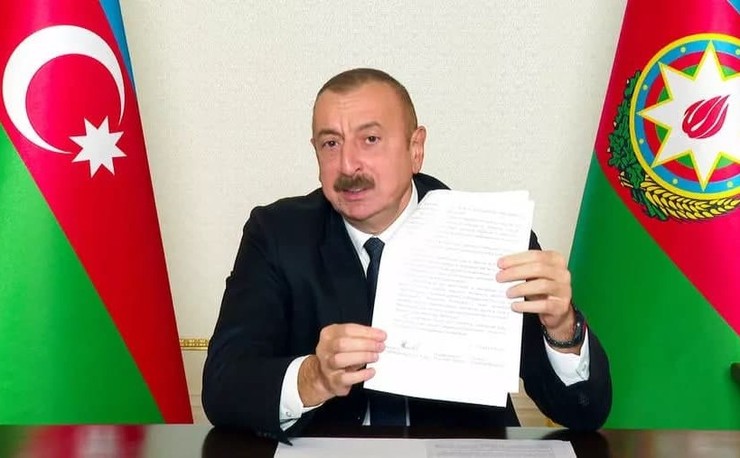
SCFR Online – Opinion: On Friday, August 7, the heads of state of three countries – Saudi Arabia, Turkey, and Pakistan – signed a text under the title “Makkah Joint Defense Agreement.”
Strategic Council Online – Note: The initiative to revive the Hejaz Railway, beyond being a transportation project, constitutes an attempt to redefine geopolitics, the economy, and Turkey’s regional position; however, its realization appears to face significant financial, security, and institutional challenges.
SCFR Online – Opinion: The Strait of Hormuz crisis is no longer merely the consequence of a military confrontation, but rather a sign of the transition from the US-centered maritime order to a new energy security structure involving the participation of emerging and influential powers.
SCFR Online – Opinion: Iran’s active deterrence strategy, while increasing the costs of US intervention, has increasingly exposed the hidden rifts between Washington’s interests and those of the Israeli regime.
SCFR Online – Opinion: The escalation of verbal and strategic tensions between Turkey and the Israeli regime, although not increasing the likelihood of direct war, indicates the formation of a new order in West Asian geopolitical rivalries.
Strategic Council Online – Note: Recent developments in the political geography of West Asia, from rising tensions in the Persian Gulf to missile and drone activities in the Red Sea and the recent warning by Kaja Kallas, the European Union’s foreign policy chief, regarding the threat to freedom of navigation, indicate a key pattern shift; the US-Iran war has moved beyond the scope of a regional and local confrontation and has linked two vital passageways for the global economy: the Strait of Hormuz and the Bab el-Mandeb Strait.
SCFR Online – Opinion: The Ukraine war was not merely a European crisis, but rather the starting point for the rearrangement of the global balance of power and a shift in the strategic behavior of great powers.
SCFR Online – Opinion: Great power competition is now pursued more in trade, currency, technology, and global supply chains than on the battlefields of military confrontation.
Strategic Council Online – Interview: A researcher of the Research Center of the Expediency Council, while emphasizing the importance of the recent meeting between the presidents of Turkey and Russia in Sochi, said: The crisis in Ukraine and the pressures of the West have negatively affected Turkey’s balanced approach towards the West and Russia, and that the Russians are doubtful about Turkey’s future policies.
Strategic Council Online – Opinion: The European Union is currently facing an unprecedented rise in energy prices which could hamper economic recovery after the Coronavirus epidemic in the Union, limit household incomes, and even challenge the so-called green transition. A set of market, geographical and political components has created the current unfavorable conditions.
Alireza Thamoudi – Expert on European affairs
Strategic Council Online: Issues such as territorial waters, flight information areas, disputed maritime zones, arming islands, and violation of rights of Turk minority in Thrace (Muslim inhabitant regions of Greece) have been among cases to cause tension between Ankara and Athens within the recent decades. All evidences stipulate that there is no conceivable perspective to de-escalate tensions between the two countries in near future. Despite counselling and agreements already made, yet there is not adequate stability to preserve them. Thus, they can be subject to questions.
Mahmoud Fazeli, International Analyst
Strategic Council Online – An expert on West Asia affairs said that the presence of the Chinese Foreign Minister in Damascus after 10 years could be a prelude to Beijing’s desire for a broad economic presence in Syria, adding: China sees Syria and especially reconstruction of that country as an opportunity to enhance its presence and influence in the Middle East.
Strategic Council Online – The recent attacks by Israeli jet fighters on areas in the northwest of Syria are a serious warning for the beginning of a new round of the regime’s disputes with Russia in Syria. Until recently, relations between Russia and the Zionist regime in Syria, according to Moscow’s considerations, were defined on the basis of the principle of coordination in some areas of security and intelligence, but with the recent Zionist regime invasion of areas northwest of Syria, where Russian forces are stationed, the previous coordination will be undermined.
Hamid Khoshayand – Analyst of international affairs
Online Strategic Council—Interview: An expert of Turkey issues says it seems that during the next four years of Biden’s presidency in the White House, we would witness more US pressures on Turkey so that Ankara could not act independently outside the NATO framework and the policies of the United States as the leader of NATO.
Strategic Council Online – Referring to the recent tensions between Turkey and Western members of NATO, an expert on Turkey affairs said that Ankara’s approach to NATO and its interaction with the United States in recent years has become a challenging situation that almost has put Turkey in front of Western countries.
Strategic Council Online—Interview: A researcher of the Caucasus region says the opposition of some political parties in the Republic of Azerbaijan to the ceasefire deal with the Republic of Armenia can play a significant role given the Caucasus conflict has not yet been finished.
Strategic Council Online—Editorial: With Joe Biden going to the oval office in the White House next January, NATO is hoping to re-establish warm relations between the US and Europe after the end of the Trump tenure, and the presence of Biden as the President of the United States would increase hopes for the amelioration of trans-Atlantic relations. NATO Secretary-General Jens Stoltenberg announced an extraordinary session of the NATO Summit at the beginning of 2021 with the participation of Joe Biden after he assumes power in Washington. Many in Europe are waiting for fundamental changes in NATO after the remarks of the French president who described NATO as facing brain death—something suggestive of the depth of internal differences in this military alliance. Paris is also demanding a revision in the activities and objectives of NATO as a military coalition organization.
Mahmoud Fazeli, expert of European affairs
Strategic Council Online—Editorial: In recent weeks, more and more European countries and institutions have been attacking Turkish policies in the Mediterranean.
Mahmood Fazeli, International affairs analyst
SCFR Online – Opinion: On Friday, August 7, the heads of state of three countries – Saudi Arabia, Turkey, and Pakistan – signed a text under the title “Makkah Joint Defense Agreement.”
Strategic Council Online – Note: The initiative to revive the Hejaz Railway, beyond being a transportation project, constitutes an attempt to redefine geopolitics, the economy, and Turkey’s regional position; however, its realization appears to face significant financial, security, and institutional challenges.
SCFR Online – Opinion: The Strait of Hormuz crisis is no longer merely the consequence of a military confrontation, but rather a sign of the transition from the US-centered maritime order to a new energy security structure involving the participation of emerging and influential powers.
SCFR Online – Opinion: Iran’s active deterrence strategy, while increasing the costs of US intervention, has increasingly exposed the hidden rifts between Washington’s interests and those of the Israeli regime.
SCFR Online – Opinion: The escalation of verbal and strategic tensions between Turkey and the Israeli regime, although not increasing the likelihood of direct war, indicates the formation of a new order in West Asian geopolitical rivalries.
Strategic Council Online – Note: Recent developments in the political geography of West Asia, from rising tensions in the Persian Gulf to missile and drone activities in the Red Sea and the recent warning by Kaja Kallas, the European Union’s foreign policy chief, regarding the threat to freedom of navigation, indicate a key pattern shift; the US-Iran war has moved beyond the scope of a regional and local confrontation and has linked two vital passageways for the global economy: the Strait of Hormuz and the Bab el-Mandeb Strait.
SCFR Online – Opinion: The Ukraine war was not merely a European crisis, but rather the starting point for the rearrangement of the global balance of power and a shift in the strategic behavior of great powers.
SCFR Online – Opinion: Great power competition is now pursued more in trade, currency, technology, and global supply chains than on the battlefields of military confrontation.
Strategic Council Online – Interview: A researcher of the Research Center of the Expediency Council, while emphasizing the importance of the recent meeting between the presidents of Turkey and Russia in Sochi, said: The crisis in Ukraine and the pressures of the West have negatively affected Turkey’s balanced approach towards the West and Russia, and that the Russians are doubtful about Turkey’s future policies.
Strategic Council Online – Opinion: The European Union is currently facing an unprecedented rise in energy prices which could hamper economic recovery after the Coronavirus epidemic in the Union, limit household incomes, and even challenge the so-called green transition. A set of market, geographical and political components has created the current unfavorable conditions.
Alireza Thamoudi – Expert on European affairs
Strategic Council Online: Issues such as territorial waters, flight information areas, disputed maritime zones, arming islands, and violation of rights of Turk minority in Thrace (Muslim inhabitant regions of Greece) have been among cases to cause tension between Ankara and Athens within the recent decades. All evidences stipulate that there is no conceivable perspective to de-escalate tensions between the two countries in near future. Despite counselling and agreements already made, yet there is not adequate stability to preserve them. Thus, they can be subject to questions.
Mahmoud Fazeli, International Analyst
Strategic Council Online – An expert on West Asia affairs said that the presence of the Chinese Foreign Minister in Damascus after 10 years could be a prelude to Beijing’s desire for a broad economic presence in Syria, adding: China sees Syria and especially reconstruction of that country as an opportunity to enhance its presence and influence in the Middle East.
Strategic Council Online – The recent attacks by Israeli jet fighters on areas in the northwest of Syria are a serious warning for the beginning of a new round of the regime’s disputes with Russia in Syria. Until recently, relations between Russia and the Zionist regime in Syria, according to Moscow’s considerations, were defined on the basis of the principle of coordination in some areas of security and intelligence, but with the recent Zionist regime invasion of areas northwest of Syria, where Russian forces are stationed, the previous coordination will be undermined.
Hamid Khoshayand – Analyst of international affairs
Online Strategic Council—Interview: An expert of Turkey issues says it seems that during the next four years of Biden’s presidency in the White House, we would witness more US pressures on Turkey so that Ankara could not act independently outside the NATO framework and the policies of the United States as the leader of NATO.
Strategic Council Online – Referring to the recent tensions between Turkey and Western members of NATO, an expert on Turkey affairs said that Ankara’s approach to NATO and its interaction with the United States in recent years has become a challenging situation that almost has put Turkey in front of Western countries.
Strategic Council Online—Interview: A researcher of the Caucasus region says the opposition of some political parties in the Republic of Azerbaijan to the ceasefire deal with the Republic of Armenia can play a significant role given the Caucasus conflict has not yet been finished.
Strategic Council Online—Editorial: With Joe Biden going to the oval office in the White House next January, NATO is hoping to re-establish warm relations between the US and Europe after the end of the Trump tenure, and the presence of Biden as the President of the United States would increase hopes for the amelioration of trans-Atlantic relations. NATO Secretary-General Jens Stoltenberg announced an extraordinary session of the NATO Summit at the beginning of 2021 with the participation of Joe Biden after he assumes power in Washington. Many in Europe are waiting for fundamental changes in NATO after the remarks of the French president who described NATO as facing brain death—something suggestive of the depth of internal differences in this military alliance. Paris is also demanding a revision in the activities and objectives of NATO as a military coalition organization.
Mahmoud Fazeli, expert of European affairs
Strategic Council Online—Editorial: In recent weeks, more and more European countries and institutions have been attacking Turkish policies in the Mediterranean.
Mahmood Fazeli, International affairs analyst
Strategic Council Online – Interview: A researcher of the Research Center of the Expediency Council, while emphasizing the importance of the recent meeting between the presidents of Turkey and Russia in Sochi, said: The crisis in Ukraine and the pressures of the West have negatively affected Turkey’s balanced approach towards the West and Russia, and that the Russians are doubtful about Turkey’s future policies.
Strategic Council Online – Opinion: The European Union is currently facing an unprecedented rise in energy prices which could hamper economic recovery after the Coronavirus epidemic in the Union, limit household incomes, and even challenge the so-called green transition. A set of market, geographical and political components has created the current unfavorable conditions.
Alireza Thamoudi – Expert on European affairs
Strategic Council Online: Issues such as territorial waters, flight information areas, disputed maritime zones, arming islands, and violation of rights of Turk minority in Thrace (Muslim inhabitant regions of Greece) have been among cases to cause tension between Ankara and Athens within the recent decades. All evidences stipulate that there is no conceivable perspective to de-escalate tensions between the two countries in near future. Despite counselling and agreements already made, yet there is not adequate stability to preserve them. Thus, they can be subject to questions.
Mahmoud Fazeli, International Analyst
Strategic Council Online – An expert on West Asia affairs said that the presence of the Chinese Foreign Minister in Damascus after 10 years could be a prelude to Beijing’s desire for a broad economic presence in Syria, adding: China sees Syria and especially reconstruction of that country as an opportunity to enhance its presence and influence in the Middle East.
Strategic Council Online – The recent attacks by Israeli jet fighters on areas in the northwest of Syria are a serious warning for the beginning of a new round of the regime’s disputes with Russia in Syria. Until recently, relations between Russia and the Zionist regime in Syria, according to Moscow’s considerations, were defined on the basis of the principle of coordination in some areas of security and intelligence, but with the recent Zionist regime invasion of areas northwest of Syria, where Russian forces are stationed, the previous coordination will be undermined.
Hamid Khoshayand – Analyst of international affairs
Online Strategic Council—Interview: An expert of Turkey issues says it seems that during the next four years of Biden’s presidency in the White House, we would witness more US pressures on Turkey so that Ankara could not act independently outside the NATO framework and the policies of the United States as the leader of NATO.
Strategic Council Online – Referring to the recent tensions between Turkey and Western members of NATO, an expert on Turkey affairs said that Ankara’s approach to NATO and its interaction with the United States in recent years has become a challenging situation that almost has put Turkey in front of Western countries.
Strategic Council Online—Interview: A researcher of the Caucasus region says the opposition of some political parties in the Republic of Azerbaijan to the ceasefire deal with the Republic of Armenia can play a significant role given the Caucasus conflict has not yet been finished.
Strategic Council Online—Editorial: With Joe Biden going to the oval office in the White House next January, NATO is hoping to re-establish warm relations between the US and Europe after the end of the Trump tenure, and the presence of Biden as the President of the United States would increase hopes for the amelioration of trans-Atlantic relations. NATO Secretary-General Jens Stoltenberg announced an extraordinary session of the NATO Summit at the beginning of 2021 with the participation of Joe Biden after he assumes power in Washington. Many in Europe are waiting for fundamental changes in NATO after the remarks of the French president who described NATO as facing brain death—something suggestive of the depth of internal differences in this military alliance. Paris is also demanding a revision in the activities and objectives of NATO as a military coalition organization.
Mahmoud Fazeli, expert of European affairs
Strategic Council Online—Editorial: In recent weeks, more and more European countries and institutions have been attacking Turkish policies in the Mediterranean.
Mahmood Fazeli, International affairs analyst
SCFR Online – Opinion: On Friday, August 7, the heads of state of three countries – Saudi Arabia, Turkey, and Pakistan – signed a text under the title “Makkah Joint Defense Agreement.”
Strategic Council Online – Note: The initiative to revive the Hejaz Railway, beyond being a transportation project, constitutes an attempt to redefine geopolitics, the economy, and Turkey’s regional position; however, its realization appears to face significant financial, security, and institutional challenges.
SCFR Online – Opinion: The Strait of Hormuz crisis is no longer merely the consequence of a military confrontation, but rather a sign of the transition from the US-centered maritime order to a new energy security structure involving the participation of emerging and influential powers.
SCFR Online – Opinion: Iran’s active deterrence strategy, while increasing the costs of US intervention, has increasingly exposed the hidden rifts between Washington’s interests and those of the Israeli regime.
SCFR Online – Opinion: The escalation of verbal and strategic tensions between Turkey and the Israeli regime, although not increasing the likelihood of direct war, indicates the formation of a new order in West Asian geopolitical rivalries.
Strategic Council Online – Note: Recent developments in the political geography of West Asia, from rising tensions in the Persian Gulf to missile and drone activities in the Red Sea and the recent warning by Kaja Kallas, the European Union’s foreign policy chief, regarding the threat to freedom of navigation, indicate a key pattern shift; the US-Iran war has moved beyond the scope of a regional and local confrontation and has linked two vital passageways for the global economy: the Strait of Hormuz and the Bab el-Mandeb Strait.
SCFR Online – Opinion: The Ukraine war was not merely a European crisis, but rather the starting point for the rearrangement of the global balance of power and a shift in the strategic behavior of great powers.
SCFR Online – Opinion: Great power competition is now pursued more in trade, currency, technology, and global supply chains than on the battlefields of military confrontation.
Strategic Council Online – Interview: A researcher of the Research Center of the Expediency Council, while emphasizing the importance of the recent meeting between the presidents of Turkey and Russia in Sochi, said: The crisis in Ukraine and the pressures of the West have negatively affected Turkey’s balanced approach towards the West and Russia, and that the Russians are doubtful about Turkey’s future policies.
Strategic Council Online – Opinion: The European Union is currently facing an unprecedented rise in energy prices which could hamper economic recovery after the Coronavirus epidemic in the Union, limit household incomes, and even challenge the so-called green transition. A set of market, geographical and political components has created the current unfavorable conditions.
Alireza Thamoudi – Expert on European affairs
Strategic Council Online: Issues such as territorial waters, flight information areas, disputed maritime zones, arming islands, and violation of rights of Turk minority in Thrace (Muslim inhabitant regions of Greece) have been among cases to cause tension between Ankara and Athens within the recent decades. All evidences stipulate that there is no conceivable perspective to de-escalate tensions between the two countries in near future. Despite counselling and agreements already made, yet there is not adequate stability to preserve them. Thus, they can be subject to questions.
Mahmoud Fazeli, International Analyst
Strategic Council Online – An expert on West Asia affairs said that the presence of the Chinese Foreign Minister in Damascus after 10 years could be a prelude to Beijing’s desire for a broad economic presence in Syria, adding: China sees Syria and especially reconstruction of that country as an opportunity to enhance its presence and influence in the Middle East.
Strategic Council Online – The recent attacks by Israeli jet fighters on areas in the northwest of Syria are a serious warning for the beginning of a new round of the regime’s disputes with Russia in Syria. Until recently, relations between Russia and the Zionist regime in Syria, according to Moscow’s considerations, were defined on the basis of the principle of coordination in some areas of security and intelligence, but with the recent Zionist regime invasion of areas northwest of Syria, where Russian forces are stationed, the previous coordination will be undermined.
Hamid Khoshayand – Analyst of international affairs
Online Strategic Council—Interview: An expert of Turkey issues says it seems that during the next four years of Biden’s presidency in the White House, we would witness more US pressures on Turkey so that Ankara could not act independently outside the NATO framework and the policies of the United States as the leader of NATO.
Strategic Council Online – Referring to the recent tensions between Turkey and Western members of NATO, an expert on Turkey affairs said that Ankara’s approach to NATO and its interaction with the United States in recent years has become a challenging situation that almost has put Turkey in front of Western countries.
Strategic Council Online—Interview: A researcher of the Caucasus region says the opposition of some political parties in the Republic of Azerbaijan to the ceasefire deal with the Republic of Armenia can play a significant role given the Caucasus conflict has not yet been finished.
Strategic Council Online—Editorial: With Joe Biden going to the oval office in the White House next January, NATO is hoping to re-establish warm relations between the US and Europe after the end of the Trump tenure, and the presence of Biden as the President of the United States would increase hopes for the amelioration of trans-Atlantic relations. NATO Secretary-General Jens Stoltenberg announced an extraordinary session of the NATO Summit at the beginning of 2021 with the participation of Joe Biden after he assumes power in Washington. Many in Europe are waiting for fundamental changes in NATO after the remarks of the French president who described NATO as facing brain death—something suggestive of the depth of internal differences in this military alliance. Paris is also demanding a revision in the activities and objectives of NATO as a military coalition organization.
Mahmoud Fazeli, expert of European affairs
Strategic Council Online—Editorial: In recent weeks, more and more European countries and institutions have been attacking Turkish policies in the Mediterranean.
Mahmood Fazeli, International affairs analyst
SCFR Online – Opinion: On Friday, August 7, the heads of state of three countries – Saudi Arabia, Turkey, and Pakistan – signed a text under the title “Makkah Joint Defense Agreement.”
Strategic Council Online – Note: The initiative to revive the Hejaz Railway, beyond being a transportation project, constitutes an attempt to redefine geopolitics, the economy, and Turkey’s regional position; however, its realization appears to face significant financial, security, and institutional challenges.
SCFR Online – Opinion: The Strait of Hormuz crisis is no longer merely the consequence of a military confrontation, but rather a sign of the transition from the US-centered maritime order to a new energy security structure involving the participation of emerging and influential powers.
SCFR Online – Opinion: Iran’s active deterrence strategy, while increasing the costs of US intervention, has increasingly exposed the hidden rifts between Washington’s interests and those of the Israeli regime.
SCFR Online – Opinion: The escalation of verbal and strategic tensions between Turkey and the Israeli regime, although not increasing the likelihood of direct war, indicates the formation of a new order in West Asian geopolitical rivalries.
Strategic Council Online – Note: Recent developments in the political geography of West Asia, from rising tensions in the Persian Gulf to missile and drone activities in the Red Sea and the recent warning by Kaja Kallas, the European Union’s foreign policy chief, regarding the threat to freedom of navigation, indicate a key pattern shift; the US-Iran war has moved beyond the scope of a regional and local confrontation and has linked two vital passageways for the global economy: the Strait of Hormuz and the Bab el-Mandeb Strait.
SCFR Online – Opinion: The Ukraine war was not merely a European crisis, but rather the starting point for the rearrangement of the global balance of power and a shift in the strategic behavior of great powers.
SCFR Online – Opinion: Great power competition is now pursued more in trade, currency, technology, and global supply chains than on the battlefields of military confrontation.
Strategic Council Online – Interview: A researcher of the Research Center of the Expediency Council, while emphasizing the importance of the recent meeting between the presidents of Turkey and Russia in Sochi, said: The crisis in Ukraine and the pressures of the West have negatively affected Turkey’s balanced approach towards the West and Russia, and that the Russians are doubtful about Turkey’s future policies.
Strategic Council Online – Opinion: The European Union is currently facing an unprecedented rise in energy prices which could hamper economic recovery after the Coronavirus epidemic in the Union, limit household incomes, and even challenge the so-called green transition. A set of market, geographical and political components has created the current unfavorable conditions.
Alireza Thamoudi – Expert on European affairs
Strategic Council Online: Issues such as territorial waters, flight information areas, disputed maritime zones, arming islands, and violation of rights of Turk minority in Thrace (Muslim inhabitant regions of Greece) have been among cases to cause tension between Ankara and Athens within the recent decades. All evidences stipulate that there is no conceivable perspective to de-escalate tensions between the two countries in near future. Despite counselling and agreements already made, yet there is not adequate stability to preserve them. Thus, they can be subject to questions.
Mahmoud Fazeli, International Analyst
Strategic Council Online – An expert on West Asia affairs said that the presence of the Chinese Foreign Minister in Damascus after 10 years could be a prelude to Beijing’s desire for a broad economic presence in Syria, adding: China sees Syria and especially reconstruction of that country as an opportunity to enhance its presence and influence in the Middle East.
Strategic Council Online – The recent attacks by Israeli jet fighters on areas in the northwest of Syria are a serious warning for the beginning of a new round of the regime’s disputes with Russia in Syria. Until recently, relations between Russia and the Zionist regime in Syria, according to Moscow’s considerations, were defined on the basis of the principle of coordination in some areas of security and intelligence, but with the recent Zionist regime invasion of areas northwest of Syria, where Russian forces are stationed, the previous coordination will be undermined.
Hamid Khoshayand – Analyst of international affairs
Online Strategic Council—Interview: An expert of Turkey issues says it seems that during the next four years of Biden’s presidency in the White House, we would witness more US pressures on Turkey so that Ankara could not act independently outside the NATO framework and the policies of the United States as the leader of NATO.
Strategic Council Online – Referring to the recent tensions between Turkey and Western members of NATO, an expert on Turkey affairs said that Ankara’s approach to NATO and its interaction with the United States in recent years has become a challenging situation that almost has put Turkey in front of Western countries.
Strategic Council Online—Interview: A researcher of the Caucasus region says the opposition of some political parties in the Republic of Azerbaijan to the ceasefire deal with the Republic of Armenia can play a significant role given the Caucasus conflict has not yet been finished.
Strategic Council Online—Editorial: With Joe Biden going to the oval office in the White House next January, NATO is hoping to re-establish warm relations between the US and Europe after the end of the Trump tenure, and the presence of Biden as the President of the United States would increase hopes for the amelioration of trans-Atlantic relations. NATO Secretary-General Jens Stoltenberg announced an extraordinary session of the NATO Summit at the beginning of 2021 with the participation of Joe Biden after he assumes power in Washington. Many in Europe are waiting for fundamental changes in NATO after the remarks of the French president who described NATO as facing brain death—something suggestive of the depth of internal differences in this military alliance. Paris is also demanding a revision in the activities and objectives of NATO as a military coalition organization.
Mahmoud Fazeli, expert of European affairs
Strategic Council Online—Editorial: In recent weeks, more and more European countries and institutions have been attacking Turkish policies in the Mediterranean.
Mahmood Fazeli, International affairs analyst
SCFR Online – Opinion: On Friday, August 7, the heads of state of three countries – Saudi Arabia, Turkey, and Pakistan – signed a text under the title “Makkah Joint Defense Agreement.”
Strategic Council Online – Note: The initiative to revive the Hejaz Railway, beyond being a transportation project, constitutes an attempt to redefine geopolitics, the economy, and Turkey’s regional position; however, its realization appears to face significant financial, security, and institutional challenges.
SCFR Online – Opinion: The Strait of Hormuz crisis is no longer merely the consequence of a military confrontation, but rather a sign of the transition from the US-centered maritime order to a new energy security structure involving the participation of emerging and influential powers.
SCFR Online – Opinion: Iran’s active deterrence strategy, while increasing the costs of US intervention, has increasingly exposed the hidden rifts between Washington’s interests and those of the Israeli regime.
SCFR Online – Opinion: The escalation of verbal and strategic tensions between Turkey and the Israeli regime, although not increasing the likelihood of direct war, indicates the formation of a new order in West Asian geopolitical rivalries.
Strategic Council Online – Note: Recent developments in the political geography of West Asia, from rising tensions in the Persian Gulf to missile and drone activities in the Red Sea and the recent warning by Kaja Kallas, the European Union’s foreign policy chief, regarding the threat to freedom of navigation, indicate a key pattern shift; the US-Iran war has moved beyond the scope of a regional and local confrontation and has linked two vital passageways for the global economy: the Strait of Hormuz and the Bab el-Mandeb Strait.
SCFR Online – Opinion: The Ukraine war was not merely a European crisis, but rather the starting point for the rearrangement of the global balance of power and a shift in the strategic behavior of great powers.
SCFR Online – Opinion: Great power competition is now pursued more in trade, currency, technology, and global supply chains than on the battlefields of military confrontation.
Strategic Council Online – Interview: A researcher of the Research Center of the Expediency Council, while emphasizing the importance of the recent meeting between the presidents of Turkey and Russia in Sochi, said: The crisis in Ukraine and the pressures of the West have negatively affected Turkey’s balanced approach towards the West and Russia, and that the Russians are doubtful about Turkey’s future policies.
Strategic Council Online – Opinion: The European Union is currently facing an unprecedented rise in energy prices which could hamper economic recovery after the Coronavirus epidemic in the Union, limit household incomes, and even challenge the so-called green transition. A set of market, geographical and political components has created the current unfavorable conditions.
Alireza Thamoudi – Expert on European affairs
Strategic Council Online: Issues such as territorial waters, flight information areas, disputed maritime zones, arming islands, and violation of rights of Turk minority in Thrace (Muslim inhabitant regions of Greece) have been among cases to cause tension between Ankara and Athens within the recent decades. All evidences stipulate that there is no conceivable perspective to de-escalate tensions between the two countries in near future. Despite counselling and agreements already made, yet there is not adequate stability to preserve them. Thus, they can be subject to questions.
Mahmoud Fazeli, International Analyst
Strategic Council Online – An expert on West Asia affairs said that the presence of the Chinese Foreign Minister in Damascus after 10 years could be a prelude to Beijing’s desire for a broad economic presence in Syria, adding: China sees Syria and especially reconstruction of that country as an opportunity to enhance its presence and influence in the Middle East.
Strategic Council Online – The recent attacks by Israeli jet fighters on areas in the northwest of Syria are a serious warning for the beginning of a new round of the regime’s disputes with Russia in Syria. Until recently, relations between Russia and the Zionist regime in Syria, according to Moscow’s considerations, were defined on the basis of the principle of coordination in some areas of security and intelligence, but with the recent Zionist regime invasion of areas northwest of Syria, where Russian forces are stationed, the previous coordination will be undermined.
Hamid Khoshayand – Analyst of international affairs
Online Strategic Council—Interview: An expert of Turkey issues says it seems that during the next four years of Biden’s presidency in the White House, we would witness more US pressures on Turkey so that Ankara could not act independently outside the NATO framework and the policies of the United States as the leader of NATO.
Strategic Council Online – Referring to the recent tensions between Turkey and Western members of NATO, an expert on Turkey affairs said that Ankara’s approach to NATO and its interaction with the United States in recent years has become a challenging situation that almost has put Turkey in front of Western countries.
Strategic Council Online—Interview: A researcher of the Caucasus region says the opposition of some political parties in the Republic of Azerbaijan to the ceasefire deal with the Republic of Armenia can play a significant role given the Caucasus conflict has not yet been finished.
Strategic Council Online—Editorial: With Joe Biden going to the oval office in the White House next January, NATO is hoping to re-establish warm relations between the US and Europe after the end of the Trump tenure, and the presence of Biden as the President of the United States would increase hopes for the amelioration of trans-Atlantic relations. NATO Secretary-General Jens Stoltenberg announced an extraordinary session of the NATO Summit at the beginning of 2021 with the participation of Joe Biden after he assumes power in Washington. Many in Europe are waiting for fundamental changes in NATO after the remarks of the French president who described NATO as facing brain death—something suggestive of the depth of internal differences in this military alliance. Paris is also demanding a revision in the activities and objectives of NATO as a military coalition organization.
Mahmoud Fazeli, expert of European affairs
Strategic Council Online—Editorial: In recent weeks, more and more European countries and institutions have been attacking Turkish policies in the Mediterranean.
Mahmood Fazeli, International affairs analyst
SCFR Online – Opinion: On Friday, August 7, the heads of state of three countries – Saudi Arabia, Turkey, and Pakistan – signed a text under the title “Makkah Joint Defense Agreement.”
Strategic Council Online – Note: The initiative to revive the Hejaz Railway, beyond being a transportation project, constitutes an attempt to redefine geopolitics, the economy, and Turkey’s regional position; however, its realization appears to face significant financial, security, and institutional challenges.
SCFR Online – Opinion: The Strait of Hormuz crisis is no longer merely the consequence of a military confrontation, but rather a sign of the transition from the US-centered maritime order to a new energy security structure involving the participation of emerging and influential powers.
SCFR Online – Opinion: Iran’s active deterrence strategy, while increasing the costs of US intervention, has increasingly exposed the hidden rifts between Washington’s interests and those of the Israeli regime.
SCFR Online – Opinion: The escalation of verbal and strategic tensions between Turkey and the Israeli regime, although not increasing the likelihood of direct war, indicates the formation of a new order in West Asian geopolitical rivalries.
Strategic Council Online – Note: Recent developments in the political geography of West Asia, from rising tensions in the Persian Gulf to missile and drone activities in the Red Sea and the recent warning by Kaja Kallas, the European Union’s foreign policy chief, regarding the threat to freedom of navigation, indicate a key pattern shift; the US-Iran war has moved beyond the scope of a regional and local confrontation and has linked two vital passageways for the global economy: the Strait of Hormuz and the Bab el-Mandeb Strait.
SCFR Online – Opinion: The Ukraine war was not merely a European crisis, but rather the starting point for the rearrangement of the global balance of power and a shift in the strategic behavior of great powers.
SCFR Online – Opinion: Great power competition is now pursued more in trade, currency, technology, and global supply chains than on the battlefields of military confrontation.
Strategic Council Online – Interview: A researcher of the Research Center of the Expediency Council, while emphasizing the importance of the recent meeting between the presidents of Turkey and Russia in Sochi, said: The crisis in Ukraine and the pressures of the West have negatively affected Turkey’s balanced approach towards the West and Russia, and that the Russians are doubtful about Turkey’s future policies.
Strategic Council Online – Opinion: The European Union is currently facing an unprecedented rise in energy prices which could hamper economic recovery after the Coronavirus epidemic in the Union, limit household incomes, and even challenge the so-called green transition. A set of market, geographical and political components has created the current unfavorable conditions.
Alireza Thamoudi – Expert on European affairs
Strategic Council Online: Issues such as territorial waters, flight information areas, disputed maritime zones, arming islands, and violation of rights of Turk minority in Thrace (Muslim inhabitant regions of Greece) have been among cases to cause tension between Ankara and Athens within the recent decades. All evidences stipulate that there is no conceivable perspective to de-escalate tensions between the two countries in near future. Despite counselling and agreements already made, yet there is not adequate stability to preserve them. Thus, they can be subject to questions.
Mahmoud Fazeli, International Analyst
Strategic Council Online – An expert on West Asia affairs said that the presence of the Chinese Foreign Minister in Damascus after 10 years could be a prelude to Beijing’s desire for a broad economic presence in Syria, adding: China sees Syria and especially reconstruction of that country as an opportunity to enhance its presence and influence in the Middle East.
Strategic Council Online – The recent attacks by Israeli jet fighters on areas in the northwest of Syria are a serious warning for the beginning of a new round of the regime’s disputes with Russia in Syria. Until recently, relations between Russia and the Zionist regime in Syria, according to Moscow’s considerations, were defined on the basis of the principle of coordination in some areas of security and intelligence, but with the recent Zionist regime invasion of areas northwest of Syria, where Russian forces are stationed, the previous coordination will be undermined.
Hamid Khoshayand – Analyst of international affairs
Online Strategic Council—Interview: An expert of Turkey issues says it seems that during the next four years of Biden’s presidency in the White House, we would witness more US pressures on Turkey so that Ankara could not act independently outside the NATO framework and the policies of the United States as the leader of NATO.
Strategic Council Online – Referring to the recent tensions between Turkey and Western members of NATO, an expert on Turkey affairs said that Ankara’s approach to NATO and its interaction with the United States in recent years has become a challenging situation that almost has put Turkey in front of Western countries.
Strategic Council Online—Interview: A researcher of the Caucasus region says the opposition of some political parties in the Republic of Azerbaijan to the ceasefire deal with the Republic of Armenia can play a significant role given the Caucasus conflict has not yet been finished.
Strategic Council Online—Editorial: With Joe Biden going to the oval office in the White House next January, NATO is hoping to re-establish warm relations between the US and Europe after the end of the Trump tenure, and the presence of Biden as the President of the United States would increase hopes for the amelioration of trans-Atlantic relations. NATO Secretary-General Jens Stoltenberg announced an extraordinary session of the NATO Summit at the beginning of 2021 with the participation of Joe Biden after he assumes power in Washington. Many in Europe are waiting for fundamental changes in NATO after the remarks of the French president who described NATO as facing brain death—something suggestive of the depth of internal differences in this military alliance. Paris is also demanding a revision in the activities and objectives of NATO as a military coalition organization.
Mahmoud Fazeli, expert of European affairs
Strategic Council Online—Editorial: In recent weeks, more and more European countries and institutions have been attacking Turkish policies in the Mediterranean.
Mahmood Fazeli, International affairs analyst
SCFR Online – Opinion: On Friday, August 7, the heads of state of three countries – Saudi Arabia, Turkey, and Pakistan – signed a text under the title “Makkah Joint Defense Agreement.”
Strategic Council Online – Note: The initiative to revive the Hejaz Railway, beyond being a transportation project, constitutes an attempt to redefine geopolitics, the economy, and Turkey’s regional position; however, its realization appears to face significant financial, security, and institutional challenges.
SCFR Online – Opinion: The Strait of Hormuz crisis is no longer merely the consequence of a military confrontation, but rather a sign of the transition from the US-centered maritime order to a new energy security structure involving the participation of emerging and influential powers.
SCFR Online – Opinion: Iran’s active deterrence strategy, while increasing the costs of US intervention, has increasingly exposed the hidden rifts between Washington’s interests and those of the Israeli regime.
SCFR Online – Opinion: The escalation of verbal and strategic tensions between Turkey and the Israeli regime, although not increasing the likelihood of direct war, indicates the formation of a new order in West Asian geopolitical rivalries.
Strategic Council Online – Note: Recent developments in the political geography of West Asia, from rising tensions in the Persian Gulf to missile and drone activities in the Red Sea and the recent warning by Kaja Kallas, the European Union’s foreign policy chief, regarding the threat to freedom of navigation, indicate a key pattern shift; the US-Iran war has moved beyond the scope of a regional and local confrontation and has linked two vital passageways for the global economy: the Strait of Hormuz and the Bab el-Mandeb Strait.
SCFR Online – Opinion: The Ukraine war was not merely a European crisis, but rather the starting point for the rearrangement of the global balance of power and a shift in the strategic behavior of great powers.
SCFR Online – Opinion: Great power competition is now pursued more in trade, currency, technology, and global supply chains than on the battlefields of military confrontation.