Reasons for the Ineffectiveness of Trump’s “Economic War” against Iran
SCFR Online – Opinion: The intensification of U.S. sanctions against Iran on the eve of the U.S. midterm elections indicates Washington’s inability to achieve its war objectives.


SCFR Online – Opinion: The intensification of U.S. sanctions against Iran on the eve of the U.S. midterm elections indicates Washington’s inability to achieve its war objectives.

SCFR Online – Opinion: The competition between Washington and Beijing over chips and artificial intelligence, simultaneously with the shifting of technological balances, has taken on new economic and security dimensions.
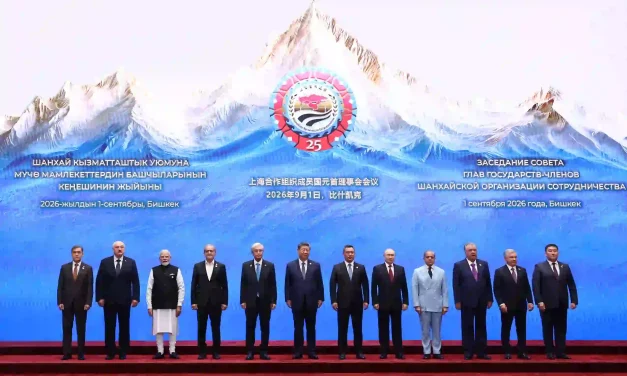
SCFR Online – Opinion: The Shanghai Cooperation Organization summit has created a new opportunity for Iran to transform its membership from a political achievement into economic and transit cooperation.
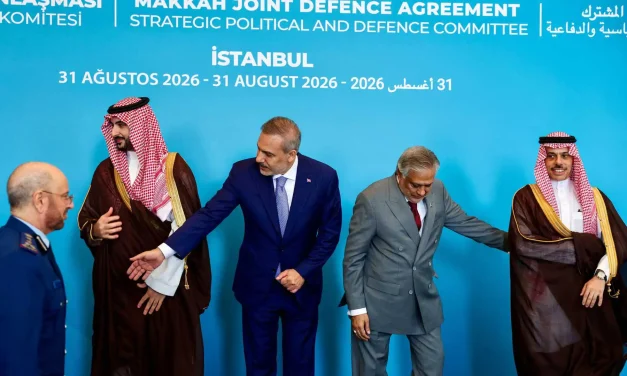
Strategic Council Online – Note: The Makkah Defense Pact can be seen as a sign of regional countries’ efforts to reduce security dependence on extra-regional powers and redefine the balance in West Asia.

SCFR Online – Opinion: The Ukraine war, by exhausting US military capability on one hand and strengthening European defense capacity on the other, has altered the balance of power in the European continent, cast uncertainty over NATO’s future, and is driving it toward a European NATO.
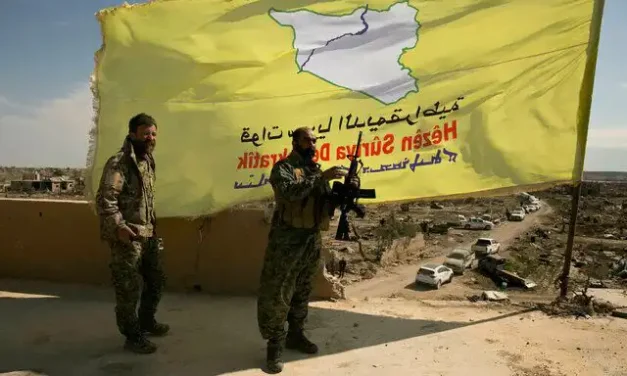
SCFR Online – Opinion: The dissolution of the SDF, although considered an achievement for Turkey’s security, does not put an end to the challenges arising from the Israeli regime’s aggression and expansionism, refugees, and Syria’s fragility.
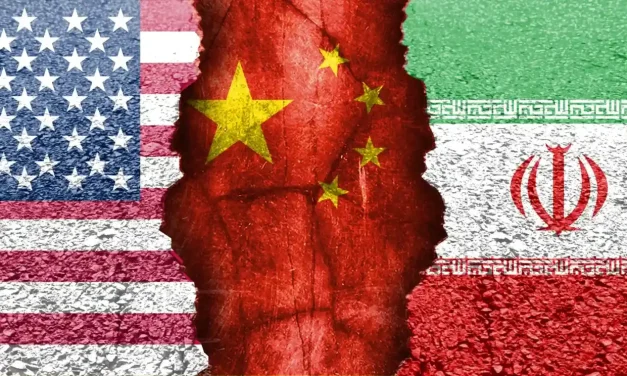
SCFR Online – Opinion: Concurrent with the official commencement of the United States’ economic war against our country, focusing on sanctions instruments, isolation, and economic pressure, what has now become increasingly important is the lack of alignment of other major global powers, especially China, with this policy.
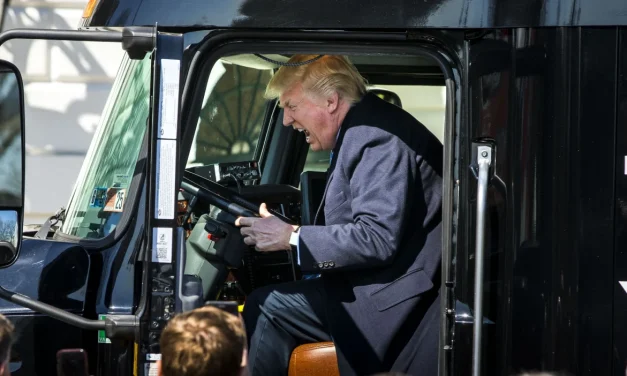
SCFR Online – Opinion: The new US sanctions against Iran, despite extensive propaganda, face serious obstacles to success due to the ineffectiveness of sanctions tools and opposition from some of Tehran’s trading partners.

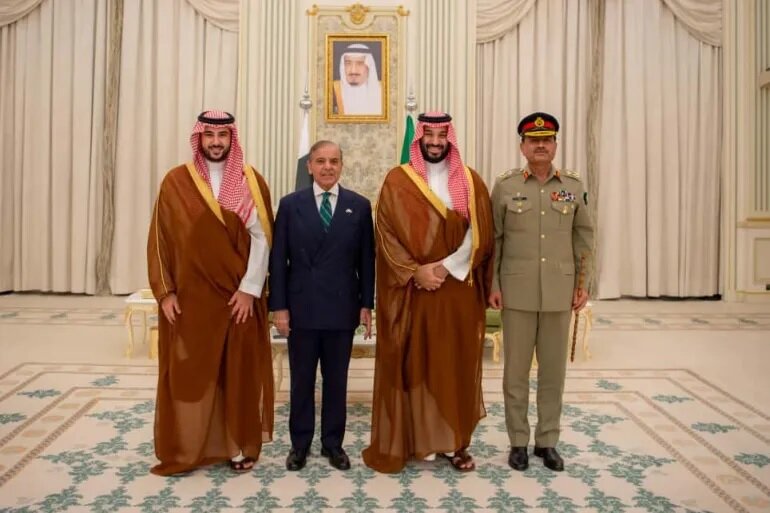
Online Strategic Council – Dialogue: After October 7, 2023, and the start of the cycle of killing and aggression by the Israeli regime, the equations of the Middle East entered a new and more complex stage. This development not only altered the security and diplomatic balances but also impacted the region’s geopolitical structure, and over the past two years, has led to the emergence of a new regional architecture. Today, the Middle East has become a multi-layered arena with changing conflicts and alliances.
The Gaza crisis and the reaction of public opinion in the region’s countries have also altered the internal calculations of governments and put their foreign policies under pressure from public opinion. The wave of official recognition of the state of Palestine, along with the experience of the Israeli regime’s aggression against Iran and Tehran’s decisive response, has made the current situation completely different from the past. It appears that in the near future, the new regional architecture will require multilateral interactions and a redefinition of power relations beyond traditional equations.
SCFR Online – Opinion: The intensification of U.S. sanctions against Iran on the eve of the U.S. midterm elections indicates Washington’s inability to achieve its war objectives.
SCFR Online – Opinion: The competition between Washington and Beijing over chips and artificial intelligence, simultaneously with the shifting of technological balances, has taken on new economic and security dimensions.
SCFR Online – Opinion: The Shanghai Cooperation Organization summit has created a new opportunity for Iran to transform its membership from a political achievement into economic and transit cooperation.
Strategic Council Online – Note: The Makkah Defense Pact can be seen as a sign of regional countries’ efforts to reduce security dependence on extra-regional powers and redefine the balance in West Asia.
SCFR Online – Opinion: The Ukraine war, by exhausting US military capability on one hand and strengthening European defense capacity on the other, has altered the balance of power in the European continent, cast uncertainty over NATO’s future, and is driving it toward a European NATO.
SCFR Online – Opinion: The dissolution of the SDF, although considered an achievement for Turkey’s security, does not put an end to the challenges arising from the Israeli regime’s aggression and expansionism, refugees, and Syria’s fragility.
SCFR Online – Opinion: Concurrent with the official commencement of the United States’ economic war against our country, focusing on sanctions instruments, isolation, and economic pressure, what has now become increasingly important is the lack of alignment of other major global powers, especially China, with this policy.
SCFR Online – Opinion: The new US sanctions against Iran, despite extensive propaganda, face serious obstacles to success due to the ineffectiveness of sanctions tools and opposition from some of Tehran’s trading partners.
Online Strategic Council – Dialogue: After October 7, 2023, and the start of the cycle of killing and aggression by the Israeli regime, the equations of the Middle East entered a new and more complex stage. This development not only altered the security and diplomatic balances but also impacted the region’s geopolitical structure, and over the past two years, has led to the emergence of a new regional architecture. Today, the Middle East has become a multi-layered arena with changing conflicts and alliances.
The Gaza crisis and the reaction of public opinion in the region’s countries have also altered the internal calculations of governments and put their foreign policies under pressure from public opinion. The wave of official recognition of the state of Palestine, along with the experience of the Israeli regime’s aggression against Iran and Tehran’s decisive response, has made the current situation completely different from the past. It appears that in the near future, the new regional architecture will require multilateral interactions and a redefinition of power relations beyond traditional equations.
Online Strategic Council – Dialogue: After October 7, 2023, and the start of the cycle of killing and aggression by the Israeli regime, the equations of the Middle East entered a new and more complex stage. This development not only altered the security and diplomatic balances but also impacted the region’s geopolitical structure, and over the past two years, has led to the emergence of a new regional architecture. Today, the Middle East has become a multi-layered arena with changing conflicts and alliances.
The Gaza crisis and the reaction of public opinion in the region’s countries have also altered the internal calculations of governments and put their foreign policies under pressure from public opinion. The wave of official recognition of the state of Palestine, along with the experience of the Israeli regime’s aggression against Iran and Tehran’s decisive response, has made the current situation completely different from the past. It appears that in the near future, the new regional architecture will require multilateral interactions and a redefinition of power relations beyond traditional equations.
SCFR Online – Opinion: The intensification of U.S. sanctions against Iran on the eve of the U.S. midterm elections indicates Washington’s inability to achieve its war objectives.
SCFR Online – Opinion: The competition between Washington and Beijing over chips and artificial intelligence, simultaneously with the shifting of technological balances, has taken on new economic and security dimensions.
SCFR Online – Opinion: The Shanghai Cooperation Organization summit has created a new opportunity for Iran to transform its membership from a political achievement into economic and transit cooperation.
Strategic Council Online – Note: The Makkah Defense Pact can be seen as a sign of regional countries’ efforts to reduce security dependence on extra-regional powers and redefine the balance in West Asia.
SCFR Online – Opinion: The Ukraine war, by exhausting US military capability on one hand and strengthening European defense capacity on the other, has altered the balance of power in the European continent, cast uncertainty over NATO’s future, and is driving it toward a European NATO.
SCFR Online – Opinion: The dissolution of the SDF, although considered an achievement for Turkey’s security, does not put an end to the challenges arising from the Israeli regime’s aggression and expansionism, refugees, and Syria’s fragility.
SCFR Online – Opinion: Concurrent with the official commencement of the United States’ economic war against our country, focusing on sanctions instruments, isolation, and economic pressure, what has now become increasingly important is the lack of alignment of other major global powers, especially China, with this policy.
SCFR Online – Opinion: The new US sanctions against Iran, despite extensive propaganda, face serious obstacles to success due to the ineffectiveness of sanctions tools and opposition from some of Tehran’s trading partners.
Online Strategic Council – Dialogue: After October 7, 2023, and the start of the cycle of killing and aggression by the Israeli regime, the equations of the Middle East entered a new and more complex stage. This development not only altered the security and diplomatic balances but also impacted the region’s geopolitical structure, and over the past two years, has led to the emergence of a new regional architecture. Today, the Middle East has become a multi-layered arena with changing conflicts and alliances.
The Gaza crisis and the reaction of public opinion in the region’s countries have also altered the internal calculations of governments and put their foreign policies under pressure from public opinion. The wave of official recognition of the state of Palestine, along with the experience of the Israeli regime’s aggression against Iran and Tehran’s decisive response, has made the current situation completely different from the past. It appears that in the near future, the new regional architecture will require multilateral interactions and a redefinition of power relations beyond traditional equations.
SCFR Online – Opinion: The intensification of U.S. sanctions against Iran on the eve of the U.S. midterm elections indicates Washington’s inability to achieve its war objectives.
SCFR Online – Opinion: The competition between Washington and Beijing over chips and artificial intelligence, simultaneously with the shifting of technological balances, has taken on new economic and security dimensions.
SCFR Online – Opinion: The Shanghai Cooperation Organization summit has created a new opportunity for Iran to transform its membership from a political achievement into economic and transit cooperation.
Strategic Council Online – Note: The Makkah Defense Pact can be seen as a sign of regional countries’ efforts to reduce security dependence on extra-regional powers and redefine the balance in West Asia.
SCFR Online – Opinion: The Ukraine war, by exhausting US military capability on one hand and strengthening European defense capacity on the other, has altered the balance of power in the European continent, cast uncertainty over NATO’s future, and is driving it toward a European NATO.
SCFR Online – Opinion: The dissolution of the SDF, although considered an achievement for Turkey’s security, does not put an end to the challenges arising from the Israeli regime’s aggression and expansionism, refugees, and Syria’s fragility.
SCFR Online – Opinion: Concurrent with the official commencement of the United States’ economic war against our country, focusing on sanctions instruments, isolation, and economic pressure, what has now become increasingly important is the lack of alignment of other major global powers, especially China, with this policy.
SCFR Online – Opinion: The new US sanctions against Iran, despite extensive propaganda, face serious obstacles to success due to the ineffectiveness of sanctions tools and opposition from some of Tehran’s trading partners.
Online Strategic Council – Dialogue: After October 7, 2023, and the start of the cycle of killing and aggression by the Israeli regime, the equations of the Middle East entered a new and more complex stage. This development not only altered the security and diplomatic balances but also impacted the region’s geopolitical structure, and over the past two years, has led to the emergence of a new regional architecture. Today, the Middle East has become a multi-layered arena with changing conflicts and alliances.
The Gaza crisis and the reaction of public opinion in the region’s countries have also altered the internal calculations of governments and put their foreign policies under pressure from public opinion. The wave of official recognition of the state of Palestine, along with the experience of the Israeli regime’s aggression against Iran and Tehran’s decisive response, has made the current situation completely different from the past. It appears that in the near future, the new regional architecture will require multilateral interactions and a redefinition of power relations beyond traditional equations.
SCFR Online – Opinion: The intensification of U.S. sanctions against Iran on the eve of the U.S. midterm elections indicates Washington’s inability to achieve its war objectives.
SCFR Online – Opinion: The competition between Washington and Beijing over chips and artificial intelligence, simultaneously with the shifting of technological balances, has taken on new economic and security dimensions.
SCFR Online – Opinion: The Shanghai Cooperation Organization summit has created a new opportunity for Iran to transform its membership from a political achievement into economic and transit cooperation.
Strategic Council Online – Note: The Makkah Defense Pact can be seen as a sign of regional countries’ efforts to reduce security dependence on extra-regional powers and redefine the balance in West Asia.
SCFR Online – Opinion: The Ukraine war, by exhausting US military capability on one hand and strengthening European defense capacity on the other, has altered the balance of power in the European continent, cast uncertainty over NATO’s future, and is driving it toward a European NATO.
SCFR Online – Opinion: The dissolution of the SDF, although considered an achievement for Turkey’s security, does not put an end to the challenges arising from the Israeli regime’s aggression and expansionism, refugees, and Syria’s fragility.
SCFR Online – Opinion: Concurrent with the official commencement of the United States’ economic war against our country, focusing on sanctions instruments, isolation, and economic pressure, what has now become increasingly important is the lack of alignment of other major global powers, especially China, with this policy.
SCFR Online – Opinion: The new US sanctions against Iran, despite extensive propaganda, face serious obstacles to success due to the ineffectiveness of sanctions tools and opposition from some of Tehran’s trading partners.
Online Strategic Council – Dialogue: After October 7, 2023, and the start of the cycle of killing and aggression by the Israeli regime, the equations of the Middle East entered a new and more complex stage. This development not only altered the security and diplomatic balances but also impacted the region’s geopolitical structure, and over the past two years, has led to the emergence of a new regional architecture. Today, the Middle East has become a multi-layered arena with changing conflicts and alliances.
The Gaza crisis and the reaction of public opinion in the region’s countries have also altered the internal calculations of governments and put their foreign policies under pressure from public opinion. The wave of official recognition of the state of Palestine, along with the experience of the Israeli regime’s aggression against Iran and Tehran’s decisive response, has made the current situation completely different from the past. It appears that in the near future, the new regional architecture will require multilateral interactions and a redefinition of power relations beyond traditional equations.
SCFR Online – Opinion: The intensification of U.S. sanctions against Iran on the eve of the U.S. midterm elections indicates Washington’s inability to achieve its war objectives.
SCFR Online – Opinion: The competition between Washington and Beijing over chips and artificial intelligence, simultaneously with the shifting of technological balances, has taken on new economic and security dimensions.
SCFR Online – Opinion: The Shanghai Cooperation Organization summit has created a new opportunity for Iran to transform its membership from a political achievement into economic and transit cooperation.
Strategic Council Online – Note: The Makkah Defense Pact can be seen as a sign of regional countries’ efforts to reduce security dependence on extra-regional powers and redefine the balance in West Asia.
SCFR Online – Opinion: The Ukraine war, by exhausting US military capability on one hand and strengthening European defense capacity on the other, has altered the balance of power in the European continent, cast uncertainty over NATO’s future, and is driving it toward a European NATO.
SCFR Online – Opinion: The dissolution of the SDF, although considered an achievement for Turkey’s security, does not put an end to the challenges arising from the Israeli regime’s aggression and expansionism, refugees, and Syria’s fragility.
SCFR Online – Opinion: Concurrent with the official commencement of the United States’ economic war against our country, focusing on sanctions instruments, isolation, and economic pressure, what has now become increasingly important is the lack of alignment of other major global powers, especially China, with this policy.
SCFR Online – Opinion: The new US sanctions against Iran, despite extensive propaganda, face serious obstacles to success due to the ineffectiveness of sanctions tools and opposition from some of Tehran’s trading partners.
Online Strategic Council – Dialogue: After October 7, 2023, and the start of the cycle of killing and aggression by the Israeli regime, the equations of the Middle East entered a new and more complex stage. This development not only altered the security and diplomatic balances but also impacted the region’s geopolitical structure, and over the past two years, has led to the emergence of a new regional architecture. Today, the Middle East has become a multi-layered arena with changing conflicts and alliances.
The Gaza crisis and the reaction of public opinion in the region’s countries have also altered the internal calculations of governments and put their foreign policies under pressure from public opinion. The wave of official recognition of the state of Palestine, along with the experience of the Israeli regime’s aggression against Iran and Tehran’s decisive response, has made the current situation completely different from the past. It appears that in the near future, the new regional architecture will require multilateral interactions and a redefinition of power relations beyond traditional equations.
SCFR Online – Opinion: The intensification of U.S. sanctions against Iran on the eve of the U.S. midterm elections indicates Washington’s inability to achieve its war objectives.
SCFR Online – Opinion: The competition between Washington and Beijing over chips and artificial intelligence, simultaneously with the shifting of technological balances, has taken on new economic and security dimensions.
SCFR Online – Opinion: The Shanghai Cooperation Organization summit has created a new opportunity for Iran to transform its membership from a political achievement into economic and transit cooperation.
Strategic Council Online – Note: The Makkah Defense Pact can be seen as a sign of regional countries’ efforts to reduce security dependence on extra-regional powers and redefine the balance in West Asia.
SCFR Online – Opinion: The Ukraine war, by exhausting US military capability on one hand and strengthening European defense capacity on the other, has altered the balance of power in the European continent, cast uncertainty over NATO’s future, and is driving it toward a European NATO.
SCFR Online – Opinion: The dissolution of the SDF, although considered an achievement for Turkey’s security, does not put an end to the challenges arising from the Israeli regime’s aggression and expansionism, refugees, and Syria’s fragility.
SCFR Online – Opinion: Concurrent with the official commencement of the United States’ economic war against our country, focusing on sanctions instruments, isolation, and economic pressure, what has now become increasingly important is the lack of alignment of other major global powers, especially China, with this policy.
SCFR Online – Opinion: The new US sanctions against Iran, despite extensive propaganda, face serious obstacles to success due to the ineffectiveness of sanctions tools and opposition from some of Tehran’s trading partners.