جدیدترین مطالب

Realities of the Tripartite Makkah Pact

SCFR Online – Interview: The signing of the Makkah agreement between Saudi Arabia, Pakistan, and Turkey has raised questions about the future of the region’s security structure and the position of these countries in West Asian equations. Can this agreement become a genuine collective defense mechanism, or does it have more of a political and deterrent function than creating new military capacity?

Strategic Implications of the Reduction of US Weapons Stockpiles

SCFR Online – Opinion: The continuation of the US war against Iran, in addition to increasing operational costs, has called into question the actual capacity of the American arsenal to simultaneously fulfill security commitments on multiple fronts; an issue that affects deterrence, defense production capacity, and Washington’s resource prioritization.

The Formation of a New Order in Relations Between Powers

SCFR Online – Opinion: The Russia-Ukraine war and the war of the United States and the Israeli regime against Iran have been formed with different objectives and actors, but field and political developments indicate that they are not entirely separate from one another.

An Analysis of the Makkah Defense Pact

SCFR Online – Opinion: On Friday, August 7, the heads of state of three countries – Saudi Arabia, Turkey, and Pakistan – signed a text under the title “Makkah Joint Defense Agreement.”

Dimensions and challenges of the initiative to revive the Hejaz Railway

Strategic Council Online – Note: The initiative to revive the Hejaz Railway, beyond being a transportation project, constitutes an attempt to redefine geopolitics, the economy, and Turkey’s regional position; however, its realization appears to face significant financial, security, and institutional challenges.

Loading

Mohsen Fayezi

Decoding the Israeli Regime’s Narrative-Building in the Gaza War

Decoding the Israeli Regime’s Narrative-Building in the Gaza War

Strategic Council Online – Interview: A senior Palestinian affairs analyst stated: To justify its crimes in Gaza, the Zionist regime employs two main strategies: using military censorship regarding the publication of operational details and presenting an official narrative by military spokespersons in Hebrew and Arabic. By relying on selective images and information, it attempts to make its military actions in Gaza seem believable. While Benjamin Netanyahu, the Prime Minister of the Israeli regime, has announced readiness to expand military operations in Gaza and claimed that Palestinians would be allowed to leave the area, international criticism of this regime’s actions under the accusation of ethnic cleansing has intensified. By controlling Gaza’s borders, the Israeli regime’s military has restricted the exit of Palestinians and simultaneously carried out extensive bombings in the residential areas of Zeitoun and Sabra, which, according to the Hamas Civil Defense Organization, resulted in at least 33 deaths and widespread destruction. The European Union, the United Kingdom, Australia, Canada, and Japan, in a joint statement, have warned of an impending famine in Gaza and called for a halt to the use of lethal force near aid distribution sites. The World Health Organization has also emphasized the necessity of medical equipment entering Gaza, but the Israeli regime continues to prevent sufficient humanitarian aid from being sent.

Objectives of Western Military Support Escalation for the Zionist Regime After the Ceasefire with Iran

Objectives of Western Military Support Escalation for the Zionist Regime After the Ceasefire with Iran

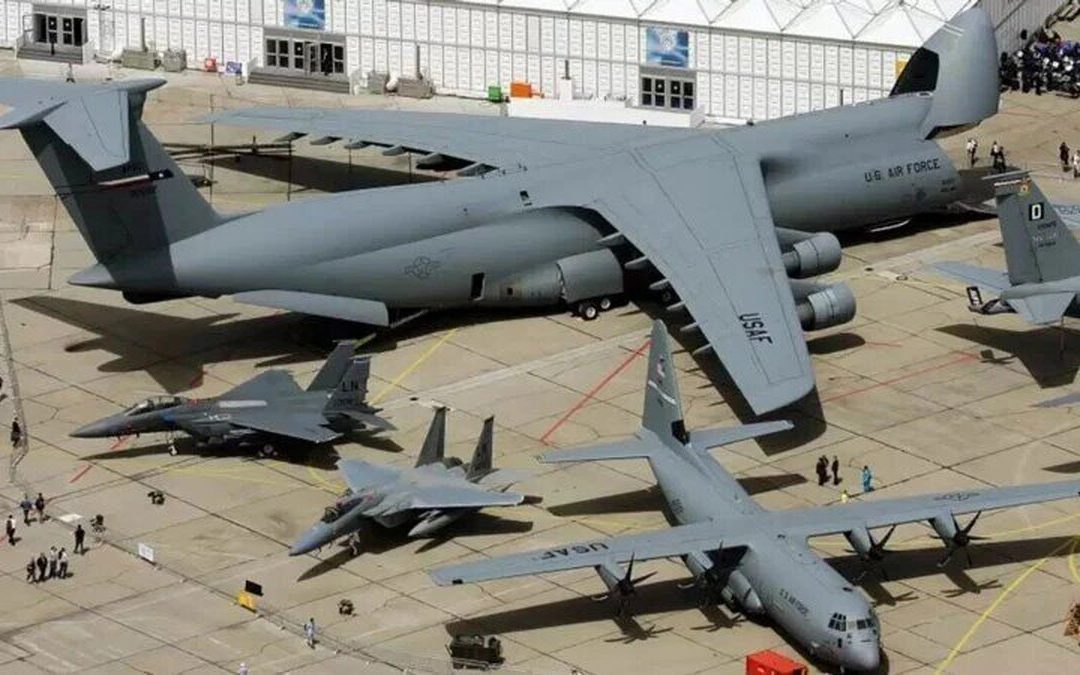
Strategic Council Online – Interview: A West Asia affairs expert stated that following the imposition of a ceasefire on the Zionist regime on June 23, 2025, after its military aggression against Iran, reports from Arab sources indicate the arrival of 17 heavy transport aircraft carrying military equipment from the United States and Germany to the Occupied Territories. This move, which the Iraqi media “Naya” describes as part of Western efforts to rebuild the Zionist regime’s military capabilities after heavy losses in the 12-day war with Iran, poses a serious threat to regional peace and Iran’s nuclear negotiations.

Analysis of Latest Developments in the West Bank

Analysis of Latest Developments in the West Bank

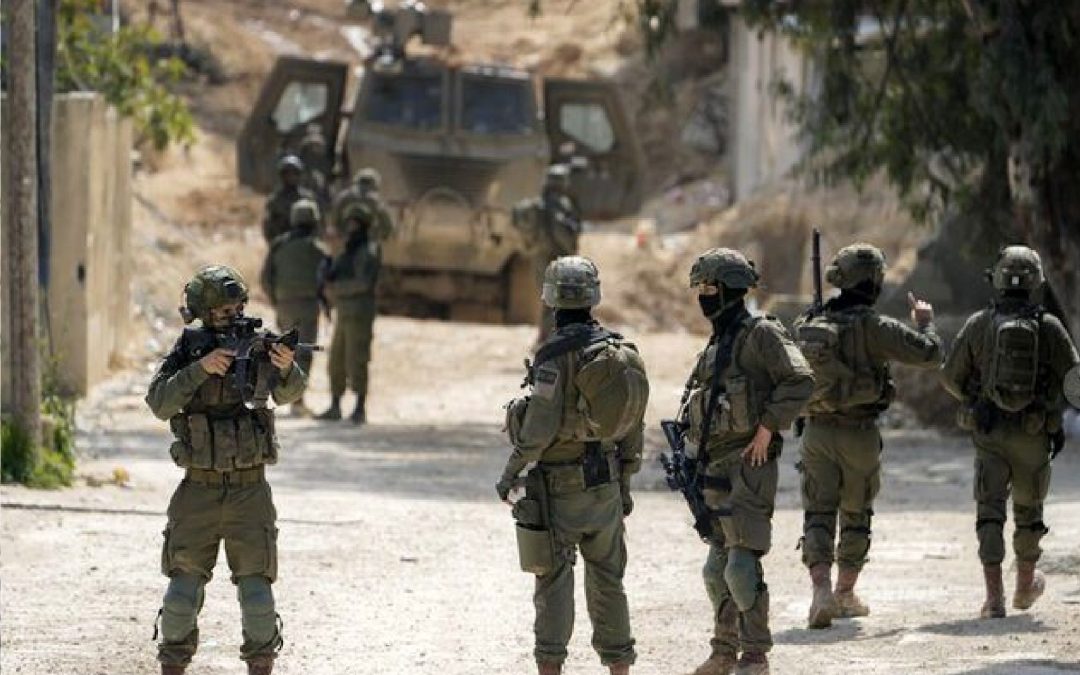
Strategic Council Online – Interview: A senior analyst on Palestinian issues said: The occupied West Bank is once again witnessing increasing tensions. According to Anadolu News Agency, Israeli authorities prevented Palestinian Prime Minister Muhammad Mustafa from visiting the villages of Burqa, Deir Dabwan, Duma, and Qusra, areas that are the target of attacks by illegal settlers. At the same time, in Nablus, settlers kidnapped two Palestinian children and tied them to a tree; an incident that has sounded the alarm for the Palestinians that their lives are in danger. Since the beginning of the Gaza war, 952 Palestinians have been killed in the West Bank, and more than 7,000 have been injured.

أحدث الوظائف

Realities of the Tripartite Makkah Pact

SCFR Online – Interview: The signing of the Makkah agreement between Saudi Arabia, Pakistan, and Turkey has raised questions about the future of the region’s security structure and the position of these countries in West Asian equations. Can this agreement become a genuine collective defense mechanism, or does it have more of a political and deterrent function than creating new military capacity?

Strategic Implications of the Reduction of US Weapons Stockpiles

SCFR Online – Opinion: The continuation of the US war against Iran, in addition to increasing operational costs, has called into question the actual capacity of the American arsenal to simultaneously fulfill security commitments on multiple fronts; an issue that affects deterrence, defense production capacity, and Washington’s resource prioritization.

The Formation of a New Order in Relations Between Powers

SCFR Online – Opinion: The Russia-Ukraine war and the war of the United States and the Israeli regime against Iran have been formed with different objectives and actors, but field and political developments indicate that they are not entirely separate from one another.

An Analysis of the Makkah Defense Pact

SCFR Online – Opinion: On Friday, August 7, the heads of state of three countries – Saudi Arabia, Turkey, and Pakistan – signed a text under the title “Makkah Joint Defense Agreement.”

Dimensions and challenges of the initiative to revive the Hejaz Railway

Strategic Council Online – Note: The initiative to revive the Hejaz Railway, beyond being a transportation project, constitutes an attempt to redefine geopolitics, the economy, and Turkey’s regional position; however, its realization appears to face significant financial, security, and institutional challenges.

Loading

Mohsen Fayezi

Decoding the Israeli Regime’s Narrative-Building in the Gaza War

Decoding the Israeli Regime’s Narrative-Building in the Gaza War

Strategic Council Online – Interview: A senior Palestinian affairs analyst stated: To justify its crimes in Gaza, the Zionist regime employs two main strategies: using military censorship regarding the publication of operational details and presenting an official narrative by military spokespersons in Hebrew and Arabic. By relying on selective images and information, it attempts to make its military actions in Gaza seem believable. While Benjamin Netanyahu, the Prime Minister of the Israeli regime, has announced readiness to expand military operations in Gaza and claimed that Palestinians would be allowed to leave the area, international criticism of this regime’s actions under the accusation of ethnic cleansing has intensified. By controlling Gaza’s borders, the Israeli regime’s military has restricted the exit of Palestinians and simultaneously carried out extensive bombings in the residential areas of Zeitoun and Sabra, which, according to the Hamas Civil Defense Organization, resulted in at least 33 deaths and widespread destruction. The European Union, the United Kingdom, Australia, Canada, and Japan, in a joint statement, have warned of an impending famine in Gaza and called for a halt to the use of lethal force near aid distribution sites. The World Health Organization has also emphasized the necessity of medical equipment entering Gaza, but the Israeli regime continues to prevent sufficient humanitarian aid from being sent.

Objectives of Western Military Support Escalation for the Zionist Regime After the Ceasefire with Iran

Objectives of Western Military Support Escalation for the Zionist Regime After the Ceasefire with Iran

Strategic Council Online – Interview: A West Asia affairs expert stated that following the imposition of a ceasefire on the Zionist regime on June 23, 2025, after its military aggression against Iran, reports from Arab sources indicate the arrival of 17 heavy transport aircraft carrying military equipment from the United States and Germany to the Occupied Territories. This move, which the Iraqi media “Naya” describes as part of Western efforts to rebuild the Zionist regime’s military capabilities after heavy losses in the 12-day war with Iran, poses a serious threat to regional peace and Iran’s nuclear negotiations.

Analysis of Latest Developments in the West Bank

Analysis of Latest Developments in the West Bank

Strategic Council Online – Interview: A senior analyst on Palestinian issues said: The occupied West Bank is once again witnessing increasing tensions. According to Anadolu News Agency, Israeli authorities prevented Palestinian Prime Minister Muhammad Mustafa from visiting the villages of Burqa, Deir Dabwan, Duma, and Qusra, areas that are the target of attacks by illegal settlers. At the same time, in Nablus, settlers kidnapped two Palestinian children and tied them to a tree; an incident that has sounded the alarm for the Palestinians that their lives are in danger. Since the beginning of the Gaza war, 952 Palestinians have been killed in the West Bank, and more than 7,000 have been injured.

Mohsen Fayezi

Decoding the Israeli Regime’s Narrative-Building in the Gaza War

Decoding the Israeli Regime’s Narrative-Building in the Gaza War

Strategic Council Online – Interview: A senior Palestinian affairs analyst stated: To justify its crimes in Gaza, the Zionist regime employs two main strategies: using military censorship regarding the publication of operational details and presenting an official narrative by military spokespersons in Hebrew and Arabic. By relying on selective images and information, it attempts to make its military actions in Gaza seem believable. While Benjamin Netanyahu, the Prime Minister of the Israeli regime, has announced readiness to expand military operations in Gaza and claimed that Palestinians would be allowed to leave the area, international criticism of this regime’s actions under the accusation of ethnic cleansing has intensified. By controlling Gaza’s borders, the Israeli regime’s military has restricted the exit of Palestinians and simultaneously carried out extensive bombings in the residential areas of Zeitoun and Sabra, which, according to the Hamas Civil Defense Organization, resulted in at least 33 deaths and widespread destruction. The European Union, the United Kingdom, Australia, Canada, and Japan, in a joint statement, have warned of an impending famine in Gaza and called for a halt to the use of lethal force near aid distribution sites. The World Health Organization has also emphasized the necessity of medical equipment entering Gaza, but the Israeli regime continues to prevent sufficient humanitarian aid from being sent.

Objectives of Western Military Support Escalation for the Zionist Regime After the Ceasefire with Iran

Objectives of Western Military Support Escalation for the Zionist Regime After the Ceasefire with Iran

Strategic Council Online – Interview: A West Asia affairs expert stated that following the imposition of a ceasefire on the Zionist regime on June 23, 2025, after its military aggression against Iran, reports from Arab sources indicate the arrival of 17 heavy transport aircraft carrying military equipment from the United States and Germany to the Occupied Territories. This move, which the Iraqi media “Naya” describes as part of Western efforts to rebuild the Zionist regime’s military capabilities after heavy losses in the 12-day war with Iran, poses a serious threat to regional peace and Iran’s nuclear negotiations.

Analysis of Latest Developments in the West Bank

Analysis of Latest Developments in the West Bank

Strategic Council Online – Interview: A senior analyst on Palestinian issues said: The occupied West Bank is once again witnessing increasing tensions. According to Anadolu News Agency, Israeli authorities prevented Palestinian Prime Minister Muhammad Mustafa from visiting the villages of Burqa, Deir Dabwan, Duma, and Qusra, areas that are the target of attacks by illegal settlers. At the same time, in Nablus, settlers kidnapped two Palestinian children and tied them to a tree; an incident that has sounded the alarm for the Palestinians that their lives are in danger. Since the beginning of the Gaza war, 952 Palestinians have been killed in the West Bank, and more than 7,000 have been injured.

LATEST CONTENT

Realities of the Tripartite Makkah Pact

SCFR Online – Interview: The signing of the Makkah agreement between Saudi Arabia, Pakistan, and Turkey has raised questions about the future of the region’s security structure and the position of these countries in West Asian equations. Can this agreement become a genuine collective defense mechanism, or does it have more of a political and deterrent function than creating new military capacity?

Strategic Implications of the Reduction of US Weapons Stockpiles

SCFR Online – Opinion: The continuation of the US war against Iran, in addition to increasing operational costs, has called into question the actual capacity of the American arsenal to simultaneously fulfill security commitments on multiple fronts; an issue that affects deterrence, defense production capacity, and Washington’s resource prioritization.

The Formation of a New Order in Relations Between Powers

SCFR Online – Opinion: The Russia-Ukraine war and the war of the United States and the Israeli regime against Iran have been formed with different objectives and actors, but field and political developments indicate that they are not entirely separate from one another.

An Analysis of the Makkah Defense Pact

SCFR Online – Opinion: On Friday, August 7, the heads of state of three countries – Saudi Arabia, Turkey, and Pakistan – signed a text under the title “Makkah Joint Defense Agreement.”

Dimensions and challenges of the initiative to revive the Hejaz Railway

Strategic Council Online – Note: The initiative to revive the Hejaz Railway, beyond being a transportation project, constitutes an attempt to redefine geopolitics, the economy, and Turkey’s regional position; however, its realization appears to face significant financial, security, and institutional challenges.

Loading

Mohsen Fayezi

Decoding the Israeli Regime’s Narrative-Building in the Gaza War

Decoding the Israeli Regime’s Narrative-Building in the Gaza War

Strategic Council Online – Interview: A senior Palestinian affairs analyst stated: To justify its crimes in Gaza, the Zionist regime employs two main strategies: using military censorship regarding the publication of operational details and presenting an official narrative by military spokespersons in Hebrew and Arabic. By relying on selective images and information, it attempts to make its military actions in Gaza seem believable. While Benjamin Netanyahu, the Prime Minister of the Israeli regime, has announced readiness to expand military operations in Gaza and claimed that Palestinians would be allowed to leave the area, international criticism of this regime’s actions under the accusation of ethnic cleansing has intensified. By controlling Gaza’s borders, the Israeli regime’s military has restricted the exit of Palestinians and simultaneously carried out extensive bombings in the residential areas of Zeitoun and Sabra, which, according to the Hamas Civil Defense Organization, resulted in at least 33 deaths and widespread destruction. The European Union, the United Kingdom, Australia, Canada, and Japan, in a joint statement, have warned of an impending famine in Gaza and called for a halt to the use of lethal force near aid distribution sites. The World Health Organization has also emphasized the necessity of medical equipment entering Gaza, but the Israeli regime continues to prevent sufficient humanitarian aid from being sent.

Objectives of Western Military Support Escalation for the Zionist Regime After the Ceasefire with Iran

Objectives of Western Military Support Escalation for the Zionist Regime After the Ceasefire with Iran

Strategic Council Online – Interview: A West Asia affairs expert stated that following the imposition of a ceasefire on the Zionist regime on June 23, 2025, after its military aggression against Iran, reports from Arab sources indicate the arrival of 17 heavy transport aircraft carrying military equipment from the United States and Germany to the Occupied Territories. This move, which the Iraqi media “Naya” describes as part of Western efforts to rebuild the Zionist regime’s military capabilities after heavy losses in the 12-day war with Iran, poses a serious threat to regional peace and Iran’s nuclear negotiations.

Analysis of Latest Developments in the West Bank

Analysis of Latest Developments in the West Bank

Strategic Council Online – Interview: A senior analyst on Palestinian issues said: The occupied West Bank is once again witnessing increasing tensions. According to Anadolu News Agency, Israeli authorities prevented Palestinian Prime Minister Muhammad Mustafa from visiting the villages of Burqa, Deir Dabwan, Duma, and Qusra, areas that are the target of attacks by illegal settlers. At the same time, in Nablus, settlers kidnapped two Palestinian children and tied them to a tree; an incident that has sounded the alarm for the Palestinians that their lives are in danger. Since the beginning of the Gaza war, 952 Palestinians have been killed in the West Bank, and more than 7,000 have been injured.

ÚLTIMAS PUBLICACIONES

Realities of the Tripartite Makkah Pact

SCFR Online – Interview: The signing of the Makkah agreement between Saudi Arabia, Pakistan, and Turkey has raised questions about the future of the region’s security structure and the position of these countries in West Asian equations. Can this agreement become a genuine collective defense mechanism, or does it have more of a political and deterrent function than creating new military capacity?

Strategic Implications of the Reduction of US Weapons Stockpiles

SCFR Online – Opinion: The continuation of the US war against Iran, in addition to increasing operational costs, has called into question the actual capacity of the American arsenal to simultaneously fulfill security commitments on multiple fronts; an issue that affects deterrence, defense production capacity, and Washington’s resource prioritization.

The Formation of a New Order in Relations Between Powers

SCFR Online – Opinion: The Russia-Ukraine war and the war of the United States and the Israeli regime against Iran have been formed with different objectives and actors, but field and political developments indicate that they are not entirely separate from one another.

An Analysis of the Makkah Defense Pact

SCFR Online – Opinion: On Friday, August 7, the heads of state of three countries – Saudi Arabia, Turkey, and Pakistan – signed a text under the title “Makkah Joint Defense Agreement.”

Dimensions and challenges of the initiative to revive the Hejaz Railway

Strategic Council Online – Note: The initiative to revive the Hejaz Railway, beyond being a transportation project, constitutes an attempt to redefine geopolitics, the economy, and Turkey’s regional position; however, its realization appears to face significant financial, security, and institutional challenges.

Loading

Mohsen Fayezi

Decoding the Israeli Regime’s Narrative-Building in the Gaza War

Decoding the Israeli Regime’s Narrative-Building in the Gaza War

Strategic Council Online – Interview: A senior Palestinian affairs analyst stated: To justify its crimes in Gaza, the Zionist regime employs two main strategies: using military censorship regarding the publication of operational details and presenting an official narrative by military spokespersons in Hebrew and Arabic. By relying on selective images and information, it attempts to make its military actions in Gaza seem believable. While Benjamin Netanyahu, the Prime Minister of the Israeli regime, has announced readiness to expand military operations in Gaza and claimed that Palestinians would be allowed to leave the area, international criticism of this regime’s actions under the accusation of ethnic cleansing has intensified. By controlling Gaza’s borders, the Israeli regime’s military has restricted the exit of Palestinians and simultaneously carried out extensive bombings in the residential areas of Zeitoun and Sabra, which, according to the Hamas Civil Defense Organization, resulted in at least 33 deaths and widespread destruction. The European Union, the United Kingdom, Australia, Canada, and Japan, in a joint statement, have warned of an impending famine in Gaza and called for a halt to the use of lethal force near aid distribution sites. The World Health Organization has also emphasized the necessity of medical equipment entering Gaza, but the Israeli regime continues to prevent sufficient humanitarian aid from being sent.

Objectives of Western Military Support Escalation for the Zionist Regime After the Ceasefire with Iran

Objectives of Western Military Support Escalation for the Zionist Regime After the Ceasefire with Iran

Strategic Council Online – Interview: A West Asia affairs expert stated that following the imposition of a ceasefire on the Zionist regime on June 23, 2025, after its military aggression against Iran, reports from Arab sources indicate the arrival of 17 heavy transport aircraft carrying military equipment from the United States and Germany to the Occupied Territories. This move, which the Iraqi media “Naya” describes as part of Western efforts to rebuild the Zionist regime’s military capabilities after heavy losses in the 12-day war with Iran, poses a serious threat to regional peace and Iran’s nuclear negotiations.

Analysis of Latest Developments in the West Bank

Analysis of Latest Developments in the West Bank

Strategic Council Online – Interview: A senior analyst on Palestinian issues said: The occupied West Bank is once again witnessing increasing tensions. According to Anadolu News Agency, Israeli authorities prevented Palestinian Prime Minister Muhammad Mustafa from visiting the villages of Burqa, Deir Dabwan, Duma, and Qusra, areas that are the target of attacks by illegal settlers. At the same time, in Nablus, settlers kidnapped two Palestinian children and tied them to a tree; an incident that has sounded the alarm for the Palestinians that their lives are in danger. Since the beginning of the Gaza war, 952 Palestinians have been killed in the West Bank, and more than 7,000 have been injured.

ÚLTIMAS PUBLICACIONES

Realities of the Tripartite Makkah Pact

SCFR Online – Interview: The signing of the Makkah agreement between Saudi Arabia, Pakistan, and Turkey has raised questions about the future of the region’s security structure and the position of these countries in West Asian equations. Can this agreement become a genuine collective defense mechanism, or does it have more of a political and deterrent function than creating new military capacity?

Strategic Implications of the Reduction of US Weapons Stockpiles

SCFR Online – Opinion: The continuation of the US war against Iran, in addition to increasing operational costs, has called into question the actual capacity of the American arsenal to simultaneously fulfill security commitments on multiple fronts; an issue that affects deterrence, defense production capacity, and Washington’s resource prioritization.

The Formation of a New Order in Relations Between Powers

SCFR Online – Opinion: The Russia-Ukraine war and the war of the United States and the Israeli regime against Iran have been formed with different objectives and actors, but field and political developments indicate that they are not entirely separate from one another.

An Analysis of the Makkah Defense Pact

SCFR Online – Opinion: On Friday, August 7, the heads of state of three countries – Saudi Arabia, Turkey, and Pakistan – signed a text under the title “Makkah Joint Defense Agreement.”

Dimensions and challenges of the initiative to revive the Hejaz Railway

Strategic Council Online – Note: The initiative to revive the Hejaz Railway, beyond being a transportation project, constitutes an attempt to redefine geopolitics, the economy, and Turkey’s regional position; however, its realization appears to face significant financial, security, and institutional challenges.

Loading

Mohsen Fayezi

Decoding the Israeli Regime’s Narrative-Building in the Gaza War

Decoding the Israeli Regime’s Narrative-Building in the Gaza War

Strategic Council Online – Interview: A senior Palestinian affairs analyst stated: To justify its crimes in Gaza, the Zionist regime employs two main strategies: using military censorship regarding the publication of operational details and presenting an official narrative by military spokespersons in Hebrew and Arabic. By relying on selective images and information, it attempts to make its military actions in Gaza seem believable. While Benjamin Netanyahu, the Prime Minister of the Israeli regime, has announced readiness to expand military operations in Gaza and claimed that Palestinians would be allowed to leave the area, international criticism of this regime’s actions under the accusation of ethnic cleansing has intensified. By controlling Gaza’s borders, the Israeli regime’s military has restricted the exit of Palestinians and simultaneously carried out extensive bombings in the residential areas of Zeitoun and Sabra, which, according to the Hamas Civil Defense Organization, resulted in at least 33 deaths and widespread destruction. The European Union, the United Kingdom, Australia, Canada, and Japan, in a joint statement, have warned of an impending famine in Gaza and called for a halt to the use of lethal force near aid distribution sites. The World Health Organization has also emphasized the necessity of medical equipment entering Gaza, but the Israeli regime continues to prevent sufficient humanitarian aid from being sent.

Objectives of Western Military Support Escalation for the Zionist Regime After the Ceasefire with Iran

Objectives of Western Military Support Escalation for the Zionist Regime After the Ceasefire with Iran

Strategic Council Online – Interview: A West Asia affairs expert stated that following the imposition of a ceasefire on the Zionist regime on June 23, 2025, after its military aggression against Iran, reports from Arab sources indicate the arrival of 17 heavy transport aircraft carrying military equipment from the United States and Germany to the Occupied Territories. This move, which the Iraqi media “Naya” describes as part of Western efforts to rebuild the Zionist regime’s military capabilities after heavy losses in the 12-day war with Iran, poses a serious threat to regional peace and Iran’s nuclear negotiations.

Analysis of Latest Developments in the West Bank

Analysis of Latest Developments in the West Bank

Strategic Council Online – Interview: A senior analyst on Palestinian issues said: The occupied West Bank is once again witnessing increasing tensions. According to Anadolu News Agency, Israeli authorities prevented Palestinian Prime Minister Muhammad Mustafa from visiting the villages of Burqa, Deir Dabwan, Duma, and Qusra, areas that are the target of attacks by illegal settlers. At the same time, in Nablus, settlers kidnapped two Palestinian children and tied them to a tree; an incident that has sounded the alarm for the Palestinians that their lives are in danger. Since the beginning of the Gaza war, 952 Palestinians have been killed in the West Bank, and more than 7,000 have been injured.

ÚLTIMAS PUBLICACIONES

Realities of the Tripartite Makkah Pact

SCFR Online – Interview: The signing of the Makkah agreement between Saudi Arabia, Pakistan, and Turkey has raised questions about the future of the region’s security structure and the position of these countries in West Asian equations. Can this agreement become a genuine collective defense mechanism, or does it have more of a political and deterrent function than creating new military capacity?

Strategic Implications of the Reduction of US Weapons Stockpiles

SCFR Online – Opinion: The continuation of the US war against Iran, in addition to increasing operational costs, has called into question the actual capacity of the American arsenal to simultaneously fulfill security commitments on multiple fronts; an issue that affects deterrence, defense production capacity, and Washington’s resource prioritization.

The Formation of a New Order in Relations Between Powers

SCFR Online – Opinion: The Russia-Ukraine war and the war of the United States and the Israeli regime against Iran have been formed with different objectives and actors, but field and political developments indicate that they are not entirely separate from one another.

An Analysis of the Makkah Defense Pact

SCFR Online – Opinion: On Friday, August 7, the heads of state of three countries – Saudi Arabia, Turkey, and Pakistan – signed a text under the title “Makkah Joint Defense Agreement.”

Dimensions and challenges of the initiative to revive the Hejaz Railway

Strategic Council Online – Note: The initiative to revive the Hejaz Railway, beyond being a transportation project, constitutes an attempt to redefine geopolitics, the economy, and Turkey’s regional position; however, its realization appears to face significant financial, security, and institutional challenges.

Loading

Mohsen Fayezi

Decoding the Israeli Regime’s Narrative-Building in the Gaza War

Decoding the Israeli Regime’s Narrative-Building in the Gaza War

Strategic Council Online – Interview: A senior Palestinian affairs analyst stated: To justify its crimes in Gaza, the Zionist regime employs two main strategies: using military censorship regarding the publication of operational details and presenting an official narrative by military spokespersons in Hebrew and Arabic. By relying on selective images and information, it attempts to make its military actions in Gaza seem believable. While Benjamin Netanyahu, the Prime Minister of the Israeli regime, has announced readiness to expand military operations in Gaza and claimed that Palestinians would be allowed to leave the area, international criticism of this regime’s actions under the accusation of ethnic cleansing has intensified. By controlling Gaza’s borders, the Israeli regime’s military has restricted the exit of Palestinians and simultaneously carried out extensive bombings in the residential areas of Zeitoun and Sabra, which, according to the Hamas Civil Defense Organization, resulted in at least 33 deaths and widespread destruction. The European Union, the United Kingdom, Australia, Canada, and Japan, in a joint statement, have warned of an impending famine in Gaza and called for a halt to the use of lethal force near aid distribution sites. The World Health Organization has also emphasized the necessity of medical equipment entering Gaza, but the Israeli regime continues to prevent sufficient humanitarian aid from being sent.

Objectives of Western Military Support Escalation for the Zionist Regime After the Ceasefire with Iran

Objectives of Western Military Support Escalation for the Zionist Regime After the Ceasefire with Iran

Strategic Council Online – Interview: A West Asia affairs expert stated that following the imposition of a ceasefire on the Zionist regime on June 23, 2025, after its military aggression against Iran, reports from Arab sources indicate the arrival of 17 heavy transport aircraft carrying military equipment from the United States and Germany to the Occupied Territories. This move, which the Iraqi media “Naya” describes as part of Western efforts to rebuild the Zionist regime’s military capabilities after heavy losses in the 12-day war with Iran, poses a serious threat to regional peace and Iran’s nuclear negotiations.

Analysis of Latest Developments in the West Bank

Analysis of Latest Developments in the West Bank

Strategic Council Online – Interview: A senior analyst on Palestinian issues said: The occupied West Bank is once again witnessing increasing tensions. According to Anadolu News Agency, Israeli authorities prevented Palestinian Prime Minister Muhammad Mustafa from visiting the villages of Burqa, Deir Dabwan, Duma, and Qusra, areas that are the target of attacks by illegal settlers. At the same time, in Nablus, settlers kidnapped two Palestinian children and tied them to a tree; an incident that has sounded the alarm for the Palestinians that their lives are in danger. Since the beginning of the Gaza war, 952 Palestinians have been killed in the West Bank, and more than 7,000 have been injured.

ÚLTIMAS PUBLICACIONES

Realities of the Tripartite Makkah Pact

SCFR Online – Interview: The signing of the Makkah agreement between Saudi Arabia, Pakistan, and Turkey has raised questions about the future of the region’s security structure and the position of these countries in West Asian equations. Can this agreement become a genuine collective defense mechanism, or does it have more of a political and deterrent function than creating new military capacity?

Strategic Implications of the Reduction of US Weapons Stockpiles

SCFR Online – Opinion: The continuation of the US war against Iran, in addition to increasing operational costs, has called into question the actual capacity of the American arsenal to simultaneously fulfill security commitments on multiple fronts; an issue that affects deterrence, defense production capacity, and Washington’s resource prioritization.

The Formation of a New Order in Relations Between Powers

SCFR Online – Opinion: The Russia-Ukraine war and the war of the United States and the Israeli regime against Iran have been formed with different objectives and actors, but field and political developments indicate that they are not entirely separate from one another.

An Analysis of the Makkah Defense Pact

SCFR Online – Opinion: On Friday, August 7, the heads of state of three countries – Saudi Arabia, Turkey, and Pakistan – signed a text under the title “Makkah Joint Defense Agreement.”

Dimensions and challenges of the initiative to revive the Hejaz Railway

Strategic Council Online – Note: The initiative to revive the Hejaz Railway, beyond being a transportation project, constitutes an attempt to redefine geopolitics, the economy, and Turkey’s regional position; however, its realization appears to face significant financial, security, and institutional challenges.

Loading