جدیدترین مطالب

Balancing in the chain of chokepoints; from sea-based deterrence to pluralistic diplomacy

Strategic Council Online – Note: Recent developments in the political geography of West Asia, from rising tensions in the Persian Gulf to missile and drone activities in the Red Sea and the recent warning by Kaja Kallas, the European Union’s foreign policy chief, regarding the threat to freedom of navigation, indicate a key pattern shift; the US-Iran war has moved beyond the scope of a regional and local confrontation and has linked two vital passageways for the global economy: the Strait of Hormuz and the Bab el-Mandeb Strait.

Indicators for Choosing Between War and Diplomacy

SCFR Online – Opinion: Foreign policy analysis is valid when it evaluates decisions based on the information and circumstances prevailing at the time they were made, not on the basis of outcomes that only become apparent after the crisis has ended.

Loading

Mohsen Pakaeen

The Plan to Recognize the State of Palestine: From Words to Action

The Plan to Recognize the State of Palestine: From Words to Action

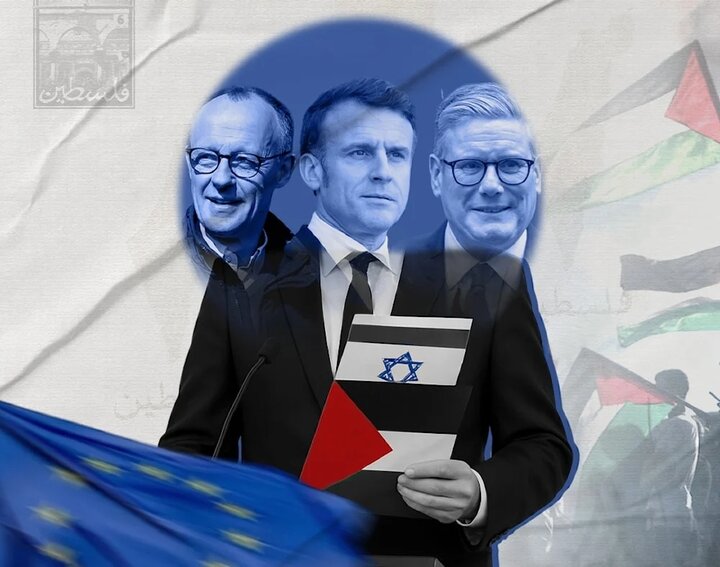
Online Strategic Council – Interview: An international affairs analyst stated that the recent United Nations meeting, which centered on recognizing the state of Palestine and the two-state solution, has sparked a wave of international reactions. Supporters of this plan see it as a step towards peace. Still, critics view it with skepticism and believe that this move is more of a tool to deceive public opinion and solidify the existence of the Zionist regime than to resolve the crisis. The initiative by France and some European countries is being proposed while the genocide in Gaza continues, and the West has so far taken no effective action to stop it. Some analysts say the primary goal of this plan is not the establishment of an independent Palestinian state, but rather the disarmament of resistance groups and the isolation of Hamas—an action that, through superficial negotiations and apparent peace, paves the way for realizing the interests of the Israeli regime. Iran, by rejecting the two-state solution, presents a different narrative for the future of Palestine, based on a referendum involving all indigenous inhabitants of the land.

France and the European Union seek to challenge Russia’s role in the South Caucasus

France and the European Union seek to challenge Russia’s role in the South Caucasus

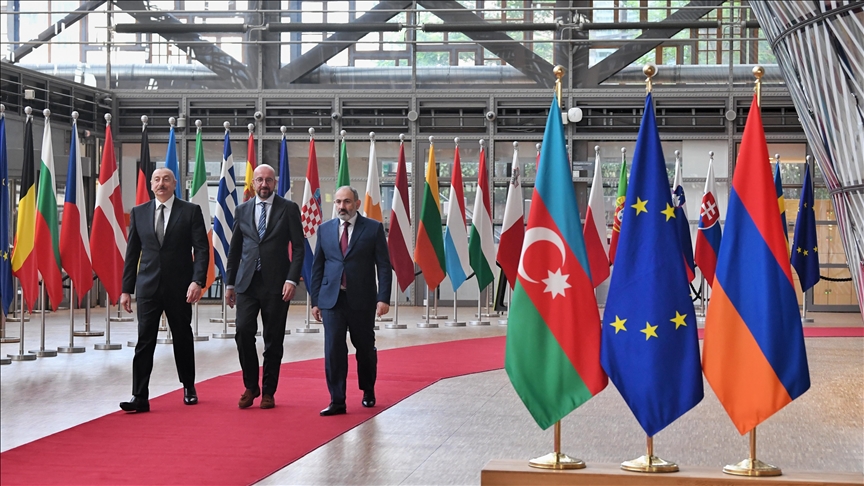
Strategic Council Online—Interview: The former ambassador of Iran to the Republic of Azerbaijan said that the positions of the European Union’s foreign policy in support of Armenia and opposition to the Republic of Azerbaijan are in the context of challenging Russia’s role in the developments in the South Caucasus and also in the continuation of Europe’s conflict with Russia over Ukraine.

أحدث الوظائف

Balancing in the chain of chokepoints; from sea-based deterrence to pluralistic diplomacy

Strategic Council Online – Note: Recent developments in the political geography of West Asia, from rising tensions in the Persian Gulf to missile and drone activities in the Red Sea and the recent warning by Kaja Kallas, the European Union’s foreign policy chief, regarding the threat to freedom of navigation, indicate a key pattern shift; the US-Iran war has moved beyond the scope of a regional and local confrontation and has linked two vital passageways for the global economy: the Strait of Hormuz and the Bab el-Mandeb Strait.

Indicators for Choosing Between War and Diplomacy

SCFR Online – Opinion: Foreign policy analysis is valid when it evaluates decisions based on the information and circumstances prevailing at the time they were made, not on the basis of outcomes that only become apparent after the crisis has ended.

Loading

Mohsen Pakaeen

The Plan to Recognize the State of Palestine: From Words to Action

The Plan to Recognize the State of Palestine: From Words to Action

Online Strategic Council – Interview: An international affairs analyst stated that the recent United Nations meeting, which centered on recognizing the state of Palestine and the two-state solution, has sparked a wave of international reactions. Supporters of this plan see it as a step towards peace. Still, critics view it with skepticism and believe that this move is more of a tool to deceive public opinion and solidify the existence of the Zionist regime than to resolve the crisis. The initiative by France and some European countries is being proposed while the genocide in Gaza continues, and the West has so far taken no effective action to stop it. Some analysts say the primary goal of this plan is not the establishment of an independent Palestinian state, but rather the disarmament of resistance groups and the isolation of Hamas—an action that, through superficial negotiations and apparent peace, paves the way for realizing the interests of the Israeli regime. Iran, by rejecting the two-state solution, presents a different narrative for the future of Palestine, based on a referendum involving all indigenous inhabitants of the land.

France and the European Union seek to challenge Russia’s role in the South Caucasus

France and the European Union seek to challenge Russia’s role in the South Caucasus

Strategic Council Online—Interview: The former ambassador of Iran to the Republic of Azerbaijan said that the positions of the European Union’s foreign policy in support of Armenia and opposition to the Republic of Azerbaijan are in the context of challenging Russia’s role in the developments in the South Caucasus and also in the continuation of Europe’s conflict with Russia over Ukraine.

Mohsen Pakaeen

The Plan to Recognize the State of Palestine: From Words to Action

The Plan to Recognize the State of Palestine: From Words to Action

Online Strategic Council – Interview: An international affairs analyst stated that the recent United Nations meeting, which centered on recognizing the state of Palestine and the two-state solution, has sparked a wave of international reactions. Supporters of this plan see it as a step towards peace. Still, critics view it with skepticism and believe that this move is more of a tool to deceive public opinion and solidify the existence of the Zionist regime than to resolve the crisis. The initiative by France and some European countries is being proposed while the genocide in Gaza continues, and the West has so far taken no effective action to stop it. Some analysts say the primary goal of this plan is not the establishment of an independent Palestinian state, but rather the disarmament of resistance groups and the isolation of Hamas—an action that, through superficial negotiations and apparent peace, paves the way for realizing the interests of the Israeli regime. Iran, by rejecting the two-state solution, presents a different narrative for the future of Palestine, based on a referendum involving all indigenous inhabitants of the land.

France and the European Union seek to challenge Russia’s role in the South Caucasus

France and the European Union seek to challenge Russia’s role in the South Caucasus

Strategic Council Online—Interview: The former ambassador of Iran to the Republic of Azerbaijan said that the positions of the European Union’s foreign policy in support of Armenia and opposition to the Republic of Azerbaijan are in the context of challenging Russia’s role in the developments in the South Caucasus and also in the continuation of Europe’s conflict with Russia over Ukraine.

LATEST CONTENT

Balancing in the chain of chokepoints; from sea-based deterrence to pluralistic diplomacy

Strategic Council Online – Note: Recent developments in the political geography of West Asia, from rising tensions in the Persian Gulf to missile and drone activities in the Red Sea and the recent warning by Kaja Kallas, the European Union’s foreign policy chief, regarding the threat to freedom of navigation, indicate a key pattern shift; the US-Iran war has moved beyond the scope of a regional and local confrontation and has linked two vital passageways for the global economy: the Strait of Hormuz and the Bab el-Mandeb Strait.

Indicators for Choosing Between War and Diplomacy

SCFR Online – Opinion: Foreign policy analysis is valid when it evaluates decisions based on the information and circumstances prevailing at the time they were made, not on the basis of outcomes that only become apparent after the crisis has ended.

Loading

Mohsen Pakaeen

The Plan to Recognize the State of Palestine: From Words to Action

The Plan to Recognize the State of Palestine: From Words to Action

Online Strategic Council – Interview: An international affairs analyst stated that the recent United Nations meeting, which centered on recognizing the state of Palestine and the two-state solution, has sparked a wave of international reactions. Supporters of this plan see it as a step towards peace. Still, critics view it with skepticism and believe that this move is more of a tool to deceive public opinion and solidify the existence of the Zionist regime than to resolve the crisis. The initiative by France and some European countries is being proposed while the genocide in Gaza continues, and the West has so far taken no effective action to stop it. Some analysts say the primary goal of this plan is not the establishment of an independent Palestinian state, but rather the disarmament of resistance groups and the isolation of Hamas—an action that, through superficial negotiations and apparent peace, paves the way for realizing the interests of the Israeli regime. Iran, by rejecting the two-state solution, presents a different narrative for the future of Palestine, based on a referendum involving all indigenous inhabitants of the land.

France and the European Union seek to challenge Russia’s role in the South Caucasus

France and the European Union seek to challenge Russia’s role in the South Caucasus

Strategic Council Online—Interview: The former ambassador of Iran to the Republic of Azerbaijan said that the positions of the European Union’s foreign policy in support of Armenia and opposition to the Republic of Azerbaijan are in the context of challenging Russia’s role in the developments in the South Caucasus and also in the continuation of Europe’s conflict with Russia over Ukraine.

ÚLTIMAS PUBLICACIONES

Balancing in the chain of chokepoints; from sea-based deterrence to pluralistic diplomacy

Strategic Council Online – Note: Recent developments in the political geography of West Asia, from rising tensions in the Persian Gulf to missile and drone activities in the Red Sea and the recent warning by Kaja Kallas, the European Union’s foreign policy chief, regarding the threat to freedom of navigation, indicate a key pattern shift; the US-Iran war has moved beyond the scope of a regional and local confrontation and has linked two vital passageways for the global economy: the Strait of Hormuz and the Bab el-Mandeb Strait.

Indicators for Choosing Between War and Diplomacy

SCFR Online – Opinion: Foreign policy analysis is valid when it evaluates decisions based on the information and circumstances prevailing at the time they were made, not on the basis of outcomes that only become apparent after the crisis has ended.

Loading

Mohsen Pakaeen

The Plan to Recognize the State of Palestine: From Words to Action

The Plan to Recognize the State of Palestine: From Words to Action

Online Strategic Council – Interview: An international affairs analyst stated that the recent United Nations meeting, which centered on recognizing the state of Palestine and the two-state solution, has sparked a wave of international reactions. Supporters of this plan see it as a step towards peace. Still, critics view it with skepticism and believe that this move is more of a tool to deceive public opinion and solidify the existence of the Zionist regime than to resolve the crisis. The initiative by France and some European countries is being proposed while the genocide in Gaza continues, and the West has so far taken no effective action to stop it. Some analysts say the primary goal of this plan is not the establishment of an independent Palestinian state, but rather the disarmament of resistance groups and the isolation of Hamas—an action that, through superficial negotiations and apparent peace, paves the way for realizing the interests of the Israeli regime. Iran, by rejecting the two-state solution, presents a different narrative for the future of Palestine, based on a referendum involving all indigenous inhabitants of the land.

France and the European Union seek to challenge Russia’s role in the South Caucasus

France and the European Union seek to challenge Russia’s role in the South Caucasus

Strategic Council Online—Interview: The former ambassador of Iran to the Republic of Azerbaijan said that the positions of the European Union’s foreign policy in support of Armenia and opposition to the Republic of Azerbaijan are in the context of challenging Russia’s role in the developments in the South Caucasus and also in the continuation of Europe’s conflict with Russia over Ukraine.

ÚLTIMAS PUBLICACIONES

Balancing in the chain of chokepoints; from sea-based deterrence to pluralistic diplomacy

Strategic Council Online – Note: Recent developments in the political geography of West Asia, from rising tensions in the Persian Gulf to missile and drone activities in the Red Sea and the recent warning by Kaja Kallas, the European Union’s foreign policy chief, regarding the threat to freedom of navigation, indicate a key pattern shift; the US-Iran war has moved beyond the scope of a regional and local confrontation and has linked two vital passageways for the global economy: the Strait of Hormuz and the Bab el-Mandeb Strait.

Indicators for Choosing Between War and Diplomacy

SCFR Online – Opinion: Foreign policy analysis is valid when it evaluates decisions based on the information and circumstances prevailing at the time they were made, not on the basis of outcomes that only become apparent after the crisis has ended.

Loading

Mohsen Pakaeen

The Plan to Recognize the State of Palestine: From Words to Action

The Plan to Recognize the State of Palestine: From Words to Action

Online Strategic Council – Interview: An international affairs analyst stated that the recent United Nations meeting, which centered on recognizing the state of Palestine and the two-state solution, has sparked a wave of international reactions. Supporters of this plan see it as a step towards peace. Still, critics view it with skepticism and believe that this move is more of a tool to deceive public opinion and solidify the existence of the Zionist regime than to resolve the crisis. The initiative by France and some European countries is being proposed while the genocide in Gaza continues, and the West has so far taken no effective action to stop it. Some analysts say the primary goal of this plan is not the establishment of an independent Palestinian state, but rather the disarmament of resistance groups and the isolation of Hamas—an action that, through superficial negotiations and apparent peace, paves the way for realizing the interests of the Israeli regime. Iran, by rejecting the two-state solution, presents a different narrative for the future of Palestine, based on a referendum involving all indigenous inhabitants of the land.

France and the European Union seek to challenge Russia’s role in the South Caucasus

France and the European Union seek to challenge Russia’s role in the South Caucasus

Strategic Council Online—Interview: The former ambassador of Iran to the Republic of Azerbaijan said that the positions of the European Union’s foreign policy in support of Armenia and opposition to the Republic of Azerbaijan are in the context of challenging Russia’s role in the developments in the South Caucasus and also in the continuation of Europe’s conflict with Russia over Ukraine.

ÚLTIMAS PUBLICACIONES

Balancing in the chain of chokepoints; from sea-based deterrence to pluralistic diplomacy

Strategic Council Online – Note: Recent developments in the political geography of West Asia, from rising tensions in the Persian Gulf to missile and drone activities in the Red Sea and the recent warning by Kaja Kallas, the European Union’s foreign policy chief, regarding the threat to freedom of navigation, indicate a key pattern shift; the US-Iran war has moved beyond the scope of a regional and local confrontation and has linked two vital passageways for the global economy: the Strait of Hormuz and the Bab el-Mandeb Strait.

Indicators for Choosing Between War and Diplomacy

SCFR Online – Opinion: Foreign policy analysis is valid when it evaluates decisions based on the information and circumstances prevailing at the time they were made, not on the basis of outcomes that only become apparent after the crisis has ended.

Loading

Mohsen Pakaeen

The Plan to Recognize the State of Palestine: From Words to Action

The Plan to Recognize the State of Palestine: From Words to Action

Online Strategic Council – Interview: An international affairs analyst stated that the recent United Nations meeting, which centered on recognizing the state of Palestine and the two-state solution, has sparked a wave of international reactions. Supporters of this plan see it as a step towards peace. Still, critics view it with skepticism and believe that this move is more of a tool to deceive public opinion and solidify the existence of the Zionist regime than to resolve the crisis. The initiative by France and some European countries is being proposed while the genocide in Gaza continues, and the West has so far taken no effective action to stop it. Some analysts say the primary goal of this plan is not the establishment of an independent Palestinian state, but rather the disarmament of resistance groups and the isolation of Hamas—an action that, through superficial negotiations and apparent peace, paves the way for realizing the interests of the Israeli regime. Iran, by rejecting the two-state solution, presents a different narrative for the future of Palestine, based on a referendum involving all indigenous inhabitants of the land.

France and the European Union seek to challenge Russia’s role in the South Caucasus

France and the European Union seek to challenge Russia’s role in the South Caucasus

Strategic Council Online—Interview: The former ambassador of Iran to the Republic of Azerbaijan said that the positions of the European Union’s foreign policy in support of Armenia and opposition to the Republic of Azerbaijan are in the context of challenging Russia’s role in the developments in the South Caucasus and also in the continuation of Europe’s conflict with Russia over Ukraine.

ÚLTIMAS PUBLICACIONES

Balancing in the chain of chokepoints; from sea-based deterrence to pluralistic diplomacy

Strategic Council Online – Note: Recent developments in the political geography of West Asia, from rising tensions in the Persian Gulf to missile and drone activities in the Red Sea and the recent warning by Kaja Kallas, the European Union’s foreign policy chief, regarding the threat to freedom of navigation, indicate a key pattern shift; the US-Iran war has moved beyond the scope of a regional and local confrontation and has linked two vital passageways for the global economy: the Strait of Hormuz and the Bab el-Mandeb Strait.

Indicators for Choosing Between War and Diplomacy

SCFR Online – Opinion: Foreign policy analysis is valid when it evaluates decisions based on the information and circumstances prevailing at the time they were made, not on the basis of outcomes that only become apparent after the crisis has ended.

Loading