An Analysis of the Makkah Defense Pact
SCFR Online – Opinion: On Friday, August 7, the heads of state of three countries – Saudi Arabia, Turkey, and Pakistan – signed a text under the title “Makkah Joint Defense Agreement.”
Strategic Council Online – Note: The initiative to revive the Hejaz Railway, beyond being a transportation project, constitutes an attempt to redefine geopolitics, the economy, and Turkey’s regional position; however, its realization appears to face significant financial, security, and institutional challenges.
SCFR Online – Opinion: The Strait of Hormuz crisis is no longer merely the consequence of a military confrontation, but rather a sign of the transition from the US-centered maritime order to a new energy security structure involving the participation of emerging and influential powers.
SCFR Online – Opinion: Iran’s active deterrence strategy, while increasing the costs of US intervention, has increasingly exposed the hidden rifts between Washington’s interests and those of the Israeli regime.
SCFR Online – Opinion: The escalation of verbal and strategic tensions between Turkey and the Israeli regime, although not increasing the likelihood of direct war, indicates the formation of a new order in West Asian geopolitical rivalries.
Strategic Council Online – Note: Recent developments in the political geography of West Asia, from rising tensions in the Persian Gulf to missile and drone activities in the Red Sea and the recent warning by Kaja Kallas, the European Union’s foreign policy chief, regarding the threat to freedom of navigation, indicate a key pattern shift; the US-Iran war has moved beyond the scope of a regional and local confrontation and has linked two vital passageways for the global economy: the Strait of Hormuz and the Bab el-Mandeb Strait.
SCFR Online – Opinion: The Ukraine war was not merely a European crisis, but rather the starting point for the rearrangement of the global balance of power and a shift in the strategic behavior of great powers.
SCFR Online – Opinion: Great power competition is now pursued more in trade, currency, technology, and global supply chains than on the battlefields of military confrontation.
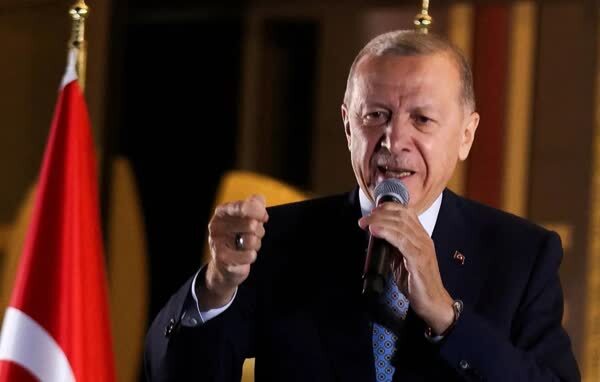
Strategic Council Online—Opinion: Recep Tayyip Erdogan, the President of Turkiye, on the same night that he won the second round of the presidential elections in May 2023, told the crowd of his supporters, “We love Istanbul, we started our journey to this city, and we will continue it.” At the same time, he wanted to take back the Istanbul Municipality from the rival and kept repeating that we will take back Istanbul. Erdogan referred to the Istanbul Municipality, which his party lost in 2019 elections of this metropolis and the economic capital of Turkiye, to his Republican opponent, Akram Imamoglu.
Siyamak Kakaee—Researcher of Turkiye affairs
Strategic Council Online – Opinion: After long speculations and consultations among Turkish parties known as the “Table of Six,” the leader of the People’s Republic Party, Kemal Klichdaroglu, was nominated as the presidential candidate of the six opposition parties after resolving the crisis with the “Good Party.” It is expected that 60 million people will participate in Turkey’s May 14 elections. Mahmoud Fazeli – International affairs analyst
Strategic Council Online – Opinion: While the disaster of the 7.8 magnitude earthquake has shaken Turkey, people of Turkey are going to vote in the presidential and parliamentary elections on May 14. All the opinion polls show that Erdoğan is in a tough competition with other rivals. The deadly disaster of the recent earthquake has added to Erdogan’s political and economic problems.
Mahmoud Fazeli – Analyst of international affairs
Strategic Council online – Interview: Having referred to the declining importance of Turkey for the U.S. and strategic importance of the country for the Middle East, said:” Having considered every and all conditions, the U.S. efforts to make change in Turkey’s policies, to drop out of Erdogan and to influence the upcoming elections will not succeed.
SCFR Online – Opinion: On Friday, August 7, the heads of state of three countries – Saudi Arabia, Turkey, and Pakistan – signed a text under the title “Makkah Joint Defense Agreement.”
Strategic Council Online – Note: The initiative to revive the Hejaz Railway, beyond being a transportation project, constitutes an attempt to redefine geopolitics, the economy, and Turkey’s regional position; however, its realization appears to face significant financial, security, and institutional challenges.
SCFR Online – Opinion: The Strait of Hormuz crisis is no longer merely the consequence of a military confrontation, but rather a sign of the transition from the US-centered maritime order to a new energy security structure involving the participation of emerging and influential powers.
SCFR Online – Opinion: Iran’s active deterrence strategy, while increasing the costs of US intervention, has increasingly exposed the hidden rifts between Washington’s interests and those of the Israeli regime.
SCFR Online – Opinion: The escalation of verbal and strategic tensions between Turkey and the Israeli regime, although not increasing the likelihood of direct war, indicates the formation of a new order in West Asian geopolitical rivalries.
Strategic Council Online – Note: Recent developments in the political geography of West Asia, from rising tensions in the Persian Gulf to missile and drone activities in the Red Sea and the recent warning by Kaja Kallas, the European Union’s foreign policy chief, regarding the threat to freedom of navigation, indicate a key pattern shift; the US-Iran war has moved beyond the scope of a regional and local confrontation and has linked two vital passageways for the global economy: the Strait of Hormuz and the Bab el-Mandeb Strait.
SCFR Online – Opinion: The Ukraine war was not merely a European crisis, but rather the starting point for the rearrangement of the global balance of power and a shift in the strategic behavior of great powers.
SCFR Online – Opinion: Great power competition is now pursued more in trade, currency, technology, and global supply chains than on the battlefields of military confrontation.
Strategic Council Online—Opinion: Recep Tayyip Erdogan, the President of Turkiye, on the same night that he won the second round of the presidential elections in May 2023, told the crowd of his supporters, “We love Istanbul, we started our journey to this city, and we will continue it.” At the same time, he wanted to take back the Istanbul Municipality from the rival and kept repeating that we will take back Istanbul. Erdogan referred to the Istanbul Municipality, which his party lost in 2019 elections of this metropolis and the economic capital of Turkiye, to his Republican opponent, Akram Imamoglu.
Siyamak Kakaee—Researcher of Turkiye affairs
Strategic Council Online – Opinion: After long speculations and consultations among Turkish parties known as the “Table of Six,” the leader of the People’s Republic Party, Kemal Klichdaroglu, was nominated as the presidential candidate of the six opposition parties after resolving the crisis with the “Good Party.” It is expected that 60 million people will participate in Turkey’s May 14 elections. Mahmoud Fazeli – International affairs analyst
Strategic Council Online – Opinion: While the disaster of the 7.8 magnitude earthquake has shaken Turkey, people of Turkey are going to vote in the presidential and parliamentary elections on May 14. All the opinion polls show that Erdoğan is in a tough competition with other rivals. The deadly disaster of the recent earthquake has added to Erdogan’s political and economic problems.
Mahmoud Fazeli – Analyst of international affairs
Strategic Council online – Interview: Having referred to the declining importance of Turkey for the U.S. and strategic importance of the country for the Middle East, said:” Having considered every and all conditions, the U.S. efforts to make change in Turkey’s policies, to drop out of Erdogan and to influence the upcoming elections will not succeed.
Strategic Council Online—Opinion: Recep Tayyip Erdogan, the President of Turkiye, on the same night that he won the second round of the presidential elections in May 2023, told the crowd of his supporters, “We love Istanbul, we started our journey to this city, and we will continue it.” At the same time, he wanted to take back the Istanbul Municipality from the rival and kept repeating that we will take back Istanbul. Erdogan referred to the Istanbul Municipality, which his party lost in 2019 elections of this metropolis and the economic capital of Turkiye, to his Republican opponent, Akram Imamoglu.
Siyamak Kakaee—Researcher of Turkiye affairs
Strategic Council Online – Opinion: After long speculations and consultations among Turkish parties known as the “Table of Six,” the leader of the People’s Republic Party, Kemal Klichdaroglu, was nominated as the presidential candidate of the six opposition parties after resolving the crisis with the “Good Party.” It is expected that 60 million people will participate in Turkey’s May 14 elections. Mahmoud Fazeli – International affairs analyst
Strategic Council Online – Opinion: While the disaster of the 7.8 magnitude earthquake has shaken Turkey, people of Turkey are going to vote in the presidential and parliamentary elections on May 14. All the opinion polls show that Erdoğan is in a tough competition with other rivals. The deadly disaster of the recent earthquake has added to Erdogan’s political and economic problems.
Mahmoud Fazeli – Analyst of international affairs
Strategic Council online – Interview: Having referred to the declining importance of Turkey for the U.S. and strategic importance of the country for the Middle East, said:” Having considered every and all conditions, the U.S. efforts to make change in Turkey’s policies, to drop out of Erdogan and to influence the upcoming elections will not succeed.
SCFR Online – Opinion: On Friday, August 7, the heads of state of three countries – Saudi Arabia, Turkey, and Pakistan – signed a text under the title “Makkah Joint Defense Agreement.”
Strategic Council Online – Note: The initiative to revive the Hejaz Railway, beyond being a transportation project, constitutes an attempt to redefine geopolitics, the economy, and Turkey’s regional position; however, its realization appears to face significant financial, security, and institutional challenges.
SCFR Online – Opinion: The Strait of Hormuz crisis is no longer merely the consequence of a military confrontation, but rather a sign of the transition from the US-centered maritime order to a new energy security structure involving the participation of emerging and influential powers.
SCFR Online – Opinion: Iran’s active deterrence strategy, while increasing the costs of US intervention, has increasingly exposed the hidden rifts between Washington’s interests and those of the Israeli regime.
SCFR Online – Opinion: The escalation of verbal and strategic tensions between Turkey and the Israeli regime, although not increasing the likelihood of direct war, indicates the formation of a new order in West Asian geopolitical rivalries.
Strategic Council Online – Note: Recent developments in the political geography of West Asia, from rising tensions in the Persian Gulf to missile and drone activities in the Red Sea and the recent warning by Kaja Kallas, the European Union’s foreign policy chief, regarding the threat to freedom of navigation, indicate a key pattern shift; the US-Iran war has moved beyond the scope of a regional and local confrontation and has linked two vital passageways for the global economy: the Strait of Hormuz and the Bab el-Mandeb Strait.
SCFR Online – Opinion: The Ukraine war was not merely a European crisis, but rather the starting point for the rearrangement of the global balance of power and a shift in the strategic behavior of great powers.
SCFR Online – Opinion: Great power competition is now pursued more in trade, currency, technology, and global supply chains than on the battlefields of military confrontation.
Strategic Council Online—Opinion: Recep Tayyip Erdogan, the President of Turkiye, on the same night that he won the second round of the presidential elections in May 2023, told the crowd of his supporters, “We love Istanbul, we started our journey to this city, and we will continue it.” At the same time, he wanted to take back the Istanbul Municipality from the rival and kept repeating that we will take back Istanbul. Erdogan referred to the Istanbul Municipality, which his party lost in 2019 elections of this metropolis and the economic capital of Turkiye, to his Republican opponent, Akram Imamoglu.
Siyamak Kakaee—Researcher of Turkiye affairs
Strategic Council Online – Opinion: After long speculations and consultations among Turkish parties known as the “Table of Six,” the leader of the People’s Republic Party, Kemal Klichdaroglu, was nominated as the presidential candidate of the six opposition parties after resolving the crisis with the “Good Party.” It is expected that 60 million people will participate in Turkey’s May 14 elections. Mahmoud Fazeli – International affairs analyst
Strategic Council Online – Opinion: While the disaster of the 7.8 magnitude earthquake has shaken Turkey, people of Turkey are going to vote in the presidential and parliamentary elections on May 14. All the opinion polls show that Erdoğan is in a tough competition with other rivals. The deadly disaster of the recent earthquake has added to Erdogan’s political and economic problems.
Mahmoud Fazeli – Analyst of international affairs
Strategic Council online – Interview: Having referred to the declining importance of Turkey for the U.S. and strategic importance of the country for the Middle East, said:” Having considered every and all conditions, the U.S. efforts to make change in Turkey’s policies, to drop out of Erdogan and to influence the upcoming elections will not succeed.
SCFR Online – Opinion: On Friday, August 7, the heads of state of three countries – Saudi Arabia, Turkey, and Pakistan – signed a text under the title “Makkah Joint Defense Agreement.”
Strategic Council Online – Note: The initiative to revive the Hejaz Railway, beyond being a transportation project, constitutes an attempt to redefine geopolitics, the economy, and Turkey’s regional position; however, its realization appears to face significant financial, security, and institutional challenges.
SCFR Online – Opinion: The Strait of Hormuz crisis is no longer merely the consequence of a military confrontation, but rather a sign of the transition from the US-centered maritime order to a new energy security structure involving the participation of emerging and influential powers.
SCFR Online – Opinion: Iran’s active deterrence strategy, while increasing the costs of US intervention, has increasingly exposed the hidden rifts between Washington’s interests and those of the Israeli regime.
SCFR Online – Opinion: The escalation of verbal and strategic tensions between Turkey and the Israeli regime, although not increasing the likelihood of direct war, indicates the formation of a new order in West Asian geopolitical rivalries.
Strategic Council Online – Note: Recent developments in the political geography of West Asia, from rising tensions in the Persian Gulf to missile and drone activities in the Red Sea and the recent warning by Kaja Kallas, the European Union’s foreign policy chief, regarding the threat to freedom of navigation, indicate a key pattern shift; the US-Iran war has moved beyond the scope of a regional and local confrontation and has linked two vital passageways for the global economy: the Strait of Hormuz and the Bab el-Mandeb Strait.
SCFR Online – Opinion: The Ukraine war was not merely a European crisis, but rather the starting point for the rearrangement of the global balance of power and a shift in the strategic behavior of great powers.
SCFR Online – Opinion: Great power competition is now pursued more in trade, currency, technology, and global supply chains than on the battlefields of military confrontation.
Strategic Council Online—Opinion: Recep Tayyip Erdogan, the President of Turkiye, on the same night that he won the second round of the presidential elections in May 2023, told the crowd of his supporters, “We love Istanbul, we started our journey to this city, and we will continue it.” At the same time, he wanted to take back the Istanbul Municipality from the rival and kept repeating that we will take back Istanbul. Erdogan referred to the Istanbul Municipality, which his party lost in 2019 elections of this metropolis and the economic capital of Turkiye, to his Republican opponent, Akram Imamoglu.
Siyamak Kakaee—Researcher of Turkiye affairs
Strategic Council Online – Opinion: After long speculations and consultations among Turkish parties known as the “Table of Six,” the leader of the People’s Republic Party, Kemal Klichdaroglu, was nominated as the presidential candidate of the six opposition parties after resolving the crisis with the “Good Party.” It is expected that 60 million people will participate in Turkey’s May 14 elections. Mahmoud Fazeli – International affairs analyst
Strategic Council Online – Opinion: While the disaster of the 7.8 magnitude earthquake has shaken Turkey, people of Turkey are going to vote in the presidential and parliamentary elections on May 14. All the opinion polls show that Erdoğan is in a tough competition with other rivals. The deadly disaster of the recent earthquake has added to Erdogan’s political and economic problems.
Mahmoud Fazeli – Analyst of international affairs
Strategic Council online – Interview: Having referred to the declining importance of Turkey for the U.S. and strategic importance of the country for the Middle East, said:” Having considered every and all conditions, the U.S. efforts to make change in Turkey’s policies, to drop out of Erdogan and to influence the upcoming elections will not succeed.
SCFR Online – Opinion: On Friday, August 7, the heads of state of three countries – Saudi Arabia, Turkey, and Pakistan – signed a text under the title “Makkah Joint Defense Agreement.”
Strategic Council Online – Note: The initiative to revive the Hejaz Railway, beyond being a transportation project, constitutes an attempt to redefine geopolitics, the economy, and Turkey’s regional position; however, its realization appears to face significant financial, security, and institutional challenges.
SCFR Online – Opinion: The Strait of Hormuz crisis is no longer merely the consequence of a military confrontation, but rather a sign of the transition from the US-centered maritime order to a new energy security structure involving the participation of emerging and influential powers.
SCFR Online – Opinion: Iran’s active deterrence strategy, while increasing the costs of US intervention, has increasingly exposed the hidden rifts between Washington’s interests and those of the Israeli regime.
SCFR Online – Opinion: The escalation of verbal and strategic tensions between Turkey and the Israeli regime, although not increasing the likelihood of direct war, indicates the formation of a new order in West Asian geopolitical rivalries.
Strategic Council Online – Note: Recent developments in the political geography of West Asia, from rising tensions in the Persian Gulf to missile and drone activities in the Red Sea and the recent warning by Kaja Kallas, the European Union’s foreign policy chief, regarding the threat to freedom of navigation, indicate a key pattern shift; the US-Iran war has moved beyond the scope of a regional and local confrontation and has linked two vital passageways for the global economy: the Strait of Hormuz and the Bab el-Mandeb Strait.
SCFR Online – Opinion: The Ukraine war was not merely a European crisis, but rather the starting point for the rearrangement of the global balance of power and a shift in the strategic behavior of great powers.
SCFR Online – Opinion: Great power competition is now pursued more in trade, currency, technology, and global supply chains than on the battlefields of military confrontation.
Strategic Council Online—Opinion: Recep Tayyip Erdogan, the President of Turkiye, on the same night that he won the second round of the presidential elections in May 2023, told the crowd of his supporters, “We love Istanbul, we started our journey to this city, and we will continue it.” At the same time, he wanted to take back the Istanbul Municipality from the rival and kept repeating that we will take back Istanbul. Erdogan referred to the Istanbul Municipality, which his party lost in 2019 elections of this metropolis and the economic capital of Turkiye, to his Republican opponent, Akram Imamoglu.
Siyamak Kakaee—Researcher of Turkiye affairs
Strategic Council Online – Opinion: After long speculations and consultations among Turkish parties known as the “Table of Six,” the leader of the People’s Republic Party, Kemal Klichdaroglu, was nominated as the presidential candidate of the six opposition parties after resolving the crisis with the “Good Party.” It is expected that 60 million people will participate in Turkey’s May 14 elections. Mahmoud Fazeli – International affairs analyst
Strategic Council Online – Opinion: While the disaster of the 7.8 magnitude earthquake has shaken Turkey, people of Turkey are going to vote in the presidential and parliamentary elections on May 14. All the opinion polls show that Erdoğan is in a tough competition with other rivals. The deadly disaster of the recent earthquake has added to Erdogan’s political and economic problems.
Mahmoud Fazeli – Analyst of international affairs
Strategic Council online – Interview: Having referred to the declining importance of Turkey for the U.S. and strategic importance of the country for the Middle East, said:” Having considered every and all conditions, the U.S. efforts to make change in Turkey’s policies, to drop out of Erdogan and to influence the upcoming elections will not succeed.
SCFR Online – Opinion: On Friday, August 7, the heads of state of three countries – Saudi Arabia, Turkey, and Pakistan – signed a text under the title “Makkah Joint Defense Agreement.”
Strategic Council Online – Note: The initiative to revive the Hejaz Railway, beyond being a transportation project, constitutes an attempt to redefine geopolitics, the economy, and Turkey’s regional position; however, its realization appears to face significant financial, security, and institutional challenges.
SCFR Online – Opinion: The Strait of Hormuz crisis is no longer merely the consequence of a military confrontation, but rather a sign of the transition from the US-centered maritime order to a new energy security structure involving the participation of emerging and influential powers.
SCFR Online – Opinion: Iran’s active deterrence strategy, while increasing the costs of US intervention, has increasingly exposed the hidden rifts between Washington’s interests and those of the Israeli regime.
SCFR Online – Opinion: The escalation of verbal and strategic tensions between Turkey and the Israeli regime, although not increasing the likelihood of direct war, indicates the formation of a new order in West Asian geopolitical rivalries.
Strategic Council Online – Note: Recent developments in the political geography of West Asia, from rising tensions in the Persian Gulf to missile and drone activities in the Red Sea and the recent warning by Kaja Kallas, the European Union’s foreign policy chief, regarding the threat to freedom of navigation, indicate a key pattern shift; the US-Iran war has moved beyond the scope of a regional and local confrontation and has linked two vital passageways for the global economy: the Strait of Hormuz and the Bab el-Mandeb Strait.
SCFR Online – Opinion: The Ukraine war was not merely a European crisis, but rather the starting point for the rearrangement of the global balance of power and a shift in the strategic behavior of great powers.
SCFR Online – Opinion: Great power competition is now pursued more in trade, currency, technology, and global supply chains than on the battlefields of military confrontation.
Strategic Council Online—Opinion: Recep Tayyip Erdogan, the President of Turkiye, on the same night that he won the second round of the presidential elections in May 2023, told the crowd of his supporters, “We love Istanbul, we started our journey to this city, and we will continue it.” At the same time, he wanted to take back the Istanbul Municipality from the rival and kept repeating that we will take back Istanbul. Erdogan referred to the Istanbul Municipality, which his party lost in 2019 elections of this metropolis and the economic capital of Turkiye, to his Republican opponent, Akram Imamoglu.
Siyamak Kakaee—Researcher of Turkiye affairs
Strategic Council Online – Opinion: After long speculations and consultations among Turkish parties known as the “Table of Six,” the leader of the People’s Republic Party, Kemal Klichdaroglu, was nominated as the presidential candidate of the six opposition parties after resolving the crisis with the “Good Party.” It is expected that 60 million people will participate in Turkey’s May 14 elections. Mahmoud Fazeli – International affairs analyst
Strategic Council Online – Opinion: While the disaster of the 7.8 magnitude earthquake has shaken Turkey, people of Turkey are going to vote in the presidential and parliamentary elections on May 14. All the opinion polls show that Erdoğan is in a tough competition with other rivals. The deadly disaster of the recent earthquake has added to Erdogan’s political and economic problems.
Mahmoud Fazeli – Analyst of international affairs
Strategic Council online – Interview: Having referred to the declining importance of Turkey for the U.S. and strategic importance of the country for the Middle East, said:” Having considered every and all conditions, the U.S. efforts to make change in Turkey’s policies, to drop out of Erdogan and to influence the upcoming elections will not succeed.
SCFR Online – Opinion: On Friday, August 7, the heads of state of three countries – Saudi Arabia, Turkey, and Pakistan – signed a text under the title “Makkah Joint Defense Agreement.”
Strategic Council Online – Note: The initiative to revive the Hejaz Railway, beyond being a transportation project, constitutes an attempt to redefine geopolitics, the economy, and Turkey’s regional position; however, its realization appears to face significant financial, security, and institutional challenges.
SCFR Online – Opinion: The Strait of Hormuz crisis is no longer merely the consequence of a military confrontation, but rather a sign of the transition from the US-centered maritime order to a new energy security structure involving the participation of emerging and influential powers.
SCFR Online – Opinion: Iran’s active deterrence strategy, while increasing the costs of US intervention, has increasingly exposed the hidden rifts between Washington’s interests and those of the Israeli regime.
SCFR Online – Opinion: The escalation of verbal and strategic tensions between Turkey and the Israeli regime, although not increasing the likelihood of direct war, indicates the formation of a new order in West Asian geopolitical rivalries.
Strategic Council Online – Note: Recent developments in the political geography of West Asia, from rising tensions in the Persian Gulf to missile and drone activities in the Red Sea and the recent warning by Kaja Kallas, the European Union’s foreign policy chief, regarding the threat to freedom of navigation, indicate a key pattern shift; the US-Iran war has moved beyond the scope of a regional and local confrontation and has linked two vital passageways for the global economy: the Strait of Hormuz and the Bab el-Mandeb Strait.
SCFR Online – Opinion: The Ukraine war was not merely a European crisis, but rather the starting point for the rearrangement of the global balance of power and a shift in the strategic behavior of great powers.
SCFR Online – Opinion: Great power competition is now pursued more in trade, currency, technology, and global supply chains than on the battlefields of military confrontation.