An Analysis of the Makkah Defense Pact
SCFR Online – Opinion: On Friday, August 7, the heads of state of three countries – Saudi Arabia, Turkey, and Pakistan – signed a text under the title “Makkah Joint Defense Agreement.”
Strategic Council Online – Note: The initiative to revive the Hejaz Railway, beyond being a transportation project, constitutes an attempt to redefine geopolitics, the economy, and Turkey’s regional position; however, its realization appears to face significant financial, security, and institutional challenges.
SCFR Online – Opinion: The Strait of Hormuz crisis is no longer merely the consequence of a military confrontation, but rather a sign of the transition from the US-centered maritime order to a new energy security structure involving the participation of emerging and influential powers.
SCFR Online – Opinion: Iran’s active deterrence strategy, while increasing the costs of US intervention, has increasingly exposed the hidden rifts between Washington’s interests and those of the Israeli regime.
SCFR Online – Opinion: The escalation of verbal and strategic tensions between Turkey and the Israeli regime, although not increasing the likelihood of direct war, indicates the formation of a new order in West Asian geopolitical rivalries.
Strategic Council Online – Note: Recent developments in the political geography of West Asia, from rising tensions in the Persian Gulf to missile and drone activities in the Red Sea and the recent warning by Kaja Kallas, the European Union’s foreign policy chief, regarding the threat to freedom of navigation, indicate a key pattern shift; the US-Iran war has moved beyond the scope of a regional and local confrontation and has linked two vital passageways for the global economy: the Strait of Hormuz and the Bab el-Mandeb Strait.
SCFR Online – Opinion: The Ukraine war was not merely a European crisis, but rather the starting point for the rearrangement of the global balance of power and a shift in the strategic behavior of great powers.
SCFR Online – Opinion: Great power competition is now pursued more in trade, currency, technology, and global supply chains than on the battlefields of military confrontation.
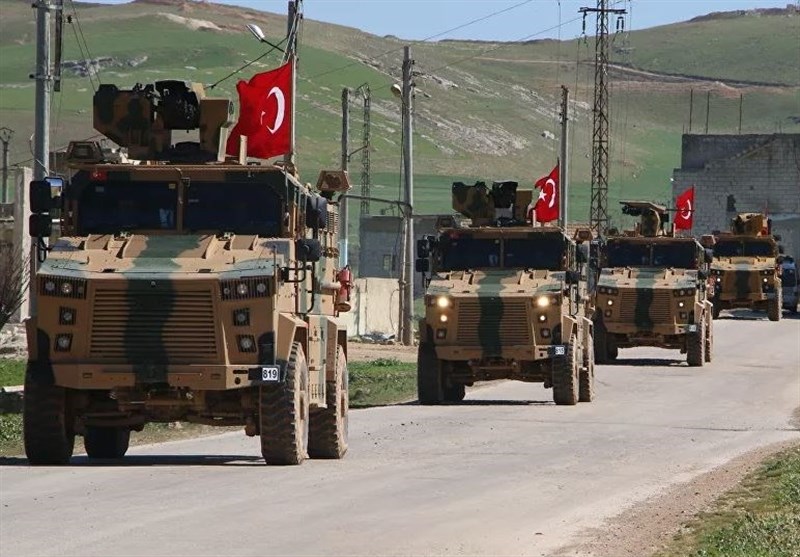
Strategic Council Online – Interview: A West Asia affairs analyst stated: The presence of Turkish forces in over 60 military positions in northern Iraq and repeated attacks on mountainous areas indicate Ankara’s long-term plan to expand its geopolitical influence in West Asia.
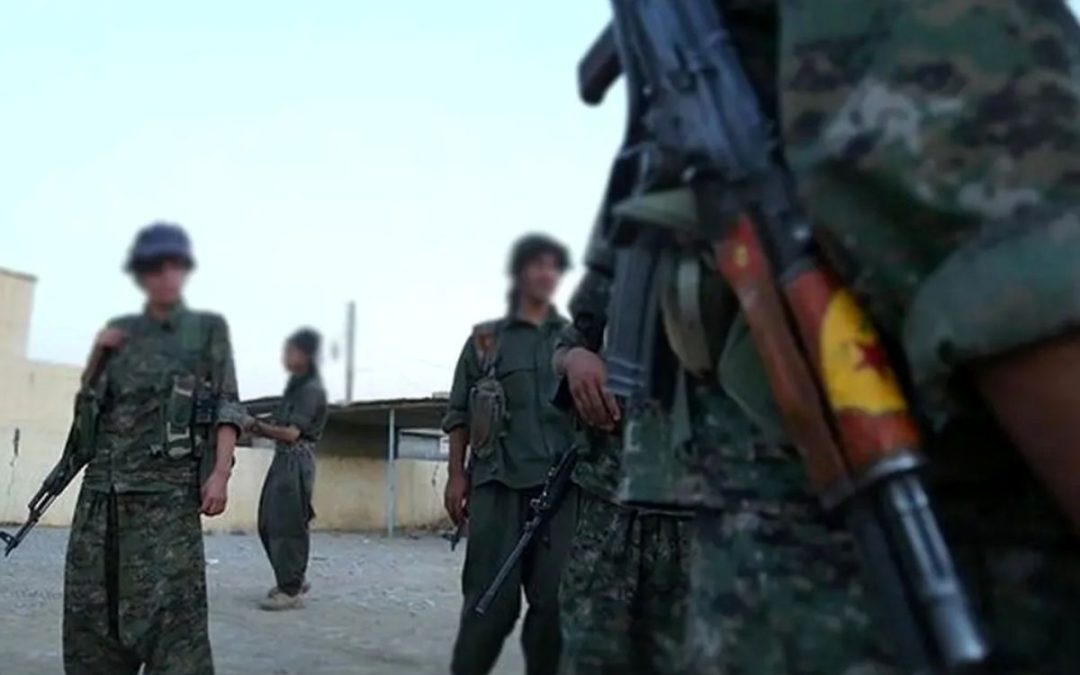
Strategic Council Online – Interview: A researcher in the field of strategy and geopolitical affairs considered the PKK disarmament to be due to their feeling of weakness after the collapse of Bashar al-Assad’s government and the rise of Turkey, as well as the increase in international pressure with the coming to power of Donald Trump, and said: At the current stage, both the PKK and the Turkish government welcome this agreement, but it is unlikely that this agreement will last long.
Strategic Council Online – Guest Opinion: The increase in civilian casualties and ordinary citizens in the northern and eastern regions of Syria, following the continuation and intensification of air and artillery attacks by the Turkish army and its affiliated militias, namely the Syrian National Army (SNA), has led to growing concerns about the future course of developments in Syria.
Strategic Council Online – Interview: An expert on regional issues said that the issue of PKK is not one-dimensional that a security agreement between Turkey and Iraq can solve it. This is a security-political issue, and countries other than Turkey and Iraq play a role. In addition, it is unlikely that the two countries will carry out a joint operation against the PKK because Turkey wants this operation to take place in Arab areas such as Sinjar, where Iraq has great protection over these areas and does not allow Turkey to play a role in these areas.
Strategic Council Online – Interview: An analyst of Iraq affairs, saying that many groups and political parties and decision-makers in Iraq’s foreign policy believe that military cooperation with NATO should be expanded, noted: Joint military cooperation of Western countries, such as France, Britain and the US with some regional players such as Egypt, Jordan and Iraq and some countries of the Persian Gulf Cooperation Council are increasing and joint naval and air exercises in the Red Sea and other places have become more prominent. NATO follows a model in which expansion of its presence in the West Asian region is one of its components, which will entail its own risks.
SCFR Online – Opinion: On Friday, August 7, the heads of state of three countries – Saudi Arabia, Turkey, and Pakistan – signed a text under the title “Makkah Joint Defense Agreement.”
Strategic Council Online – Note: The initiative to revive the Hejaz Railway, beyond being a transportation project, constitutes an attempt to redefine geopolitics, the economy, and Turkey’s regional position; however, its realization appears to face significant financial, security, and institutional challenges.
SCFR Online – Opinion: The Strait of Hormuz crisis is no longer merely the consequence of a military confrontation, but rather a sign of the transition from the US-centered maritime order to a new energy security structure involving the participation of emerging and influential powers.
SCFR Online – Opinion: Iran’s active deterrence strategy, while increasing the costs of US intervention, has increasingly exposed the hidden rifts between Washington’s interests and those of the Israeli regime.
SCFR Online – Opinion: The escalation of verbal and strategic tensions between Turkey and the Israeli regime, although not increasing the likelihood of direct war, indicates the formation of a new order in West Asian geopolitical rivalries.
Strategic Council Online – Note: Recent developments in the political geography of West Asia, from rising tensions in the Persian Gulf to missile and drone activities in the Red Sea and the recent warning by Kaja Kallas, the European Union’s foreign policy chief, regarding the threat to freedom of navigation, indicate a key pattern shift; the US-Iran war has moved beyond the scope of a regional and local confrontation and has linked two vital passageways for the global economy: the Strait of Hormuz and the Bab el-Mandeb Strait.
SCFR Online – Opinion: The Ukraine war was not merely a European crisis, but rather the starting point for the rearrangement of the global balance of power and a shift in the strategic behavior of great powers.
SCFR Online – Opinion: Great power competition is now pursued more in trade, currency, technology, and global supply chains than on the battlefields of military confrontation.
Strategic Council Online – Interview: A West Asia affairs analyst stated: The presence of Turkish forces in over 60 military positions in northern Iraq and repeated attacks on mountainous areas indicate Ankara’s long-term plan to expand its geopolitical influence in West Asia.
Strategic Council Online – Interview: A researcher in the field of strategy and geopolitical affairs considered the PKK disarmament to be due to their feeling of weakness after the collapse of Bashar al-Assad’s government and the rise of Turkey, as well as the increase in international pressure with the coming to power of Donald Trump, and said: At the current stage, both the PKK and the Turkish government welcome this agreement, but it is unlikely that this agreement will last long.
Strategic Council Online – Guest Opinion: The increase in civilian casualties and ordinary citizens in the northern and eastern regions of Syria, following the continuation and intensification of air and artillery attacks by the Turkish army and its affiliated militias, namely the Syrian National Army (SNA), has led to growing concerns about the future course of developments in Syria.
Strategic Council Online – Interview: An expert on regional issues said that the issue of PKK is not one-dimensional that a security agreement between Turkey and Iraq can solve it. This is a security-political issue, and countries other than Turkey and Iraq play a role. In addition, it is unlikely that the two countries will carry out a joint operation against the PKK because Turkey wants this operation to take place in Arab areas such as Sinjar, where Iraq has great protection over these areas and does not allow Turkey to play a role in these areas.
Strategic Council Online – Interview: An analyst of Iraq affairs, saying that many groups and political parties and decision-makers in Iraq’s foreign policy believe that military cooperation with NATO should be expanded, noted: Joint military cooperation of Western countries, such as France, Britain and the US with some regional players such as Egypt, Jordan and Iraq and some countries of the Persian Gulf Cooperation Council are increasing and joint naval and air exercises in the Red Sea and other places have become more prominent. NATO follows a model in which expansion of its presence in the West Asian region is one of its components, which will entail its own risks.
Strategic Council Online – Interview: A West Asia affairs analyst stated: The presence of Turkish forces in over 60 military positions in northern Iraq and repeated attacks on mountainous areas indicate Ankara’s long-term plan to expand its geopolitical influence in West Asia.
Strategic Council Online – Interview: A researcher in the field of strategy and geopolitical affairs considered the PKK disarmament to be due to their feeling of weakness after the collapse of Bashar al-Assad’s government and the rise of Turkey, as well as the increase in international pressure with the coming to power of Donald Trump, and said: At the current stage, both the PKK and the Turkish government welcome this agreement, but it is unlikely that this agreement will last long.
Strategic Council Online – Guest Opinion: The increase in civilian casualties and ordinary citizens in the northern and eastern regions of Syria, following the continuation and intensification of air and artillery attacks by the Turkish army and its affiliated militias, namely the Syrian National Army (SNA), has led to growing concerns about the future course of developments in Syria.
Strategic Council Online – Interview: An expert on regional issues said that the issue of PKK is not one-dimensional that a security agreement between Turkey and Iraq can solve it. This is a security-political issue, and countries other than Turkey and Iraq play a role. In addition, it is unlikely that the two countries will carry out a joint operation against the PKK because Turkey wants this operation to take place in Arab areas such as Sinjar, where Iraq has great protection over these areas and does not allow Turkey to play a role in these areas.
Strategic Council Online – Interview: An analyst of Iraq affairs, saying that many groups and political parties and decision-makers in Iraq’s foreign policy believe that military cooperation with NATO should be expanded, noted: Joint military cooperation of Western countries, such as France, Britain and the US with some regional players such as Egypt, Jordan and Iraq and some countries of the Persian Gulf Cooperation Council are increasing and joint naval and air exercises in the Red Sea and other places have become more prominent. NATO follows a model in which expansion of its presence in the West Asian region is one of its components, which will entail its own risks.
SCFR Online – Opinion: On Friday, August 7, the heads of state of three countries – Saudi Arabia, Turkey, and Pakistan – signed a text under the title “Makkah Joint Defense Agreement.”
Strategic Council Online – Note: The initiative to revive the Hejaz Railway, beyond being a transportation project, constitutes an attempt to redefine geopolitics, the economy, and Turkey’s regional position; however, its realization appears to face significant financial, security, and institutional challenges.
SCFR Online – Opinion: The Strait of Hormuz crisis is no longer merely the consequence of a military confrontation, but rather a sign of the transition from the US-centered maritime order to a new energy security structure involving the participation of emerging and influential powers.
SCFR Online – Opinion: Iran’s active deterrence strategy, while increasing the costs of US intervention, has increasingly exposed the hidden rifts between Washington’s interests and those of the Israeli regime.
SCFR Online – Opinion: The escalation of verbal and strategic tensions between Turkey and the Israeli regime, although not increasing the likelihood of direct war, indicates the formation of a new order in West Asian geopolitical rivalries.
Strategic Council Online – Note: Recent developments in the political geography of West Asia, from rising tensions in the Persian Gulf to missile and drone activities in the Red Sea and the recent warning by Kaja Kallas, the European Union’s foreign policy chief, regarding the threat to freedom of navigation, indicate a key pattern shift; the US-Iran war has moved beyond the scope of a regional and local confrontation and has linked two vital passageways for the global economy: the Strait of Hormuz and the Bab el-Mandeb Strait.
SCFR Online – Opinion: The Ukraine war was not merely a European crisis, but rather the starting point for the rearrangement of the global balance of power and a shift in the strategic behavior of great powers.
SCFR Online – Opinion: Great power competition is now pursued more in trade, currency, technology, and global supply chains than on the battlefields of military confrontation.
Strategic Council Online – Interview: A West Asia affairs analyst stated: The presence of Turkish forces in over 60 military positions in northern Iraq and repeated attacks on mountainous areas indicate Ankara’s long-term plan to expand its geopolitical influence in West Asia.
Strategic Council Online – Interview: A researcher in the field of strategy and geopolitical affairs considered the PKK disarmament to be due to their feeling of weakness after the collapse of Bashar al-Assad’s government and the rise of Turkey, as well as the increase in international pressure with the coming to power of Donald Trump, and said: At the current stage, both the PKK and the Turkish government welcome this agreement, but it is unlikely that this agreement will last long.
Strategic Council Online – Guest Opinion: The increase in civilian casualties and ordinary citizens in the northern and eastern regions of Syria, following the continuation and intensification of air and artillery attacks by the Turkish army and its affiliated militias, namely the Syrian National Army (SNA), has led to growing concerns about the future course of developments in Syria.
Strategic Council Online – Interview: An expert on regional issues said that the issue of PKK is not one-dimensional that a security agreement between Turkey and Iraq can solve it. This is a security-political issue, and countries other than Turkey and Iraq play a role. In addition, it is unlikely that the two countries will carry out a joint operation against the PKK because Turkey wants this operation to take place in Arab areas such as Sinjar, where Iraq has great protection over these areas and does not allow Turkey to play a role in these areas.
Strategic Council Online – Interview: An analyst of Iraq affairs, saying that many groups and political parties and decision-makers in Iraq’s foreign policy believe that military cooperation with NATO should be expanded, noted: Joint military cooperation of Western countries, such as France, Britain and the US with some regional players such as Egypt, Jordan and Iraq and some countries of the Persian Gulf Cooperation Council are increasing and joint naval and air exercises in the Red Sea and other places have become more prominent. NATO follows a model in which expansion of its presence in the West Asian region is one of its components, which will entail its own risks.
SCFR Online – Opinion: On Friday, August 7, the heads of state of three countries – Saudi Arabia, Turkey, and Pakistan – signed a text under the title “Makkah Joint Defense Agreement.”
Strategic Council Online – Note: The initiative to revive the Hejaz Railway, beyond being a transportation project, constitutes an attempt to redefine geopolitics, the economy, and Turkey’s regional position; however, its realization appears to face significant financial, security, and institutional challenges.
SCFR Online – Opinion: The Strait of Hormuz crisis is no longer merely the consequence of a military confrontation, but rather a sign of the transition from the US-centered maritime order to a new energy security structure involving the participation of emerging and influential powers.
SCFR Online – Opinion: Iran’s active deterrence strategy, while increasing the costs of US intervention, has increasingly exposed the hidden rifts between Washington’s interests and those of the Israeli regime.
SCFR Online – Opinion: The escalation of verbal and strategic tensions between Turkey and the Israeli regime, although not increasing the likelihood of direct war, indicates the formation of a new order in West Asian geopolitical rivalries.
Strategic Council Online – Note: Recent developments in the political geography of West Asia, from rising tensions in the Persian Gulf to missile and drone activities in the Red Sea and the recent warning by Kaja Kallas, the European Union’s foreign policy chief, regarding the threat to freedom of navigation, indicate a key pattern shift; the US-Iran war has moved beyond the scope of a regional and local confrontation and has linked two vital passageways for the global economy: the Strait of Hormuz and the Bab el-Mandeb Strait.
SCFR Online – Opinion: The Ukraine war was not merely a European crisis, but rather the starting point for the rearrangement of the global balance of power and a shift in the strategic behavior of great powers.
SCFR Online – Opinion: Great power competition is now pursued more in trade, currency, technology, and global supply chains than on the battlefields of military confrontation.
Strategic Council Online – Interview: A West Asia affairs analyst stated: The presence of Turkish forces in over 60 military positions in northern Iraq and repeated attacks on mountainous areas indicate Ankara’s long-term plan to expand its geopolitical influence in West Asia.
Strategic Council Online – Interview: A researcher in the field of strategy and geopolitical affairs considered the PKK disarmament to be due to their feeling of weakness after the collapse of Bashar al-Assad’s government and the rise of Turkey, as well as the increase in international pressure with the coming to power of Donald Trump, and said: At the current stage, both the PKK and the Turkish government welcome this agreement, but it is unlikely that this agreement will last long.
Strategic Council Online – Guest Opinion: The increase in civilian casualties and ordinary citizens in the northern and eastern regions of Syria, following the continuation and intensification of air and artillery attacks by the Turkish army and its affiliated militias, namely the Syrian National Army (SNA), has led to growing concerns about the future course of developments in Syria.
Strategic Council Online – Interview: An expert on regional issues said that the issue of PKK is not one-dimensional that a security agreement between Turkey and Iraq can solve it. This is a security-political issue, and countries other than Turkey and Iraq play a role. In addition, it is unlikely that the two countries will carry out a joint operation against the PKK because Turkey wants this operation to take place in Arab areas such as Sinjar, where Iraq has great protection over these areas and does not allow Turkey to play a role in these areas.
Strategic Council Online – Interview: An analyst of Iraq affairs, saying that many groups and political parties and decision-makers in Iraq’s foreign policy believe that military cooperation with NATO should be expanded, noted: Joint military cooperation of Western countries, such as France, Britain and the US with some regional players such as Egypt, Jordan and Iraq and some countries of the Persian Gulf Cooperation Council are increasing and joint naval and air exercises in the Red Sea and other places have become more prominent. NATO follows a model in which expansion of its presence in the West Asian region is one of its components, which will entail its own risks.
SCFR Online – Opinion: On Friday, August 7, the heads of state of three countries – Saudi Arabia, Turkey, and Pakistan – signed a text under the title “Makkah Joint Defense Agreement.”
Strategic Council Online – Note: The initiative to revive the Hejaz Railway, beyond being a transportation project, constitutes an attempt to redefine geopolitics, the economy, and Turkey’s regional position; however, its realization appears to face significant financial, security, and institutional challenges.
SCFR Online – Opinion: The Strait of Hormuz crisis is no longer merely the consequence of a military confrontation, but rather a sign of the transition from the US-centered maritime order to a new energy security structure involving the participation of emerging and influential powers.
SCFR Online – Opinion: Iran’s active deterrence strategy, while increasing the costs of US intervention, has increasingly exposed the hidden rifts between Washington’s interests and those of the Israeli regime.
SCFR Online – Opinion: The escalation of verbal and strategic tensions between Turkey and the Israeli regime, although not increasing the likelihood of direct war, indicates the formation of a new order in West Asian geopolitical rivalries.
Strategic Council Online – Note: Recent developments in the political geography of West Asia, from rising tensions in the Persian Gulf to missile and drone activities in the Red Sea and the recent warning by Kaja Kallas, the European Union’s foreign policy chief, regarding the threat to freedom of navigation, indicate a key pattern shift; the US-Iran war has moved beyond the scope of a regional and local confrontation and has linked two vital passageways for the global economy: the Strait of Hormuz and the Bab el-Mandeb Strait.
SCFR Online – Opinion: The Ukraine war was not merely a European crisis, but rather the starting point for the rearrangement of the global balance of power and a shift in the strategic behavior of great powers.
SCFR Online – Opinion: Great power competition is now pursued more in trade, currency, technology, and global supply chains than on the battlefields of military confrontation.
Strategic Council Online – Interview: A West Asia affairs analyst stated: The presence of Turkish forces in over 60 military positions in northern Iraq and repeated attacks on mountainous areas indicate Ankara’s long-term plan to expand its geopolitical influence in West Asia.
Strategic Council Online – Interview: A researcher in the field of strategy and geopolitical affairs considered the PKK disarmament to be due to their feeling of weakness after the collapse of Bashar al-Assad’s government and the rise of Turkey, as well as the increase in international pressure with the coming to power of Donald Trump, and said: At the current stage, both the PKK and the Turkish government welcome this agreement, but it is unlikely that this agreement will last long.
Strategic Council Online – Guest Opinion: The increase in civilian casualties and ordinary citizens in the northern and eastern regions of Syria, following the continuation and intensification of air and artillery attacks by the Turkish army and its affiliated militias, namely the Syrian National Army (SNA), has led to growing concerns about the future course of developments in Syria.
Strategic Council Online – Interview: An expert on regional issues said that the issue of PKK is not one-dimensional that a security agreement between Turkey and Iraq can solve it. This is a security-political issue, and countries other than Turkey and Iraq play a role. In addition, it is unlikely that the two countries will carry out a joint operation against the PKK because Turkey wants this operation to take place in Arab areas such as Sinjar, where Iraq has great protection over these areas and does not allow Turkey to play a role in these areas.
Strategic Council Online – Interview: An analyst of Iraq affairs, saying that many groups and political parties and decision-makers in Iraq’s foreign policy believe that military cooperation with NATO should be expanded, noted: Joint military cooperation of Western countries, such as France, Britain and the US with some regional players such as Egypt, Jordan and Iraq and some countries of the Persian Gulf Cooperation Council are increasing and joint naval and air exercises in the Red Sea and other places have become more prominent. NATO follows a model in which expansion of its presence in the West Asian region is one of its components, which will entail its own risks.
SCFR Online – Opinion: On Friday, August 7, the heads of state of three countries – Saudi Arabia, Turkey, and Pakistan – signed a text under the title “Makkah Joint Defense Agreement.”
Strategic Council Online – Note: The initiative to revive the Hejaz Railway, beyond being a transportation project, constitutes an attempt to redefine geopolitics, the economy, and Turkey’s regional position; however, its realization appears to face significant financial, security, and institutional challenges.
SCFR Online – Opinion: The Strait of Hormuz crisis is no longer merely the consequence of a military confrontation, but rather a sign of the transition from the US-centered maritime order to a new energy security structure involving the participation of emerging and influential powers.
SCFR Online – Opinion: Iran’s active deterrence strategy, while increasing the costs of US intervention, has increasingly exposed the hidden rifts between Washington’s interests and those of the Israeli regime.
SCFR Online – Opinion: The escalation of verbal and strategic tensions between Turkey and the Israeli regime, although not increasing the likelihood of direct war, indicates the formation of a new order in West Asian geopolitical rivalries.
Strategic Council Online – Note: Recent developments in the political geography of West Asia, from rising tensions in the Persian Gulf to missile and drone activities in the Red Sea and the recent warning by Kaja Kallas, the European Union’s foreign policy chief, regarding the threat to freedom of navigation, indicate a key pattern shift; the US-Iran war has moved beyond the scope of a regional and local confrontation and has linked two vital passageways for the global economy: the Strait of Hormuz and the Bab el-Mandeb Strait.
SCFR Online – Opinion: The Ukraine war was not merely a European crisis, but rather the starting point for the rearrangement of the global balance of power and a shift in the strategic behavior of great powers.
SCFR Online – Opinion: Great power competition is now pursued more in trade, currency, technology, and global supply chains than on the battlefields of military confrontation.
Strategic Council Online – Interview: A West Asia affairs analyst stated: The presence of Turkish forces in over 60 military positions in northern Iraq and repeated attacks on mountainous areas indicate Ankara’s long-term plan to expand its geopolitical influence in West Asia.
Strategic Council Online – Interview: A researcher in the field of strategy and geopolitical affairs considered the PKK disarmament to be due to their feeling of weakness after the collapse of Bashar al-Assad’s government and the rise of Turkey, as well as the increase in international pressure with the coming to power of Donald Trump, and said: At the current stage, both the PKK and the Turkish government welcome this agreement, but it is unlikely that this agreement will last long.
Strategic Council Online – Guest Opinion: The increase in civilian casualties and ordinary citizens in the northern and eastern regions of Syria, following the continuation and intensification of air and artillery attacks by the Turkish army and its affiliated militias, namely the Syrian National Army (SNA), has led to growing concerns about the future course of developments in Syria.
Strategic Council Online – Interview: An expert on regional issues said that the issue of PKK is not one-dimensional that a security agreement between Turkey and Iraq can solve it. This is a security-political issue, and countries other than Turkey and Iraq play a role. In addition, it is unlikely that the two countries will carry out a joint operation against the PKK because Turkey wants this operation to take place in Arab areas such as Sinjar, where Iraq has great protection over these areas and does not allow Turkey to play a role in these areas.
Strategic Council Online – Interview: An analyst of Iraq affairs, saying that many groups and political parties and decision-makers in Iraq’s foreign policy believe that military cooperation with NATO should be expanded, noted: Joint military cooperation of Western countries, such as France, Britain and the US with some regional players such as Egypt, Jordan and Iraq and some countries of the Persian Gulf Cooperation Council are increasing and joint naval and air exercises in the Red Sea and other places have become more prominent. NATO follows a model in which expansion of its presence in the West Asian region is one of its components, which will entail its own risks.
SCFR Online – Opinion: On Friday, August 7, the heads of state of three countries – Saudi Arabia, Turkey, and Pakistan – signed a text under the title “Makkah Joint Defense Agreement.”
Strategic Council Online – Note: The initiative to revive the Hejaz Railway, beyond being a transportation project, constitutes an attempt to redefine geopolitics, the economy, and Turkey’s regional position; however, its realization appears to face significant financial, security, and institutional challenges.
SCFR Online – Opinion: The Strait of Hormuz crisis is no longer merely the consequence of a military confrontation, but rather a sign of the transition from the US-centered maritime order to a new energy security structure involving the participation of emerging and influential powers.
SCFR Online – Opinion: Iran’s active deterrence strategy, while increasing the costs of US intervention, has increasingly exposed the hidden rifts between Washington’s interests and those of the Israeli regime.
SCFR Online – Opinion: The escalation of verbal and strategic tensions between Turkey and the Israeli regime, although not increasing the likelihood of direct war, indicates the formation of a new order in West Asian geopolitical rivalries.
Strategic Council Online – Note: Recent developments in the political geography of West Asia, from rising tensions in the Persian Gulf to missile and drone activities in the Red Sea and the recent warning by Kaja Kallas, the European Union’s foreign policy chief, regarding the threat to freedom of navigation, indicate a key pattern shift; the US-Iran war has moved beyond the scope of a regional and local confrontation and has linked two vital passageways for the global economy: the Strait of Hormuz and the Bab el-Mandeb Strait.
SCFR Online – Opinion: The Ukraine war was not merely a European crisis, but rather the starting point for the rearrangement of the global balance of power and a shift in the strategic behavior of great powers.
SCFR Online – Opinion: Great power competition is now pursued more in trade, currency, technology, and global supply chains than on the battlefields of military confrontation.